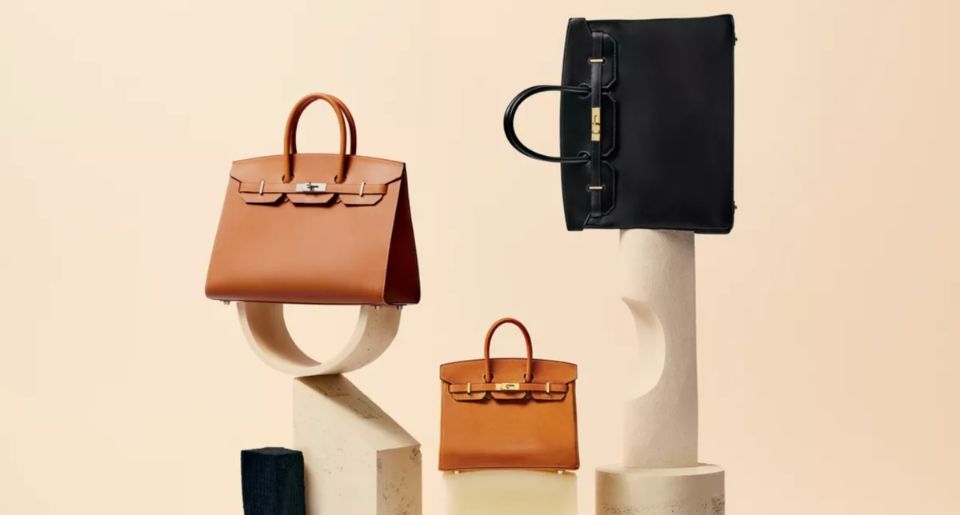
(Image credit: hermes)
Contents
- When the Logo Isn't the First Thing You Notice
- The Power of Silhouette
- Proportion Is More Important Than We Think
- Hardware Can Be a Logo Without Being a Logo
- The Handle Can Give It Away
- A Bag's Shape Can Become a Symbol
- The Bag Doesn't Need to Shout
- Why Fashion Insiders Notice Details
- Recognition Comes From Repetition
- The Role of Celebrities
- The Difference Between a Logo and a Design Code
- Why Minimalism Can Make a Bag More Recognizable
- The Bag Can Be Recognizable Even in Another Material
- Vintage Bags Make This Even More Obvious
- Why Collectors Care About the Details
- When the Design Becomes More Famous Than the Name
- Why Some Bags Never Become Iconic
- Quiet Recognition Is Still Recognition
- The Resale Market Shows Us What Lasts
- The Best Designs Don't Need an Introduction
- When a Bag Becomes a Visual Language
- You Don't Always Need the Logo
There are some luxury bags you can recognize before you even see the logo.
Sometimes you only see the silhouette. Sometimes it’s the shape of the handle. Maybe it’s a particular piece of hardware, the way the bag folds, or even the way it sits when someone carries it. You might be looking at a photo from far away, or you might catch a glimpse of a bag across a restaurant, and somehow you already know what it is.
I think that’s one of the most interesting things about luxury fashion. The strongest designs don't always need to announce themselves. A logo can tell you what brand you're looking at, but a truly recognizable bag can communicate the same thing through its design alone.
That’s a very different kind of branding.
For me, it’s also one of the clearest signs that a handbag has become more than just a product. Its shape has become part of fashion culture. People learn to recognize it without consciously memorizing every detail.
We’ve seen this happen with some of the most famous handbags in fashion history. Their proportions, construction, hardware, and overall silhouette become so familiar that removing the logo doesn’t really hide their identity.
And I think that says a lot about what makes a luxury bag iconic.
When the Logo Isn't the First Thing You Notice
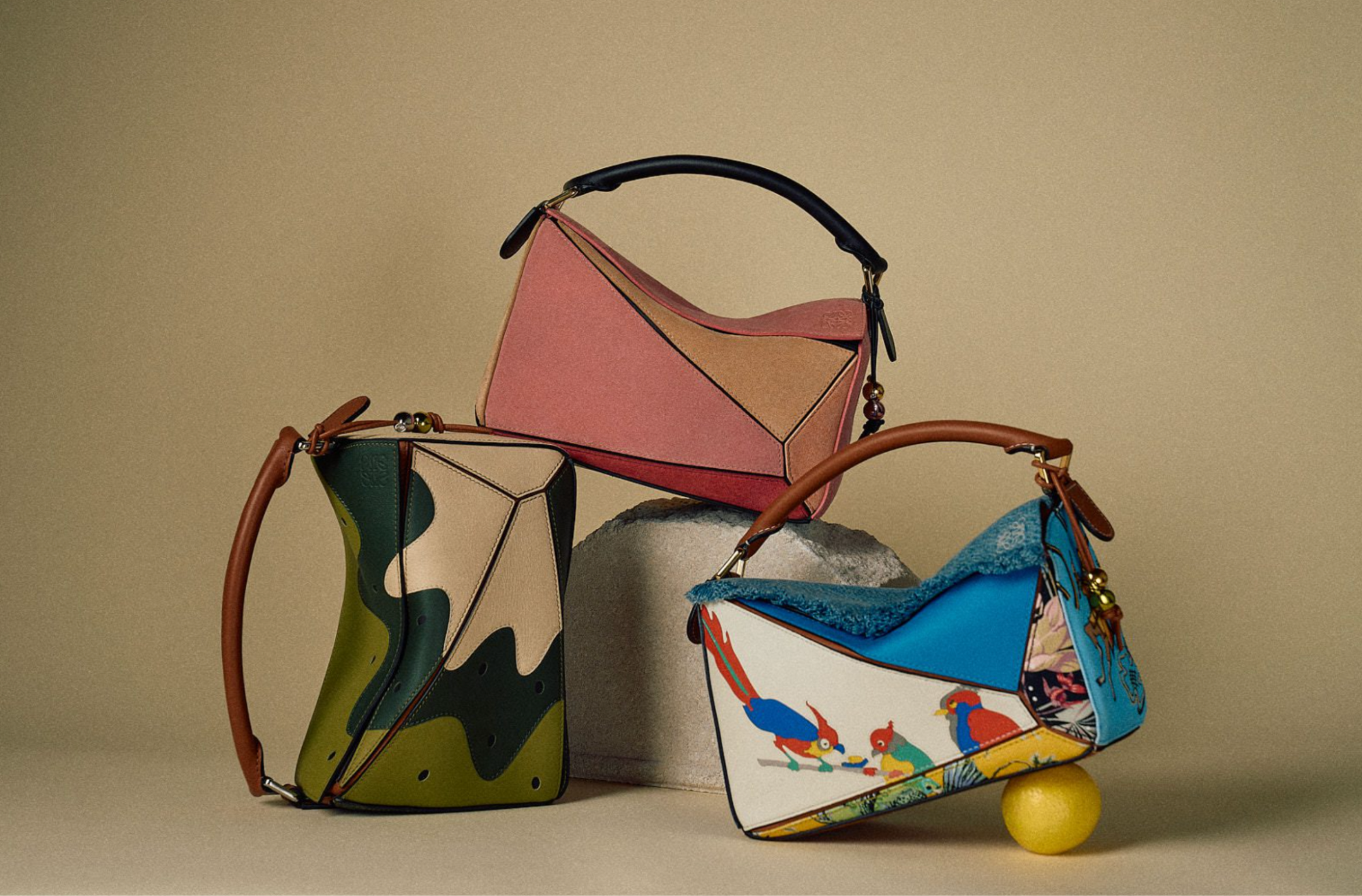
(Image credit: purse blog)
We usually think of branding as something obvious. A logo across the front. A monogram pattern. A signature clasp. A recognizable name.
Luxury brands have spent decades creating these visual codes, and they’re incredibly effective. But there’s another level of recognition that I find much more interesting. It happens when the logo isn't there at all.
Imagine seeing a photograph of a handbag from the side. You can't see the front. There’s no obvious branding. The image is slightly blurry. And yet you still have a feeling that you know what you're looking at.
That reaction comes from design memory.
We see certain silhouettes so often that our brains start connecting them with a particular brand automatically. It's similar to recognizing a famous piece of furniture, a car, or even a building from its outline. The design becomes the signature.
The Power of Silhouette
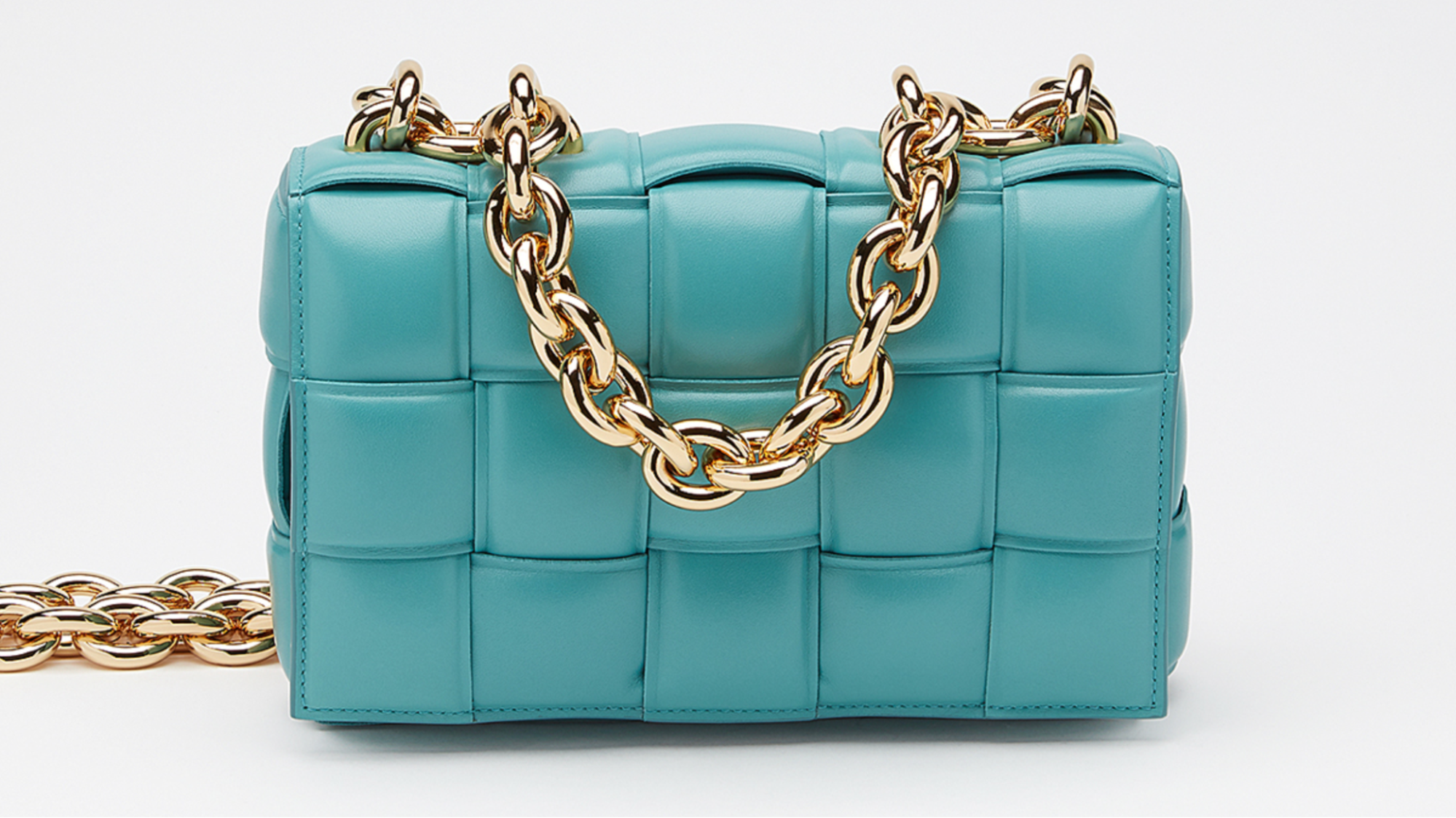
(Image credit: purse blog)
I think silhouette is probably the biggest reason certain bags are so recognizable. Before you notice the leather or hardware, you see the overall shape.
Is it tall or wide?
Structured or soft?
Rounded or angular?
Does it have a particular flap?
A distinctive top handle?
A long strap?
A certain proportion between the body and the handles?
These details create the visual identity of the bag.
Take some of the most famous luxury handbags. You can often sketch their basic outline from memory. You might not draw every stitch perfectly. You might not remember the exact hardware. But you know the general shape. That's powerful.
A logo can change. A color can change. A material can change. But when the silhouette stays consistent, the identity often survives.
Proportion Is More Important Than We Think
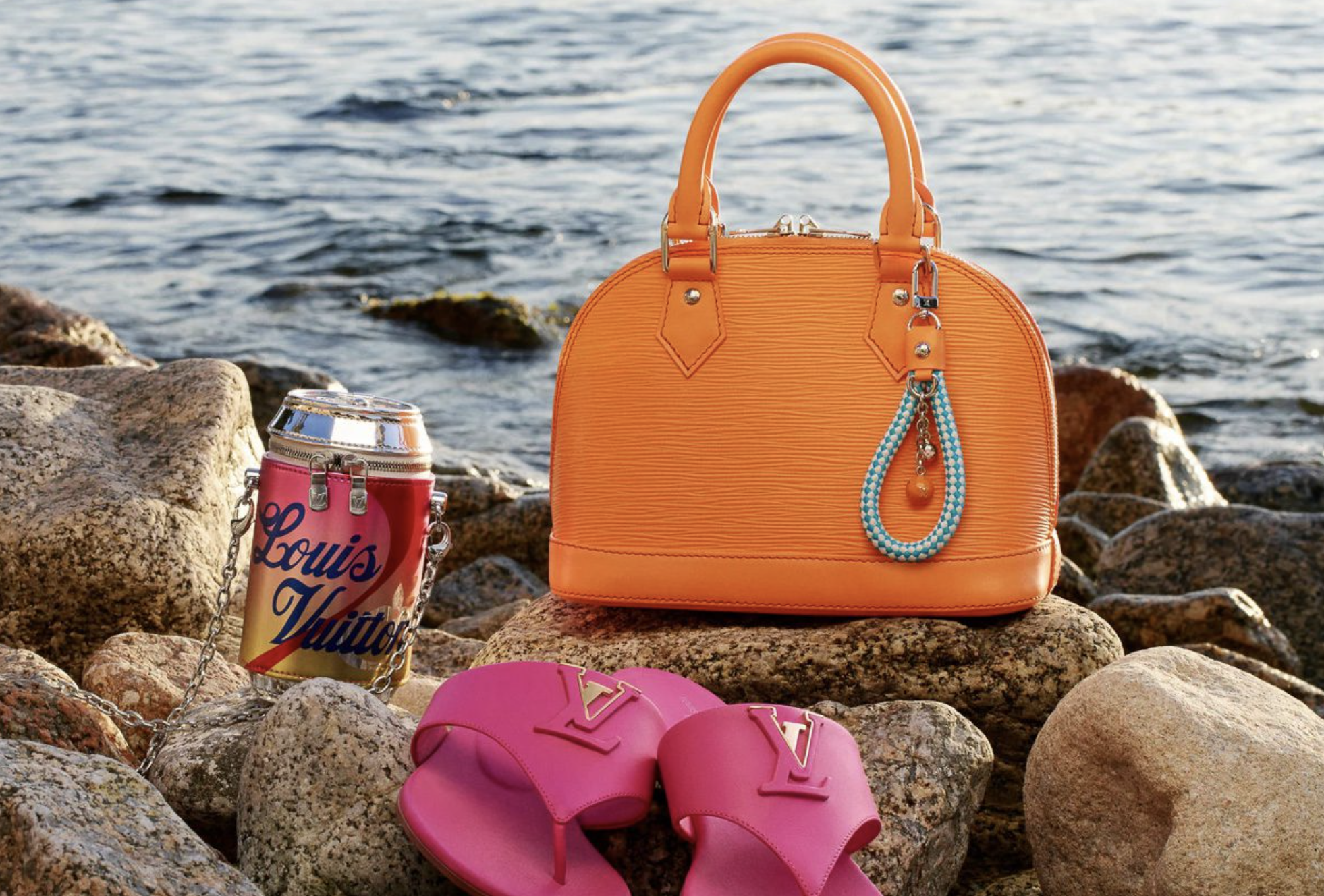
(Image credit: purse blog)
Two bags can both be rectangular, structured, and top handled, yet look completely different. Why?
Proportion.
The relationship between the height, width, handle length, flap size, and hardware placement can completely change how a bag reads.
This is something I notice a lot when looking at vintage and modern versions of the same design. Even a small change in proportion can make a familiar bag feel different. Maybe the body is slightly wider. Maybe the handle sits higher. Maybe the flap is larger. Maybe the hardware is more prominent. These aren't details most people consciously describe. But they affect recognition.
I think that’s one of the reasons luxury brands are so protective of their signature silhouettes. The proportions become part of the brand language.
Hardware Can Be a Logo Without Being a Logo
(Image credit: purse blog)
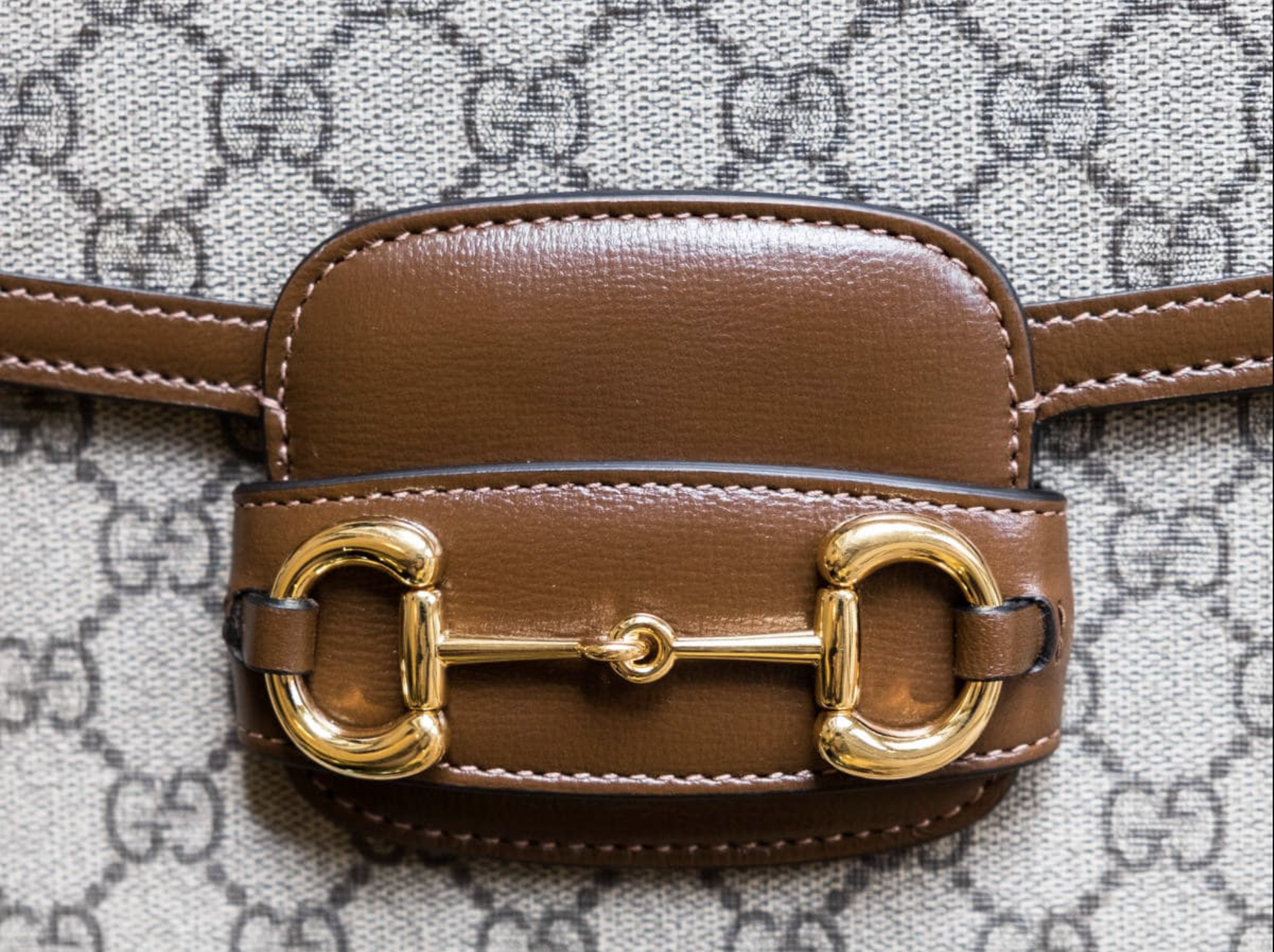
Hardware is another huge part of recognition.
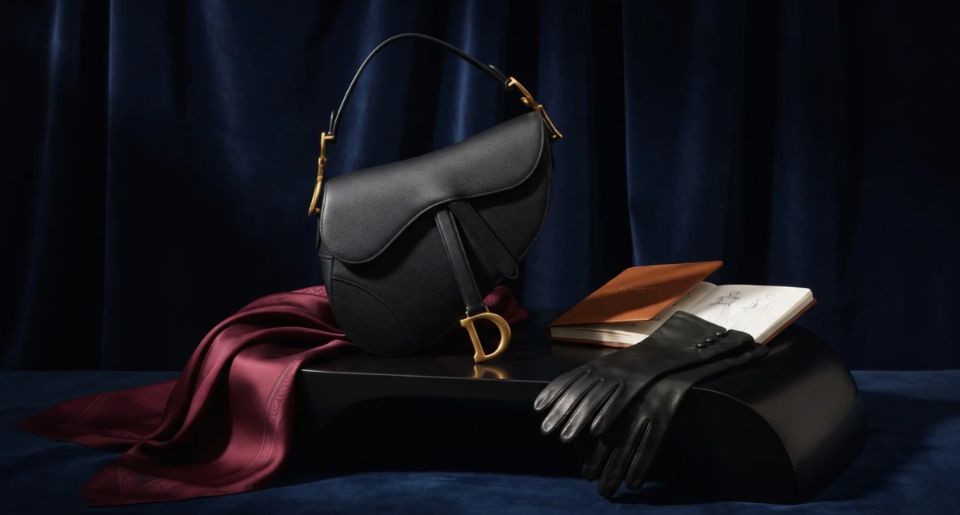
Sometimes you don't need a logo because the hardware already tells the story. A particular lock. A certain clasp. A distinctive chain. A recognizable turn-lock. A specific shape of buckle. These details can become so strongly associated with a brand that you recognize them almost instantly.
And I think hardware is especially interesting because it can remain recognizable even when the rest of the bag is very minimal. Imagine a plain black leather bag with almost no branding. If it has a highly recognizable clasp, suddenly you know exactly what kind of bag you're looking at. The hardware becomes the visual signature.
That’s why I think some of the most iconic luxury bags are built around one very strong detail rather than lots of branding.
The Handle Can Give It Away
(Image credit: prestige online)
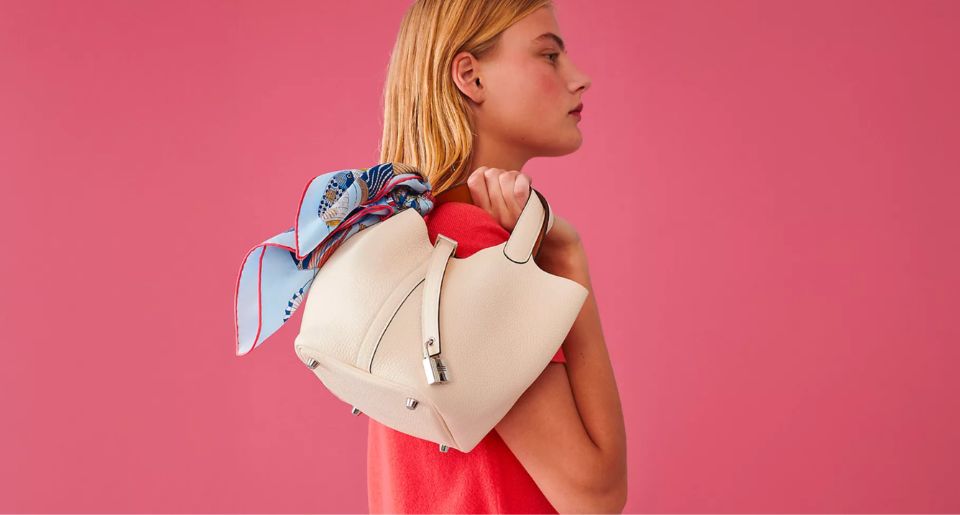
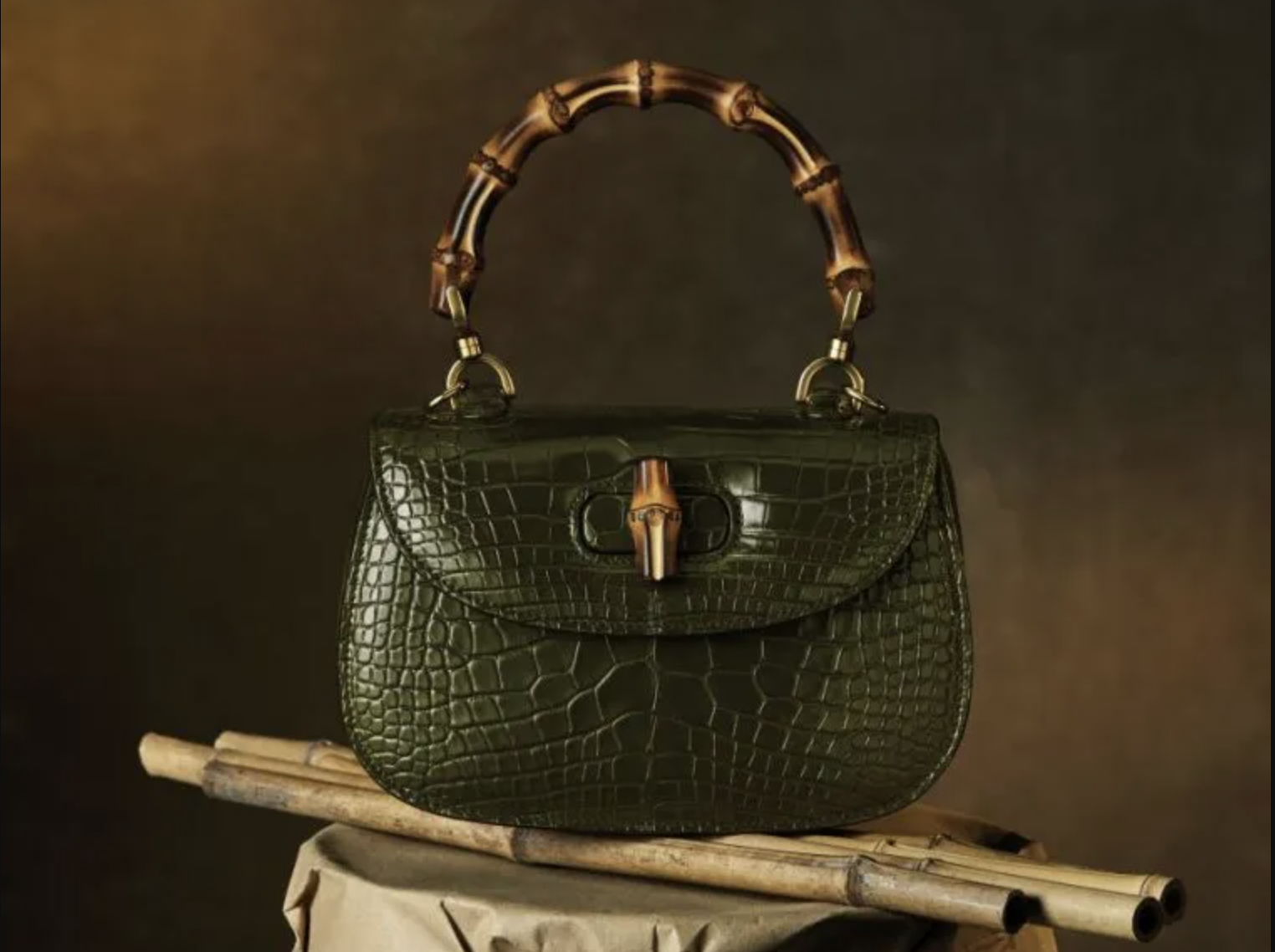
Sometimes the easiest way to recognize a bag is the handle. A certain curved top handle can be enough. The way the handle attaches to the body can be enough. Even the distance between the handle and the top of the bag can become recognizable.
This is one of those things I think people notice without realizing they're noticing it. You might not say, “That handle attachment is characteristic of this particular handbag.” You just see it and know.
That's the difference between knowing a product and knowing a design. When a bag becomes iconic, its smallest structural details can become part of fashion vocabulary.
A Bag's Shape Can Become a Symbol
(Image credit: pinterest)
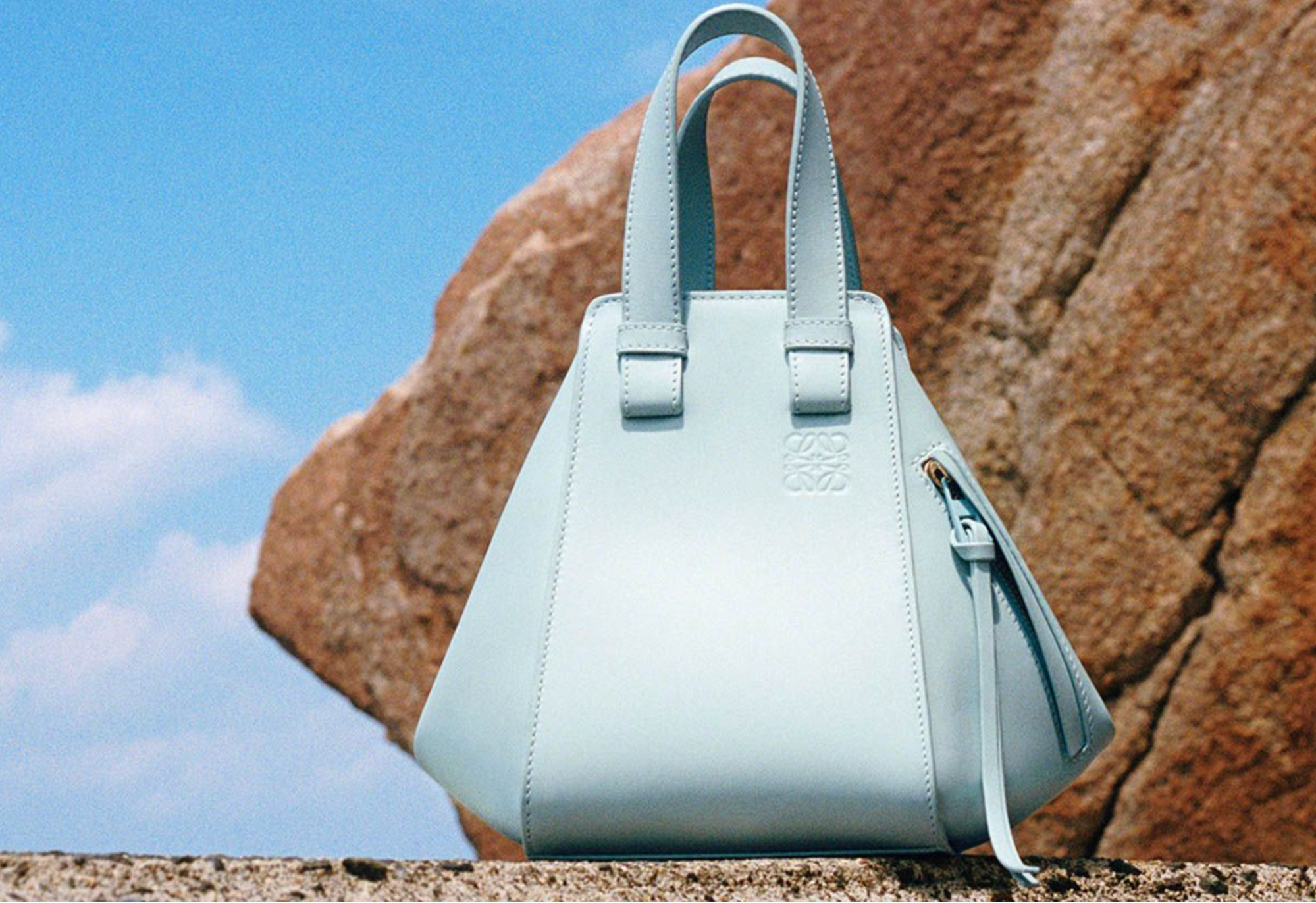
At a certain point, a handbag stops being just a handbag. Its silhouette becomes symbolic. This is what I think happens with the most famous designs. People who have never owned the bag can still recognize it. They might not know the exact model name. They might not know which year it was released. But they know the shape.
That’s when you know a design has really entered popular culture. It becomes something people recognize outside the world of luxury fashion. You don't need to be a collector to know what certain iconic handbags look like.
You've probably seen them in movies, magazines, photographs, museums, social media, or on the arms of celebrities. After enough exposure, the design stays in your memory.
The Bag Doesn't Need to Shout
(Image credit: purse blog)
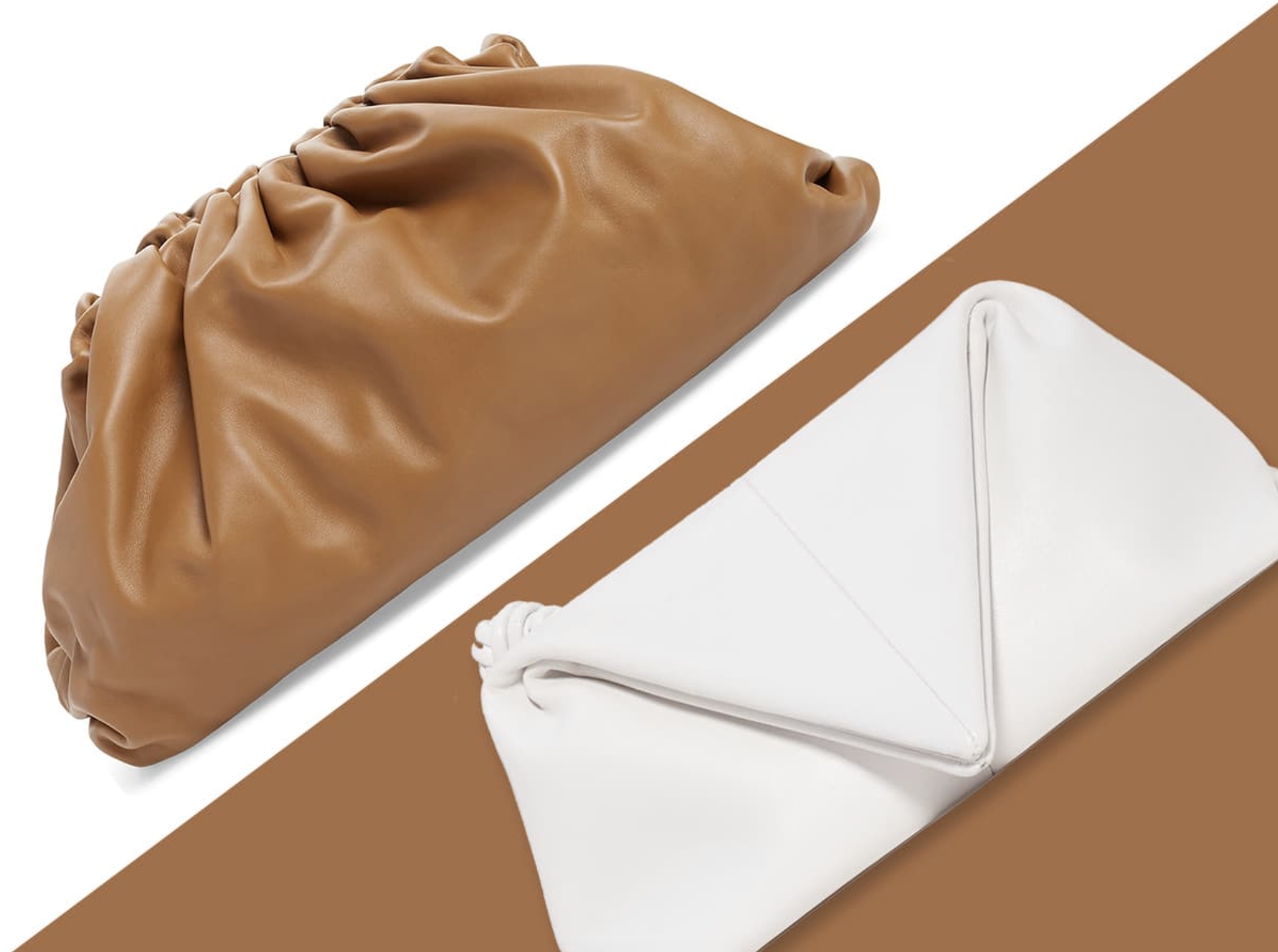
I think this is where understated luxury gets interesting. There are bags that announce themselves immediately. Then there are bags that you only recognize if you know what you're looking at. Personally, I find the second category more interesting.
There’s something satisfying about recognizing a bag because of its construction rather than because the logo is covering half the surface. It creates a kind of quiet conversation between people who know fashion.
Someone sees the bag. They recognize it. You recognize that they recognized it. Nobody needs to say anything. That’s part of the fun. Luxury can work almost like a secret language.
Why Fashion Insiders Notice Details
(Image credit: purse blog)
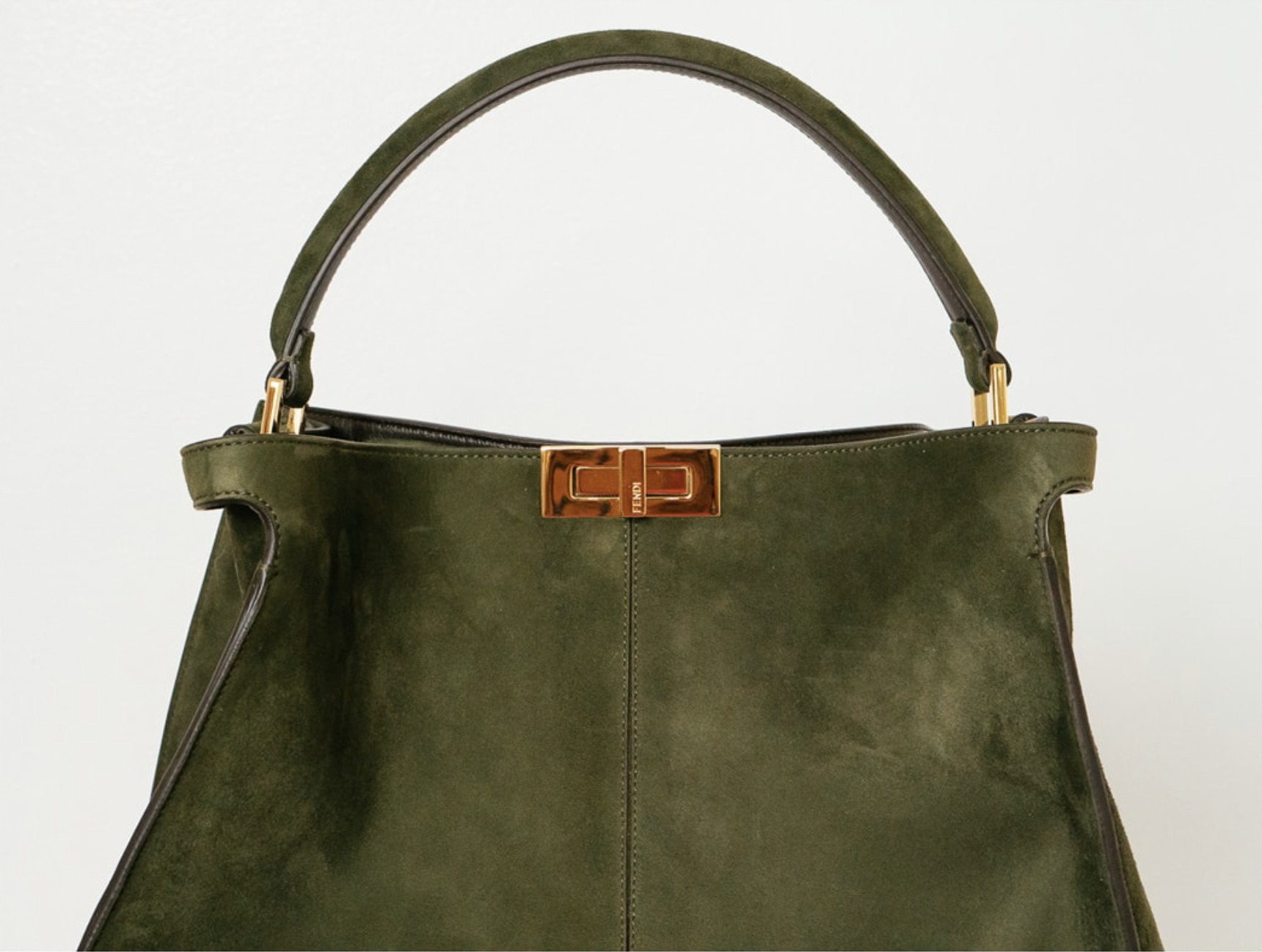
If you spend enough time around handbags, you start noticing things that you probably wouldn't have noticed before.
You recognize certain leathers. You notice hardware finishes. You know the difference between vintage and current proportions. You recognize older versions of a design. You notice stitching. You notice how the handle is constructed. You start understanding why one version feels more desirable than another.
I think this is one of the most enjoyable parts of collecting. Your eye changes. The more you look, the more you see. And eventually, you don't need a logo to tell you what you're looking at.
Recognition Comes From Repetition
(Image credit: purse blog)
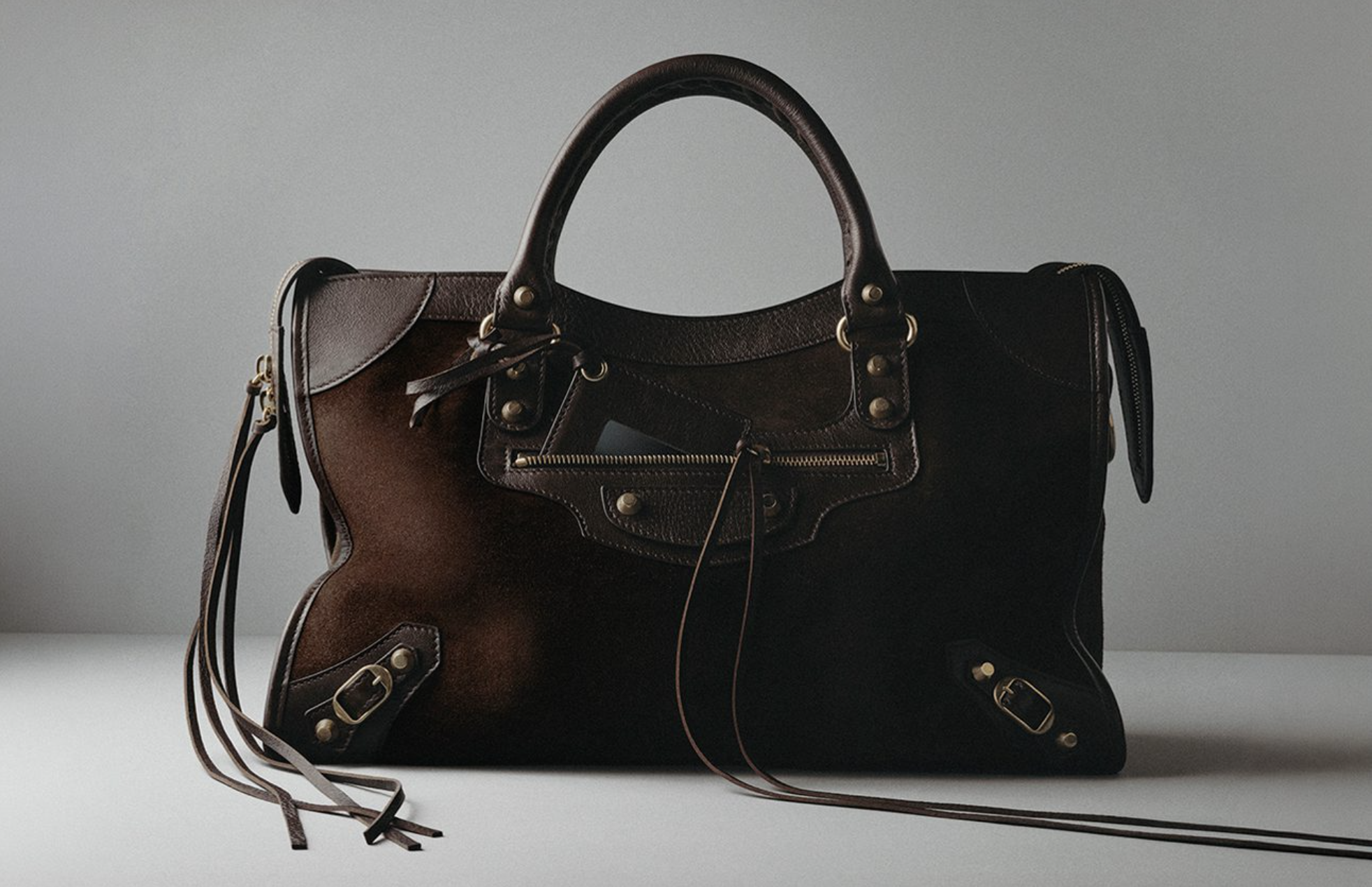
A handbag becomes recognizable because we see it again and again. That sounds obvious, but repetition is incredibly powerful in fashion. The more often a silhouette appears in magazines, campaigns, street style, films, celebrity photographs, and social media, the more familiar it becomes. Eventually, the brain stores the shape.
That's why some relatively simple bags can become iconic. They don't necessarily have complicated designs. They have consistency. The silhouette remains recognizable across years, colors, and materials. And that consistency gives the design a kind of visual memory.
The Role of Celebrities

(Image credit: purse blog)
Celebrity culture has played a huge role in making certain handbag silhouettes recognizable. When a particular bag is repeatedly photographed on the same person, it starts becoming associated with their image. Sometimes the relationship goes even further.
A celebrity carries a bag so often that people start referring to it almost as part of their personal style. The bag becomes connected to a particular era, person, or image.
Think about how certain handbags became associated with Princess Diana, Jane Birkin, Jackie Kennedy, or other major fashion figures. The bag isn't just recognized because of its brand. It's recognized because we've seen it attached to a person and a story. That adds another layer to its identity.
The Difference Between a Logo and a Design Code
(Image credit: purse blog)
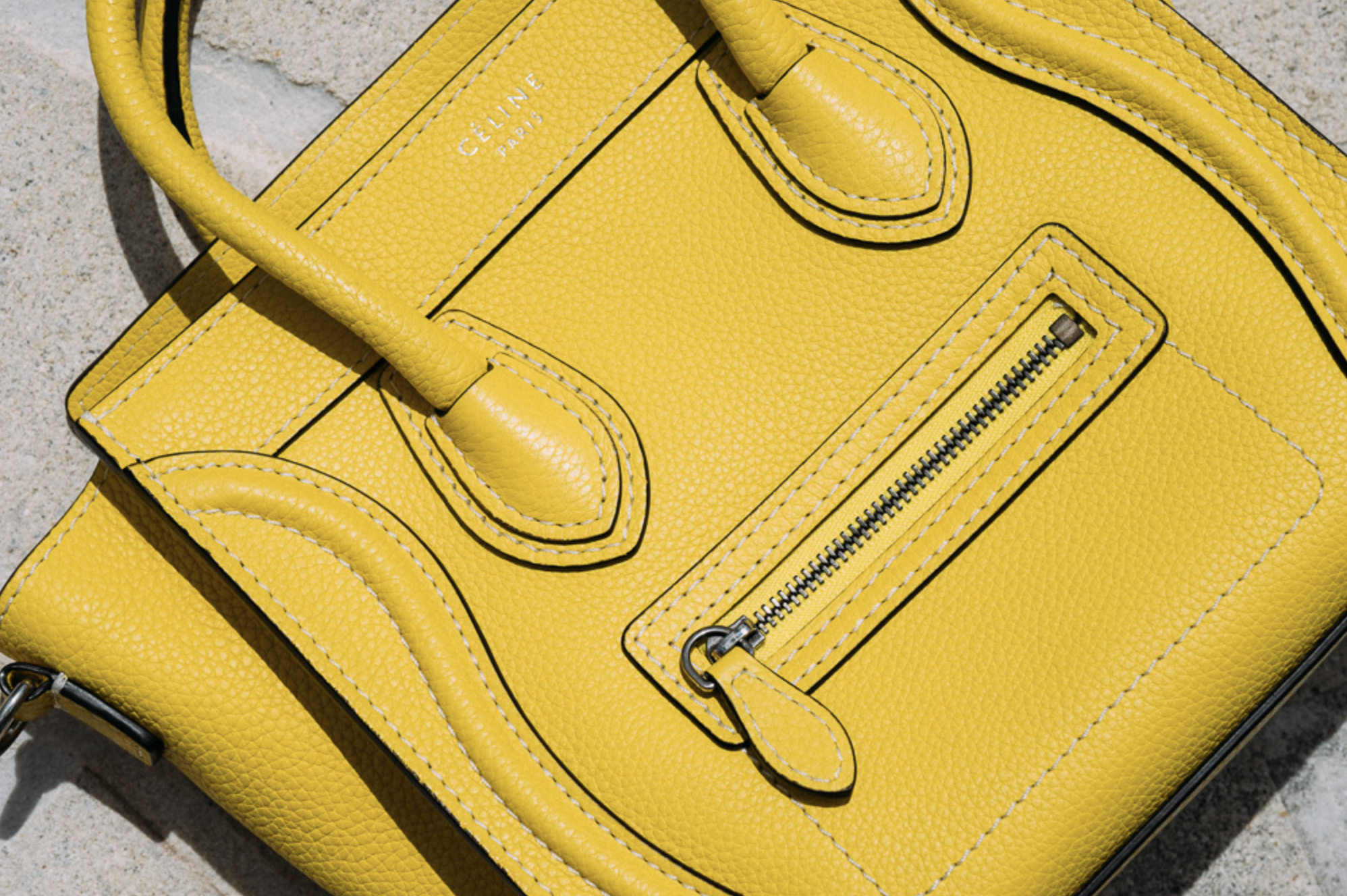
A logo is one visual code. A design language is much bigger.
It can include:
- silhouette
- proportions
- hardware
- stitching
- handle construction
- flap shape
- strap placement
- materials
- color combinations
- edge finishing
- closure systems
When all these details work together consistently, the bag can become recognizable without a logo. That's what I think separates a memorable design from a heavily branded product. The brand doesn't have to tell you what it is. The design already does.
Why Minimalism Can Make a Bag More Recognizable
(Image credit: monsieurchaussure)
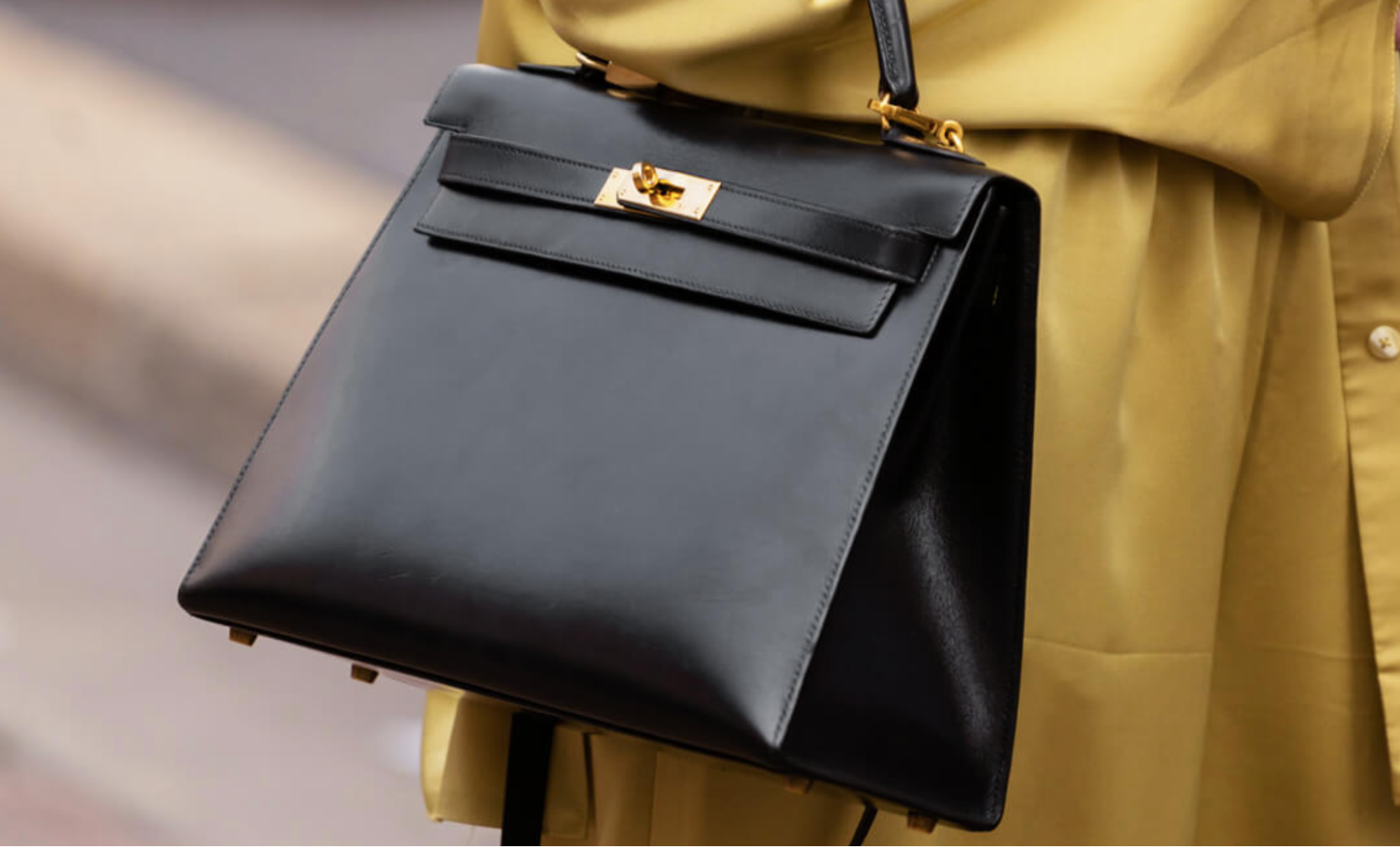
This sounds slightly contradictory, but I think simplicity can actually strengthen recognition. If a bag has too many visual elements, it can become harder to identify the one thing that makes it special.
A clean silhouette gives your eye something to remember. One distinctive clasp. One unusual handle. One particular flap. One recognizable shape. That's enough.
Some of the most enduring luxury bags aren't complicated. They're precise. Every element has a reason for being there. And because there aren't dozens of competing details, the important ones become easier to remember.
The Bag Can Be Recognizable Even in Another Material
(Image credit: purse blog)
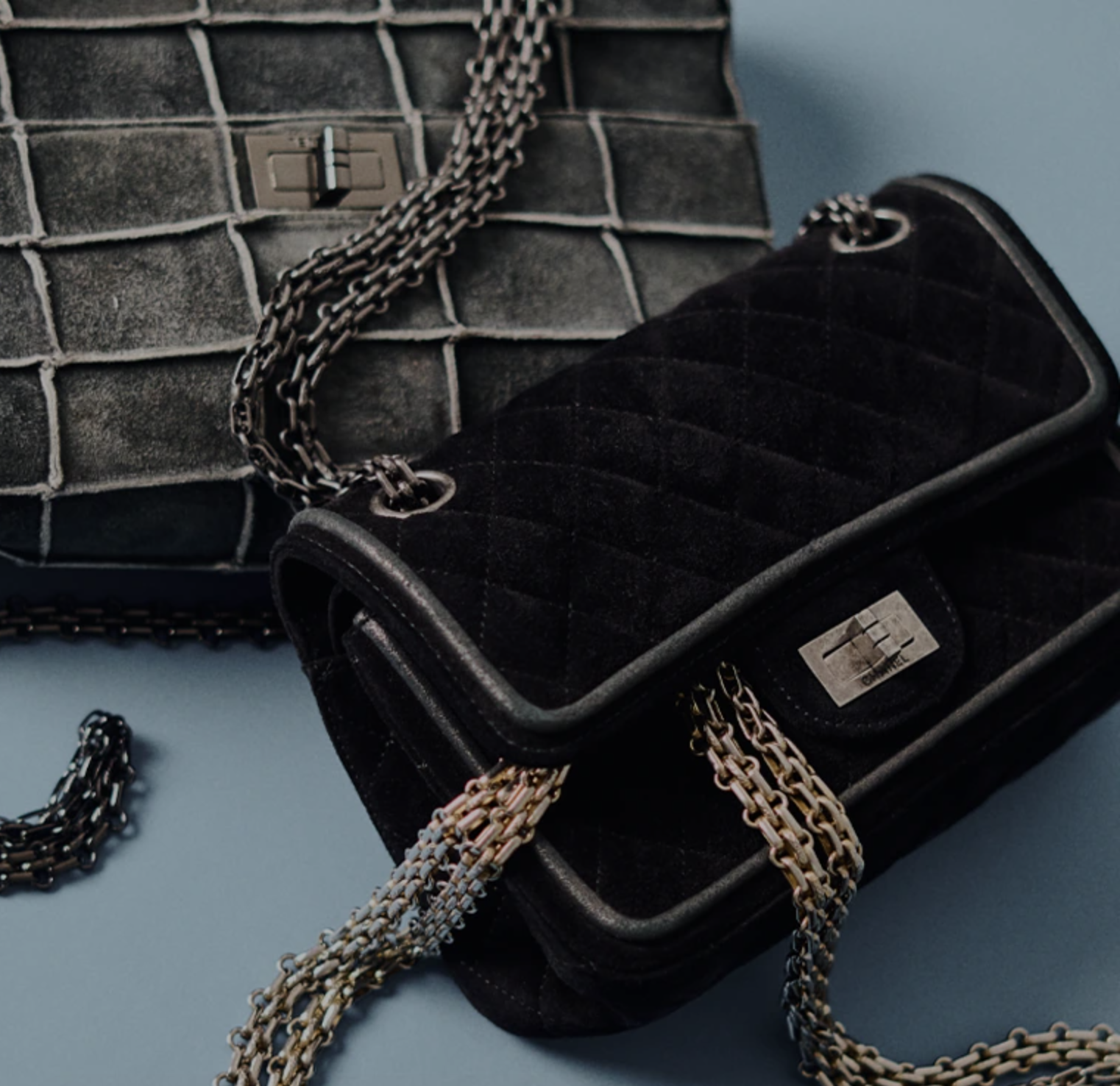
This is where I think things get really interesting. A truly strong design should be able to survive a change in material.
Put the same silhouette in smooth leather, grained leather, canvas, exotic skin, or another material and you can still recognize it.
The surface changes. The texture changes. The color changes. But the shape remains. That tells you how powerful the design actually is.
It's also one reason I enjoy comparing different versions of the same luxury bag. You can see which elements are essential to its identity. Sometimes the leather gets all the attention, but underneath it, the silhouette is doing most of the work.
Vintage Bags Make This Even More Obvious
(Image credit: vogue uk)
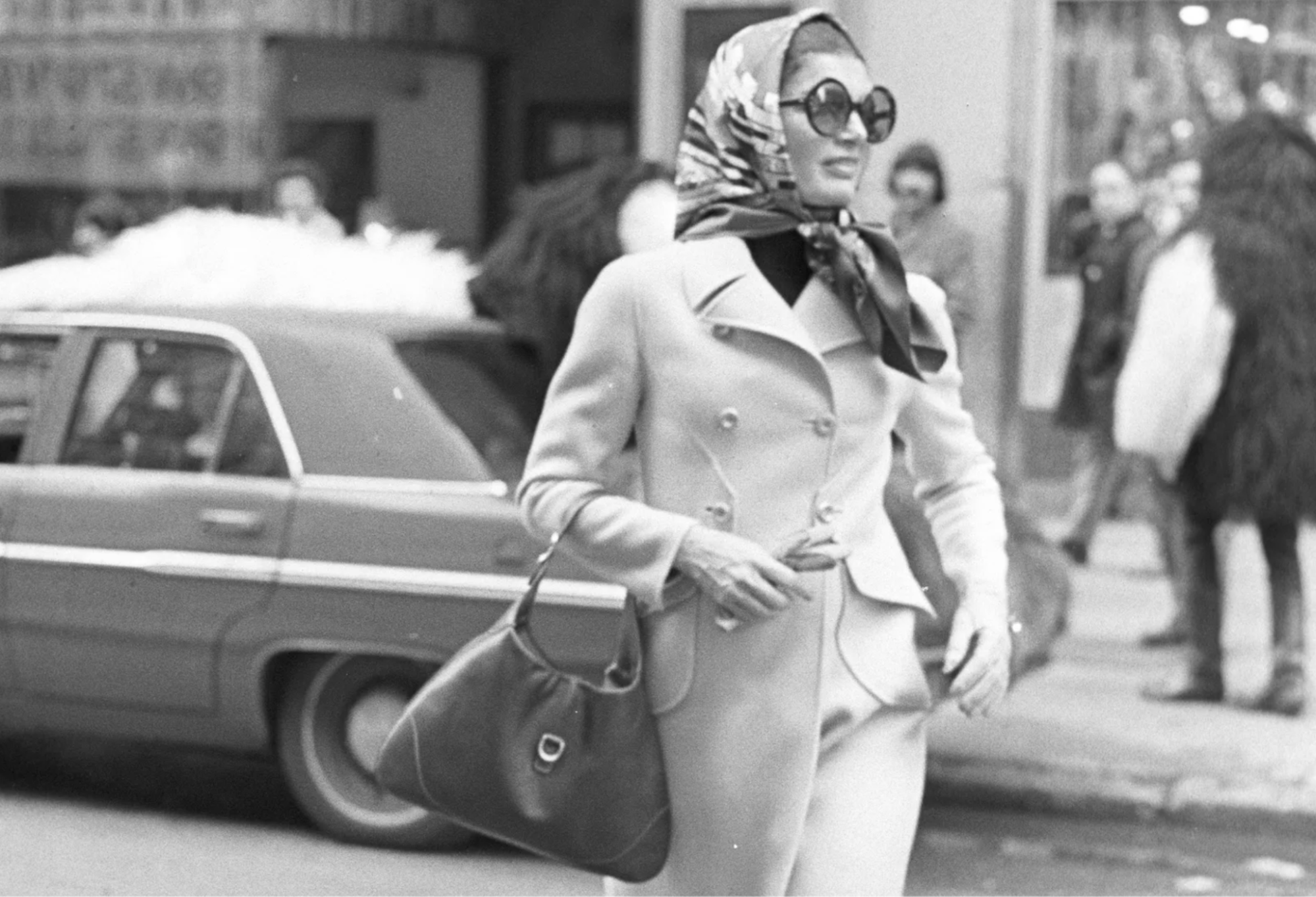
Vintage luxury is where I think logo-free recognition becomes especially impressive. Older bags can have faded branding, worn surfaces, or barely visible logos. Yet a collector can often identify the bag immediately.
Why?
Because the construction is still there. The shape is still there. The hardware is still there. The proportions are still there. Aged leather might look completely different from the original material, but the design survives.
That's a sign of strong design.
The bag doesn't depend entirely on looking new. It can age and still remain itself.
Why Collectors Care About the Details
(Image credit: bottega veneta)
For someone who isn't particularly interested in handbags, two versions of the same bag might look almost identical.
For a collector, they can be completely different.
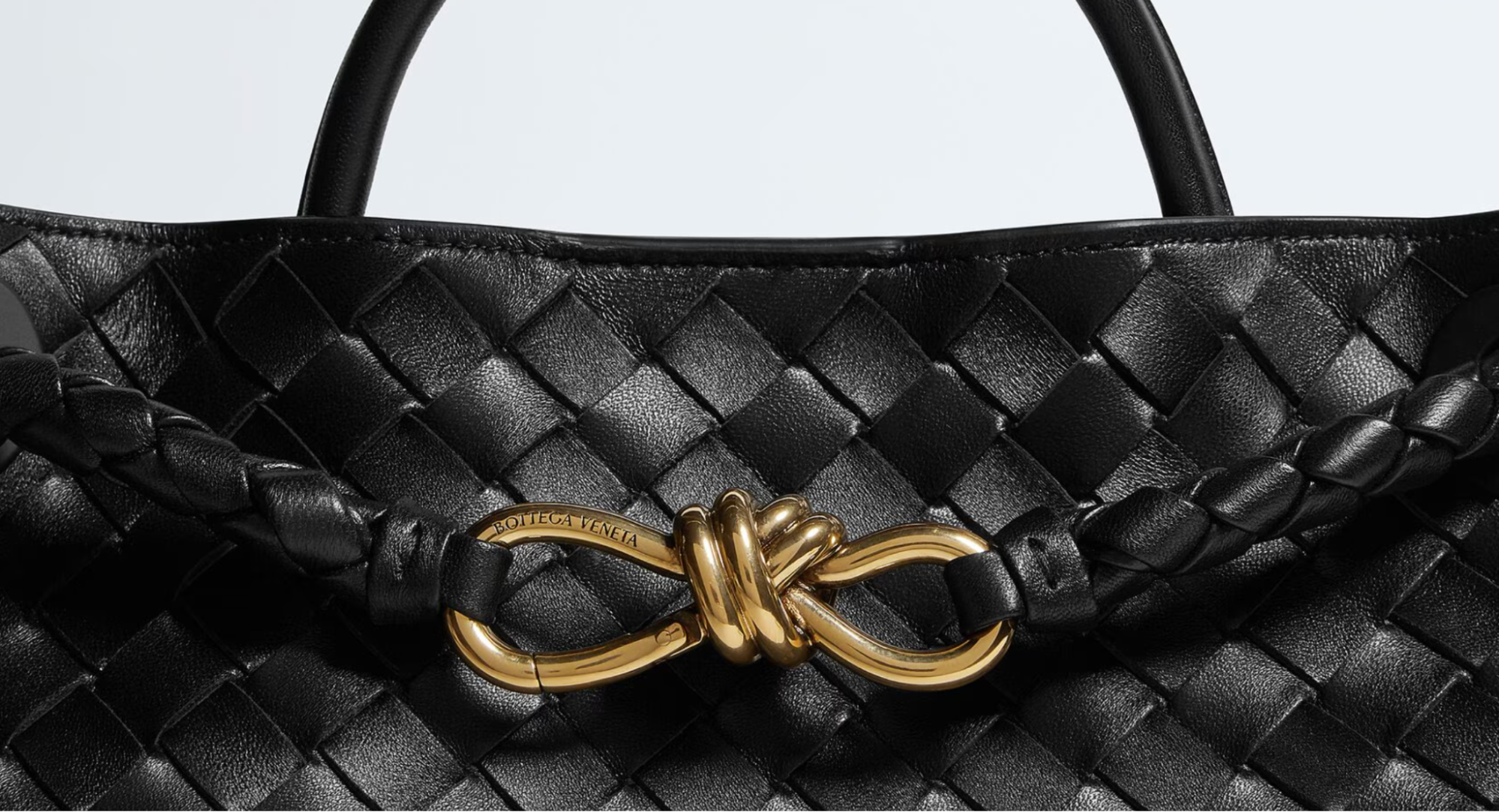
Maybe one version has an earlier hardware design. Maybe the handle is slightly different. Maybe the proportions changed. Maybe the leather was discontinued. Maybe the stitching is different. These details can become incredibly important. And I think that’s part of what makes collecting luxury bags so addictive.
Once you start noticing these small differences, you can't really stop. You start looking at bags differently. You're no longer asking only, “Do I like this?” You start asking, “What makes this version different?”
When the Design Becomes More Famous Than the Name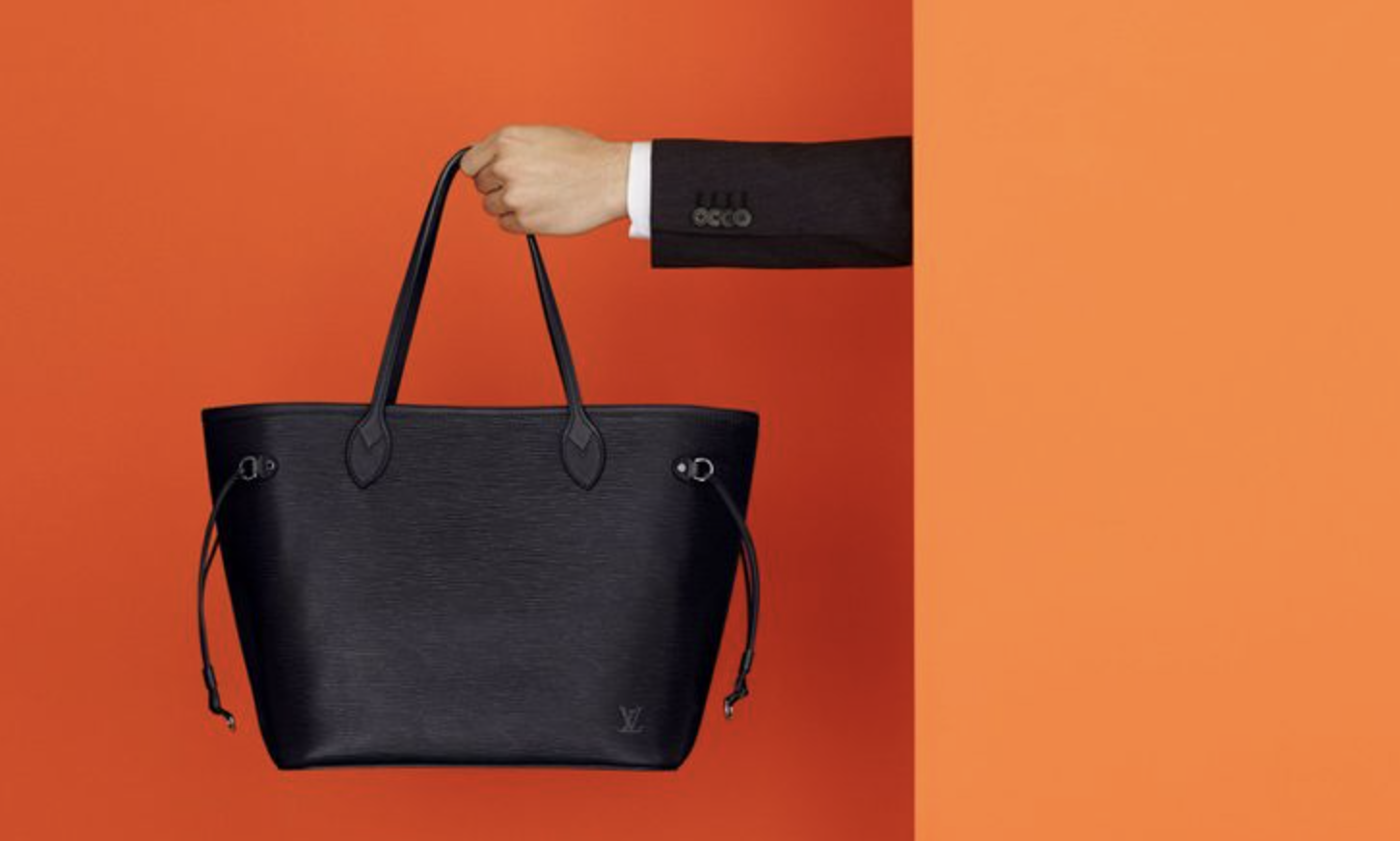
(Image credit: louis vuitton)
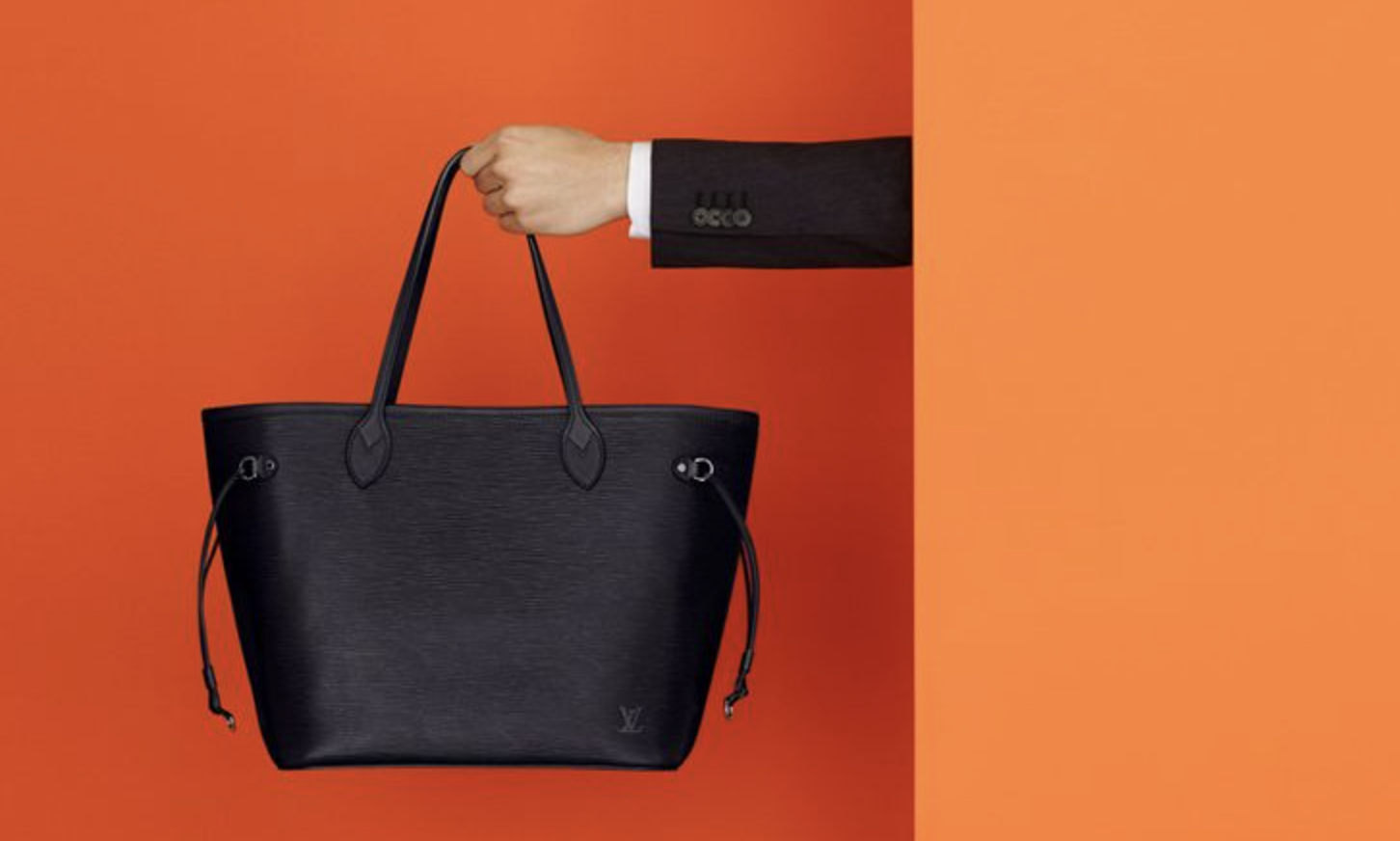
Some handbags reach a point where the silhouette becomes more famous than the actual product name.
You might show someone a photograph and they immediately recognize it, even if they can't tell you the exact model. That’s a huge achievement for a designer. It means the visual identity has become independent from the branding. The shape itself has become famous.
And I think that’s what every luxury house ultimately wants from an iconic handbag. They don't want you to recognize the logo. They want you to recognize the design.
Why Some Bags Never Become Iconic
(Image credit: glamurama)
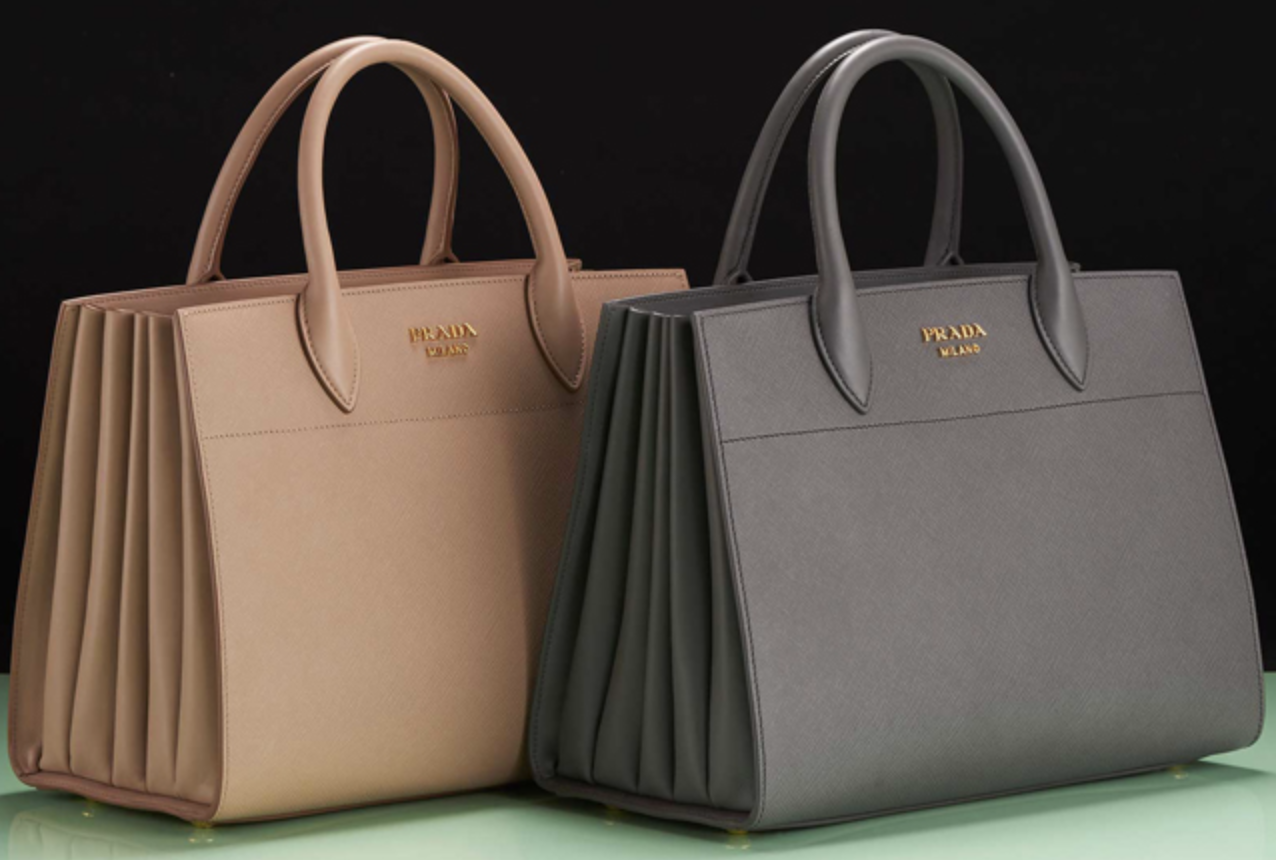
There are thousands of beautiful luxury bags. Only a small number become instantly recognizable. I don't think beauty alone is enough. A bag needs something memorable.
It might be an unusual proportion. It might be a signature closure. It might have a distinctive handle. It might be associated with a particular cultural moment. It might simply have been around long enough for people to become familiar with it.
But if you remove the logo and nobody knows what they're looking at, the design hasn't reached that level of recognition. That's not necessarily a bad thing. Not every bag needs to be iconic.
Sometimes being less recognizable is exactly what makes a bag appealing. But there’s something special about the ones that achieve both.
Quiet Recognition Is Still Recognition
(Image credit: farfetch)
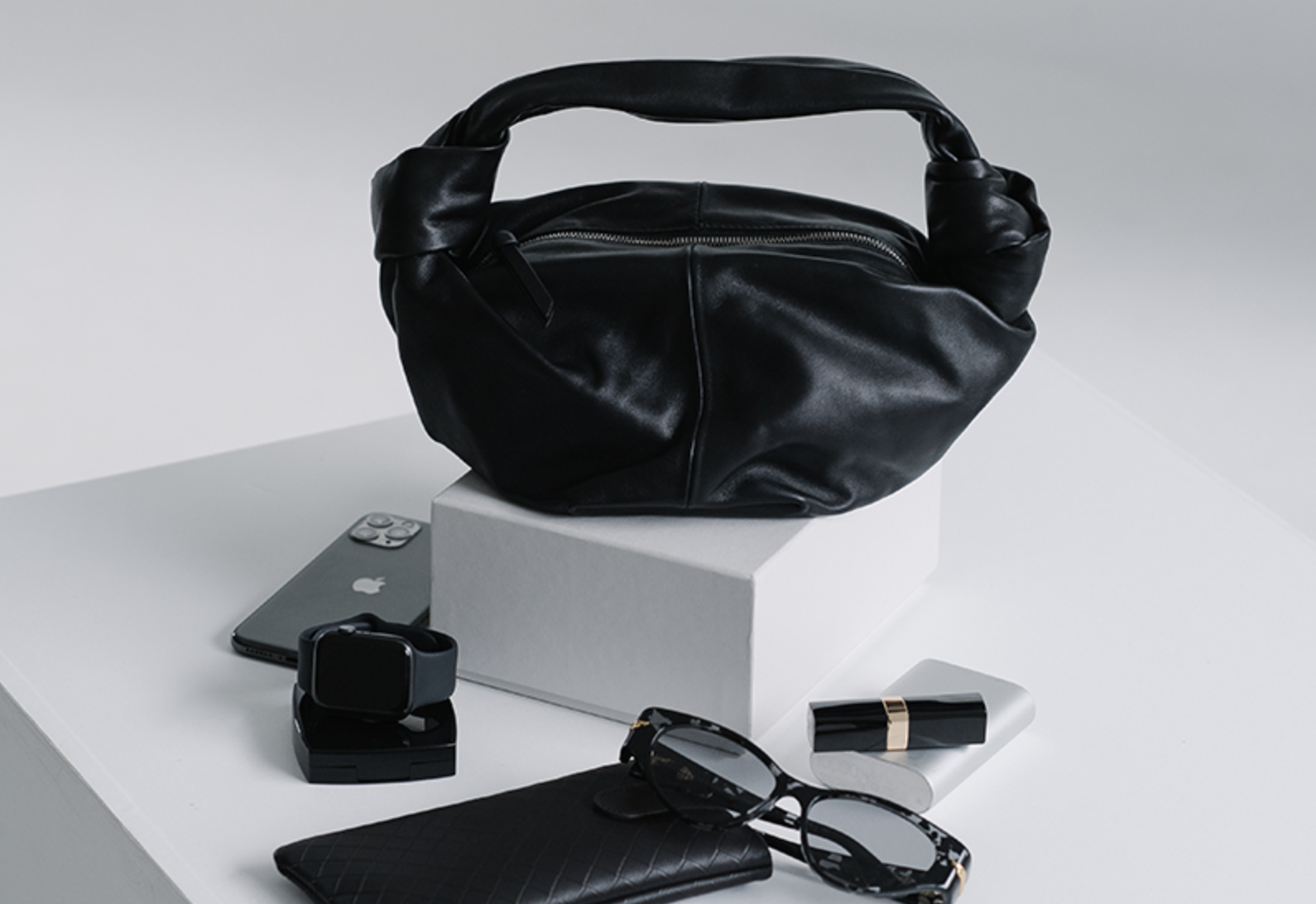
I think we're often too focused on obvious branding when we talk about luxury. A bag doesn't have to have a giant logo to communicate that it's expensive or important.
Sometimes the construction tells you. Sometimes the leather tells you. Sometimes the hardware tells you. And sometimes it's simply the shape. That's what I like about the idea of logo-free recognition. It feels more connected to design than marketing.
You recognize the object because someone created a strong visual identity. Not because someone printed a name across it.
The Resale Market Shows Us What Lasts
(Image credit: woman and home)
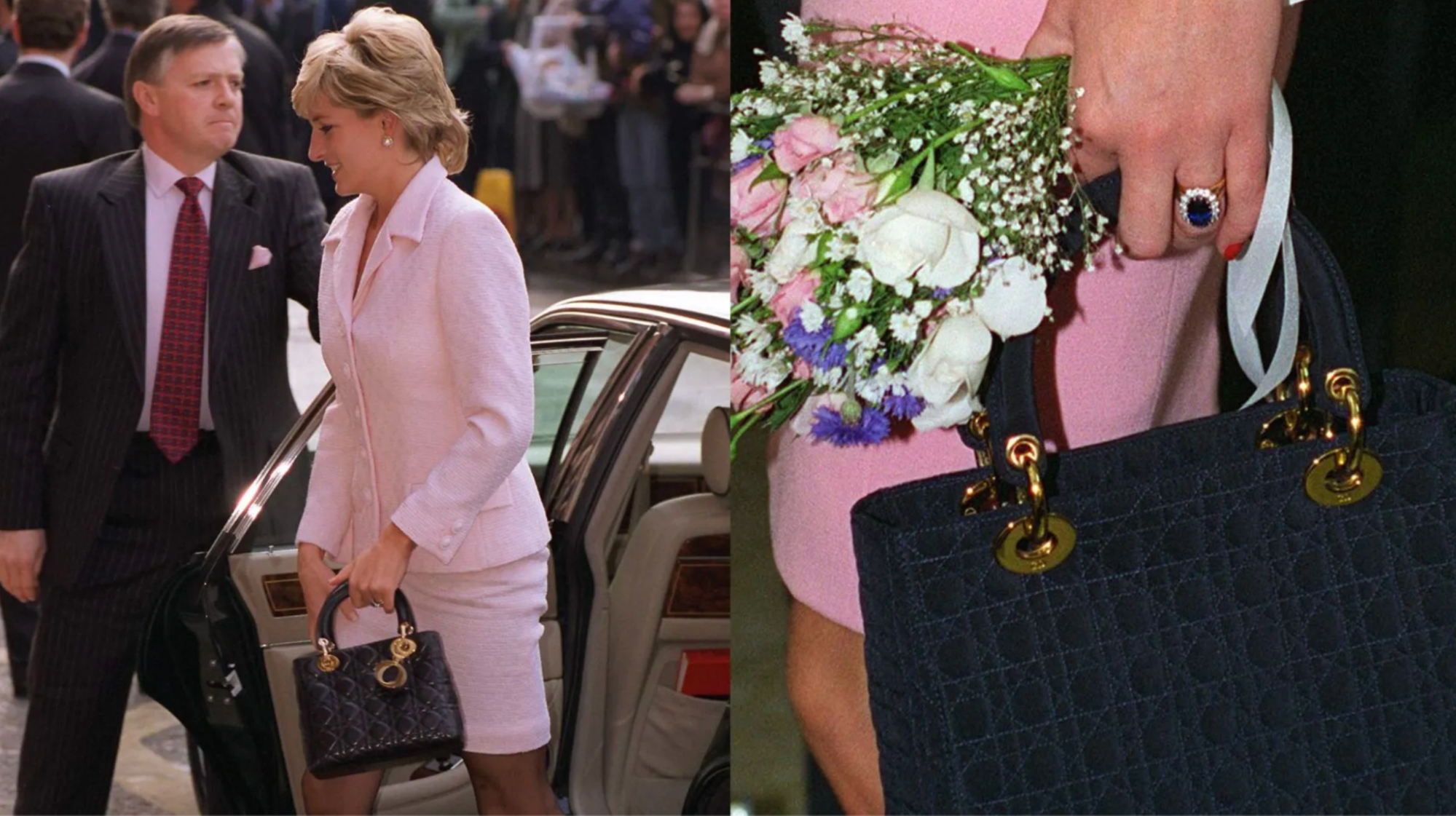
This is another reason I think the second-hand market is such an interesting place to look at iconic design. When a bag has been around for decades, you can see whether the design actually lasted.
Trends disappear. Colors change. Materials change. Marketing campaigns come and go. But certain silhouettes remain desirable.
You can find older versions of a bag and immediately understand why people still want them. That longevity tells you something. It means the design managed to move beyond a particular season.
And I think that's one of the most valuable qualities a luxury handbag can have.
The Best Designs Don't Need an Introduction
(Image credit: spotted fashion)
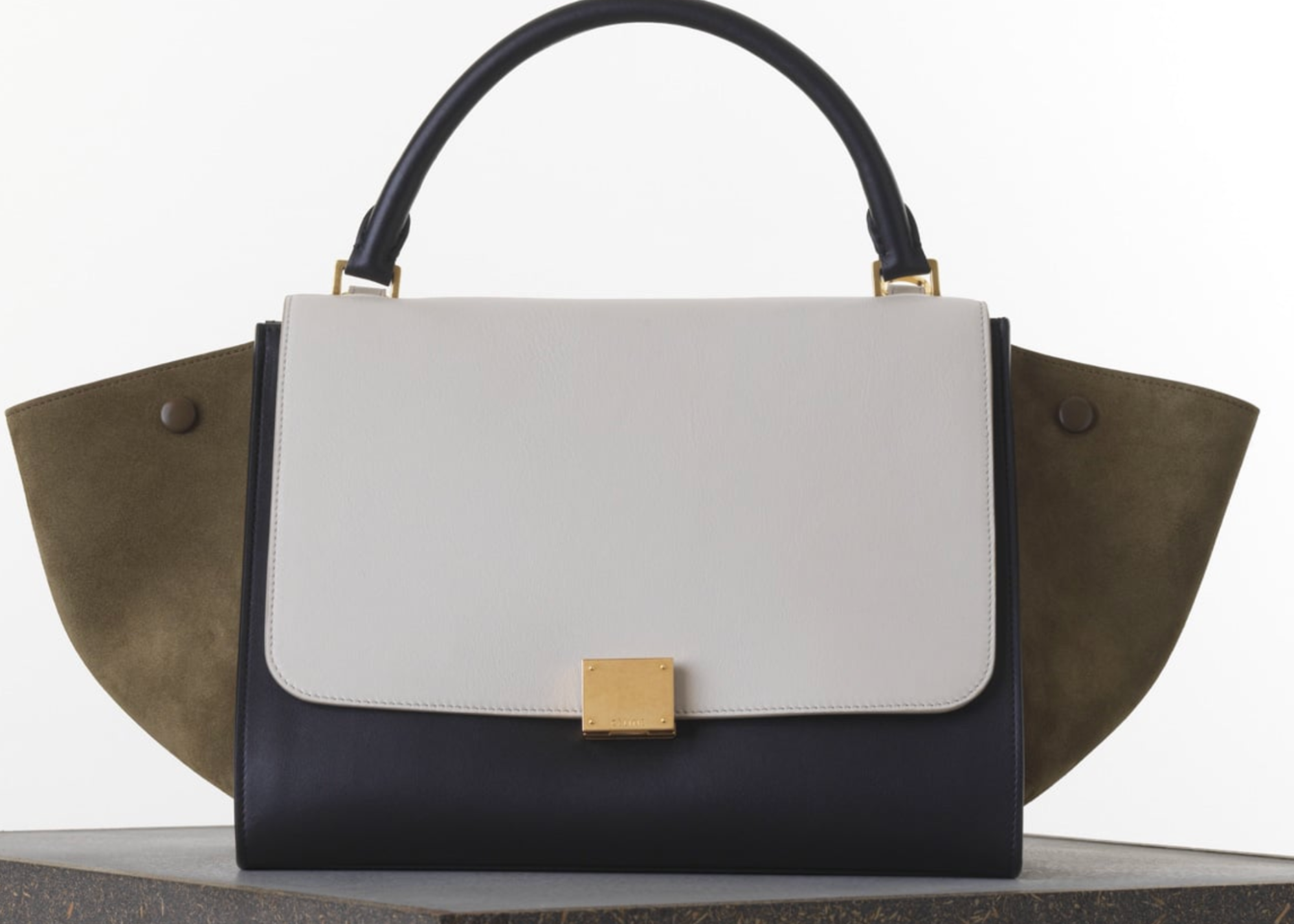
For me, the most impressive luxury bags are the ones where you don't need someone to explain what you're looking at.
You see the shape and you understand it. You see the handle and something clicks. You notice the hardware and suddenly the brand comes to mind.
No giant logo is necessary. No monogram is necessary. The design has already done the work. That's when a handbag becomes part of fashion history.
When a Bag Becomes a Visual Language
(Image credit: prestigeonline)
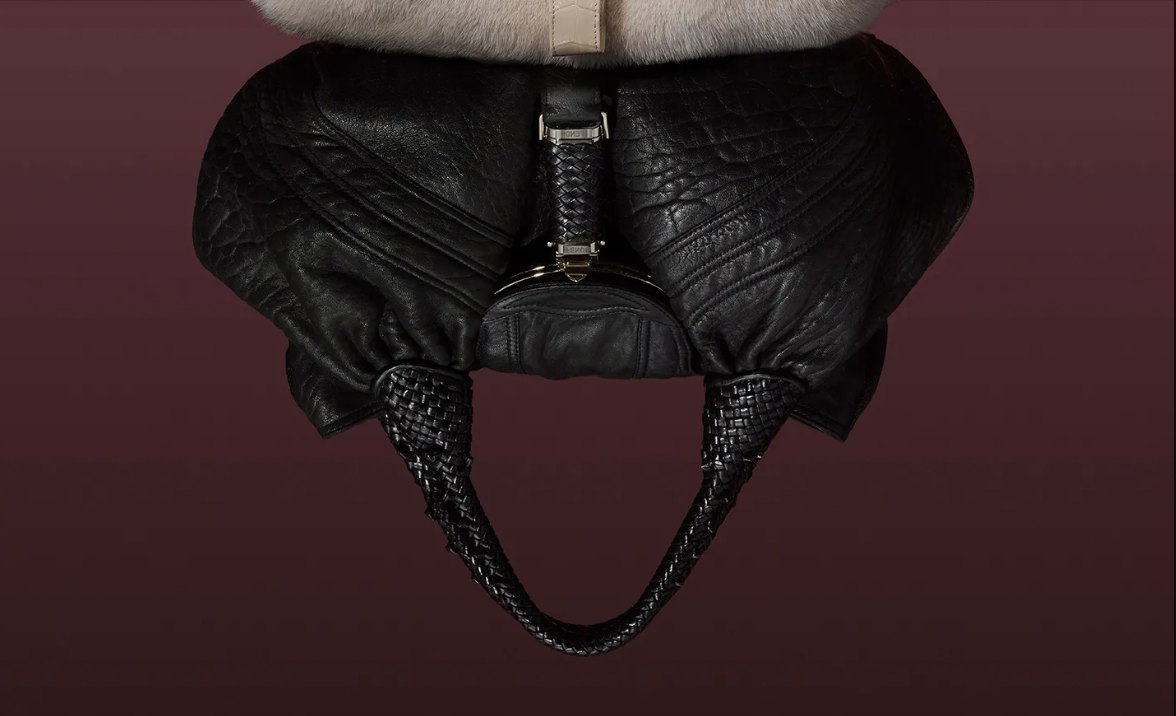
I think this is ultimately what makes certain luxury bags so powerful. They develop their own visual language.
The silhouette says something. The hardware says something. The proportions say something. The way the bag is carried says something.
And once enough people understand that language, the bag becomes instantly recognizable. It can cross generations.
It can move between different materials. It can appear in different colors. It can be photographed from almost any angle. And somehow, you still know what you're looking at.
You Don't Always Need the Logo
(Image credit: careofcarl)
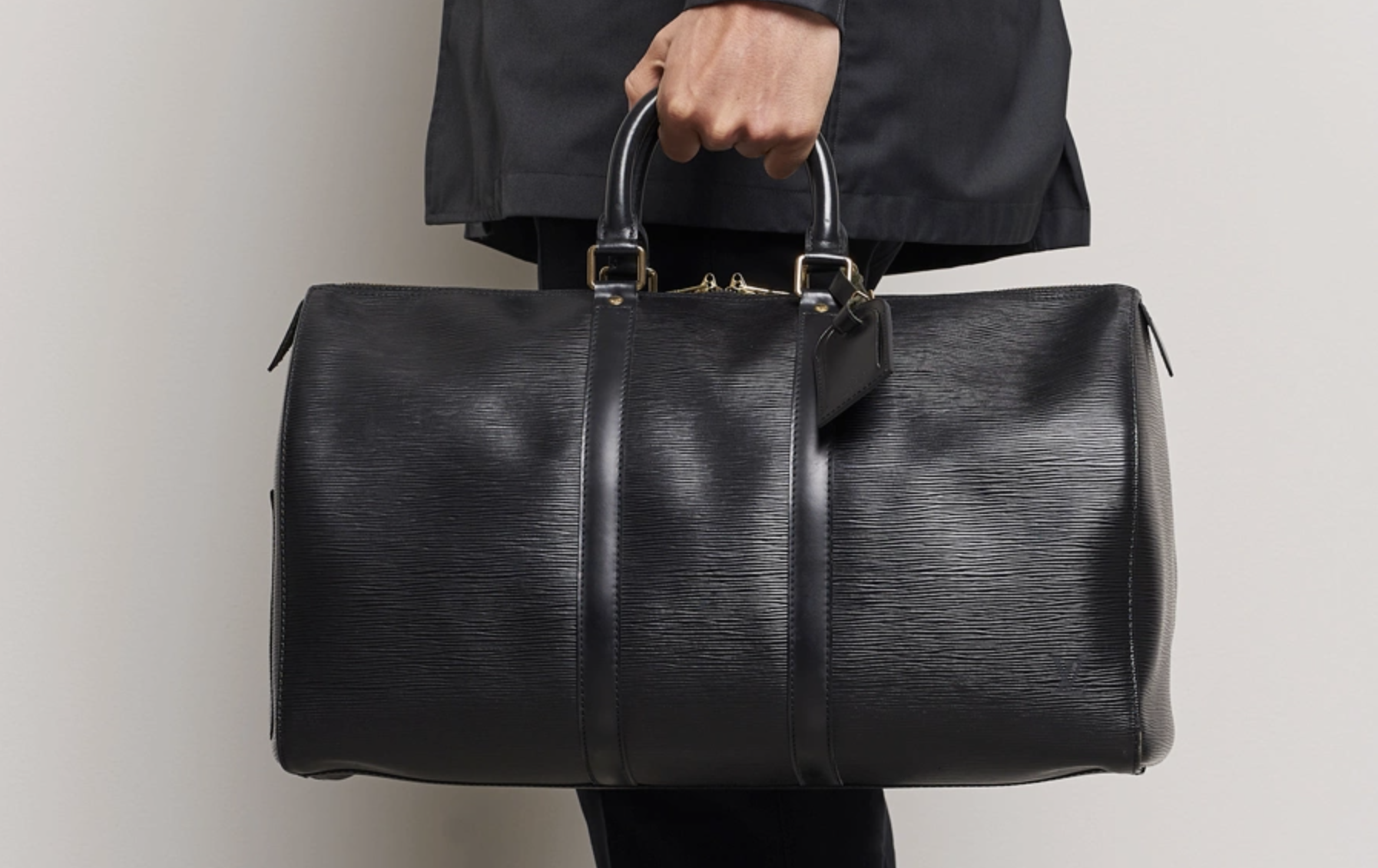
I've always thought there's something more impressive about recognizing a luxury bag without seeing its name. A logo gives you the answer. A great design makes you figure it out yourself.
And when you've spent enough time around fashion, you start realizing how much information a handbag can communicate without saying anything at all. Its proportions can tell you. Its handle can tell you. Its hardware can tell you. Its silhouette can tell you. Even the way it holds its shape can tell you.
For me, that's the difference between a branded handbag and an iconic one. A branded bag tells you who made it. An iconic bag can make you recognize who made it before you've even seen the name.
And I think that's one of the clearest signs that a luxury design has truly earned its place in fashion history.