(Image credit: hermes)
Contents
- A Short History of the Hermès Picotin
- Picotin vs Picotin Lock
- Understanding the Sizes
- Why Clemence Leather Matters
- Picotin Lock Eclat
- Picotin Pocket and Textile Versions
- What I Would Buy
- What I Would Avoid
- Japanese Search Terms I Would Use
- Authentication: Look at the Whole Bag
- Is the Picotin Worth Buying Second-Hand?
- Final Thoughts
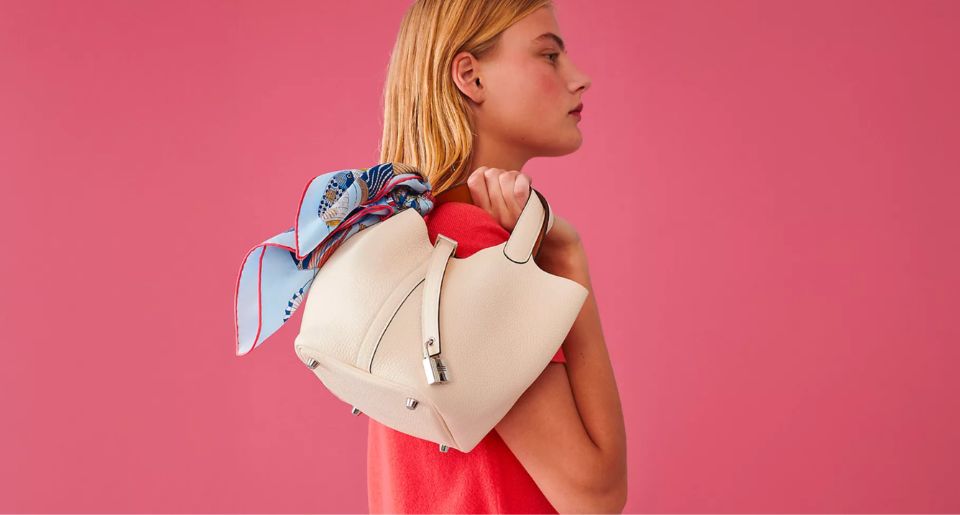
The Hermès Picotin is probably one of the simplest Hermès bags, and that's exactly what makes it interesting.
There's no complicated flap, no large logo and very little hardware. It's basically a beautifully made leather bucket bag with two handles, an open interior and, on the Picotin Lock, a leather strap secured with the familiar Hermès padlock.
Because the design looks simple, it can also be easy to underestimate how many differences there are between Picotins on the second-hand market.
Size makes a big difference. Leather makes a difference. Color and hardware can completely change the value. Older Picotins without the lock still appear in Japan, while Picotin Lock bags can show up under several different size names. Then there are variations such as the Eclat, Pocket and seasonal versions.
Japan is one of the markets where you'll see all of these sitting next to each other.
If you're buying a Picotin second-hand, I wouldn't start by asking, "Is this cheap?" I would first ask exactly which Picotin it is.
A Short History of the Hermès Picotin
(Image credit: hermes)
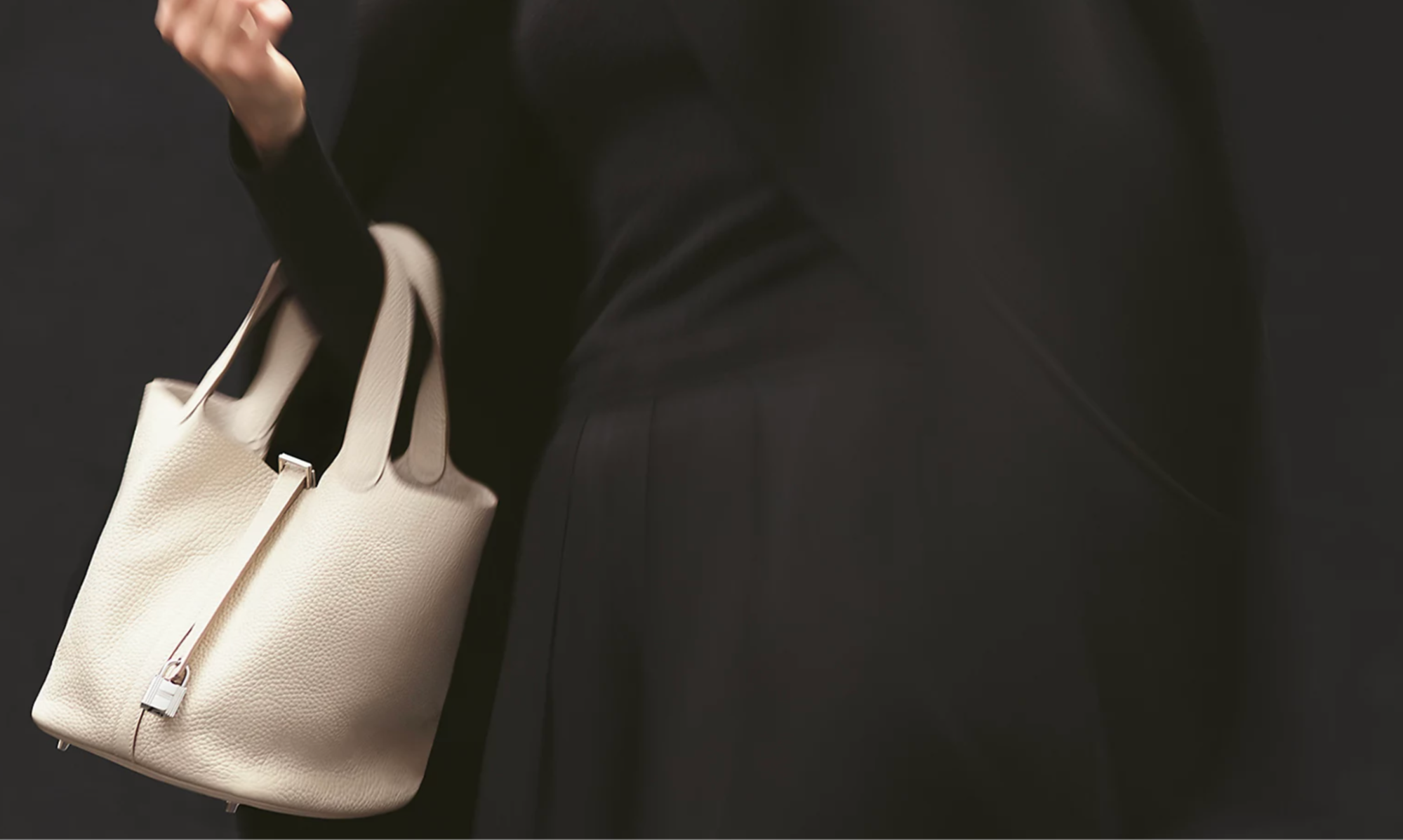
Hermès introduced the Picotin in the early 2000s.
The idea comes directly from the house's equestrian history. Its bucket shape was inspired by the feed bags used for horses, and the name "Picotin" comes from an old French term associated with a measure of oats given to a horse.
I think that explains the bag very well.
It's functional first. The wide opening gives you easy access to everything inside, the base is surprisingly roomy, and the short handles make it feel more like an everyday object than a formal handbag.
The original Picotin was even simpler than the one most people recognize today.
It didn't have the padlock that has now become one of the bag's signature details.
Later, Hermès introduced the Picotin Lock, adding the leather closure strap, padlock and key. That's the version you'll see most often on today's resale market.
So if you're shopping vintage or older second-hand inventory in Japan, don't assume a Picotin without a lock is incomplete. It may actually be an earlier Picotin rather than a Picotin Lock that's missing its hardware.
That distinction is very important.
Picotin vs Picotin Lock
(Image credit: hermes)
This is the first difference I would understand before shopping.
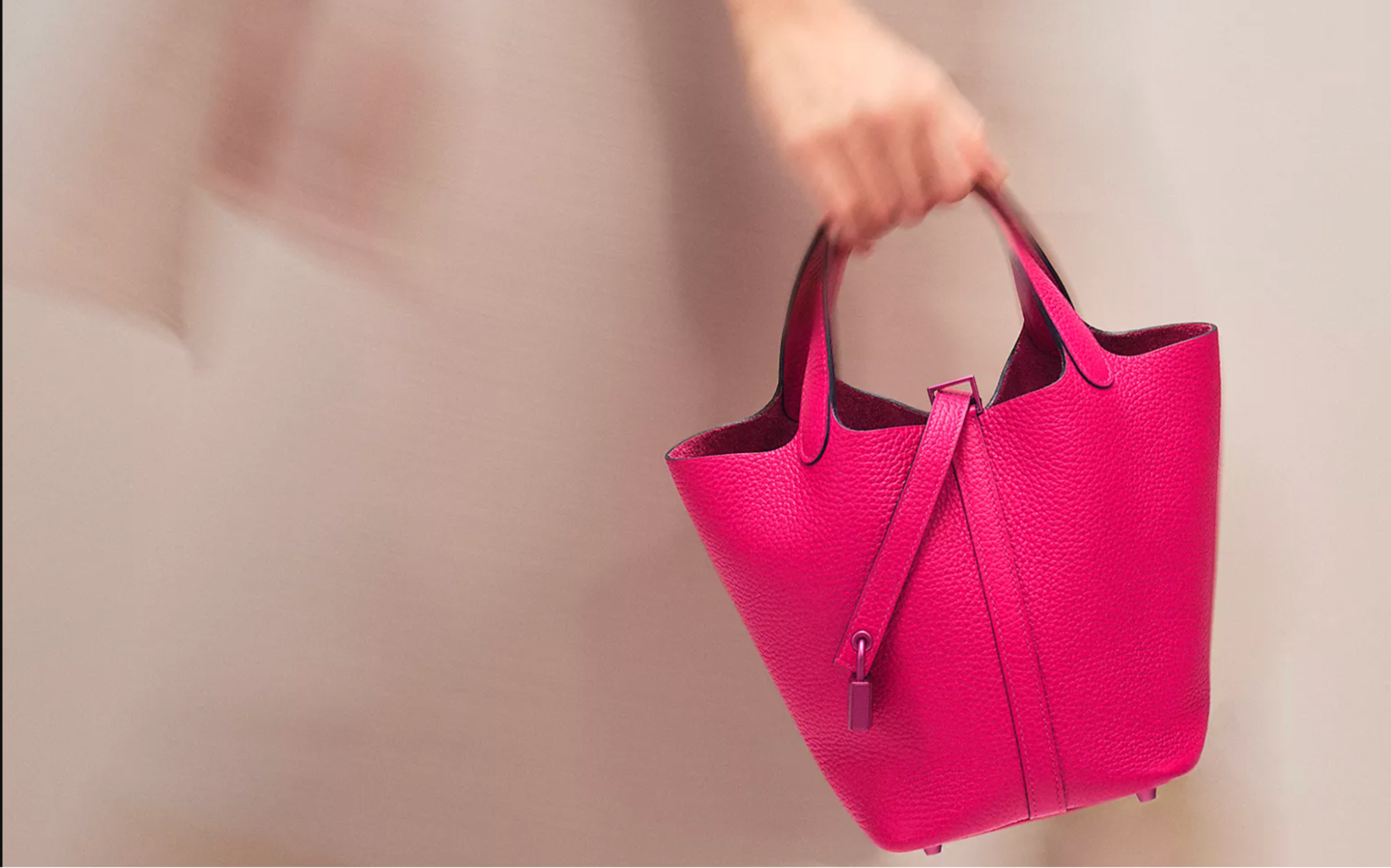
The original Picotin has the familiar bucket silhouette but doesn't use the padlock closure associated with the newer design.
The Picotin Lock adds a leather strap across the opening that works with the Hermès padlock.
Today, when people say "Picotin," they're usually talking about the Picotin Lock.
When looking at an older listing simply called "Picotin," I would check the photos rather than assume the seller shortened the name.
If there's no lock system built into the design, it may genuinely be an older-generation Picotin.
Understanding the Sizes
(Image credit: saclab)
This is where Japanese listings can get confusing.
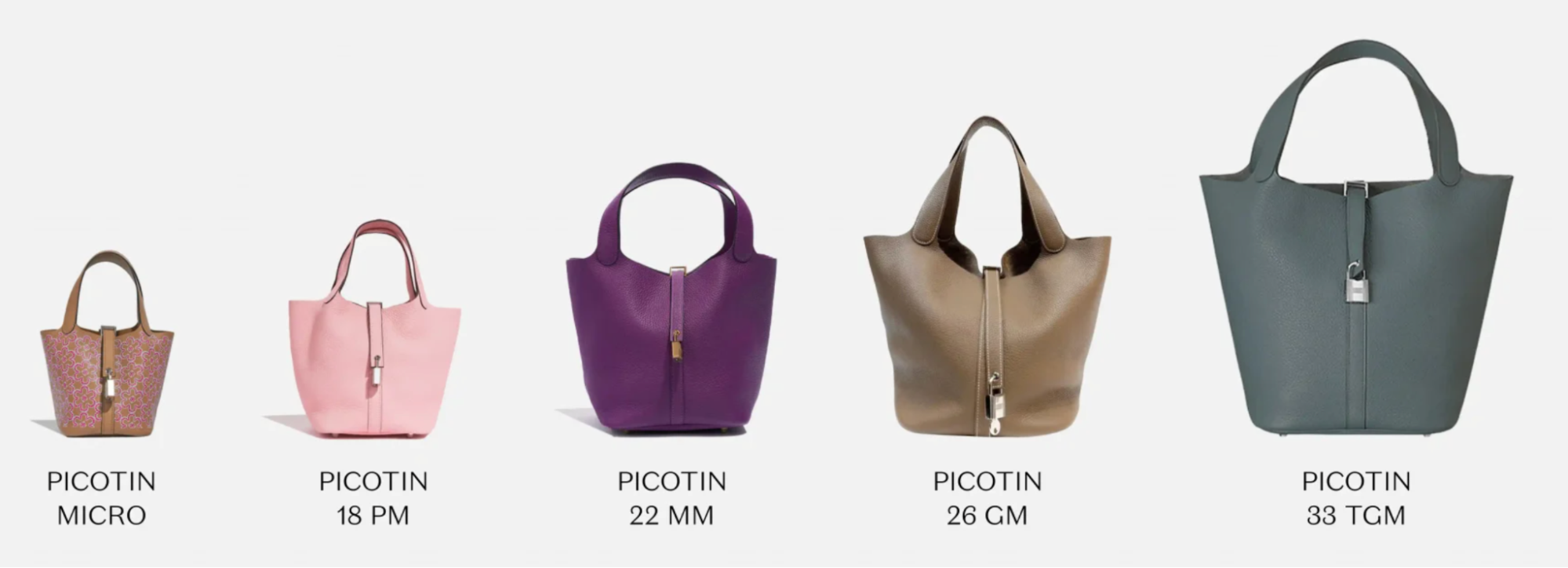
Hermès sizes are commonly identified by their width in centimeters, such as Picotin 18 or Picotin 22.
Japanese resale stores also very commonly use the older size terminology:
You'll often see them used like this:
- Picotin Lock PM = approximately 18 cm
- Picotin Lock MM = approximately 22 cm
- Picotin Lock GM = approximately 26 cm
- Picotin Lock TGM = approximately 31 cm
This is probably the single most useful thing to know when searching for one in Japan.
Picotin 18 / PM
The 18 is the compact version and probably the size most people immediately associate with the modern Picotin.
It measures roughly 18 cm across the base and has a surprisingly deep shape for such a small bag.
It can hold daily essentials, but I wouldn't think of it as a traditional small handbag because the proportions are quite different. It's short and deep rather than wide and flat.
The 18 also keeps the Picotin's rounded shape particularly well visually.
In my opinion, it's the version to look at if you like the Picotin mainly for its cute, compact silhouette.
Picotin 22 / MM
The 22 is the size I would consider if you actually want to carry more than the basics. It has noticeably more interior space than the 18 without turning into a very large bag.
Personally, I think the 22 makes sense for someone who likes the Picotin shape but wants it to function as a real everyday handbag rather than a compact fashion bag.
One mistake I wouldn't make is assuming the bigger size should automatically cost more second-hand.
With Hermès, demand matters just as much as size.
Smaller Picotins can sometimes command stronger resale prices than larger ones because buyers often prefer the proportions.
Picotin 26 / GM
This version feels considerably more like a proper tote. It can work well if you carry a lot every day, but the larger amount of leather also affects the way the bag ages.
Clemence leather is naturally soft, so on a larger Picotin you'll want to pay even more attention to sagging and deformation.
A 26 that's been filled heavily for years can look very different from one that was stored carefully.
That's why I wouldn't compare condition grades across sizes without looking closely at the actual shape.
Picotin 31 / TGM
The TGM is much less common than the smaller sizes, but you'll still come across it in the Japanese second-hand market.
At this size, the Picotin becomes much more of a large tote.
It can be interesting if you genuinely need that capacity, but I wouldn't buy one just because it appears inexpensive compared with an 18.
They're different markets.
For resale popularity, smaller isn't necessarily worse with Hermès. In many cases, it's the opposite.
Why Clemence Leather Matters
(Image credit: hermes)
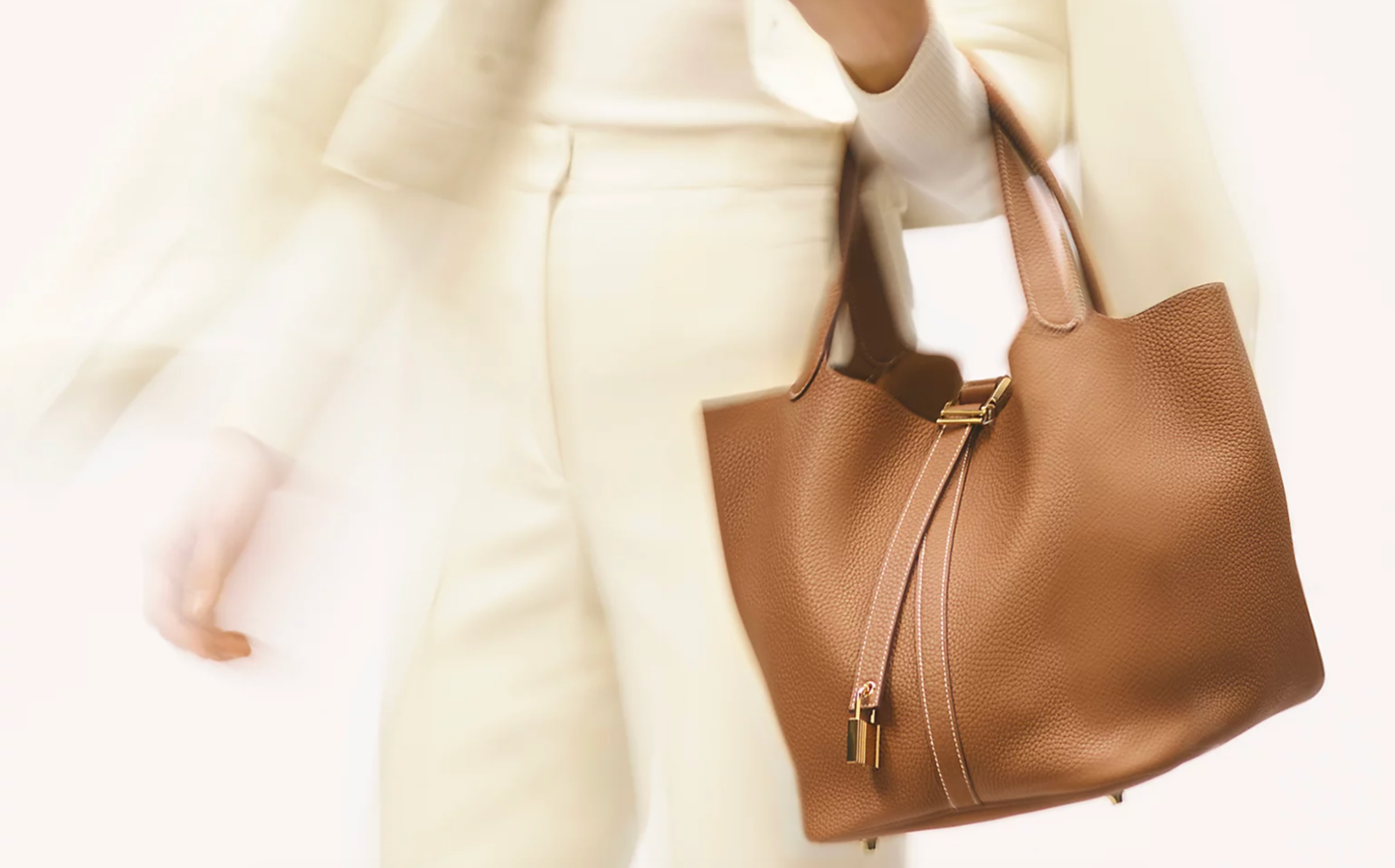
One of the materials you'll see most often is Taurillon Clemence. This leather is soft, heavily grained and naturally relaxed.
That's an important word: relaxed.
A Picotin in Clemence isn't supposed to feel like a rigid box. As it ages, the leather can soften even more and the sides can begin to slouch. That doesn't automatically mean the bag has been badly treated. However, there's a difference between the natural softness of Clemence and a bag that has completely lost its shape.
When I'm judging a second-hand Picotin, I look at whether the bag still sits evenly. Slight softness is normal. A heavily collapsed side, twisted base or badly stretched opening is another story.
Other Leathers to Look For
Clemence isn't the only Picotin option.
Depending on the year and collection, you may find versions in other Hermès leathers, including Swift and Barenia-related leathers, along with seasonal material combinations.
Swift has a smoother surface and can make colors look especially rich.
The downside is that a smoother leather can show scratches more clearly than heavily grained Clemence. You'll also occasionally come across more unusual Picotins that collectors may specifically look for because of their leather, color or construction.
When comparing two Picotins, I wouldn't assume the cheaper one is automatically the better deal until I've checked the leather.
Picotin Lock Eclat
(Image credit: madison avenue couture)
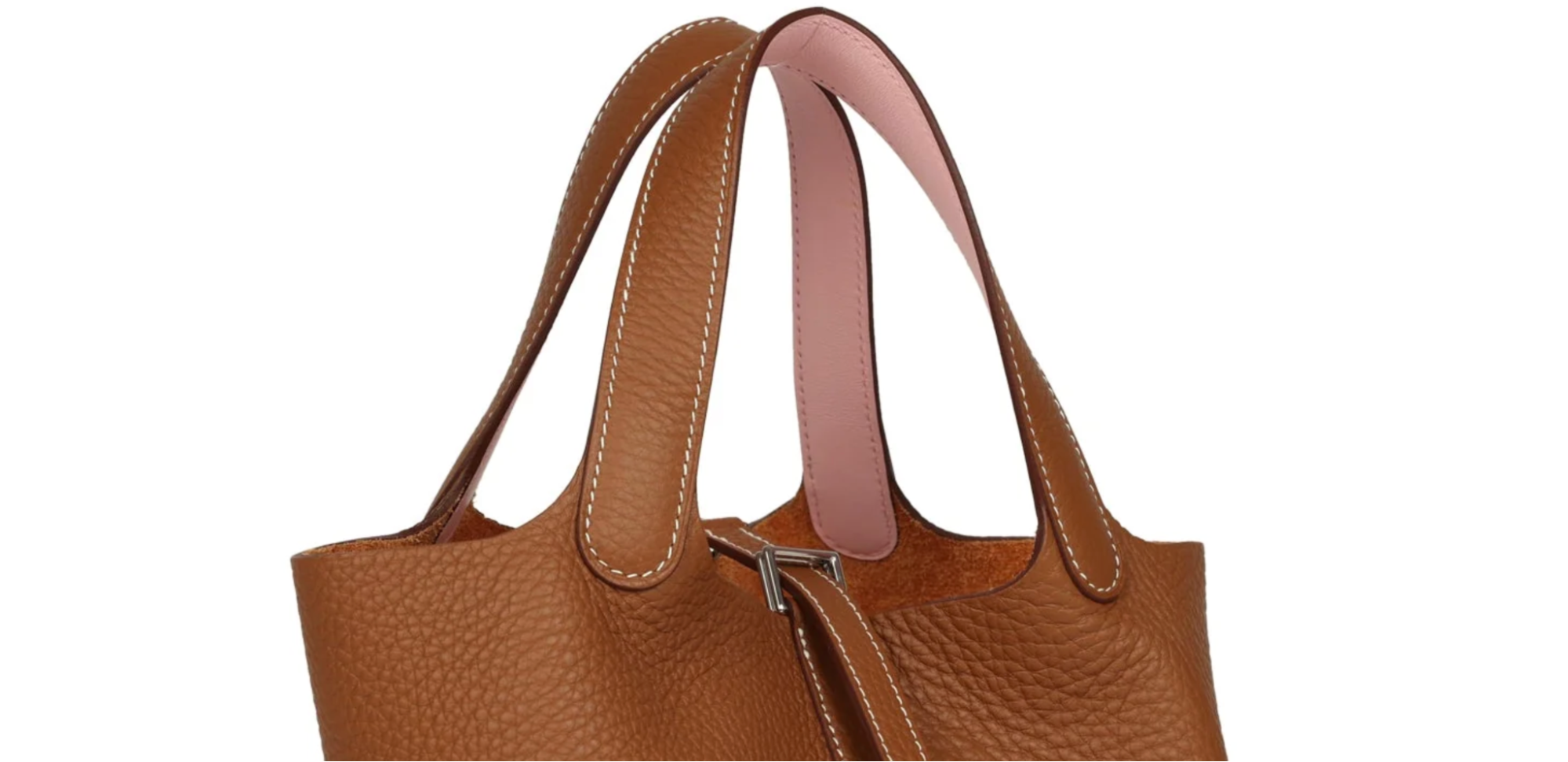
The Picotin Lock Eclat is one variation worth knowing because it can look almost like a regular Picotin in photographs. Eclat versions use contrasting colors in parts of the construction, often creating a subtle two-tone effect.
If you're shopping quickly and only looking at the main exterior color, you could easily miss the difference. These versions can be more desirable depending on the color combination.
This is another reason I like checking the full Japanese listing rather than only looking at the main product title.
Picotin Pocket and Textile Versions
(Image credit: purse blog)
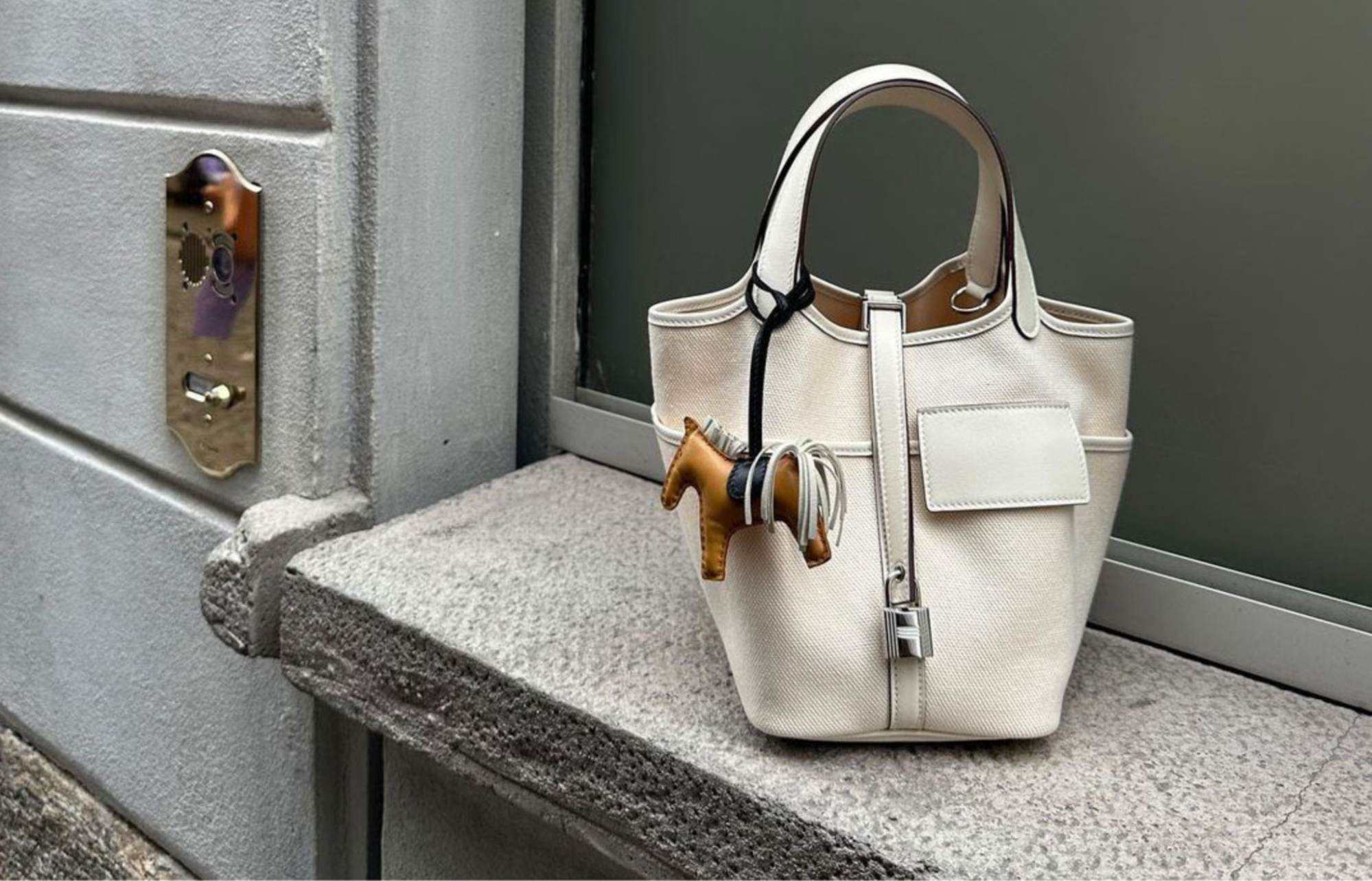
You'll also see Picotin variations that mix leather with canvas or add external storage.
Recent Picotin Lock Pocket versions, for example, combine canvas and leather and add exterior pockets.
Don't compare one of these directly with a standard full-leather Picotin only by size. The construction is different. I would treat these more as special variations rather than replacements for the classic Picotin.
What I Would Buy
(Image credit: purse blog)
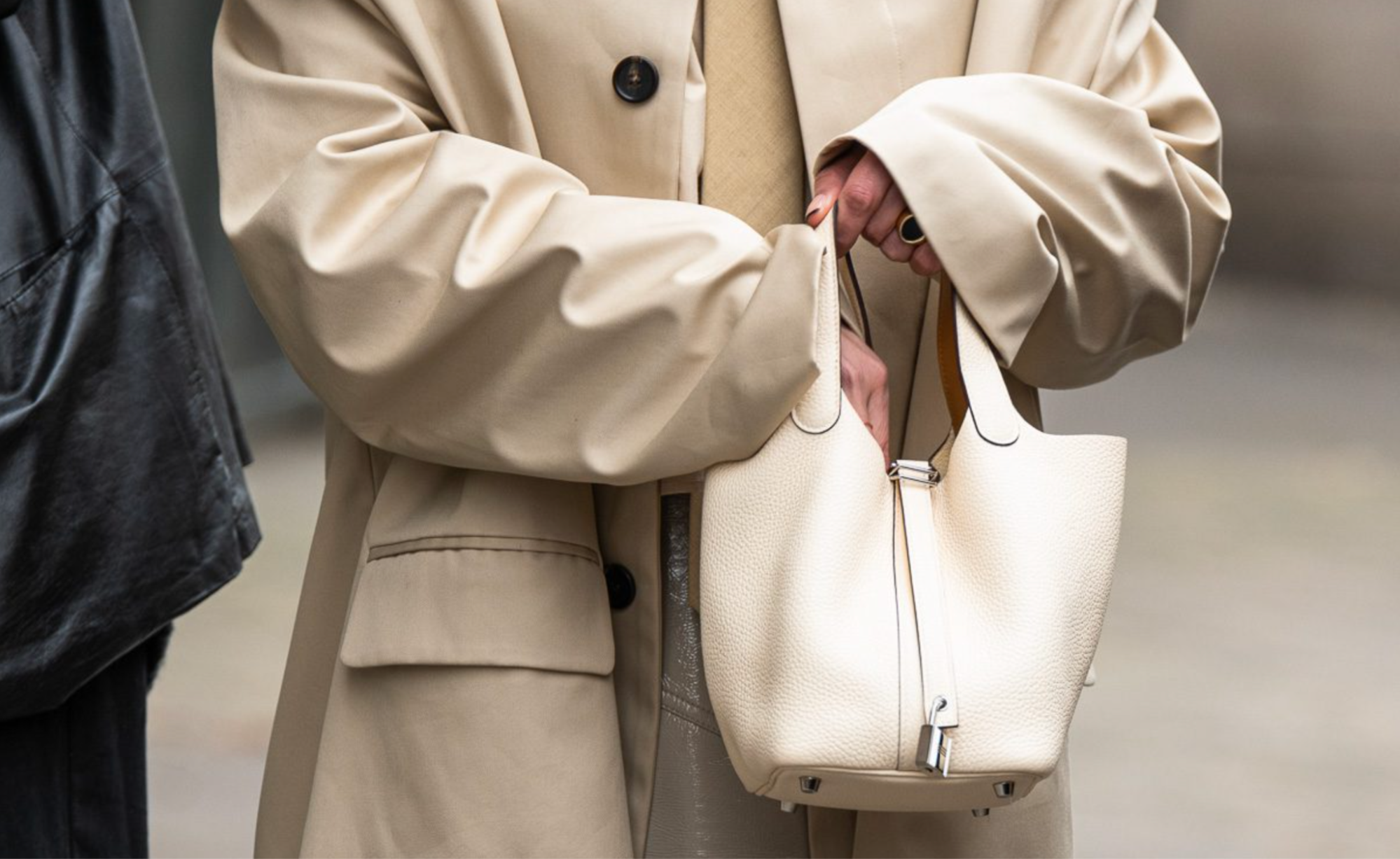
If I were choosing a second-hand Picotin for regular use, I'd probably start with an 18 or 22 in Clemence. Clemence works naturally with the relaxed design, and the grain makes everyday surface wear less obvious.
I would prioritize:
A good overall shape, Clean handles, Healthy leather around the opening, Minimal corner abrasion, A relatively clean interior, An original padlock and key, Good condition on the leather closure strap, Clear Hermès markings and date stamp, A reputable seller.
For color, I'd personally choose based on how I actually plan to use the bag rather than only thinking about resale. Hermès has such a good color range that the Picotin is one of the bags where buying something beyond black can really make sense.
What I Would Avoid
(Image credit: purse blog)
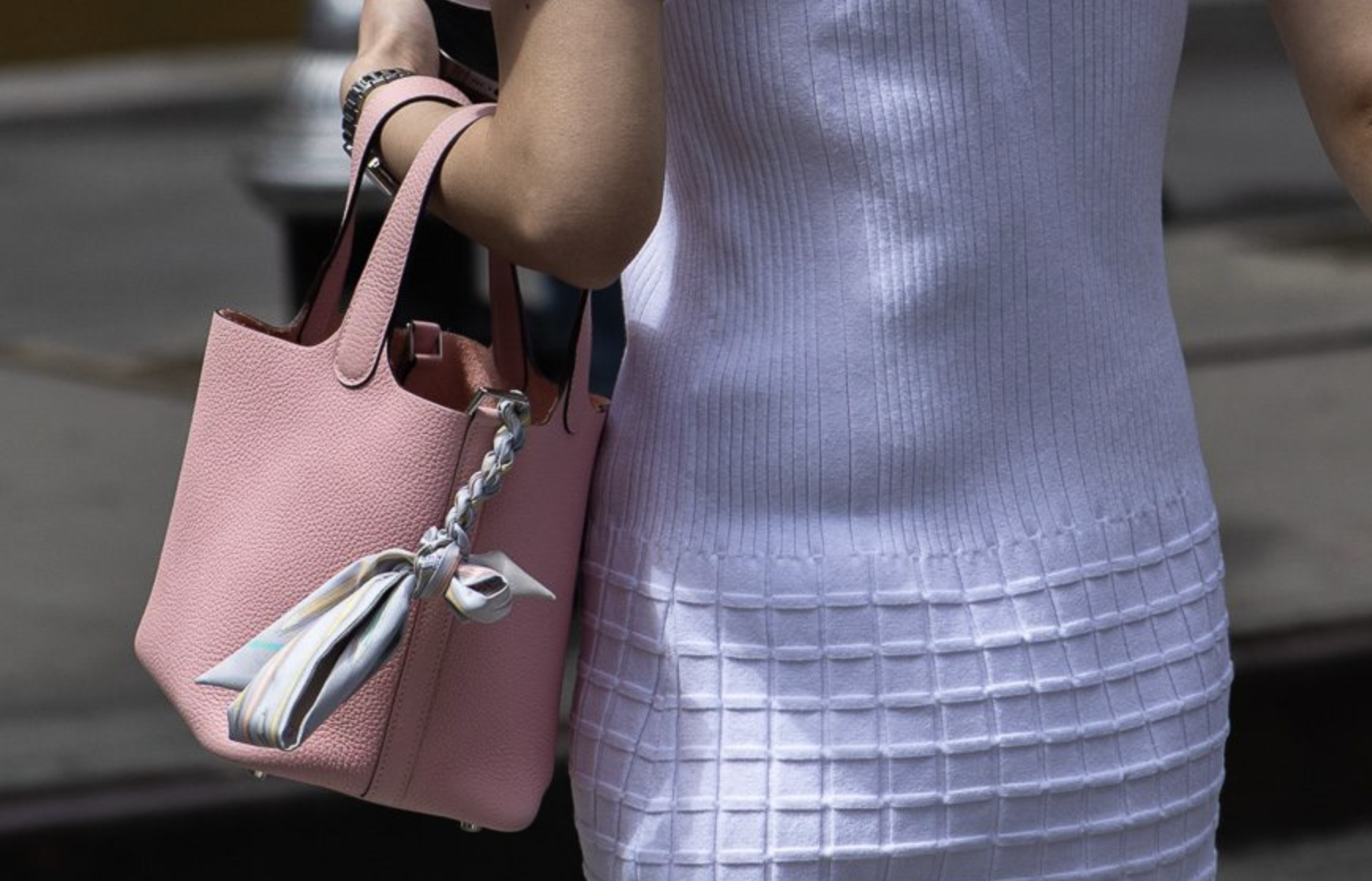
The first thing I'd avoid is severe shape loss. The Picotin is naturally soft, but it should still look balanced. I'd also be cautious with very dark or heavily worn handles. Because the handles are short, your hands are constantly touching the leather. Over time, oils, hand cream and general use can darken them. On pale colors, this becomes much more noticeable.
I'd also avoid severe staining inside the bag unless the price was extremely attractive. The Picotin's interior is largely unlined leather, so a deep stain isn't hidden behind a removable fabric lining. You're looking directly at the reverse side of the leather.
Check the Handles Carefully
The handles are one of my first inspection points. A handle can still be structurally fine while showing cosmetic wear.
But I personally don't like buying a light-colored Picotin with severely darkened handles because that's one of the first things you notice when carrying it.
Also look where the handles connect to the body. That area takes a lot of weight.
Shape Loss Is Especially Important
Clemence naturally becomes more supple with age. I would use the photographs to judge how serious it really is.
Look at the base. Does it sit flat?
Look at both sides. Do they collapse evenly?
Look at the opening. Has it stretched dramatically?
A little slouch can actually look nice on this bag. A badly distorted base is much harder for me to ignore.
Bottom Corners and Feet
The Picotin has protective feet underneath, but that doesn't mean the bottom stays perfect. Scratched feet don't bother me much on a used bag. Heavy leather abrasion around the bottom corners bothers me more.
If you're buying a lighter color, check for dirt around the entire base because that's where the bag regularly comes into contact with surfaces.
The Interior Needs More Attention Than You Think
The Picotin doesn't hide much inside. The simple construction means the interior leather is exposed, so daily use can leave visible marks. This can happen naturally on the unfinished interior surface.
I would pay special attention to ink because pen marks can be very difficult to remove safely from leather.
A little natural fuzziness is much less concerning to me.
Check the Leather Closure Strap
The strap across the opening gets bent and moved constantly. Look for stretching, curling and cracking.
Some movement is completely normal. But if the leather looks cracked around the area where the lock sits, I would inspect it carefully.
This isn't a detail you want becoming weaker over time.
The Padlock and Key
For a Picotin Lock, I would always check whether the padlock and key are included. A missing original padlock would affect how much I'd want to pay because the lock is part of the actual design.
Hardware Color Can Affect Demand
Hardware preference can influence resale demand, especially when paired with popular colors.
For example, the same leather color with gold hardware can attract a different buyer from the same bag with palladium hardware.
I wouldn't personally choose hardware only for resale, but I would consider it when comparing prices.
Hermès Colors Matter a Lot
Color can make a surprisingly big difference with Picotin prices. Some limited or highly requested colors can sell for noticeably more than less popular seasonal shades.
That's why I wouldn't compare two Picotin 18 bags only by year and condition.
Color can completely change the market.
Don't Ignore the Date Stamp
Japanese Hermès listings very often include the date stamp. The stamp is helpful for understanding approximately when the bag was produced, but I wouldn't use it as an authentication method by itself.
A newer Picotin isn't automatically better either. I'd rather have an older bag in excellent condition than a newer one that was badly stored or heavily used.
Japanese Condition Grades
Every Japanese retailer has its own grading system, so don't assume an A rank means exactly the same thing everywhere.
Then read the detailed condition description underneath. That's where you'll find the information that actually matters.
Japanese Search Terms I Would Use
If I were searching for a Picotin in Japan, I would try several versions rather than one keyword.
For an 18:
- エルメス ピコタンロック18 — Hermès Picotin Lock 18
- エルメス ピコタンロック PM — Hermès Picotin Lock PM
For a 22:
- エルメス ピコタンロック22 — Hermès Picotin Lock 22
- エルメス ピコタンロック MM — Hermès Picotin Lock MM
For a 26:
- エルメス ピコタンロック26 — Hermès Picotin Lock 26
- エルメス ピコタンロック GM — Hermès Picotin Lock GM
For older bags:
- エルメス ピコタン — Hermès Picotin
For Eclat:
- エルメス ピコタンロック エクラ — Hermès Picotin Lock Eclat
Searching this way usually gives much better results than typing only "Hermès Picotin."
Authentication: Look at the Whole Bag
(Image credit: purse blog)
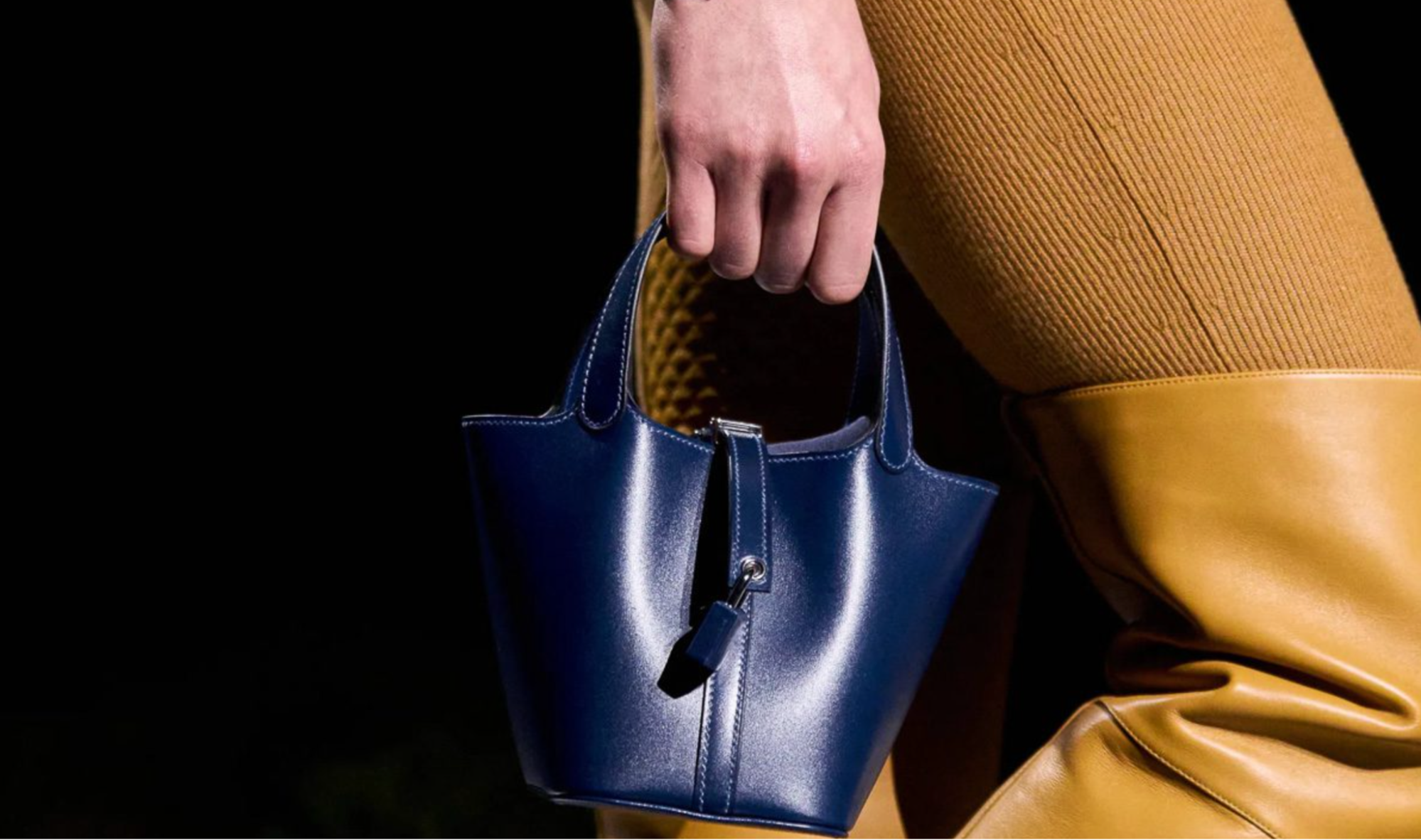
With Hermès, I never like authentication advice that says one detail can prove whether a bag is genuine. Look at everything together.
The leather should make sense for the model. The stitching should be consistent with Hermès construction. Check the proportions of the handles. Inspect the Hermès stamp. Check the date stamp. Look at the padlock, key and hardware engravings. Inspect the feet. Look at how the bag is constructed inside.
The Picotin looks simple, but that simplicity actually makes quality very visible. Poor leather or awkward proportions have nowhere to hide.
This is also why I prefer buying from established Japanese luxury retailers that already have their own authentication process rather than taking a risk on an unknown seller simply because the price looks attractive.
Is the Picotin Worth Buying Second-Hand?
(Image credit: purse blog)
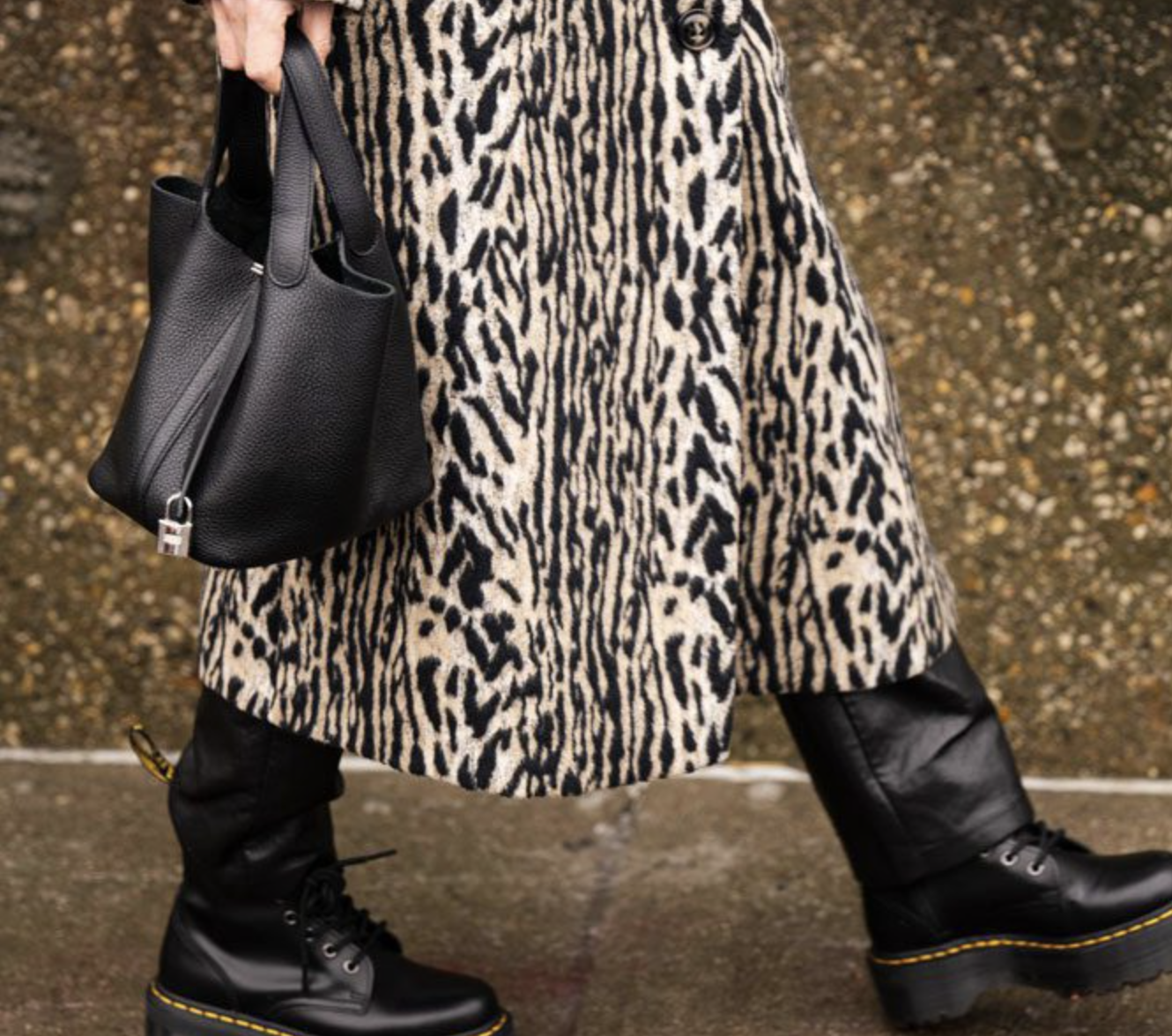
I think the Picotin makes a lot of sense second-hand. You get access to older colors, discontinued combinations, different sizes and earlier generations that you may not find in a boutique today.
It's also a bag where small signs of wear don't necessarily ruin the design. A Clemence Picotin can still look beautiful when the leather has softened slightly. The key is knowing the difference between natural aging and actual damage.
I wouldn't be afraid of an older Picotin with light corner wear and a relaxed shape if the leather is healthy and the price makes sense.
I would be much more cautious about a bag with serious handle darkening, deep interior stains, cracking leather or heavy deformation.
Final Thoughts
(Image credit: hermes)
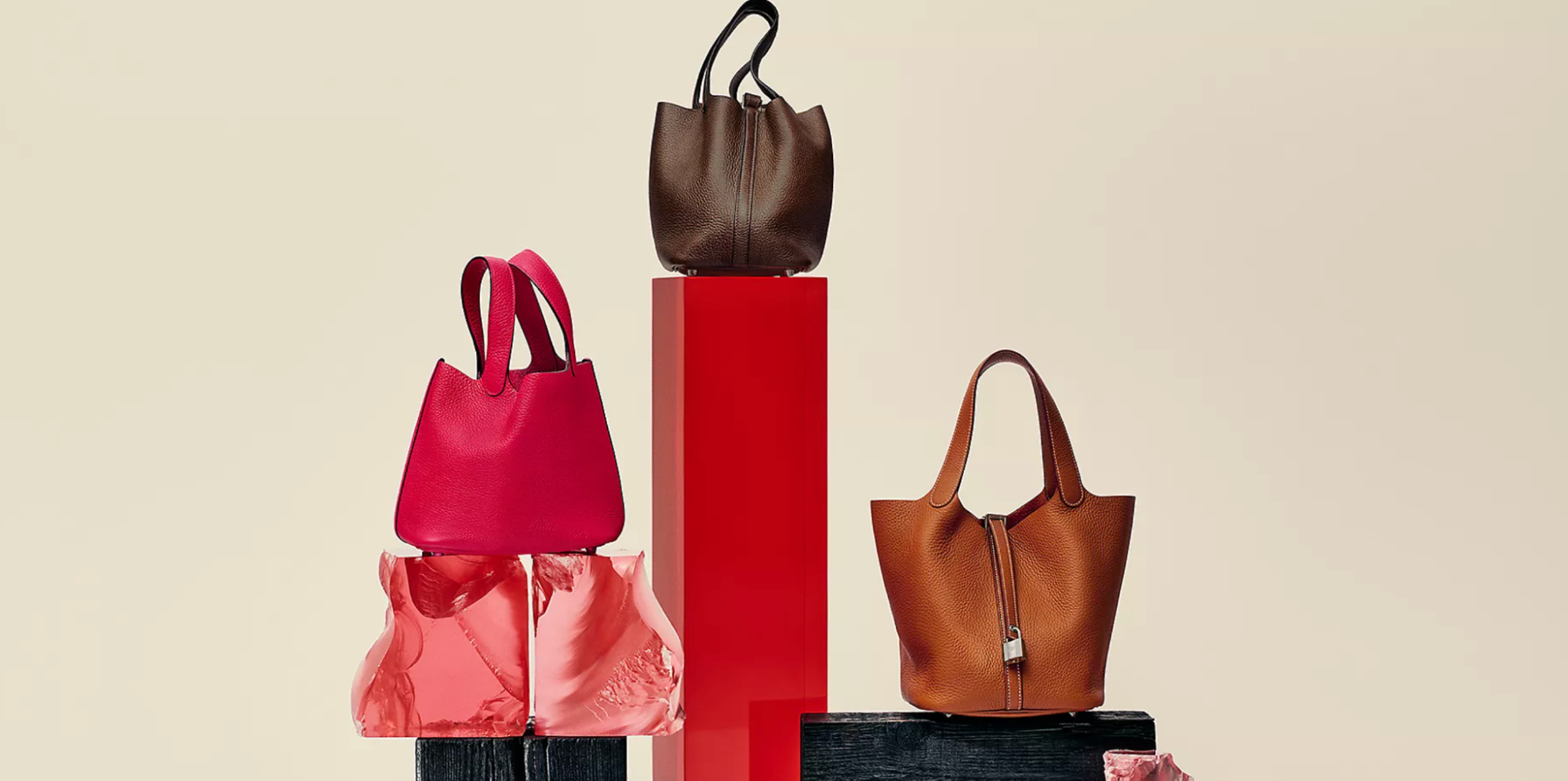
The Hermès Picotin looks simple, but it's one of those bags where knowing the details completely changes how you shop for it.
The first thing I would decide is the size. If you want the compact Picotin look, start with the 18 or PM. If you need more practical everyday space, look at the 22 or MM. The 26 and 31 serve a completely different purpose and shouldn't automatically be compared with the smaller versions just because they're all Picotins.
Then I would look at leather, color, hardware and condition.
For Clemence especially, don't mistake every soft or slightly slouched bag for a damaged one. The leather naturally relaxes with age. Focus instead on whether the shape is balanced, the handles are clean, the base is healthy and the leather isn't cracked or heavily stained.
The Japanese second-hand market makes the Picotin especially interesting because you'll come across older Picotins, Picotin Locks, PM, MM, GM and TGM sizes, Eclat versions, unusual colors and seasonal pieces all in the same place.
The more time you spend reading Japanese listings, the easier those differences become to recognize.
Unlike shopping from a single reseller, ZenLuxe brings together inventory from multiple trusted Japanese luxury retailers. That wider selection makes it easier to compare prices, conditions, colors, and sizes before making your decision.
That's when shopping the Japanese second-hand market becomes much easier. You're no longer looking at a page full of similar Picotins. You can tell which version you're looking at, why one costs more than another, and which condition issues are actually worth worrying about.