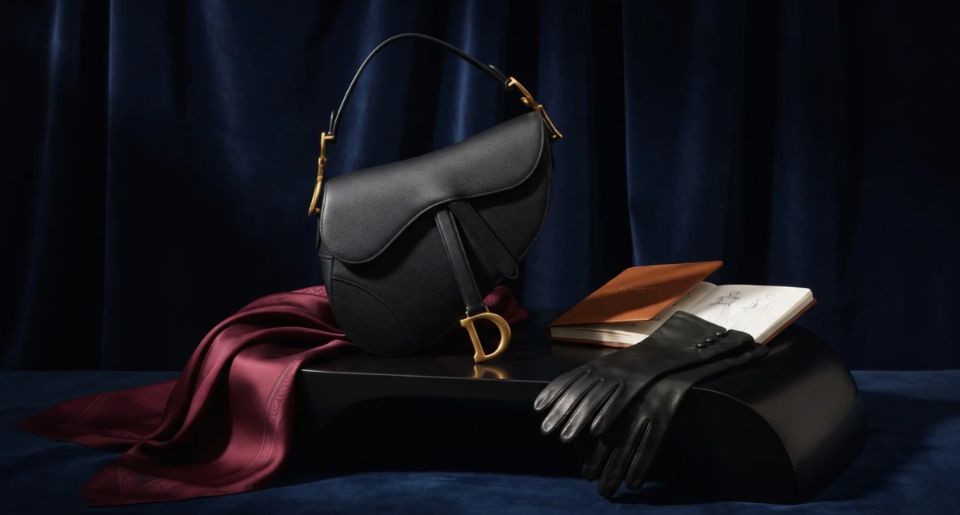
(Image credit: lxrynow)
Contents
- When a Bag Was More Than an Accessory
- Louis Vuitton Keepall: Made for Travel, Not Just for the Airport Look
- Louis Vuitton Speedy: A Travel Bag That Became an Everyday Classic
- Louis Vuitton Noé: Originally Made to Carry Bottles
- Hermès Kelly: From Equestrian Practicality to a Handbag With a Famous Name
- Hermès Bolide: A Bag Designed With Travel in Mind
- Gucci Jackie: A Closure That Helped Define the Bag
- Fendi Baguette: A Bag Designed to Sit Close to the Body
- Dior Saddle: A Shape With an Equestrian Reference
- Prada Bowling Bag: Inspired by a Bag for a Game
- Chanel Vanity Cases: From Beauty Storage to a Handbag
- Goyard Saint Louis: A Tote With a Practical Carrying Purpose
- Longchamp Le Pliage: Made to Fold and Carry
- The Difference Between a Bag’s Original Purpose and Its Life Today
- What I Look for When Buying a Bag With a Practical Past
- A Bag’s History Is Part of Its Appeal
When a Bag Was More Than an Accessory
Some designer bags have a story that starts long before they become part of someone’s wardrobe. They were made to carry something specific, solve a practical problem, or serve a purpose that had little to do with fashion.
That’s one of the things I find interesting about vintage and pre-owned bags. A shape that feels familiar today might have started as luggage, a case for a particular object, or a functional piece designed for travel. Over time, the original purpose can fade from view. We start seeing the bag as a style icon, even though its design came from a very different place.
I think these bags are especially appealing because their history is built into their shape. The proportions, compartments, closures, and materials weren’t chosen only to look good. They had a job to do.
Of course, not every iconic bag began as a specialist object. Some were designed as fashion accessories from the start, while others evolved from practical pieces or borrowed details from them. But the bags with a clear connection to an earlier purpose remind me that luxury design often begins with a real need.
Here are some designer bags whose original functions help explain why they look the way they do today.
Louis Vuitton Keepall: Made for Travel, Not Just for the Airport Look
(Image credit: louis vuitton)
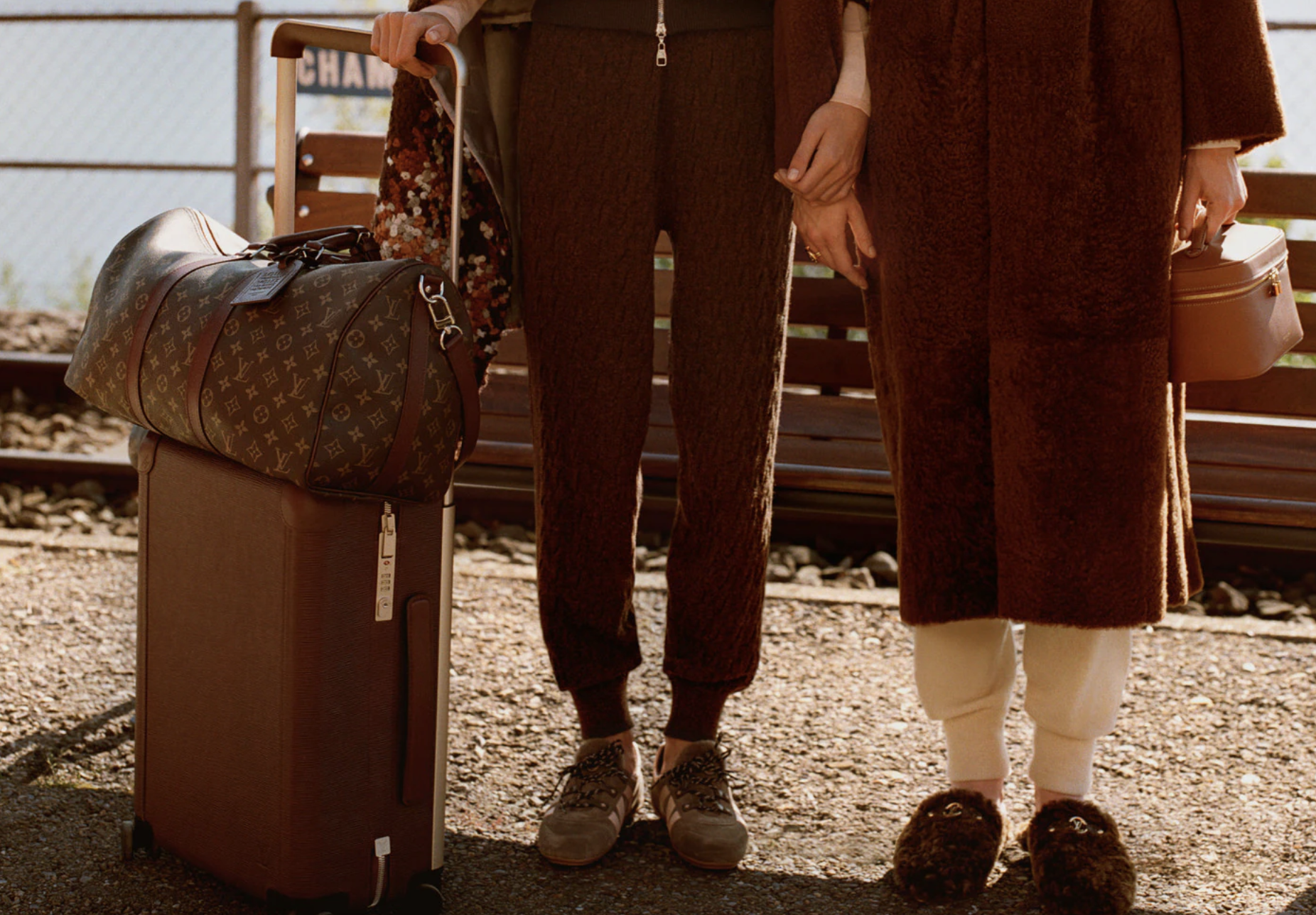
The Louis Vuitton Keepall is one of the clearest examples of a bag whose practical purpose remains part of its identity. It was introduced as a soft travel bag, designed to carry clothes and personal belongings for a trip.
Its shape makes sense when you think about that job. The rounded body offers room for packing, the top zipper keeps belongings enclosed, and the handles make it easy to lift and carry. The lightweight construction also suits a bag that needs to travel rather than sit on a shelf.
Today, the Keepall can be styled as an everyday statement bag, and its different sizes make it appealing to collectors and fashion fans. But I still think it looks best when you remember what it was made for. It has a relaxed, purposeful shape that doesn’t need to pretend it’s a small structured handbag.
The Keepall also shows how a functional travel design can become part of luxury fashion. The monogram canvas, leather trim, and distinctive proportions make it recognizable, but the basic idea remains practical: a roomy bag you can take with you.
When I look at a pre-owned Keepall, I pay attention to more than the print. The handles, zipper, corners, and overall shape all tell me how it has been used. A travel bag is expected to do some work, and its condition should be judged with that in mind.
Louis Vuitton Speedy: A Travel Bag That Became an Everyday Classic
(Image credit: luxity)
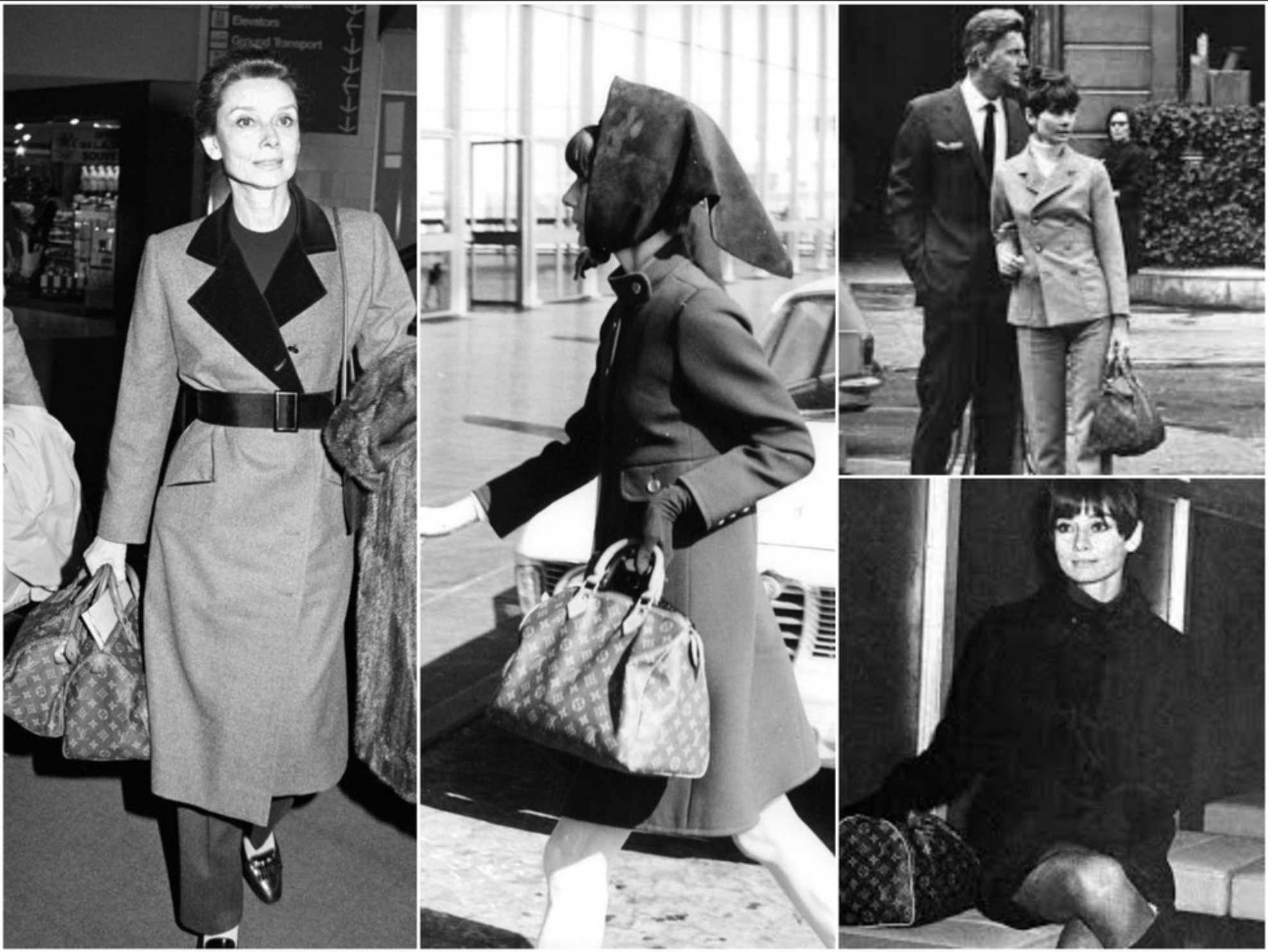
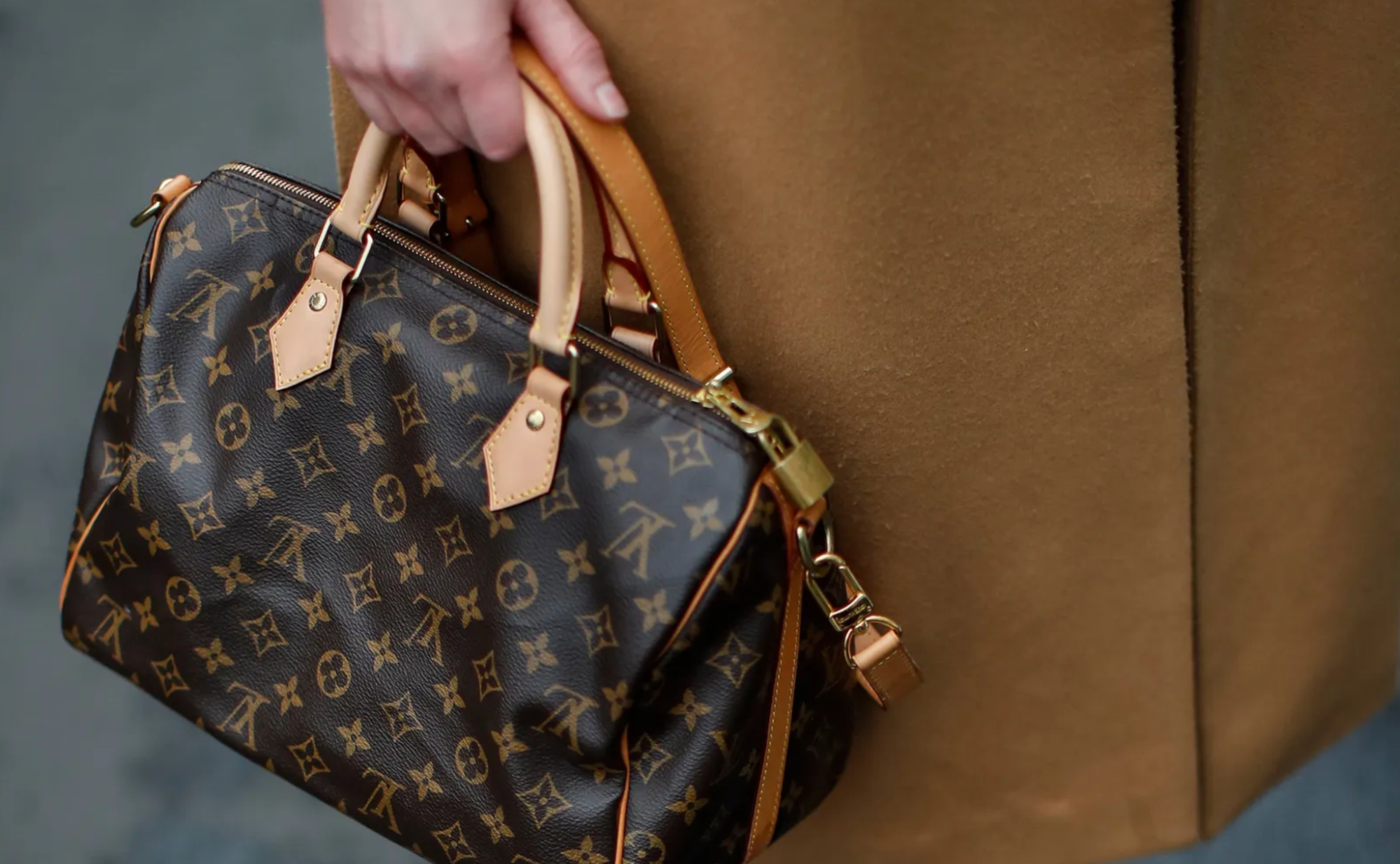
The Speedy is closely connected to Louis Vuitton’s travel-bag heritage. Its compact, rounded shape draws from the brand’s larger travel designs, but it’s sized for everyday use.
That change in scale is part of what makes the Speedy so interesting. It carries the visual language of luggage without requiring you to pack for a trip. The top zipper, handles, and soft body make it easy to use, while the silhouette gives it a recognizable look.
I think the Speedy is a good example of how a bag’s purpose can shift without losing its design identity. It still feels like a little piece of luggage, even when someone carries it to lunch or uses it as their daily handbag.
The different sizes also affect how people use it. A smaller Speedy can feel like a compact handbag, while a larger version has more of that original travel-bag character. The design doesn’t need to change dramatically for the bag to take on a different role.
For vintage and pre-owned examples, I’d check the handles, piping, zipper, and how the body holds its shape. These are the areas that help reveal whether the bag has been used lightly or carried often. I also think it’s worth comparing the size and proportions carefully, because the Speedy’s different versions can look quite different when carried.
Louis Vuitton Noé: Originally Made to Carry Bottles
(Image credit: etoile luxury vintage)
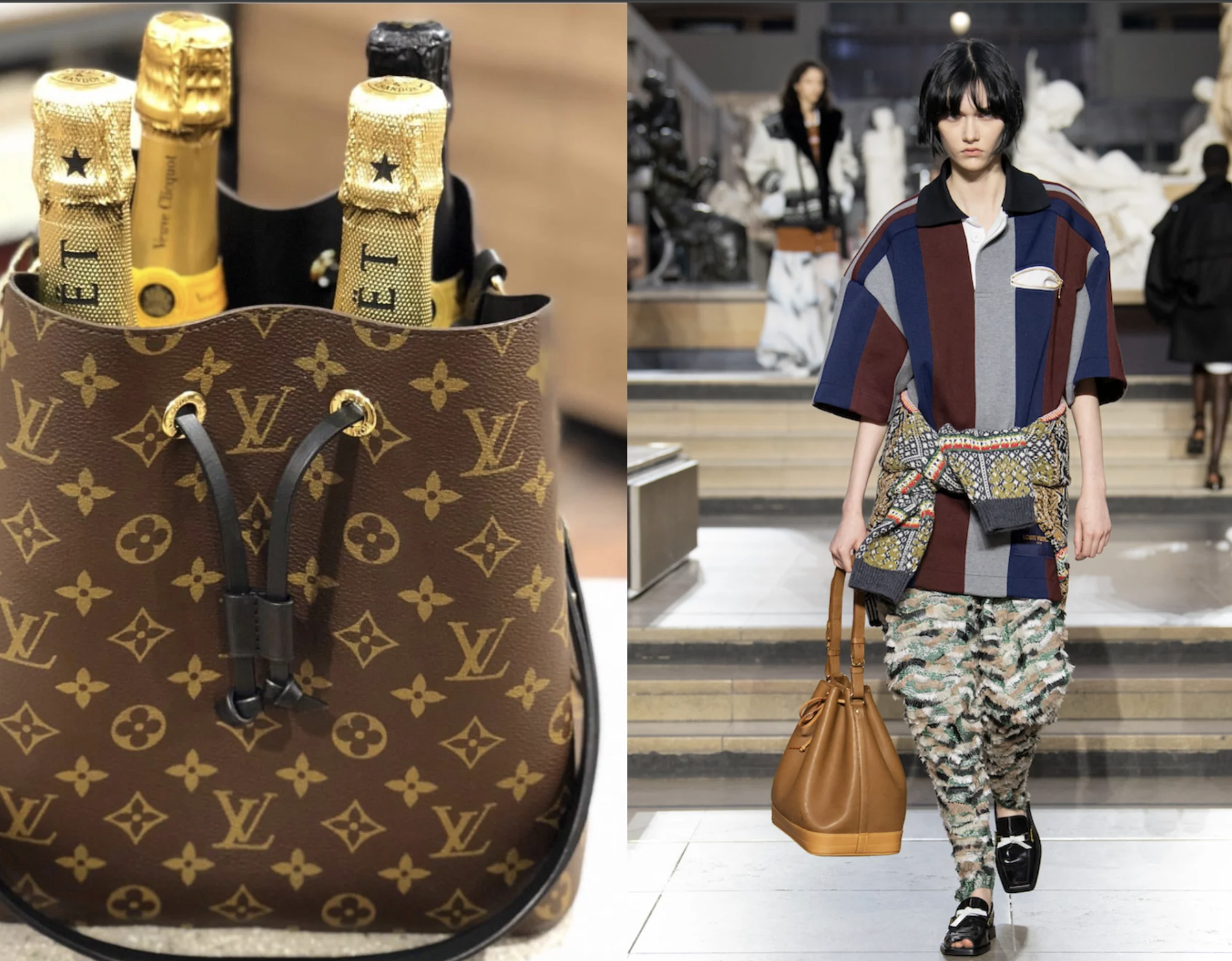
The Louis Vuitton Noé has one of the most unexpected beginnings among the brand’s iconic bags. It was created in 1932 to carry bottles of champagne. The roomy bucket shape and drawstring closure weren’t just design choices. They made sense for carrying bottles while keeping them together.
I love that the Noé’s shape comes from such a practical request. Instead of designing a bag around the usual things we carry, Louis Vuitton made one for something specific. The rounded base gave the bottles space, while the drawstring helped secure the opening. Its tall, flexible body also made it easy to carry.
Today, the Noé is known as a relaxed bucket bag, and it works just as well with everyday outfits as it does with a more dressed-up look. But I think knowing its original purpose makes the design even more interesting. The shape isn’t an arbitrary fashion detail. It’s a reminder of what the bag was made to hold.
The Noé also shows how a bag can keep its character even after its use changes. Most people aren’t carrying champagne bottles in it now, but the roomy interior and drawstring still make it practical.
When I look at a pre-owned Noé, I’d check the drawstring, the top edges, the base, and the strap attachments. Since the bag has a soft bucket shape, I’d also look at whether it stands or slouches in a way I like. The condition of the leather trim and the drawstring can affect both its appearance and how comfortably it works.
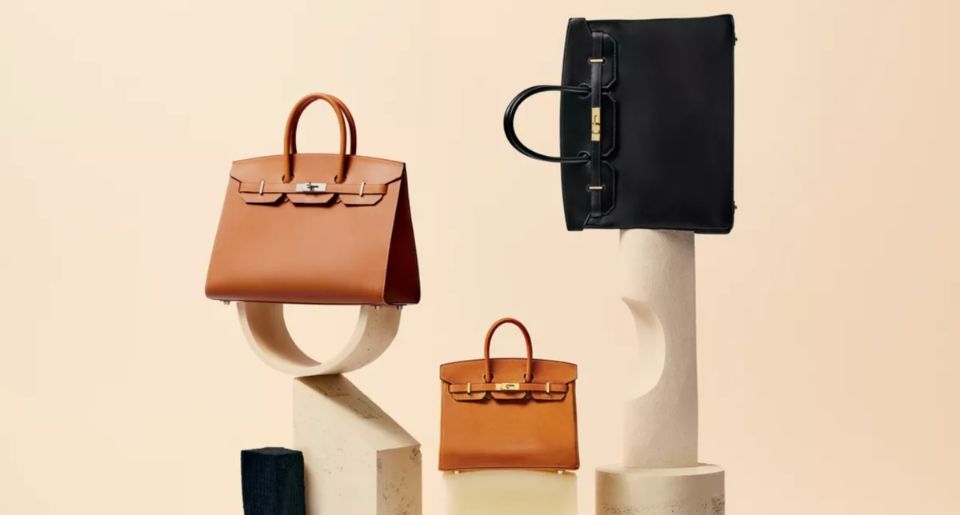
Hermès Kelly: From Equestrian Practicality to a Handbag With a Famous Name
(Image credit: malle2luxe)
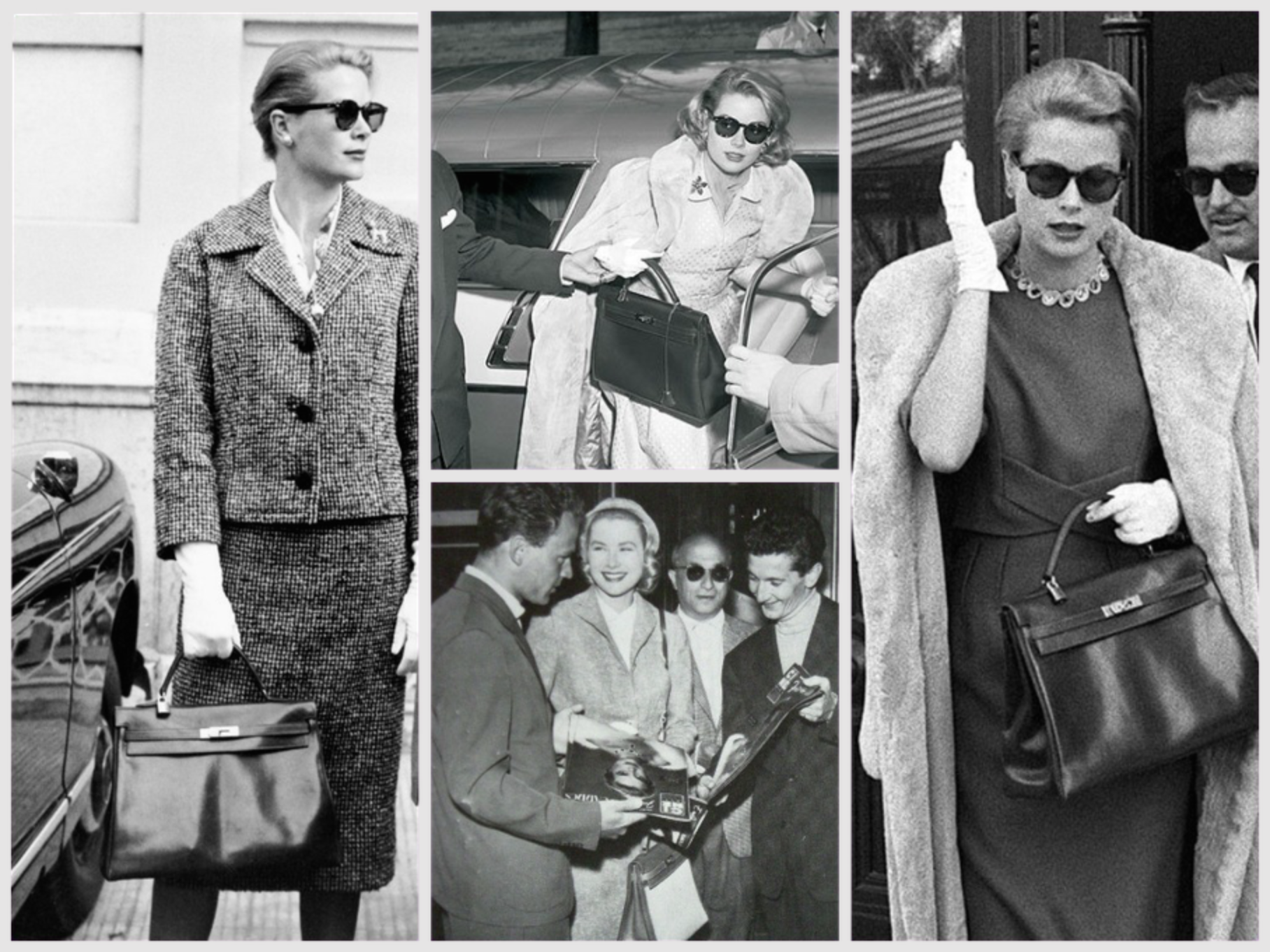
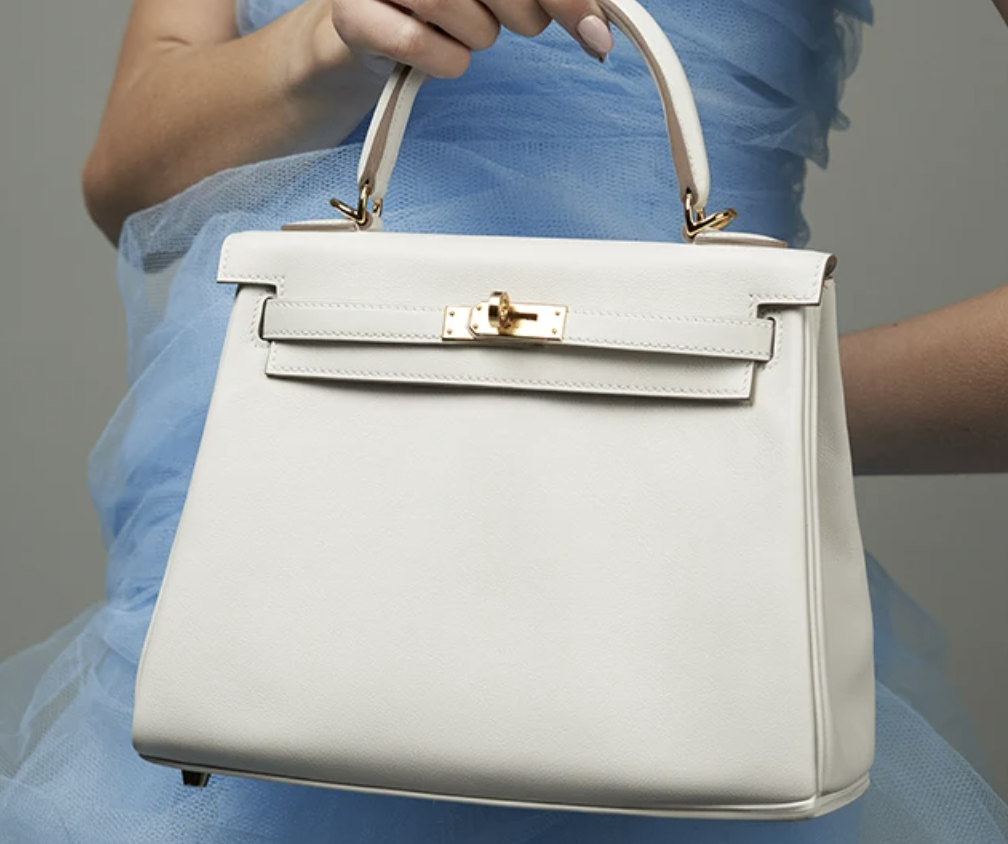
The Hermès Kelly has a strong connection to the brand’s equestrian background. Hermès originally made leather goods and equipment for horse riding, and the bag’s structured form and secure closure reflect that history.
The design that became known as the Kelly developed from a bag called the Sac à dépêches, which was introduced in the 1930s. It was a structured bag with a flap and fastening system, and its shape was practical for carrying personal belongings securely.
Its association with Grace Kelly later helped turn it into one of the most recognizable handbags in the world. That story is often the first thing people mention, but I think the bag’s earlier design history is just as interesting. The structure, top handle, and fastening details give it a purposeful look that existed before it became a celebrity symbol.
The Kelly is also a reminder that a bag can have several lives. It began with a practical design, gained a new identity through its association with a public figure, and eventually became a luxury object that people collect and preserve.
When inspecting a pre-owned Kelly, I’d look closely at the handle, flap, sangles, turn-lock, and corners. Its structured shape makes condition especially visible. A small change in the leather or hardware can affect the way the bag looks, so the details matter.
Hermès Bolide: A Bag Designed With Travel in Mind
(Image credit: bag u seek)
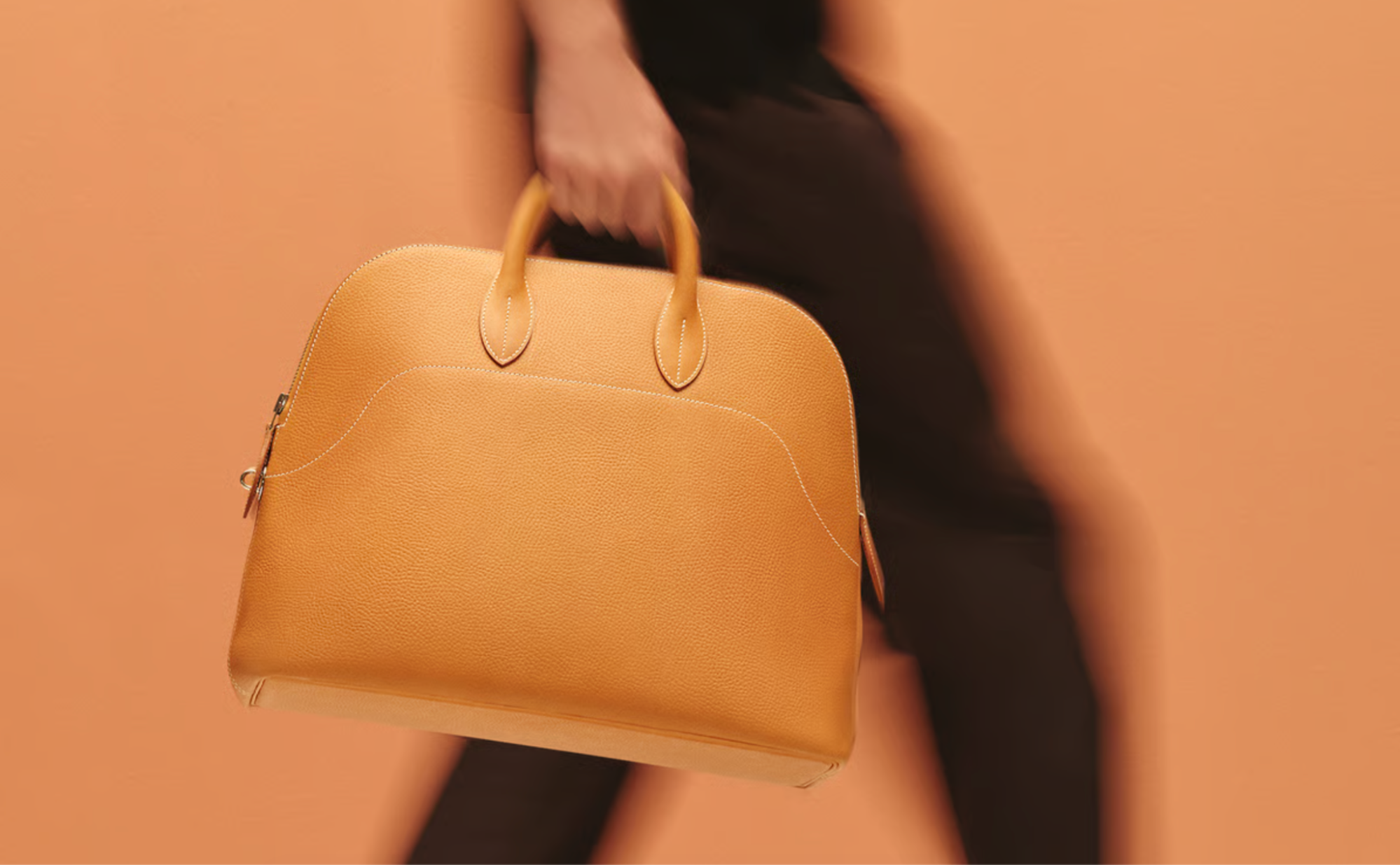
The Hermès Bolide is another bag with a practical history. Its rounded shape and zipper closure give it a distinctly functional character, and it has long been associated with travel.
The zipper is one of the design details that makes the Bolide stand out. A secure, enclosed opening is useful when carrying belongings, particularly when travelling. Its shape also offers a roomy interior without the rigid look of a traditional hard-sided case.
I like the Bolide because it doesn’t rely on a dramatic logo or unusual ornament to make an impression. Its appeal comes from the form, leather, and craftsmanship. The bag looks refined, but the design still feels connected to the practical job it was made to do.
The Bolide’s different sizes can also change the way it’s used. A smaller version can work as a daily handbag, while a larger one has a more obvious travel-bag presence.
For a pre-owned Bolide, I’d pay attention to the zipper track, zipper pull, handles, base, and corners. The zipper should be checked for function, not just appearance. Since the bag’s design depends on that enclosed opening, a problem with it can affect how useful the bag is.
Gucci Jackie: A Closure That Helped Define the Bag
(Image credit: gucci)
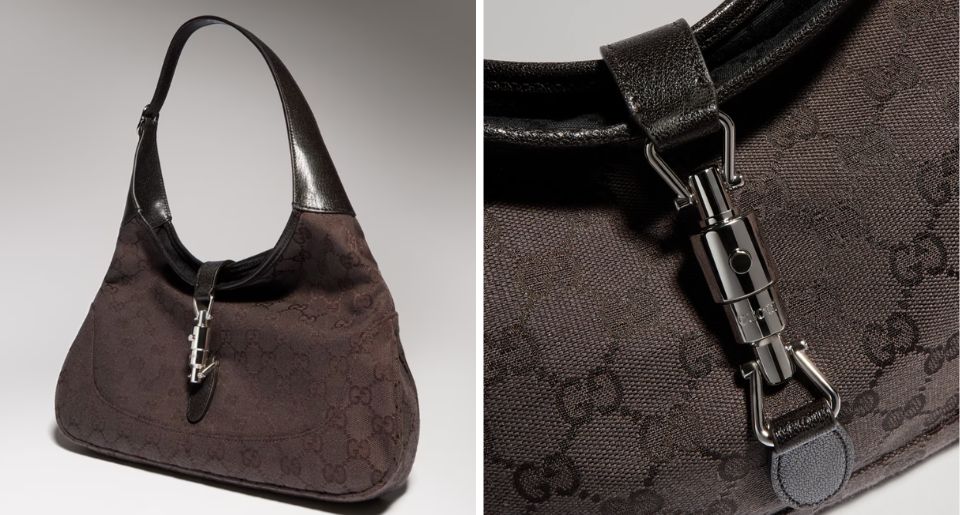
The Gucci Jackie is often remembered for its curved shape and piston closure. Its history is connected to a practical shoulder bag design that became widely recognized through its association with Jackie Kennedy.
The closure is more than a decorative feature. It gives the bag a distinctive way of opening and securing its contents, while the soft, curved body makes it comfortable to carry over the shoulder.
I think the Jackie is an interesting example of a functional detail becoming the centre of a bag’s identity. You can recognize it from the shape and closure, even before looking at the logo.
The bag’s proportions also make it versatile. It can look casual with everyday clothes or polished with a more formal outfit. That flexibility has helped it remain relevant through different periods of fashion.
When I look at a pre-owned Jackie, I’d inspect the piston closure, strap, and the areas where the bag bends or rests against the body. The closure should operate properly, and the strap should be checked for wear. On older examples, the leather may have softened, which can change the way the bag sits.
Fendi Baguette: A Bag Designed to Sit Close to the Body
(Image credit: trend hunter)
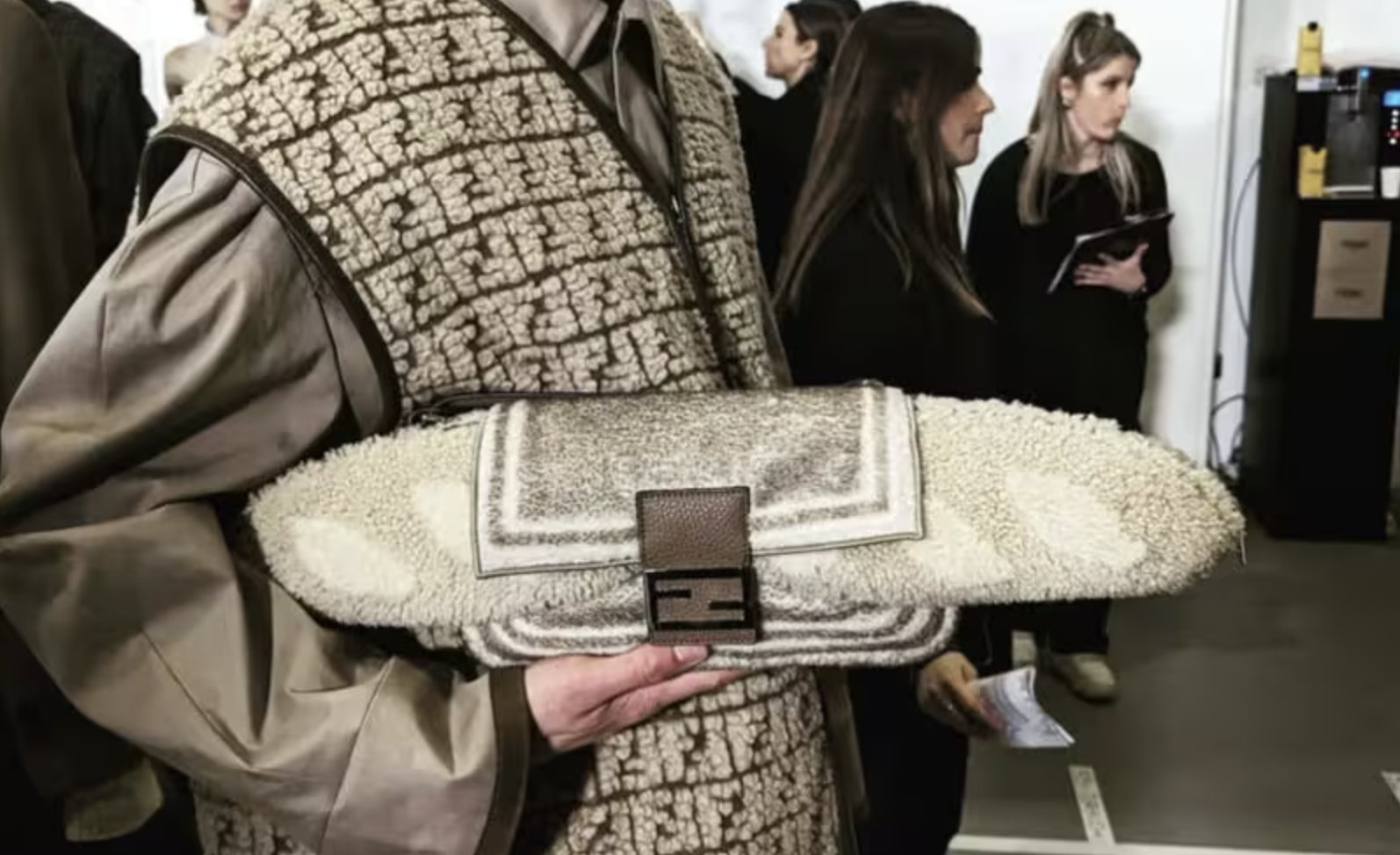
The Fendi Baguette was designed as a compact shoulder bag, with proportions that made it easy to carry close to the body. Its name refers to the way a French baguette is carried under the arm, and that comparison captures the bag’s shape better than a long description could.
It wasn’t designed to hold everything. Its compact size encourages you to carry only the essentials, and its short strap gives it a distinctive way of sitting under the arm.
I think the Baguette’s success shows that a bag’s function doesn’t have to mean maximum capacity. Sometimes the design is about how it’s carried, how it fits into an outfit, and the feeling it creates.
The Baguette has appeared in many materials, colours, and embellishments. Those variations can make it feel like a different bag, but the basic proportions remain recognizable.
For pre-owned Baguettes, I’d look at the strap attachment points, flap or closure, corners, and any embellishment. Beaded, embroidered, or heavily decorated versions may need a different kind of condition check from a simple leather one. I’d also confirm the measurements, since a compact bag can look larger in a product photo than it feels in person.
Dior Saddle: A Shape With an Equestrian Reference
(Image credit: luxferity, equiline)
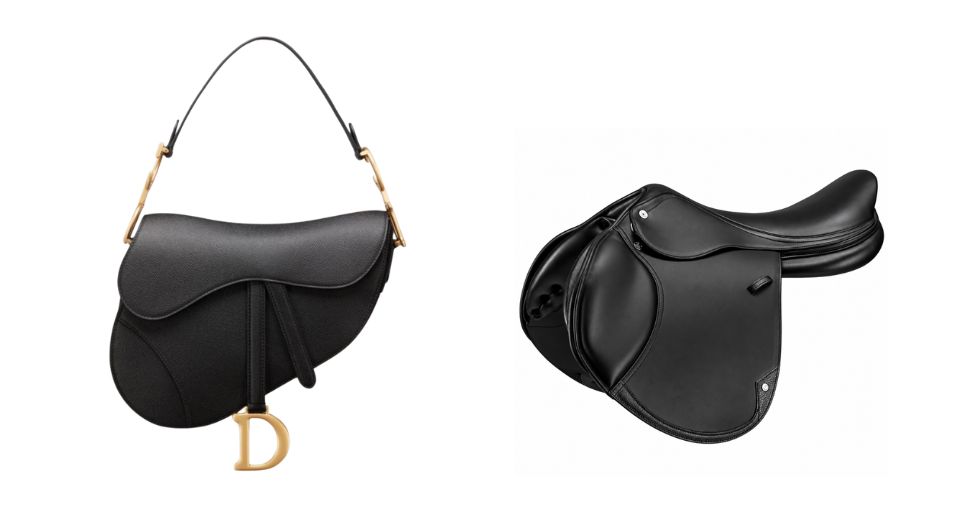
The Dior Saddle bag takes its name from its saddle-like shape. Its curved profile and distinctive flap make it stand apart from more conventional rectangular handbags.
The equestrian reference is visible in the design, but the bag is not simply a riding accessory. It was created as a fashion handbag, using the shape of a saddle as inspiration. That distinction matters: it borrows a familiar form and turns it into something meant for everyday style.
I think the Saddle is a good example of how a practical object can influence fashion without the final product having the same job. The curved shape gives the bag its identity, while the strap and compact body make it wearable as a handbag.
Because the silhouette is so distinctive, I’d pay attention to whether the bag keeps its intended shape. I’d also inspect the flap, strap, hardware, and corners. On decorated or embroidered versions, I’d check that the surface details are intact and that the bag hasn’t been stored in a way that caused the shape to flatten or distort.
Prada Bowling Bag: Inspired by a Bag for a Game
(Image credit: purse blog)
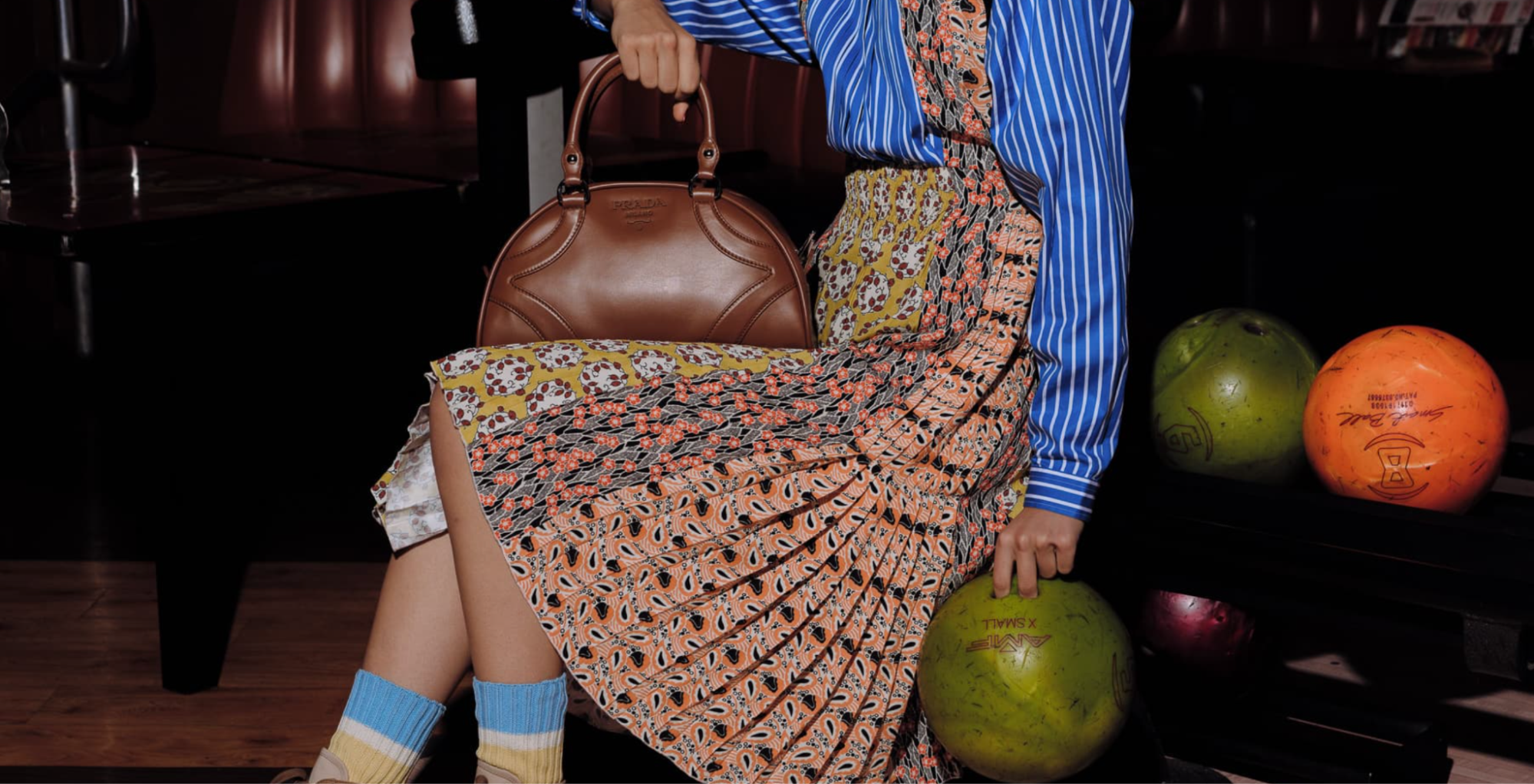
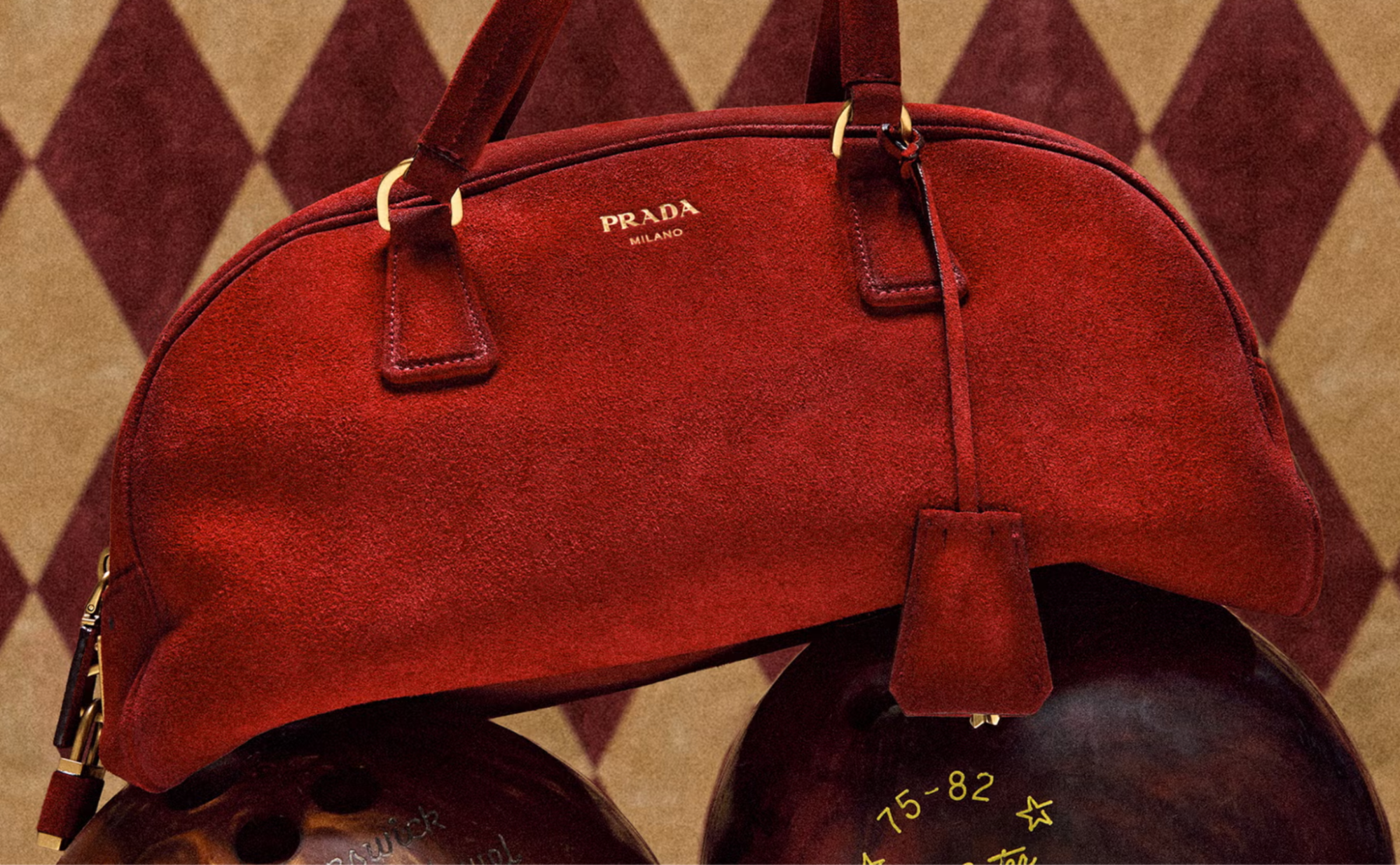
The Prada bowling bag draws inspiration from the shape of traditional bowling bags. Those bags were designed to carry bowling equipment, with a rounded body and handles that made them easy to transport.
Prada’s fashion version takes that familiar form and adapts it for everyday use. The rounded silhouette, top handles, and zipper opening give it a sporty quality, while the materials and finishing turn it into a luxury accessory.
I like that the bowling-bag shape feels a little different from the usual structured tote or shoulder bag. It has a practical, almost nostalgic character, but it can still look polished.
When checking a pre-owned Prada bowling bag, I’d look at the handles, zipper, base, and the shape of the body. Since the rounded silhouette is a key part of its look, it’s worth checking whether the bag still holds that form or has become overly soft.
Chanel Vanity Cases: From Beauty Storage to a Handbag
(Image credit: vogue, shopp-ing-day)
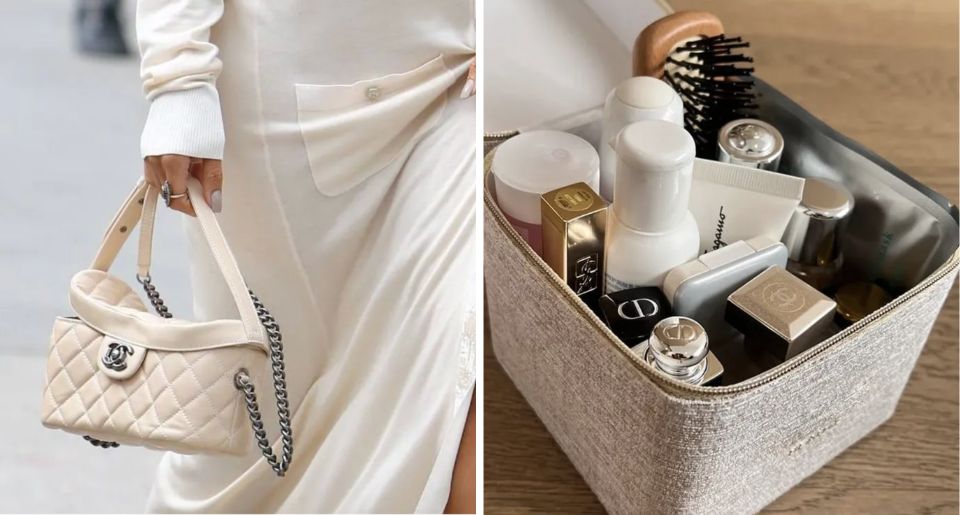
Vanity cases were originally made to store and organize beauty products. Their compartments and structured interiors were meant to keep items in place, making them useful for dressing tables and travel.
Luxury fashion houses have turned this kind of case into a handbag, and Chanel’s vanity-style bags are a familiar example. The boxy shape, top handle, zipper, and interior organization still suggest their original purpose.
I think these bags are charming because they carry a little bit of that old-fashioned dressing-room feeling. They’re not always as easy to use as a simple shoulder bag, but the structure and compartments can make them appealing for someone who likes a more organized interior.
Before buying a pre-owned vanity case, I’d inspect the lining carefully. Beauty products can leave stains, residue, or odours, and those issues may not show in exterior photos. I’d also check the zipper, handle, corners, and any internal dividers or pockets.
A vanity bag may look pristine from the outside while its interior tells a different story. That’s why I’d want clear photos of both.
Goyard Saint Louis: A Tote With a Practical Carrying Purpose
(Image credit: pinterest, pinterest)
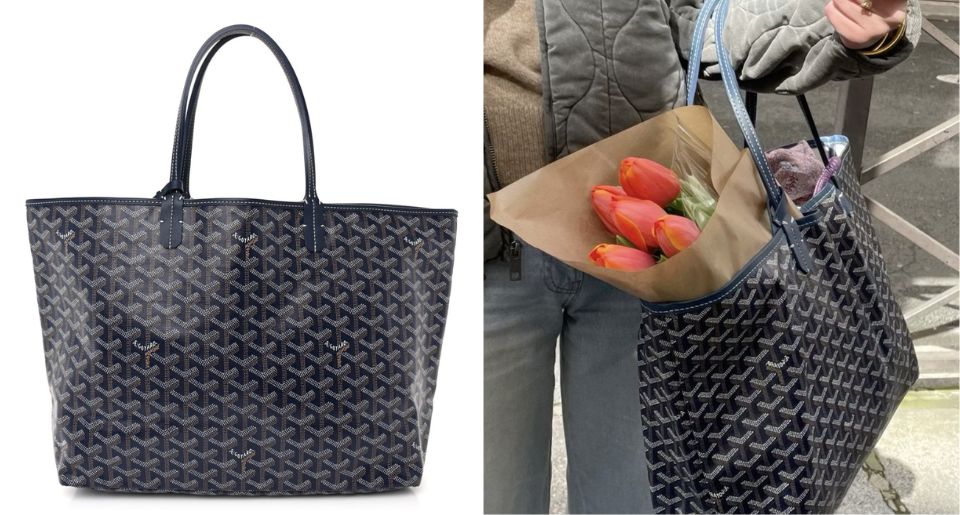
The Goyard Saint Louis is a lightweight tote designed for carrying everyday belongings. Its open-top construction and flexible body make it easy to use, and it can be folded or packed away more easily than a rigid handbag.
That practical quality is part of its appeal. It’s a bag you can take shopping, use for travel, or carry when you need extra room. The design doesn’t ask you to treat it like a precious object.
I think the Saint Louis is a reminder that luxury doesn’t always have to mean structure or formality. A lightweight tote can be just as recognizable and desirable as a more elaborate bag.
When buying one pre-owned, I’d inspect the corners, handles, and interior, especially the base. Because the bag is flexible, I’d also look for stretching, sagging, or damage around the seams. If it comes with a matching pouch, I’d confirm that the pouch is included and check its condition separately.
Longchamp Le Pliage: Made to Fold and Carry
(Image credit: edisac)
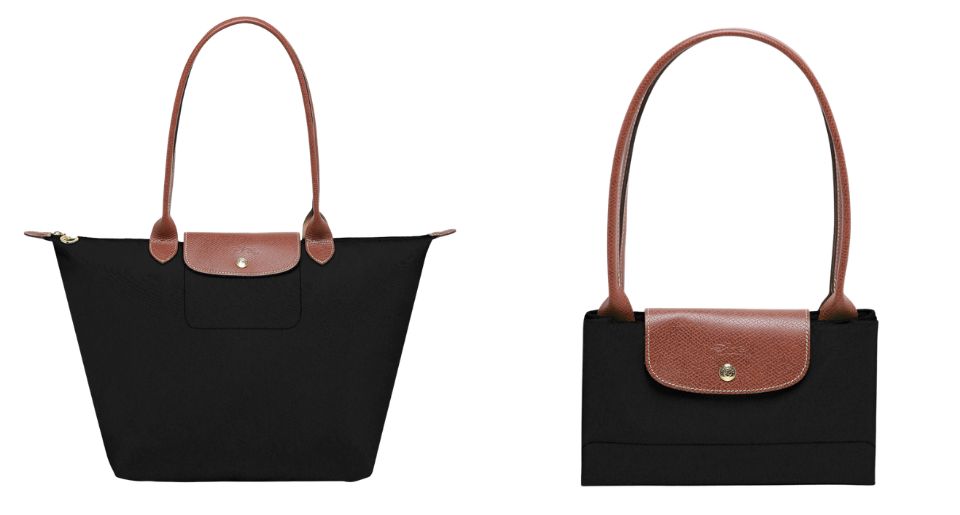
The Longchamp Le Pliage is built around a simple practical idea: a bag that can fold down when you’re not using it. Its lightweight body and folding design make it useful for travel, shopping, and everyday errands.
That function is what makes the bag so recognizable. The flap, handles, and flexible body are designed to work together, allowing the bag to be carried normally or folded away.
I think Le Pliage is one of those bags that people appreciate more once they actually use it. It’s not trying to be a rigid statement piece. It’s designed to be convenient, and that’s part of its charm.
For a pre-owned Le Pliage, I’d check the corners, handles, flap, snap, and zipper. I’d also look for wear along the folds, since repeated folding and unfolding can affect the material over time. If the bag has been stored folded for a long period, I’d check whether it still opens into its intended shape.
The Difference Between a Bag’s Original Purpose and Its Life Today
(Image credit: who what wear)
What I find most interesting about these designs is that their original purpose doesn’t necessarily dictate how we use them now.
A travel bag can become an everyday handbag. A compact shoulder bag can become a collectible. A case made for beauty products can turn into a fashion accessory. The bag’s shape may preserve its history, but the person carrying it gives it a new role.
That shift is part of what makes pre-owned luxury appealing to me. You’re not only buying a design. You’re buying something that may already have been used for years, and you’re deciding what its next chapter will look like.
It also changes how I think about condition. A bag designed for travel may show wear in ways that make sense for its original function. A vanity case may have interior marks from the products it once carried. A foldable tote may show creases because it was used as intended.
Those signs don’t automatically make a bag less desirable. They simply give you more information about its life.
What I Look for When Buying a Bag With a Practical Past
(Image credit: saclab)
When a bag has a clear functional history, I try to judge it according to both its design and the job it was made to do.
For a travel bag, I focus on the zipper, handles, corners, and capacity. For a structured bag, I check whether it holds its shape and whether the closure works. For a foldable tote, I look at the seams and fold lines. For a vanity case, I pay close attention to the interior.
I also think about whether I’ll use the bag in a way that suits its design. A large travel bag may be beautiful, but if I rarely travel with it, it could end up sitting in my wardrobe. A small, structured case may look appealing, but I’d want to know whether it fits the things I actually carry.
The original purpose can help you make a more realistic decision. It tells you why the bag has a certain shape, what details matter, and what kind of wear you should expect.
A Bag’s History Is Part of Its Appeal
(Image credit: town and country mag)
I’ve always found it interesting when a designer bag has a story beyond its name or logo. The shape might come from luggage, a sporting bag, an equestrian reference, or a case made to organize personal belongings.
Those beginnings make the design feel more grounded. The bag wasn’t created in a vacuum. It came from an idea about how people carry things, and fashion gave that idea a new life.
For me, that’s what makes these pieces worth a second look. Their original purpose helps explain the details we recognize today, and it gives us another way to appreciate them beyond trends or brand names.
A bag can change its role over time without losing what made it special in the first place. Sometimes, knowing what it was made for makes me appreciate how it looks now even more.