(Image credit: vnexpress)
Contents
- Why the Neverfull Is So Popular
- Which Neverfull Models Are Worth Buying?
- Which Neverfull Models Should You Be Careful With?
- Understanding the Different Neverfull Sizes
- Features That Can Affect Price
- Common Damage to Watch For
- How to Search for Neverfull Bags in Japan
- Is the Neverfull Still Worth Buying?
Few bags have become as recognizable as the Louis Vuitton Neverfull. It’s one of those rare designs that works for almost everyone. Some people use it as a daily work bag, others carry it while traveling, and many simply want a reliable luxury tote that can handle years of use.
That popularity has created a huge second-hand market, especially in Japan. At any given time, you'll find hundreds of Neverfull listings across Japanese resale platforms, auction sites, and luxury consignment stores. While having so many options is great, it also means buyers need to know what separates a good purchase from an expensive mistake.
The Neverfull may look simple at first glance, but there are important differences between materials, generations, sizes, and conditions that can significantly affect both value and usability.
Why the Neverfull Is So Popular
(Image credit: refinery 29)
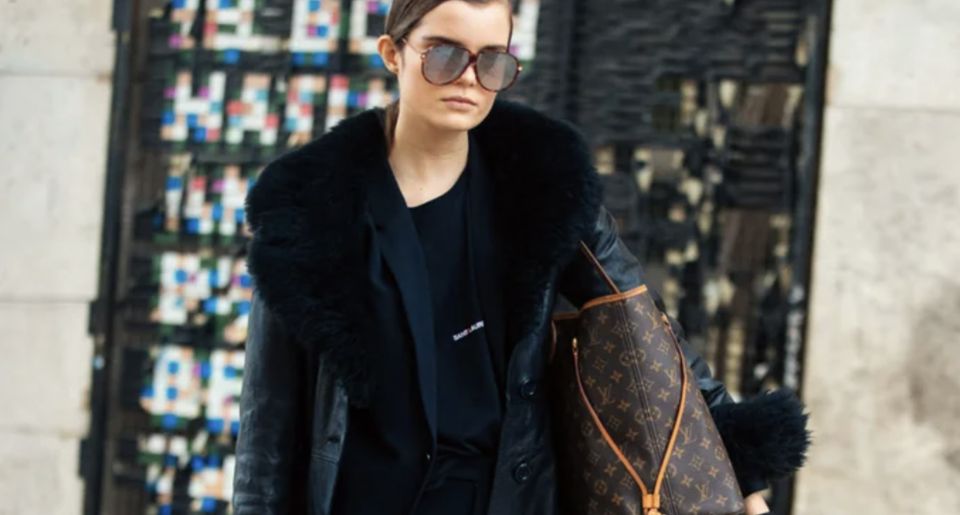
When Louis Vuitton introduced the Neverfull in 2007, the goal was straightforward: create a lightweight luxury tote that could handle everyday life. Unlike many designer bags that prioritize appearance over practicality, the Neverfull became popular because it does both.
Its open-top design, spacious interior, and lightweight construction made it an easy choice for work, shopping, travel, and daily errands. Over time, it became one of Louis Vuitton's best-selling bags and remains one of the most frequently traded models on the second-hand market.
For buyers looking at Japanese resale listings, this popularity creates an advantage. There is usually a large selection available, making it easier to compare condition, pricing, and variations.
Which Neverfull Models Are Worth Buying?
(Image credit: sothebys)
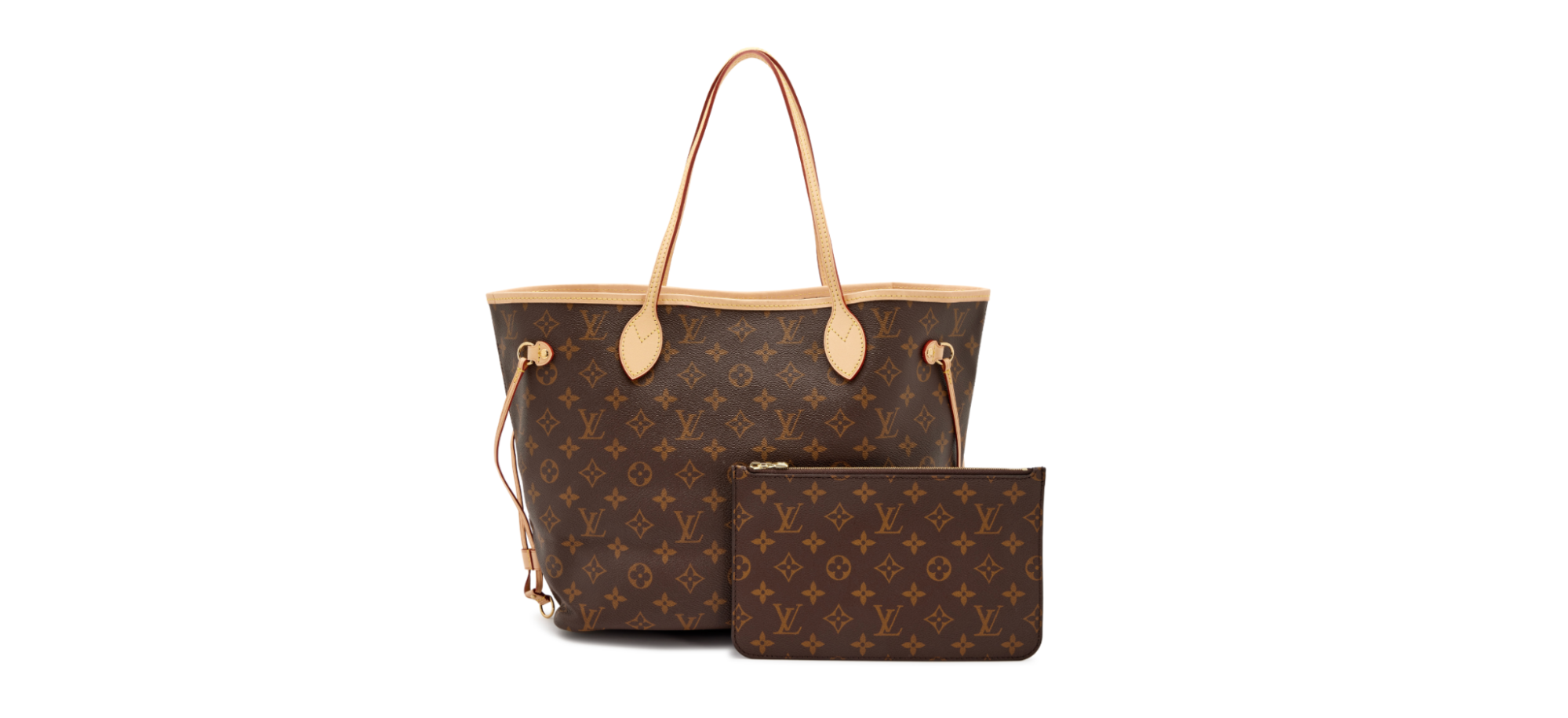
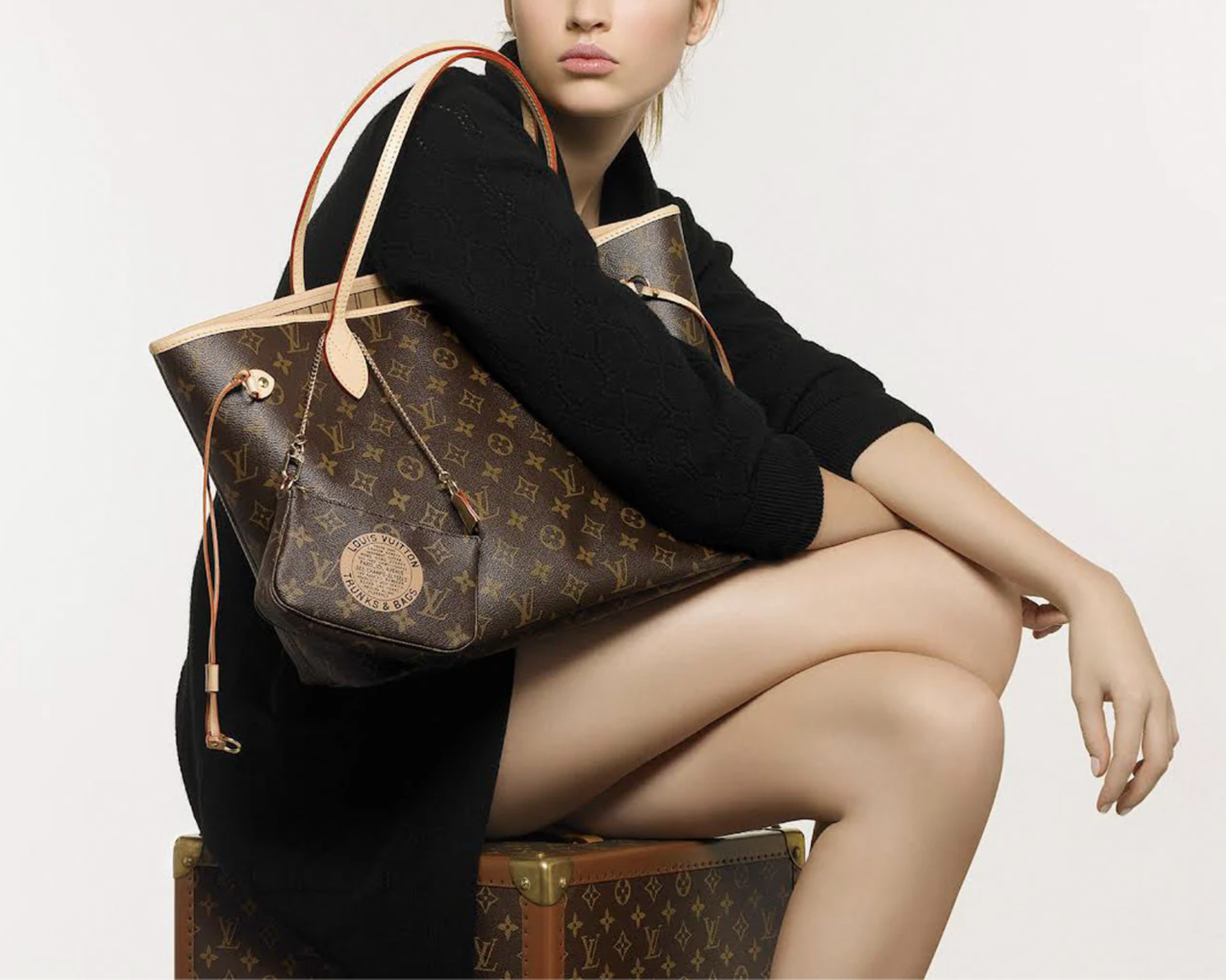
If you're buying your first Neverfull, the safest option is usually the Monogram canvas version.
The classic Monogram pattern has remained popular for decades and tends to attract the widest range of buyers. It also tends to hold its value well because demand remains consistent regardless of changing trends.
(Image credit: sothebys)
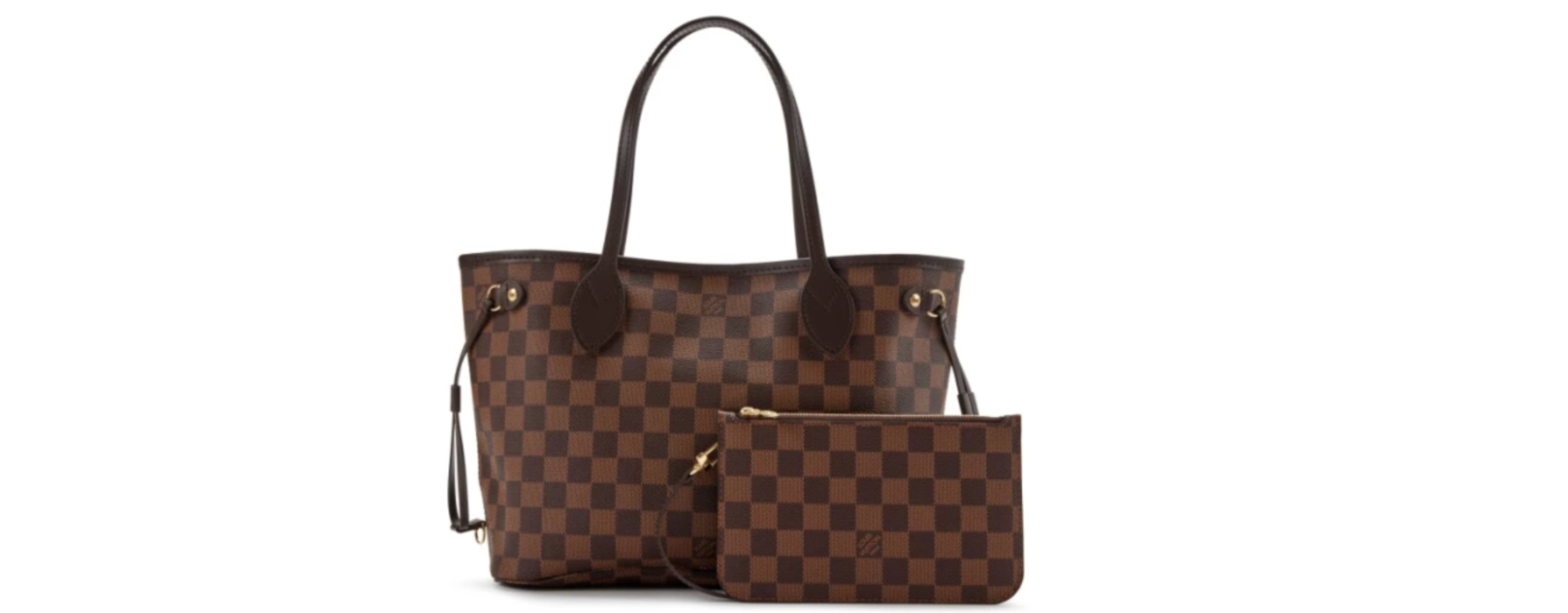
Damier Ebene is another strong choice. Many experienced buyers actually prefer it over Monogram for everyday use because it doesn't use untreated vachetta leather. This means you don't have to worry about water spots, darkening handles, or uneven patina.
If practicality is your priority, Damier Ebene is often the easiest Neverfull to own.
(Image credit: sothebys)
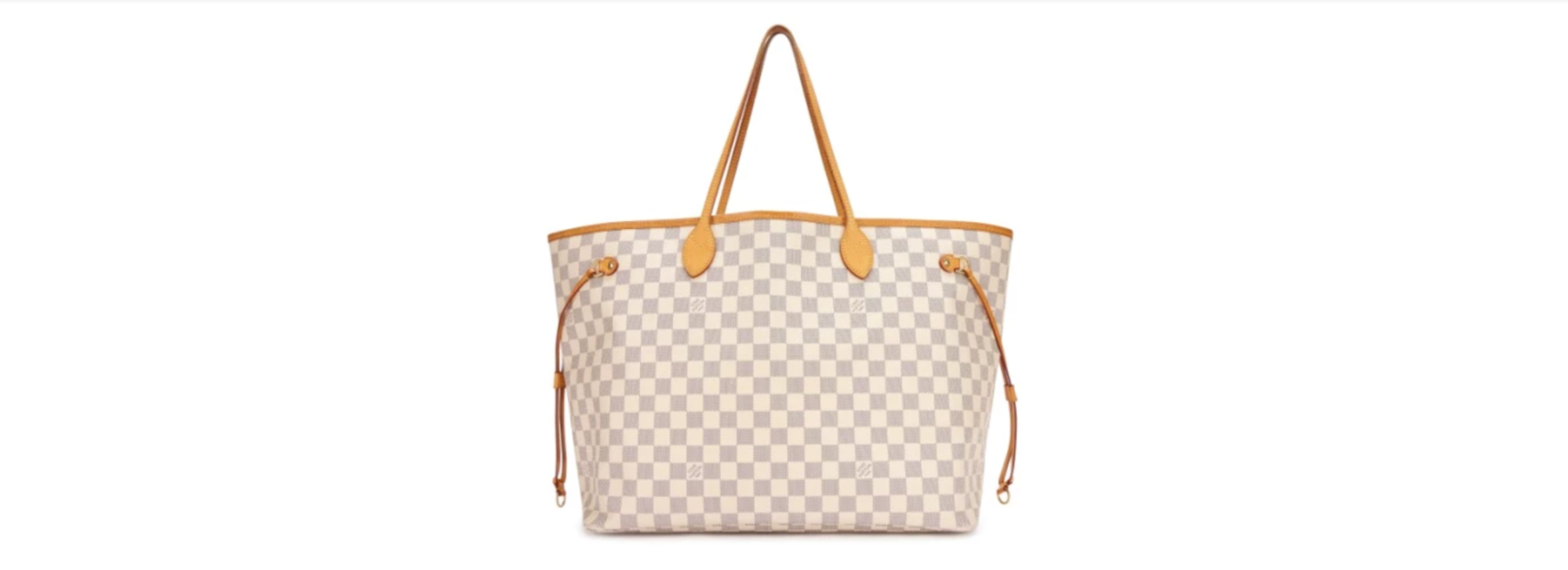
Damier Azur can also be a good purchase, especially if you prefer lighter colors. However, it requires more care. The pale canvas can show dirt more easily, and color transfer from clothing is more noticeable.
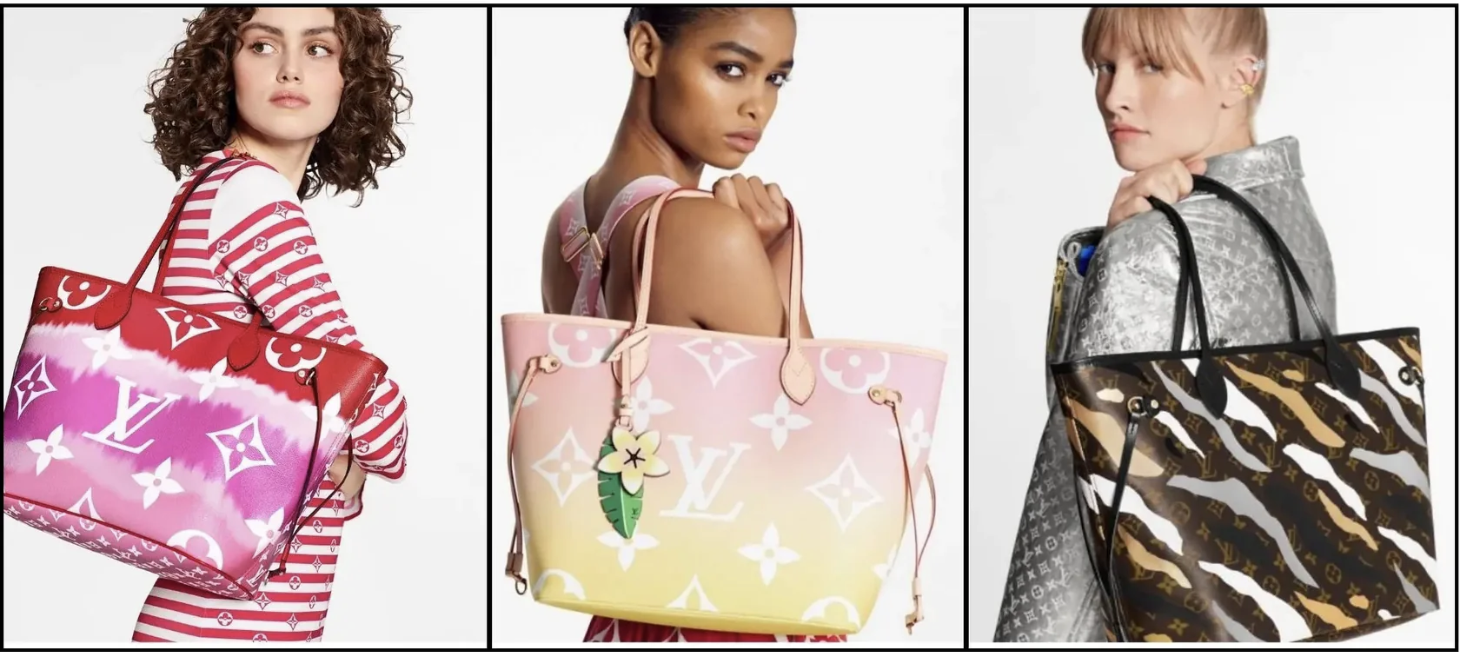
Limited editions can be attractive if you find a design you genuinely love, but they aren't always the safest choice from a resale perspective. Some become highly collectible, while others lose popularity once a particular trend passes.
Which Neverfull Models Should You Be Careful With?
The biggest mistake buyers make is focusing only on the exterior.
A Neverfull can look excellent from the outside while hiding significant wear inside.
Older models with heavily stained interiors often require professional cleaning. Makeup stains, pen marks, spilled liquids, and discoloration are common issues.
You should also be cautious of bags with severe handle darkening. While some patina is normal on Monogram versions, excessively dark handles can make a bag look much older than it actually is.
Bags with cracked trim, damaged side laces, or severe corner wear are also worth examining carefully. These repairs can become expensive depending on the extent of the damage.
Understanding the Different Neverfull Sizes
(Image credit: purse blog)
One reason the Neverfull remains so popular is the range of sizes available.
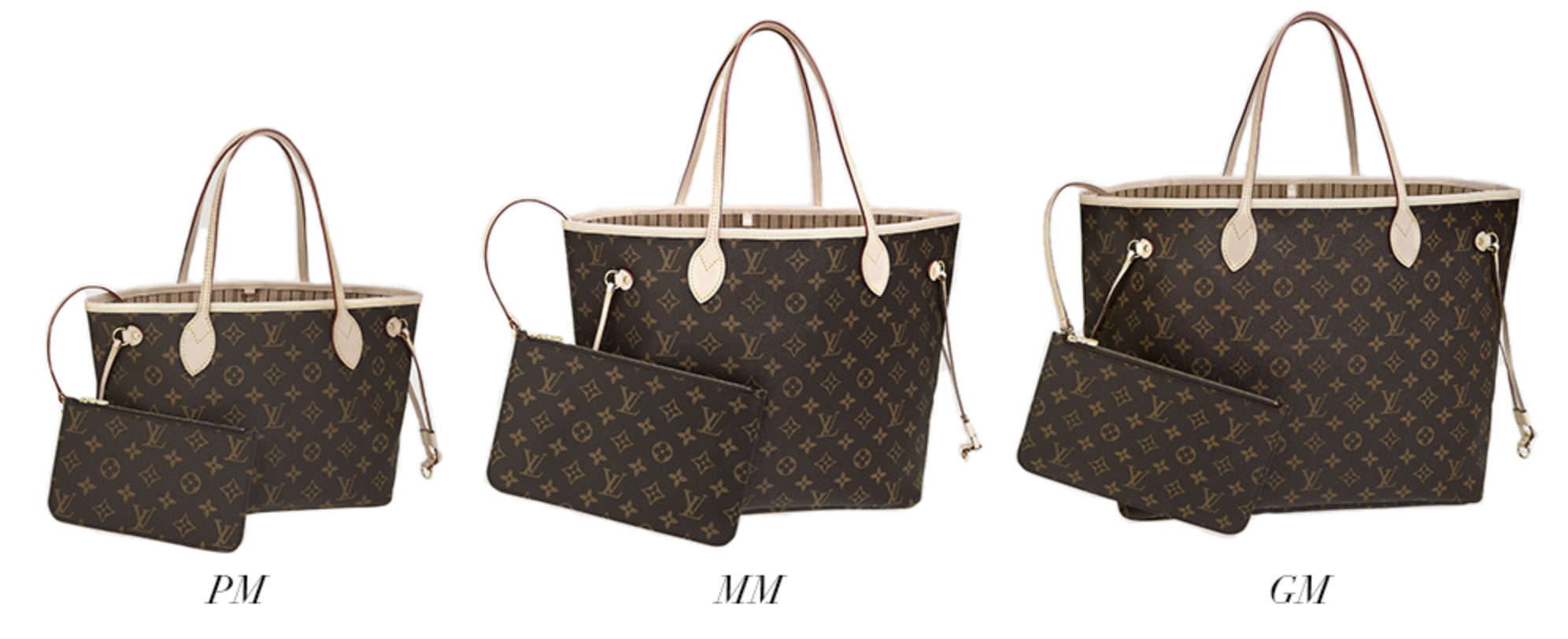
The Neverfull PM is the smallest version. It works well for buyers who want a lightweight everyday tote without carrying excessive items. It feels more like a handbag than a travel tote.
The Neverfull MM is generally considered the most versatile size. It fits daily essentials, a tablet, documents, and more while still feeling manageable. Because of this balance, the MM tends to have the strongest demand in the resale market.
The Neverfull GM is the largest option. It's ideal for travel, work, parents carrying extra items, or anyone who likes oversized bags. While it offers the most space, it can feel bulky when not fully packed.
In Japan, the MM often commands the strongest interest because it suits the largest number of buyers.
Features That Can Affect Price
(Image credit: lv bagaholic)
Many buyers assume all Neverfull bags are essentially the same, but several details can influence pricing.
One important difference is whether the bag includes its matching pouch. Louis Vuitton added removable zip pouches to newer Neverfull models, and buyers often expect them to be included.
A missing pouch won't make a bag unusable, but it can reduce resale value and make the listing less attractive.
Production year also matters. Newer bags generally command higher prices, especially if they include updated interiors and accessories.
Condition remains one of the biggest pricing factors. A well-preserved Neverfull that shows minimal wear can sell for significantly more than a heavily used example, even if both were produced in the same year.
Common Damage to Watch For
(Image credit: 1stdibs)
The Neverfull has several wear points that appear repeatedly across second-hand listings.
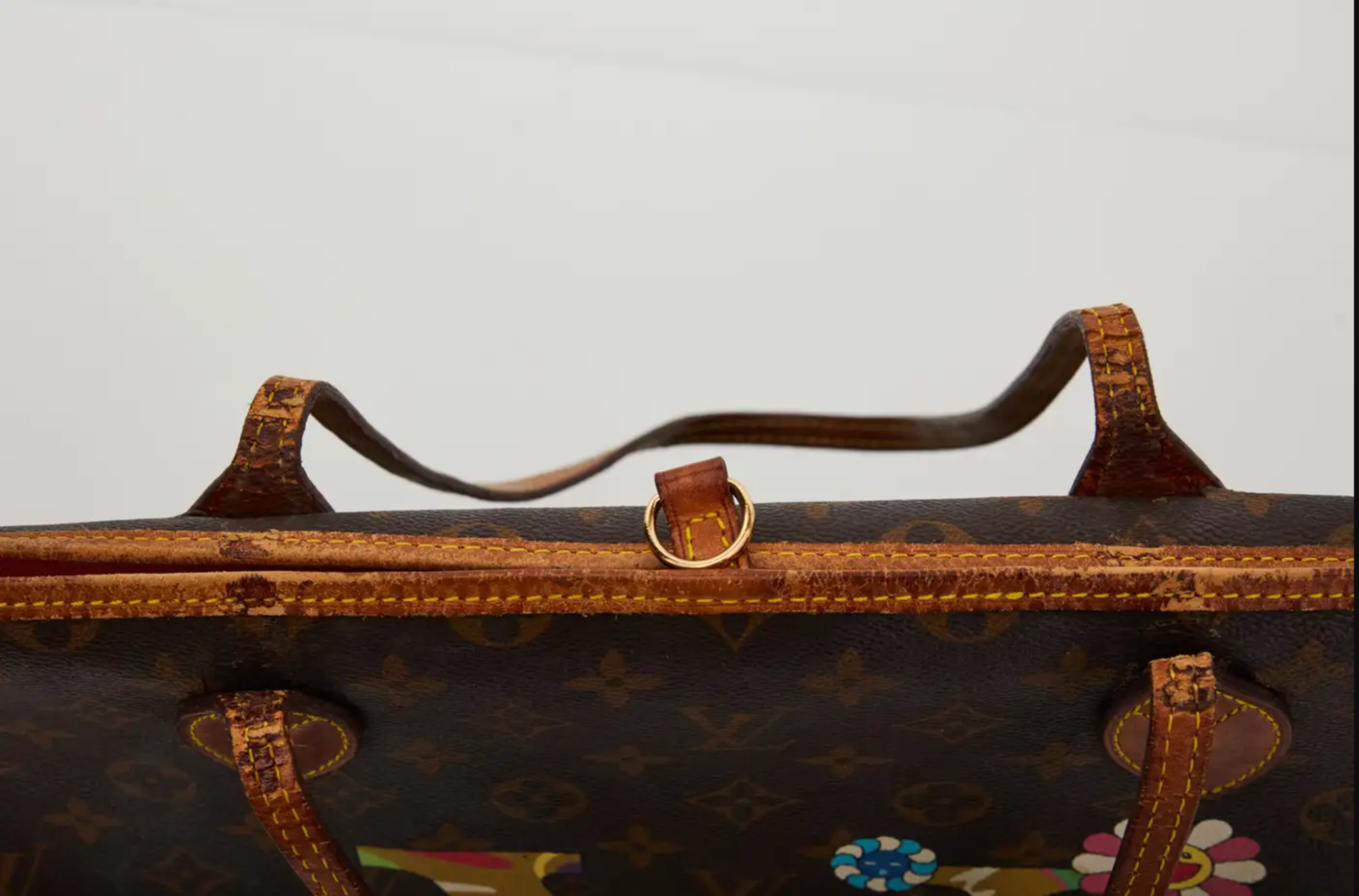
The first area to inspect is the upper trim. Because the bag is open at the top, this leather edge experiences constant friction. Over time, cracking and wear can develop.
Handle condition is equally important. On Monogram models, the untreated vachetta leather naturally darkens with age. This is normal. However, severe discoloration, cracking, or dryness can indicate heavy use.
The side laces are another common problem area. These thin leather straps help define the shape of the bag, but they can stretch, crack, or become damaged over time.
Corner wear is particularly common on larger Neverfull sizes because buyers often load them with heavy items. Pay close attention to close-up photos of the bottom corners.
Inside the bag, look for stains, odors, peeling, or excessive wear. The interior condition often tells a more accurate story than the exterior.
How to Search for Neverfull Bags in Japan
(Image credit: bagaholic boy)
One advantage of shopping the Japanese market is the large volume of listings. However, you'll often find better results when using Japanese keywords.
Common search terms include:
- ネヴァーフル - Neverfull
- ネヴァーフル MM - Neverfull MM
- ネヴァーフル PM - Neverfull PM
- ネヴァーフル GM - Neverfull GM
- ルイヴィトン ネヴァーフル - Louis Vuitton Neverfull
- ダミエ ネヴァーフル - Damier Neverfull
- モノグラム ネヴァーフル - Monogram Neverfull
Many sellers use a mix of Japanese and English, so trying multiple search variations often uncovers listings that don't appear in standard English searches.
You'll also see condition notes in Japanese. Some useful terms include:
- 美品 – Excellent condition
- 使用感あり – Signs of use
- 傷 – Scratches
- 汚れ – Stains
- 角スレ – Corner wear
Learning a few of these phrases can make it much easier to evaluate listings quickly.
Is the Neverfull Still Worth Buying?
(Image credit: vnexpress)
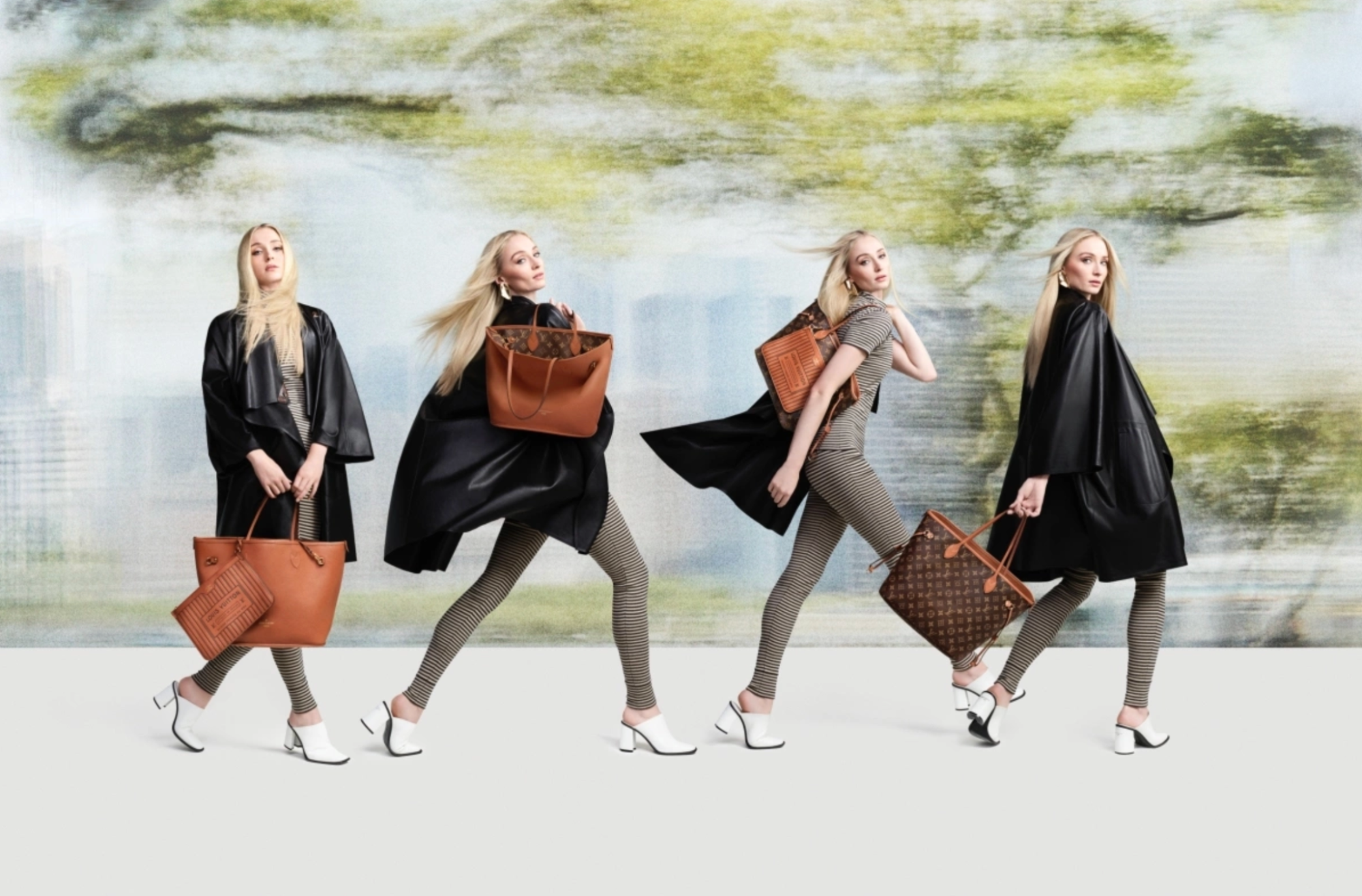
The Neverfull has been around for years, but its popularity hasn't disappeared. That's partly because it solves a practical problem. Most people need a bag that can carry a lot without becoming heavy or complicated.
Unlike trend-driven pieces that come and go, the Neverfull continues to attract buyers because it fits into everyday life.
For most people shopping the Japanese second-hand market, the MM in Monogram or Damier Ebene offers the safest balance of usability, demand, and resale potential. Buyers who prioritize condition over production year usually end up happier with their purchase.
The key is to focus less on finding the cheapest Neverfull and more on finding the best example within your budget. A well-maintained bag with clean corners, healthy leather, and a good interior will almost always be the better long-term purchase.