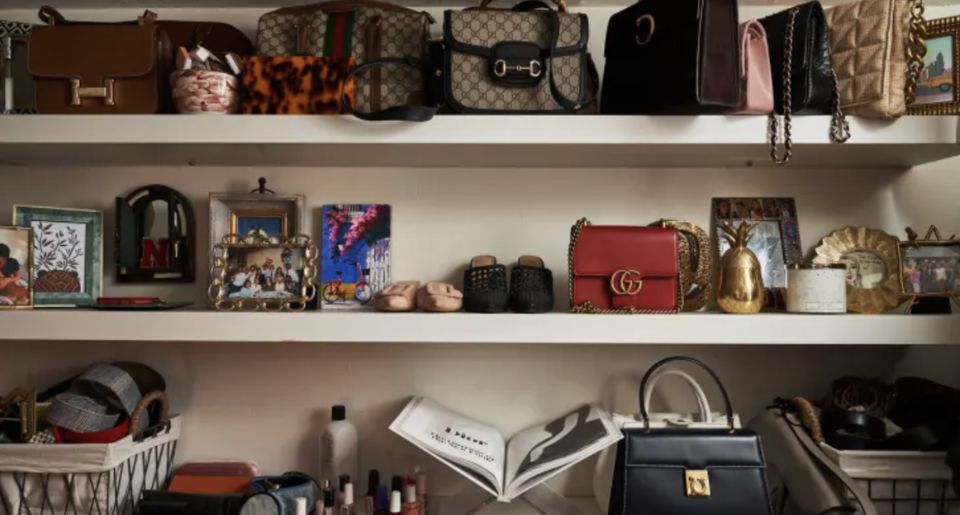
(Image credit: apartment therapy)
Contents
- Why Storage Directly Shapes Long-Term Value
- Humidity: The Slow Factor That Changes Everything
- Stuffing Bags: The Simplest Way to Protect Shape
- Sunlight Exposure: A Slow but Permanent Change
- Leather Conditioning: Care Without Overdoing It
- Dust Bags and Separation Between Pieces
- Hardware Care: Small Detail, Big Impact
- Closet Environment: The Space Matters More Than You Think
- Rotation: Keeping Bags Active in Controlled Use
- Final Thought
Luxury bags don’t just sit in a wardrobe as accessories you reach for occasionally. They hold value, carry memory, and in many cases, they act as assets that can retain or even grow in resale price over time, depending on how well they are cared for after purchase.
At ZenLuxe, we see this difference clearly. Two identical bags can age in completely different ways simply because of how they are stored. One stays structured, smooth, and close to its original condition years later, while the other slowly loses shape, develops surface changes, or shows wear that could have been avoided.
Storage is often overlooked, but it plays a direct role in how a luxury bag performs over time in the resale market.
Why Storage Directly Shapes Long-Term Value
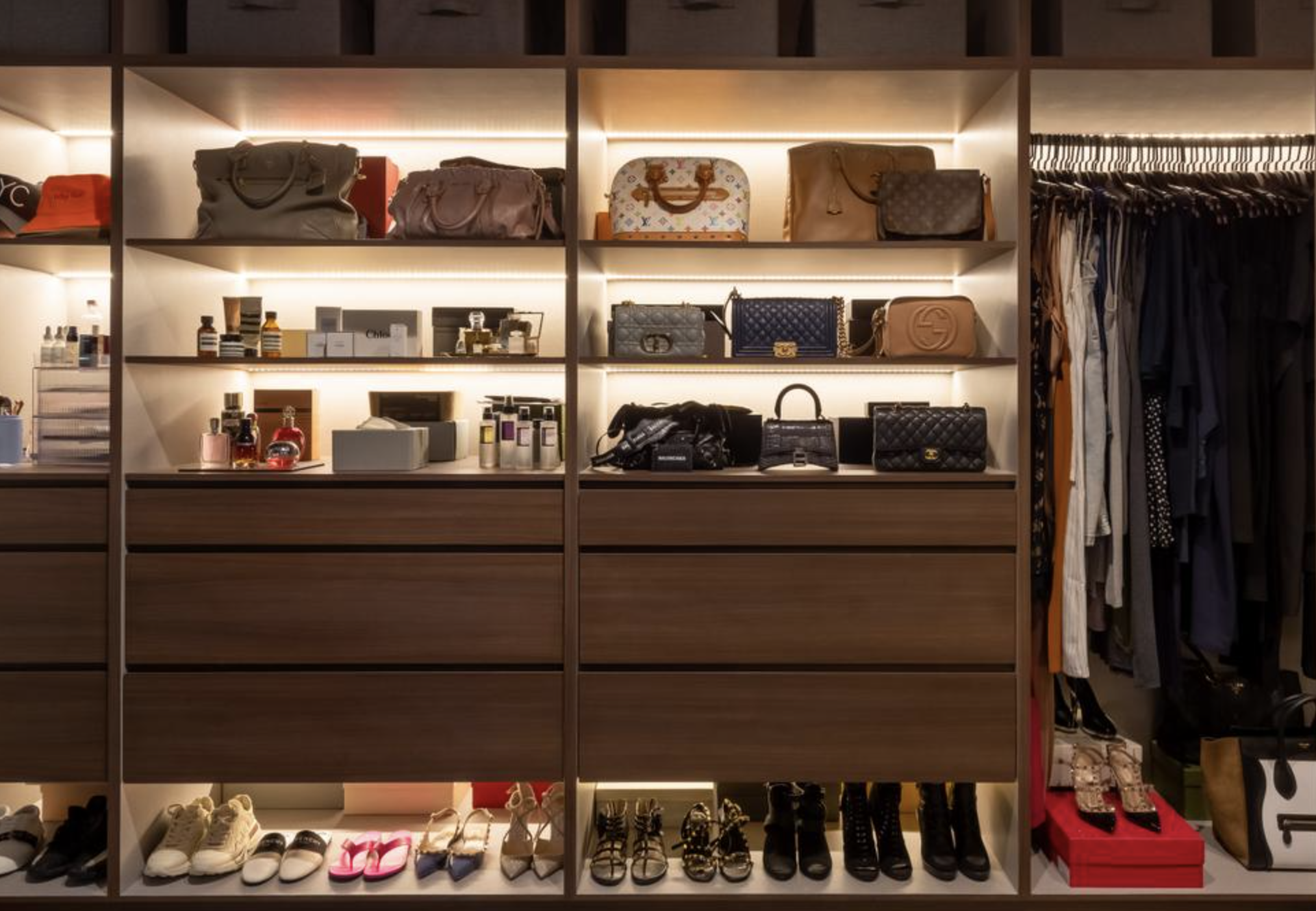
Proper storage protects structure, materials, and long-term resale value. (Image credit: qanvast)
Luxury bags don’t age in a neutral way. They react to their surroundings, and even when they are not in use, factors like air quality, humidity, light exposure, and physical pressure all continue to influence their condition in subtle but important ways.
That is why storage matters so much in resale value. Condition is one of the first things buyers evaluate, and even small changes in structure or finish can shift pricing significantly.
A well-maintained Gucci GG Marmont Bag or Saint Laurent Loulou Bag can remain desirable for years, but if the same pieces are stored incorrectly, they may lose appeal far earlier than expected, even without heavy use.
Good storage consistently protects structure, surface quality, and hardware condition, which together define how a bag is perceived in the resale market.
Humidity: The Slow Factor That Changes Everything
Humidity slowly affects leather texture, even when the bag is not in use. (Image credit: love luxury)
Humidity is one of the most underestimated factors in luxury storage because its effects are not immediate, which makes it easy to ignore. Leather naturally absorbs moisture from the air, and over time this can gradually change how it feels, how it holds structure, and how evenly it ages.
In humid environments, bags may start to feel softer than intended, and in more extreme cases, moisture can lead to surface inconsistencies or even mold if storage conditions are not controlled properly.
This is why many collectors use dehumidifiers inside closets or storage rooms, especially in regions with consistently warm or coastal climates. A stable environment makes a noticeable difference over time, even if the changes are not visible in the beginning.
Stuffing Bags: The Simplest Way to Protect Shape
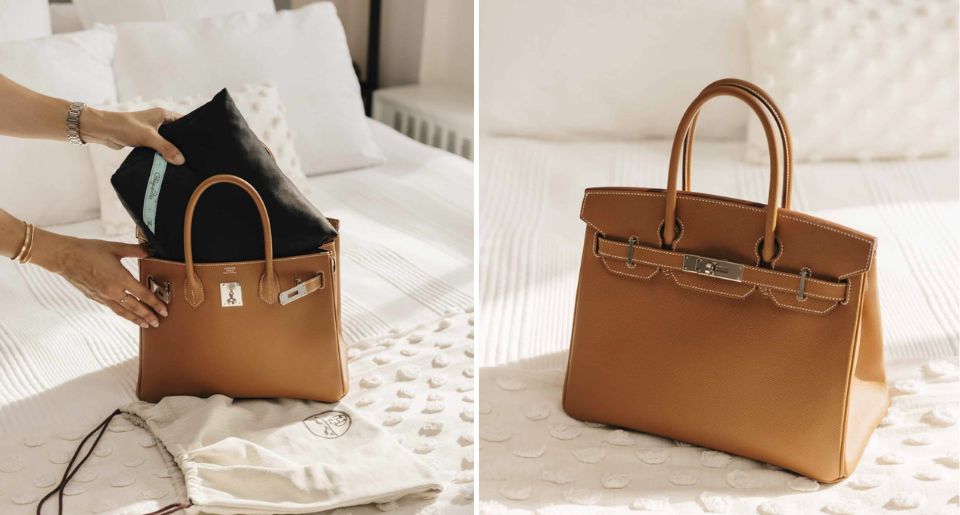
Internal support helps maintain structure and prevents long-term collapse.
(Image credit: charmed by camille)
One of the most common mistakes in luxury storage is leaving a bag completely empty for long periods of time. Without internal support, leather naturally begins to lose structure, and over time this can lead to softened corners, collapsed sides, or handles that no longer sit as intended.
Proper stuffing helps maintain the original silhouette of the bag, especially when it is not being used regularly. Acid-free tissue paper or soft cotton fabric works best because it supports shape without transferring ink or texture onto the interior.
More structured pieces like the Fendi Peekaboo Bag already hold their form relatively well, but even they benefit from light internal support during storage. On the other hand, softer silhouettes such as the Bottega Veneta Jodie Bag rely heavily on careful stuffing if you want them to maintain their natural drape without unwanted collapse.
Sunlight Exposure: A Slow but Permanent Change
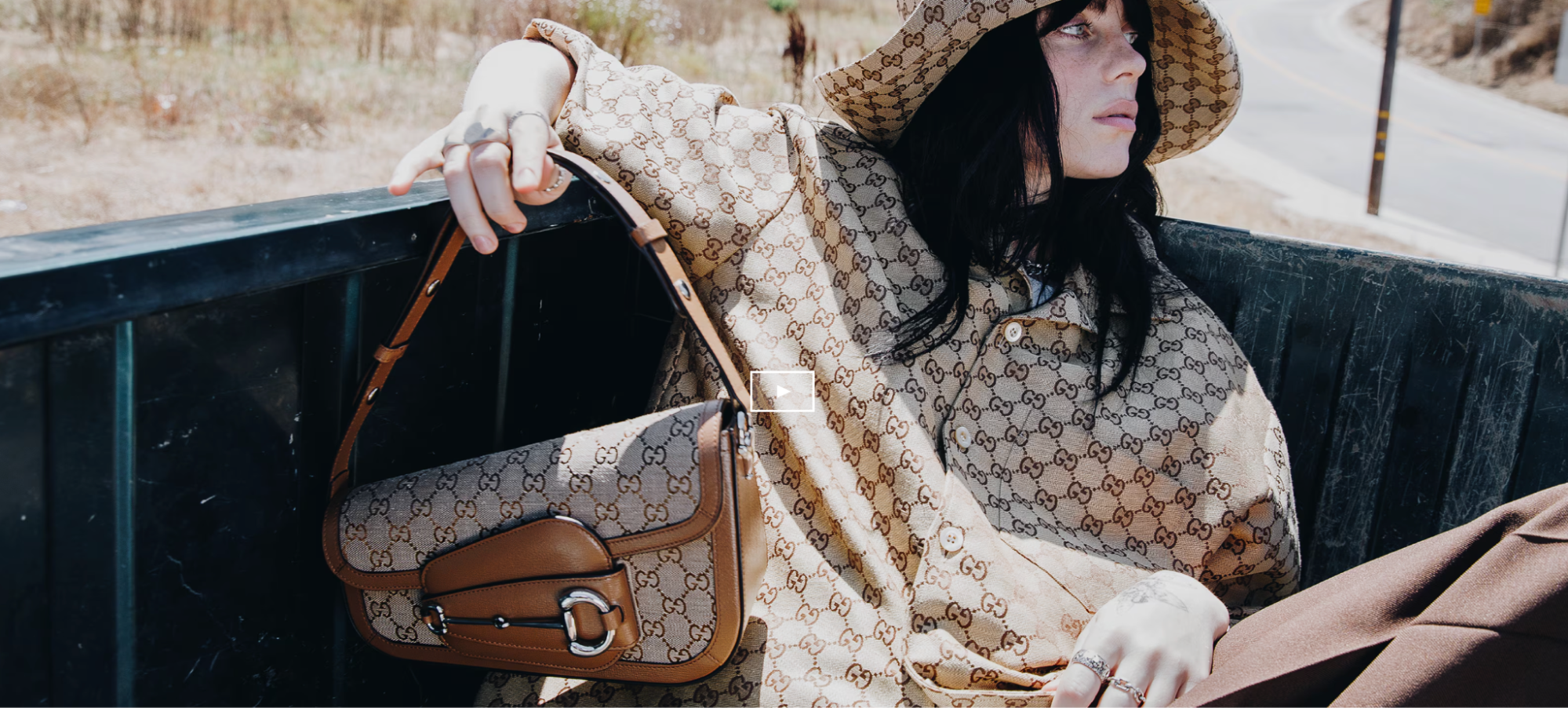
UV exposure gradually affects color depth and leather quality over time. (Image credit: gucci)
Sunlight does not damage a luxury bag instantly, but it does create long-term changes that are often irreversible once they appear. UV exposure can slowly fade color, dry out leather, and create uneven tones that are difficult to restore fully.
Even indirect exposure, such as placing a bag near a window or in a bright open shelf, can add up over time and affect how the material ages.
A piece like the Celine Luggage Tote is especially sensitive to this kind of exposure, as its structured leather finish can lose depth and richness in color if it is stored in bright areas for extended periods.
The safest approach is always to keep bags in shaded, enclosed storage spaces where light exposure is minimal and controlled.
Leather Conditioning: Care Without Overdoing It
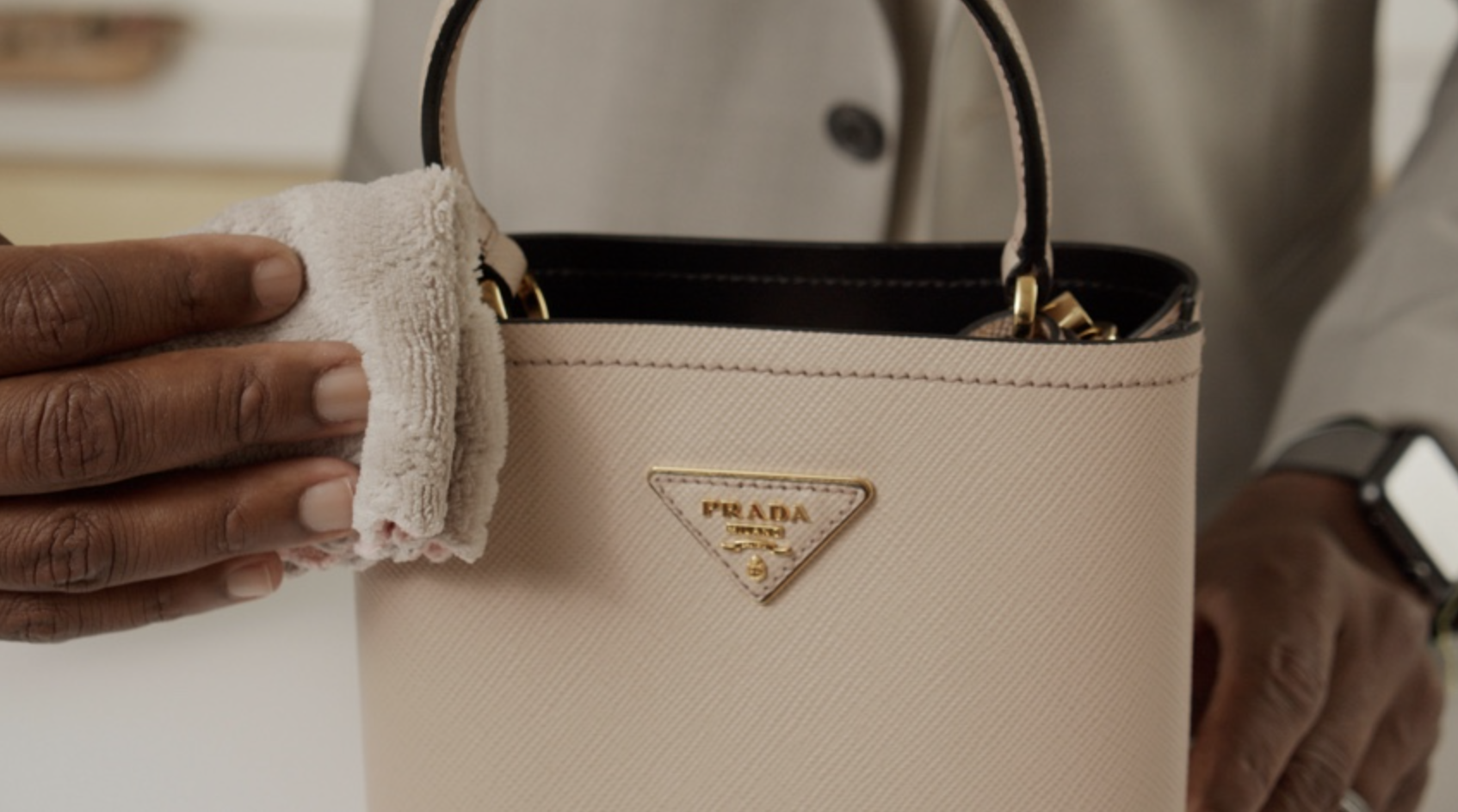
Conditioning helps maintain softness, but too much can alter texture over time. (Image credit: rebag)
Leather conditioning is important, but it is also one of the areas where over-care can cause unintended changes. When used correctly, conditioning keeps leather soft, hydrated, and less prone to cracking, but when applied too frequently, it can affect the finish or create buildup on the surface.
A balanced approach works best. Light conditioning every few months is usually enough, depending on how often the bag is used and the type of leather involved. It is always better to use products designed specifically for luxury leather and to test them on a small hidden area first before applying more widely.
For example, the Prada Re-Edition Nylon Bag does not require leather conditioning in the same way as calfskin or lambskin pieces, while more delicate leathers need more careful and minimal treatment to preserve their natural finish.
Dust Bags and Separation Between Pieces
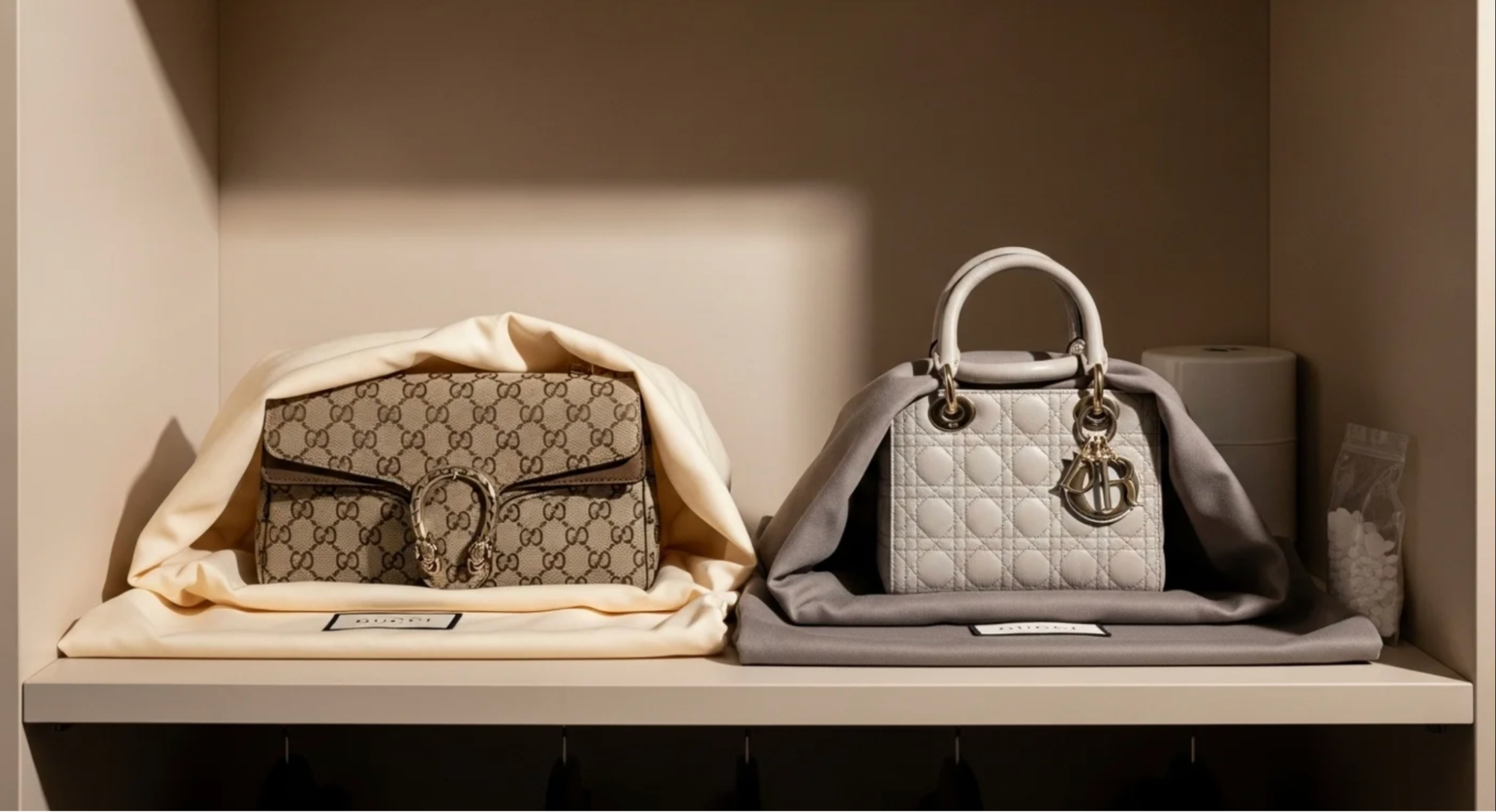
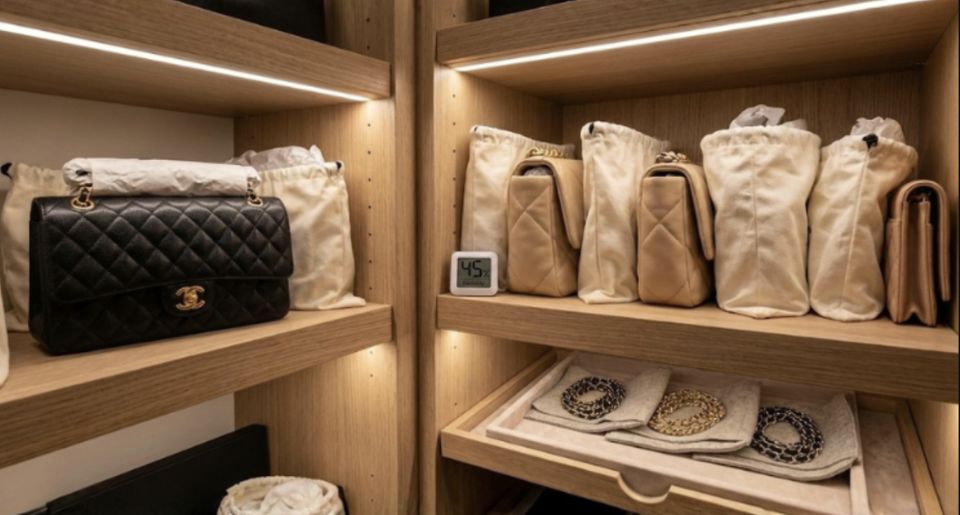
Dust bags protect surfaces and reduce friction damage in storage. (Image credit: the leather restorators)
Every luxury bag should ideally be stored in a dust bag when not in use because it protects the surface from dust, light scratches, and accidental contact with other materials in the wardrobe.
If the original dust bag is not available, a soft cotton alternative works well as long as it allows the material to breathe.
What often gets overlooked is spacing. Bags should never be tightly packed together or pressed against one another, as even light friction over long periods can leave marks, especially on softer leathers. Chain straps should also be wrapped or separated so they do not press into the body of the bag.
Hardware Care: Small Detail, Big Impact
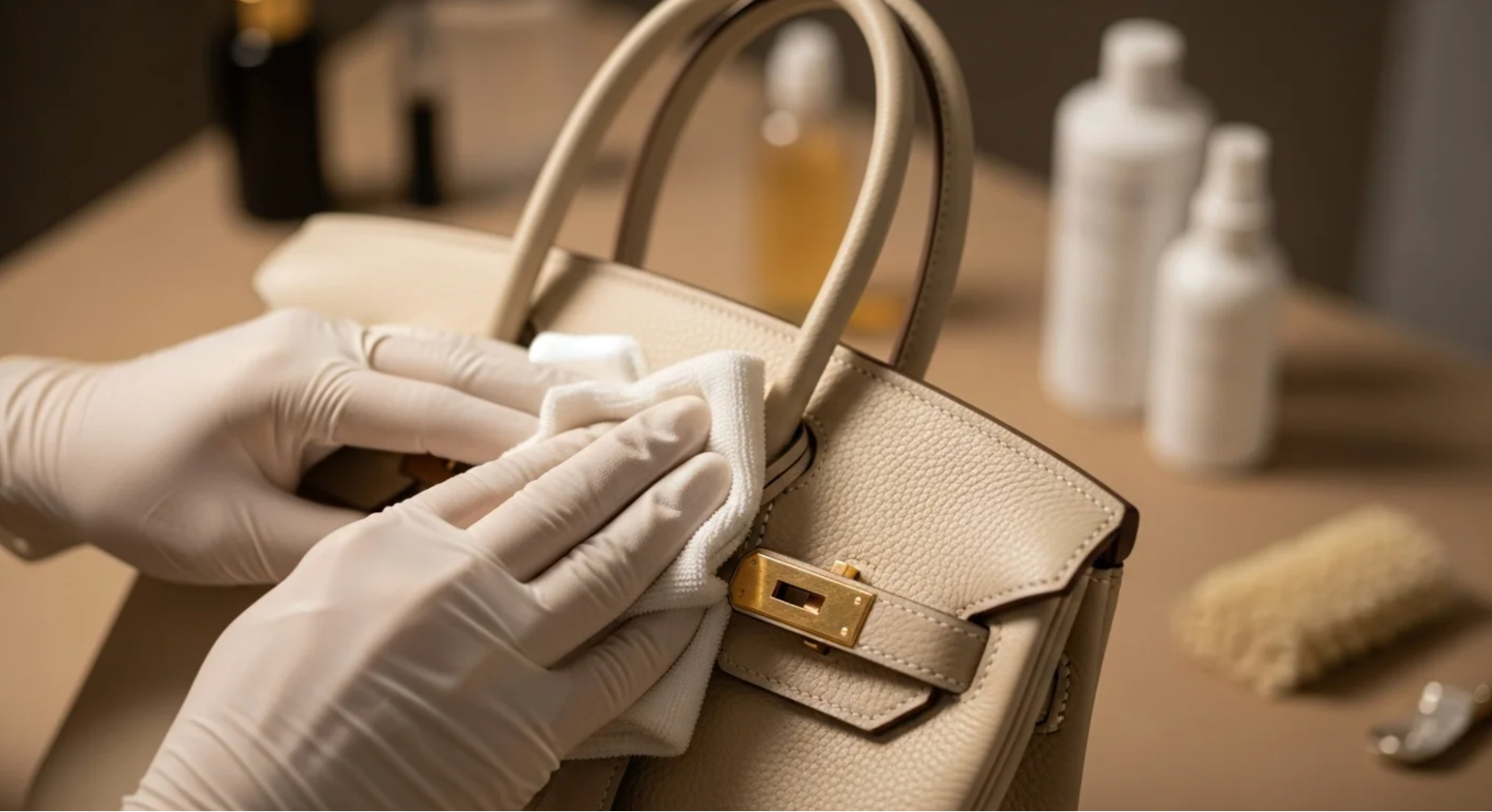
Hardware condition often influences resale value more than expected. (Image credit: the leather restorators)
Hardware is one of the most overlooked elements in storage, even though it plays a major role in how a bag is perceived later. Chains, clasps, and metal details can scratch surrounding leather or lose shine if they are not stored carefully.
To avoid this, hardware should always be wrapped or separated from the main body of the bag, especially for pieces with heavier chains or prominent metal details.
On styles like the Bottega Veneta Andiamo Bag, even small scratches on hardware can influence resale value, since buyers often look at these details as part of overall condition grading.
Closet Environment: The Space Matters More Than You Think
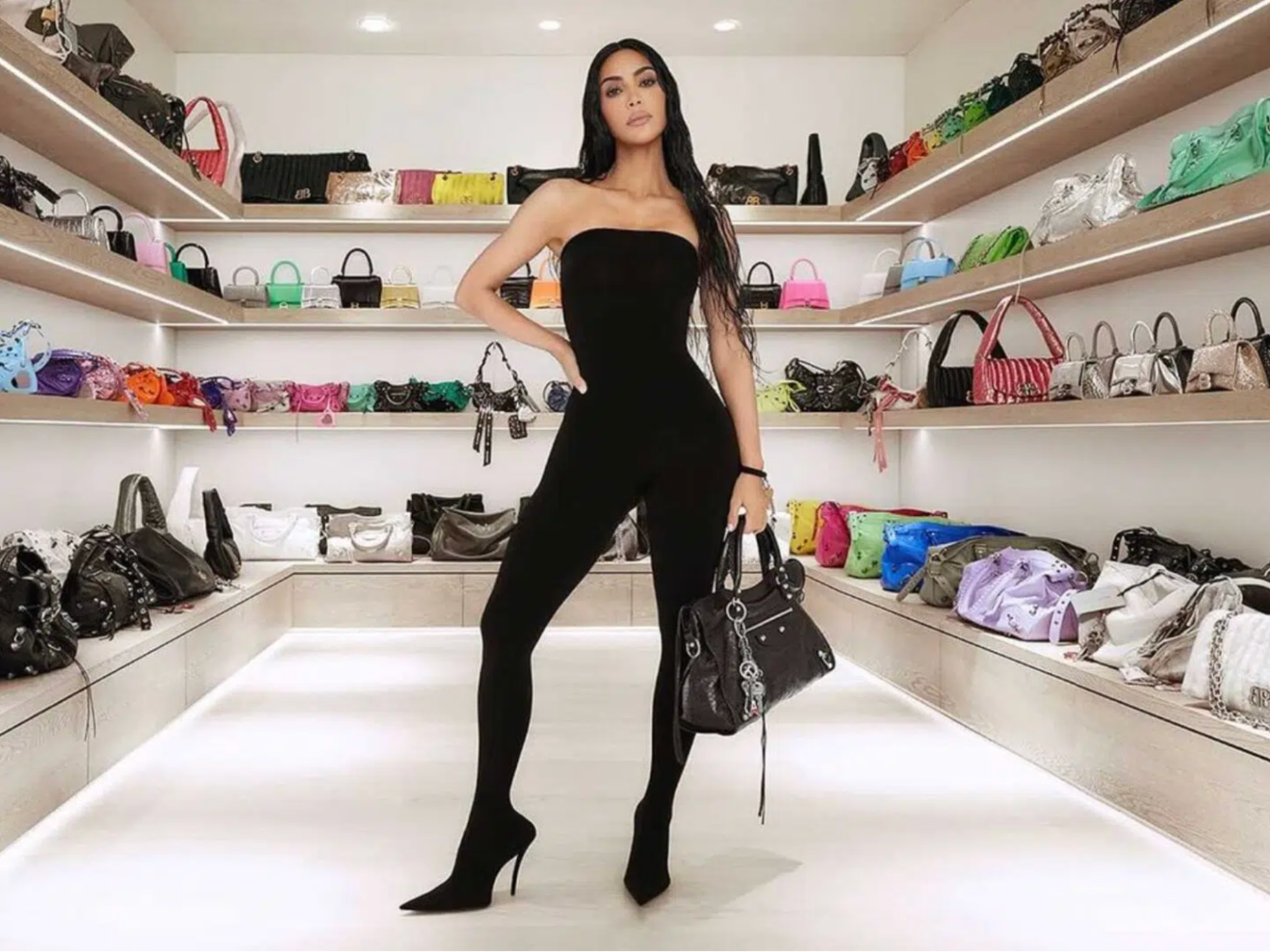
A stable storage environment helps preserve both structure and material quality. (Image credit: highxtar)
The environment where bags are stored plays a bigger role than most people expect. A stable closet setup should avoid direct heat, maintain consistent temperature, and stay as dry as possible without extreme fluctuations.
Overcrowding is another issue that often leads to damage over time, since pressure between items can slowly alter shape or create indentations that are difficult to reverse.
Luxury bags perform best when they have space, stability, and minimal external pressure.
Rotation: Keeping Bags Active in Controlled Use
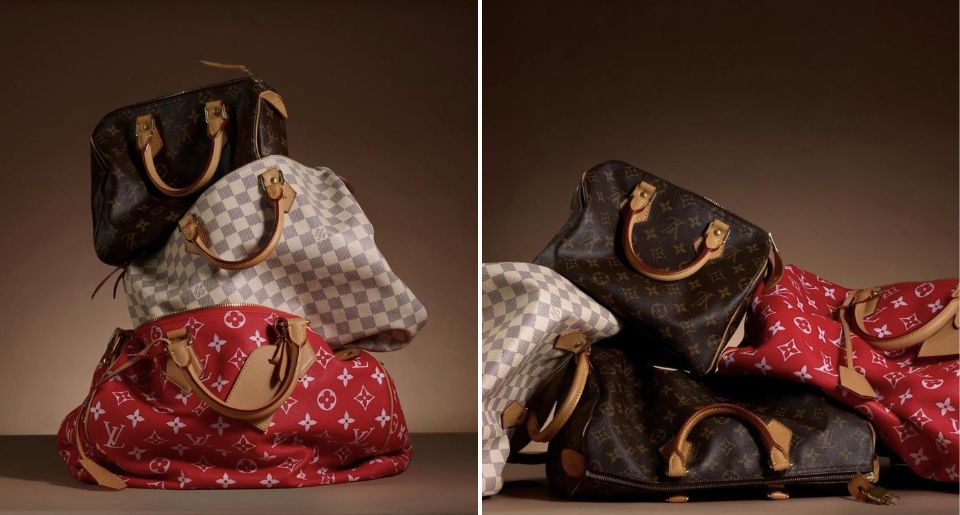
Occasional use helps maintain flexibility and prevents long-term stiffness. (Image credit: instagram)
Even when bags are stored correctly, leaving them untouched for years at a time can affect how the material behaves. Rotation helps maintain flexibility in leather, prevents stiffness, and keeps the structure from settling into a static position for too long.
You don’t need to use every bag frequently, but taking them out occasionally and allowing the material to breathe helps maintain better long-term condition.
Final Thought
Luxury bags hold their value when their condition is preserved, and condition is directly shaped by how they are stored over time.
There is no complicated system required, just consistent care in the areas that matter most: controlling humidity, maintaining shape, avoiding sunlight, protecting materials, and giving each piece enough space to stay in its original form.
In the resale world, condition is always the first language buyers understand, and storage is where that language begins.
(Image credit: apartment therapy)
Luxury bags don’t just sit in a wardrobe as accessories you reach for occasionally. They hold value, carry memory, and in many cases, they act as assets that can retain or even grow in resale price over time, depending on how well they are cared for after purchase.
At ZenLuxe, we see this difference clearly. Two identical bags can age in completely different ways simply because of how they are stored. One stays structured, smooth, and close to its original condition years later, while the other slowly loses shape, develops surface changes, or shows wear that could have been avoided.
Storage is often overlooked, but it plays a direct role in how a luxury bag performs over time in the resale market.
Why Storage Directly Shapes Long-Term Value
Proper storage protects structure, materials, and long-term resale value. (Image credit: qanvast)
Luxury bags don’t age in a neutral way. They react to their surroundings, and even when they are not in use, factors like air quality, humidity, light exposure, and physical pressure all continue to influence their condition in subtle but important ways.
That is why storage matters so much in resale value. Condition is one of the first things buyers evaluate, and even small changes in structure or finish can shift pricing significantly.
A well-maintained Gucci GG Marmont Bag or Saint Laurent Loulou Bag can remain desirable for years, but if the same pieces are stored incorrectly, they may lose appeal far earlier than expected, even without heavy use.
Good storage consistently protects structure, surface quality, and hardware condition, which together define how a bag is perceived in the resale market.
Humidity: The Slow Factor That Changes Everything
Humidity slowly affects leather texture, even when the bag is not in use. (Image credit: love luxury)
Humidity is one of the most underestimated factors in luxury storage because its effects are not immediate, which makes it easy to ignore. Leather naturally absorbs moisture from the air, and over time this can gradually change how it feels, how it holds structure, and how evenly it ages.
In humid environments, bags may start to feel softer than intended, and in more extreme cases, moisture can lead to surface inconsistencies or even mold if storage conditions are not controlled properly.
This is why many collectors use dehumidifiers inside closets or storage rooms, especially in regions with consistently warm or coastal climates. A stable environment makes a noticeable difference over time, even if the changes are not visible in the beginning.
Stuffing Bags: The Simplest Way to Protect Shape
Internal support helps maintain structure and prevents long-term collapse.
(Image credit: charmed by camille)
One of the most common mistakes in luxury storage is leaving a bag completely empty for long periods of time. Without internal support, leather naturally begins to lose structure, and over time this can lead to softened corners, collapsed sides, or handles that no longer sit as intended.
Proper stuffing helps maintain the original silhouette of the bag, especially when it is not being used regularly. Acid-free tissue paper or soft cotton fabric works best because it supports shape without transferring ink or texture onto the interior.
More structured pieces like the Fendi Peekaboo Bag already hold their form relatively well, but even they benefit from light internal support during storage. On the other hand, softer silhouettes such as the Bottega Veneta Jodie Bag rely heavily on careful stuffing if you want them to maintain their natural drape without unwanted collapse.
Sunlight Exposure: A Slow but Permanent Change
UV exposure gradually affects color depth and leather quality over time. (Image credit: gucci)
Sunlight does not damage a luxury bag instantly, but it does create long-term changes that are often irreversible once they appear. UV exposure can slowly fade color, dry out leather, and create uneven tones that are difficult to restore fully.
Even indirect exposure, such as placing a bag near a window or in a bright open shelf, can add up over time and affect how the material ages.
A piece like the Celine Luggage Tote is especially sensitive to this kind of exposure, as its structured leather finish can lose depth and richness in color if it is stored in bright areas for extended periods.
The safest approach is always to keep bags in shaded, enclosed storage spaces where light exposure is minimal and controlled.
Leather Conditioning: Care Without Overdoing It
Conditioning helps maintain softness, but too much can alter texture over time. (Image credit: rebag)
Leather conditioning is important, but it is also one of the areas where over-care can cause unintended changes. When used correctly, conditioning keeps leather soft, hydrated, and less prone to cracking, but when applied too frequently, it can affect the finish or create buildup on the surface.
A balanced approach works best. Light conditioning every few months is usually enough, depending on how often the bag is used and the type of leather involved. It is always better to use products designed specifically for luxury leather and to test them on a small hidden area first before applying more widely.
For example, the Prada Re-Edition Nylon Bag does not require leather conditioning in the same way as calfskin or lambskin pieces, while more delicate leathers need more careful and minimal treatment to preserve their natural finish.
Dust Bags and Separation Between Pieces
Dust bags protect surfaces and reduce friction damage in storage. (Image credit: the leather restorators)
Every luxury bag should ideally be stored in a dust bag when not in use because it protects the surface from dust, light scratches, and accidental contact with other materials in the wardrobe.
If the original dust bag is not available, a soft cotton alternative works well as long as it allows the material to breathe.
What often gets overlooked is spacing. Bags should never be tightly packed together or pressed against one another, as even light friction over long periods can leave marks, especially on softer leathers. Chain straps should also be wrapped or separated so they do not press into the body of the bag.
Hardware Care: Small Detail, Big Impact
Hardware condition often influences resale value more than expected. (Image credit: the leather restorators)
Hardware is one of the most overlooked elements in storage, even though it plays a major role in how a bag is perceived later. Chains, clasps, and metal details can scratch surrounding leather or lose shine if they are not stored carefully.
To avoid this, hardware should always be wrapped or separated from the main body of the bag, especially for pieces with heavier chains or prominent metal details.
On styles like the Bottega Veneta Andiamo Bag, even small scratches on hardware can influence resale value, since buyers often look at these details as part of overall condition grading.
Closet Environment: The Space Matters More Than You Think
A stable storage environment helps preserve both structure and material quality. (Image credit: highxtar)
The environment where bags are stored plays a bigger role than most people expect. A stable closet setup should avoid direct heat, maintain consistent temperature, and stay as dry as possible without extreme fluctuations.
Overcrowding is another issue that often leads to damage over time, since pressure between items can slowly alter shape or create indentations that are difficult to reverse.
Luxury bags perform best when they have space, stability, and minimal external pressure.
Rotation: Keeping Bags Active in Controlled Use
Occasional use helps maintain flexibility and prevents long-term stiffness. (Image credit: instagram)
Even when bags are stored correctly, leaving them untouched for years at a time can affect how the material behaves. Rotation helps maintain flexibility in leather, prevents stiffness, and keeps the structure from settling into a static position for too long.
You don’t need to use every bag frequently, but taking them out occasionally and allowing the material to breathe helps maintain better long-term condition.
Final Thought
Luxury bags hold their value when their condition is preserved, and condition is directly shaped by how they are stored over time.
There is no complicated system required, just consistent care in the areas that matter most: controlling humidity, maintaining shape, avoiding sunlight, protecting materials, and giving each piece enough space to stay in its original form.
In the resale world, condition is always the first language buyers understand, and storage is where that language begins.