(Image credit: my art broker)
Contents
- Timing Matters More Than People Think
- Social Media Changed the Pace
- Scarcity Still Works (Probably More Than Ever)
- Not All Buyers Think the Same
- Culture Has a Bigger Influence Than It Seems
- Price Spikes Tell the Story
- Sometimes Design Is Enough
- So, What Actually Performs Better?
- What We’ve Noticed at ZenLuxe
- Final Thought
Classic luxury pieces have always felt like the safe option. They’re easy to trust, you know what you’re getting, and most of the time they hold their value without much effort. If you pick something like a Chanel Classic Flap or a Louis Vuitton Speedy, you’re not really second-guessing the decision.
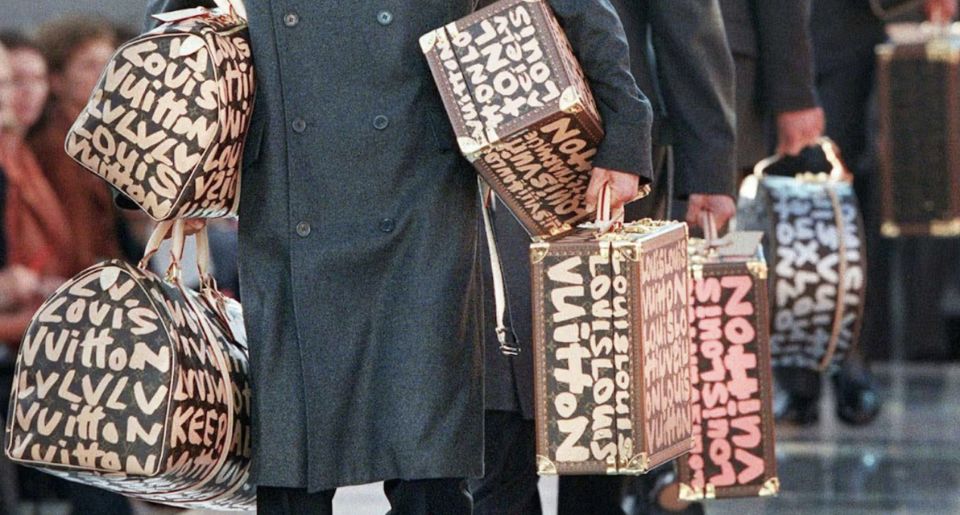
But resale doesn’t always work that way. Sometimes, limited editions outperform classics—and not by a small margin either. They move faster, get more attention, and in certain moments, they completely take over the market. We’ve seen this firsthand at ZenLuxe. A piece that didn’t look like a long-term hold suddenly starts getting traction, sells quicker than expected, and ends up outperforming bags that are usually considered “untouchable.” It doesn’t happen randomly. There’s usually a reason behind it.
Timing Matters More Than People Think
(Image credit: 1stdibs)
Luxury resale isn’t stable in the way people expect. It shifts—sometimes quietly, sometimes all at once. Certain pieces just hit at the right moment, and when they do, everything changes.
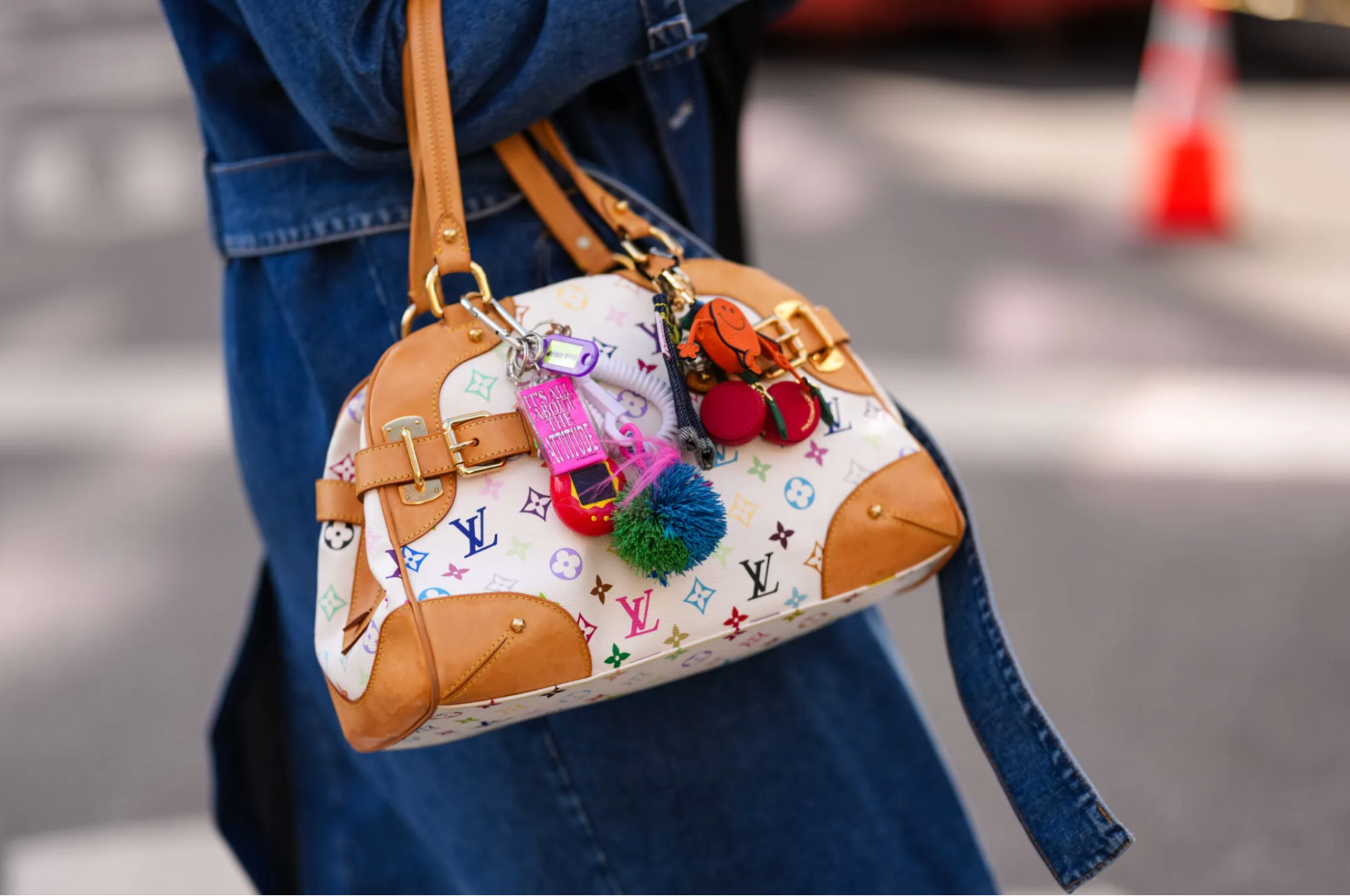
A good example is the Louis Vuitton x Takashi Murakami collection. When it first came out, it wasn’t just popular—it defined a whole aesthetic. Then it faded a bit, which is normal. But recently, it came back—not because of a major relaunch or campaign, but because people started wearing it again, posting it again, and styling it in ways that felt current. Once that happened, demand picked up quickly.
We noticed that some Murakami pieces were moving faster than more “stable” options like the Neverfull. That doesn’t usually happen, but timing made it happen. That’s really the difference here—classic bags stay consistent, while limited pieces react. And sometimes, reacting at the right moment is enough to win.
Social Media Changed the Pace
(Image credit: senatus)
This part is hard to ignore.
Luxury used to move slower, with trends building over seasons, so you could see them coming. Now, it’s completely different. A bag can go from irrelevant to in-demand in a week.
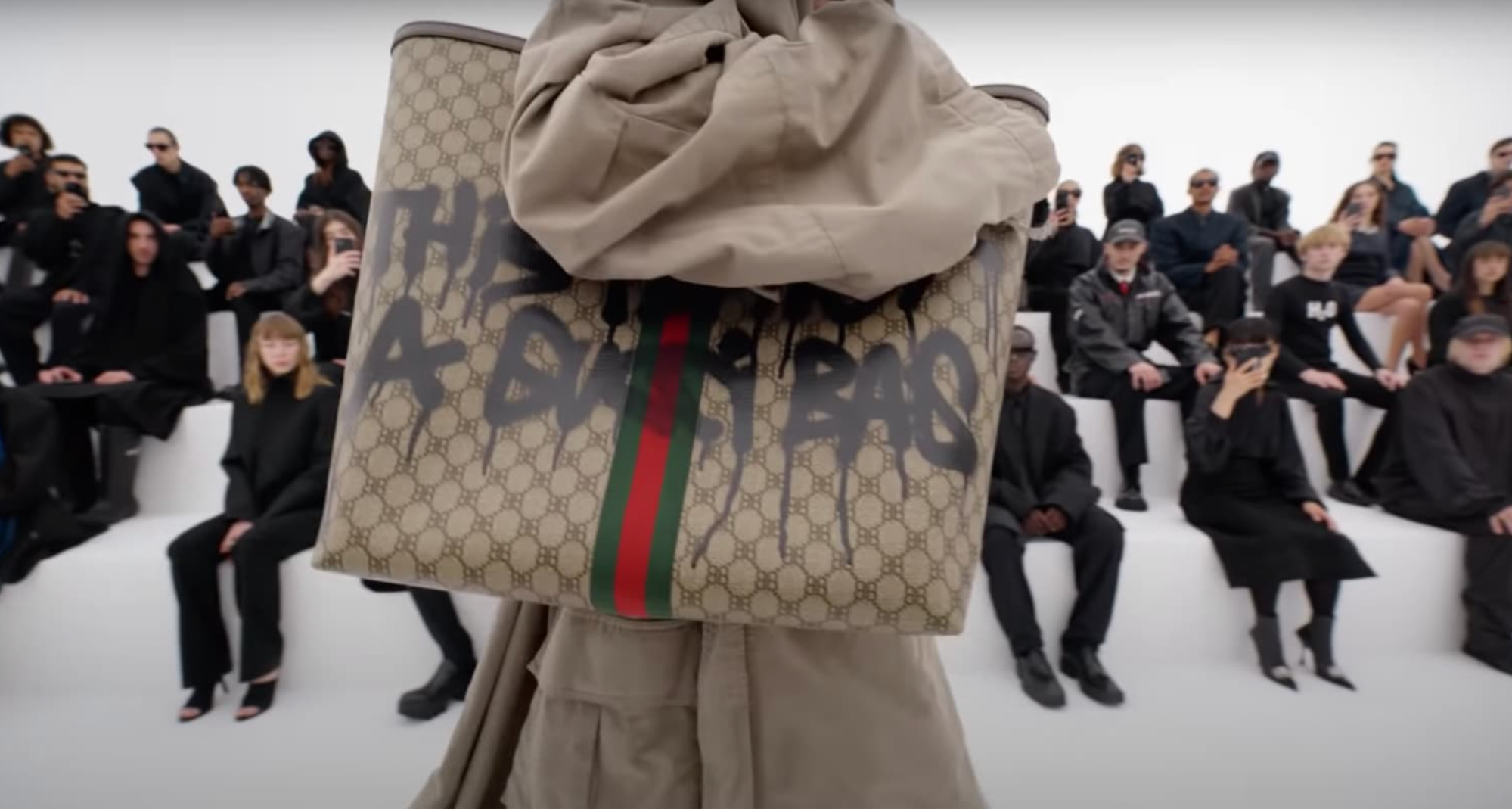
We’ve seen this with the Balenciaga City Bag. For a while, it just wasn’t part of the conversation anymore. Then suddenly, it was everywhere again—not because the brand pushed it, but because people did. Stylists picked it up, creators started posting it, and it felt natural rather than forced. That’s what made it work.
Social media doesn’t just highlight what’s new—it brings back what people forgot about. That tends to favor limited or older pieces more than classics.
Classics are always around, so they don’t need a comeback. But limited pieces, when they return, often come back strong.
Scarcity Still Works (Probably More Than Ever)
(Image credit: christies)
People don’t like missing out—it’s simple, but it’s real.
When something feels limited, buyers behave differently. They don’t overanalyze or wait too long. They just move.
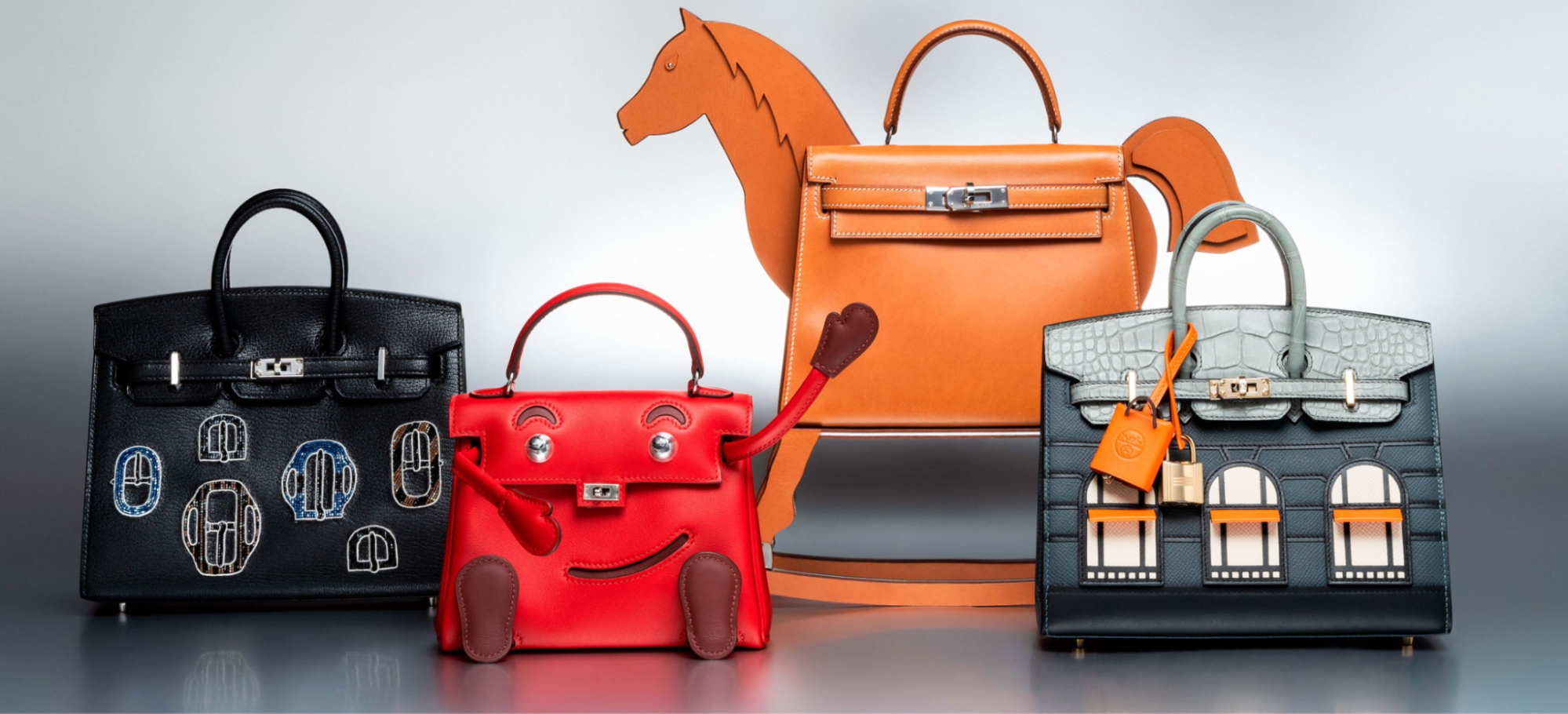
You can see a version of this with the Hermès Birkin. It’s not exactly a limited edition, but access is controlled, and that alone creates pressure. Now imagine a piece that’s actually limited and harder to find on resale—that’s where things get interesting.
We’ve noticed that when buyers feel like something might disappear, they don’t treat it the same way as a classic bag. There’s less hesitation. With classics, there’s always a sense that you can come back to it later. With limited pieces, that option doesn’t always exist, and that changes everything.
Not All Buyers Think the Same
(Image credit: russh)
This is something people overlook—there isn’t just one type of luxury buyer. Some people want something practical they can wear every day, and that’s where classics win because they simply make sense.
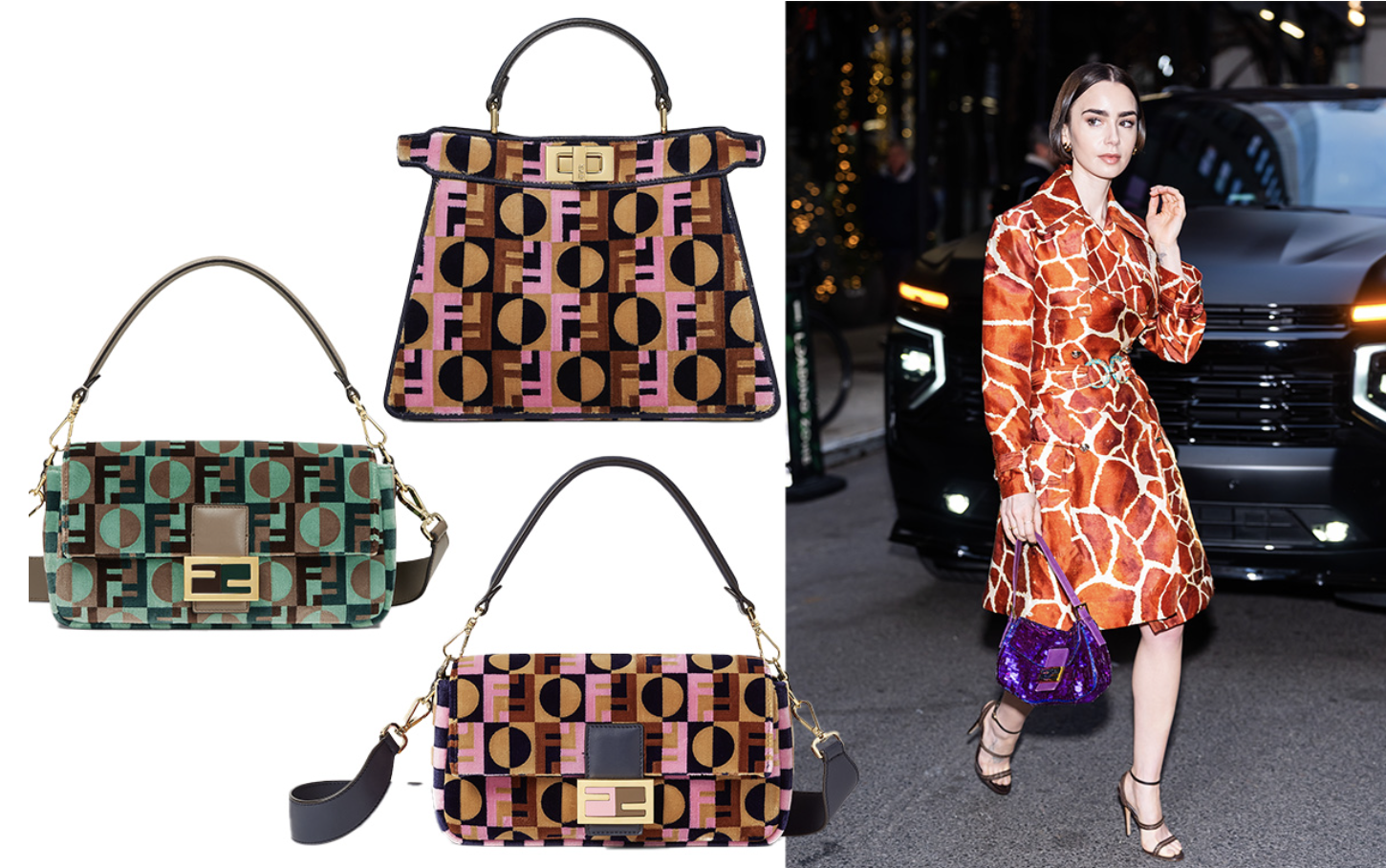
But then you have collectors, and they think differently. They’re not always focused on versatility. They care about rarity, identity, and sometimes even nostalgia. The Chloé Paddington Bag is a good example. It wasn’t designed to be timeless in the traditional sense, but over time it built a strong identity.
Now, certain buyers actively look for it. Not everyone—but the ones who do, really want it. And when multiple collectors want the same piece, prices can move faster than expected. We’ve seen that happen on ZenLuxe more than once. A niche piece suddenly gets attention from the right group and ends up outperforming more “mainstream” classics. It’s not about volume—it’s about demand intensity.
Culture Has a Bigger Influence Than It Seems
(Image credit: harpers bazaar)
Some bags don’t stay relevant all the time. They disappear, then they come back, and usually culture is what brings them back.
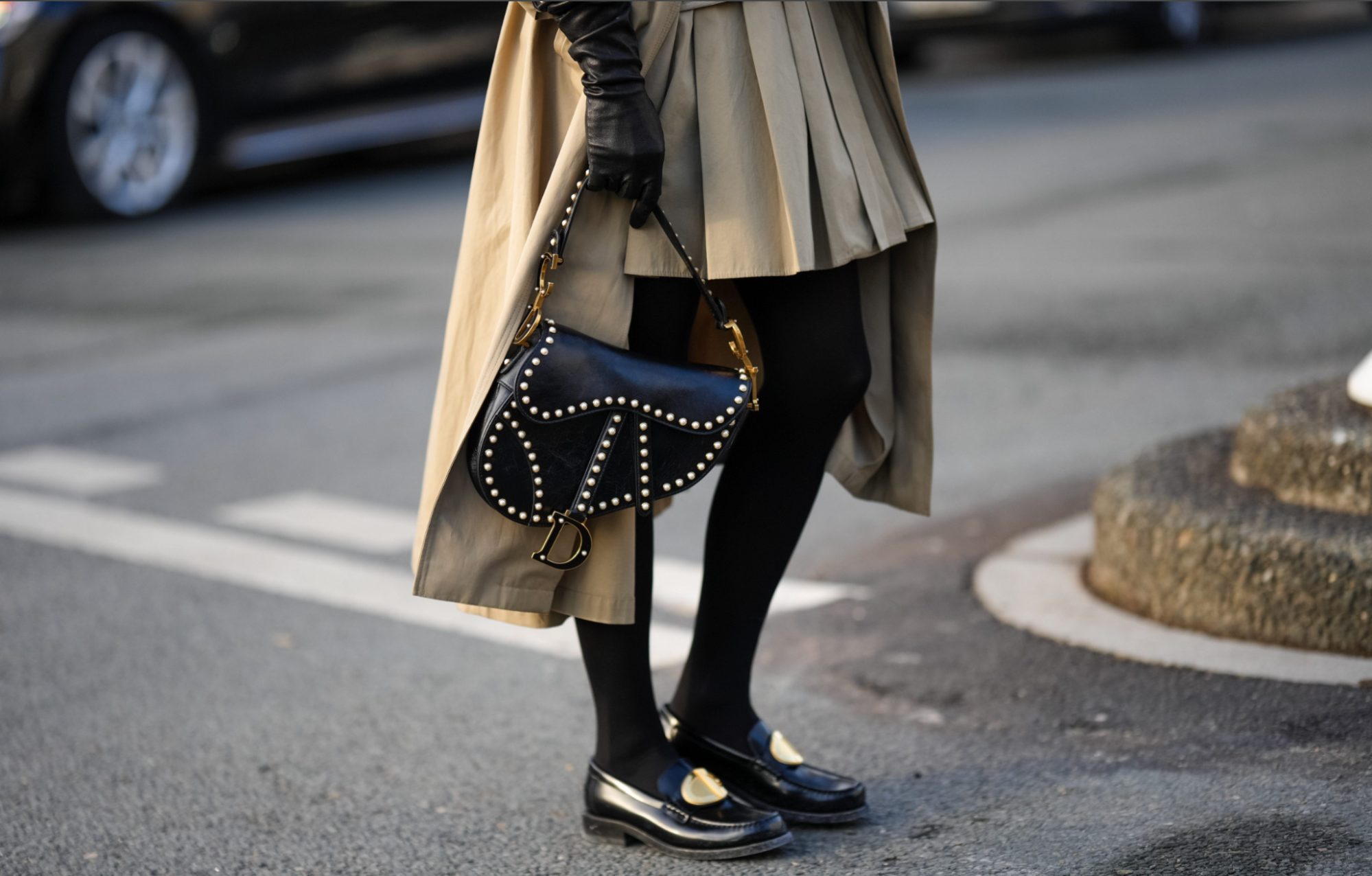
The Dior Saddle Bag is probably the clearest example. It had its moment, faded, and then returned when early 2000s fashion started trending again. Once that shift happened, demand followed pretty quickly. The same thing happened with the Fendi Spy Bag. It’s not minimal or subtle, but that’s exactly why it stands out now. People are starting to look for something different again.
Limited editions benefit from this kind of cycle because they’re tied to specific moments. When those moments come back, so do they. Classics don’t rely on that—they’re always relevant—but they also don’t get that same sudden boost.
Price Spikes Tell the Story
Resale pricing isn’t only about rarity—it’s about how many people want something at the same time. Limited pieces can spike, and when they do, it happens fast.
We’ve seen listings disappear within days, sometimes even hours, when a piece starts trending. Prices adjust quickly because buyers are competing in real time. Classic bags don’t really behave like that. The Chanel Classic Flap will always sell, and the same goes for the Speedy, but their price movement is gradual and predictable.
That’s not a bad thing—it just works differently. On ZenLuxe, we’ve noticed that limited pieces tend to lead during these short windows. They don’t stay at the top forever, but for a moment, they take over, and if you’re watching closely, you can see it happening.
Sometimes Design Is Enough
Versatility usually matters, but not always. There are moments when design alone drives demand.
The Bottega Veneta Cassette Bag is a good example. It’s bold, instantly recognizable, and not necessarily the most practical everyday option—but that didn’t stop it. People wanted it because it stood out.
During certain trend cycles, that’s enough. Buyers aren’t always thinking long-term—sometimes they just want something that feels current. Limited pieces tend to deliver that more often than classics. Eventually, practicality comes back into focus, but in the short term, design can carry a lot of weight.
So, What Actually Performs Better?
It depends.
Limited editions:
- move quickly
- react to trends
- create urgency
- sometimes spike in value
Classic models:
- stay consistent
- appeal to more people
- hold value over time
- feel safer
We don’t really see it as one being better than the other.
They just serve different roles.
What We’ve Noticed at ZenLuxe
This is where things get a bit more real. At ZenLuxe, we don’t just look at data—we watch behavior.
Some weeks, classics dominate, and everything feels steady and predictable. Other times, it shifts. A limited piece starts getting attention, maybe through social media or a broader trend, and suddenly demand builds.
We’ve seen pieces sell faster than expected, outperform pricing estimates, and attract buyers who weren’t even looking for that category before. It’s not always obvious at first, but once it starts, it moves quickly. That’s what makes resale interesting—it’s not fixed, and it doesn’t stay the same.
Final Thought
Limited editions don’t always sit behind classics. Sometimes, they move ahead. They react faster, connect with what’s happening right now, and create urgency in a way that classics usually don’t.
Classics still matter—they keep the market stable. But resale isn’t just about stability. It’s also about timing, attention, and momentum.
And honestly, in certain moments, momentum wins.