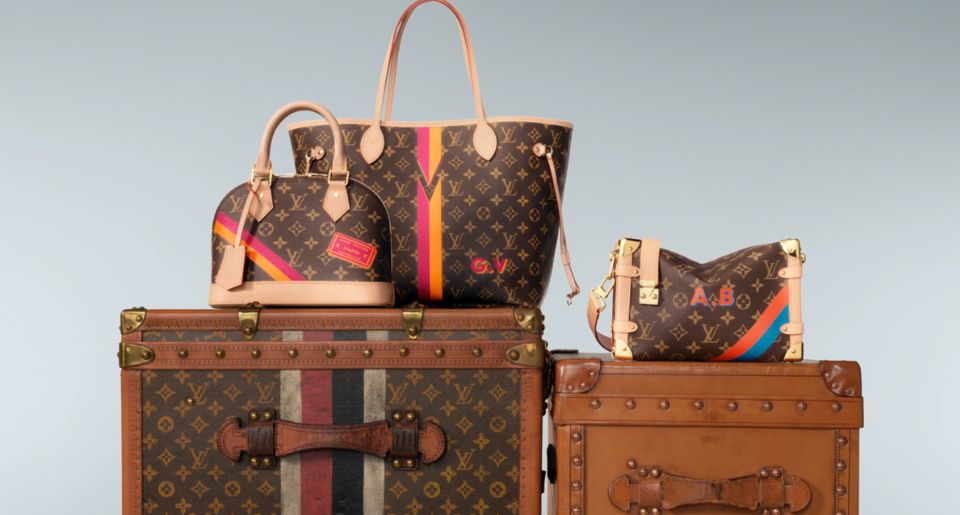
(Image credit: louisvuitton eu)
Contents
- Why Personalization Feels So Appealing
- Which Luxury Brands Offer Personalization?
- Hot Stamping vs. Resale Value
- Not All Personalization Is Equal
- When Personalization Can Actually Increase Desirability
- The Buyers Who Still Want Personalized Pieces
- Why Japan Looks at Personalized Pieces Differently
- Emotional Value Doesn't Always Equal Market Value
- Should You Personalize Your Luxury Bag?
- The Best Advice for Future Resale
There’s something special about owning a luxury bag that feels like it was made just for you. Whether it's your initials stamped into the leather, a custom shoulder strap, or a hand-painted detail, personalization turns an already personal purchase into something even more unique.
Luxury houses have embraced this idea for years. Today, brands like Louis Vuitton, Dior, Goyard, and Hermès all offer different levels of personalization, giving buyers the chance to create a piece that no one else owns.
But what happens years later if you decide to sell it?
That’s where things become more complicated.
At ZenLuxe, we often see buyers assume that adding a personal touch automatically increases a bag's value because it's "one of a kind." In reality, the opposite is usually true. While personalization adds sentimental value for the original owner, it doesn't always translate into higher demand on the resale market.
That doesn't mean personalized bags are impossible to sell. It simply means the pool of buyers becomes smaller, and understanding why can help you make a smarter decision before adding your initials to your next purchase.
Why Personalization Feels So Appealing
(Image credit: truly classy)
Luxury has always been about individuality.
Owning a beautiful bag is one thing, but owning one that carries your initials or reflects your personal style feels even more meaningful. It creates a stronger emotional connection because the piece becomes part of your own story rather than simply another item in your wardrobe.
Brands understand this perfectly.
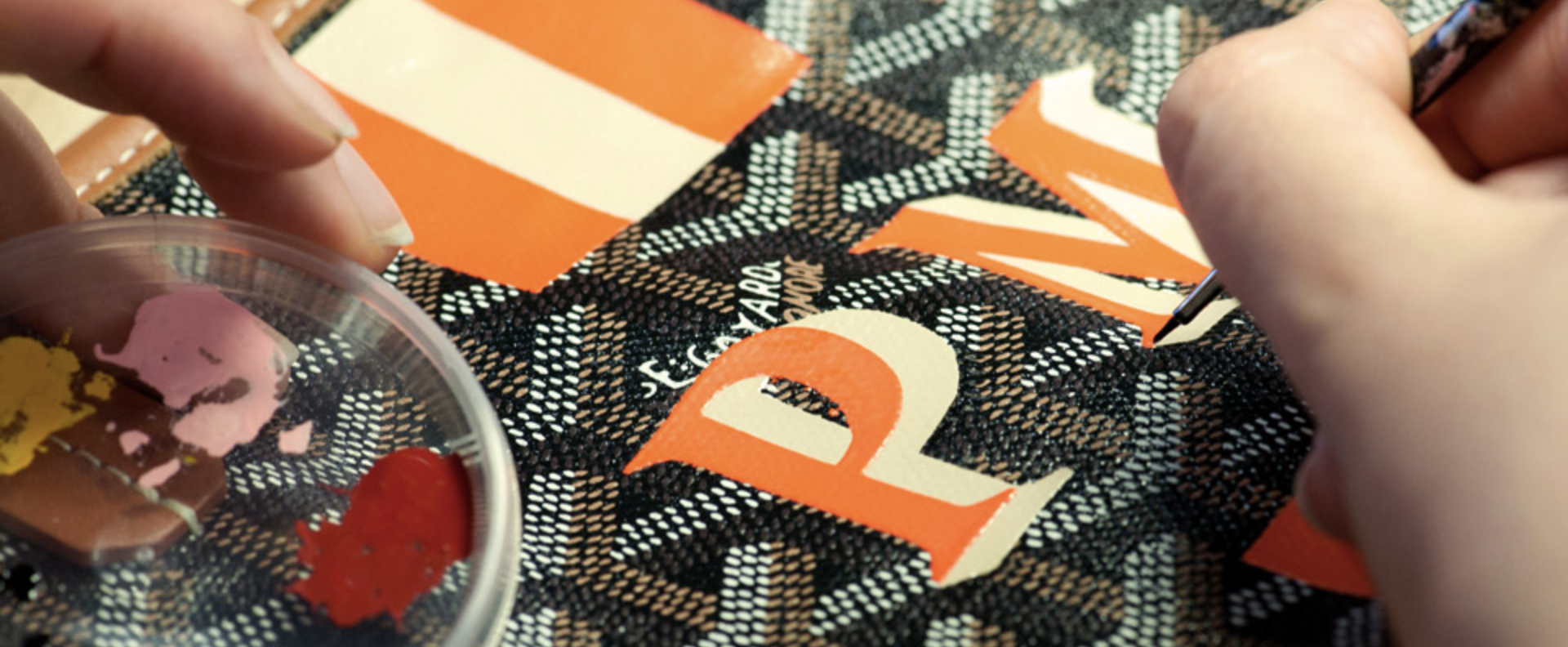
Louis Vuitton's hot stamping service has become one of its most recognizable after-purchase options. Buyers can add initials, stripes, or custom colors to luggage tags and selected leather pieces. Goyard has built an entire identity around hand-painted monograms, while Hermès offers custom orders that are among the most exclusive products in luxury.
For the original owner, these details often make a bag feel more valuable.
For the second owner, however, the story changes.
Which Luxury Brands Offer Personalization?
Personalization isn't limited to one or two fashion houses anymore. Over the past decade, many luxury brands have introduced customization services, giving customers the chance to create something that feels uniquely theirs. While each brand approaches it differently, the goal is the same: to make the buying experience more personal and memorable.
Louis Vuitton
(Image credit: pinterest)
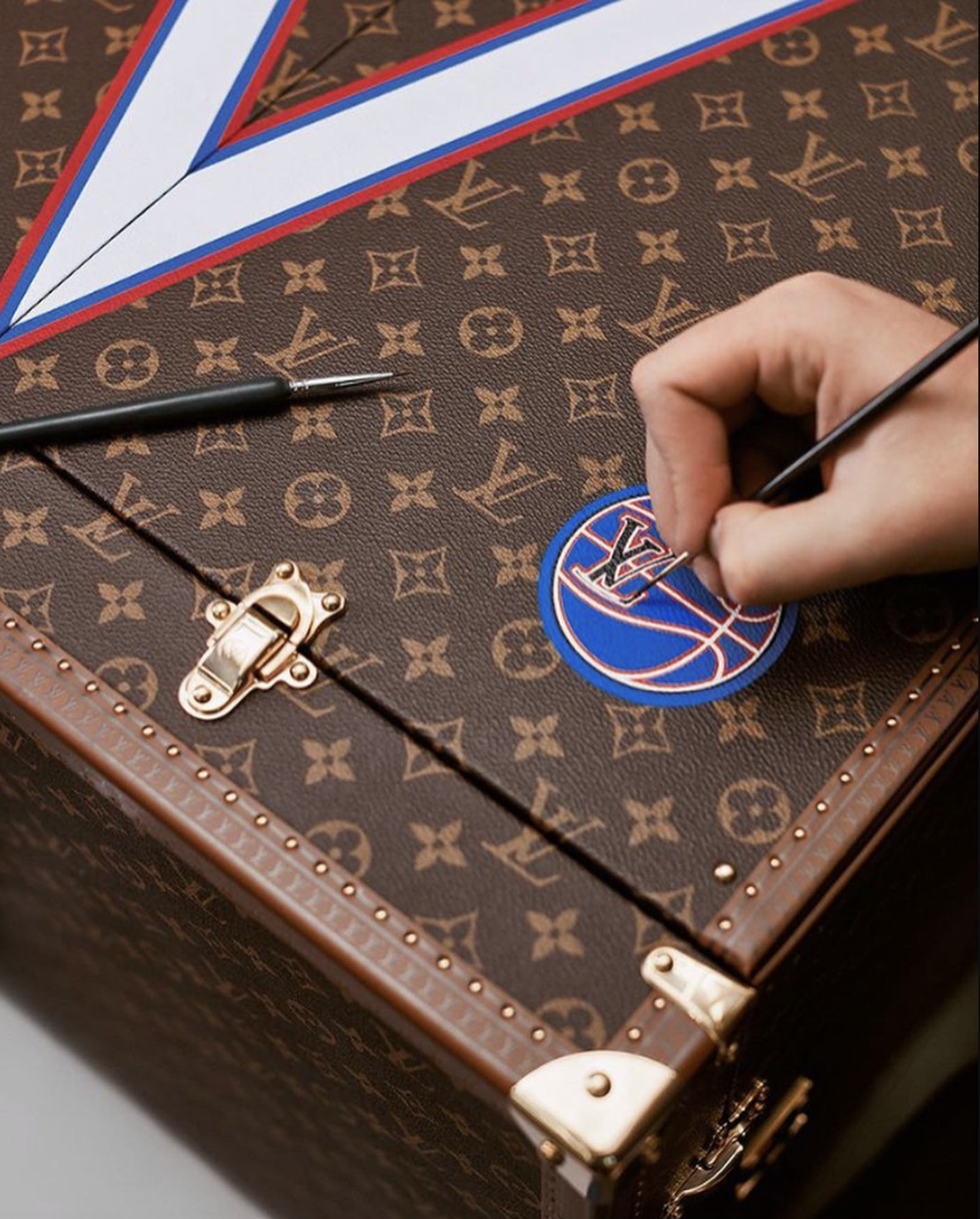
When people think about luxury personalization, Louis Vuitton is usually one of the first brands that comes to mind. Its hot stamping service has been available for years and allows customers to add initials, stripes, or selected symbols to leather goods like passport covers, wallets, luggage tags, notebook covers, and certain handbags.
The service is relatively subtle, which is one reason many buyers choose it. Depending on the item, the personalization may appear on a removable luggage tag or in a discreet location, making it less noticeable than other forms of customization.
Goyard
(Image credit: prtimes)
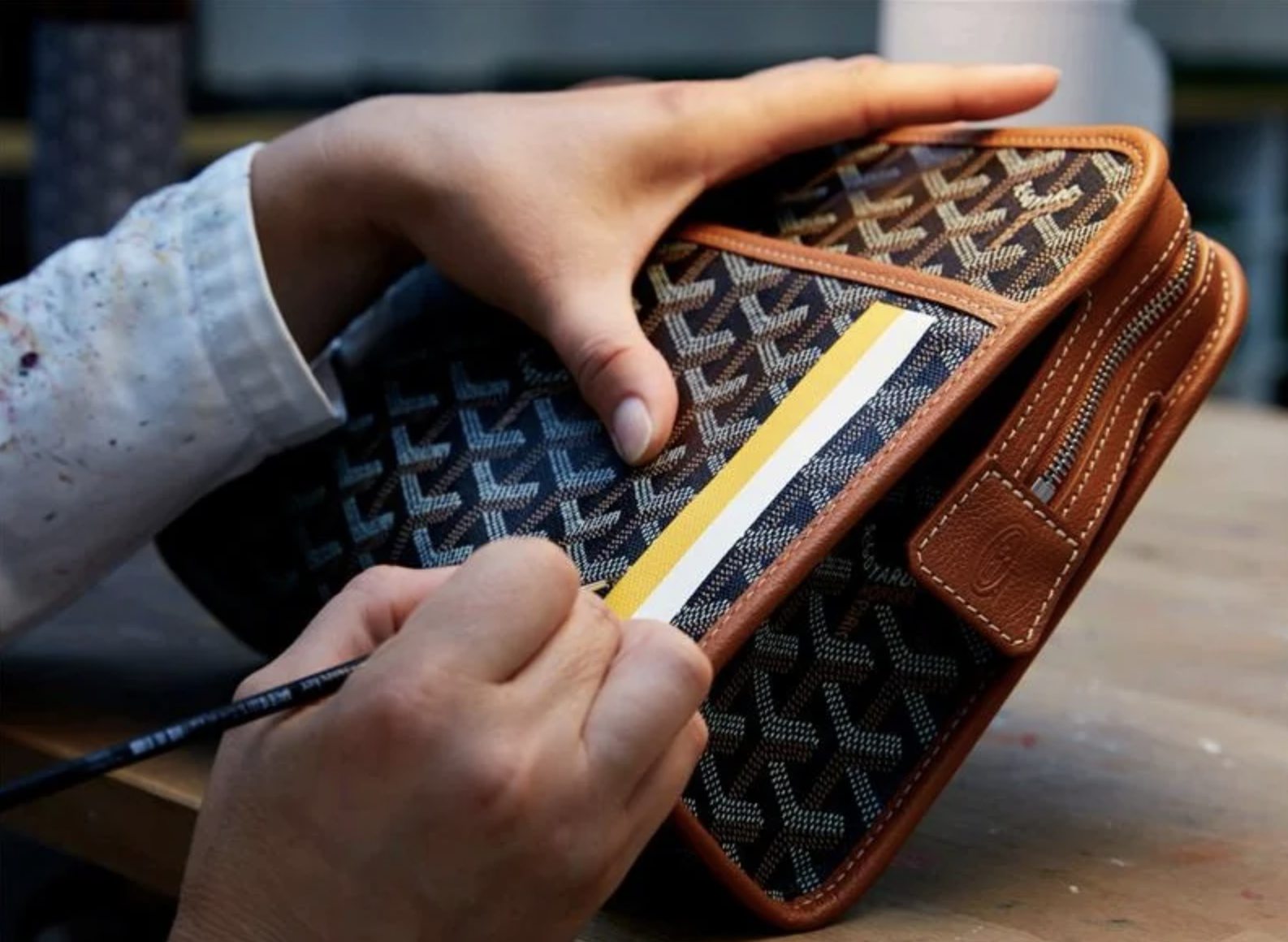
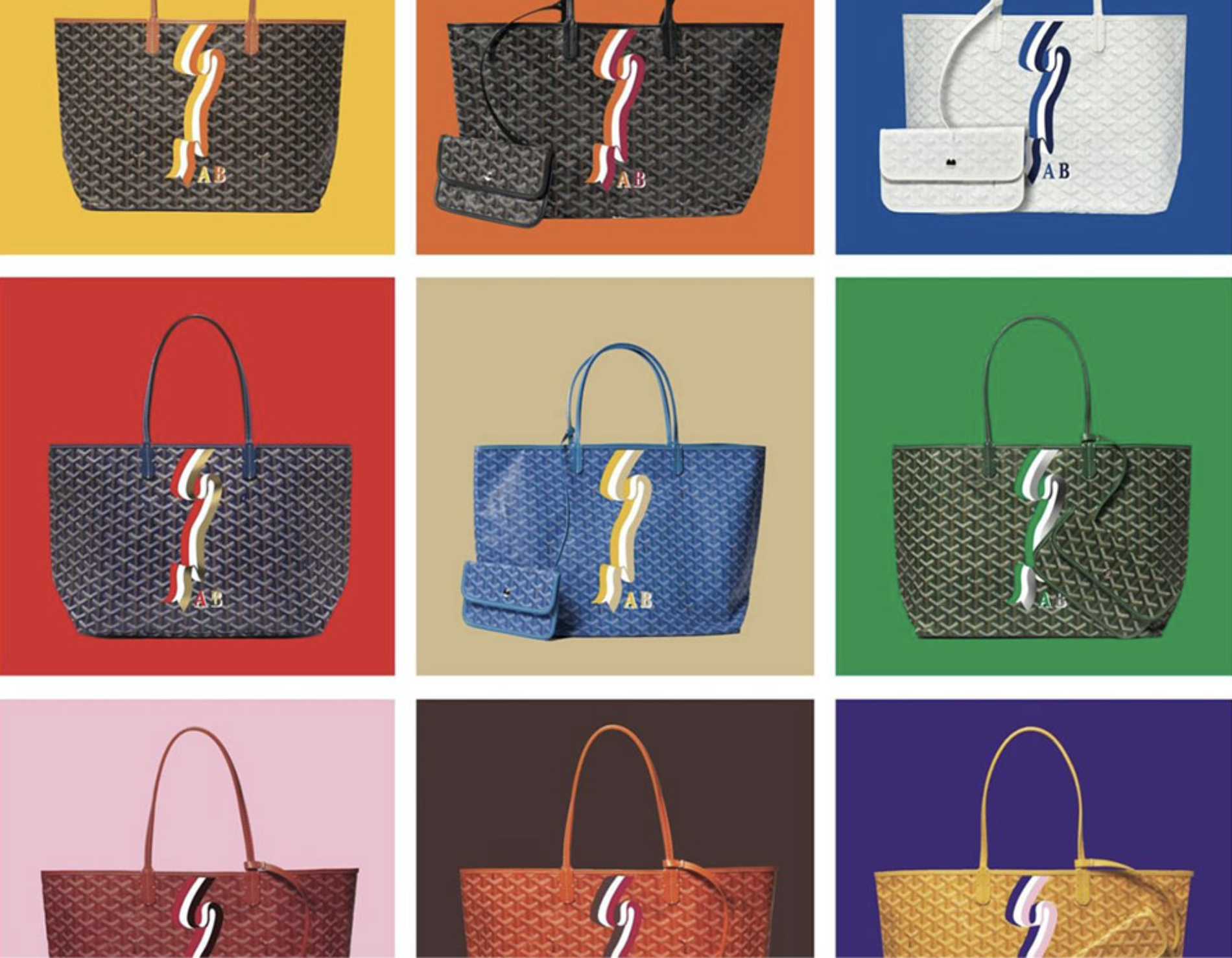
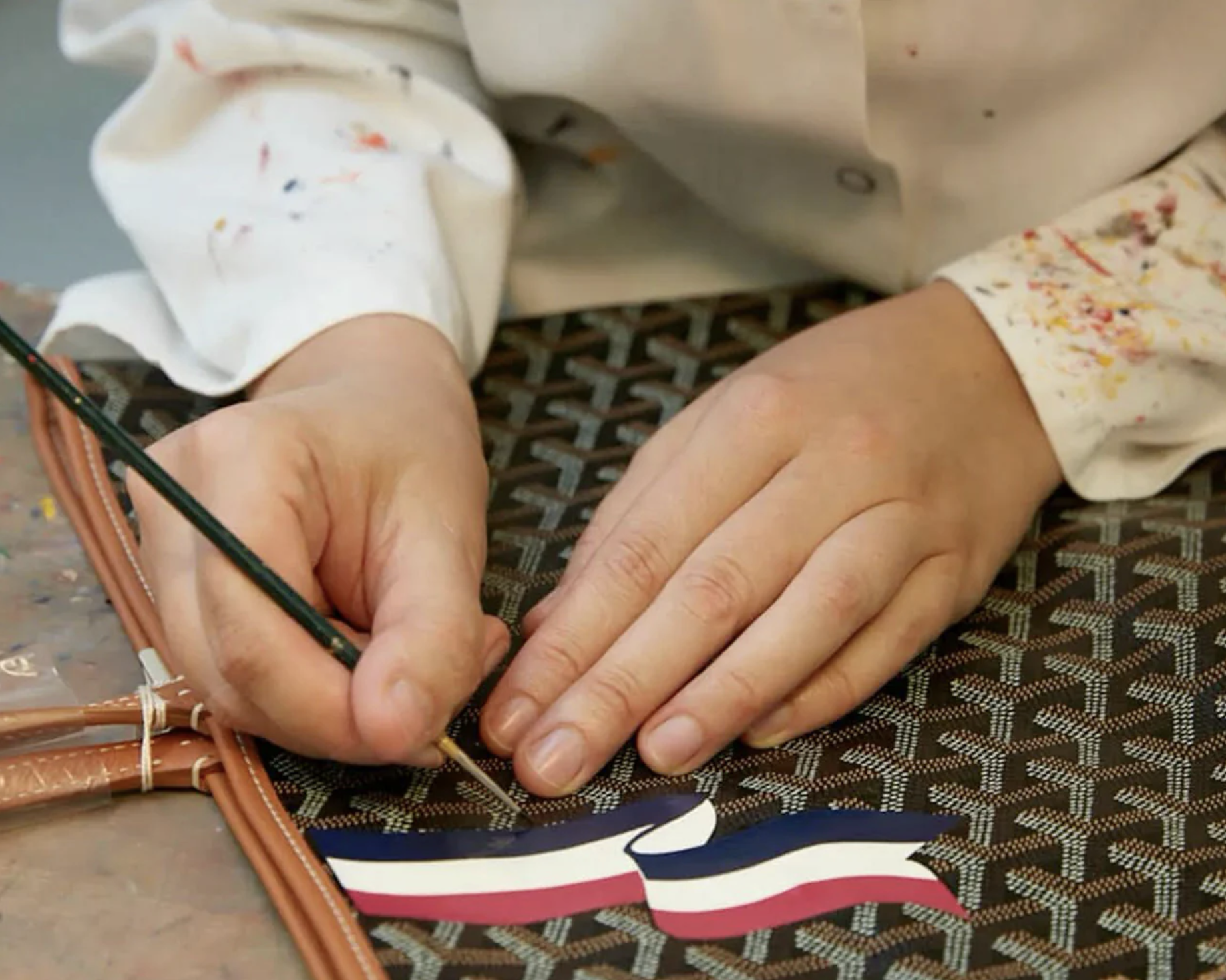
Personalization has always been part of Goyard's identity. The brand's signature hand-painted chevron canvas is often customized with initials, colorful stripes, stars, or even family crests.
Unlike machine embossing, every design is painted by hand by skilled artisans, making each piece slightly different. Because custom painting has been part of Goyard's heritage for decades, many collectors see it as a natural extension of the brand rather than an added extra.
Dior
(Image credit: lofficiel baltic)
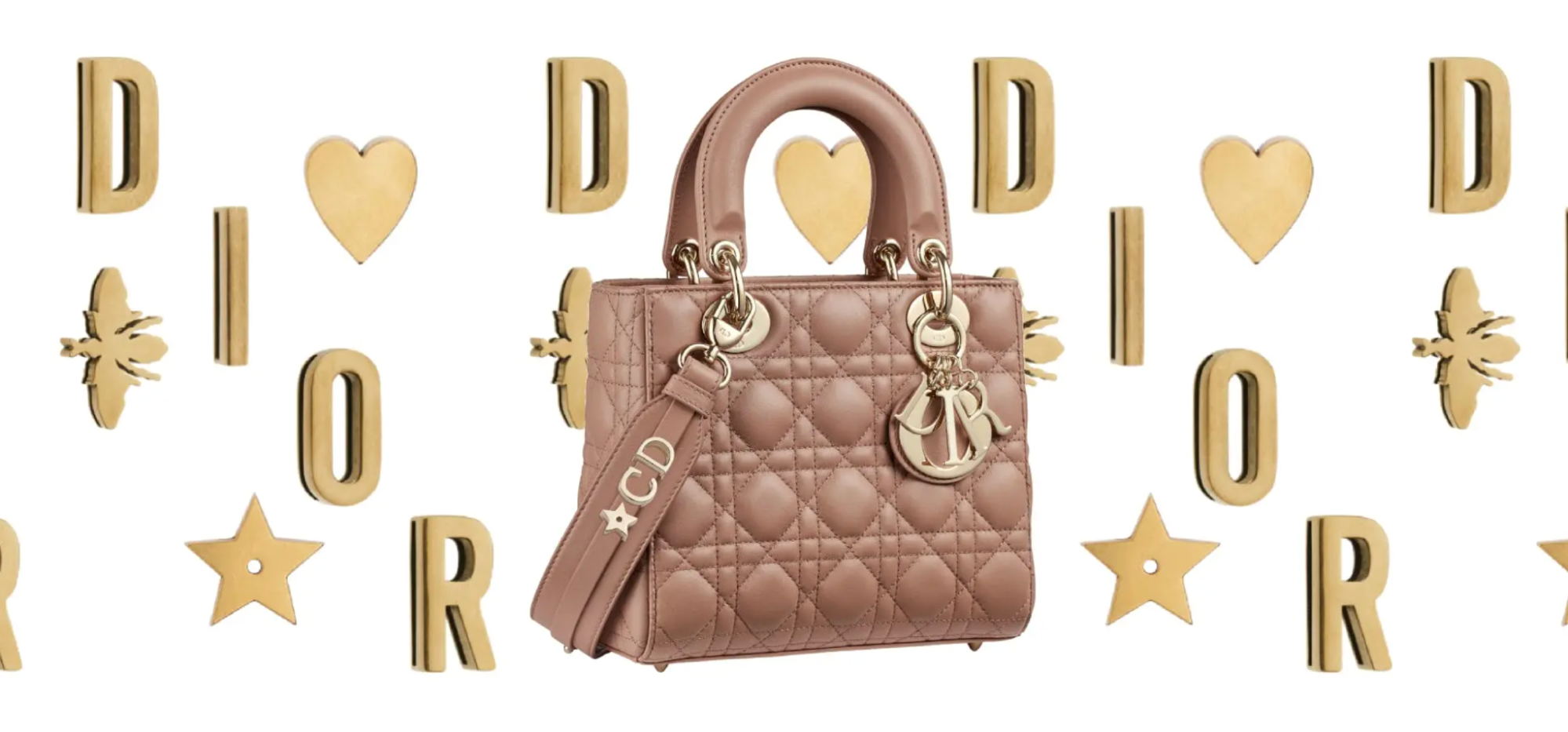
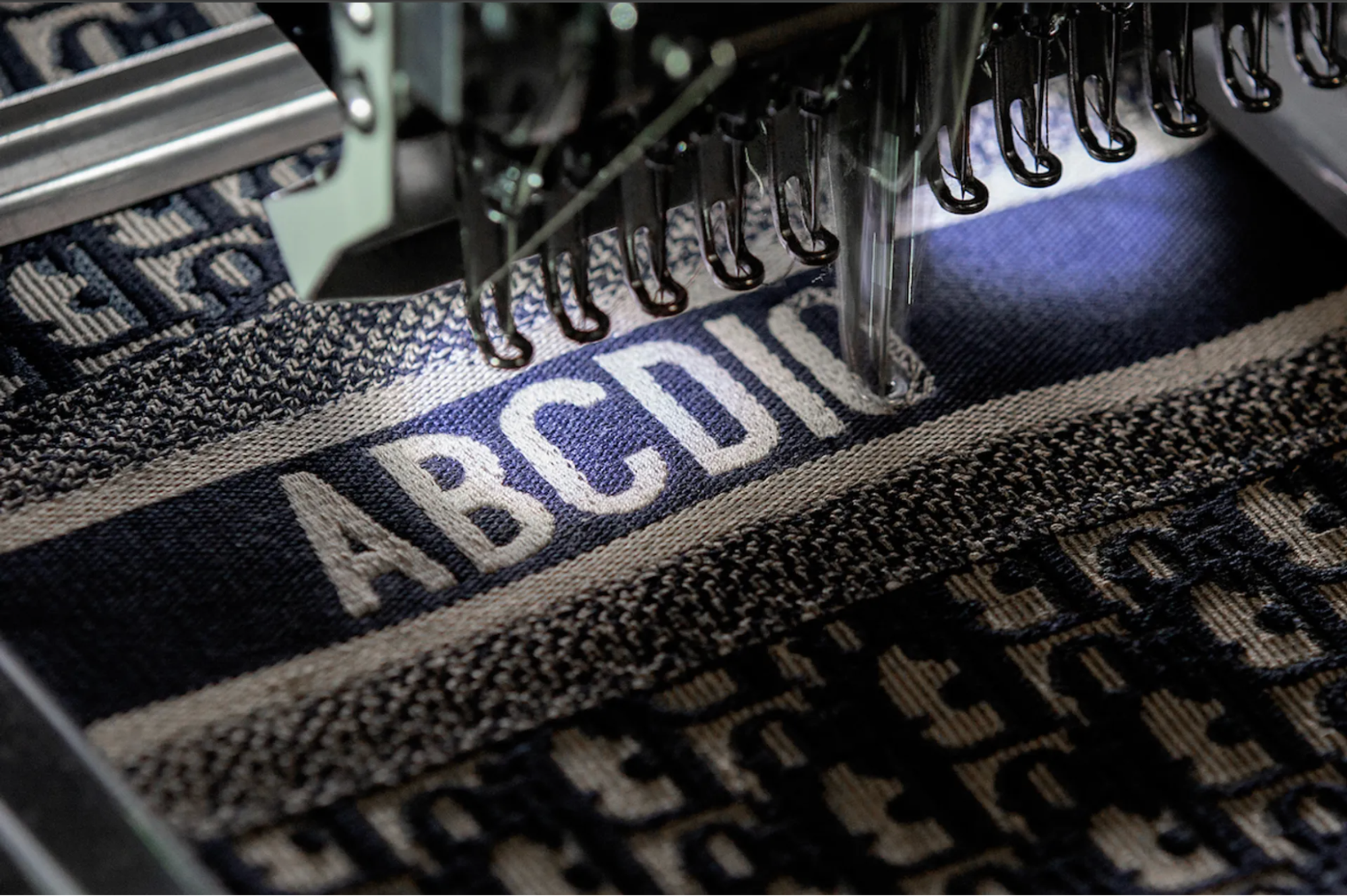
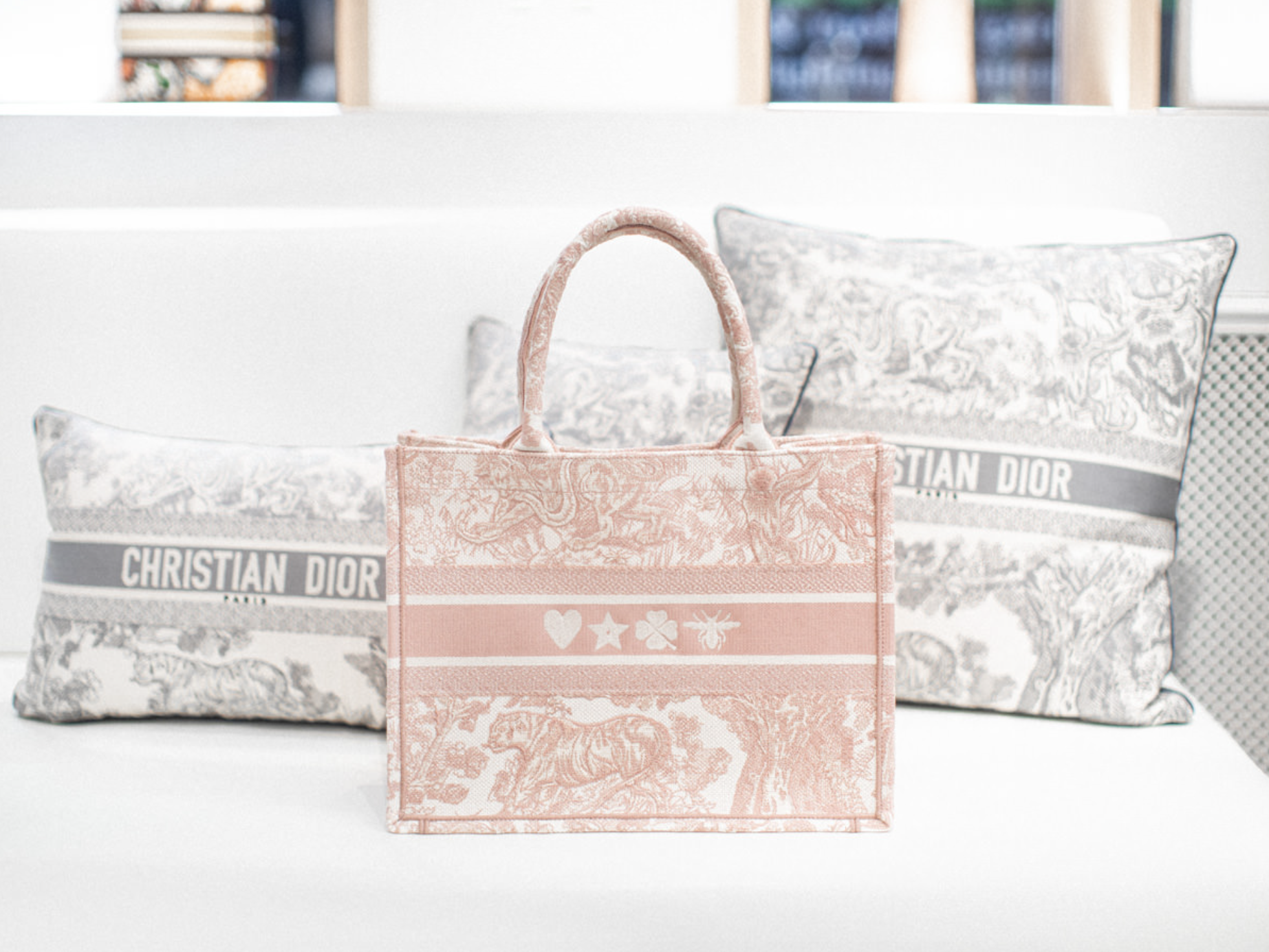
Dior introduced the ABCDior service to give customers more ways to personalize selected bags. Depending on the collection, buyers can embroider initials, names, or decorative charms onto pieces like the Book Tote and Lady Dior.
These custom details often become part of the bag itself, making them permanent rather than removable. While many owners enjoy that personal touch, it can also narrow the resale audience later on.
Hermès
(Image credit: rome station)
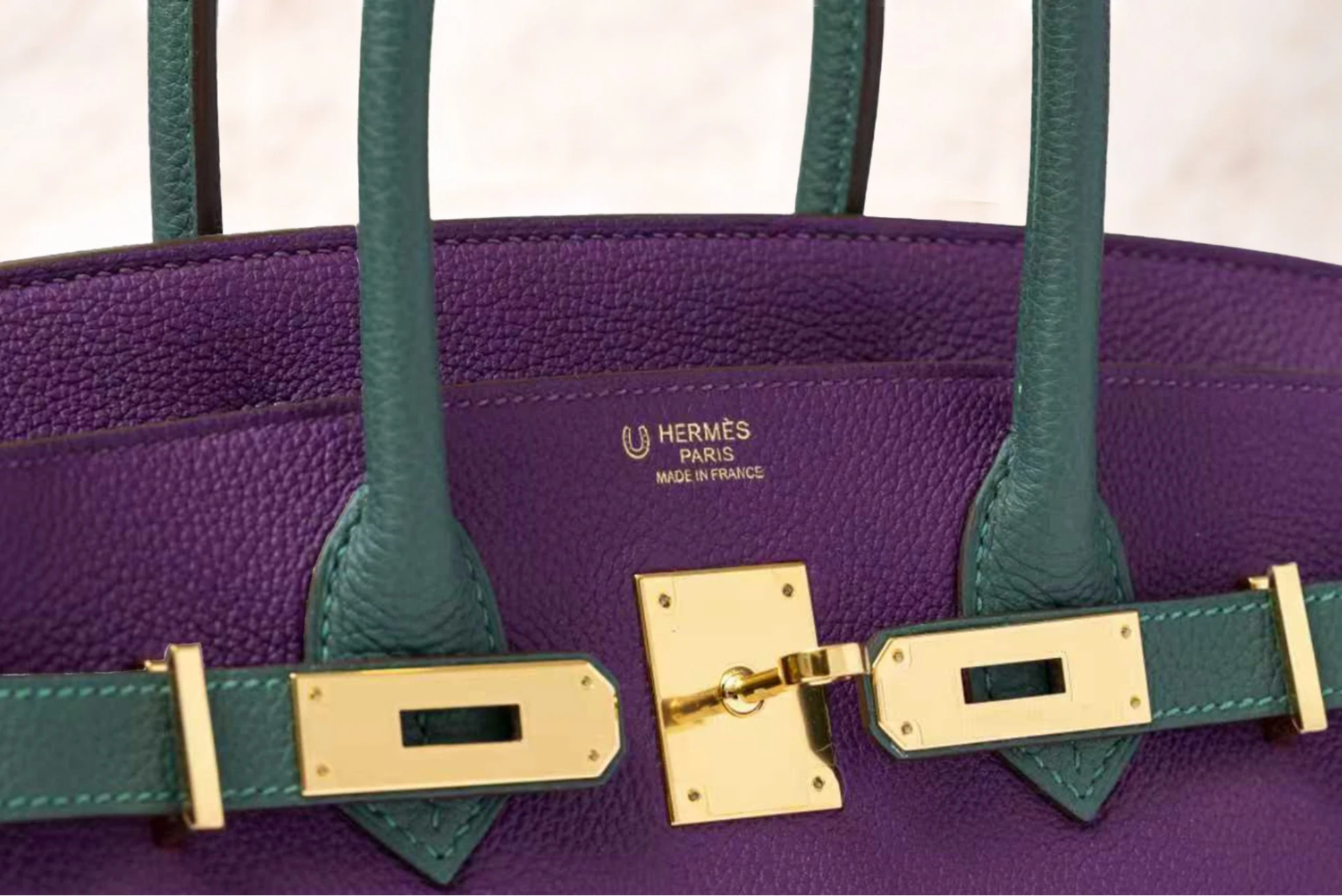
Hermès approaches personalization differently. Instead of adding initials after production, the brand offers Special Orders, often recognized by the famous Horseshoe Stamp. These bags allow select clients to choose leather, colors, stitching, hardware, and interior combinations that aren't available through regular collections.
Because these bags are produced in extremely limited numbers and come directly from Hermès, collectors often see them as rarer than standard production pieces. In some cases, they can command higher resale prices than comparable non-customized bags.
Fendi
(Image credit: pinterest)
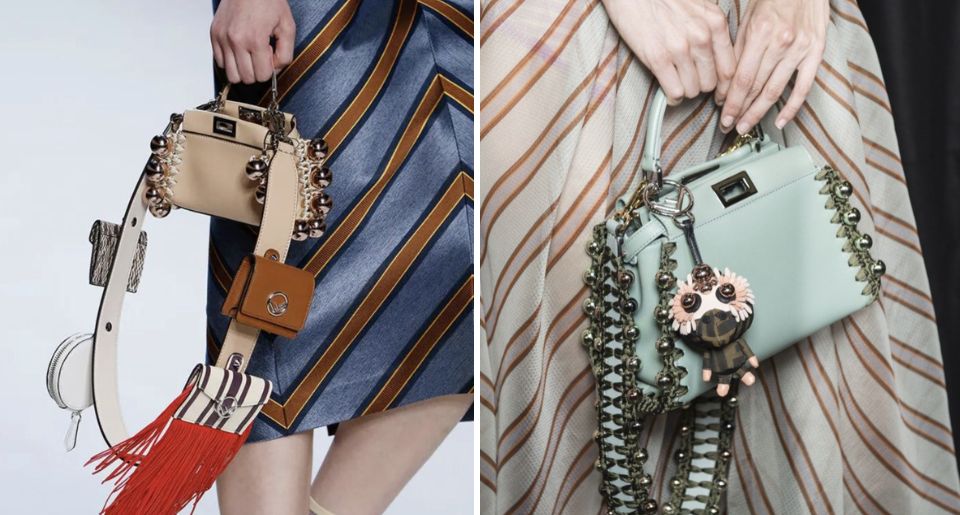
Fendi has introduced several personalization services over the years, including interchangeable shoulder straps, bag charms, and monogram options through selected collections. While many of these additions are removable, they let owners give classic styles a more personal look without permanently changing the bag itself.
Prada
(Image credit: pinterest)
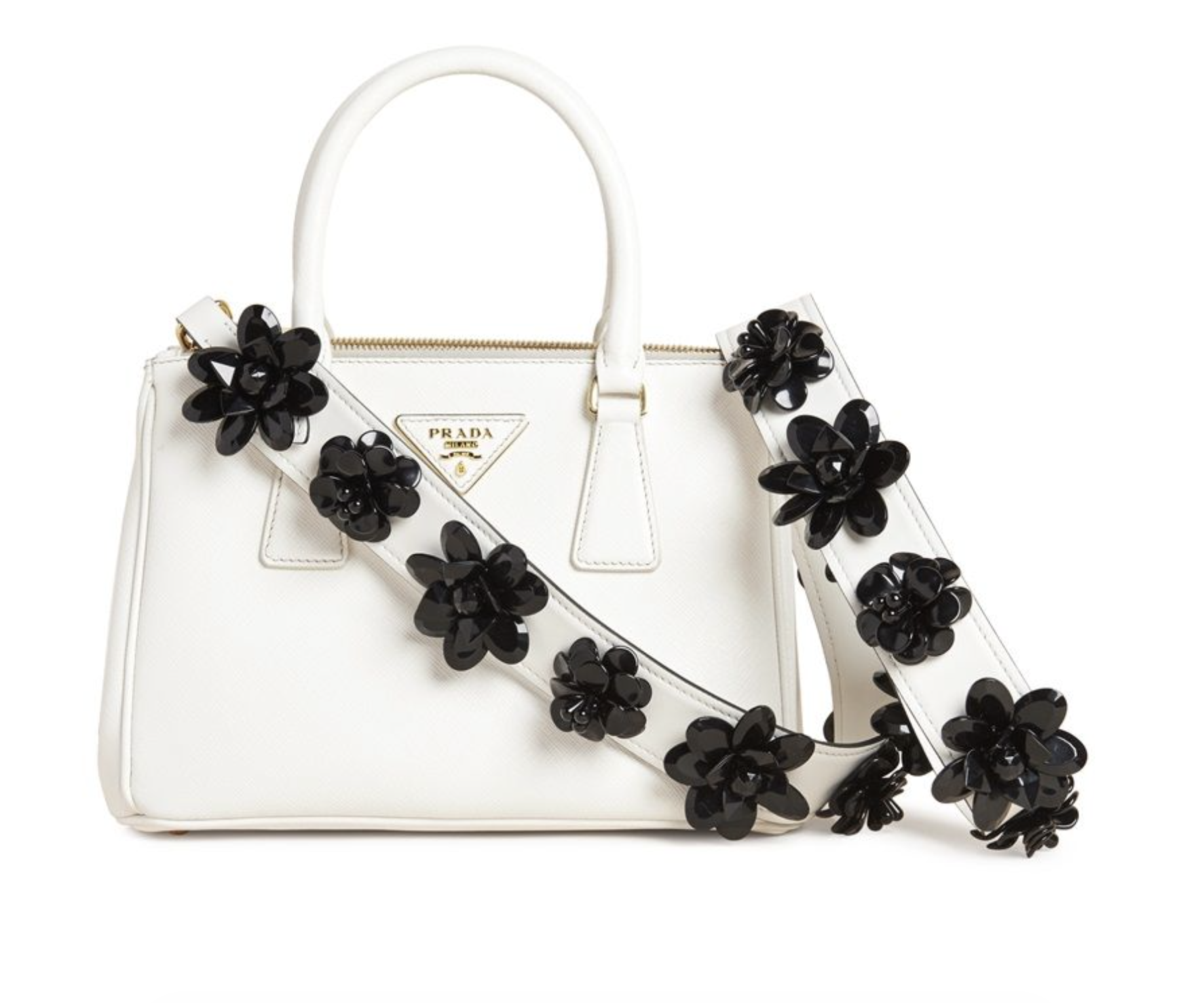
Prada has occasionally offered monogramming and personalization on leather accessories and travel pieces, although the service is generally more limited than brands like Louis Vuitton or Goyard. Most customization focuses on small leather goods rather than handbags, making its impact on the resale market relatively modest.
Gucci
(Image credit: gucci)
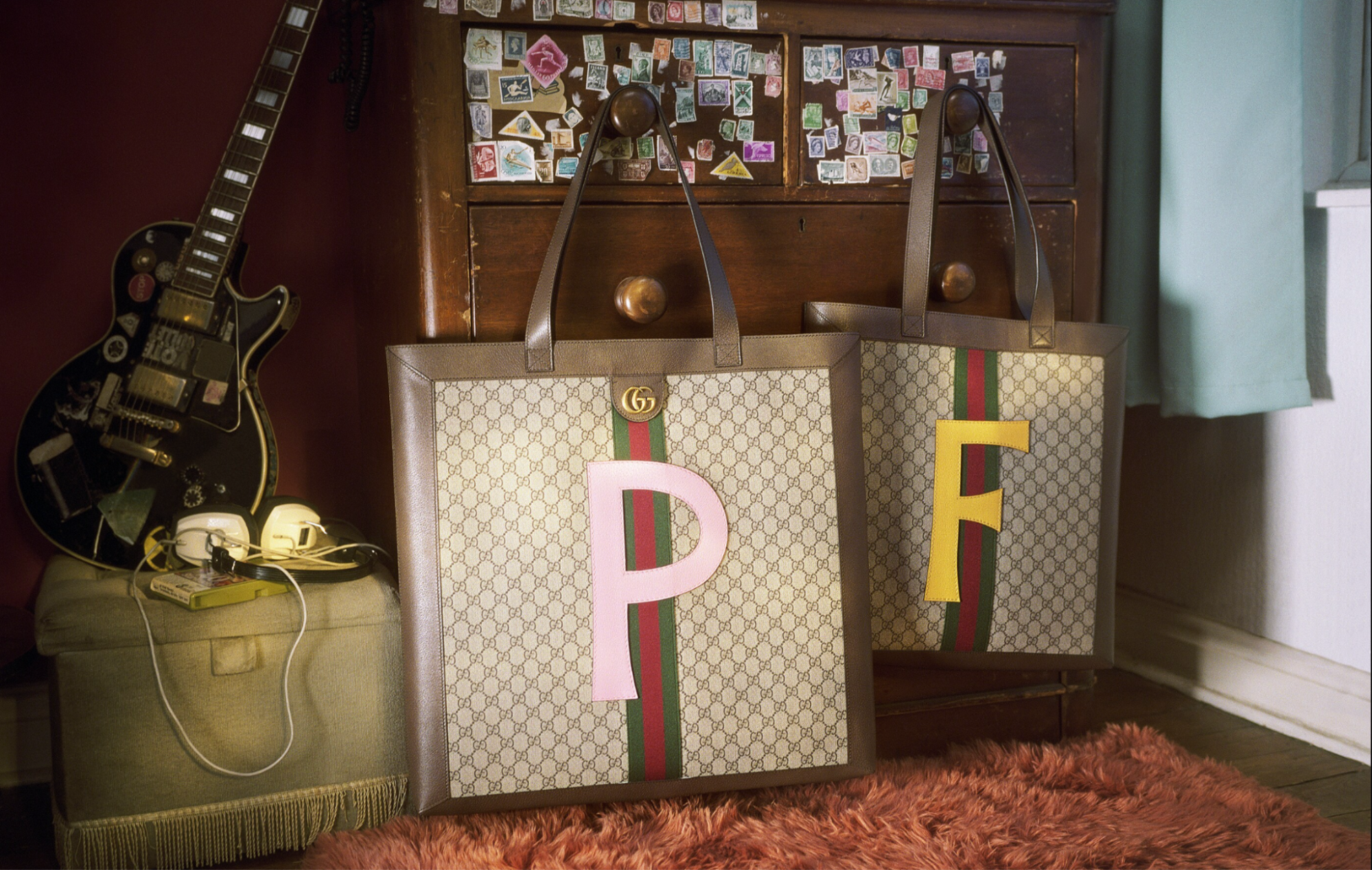
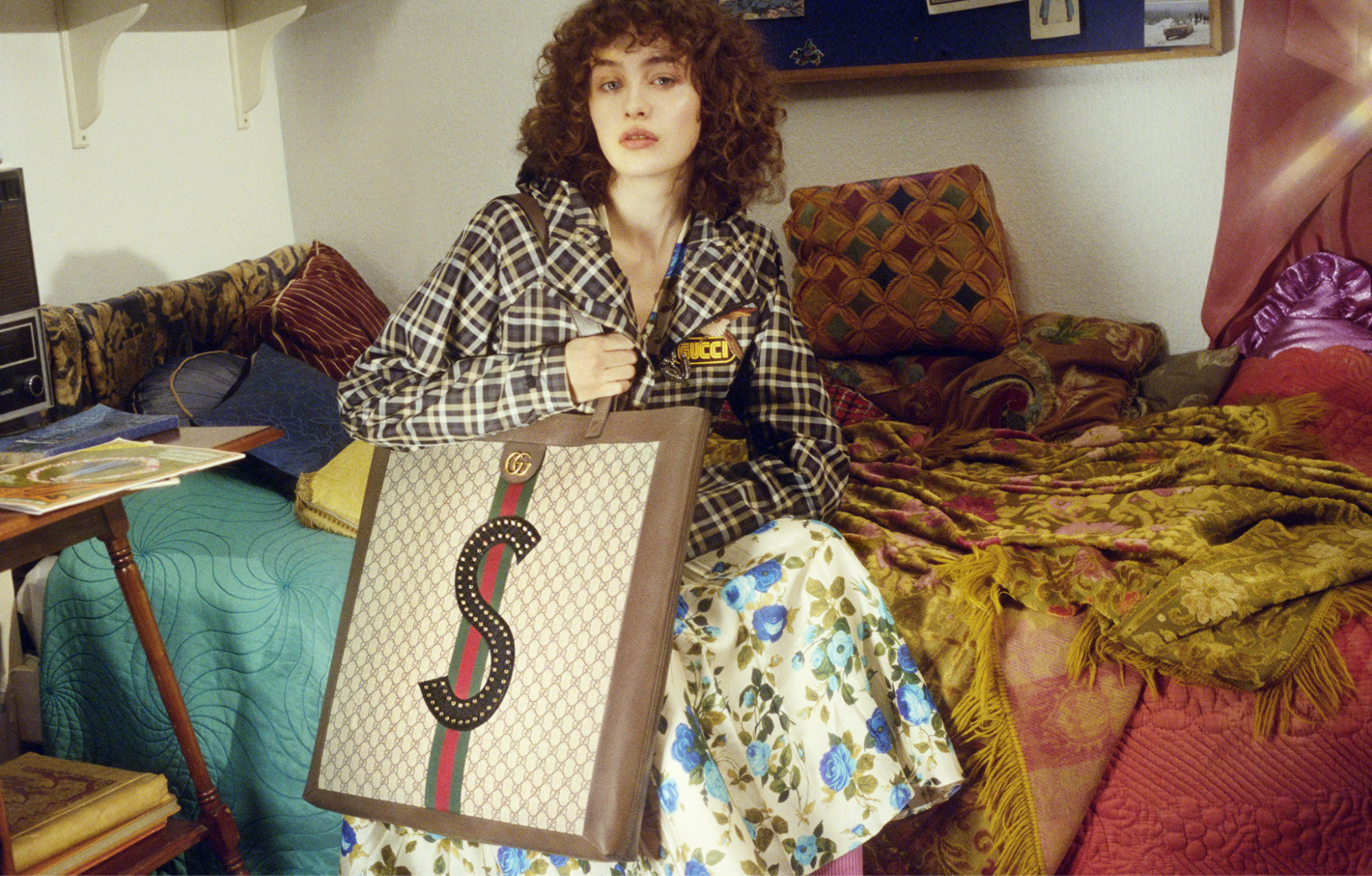
Gucci has experimented with personalization through services like DIY collections, embroidered initials, patches, and decorative motifs. During certain seasons, buyers could customize selected handbags, jackets, and sneakers with symbols that reflected their own style. These collections have become collectible in their own right, although resale demand often depends on how bold the customization is.
Personalization has become a bigger part of luxury shopping because buyers want pieces that feel individual rather than mass-produced. But once those pieces enter the resale market, buyers often look at them through a different lens. A custom detail that meant everything to the first owner may not carry the same meaning for the next one, which is why understanding each brand's approach becomes so important.
Hot Stamping vs. Resale Value
(Image credit: spotted fashion)
One of the most common questions in luxury resale is whether hot stamping affects price.
The short answer is yes.
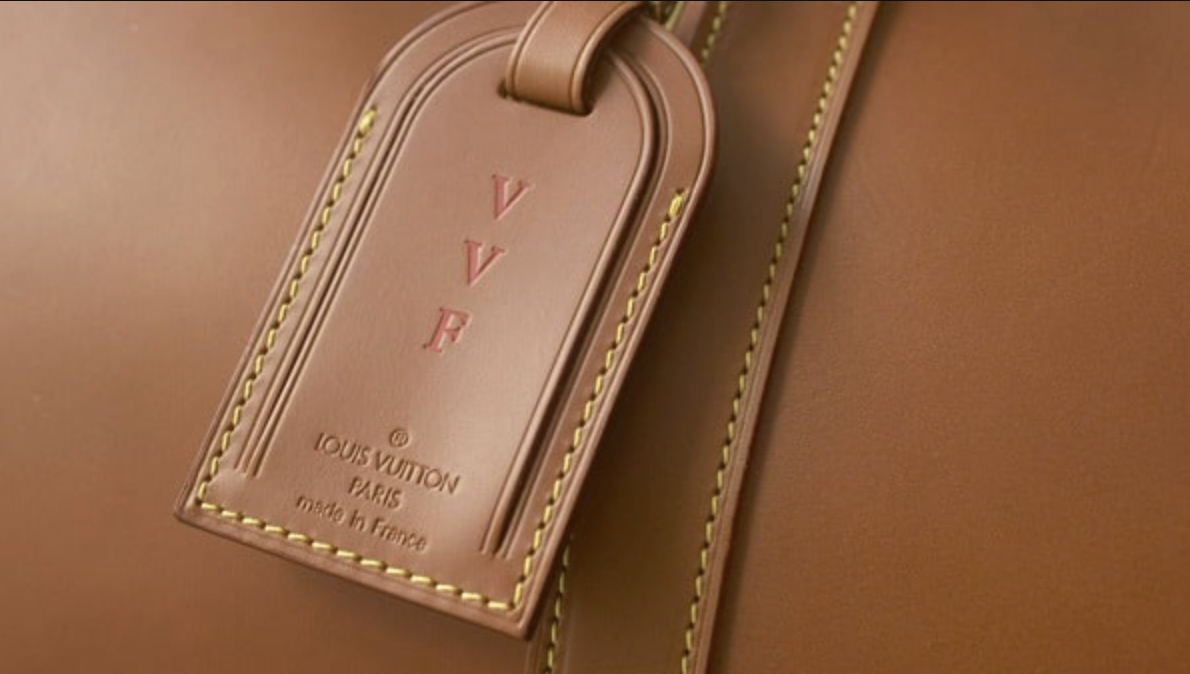
In most cases, hot stamping lowers resale value because it limits the number of people who are willing to buy the bag.
Imagine finding the perfect wallet or luggage tag, only to notice someone else's initials embossed across the front. Even if the condition is excellent, many buyers simply prefer a piece that feels like a blank canvas.
That doesn't necessarily mean the bag becomes difficult to sell.
It just means it may take longer to find the right buyer, and sellers often need to adjust their expectations when it comes to pricing.
The impact also depends on where the personalization appears.
A discreet monogram hidden inside a wallet or stamped beneath a luggage tag usually affects resale less than large initials displayed prominently on the exterior. Visibility plays a huge role because buyers immediately imagine themselves carrying the piece.
If the personalization constantly reminds them that it belonged to someone else, hesitation naturally follows.
Not All Personalization Is Equal
(Image credit: purse blog)
Personalization isn't limited to initials anymore.
Some buyers choose painted artwork, custom straps, replacement hardware, decorative charms, or even professionally restored bags with updated colors.
These modifications all affect resale differently.
A removable shoulder strap or charm doesn't permanently alter the bag, so buyers can simply remove it if it doesn't suit their style.
Permanent changes are a different story.
Hand-painted artwork, dyed leather, or custom alterations usually appeal to a much smaller audience because reversing them is difficult or impossible.
That's one reason collectors often separate personalization into two categories: reversible and permanent.
The easier it is to return a bag to its original condition, the less impact it usually has on resale.
When Personalization Can Actually Increase Desirability
(Image credit: louis vuitton eu)
This is where the conversation becomes more interesting. Although personalization usually reduces demand, there are exceptions. Sometimes the personalization itself becomes part of the bag's story.
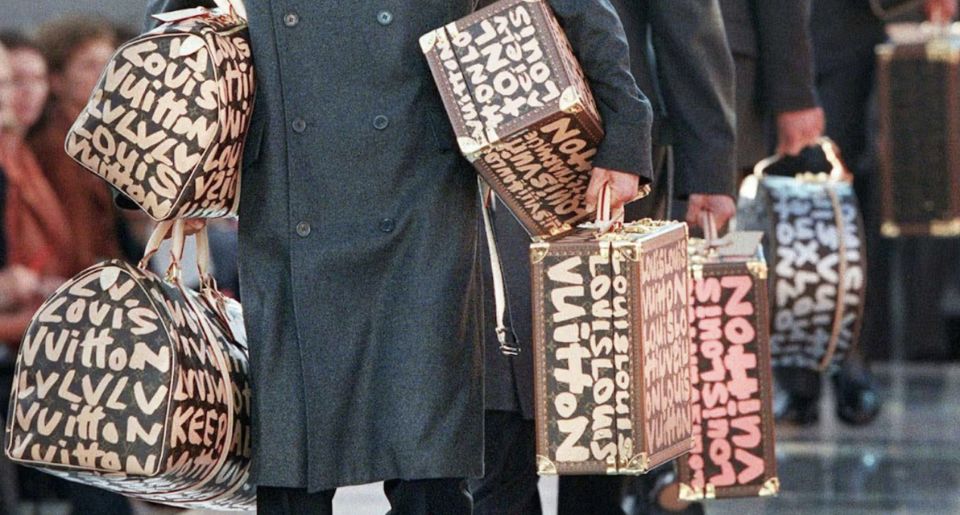
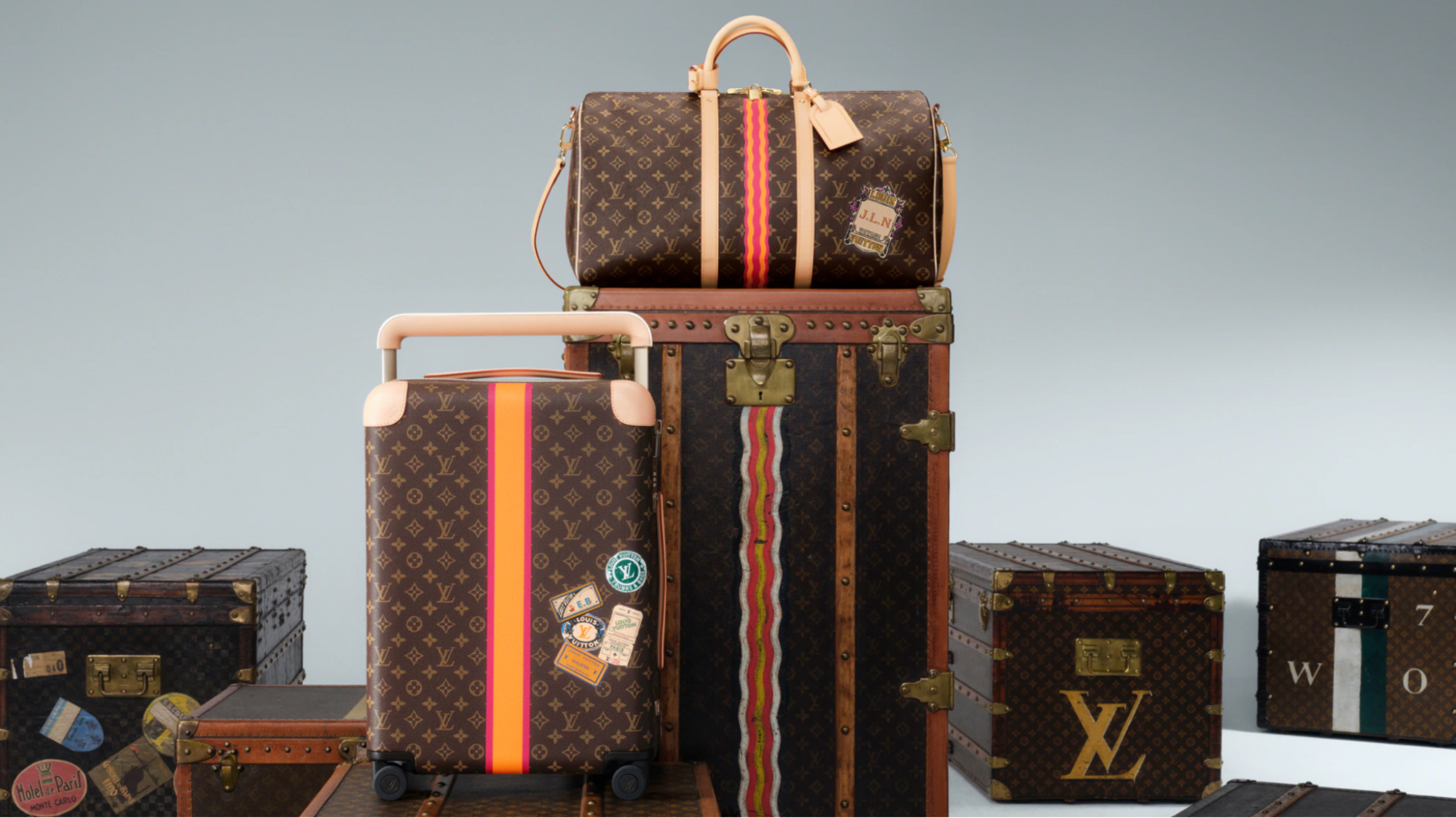
Vintage Louis Vuitton travel trunks painted with family crests, hotel labels, and decades of travel marks are highly collectible today. Those additions weren't mistakes. They became part of the object's history.
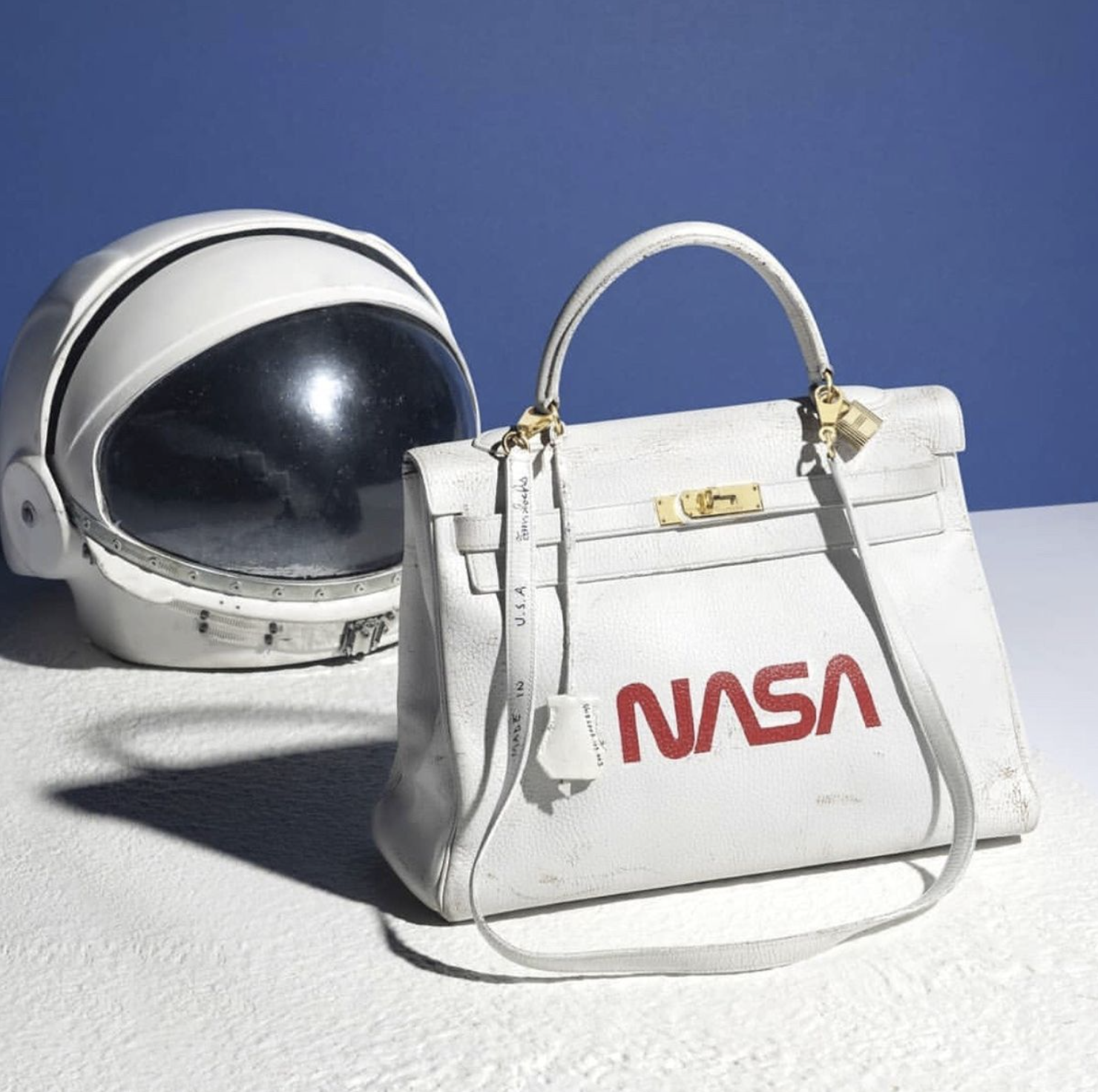
The same applies to certain Hermès special orders.
Because they're produced in extremely limited numbers, custom combinations can become highly desirable if they feature sought-after leather, hardware, or color pairings.
In these cases, buyers aren't paying for personalization alone. They're paying for rarity. That's an important distinction.
A rare custom order created by Hermès isn't viewed the same way as adding initials to a standard production bag. One creates exclusivity. The other simply narrows the audience.
The Buyers Who Still Want Personalized Pieces
(Image credit: prestige online)
It's easy to assume that everyone avoids personalized bags, but that's not true.
Some buyers actively search for them.
One group simply doesn't mind someone else's initials if the price reflects it. They care more about getting a good deal than owning a completely untouched piece. Others look for initials that match their own.
It sounds unlikely, but it happens more often than people expect. A buyer with the initials "A.K." might happily purchase a Louis Vuitton passport holder already stamped with those same letters because it feels almost custom-made.
Collectors can also appreciate personalization when it's connected to history. A vintage travel case covered in original hotel stickers tells a story that newer pieces can't replicate.
In that situation, the personalization becomes part of the object's character rather than something buyers want to remove.
Why Japan Looks at Personalized Pieces Differently
(Image credit: pinterest)
One of the reasons Japanese resale platforms continue to attract buyers from around the world is their approach to transparency. Rather than hiding flaws, sellers usually document everything in detail. If a bag has initials, they're clearly photographed. If there's hot stamping inside a wallet, it's mentioned in the description. Nothing is left to surprise the buyer after purchase. That level of honesty creates trust.
Japanese grading standards also tend to separate condition from personalization.
A bag can still receive an excellent condition grade even if it has initials, because those initials aren't treated as damage. They're simply noted as part of the description.
This is one reason buyers shopping Japanese resale feel more confident. They know exactly what they're purchasing.
At ZenLuxe, we've noticed that experienced buyers often appreciate this approach because it removes uncertainty from the process.
Instead of wondering whether a seller has hidden a personalized detail, everything is presented upfront.
Emotional Value Doesn't Always Equal Market Value
(Image credit: purse blog)
This is probably the biggest misunderstanding surrounding personalized luxury.
The emotional value of a bag and its market value aren't always connected. Adding initials can make a piece priceless to the person who owns it. That same detail might make another buyer hesitate. Neither reaction is wrong. They're simply based on different motivations.
Luxury buying is emotional.
Luxury resale is practical.
Those two worlds don't always overlap.
Should You Personalize Your Luxury Bag?
(Image credit: bagaholic boy)
The answer depends entirely on why you're buying it.
If you purchased the bag because you genuinely love it and plan to keep it for many years, personalization can make perfect sense. After all, luxury is meant to be enjoyed, not treated like a museum piece.
If you're already thinking about resale before you've even left the boutique, it's worth considering whether those initials are something you'll eventually wish you hadn't added.
Many buyers assume they'll never sell a bag.
Years later, tastes change, collections evolve, and priorities shift.
Keeping a piece in its original condition simply gives you more flexibility if that day comes.
The Best Advice for Future Resale
(Image credit: gucci)
If preserving resale value is one of your priorities, keeping the bag as close to its original condition as possible is still the safest approach.
That doesn't mean avoiding personalization entirely. It simply means thinking carefully about whether the change is permanent.
Accessories, scarves, charms, and removable straps allow you to make a bag feel personal without changing the bag itself.
Permanent alterations deserve a little more thought because they're much harder to undo.
The beauty of luxury is that there isn't one right answer. Some people buy bags as investments. Others buy them to celebrate milestones, travel, or personal achievements. Neither approach is better than the other.
The important thing is understanding how today's decisions might influence tomorrow's resale market.
A personalized bag may always mean more to its original owner than it does to the next one. That's simply part of what makes luxury so personal.
And sometimes, that's worth far more than the resale price.