(Image credit: zenluxe)
Buying a pre-owned luxury bag online can feel overwhelming at first, especially when you're shopping from Japan. You open a listing and suddenly you're looking at measurements in centimeters, unfamiliar abbreviations, condition grades, and product titles that seem far longer than they need to be.
The good news is that Japanese luxury listings are actually some of the easiest to understand once you know what you're looking at.
Japanese resale stores are known for being thorough. Instead of relying on a few marketing photos and a short description, many sellers include dozens of close-up images, exact measurements, detailed condition notes, and information about every accessory that comes with the item. That level of detail makes it much easier to buy confidently, even if you're shopping from the other side of the world.
Learning how to read these listings properly can also help you spot better value. Two bags may look almost identical at first glance, but once you understand the descriptions, you'll start noticing small details that explain why one costs hundreds of dollars more than the other.
Whether you're buying your first designer bag or adding another piece to your collection, here's how to read Japanese luxury listings like an experienced buyer.
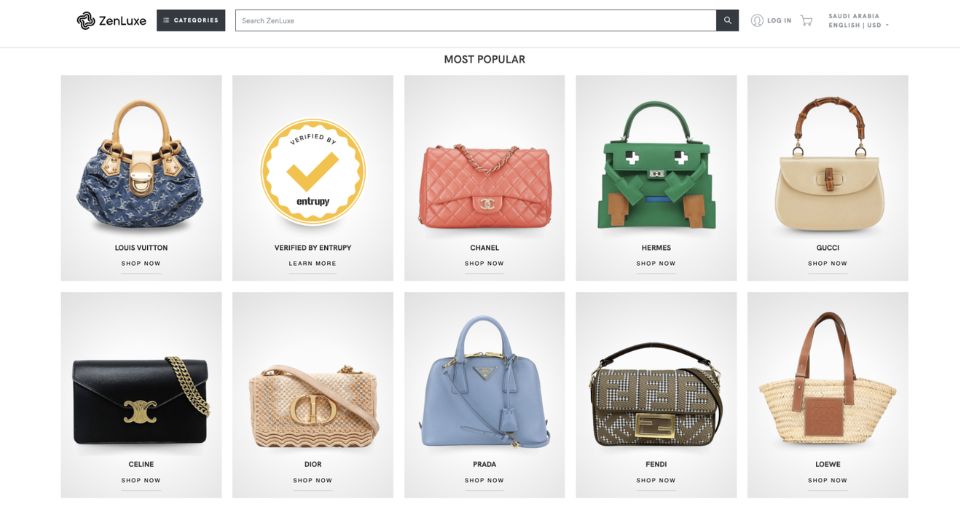
If you're shopping through a marketplace like ZenLuxe, you'll notice this level of detail right away. Every listing is designed to give buyers as much information as possible before they make a purchase. Instead of relying on a few photos and a short description, you can compare measurements, condition notes, accessories, and high-resolution images across thousands of luxury items from trusted Japanese sellers.
Why Japanese Luxury Listings Stand Out
(Image credit: zenluxe)
One reason collectors enjoy shopping in Japan is the amount of information provided with each listing.
Many luxury resale stores in Japan inspect every item before it goes on sale. Rather than using vague descriptions like "good condition" or "light wear," they usually point out exactly where the signs of use appear.
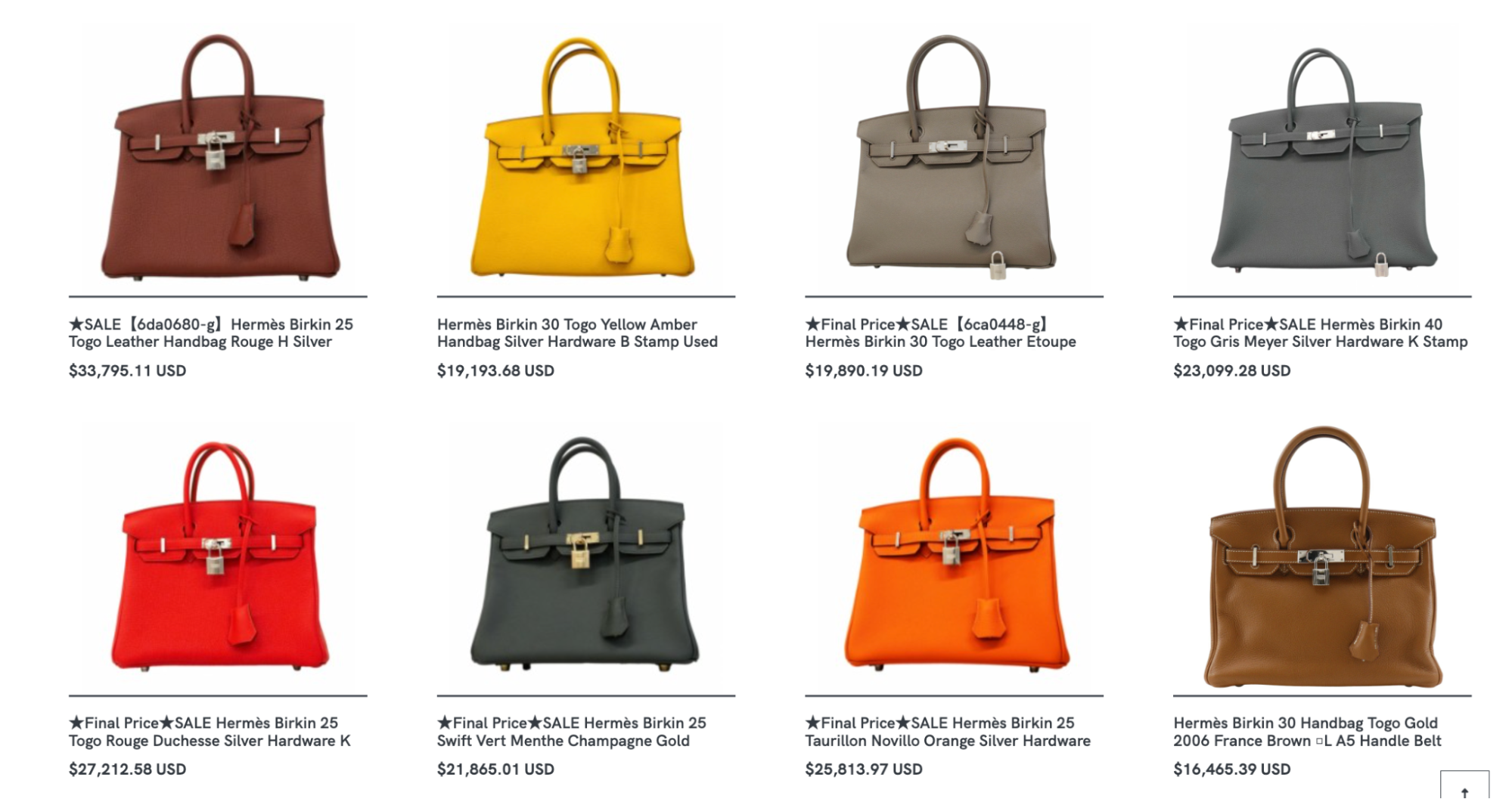
That's one reason many buyers enjoy browsing ZenLuxe. Since the platform brings together listings from established Japanese luxury retailers, it's easy to compare several versions of the same bag in one place. Looking at multiple listings side by side helps you understand how condition, age, accessories, and rarity influence pricing without jumping between different websites.
You might see close-up photos of the corners, handles, hardware, interior lining, stitching, shoulder strap, zipper, and even tiny scratches on the metal charms.
At first, this level of detail can seem intimidating. In reality, it's one of the biggest advantages of buying from Japan.
Instead of wondering whether a bag has hidden flaws, you're often able to inspect almost every part of it before making a purchase.
That's especially valuable when buying iconic handbags like the Chanel Classic Flap, Louis Vuitton Speedy, Lady Dior, or Hermès Birkin, where condition plays a major role in pricing.
Breaking Down the Product Title
(Image credit: zenluxe)
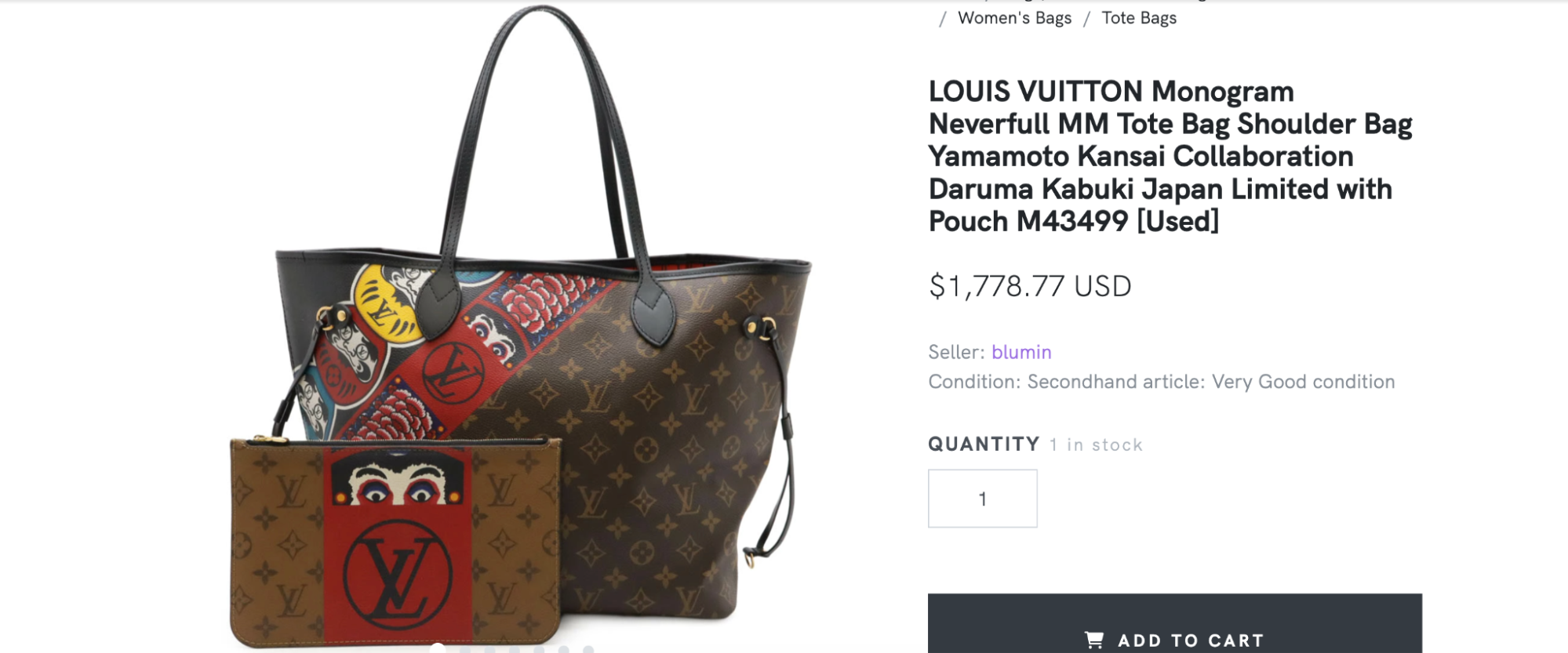
One of the first things you'll notice is that Japanese product titles are often much longer than listings from other countries.
When you're browsing ZenLuxe, you'll start noticing the same structure across different brands. Once you understand how product titles are organized, you can quickly scan dozens of listings and immediately identify the information that matters most, whether it's the size, leather, hardware, or model number.
Instead of simply saying:
you might see something like:
Louis Vuitton Monogram Neverfull MM Tote Bag Brown M41178 Shoulder Bag With Pouch
At first glance, it looks like too much information packed into one sentence.
In reality, every part serves a purpose.
A typical Japanese luxury listing often includes:
- Brand name
- Collection or pattern
- Model name
- Size
- Bag type
- Color
- Model number
- Special features
- Included accessories
Once you understand this format, scanning listings becomes much faster.
For example:
Louis Vuitton
tells you the brand.
Monogram
refers to the canvas pattern.
Neverfull MM
identifies both the model and size.
M41178
is the model number.
With Pouch
confirms the matching removable pouch is included.
Instead of reading every word individually, you'll naturally begin recognizing these sections within seconds.
Why Model Numbers Matter
(Image credit: zenluxe)
Many buyers focus only on the bag's name. Experienced shoppers also pay attention to the model number.
Brands often release multiple versions of what appears to be the same bag. Small design updates, hardware changes, interior layouts, or production differences can all affect value.
Take the Louis Vuitton Speedy as an example. A listing that simply says "Speedy 30" doesn't tell the full story. The model number can identify whether it's a classic Monogram version, Damier Ebene, Damier Azur, Bandoulière model, or a limited edition release.
The same applies to many Dior, Gucci, Prada, Celine, and Fendi bags.
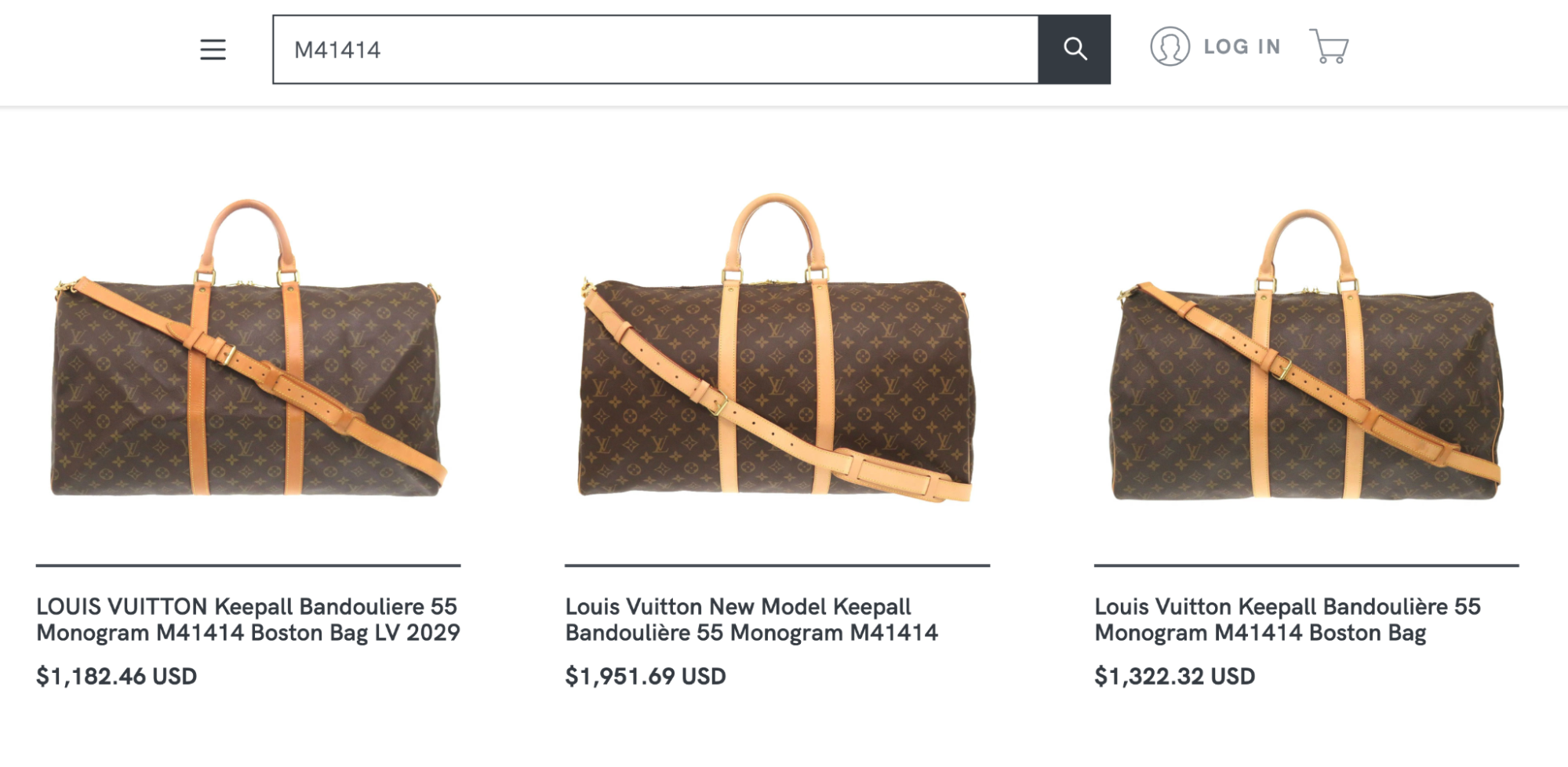
Searching by model number is also helpful if you're comparing prices across different websites. Instead of searching only for "Lady Dior Small," searching the exact reference number often brings up more accurate comparisons.
ZenLuxe also makes it easy to compare bags by model number. If you're deciding between several listings, searching the reference number instead of only the model name often produces more accurate results. It's especially useful for brands that release multiple versions of the same design over the years.
What Sellers Actually Mean
(Image credit: zenluxe)
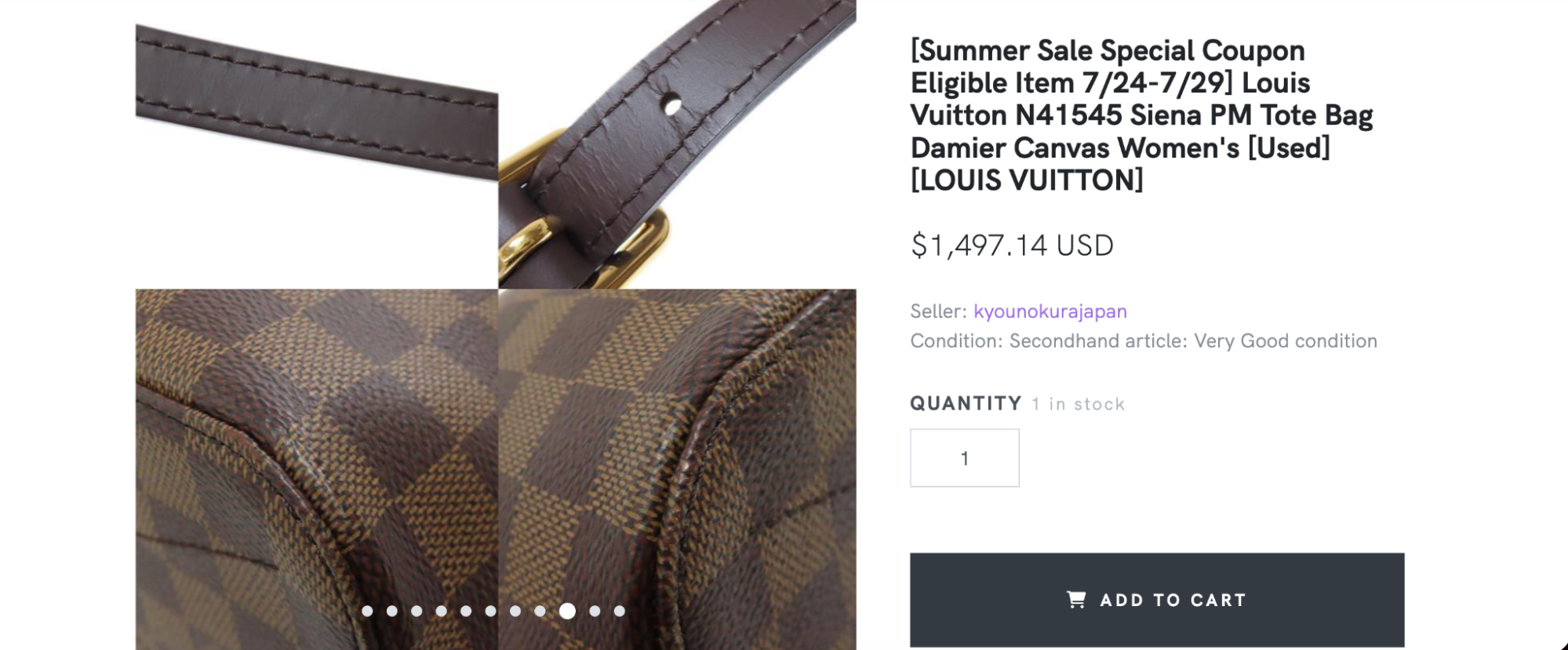
Japanese listings often sound more conservative than listings from other countries. A bag described as having "noticeable signs of use" may still look excellent in person. That's because many Japanese resale stores prefer to point out every visible flaw, even minor ones.
When a description mentions:
Light scratches on hardware
don't immediately assume the bag is heavily damaged.
It may simply refer to the tiny hairline marks that naturally appear when metal pieces rub together.
The same applies to phrases like:
- Slight corner rubbing
- Minor wrinkles
- Light interior stains
- Small pressure marks
These descriptions don't necessarily mean you should avoid the bag. Instead, compare the written description with the photographs. Many buyers are pleasantly surprised by how well these bags have been maintained.
On the other hand, don't ignore the notes entirely.
If multiple areas of wear are mentioned throughout the listing, it's worth taking extra time to inspect each photograph before making a decision.
Why the Same Bag Can Have Different Names
(Image credit: zenluxe)
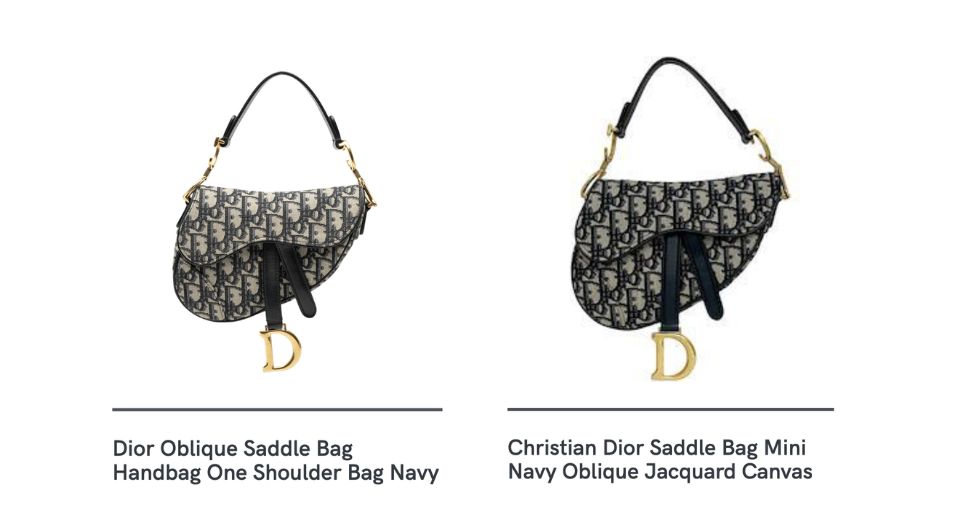
One thing that surprises many first-time buyers is that the same handbag doesn't always appear under the same name.
Japanese luxury stores may use the official name, a shortened version, a collection name, or even the model number. That means searching for only one version of a bag's name could cause you to miss great listings.
For example, you might see:
- Louis Vuitton Pochette Accessoires listed as Accessory Pouch or simply Pochette
- Gucci Jackie 1961 listed as Jackie
- Dior Saddle Bag listed as Saddle
- Celine Luggage Tote listed as Luggage
- Chanel Classic Flap listed as Classic Flap, Double Flap, or Classic Chain Bag
Some stores also include the leather, pattern, or collection before the bag's name, making the title even longer.
If you aren't finding many results, try searching with different versions of the name. You may be surprised by how many additional listings appear.
Search Like a Japanese Collector
(Image credit: zenluxe)
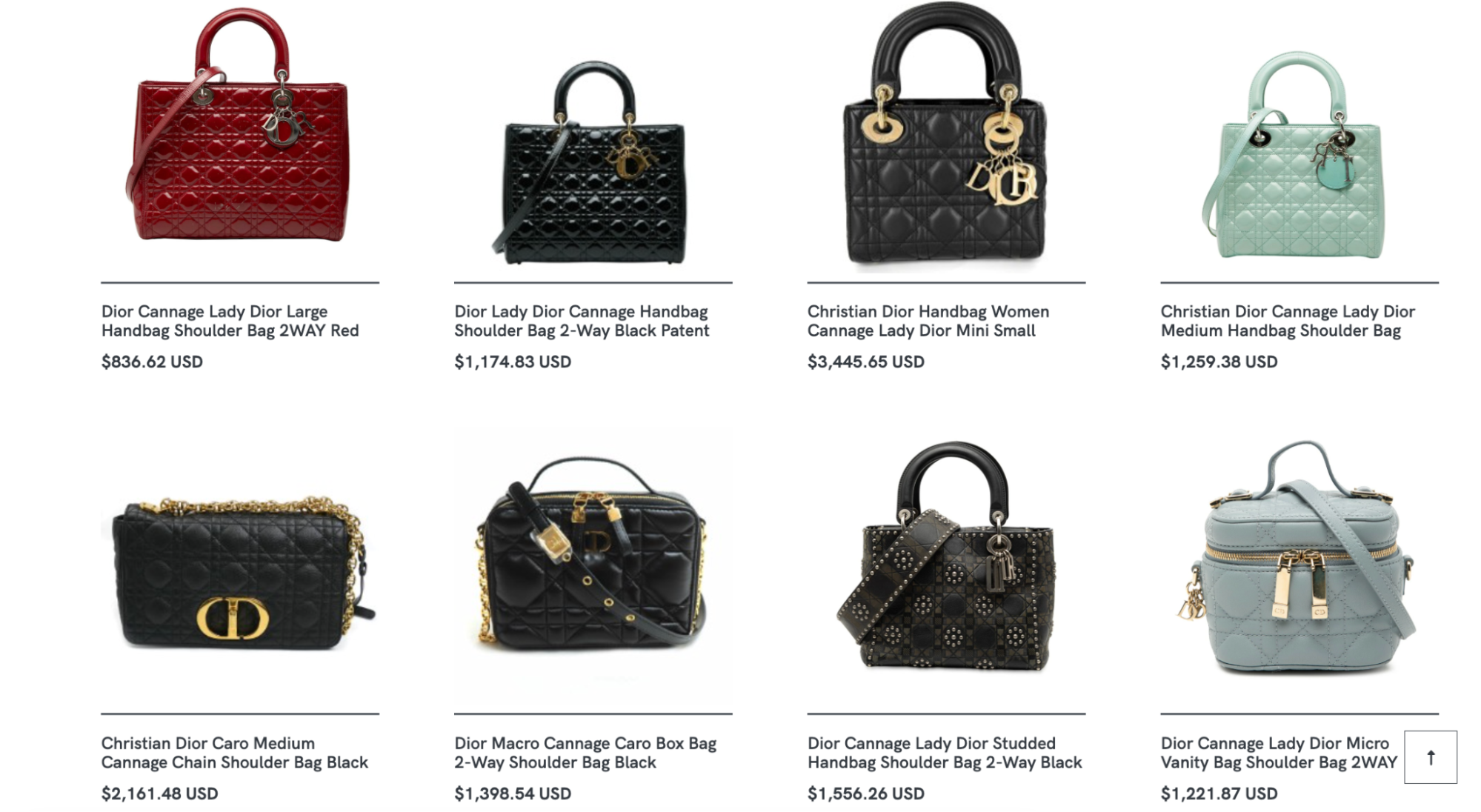
Experienced buyers rarely search using just the bag's name. Instead of typing "Lady Dior," they often search using several different keywords to make sure they don't miss anything.
Try combining the model name with details like:
- Model number
- Size
- Leather type
- Pattern
- Hardware color
- Japanese spelling
For example, if you're looking for a Lady Dior, don't stop with one search.
You could also try:
The same idea works for almost every luxury brand. A few extra keywords can reveal listings that never appeared in your original search.
One simple trick is to run several different searches on ZenLuxe instead of relying on a single keyword. Try the model name, then the Japanese spelling, the model number, or even the leather type. A bag that didn't appear in your first search may show up using a slightly different title.
Why Some Listings Have So Many Photos
(Image credit: zenluxe)
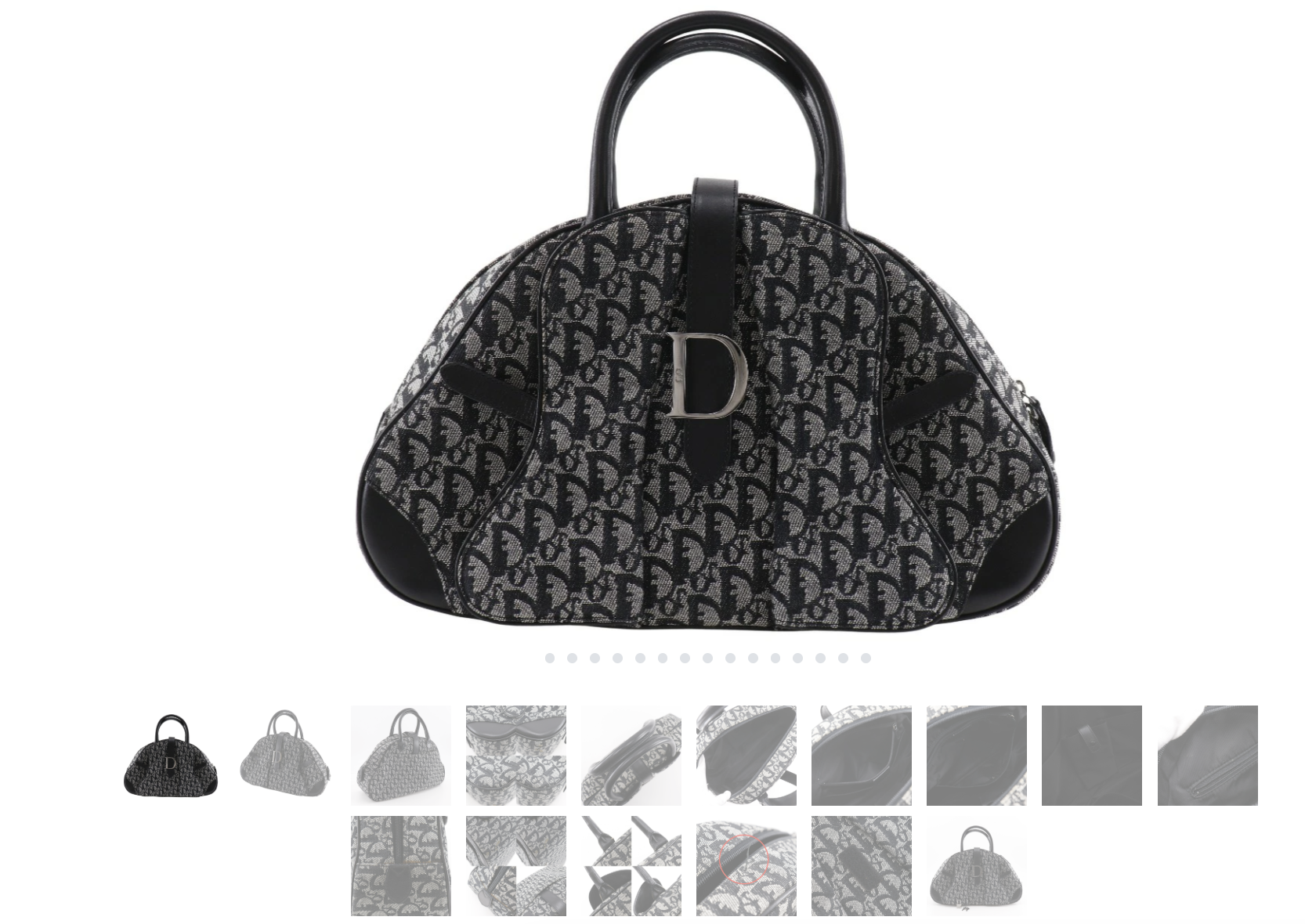
If you've browsed Japanese luxury websites before, you've probably noticed that some listings include thirty or forty photos.
That isn't done to fill space.
Japanese resale stores want buyers to see exactly what they're purchasing. Instead of showing only the best angles, they usually photograph every important part of the bag.
Expect to see close-up images of:
- Front and back
- Both sides
- Bottom corners
- Top handles
- Shoulder strap
- Interior
- Pocket lining
- Hardware
- Zipper
- Stitching
- Date code or serial number when applicable
At first, it may feel like too much information.
After you've compared a few listings, you'll probably appreciate just how transparent these stores are.
Those extra photos give you a much clearer picture of the bag than a handful of polished images ever could.
ZenLuxe keeps these detailed listing photos, so you can inspect a bag almost as closely as you could in person. Taking a few extra minutes to zoom in on the corners, handles, stitching, and hardware often tells you much more than the condition grade alone.
Don't Judge a Listing by the First Photo
(Image credit: zenluxe)
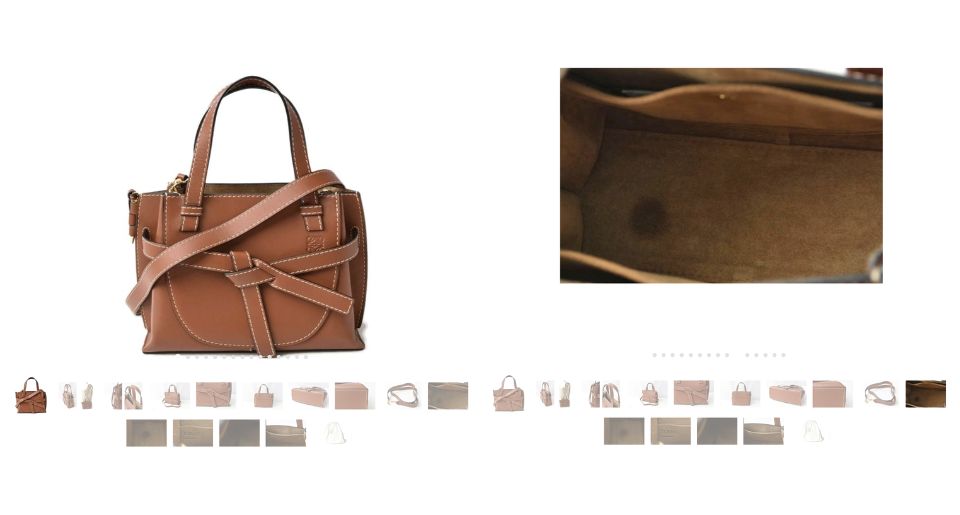
The first photo is designed to grab your attention.
It's usually taken from the most flattering angle with good lighting, making the bag look its absolute best. Experienced buyers don't stop there. They scroll through every single image before making any decisions.
The last few photos often show the areas that matter most, including corner wear, scratches on the hardware, stains inside the bag, or small marks that aren't visible from the front.
That's not a bad thing.
In fact, it's one reason buyers trust Japanese luxury sellers. Rather than hiding imperfections, many stores photograph them clearly so you know exactly what you're getting.
Before you compare prices or decide whether a bag is a good deal, make sure you've looked through every image. Those final photos often tell you more than the first one ever could.
Learning to Read Measurements
(Image credit: zenluxe)
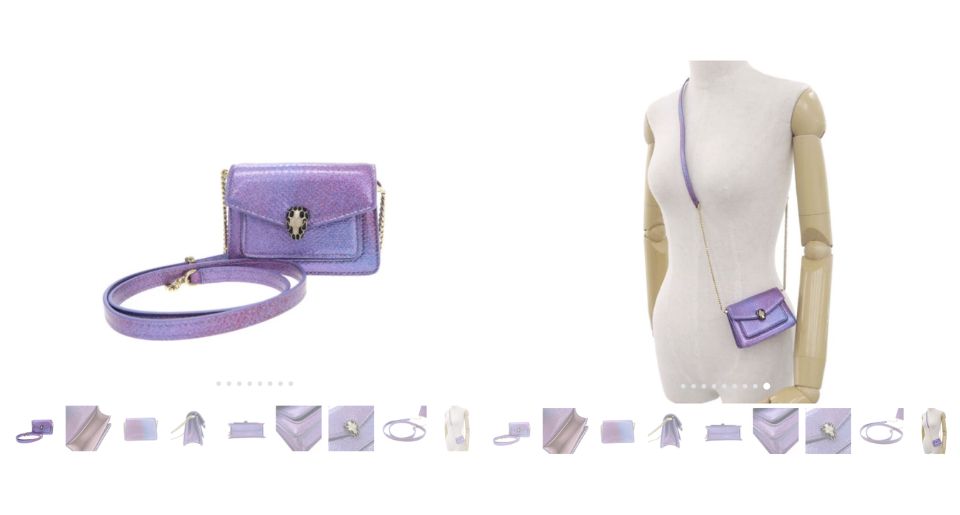
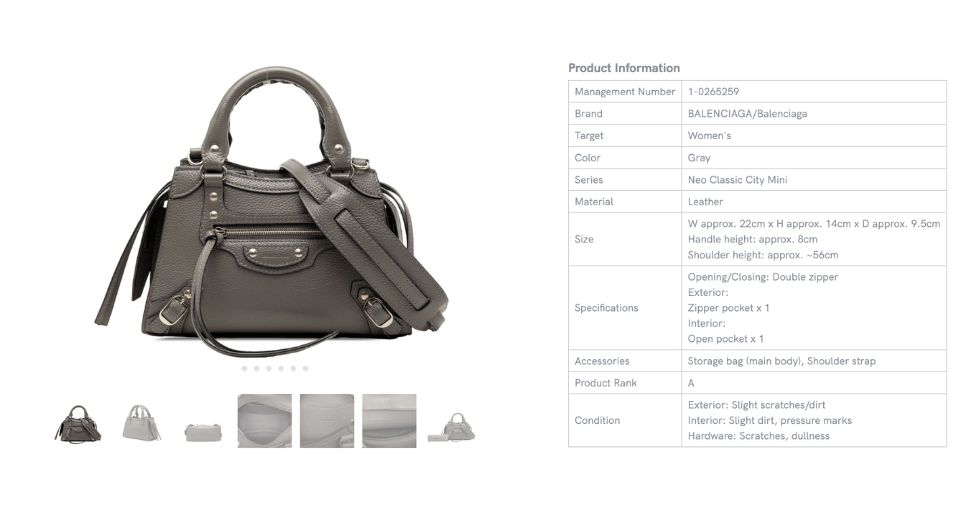
One of the biggest differences between Japanese and Western listings is the way measurements are presented. Japanese stores almost always provide the exact dimensions.
Rather than saying a bag is "medium-sized," they'll list measurements such as:
- Width: 31 cm
- Height: 22 cm
- Depth: 13 cm
- Handle Drop: 10 cm
- Shoulder Strap: 98–115 cm
At first, these numbers may not mean much. Instead of trying to imagine them, compare them with a bag you already own. Grab a tape measure and see how those dimensions relate to something in your own collection. It's one of the easiest ways to avoid buying a bag that's much smaller or larger than expected.
Pay particular attention to handle drop. Some handbags look like shoulder bags but are actually designed to be carried by hand. Others include adjustable straps that significantly change how the bag can be worn.
Measurements can also explain price differences. A Mini Lady Dior and a Medium Lady Dior may look similar in photos, but the size difference dramatically changes how much they hold and how they're used.
ZenLuxe includes detailed measurements for every listing, making it much easier to compare different sizes before you buy. That's especially helpful when you're deciding between Mini, Small, Medium, and Large bags that can look almost identical in photos but feel completely different in everyday use.
Understanding Common Japanese Abbreviations
(Image credit: zenluxe)
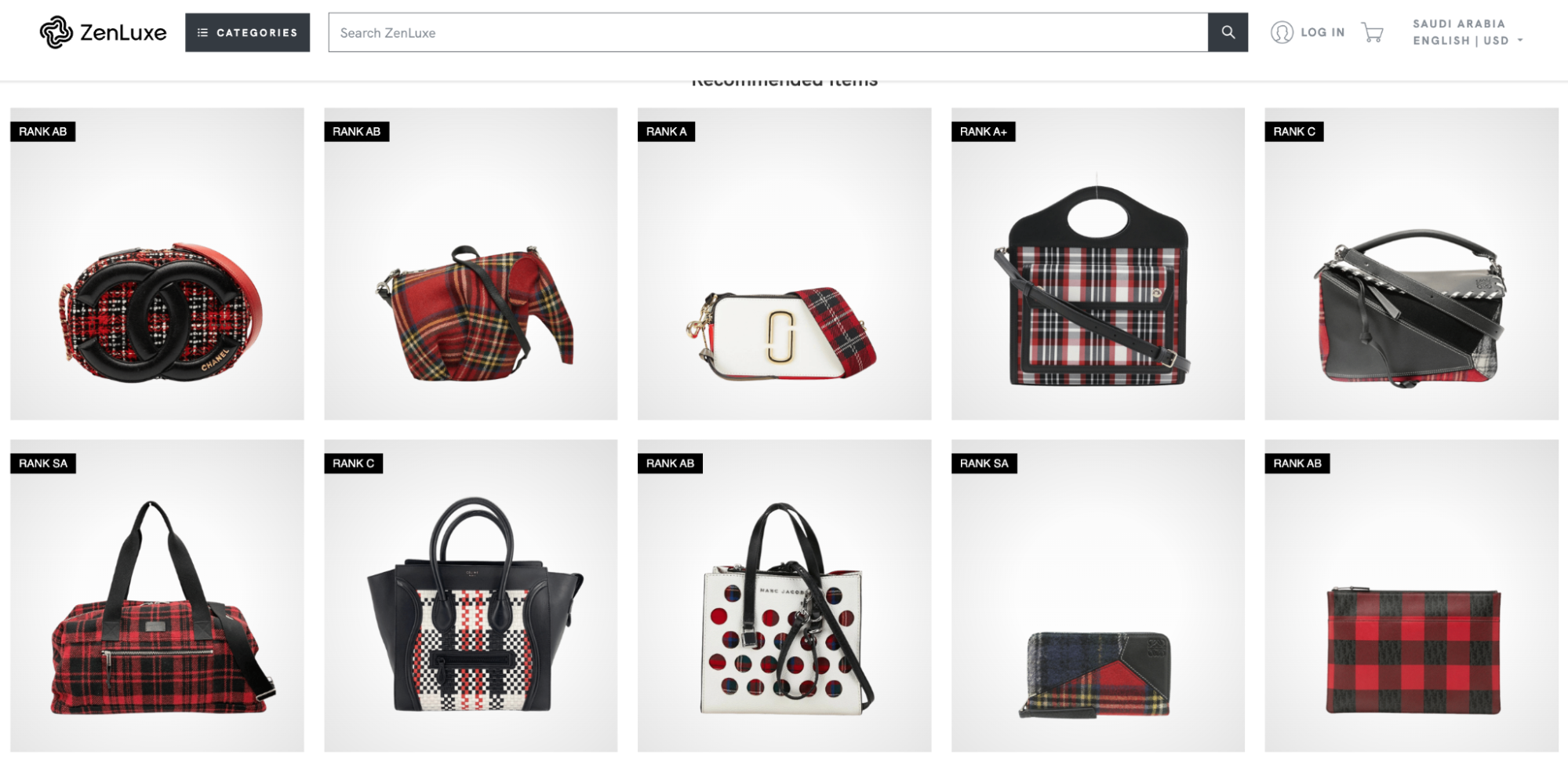
Japanese listings often include abbreviations that appear confusing until you've seen them a few times.
Fortunately, many become easy to recognize.
N
Usually refers to a brand-new item.
S
Like new, with little or no visible wear.
SA
Almost new with extremely light signs of use.
A
Excellent condition with minor wear.
AB
Very good condition with visible but moderate signs of use.
B
Clearly used but still functional and attractive.
Some stores use slightly different grading systems, so always read the written description alongside the grade.
You'll also see abbreviations referring to accessories.
Examples include:
Gカード
Guarantee card
保存袋
Dust bag
箱
Box
ストラップ
Shoulder strap
Even if you don't read Japanese, recognizing these words makes it much easier to understand what's included.
Why Condition Grades Don't Tell the Whole Story
(Image credit: zenluxe)
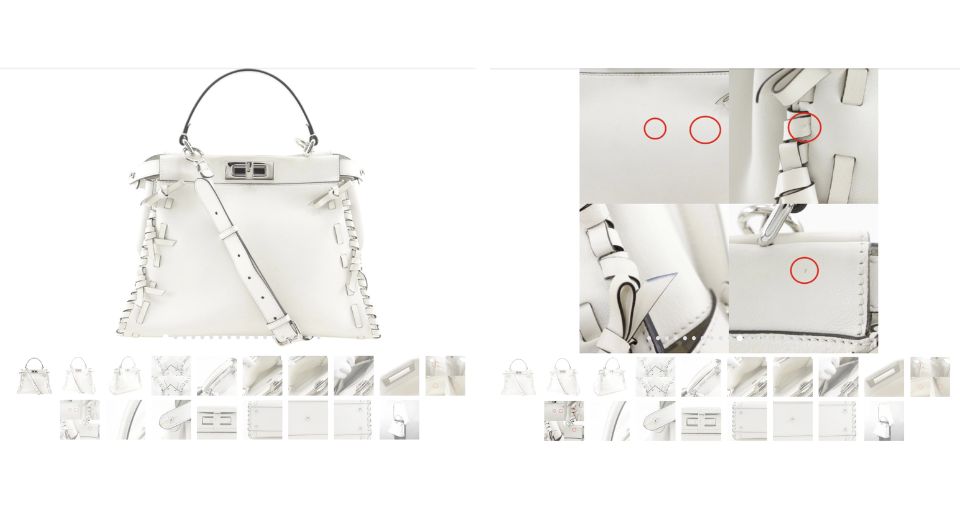
Many first-time buyers focus only on the condition grade. Experienced collectors usually start with the photos instead.
A bag graded AB from one Japanese seller may look better than an A grade from another. That's because every resale company has its own grading standards. Some stores are extremely strict and lower the grade because of one tiny scratch. Others place more emphasis on overall appearance.
This is why photographs matter far more than a single letter.
Use the condition grade as a starting point, then carefully inspect the images. Look at the corners, handles, glazing, hardware, stitching, and interior. Together, those details paint a much more accurate picture than the grade alone.
One of the best values on the Japanese second-hand market is often an AB bag that's been conservatively graded but still looks excellent.
Learning to recognize those listings can save you hundreds of dollars without sacrificing quality.
What's Included? Why Accessories Matter
(Image credit: zenluxe)
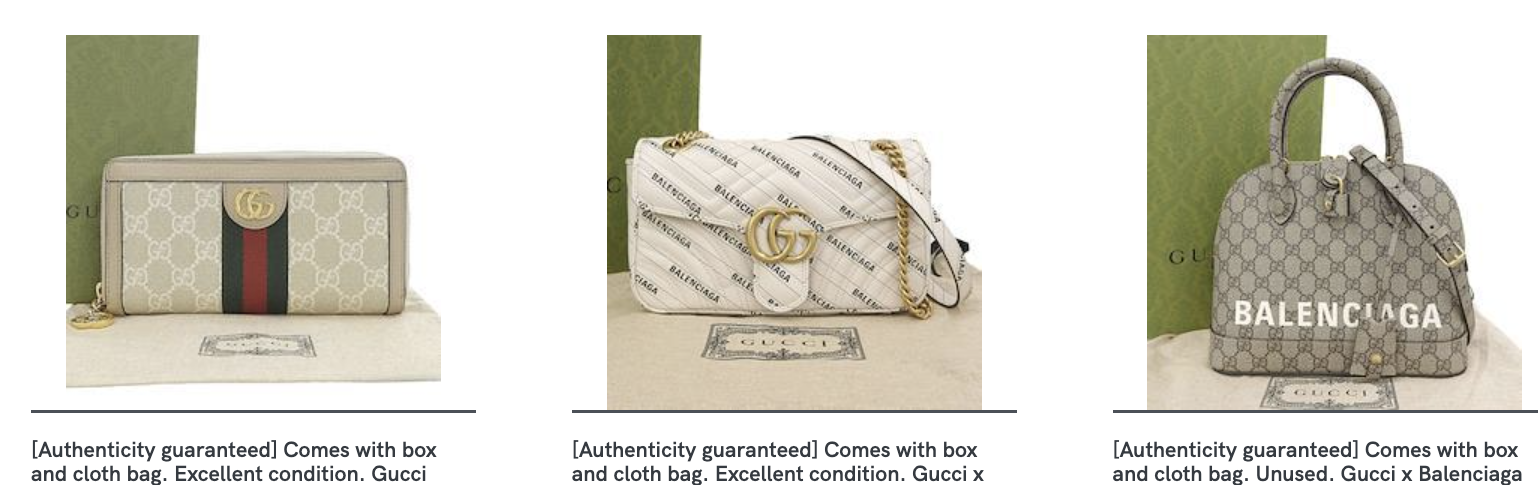
One detail many buyers overlook is what's included with the bag.
At first, it may not seem important whether a listing comes with the original box or dust bag. After all, you're buying the handbag itself. However, accessories can affect both the price you pay today and the resale value if you decide to sell the bag later.
Japanese listings usually make this very clear. Instead of leaving buyers guessing, they often list every included item.
You may see accessories such as:
- Original dust bag
- Storage box
- Shoulder strap
- Lock and keys
- Clochette
- Luggage tag
- Pochette
- Authenticity card
- Care booklet
- Original receipt
Some bags simply aren't complete without certain accessories.
For example, a Louis Vuitton Neverfull without its matching pouch will usually sell for less than a complete set. A Speedy Bandoulière missing its shoulder strap may also be priced lower because replacing the strap can be expensive.
Hermès bags often include accessories such as the clochette, padlock, keys, rain cover, and dust bags. Having the complete set generally makes the bag more desirable to collectors.
That doesn't mean you should only buy complete sets.
If you're planning to keep and enjoy the bag for years, a missing dust bag probably isn't a deal breaker. But if you're thinking about future resale, complete accessories usually make the bag easier to sell.
When you're browsing ZenLuxe, it's easy to compare what's included with each listing and how clearly each listing explains what's included. It's easy to compare two similar bags and quickly see whether one comes with the original box, dust bag, shoulder strap, authenticity card, or other accessories that can add value.
Understanding Hardware Colors
(Image credit: zenluxe)
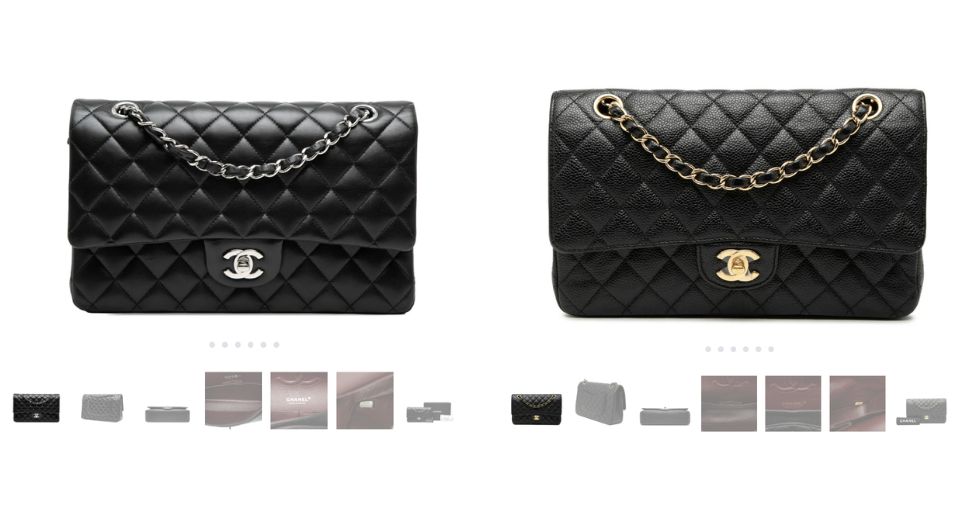
Hardware plays a much bigger role than many first-time buyers realize. Japanese listings almost always mention the hardware finish because buyers often have a strong preference.
Some of the most common finishes include:
- Gold Hardware (GHW)
- Silver Hardware (SHW)
- Antique Gold
- Ruthenium
- Champagne Gold
- Palladium
These aren't simply color choices. They can completely change how a handbag looks.
A black Chanel Classic Flap with gold hardware has a very different feel from the same bag with silver hardware. The same is true for Lady Dior, Gucci Jackie, Dior Saddle, and many other luxury handbags.
Some hardware combinations are also produced in smaller numbers, making them harder to find on the second-hand market.
When comparing two listings, always make sure you're looking at the same hardware finish. A price difference may simply come down to rarity rather than condition.
Date Codes, Serial Numbers, and Microchips
(Image credit: zenluxe)
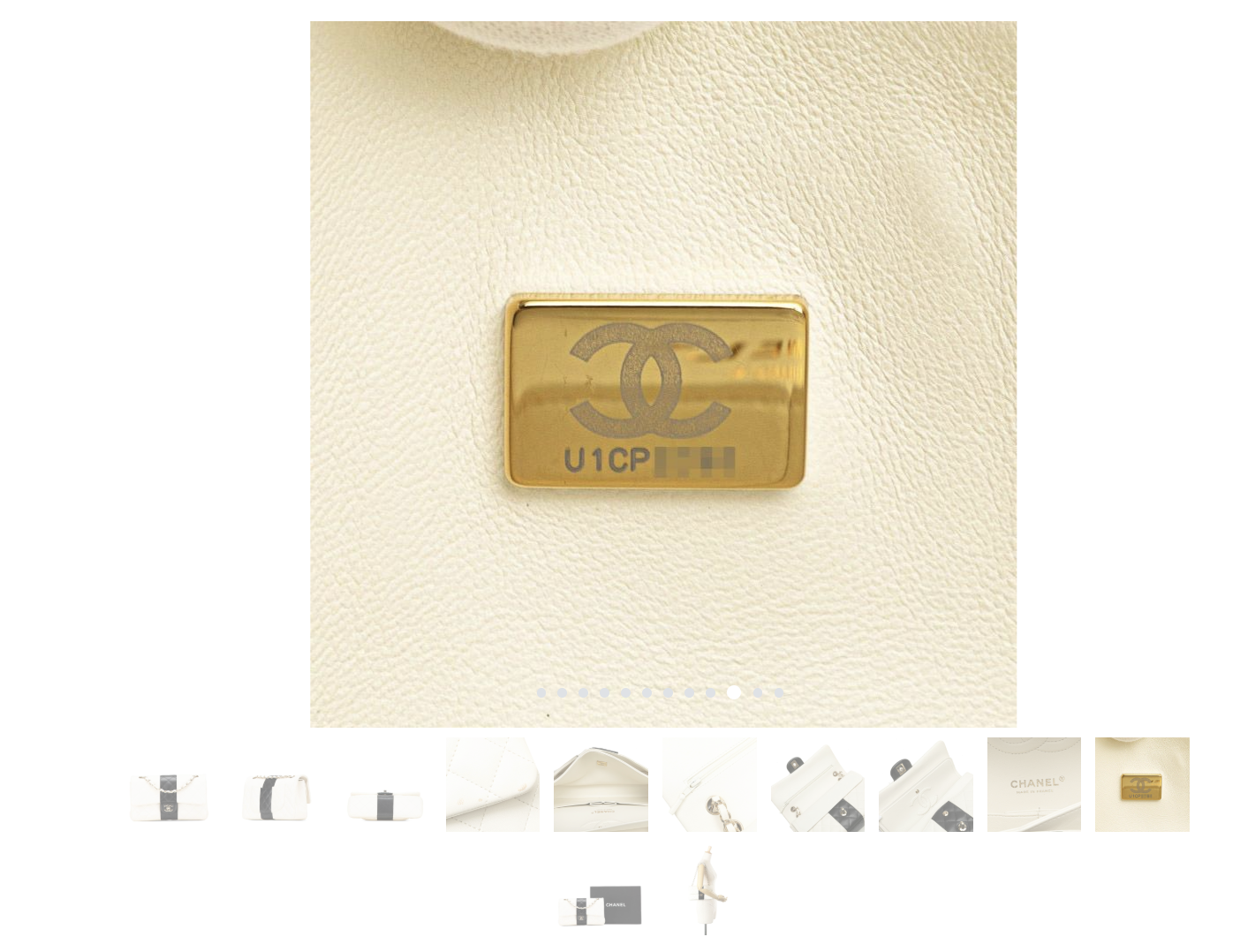
One section that often confuses new buyers is the authentication information. Different luxury brands identify their products in different ways.
Older Louis Vuitton bags include date codes that indicate when and where the bag was produced. These aren't serial numbers, and they don't prove authenticity on their own. In recent years, Louis Vuitton has gradually replaced date codes with embedded microchips. Because of this, it's completely normal for newer bags to have no visible date code.
Chanel has also changed its authentication system. Older bags typically include serial number stickers, while newer pieces use digital microchip technology instead.
Gucci, Prada, Dior, Fendi, and Celine each have their own production markings depending on the year and model.
If a listing mentions a date code, serial number, or chip, it's simply providing additional information about the bag. Remember that authentication should never rely on a single number.
Professional luxury resellers evaluate the bag as a whole, including its construction, materials, stitching, hardware, and craftsmanship.
Common Japanese Listing Phrases
Even if you don't read Japanese, you'll quickly notice the same words appearing across different listings. Learning just a handful of phrases makes shopping much easier.
Some of the most useful include:
美品 (Bihin)
Beautiful item or excellent condition.
This doesn't necessarily mean the bag is brand new, but it has usually been very well cared for.
未使用品 (Mishiyōhin)
Unused item.
Depending on the seller, this may refer to a bag that has never been carried but could have been stored for some time.
使用感あり (Shiyōkan Ari)
Signs of use.
This is one of the most common phrases you'll see.
It doesn't automatically indicate heavy wear.
Instead, it simply tells buyers the bag has been used before.
角スレ (Kado Sure)
Corner rubbing.
Corners naturally receive the most contact during everyday use, so this is worth checking carefully in the photos.
金具傷 (Kanagu Kizu)
Scratches on the hardware.
Hairline scratches are common, especially on polished finishes.
型崩れ (Katakuzure)
Loss of shape.
Structured handbags like the Lady Dior or Dior Book Tote should maintain their shape well, so this description deserves a closer look.
汚れ (Yogore)
Stains or dirt.
The photos usually show exactly where these marks appear.
The more familiar you become with these phrases, the less intimidating Japanese listings feel.
Read the Photos Before You Read the Price
(Image credit: zenluxe)
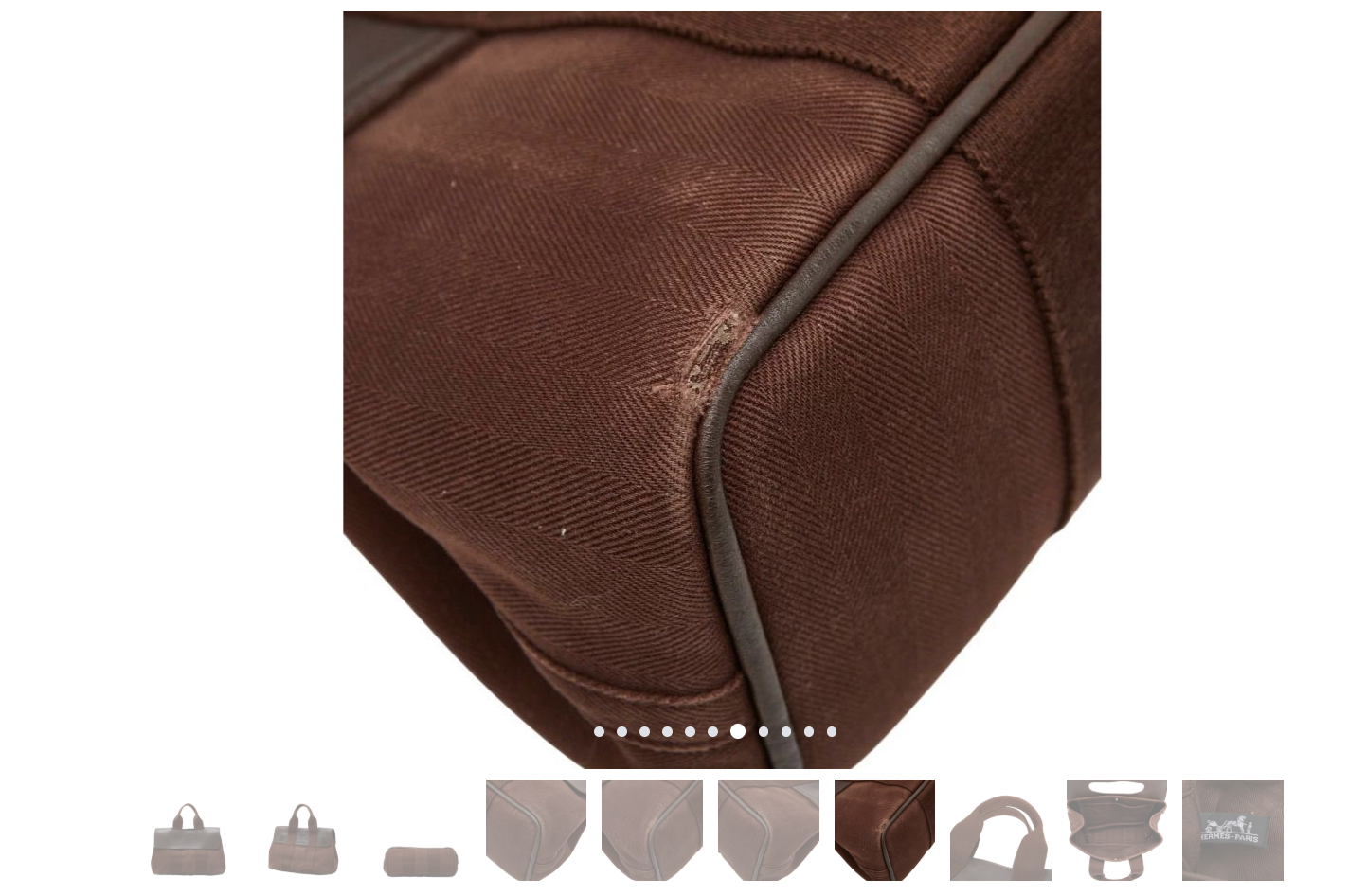
One habit separates experienced buyers from beginners. Experienced buyers study the photographs first. Many shoppers immediately notice the price, then decide whether the listing seems like a bargain.
A better approach is to ignore the price at first. Instead, inspect every photo. Start with the overall shape.
Does the bag still stand properly?
Are the handles symmetrical?
Does the leather appear smooth and evenly colored?
Next, zoom in on the corners. Most wear begins here. Then check the hardware. Look for deep scratches, fading, chipped plating, or tarnishing. Continue with the interior. Small stains may not matter to you, but large ink marks or heavy discoloration could affect future resale value.
Finally, compare these observations with the written description. You'll often notice that Japanese sellers describe even the smallest flaws. That honesty is one reason buyers continue to trust the Japanese second-hand market.
When you're browsing ZenLuxe, try opening a few similar listings in separate tabs. Compare the photos before you compare the prices. Small differences in the leather, hardware, corners, or included accessories often explain why one bag costs more than another.
Compare Listings Before You Buy
(Image credit: zenluxe)
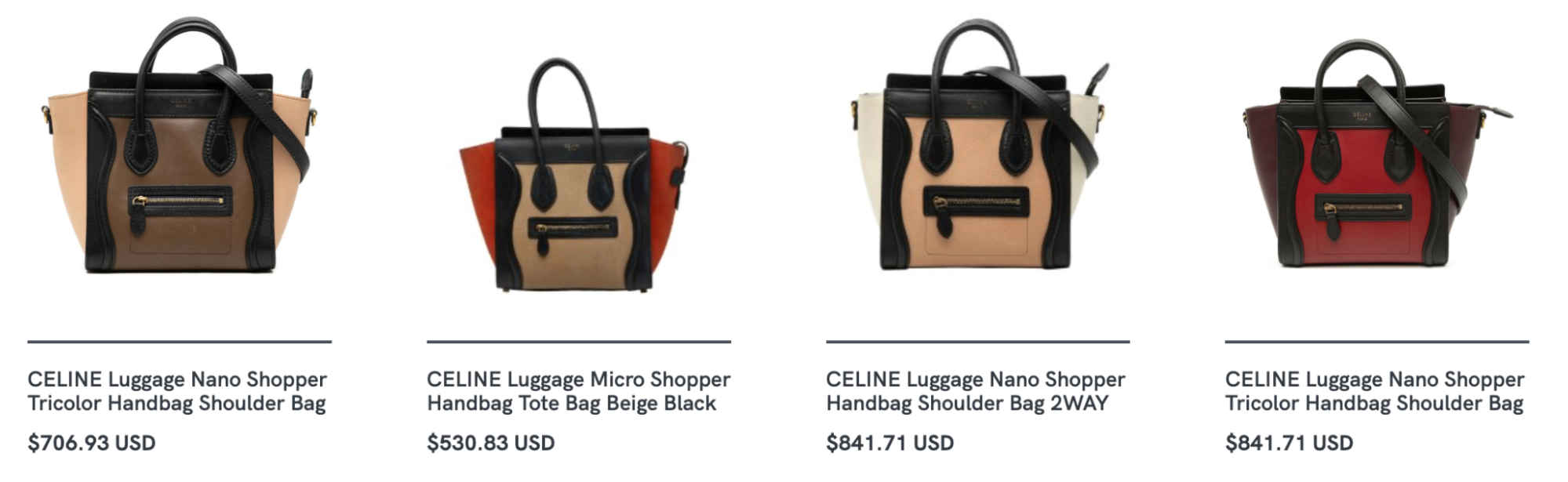
One of the biggest advantages of online shopping is that you're rarely limited to one listing. If you find a bag you like, don't rush. Open several similar listings.
Compare:
- Overall condition
- Leather quality
- Corner wear
- Hardware finish
- Included accessories
- Interior cleanliness
- Shape
- Production year
- Price
Sometimes spending an extra $150 gets you a bag with significantly less wear and a complete set of accessories. Other times, you'll find a lower-priced listing that looks almost identical to one costing much more. The more listings you compare, the easier these differences become to recognize.
One advantage of shopping on ZenLuxe is that you aren't limited to a single store's inventory. Since the platform brings together listings from multiple trusted Japanese luxury retailers, you can compare similar bags side by side without jumping between different websites. Looking at several listings together makes it much easier to compare prices, condition, colors, sizes, and included accessories before deciding which bag offers the best overall value.
Don't Be Afraid of Honest Descriptions
(Image credit: zenluxe)
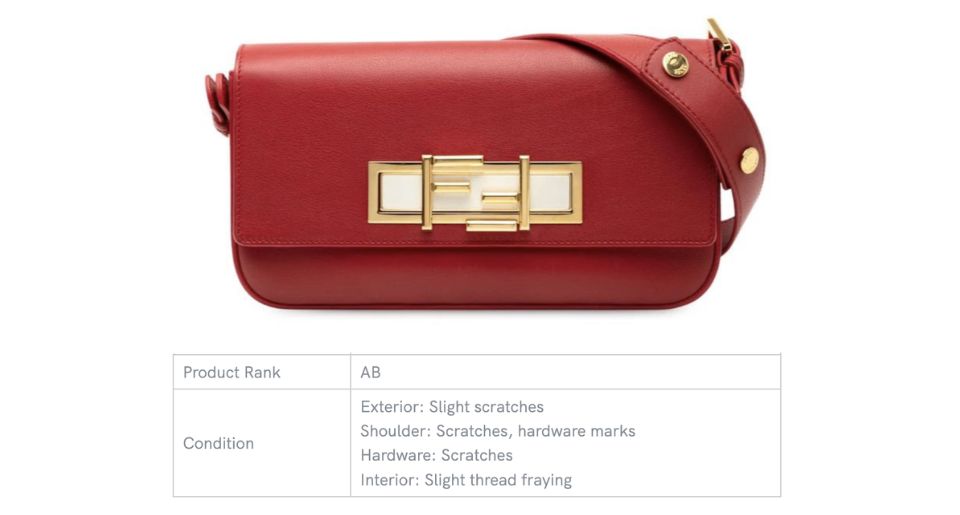
Many first-time buyers worry when they read long lists of flaws. Ironically, those detailed descriptions are often a positive sign.
Japanese luxury sellers tend to mention every scratch, wrinkle, pressure mark, or tiny stain they can find. That doesn't mean the bag is in poor condition. It usually means the seller wants buyers to know exactly what they're receiving.
A listing with several carefully documented imperfections is often more trustworthy than one with almost no description at all. Always balance the written notes with the photographs before making your decision.
Your Checklist Before Buying
(Image credit: zenluxe)
Before adding any luxury bag to your cart, take a few minutes to go through a simple checklist.
Ask yourself:
- Have I compared this listing with similar ones?
- Did I check every corner and edge?
- Does the hardware match what I want?
- Are all the accessories included?
- Have I looked closely at the interior?
- Do the measurements fit my needs?
- Does the condition match the asking price?
- Have I read the seller's notes from beginning to end?
Answering these questions only takes a few minutes, but it can help you avoid disappointment after your bag arrives.
Final Thoughts
(Image credit: zenluxe)
Shopping for pre-owned luxury bags from Japan becomes much easier once you understand how listings are organized.
What first looks like a long title filled with unfamiliar words is actually a detailed summary packed with useful information. Measurements help you picture the bag's size, accessories explain what's included, condition notes highlight areas of wear, and photographs allow you to inspect the item from almost every angle before buying.
Whether you're searching for your first designer bag or adding another piece to your collection, taking the time to understand these details can help you make smarter buying decisions and avoid costly mistakes.
The more listings you read, the faster these details become second nature. After a while, you'll begin recognizing model numbers, understanding condition notes, and spotting well-priced bags almost immediately.
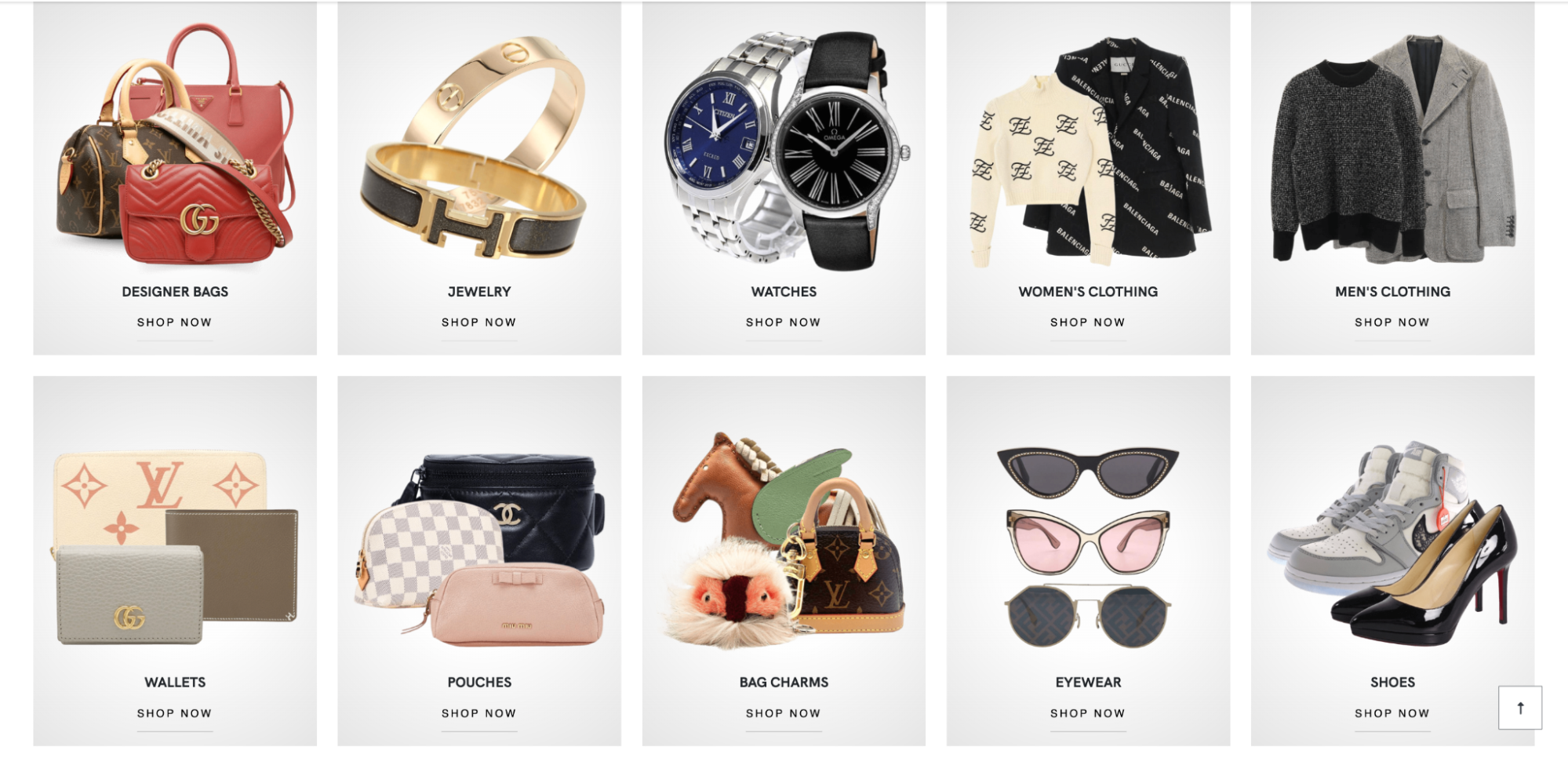
Shopping through ZenLuxe makes that learning process even easier. With thousands of carefully documented listings from trusted Japanese luxury retailers, you can compare different models, sizes, colors, conditions, and prices all in one place before deciding which bag is right for you.
Once you know what to look for, you're no longer just browsing—you're shopping with confidence.