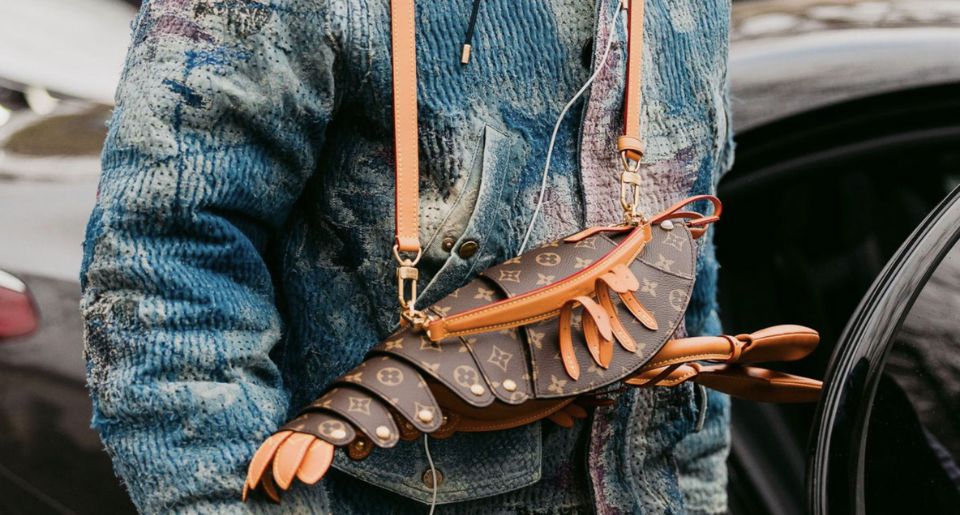
(Image credit: purse blog)
Contents
- The Bag You Waited Forever to Buy
- When "Keeping It Perfect" Takes Over
- The Fear of the First Scratch
- But Some Bags Really Are Too Special
- The Difference Between Collecting and Hoarding
- The Case for Actually Wearing Your Bags
- The Resale Value Question
- What About Keeping the Packaging?
- The Closet Problem
- Maybe We Need Different Rules for Different Bags
- The Bag Should Fit Your Life
- What I Would Actually Do
- Some Bags Are Meant to Age
- The Real Luxury Is Being Able to Enjoy It
- So, Collect, Protect, or Use It?
There’s a strange moment that happens when you finally buy the luxury bag you've wanted for a long time.
At first, you're excited. You want to take it everywhere. You imagine all the outfits you’ll wear it with, where you'll take it, and how good it's going to look.
Then you look at the price tag. Suddenly, you're thinking about rain, Coffee, Scratches, Crowded restaurants, Someone accidentally brushing against it and somehow, the bag that you bought because you loved it is now sitting inside its dust bag, safely tucked away in your closet.
I've definitely thought about this dilemma before, and I think it's one of the strangest parts of collecting luxury handbags. At what point does protecting a bag become more important than actually enjoying it?
There are collectors who keep their bags almost untouched. There are people who believe a luxury bag should be worn and enjoyed regardless of what happens to it. And then there are people like me who can understand both sides and still spend ten minutes deciding whether today's outfit is "worthy" of the bag.
So what are we actually supposed to do?
The Bag You Waited Forever to Buy
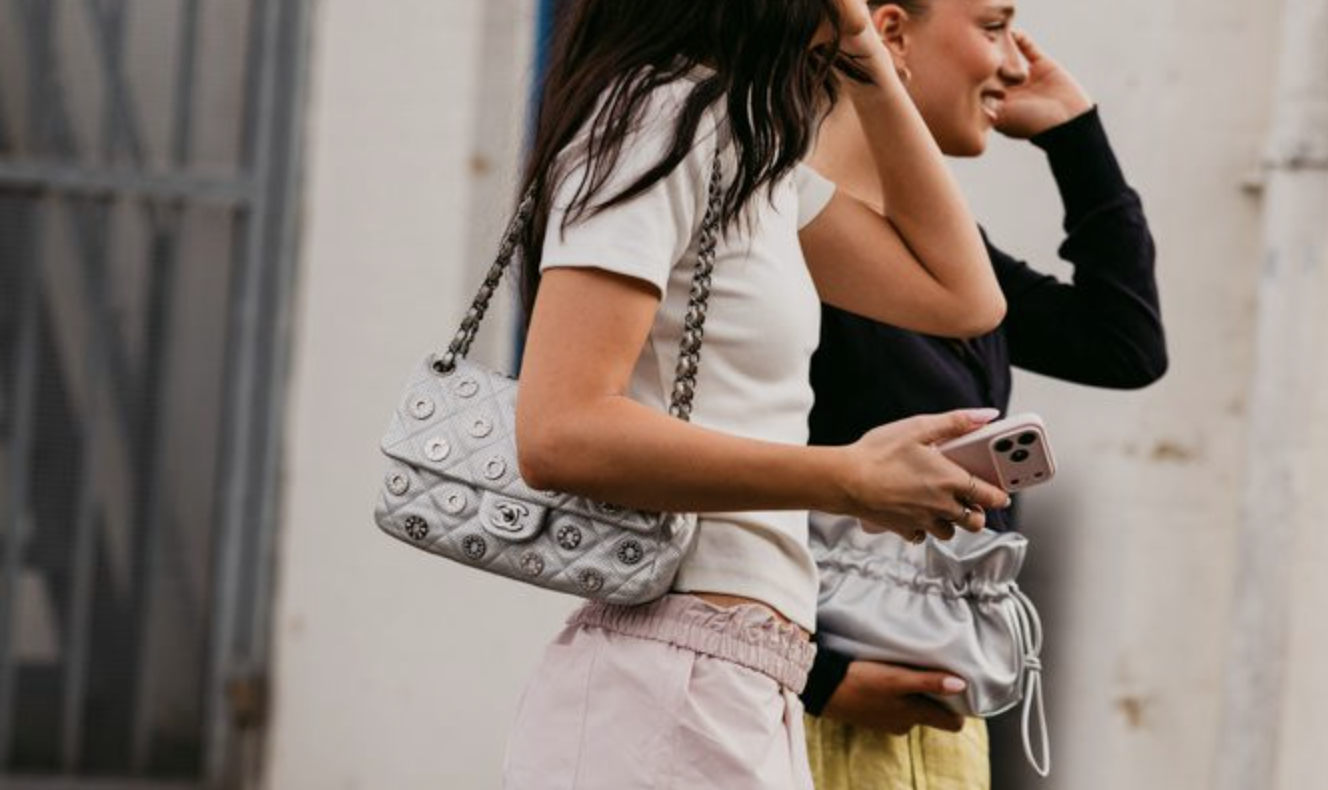
(Image credit: purse blog)
I think the problem starts before you even buy the bag.
Sometimes you spend months, or even years, thinking about one particular piece. You save for it, look at photos, compare versions, check resale listings and wait for the right one to appear.
By the time you finally own it, the bag has become more than just a handbag. You've built up a story around it.
Maybe it's your first Chanel. Maybe you've always wanted a vintage Louis Vuitton. Maybe you've been looking for a particular Gucci color that isn't made anymore. Maybe it's a limited edition that took you forever to find.
That emotional attachment makes it much harder to use the bag normally. You don't look at it and think, "It's a handbag." You think, "I've wanted this for three years."
And suddenly getting caught in the rain feels like a personal tragedy.
I think that's where the collector mentality can become a little complicated. The more special a piece feels, the harder it can be to treat it like an everyday object.
When "Keeping It Perfect" Takes Over
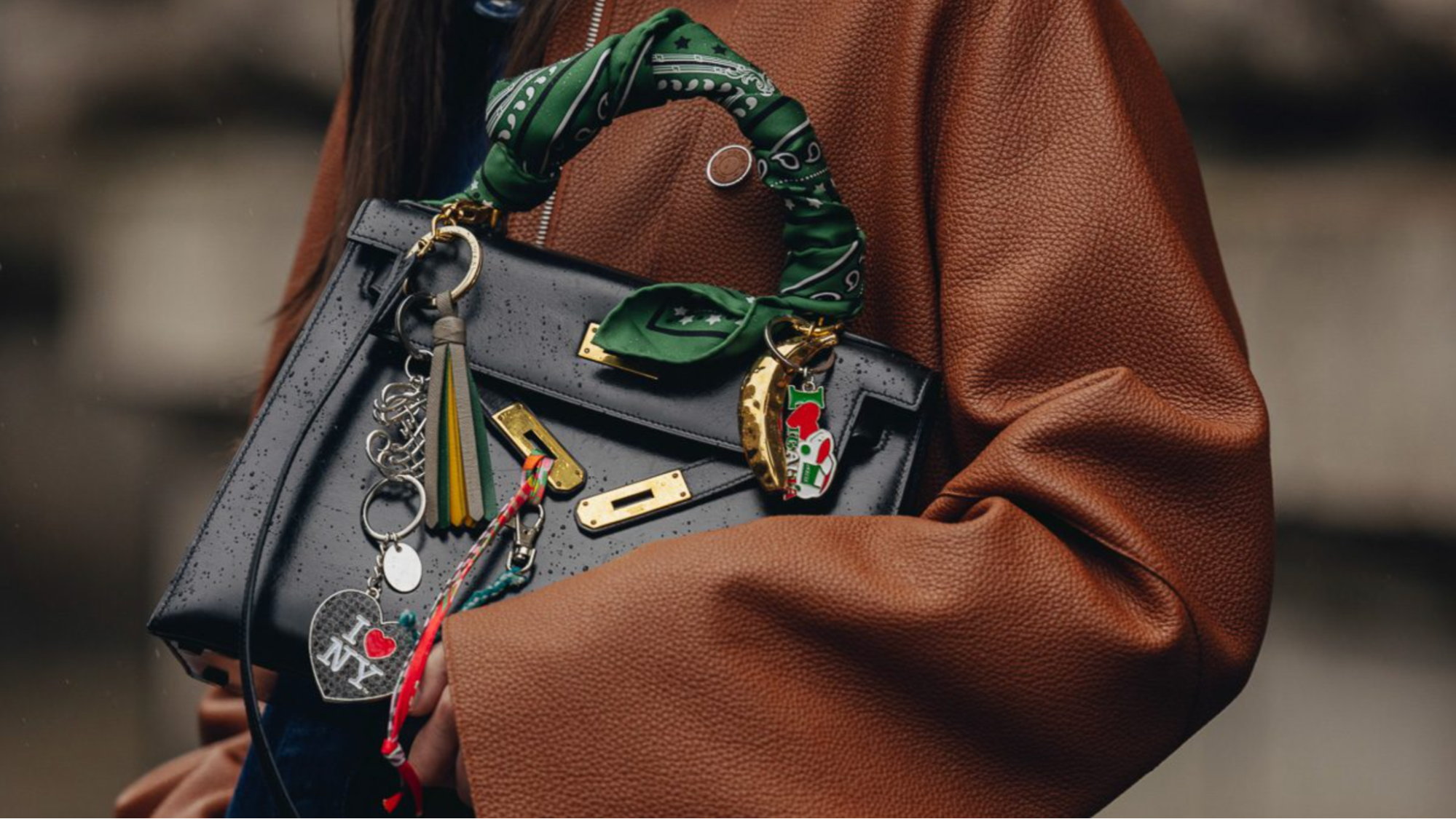
(Image credit: purse blog)
There’s nothing wrong with taking care of your bags. Actually, I think we should.
Luxury handbags aren't cheap, and good care can make a huge difference in how a bag looks and how long it lasts. Storing it properly, keeping it away from harsh conditions and paying attention to the material all make sense.
The problem starts when protecting the bag becomes the entire point.
I've seen people buy beautiful bags and then barely use them because they're terrified of damaging them. And I understand it. You spend a lot of money on something, so naturally you want it to stay beautiful.
But sometimes I wonder if we're putting too much pressure on ourselves to keep everything looking brand new.
A handbag isn't a piece of glass. It's supposed to be carried. It's going to touch a table. It's going to sit in a car. It's going to pick up a few tiny marks. The handle is going to show some wear.
That's normal.
And honestly, sometimes that wear makes the bag better.
The Fear of the First Scratch
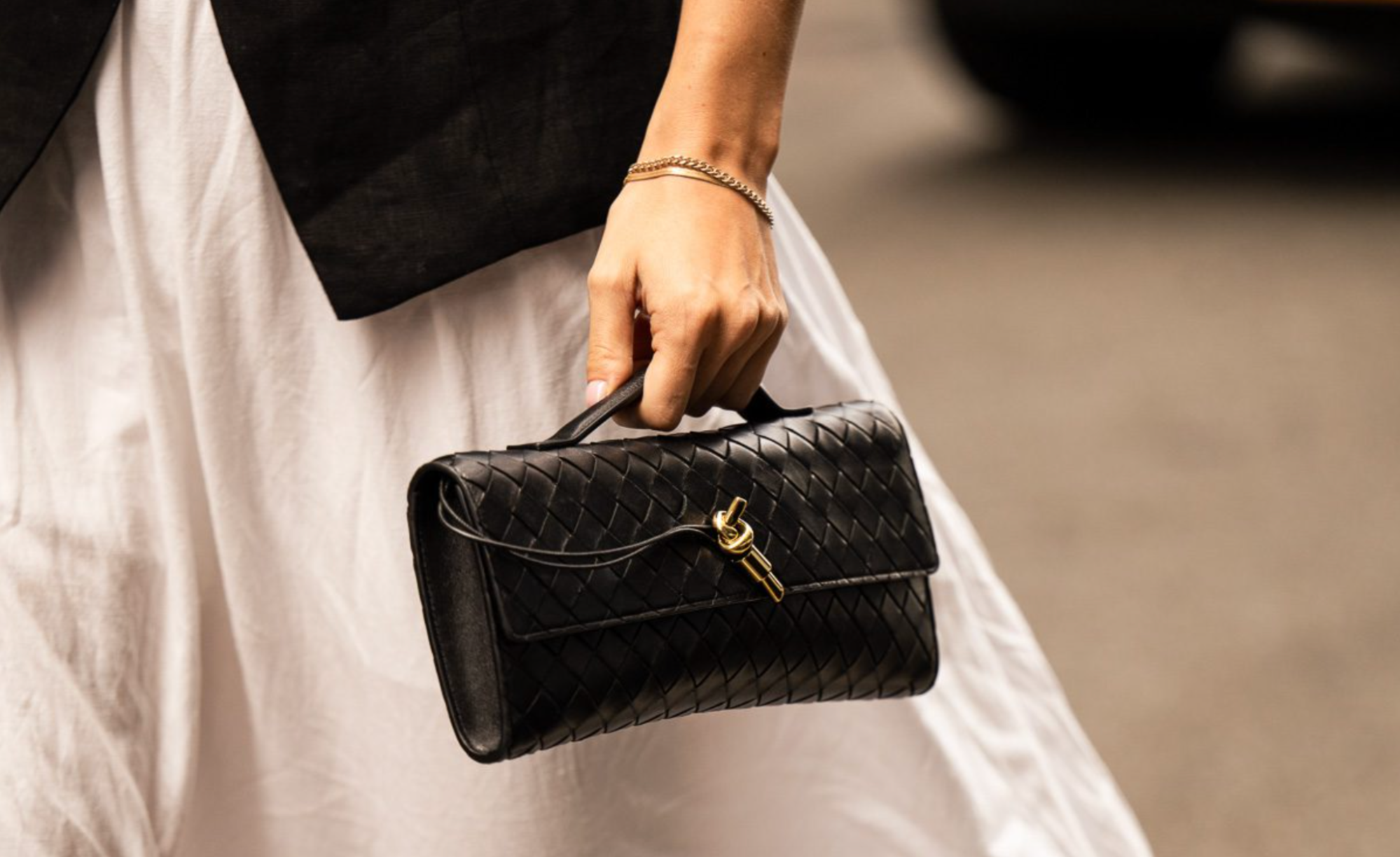
(Image credit: purse blog)
I think the first scratch is the hardest. Before it happens, you're constantly thinking about it.
You put the bag down carefully. You check the weather. You avoid touching it against walls. You might even carry it differently because you're trying to protect one particular corner.
Then eventually it happens. A little mark.
And for a second, you feel horrible.
But after that?
You usually realize it's not the end of the world. The bag is still beautiful.
This is one of the reasons I think we sometimes have to get past the idea that a luxury bag needs to remain perfect forever. The first mark feels huge because the bag was perfect before. Once you've accepted that it's going to develop some character, you can actually relax and enjoy carrying it.
Of course, I'm not saying you should throw your bag on the floor or ignore obvious care instructions. There's a difference between normal wear and treating an expensive handbag badly.
I'm talking about the small signs of life that happen when you actually use something.
But Some Bags Really Are Too Special
(Image credit: purse blog)
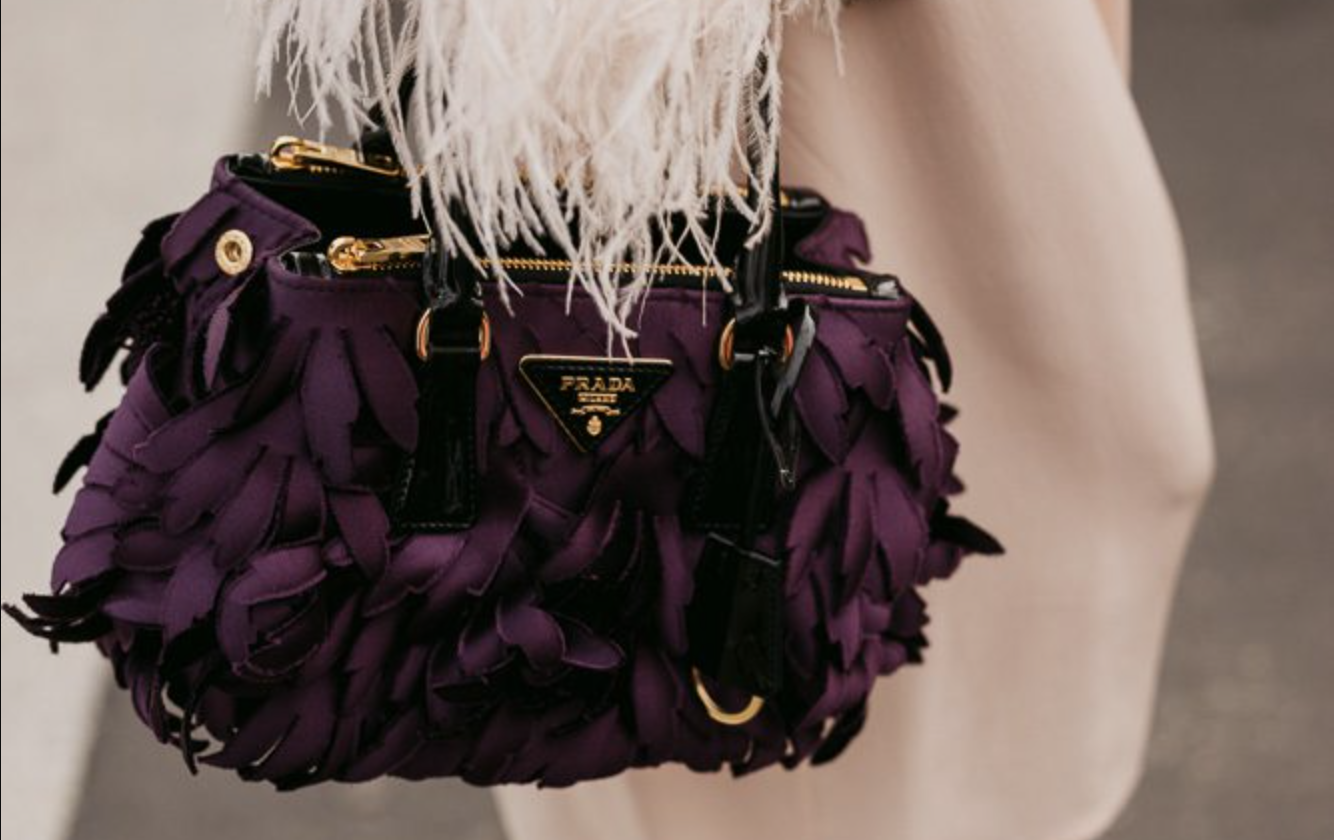
Having said all of that, I don't think every bag needs to become an everyday bag. Some pieces really are special.
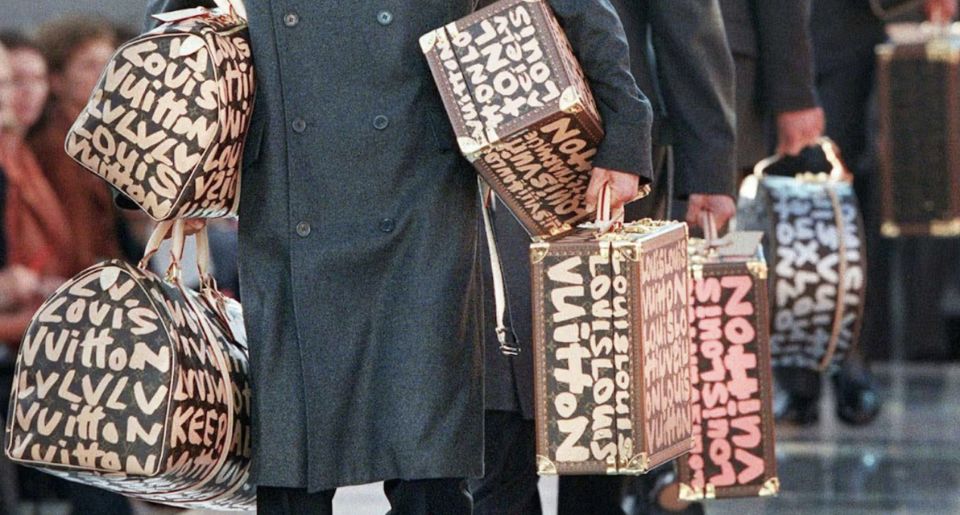
Maybe it's an extremely rare vintage piece. Maybe it's a collaboration that you spent years trying to find. Maybe it's made from a delicate material that simply isn't practical for everyday use.
In those cases, I completely understand wanting to protect it.
If you own a bag that is difficult to replace, using it for every coffee run probably isn't necessary. That's where I think collecting becomes personal. You don't have to treat every bag in your closet the same way.
One bag can be your everyday workhorse. Another can be the one you take to dinner. Another might only come out a few times a year.
And that's completely fine. The mistake is thinking there has to be one rule for every handbag.
The Difference Between Collecting and Hoarding
(Image credit: purse blog)
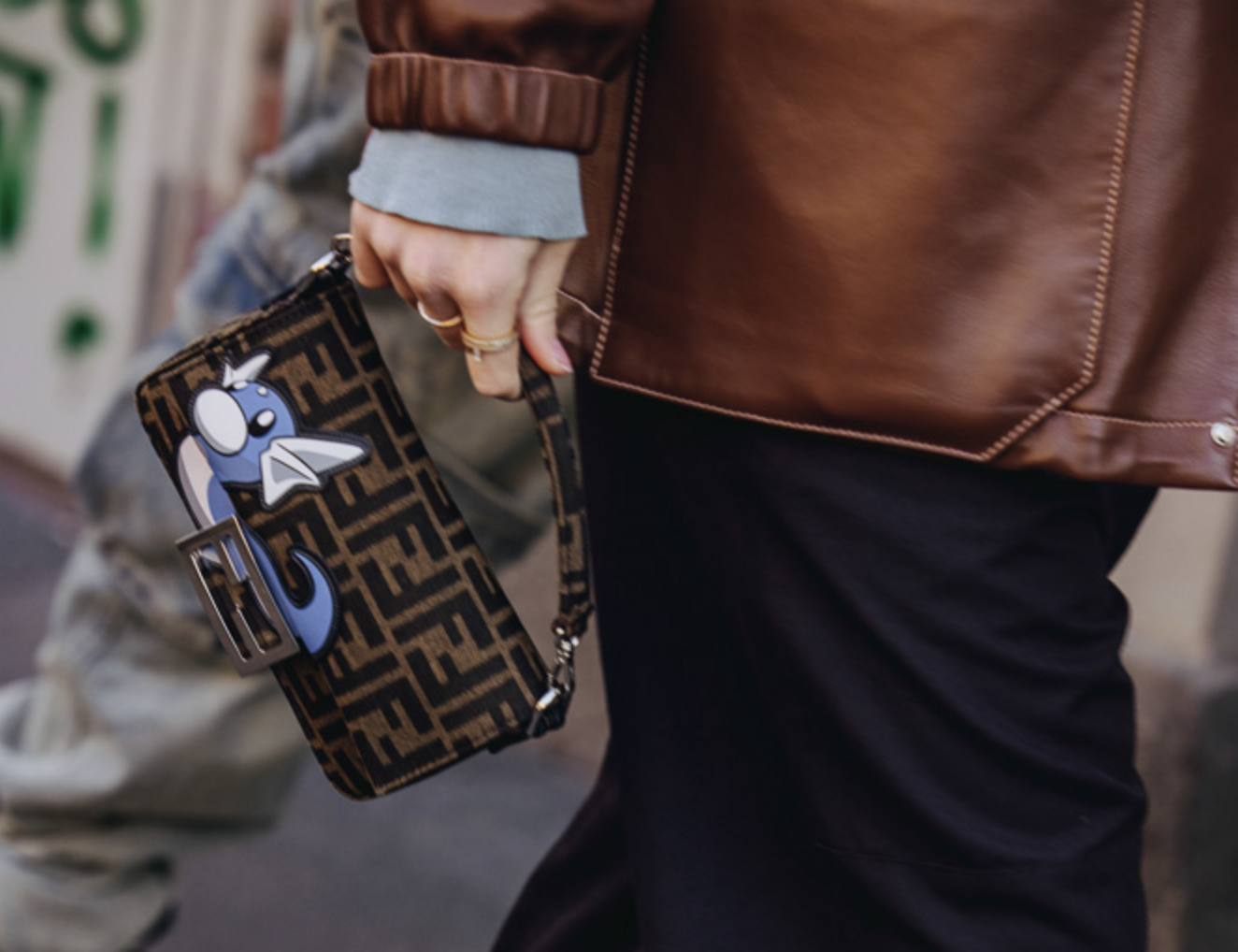
I think there's also a difference between collecting and simply accumulating things. A collection usually has some kind of personal logic behind it.
Maybe you collect a particular brand. Maybe you're interested in vintage bags from a certain decade. Maybe you love collaborations. Maybe you look for unusual colors or discontinued models.
You know why each piece is there. When you have that connection, the bags become much more interesting. But if you're buying something just because it's rare, then putting it away and never looking at it again, I think you're missing part of the fun.
For me, collecting fashion is about having a relationship with the pieces. I want to know why I like a bag. I want to know what makes it different. I want to wear it and see how it works with my clothes. I also want to understand where it came from and why it became interesting in the first place.
A bag can be collectible and still be used. Those things aren't opposites.
The Case for Actually Wearing Your Bags
(Image credit: purse blog)
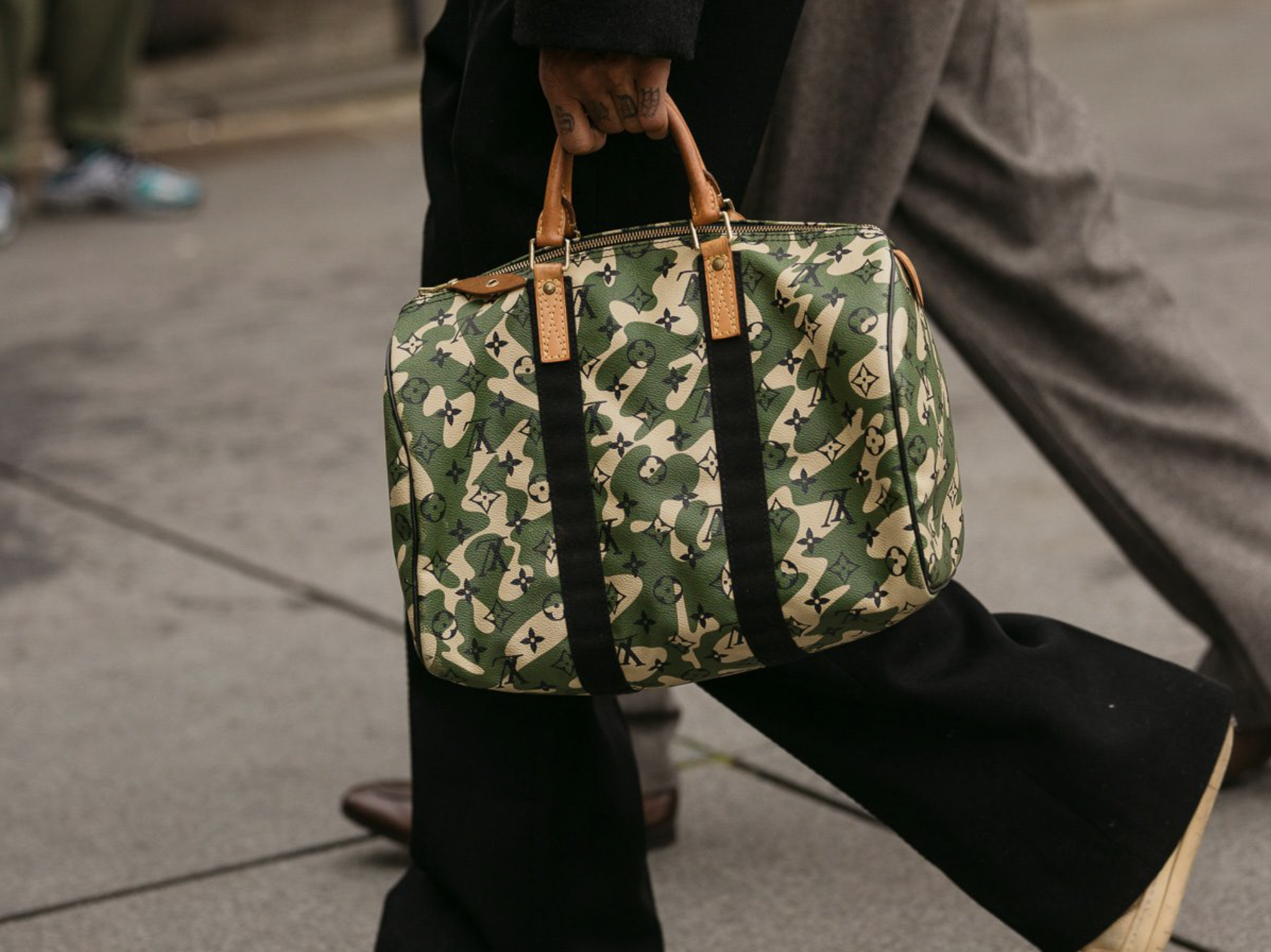
There’s something satisfying about seeing a luxury handbag being used properly. Not styled perfectly for a campaign. Not sitting on a shelf. Actually being carried.
Maybe the leather has softened. Maybe the corners show some wear. Maybe the hardware has picked up tiny scratches. It starts to look like someone's bag. I think that's much more interesting than a handbag that has spent ten years sitting untouched in a closet.
Some bags actually look better once they have a little life in them.
Vintage leather is a good example. A bag that's been carried carefully for years can develop a softness and character that you simply can't get from something brand new.
Of course, condition still matters. There’s a point where wear becomes damage, and collectors should pay attention to that. But a little history isn't necessarily a bad thing. Sometimes it's exactly what makes the bag feel special.
The Resale Value Question
(Image credit: purse blog)
Then there's the argument that you should protect your bags because they might be worth more later.
This is where things get complicated.
Certain luxury bags can hold their value well, and some rare or highly desirable pieces can become even more sought after over time. Condition can play an important role in resale value, so keeping a bag in excellent shape can certainly be beneficial.
But I don't think every bag should be treated like a financial asset. Fashion doesn't work that neatly. A bag that everyone wanted five years ago might not have the same demand today. A limited edition can be rare without being particularly desirable. And something you think will become collectible might not.
That's why I wouldn't buy a bag purely because I think its price will go up. If you love it, that's a much stronger reason. If it happens to become valuable later, that's a nice bonus. And if you've enjoyed carrying it for ten years along the way, even better.
What About Keeping the Packaging?
(Image credit: purse blog)
This is another collector question that I find surprisingly interesting.
Should you keep the box?
The dust bag?
The tags?
The receipt?
The original packaging?
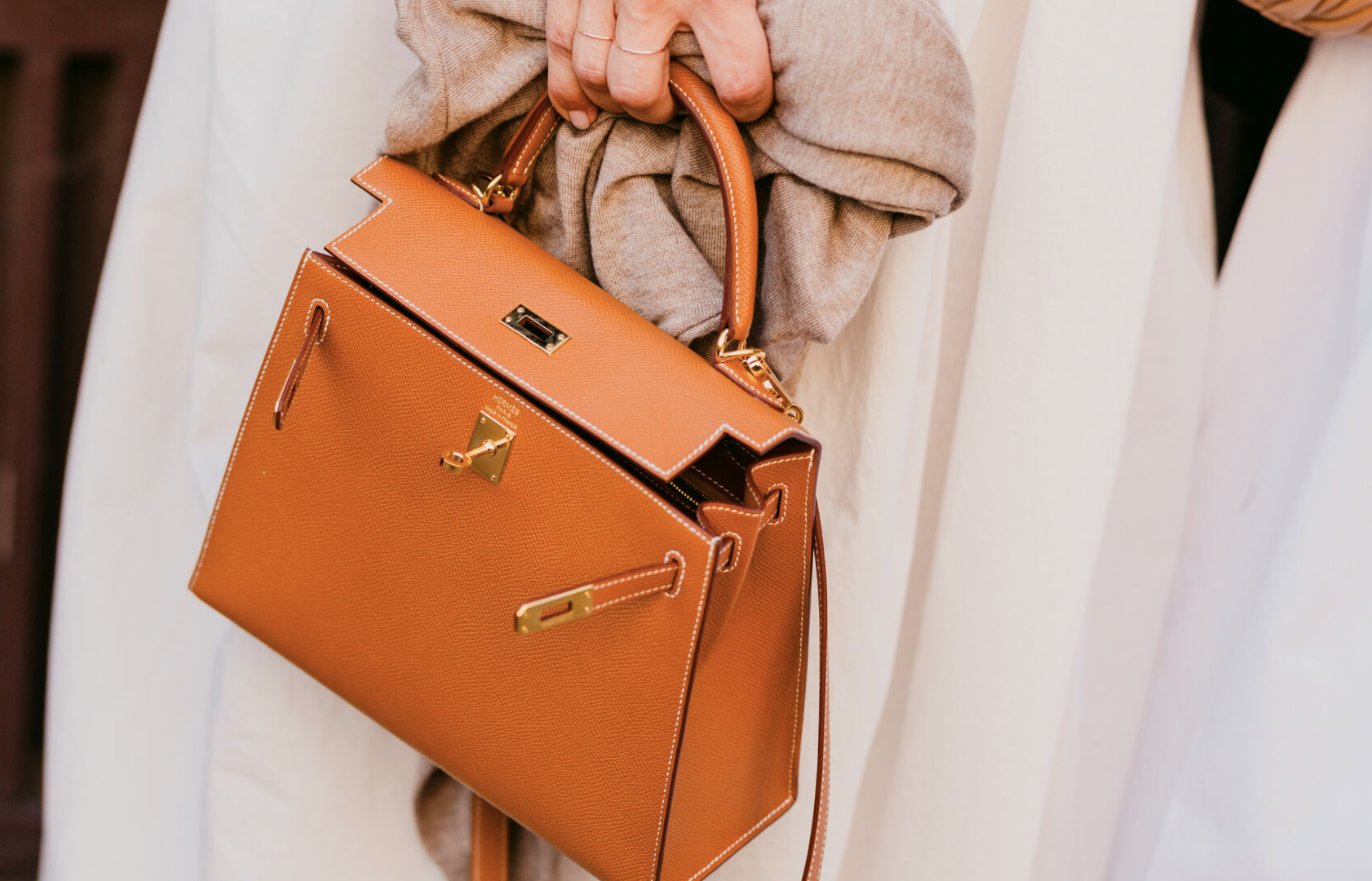
If you have the space, I think it's worth keeping as much as you reasonably can, especially for valuable or collectible pieces.
Original accessories and documentation can make a difference when you eventually sell a bag, and they also help preserve the story of the piece.
But I wouldn't let packaging take over your life. I've seen people become more worried about protecting the box than protecting the actual bag. At some point, you have to remember what you bought the box for. The handbag is the important part.
The Closet Problem
(Image credit: purse blog)
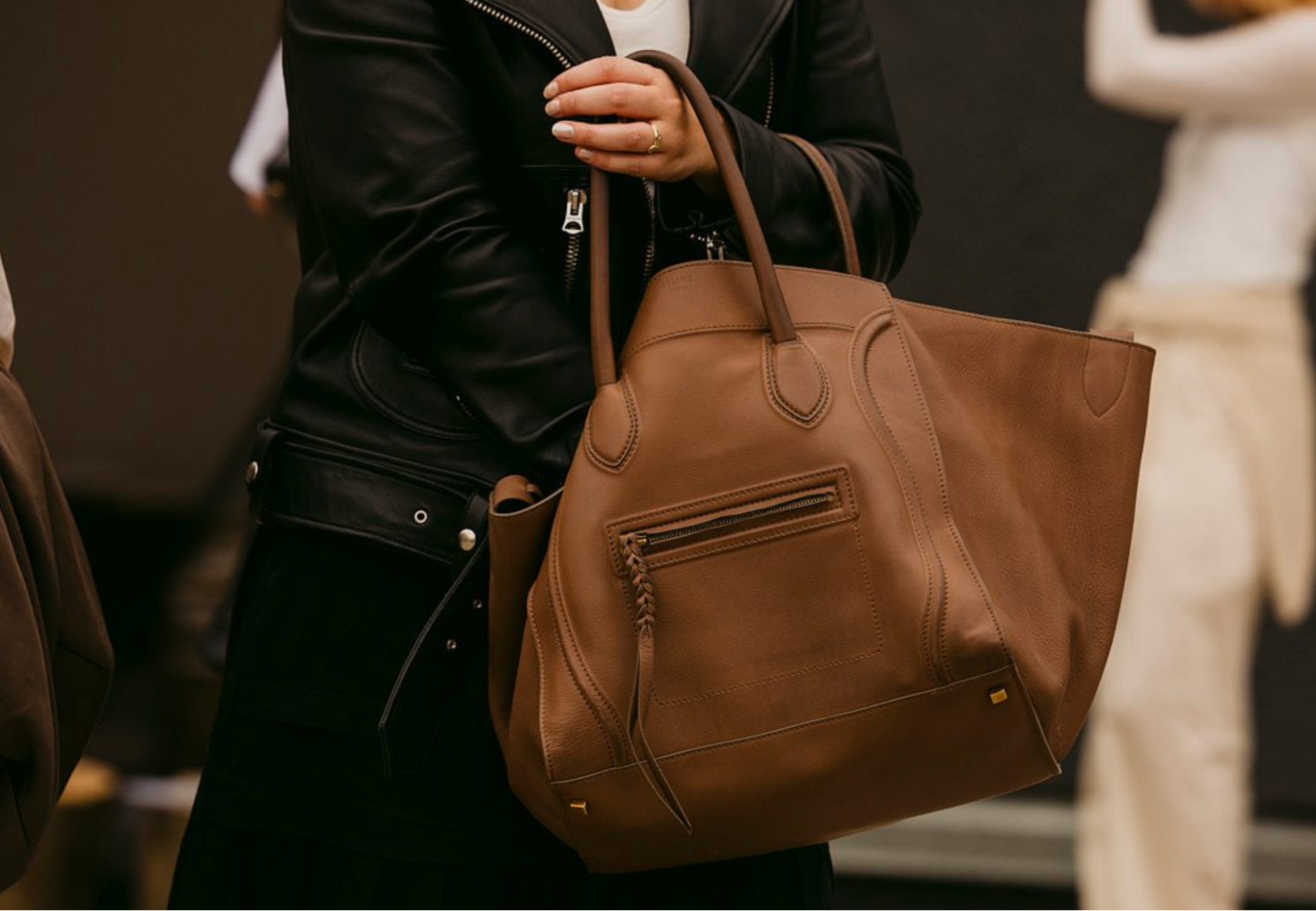
Another thing nobody talks about enough is how many bags we can realistically use. You can have twenty beautiful handbags and still reach for the same two every week. I've done this mentally so many times.
You buy something because you love the design, but then when it's time to leave the house, you automatically grab the practical bag that fits your phone, wallet, sunglasses and everything else you carry.
That's when I think it's worth asking yourself why certain bags never leave the closet.
Is the color difficult to wear?
Is the size impractical?
Are you worried about damaging it?
Or did you simply buy it because you loved looking at it?
There’s nothing wrong with owning a bag purely because you love the design. Not every piece needs to be practical. But it's useful to know what role each bag actually plays in your collection.
Maybe We Need Different Rules for Different Bags
(Image credit: purse blog)
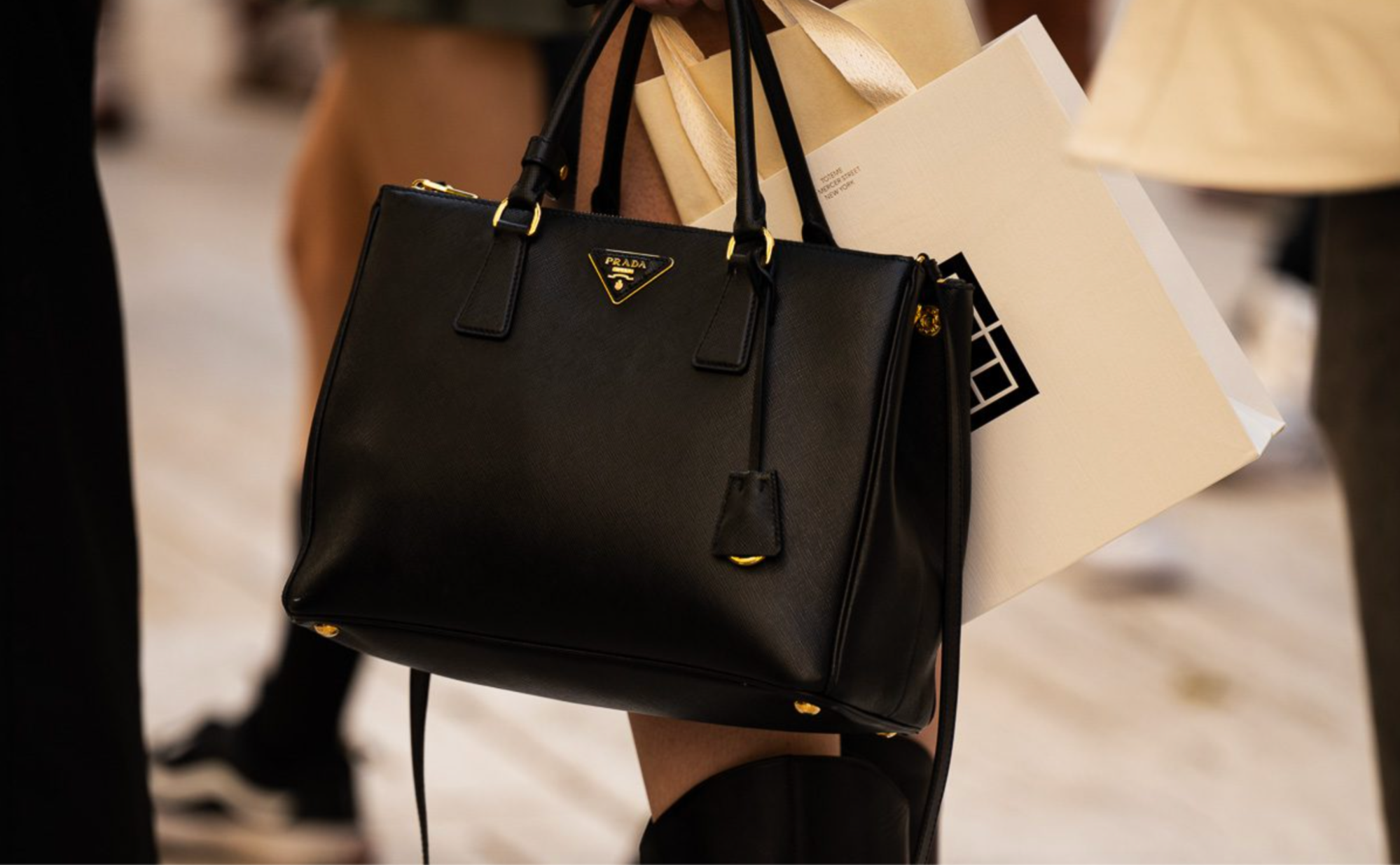
I don't think the answer is to either use everything or protect everything. I think we need different rules for different bags.
Your everyday leather bag can be used constantly. Your vintage canvas bag might be perfect for travel. Your delicate evening bag can stay reserved for special occasions. Your rare collaboration can come out when you actually have somewhere worth taking it.
That makes much more sense to me than trying to follow one strict rule.
I also think the material should influence the way you use a bag. Some materials are naturally more forgiving than others. Some show scratches easily. Some react badly to moisture or sunlight. Some develop beautiful character with age.
Knowing what you're carrying helps you decide how careful you actually need to be.
The Bag Should Fit Your Life
(Image credit: purse blog)
This might be the most important thing for me.
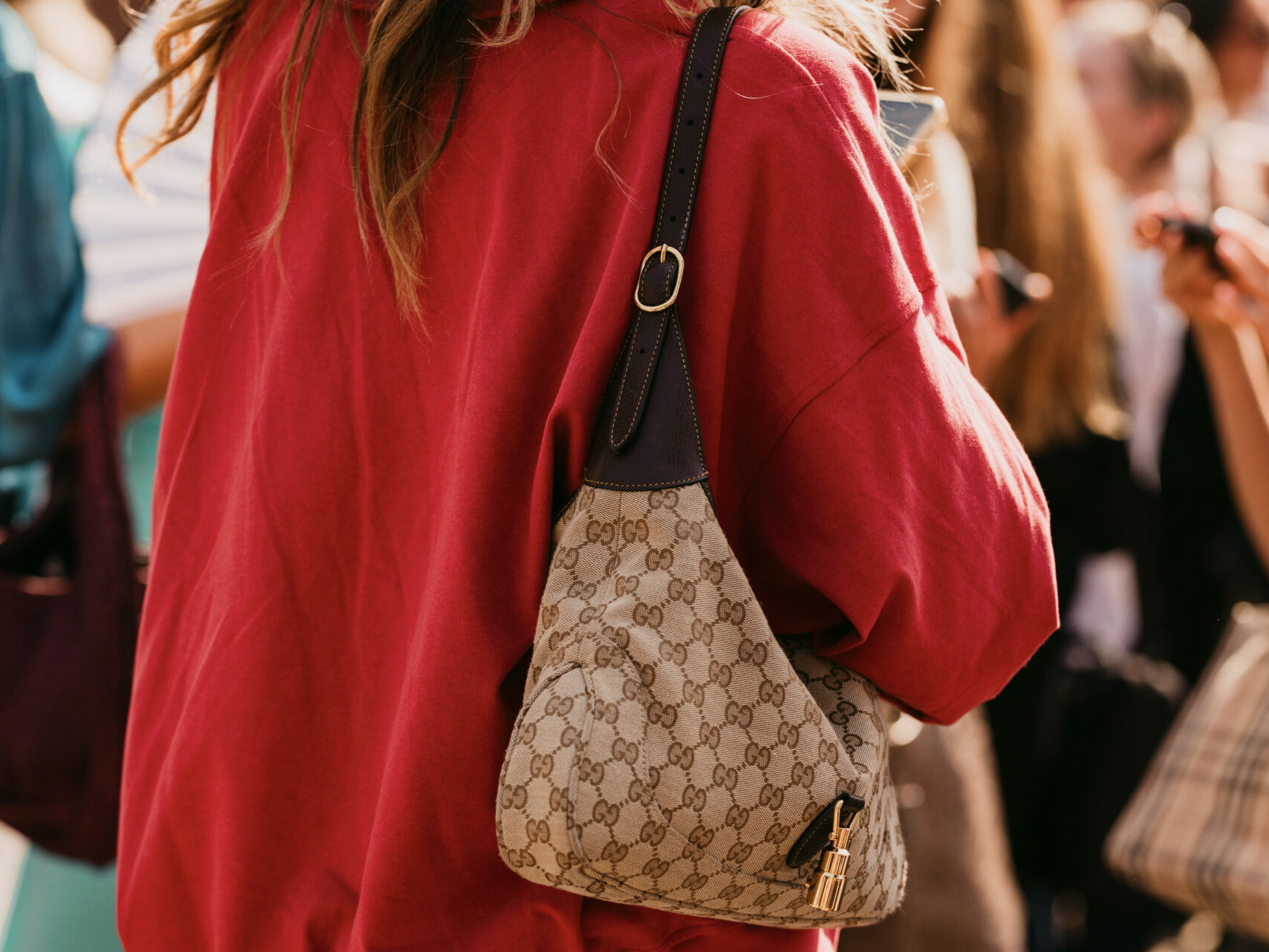
A luxury handbag should fit into your life, not force you to change your entire life around it.
If you're someone who walks everywhere, carrying an extremely delicate bag every day might not make sense. If you travel often, you might prefer something durable. If you mostly go to dinners and events, a small evening bag might make much more sense than a huge tote.
And if you love vintage pieces, maybe you actually enjoy the little imperfections that come with them.
There isn't one correct way to own luxury. The right bag is the one that works for you.
What I Would Actually Do
(Image credit: purse blog)
If I had to choose between collecting, protecting and using, I honestly wouldn't choose just one.
I'd do all three.
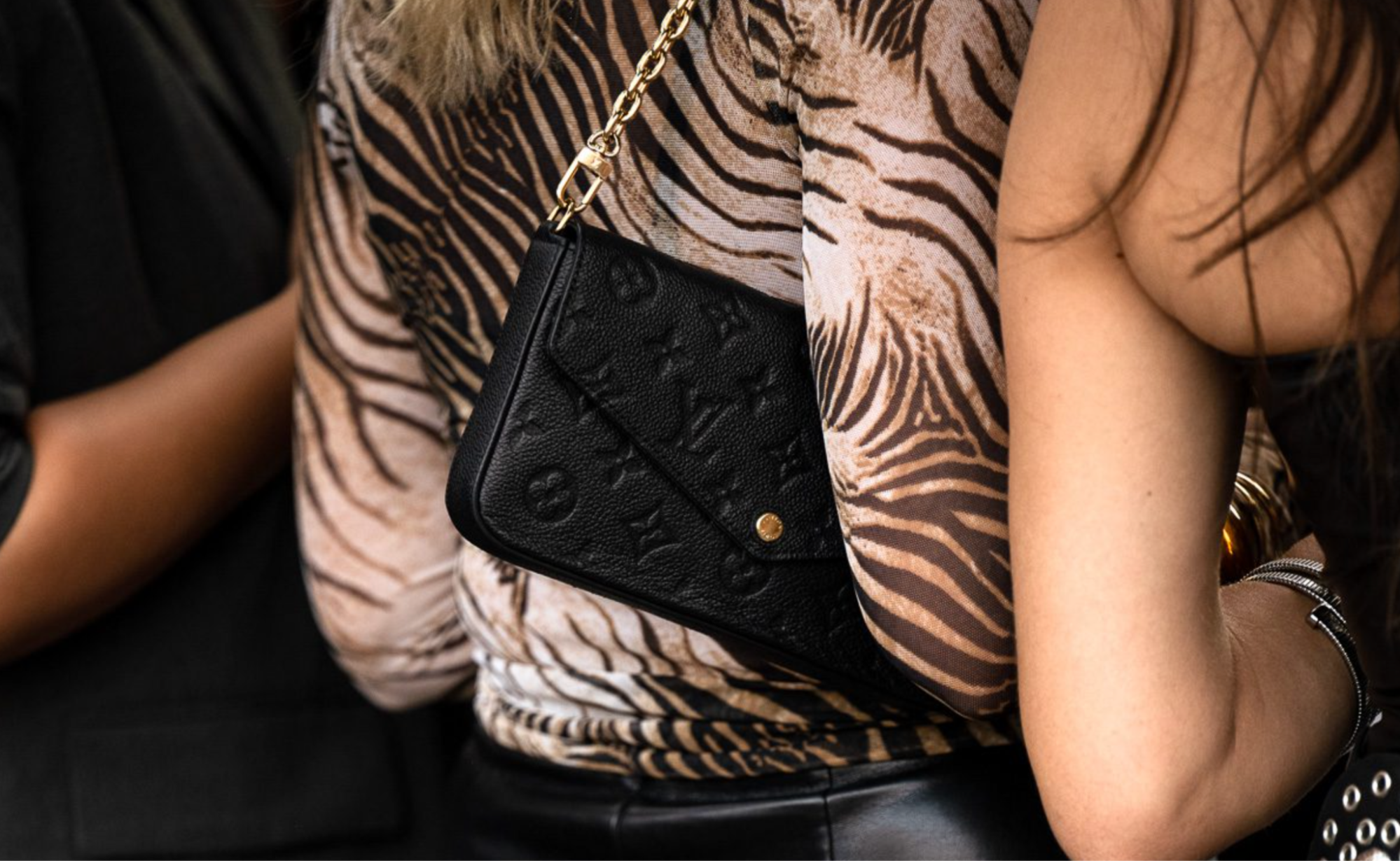
I'd collect the pieces that genuinely mean something to me. I'd protect them properly. And then I'd actually use them. I don't want to spend years looking at a bag in my closet and thinking about how beautiful it is while being too scared to take it outside.
At the same time, I'm not going to take a rare vintage bag to a beach or carry a delicate evening bag on a day when it's pouring rain. There's a middle ground.
For me, that's the sweet spot.
Take care of the bag, but don't be afraid of it. Use it when the situation makes sense. Accept that normal wear will happen. And if a few scratches appear, remember that you bought the bag to have a life with it.
Some Bags Are Meant to Age
(Image credit: purse blog)
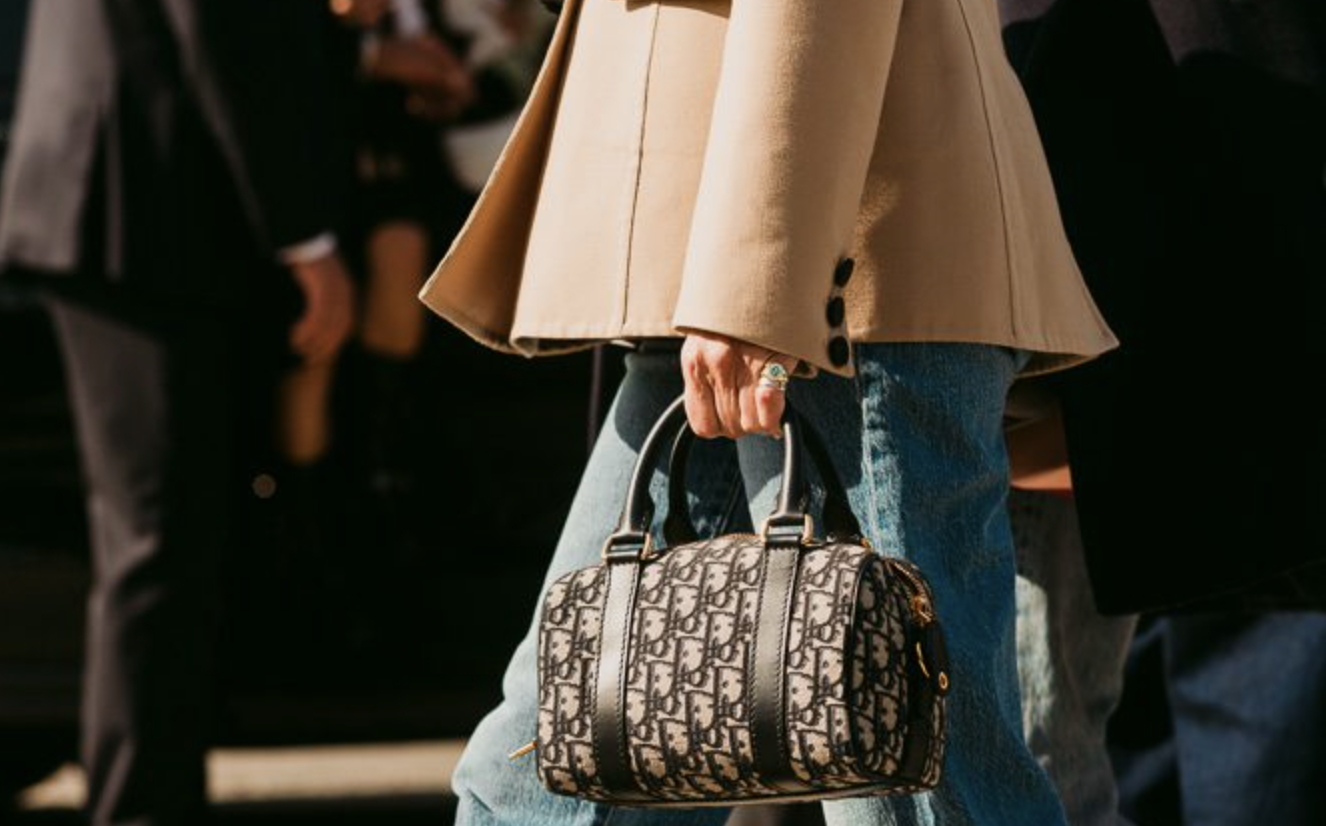
One of my favorite things about vintage fashion is that it shows you how beautiful something can look after years of use. A handbag doesn't necessarily become less beautiful because it's older. Sometimes it becomes more interesting.
The leather changes. The hardware loses some of its shine. The shape becomes softer. There are little signs that someone actually carried it. Those details can tell you something about the bag that a brand-new piece can't. That's why I don't think we should automatically treat aging as failure.
Of course, serious damage is different. A bag needs proper care, especially when it's made from delicate materials. But aging and damage aren't the same thing. A little wear can be part of the story.
The Real Luxury Is Being Able to Enjoy It
(Image credit: purse blog)
We talk a lot about the price of luxury handbags. We talk about resale value, rarity, investment potential, limited editions and condition. All of those things matter, especially when you're spending a significant amount of money. But I think there's another kind of value that gets forgotten.
Enjoyment.
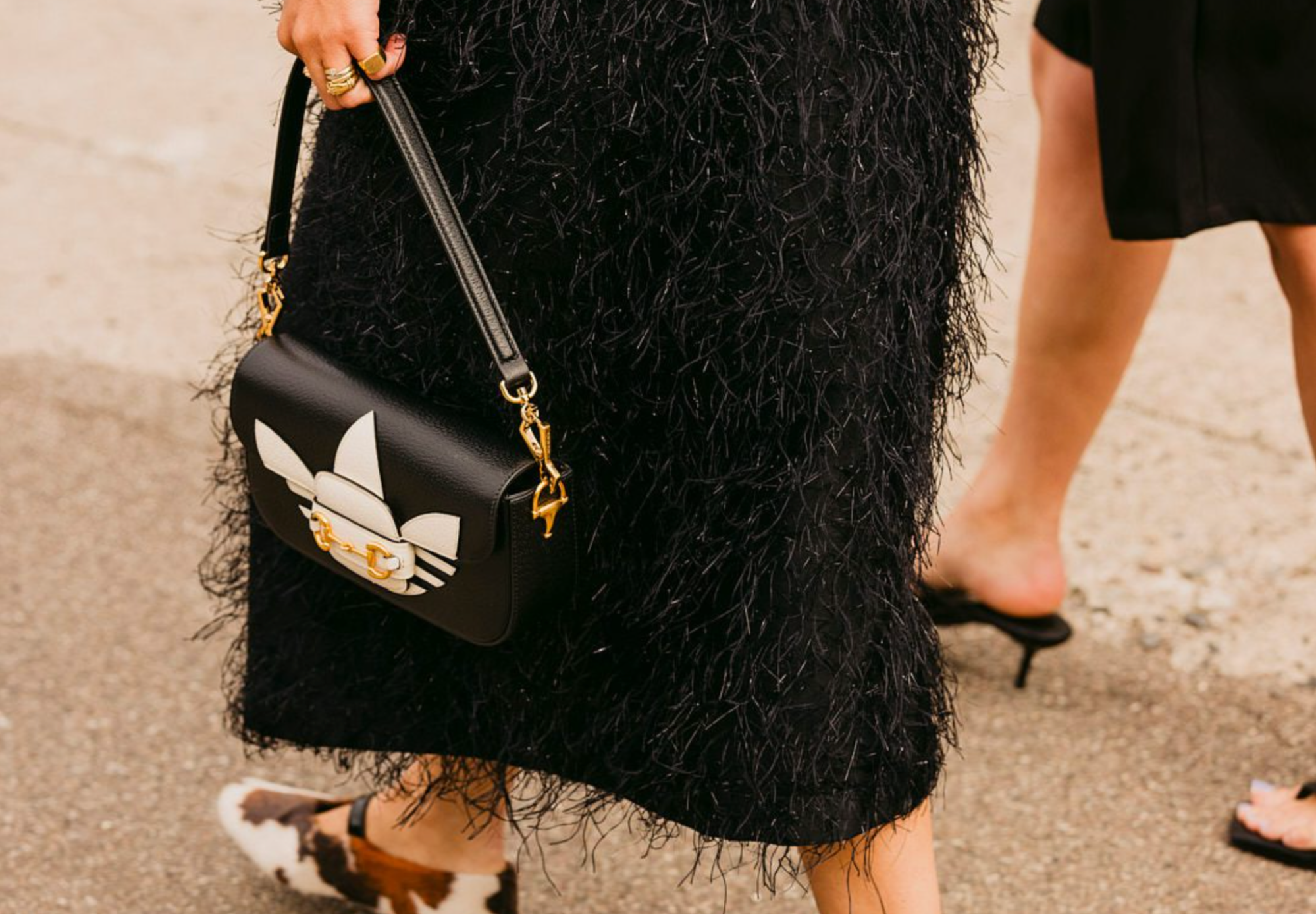
You bought the bag because something about it made you want it. Maybe it was the shape. Maybe the color. Maybe the history. Maybe the designer. Maybe you saw it years ago and never forgot about it. Whatever the reason, that feeling is part of what you're paying for too.
A bag that makes you happy every time you carry it has value, even if it never becomes a collector's item. And a bag that sits untouched in your closet for twenty years isn't necessarily a better investment just because it still looks brand new. Sometimes the best thing you can do with a beautiful handbag is simply wear it.
So, Collect, Protect, or Use It?
(Image credit: purse blog)
I think the answer is all three.
Collect thoughtfully.
Protect what deserves protecting.
And actually use the pieces you love.
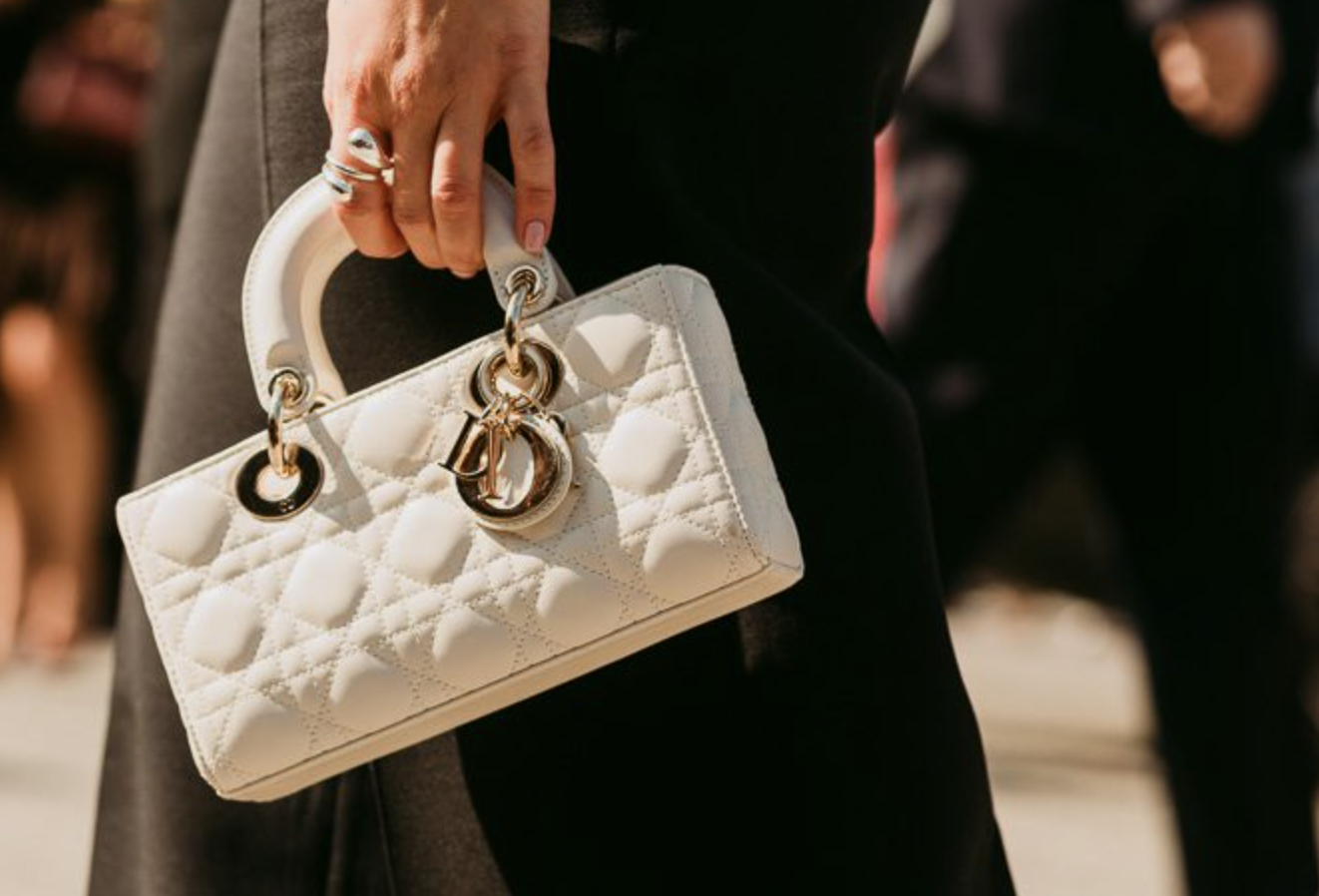
Don't buy something rare just because someone told you it might become valuable. Don't destroy a delicate bag just because you believe luxury should be used. And don't keep every handbag hidden away because you're scared of the first scratch. Find the balance that makes sense for you. Because at the end of the day, a handbag is still something you carry.
It goes places with you. It becomes part of your wardrobe. It gets photographed, packed, worn, put down and picked up again. And maybe years from now, the little signs of use will be exactly what make you love it even more.
For me, that's the nicest part of owning a great bag. I don't want it to look untouched forever. I want to look at it years from now and remember where I took it.