(Image credit: the impression)
Contents
- Understanding the Balenciaga City
- Choosing the right size
- Leather: the biggest part of the City experience
- What should you buy?
- What should you avoid?
- What to Check Before Buying
- How to search for a Balenciaga City in Japan
- Japanese condition words to know
- Authentication: don't rely on one detail
- Is the Balenciaga City still worth buying?
- Final Thoughts
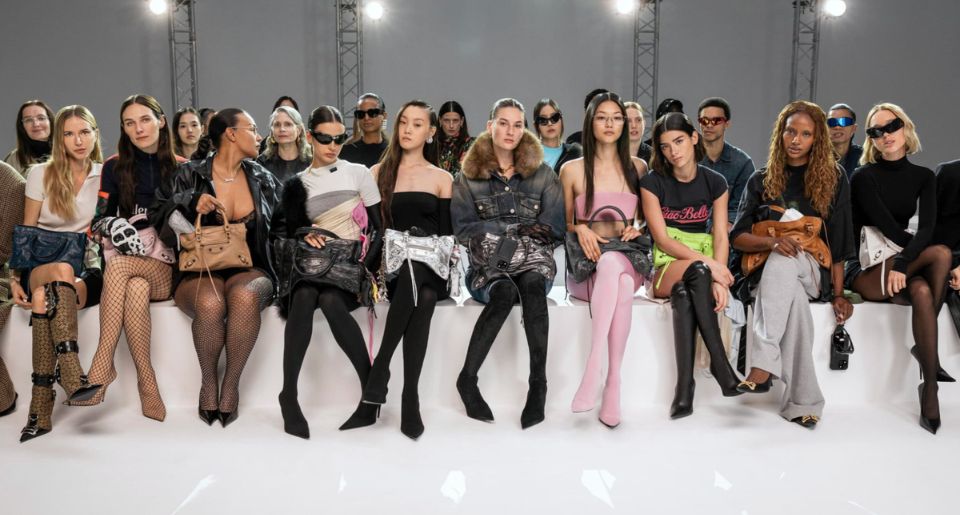
The Balenciaga City bag is one of those bags that instantly takes you back to the early 2000s. Soft distressed leather, long tassels, chunky hardware, and a slightly slouchy shape made it completely different from the polished designer bags that were popular at the time. It was casual, a little rebellious, and somehow still luxurious.
The bag was introduced during Nicolas Ghesquière's time at Balenciaga and quickly became one of the defining bags of the era. What started as the Motorcycle bag grew into a whole family of styles, with the City becoming the most recognizable version.
Today, the original City is especially interesting on the second-hand market. There are hundreds of versions to choose from, including different sizes, leathers, hardware, colors, and production years. The problem is that sellers don't always use the same name for the same bag, which can make searching much more confusing than it needs to be.
If you're shopping for a Balenciaga City in Japan, knowing what you're looking at can make a huge difference. Here's what to look for before you buy.
Understanding the Balenciaga City
A short history of the City bag
(Image credit: who what wear)
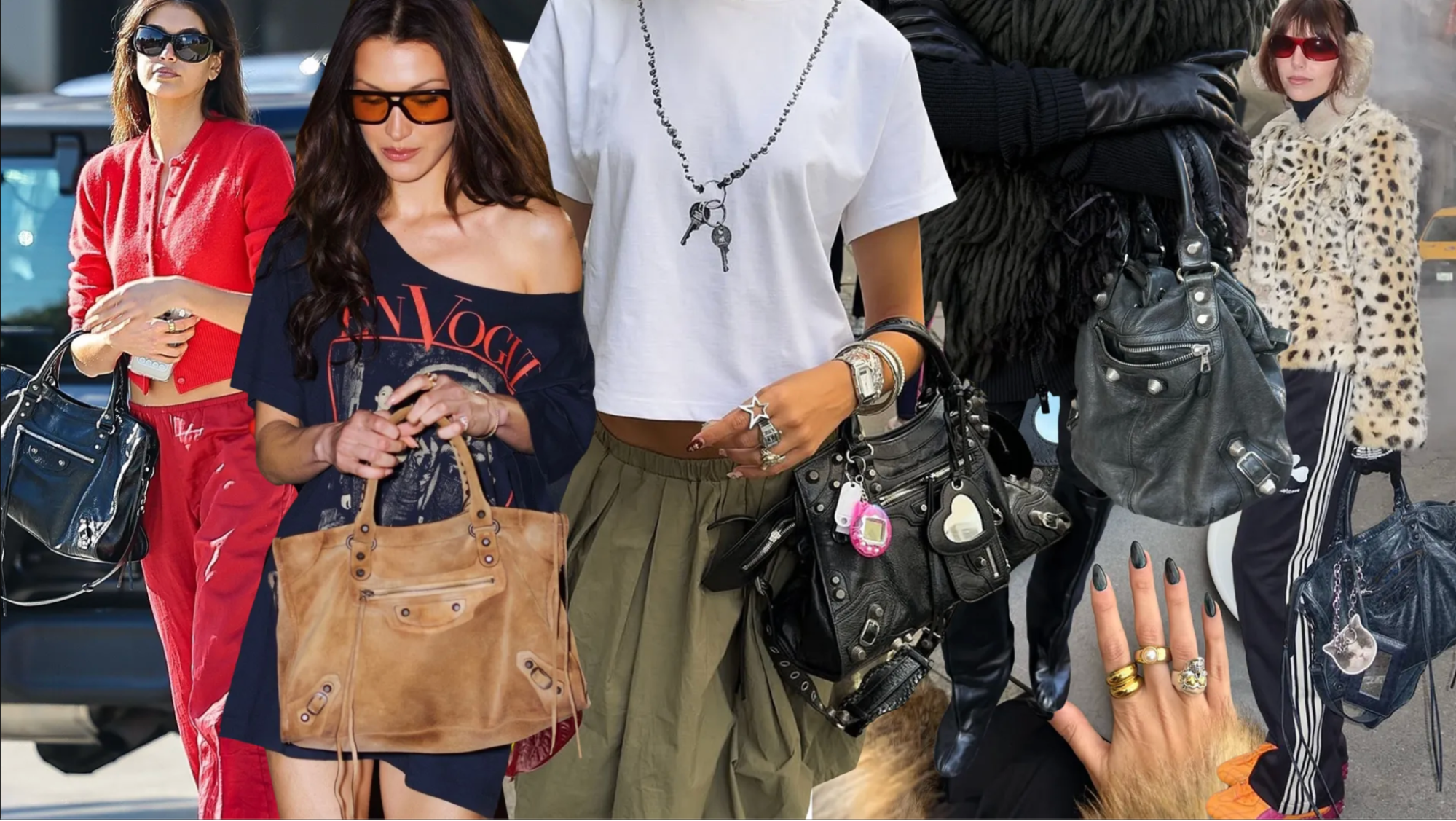
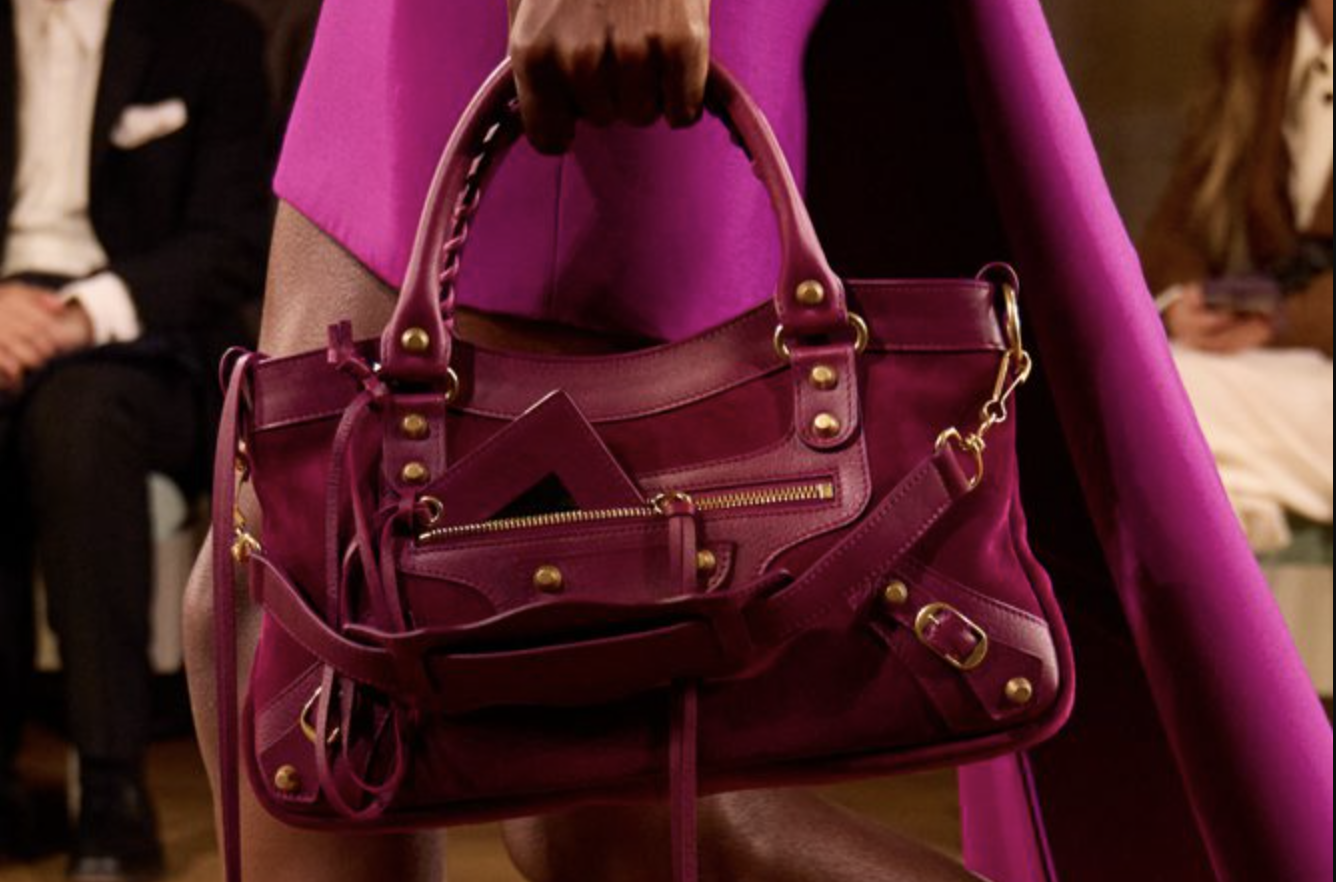
The story of the City starts in 2001, when Nicolas Ghesquière introduced the Motorcycle bag at Balenciaga. The design looked almost worn in from the beginning, with soft leather, braided handles, tassel zipper pulls, studs, and small buckles. It was a completely different direction from the structured handbags people were used to seeing from luxury houses.
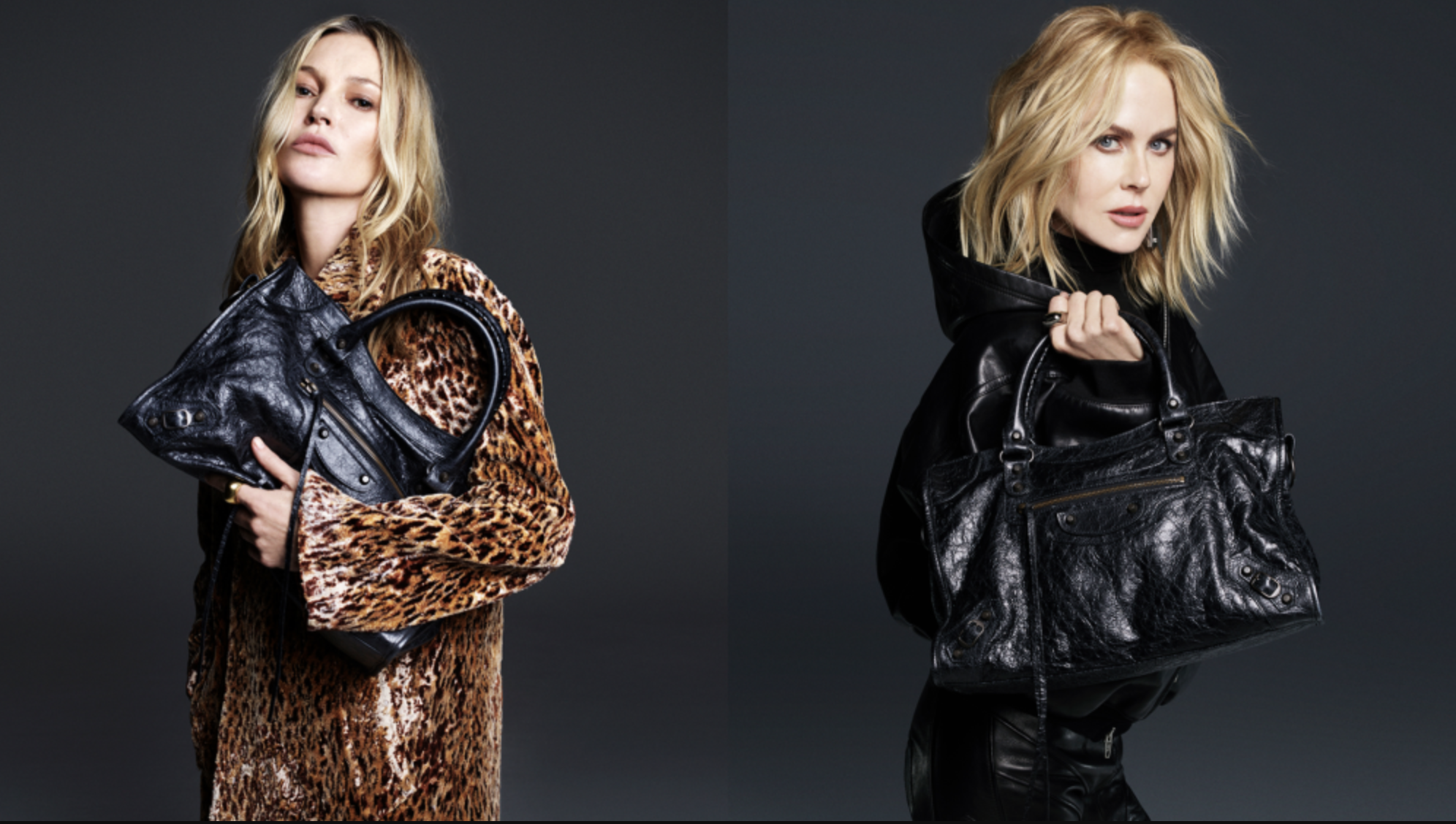
The design wasn't immediately seen as an obvious success. In fact, the original prototype reportedly faced resistance before becoming one of the most recognizable bags of the decade. Celebrities including Kate Moss helped turn it into an early-2000s fashion icon, and the bag became closely associated with the relaxed, effortless styling of that period.
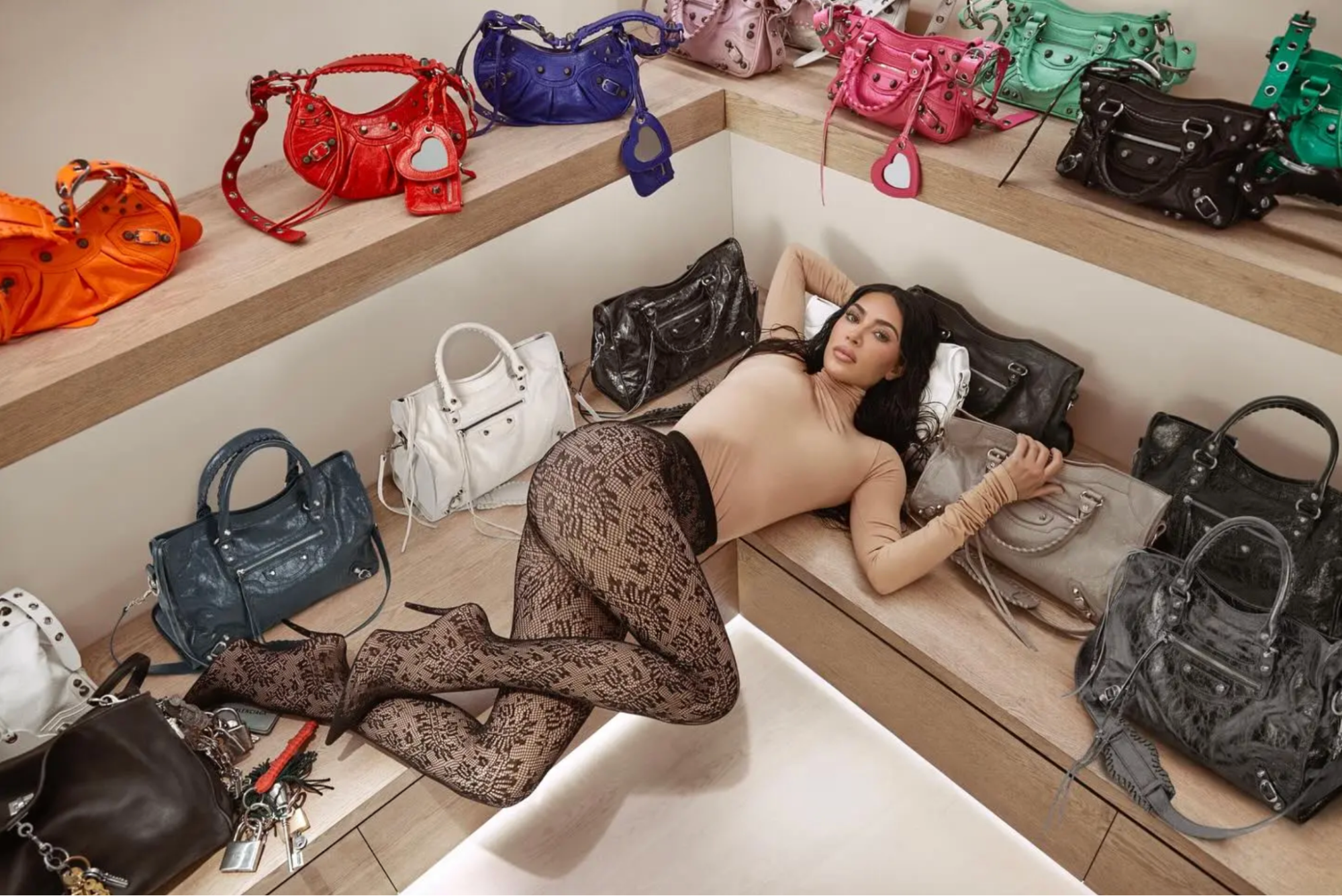
The City was part of a larger Motorcycle family that included styles such as the First, Work, Part-Time, Twiggy and Weekender. They share many of the same details, which is why second-hand listings can sometimes look almost identical at first glance.
The City became the one most people think of when they hear "Balenciaga Motorcycle bag."
Balenciaga later brought the design back as the Le City in 2024. The current version was based on archival City bags and keeps many of the details that made the original famous, including the soft leather, hardware, pockets, leather zipper pulls and attached mirror.
For a vintage buyer, though, the original City is still a completely different shopping experience from buying the current Le City.
City, Motorcycle, Classic City or Le City?
This is one of the first things you need to understand before searching the Japanese market.
Older bags can be listed as:
- Balenciaga City
- Balenciaga Classic City
- Balenciaga Motorcycle City
- Balenciaga Motorcycle Bag
- Balenciaga Moto Bag
- City S
- S City
- Balenciaga Giant City
These names don't necessarily mean completely different bags. Resellers often use slightly different terminology depending on the age, size, hardware or information available to them.
"Motorcycle" usually refers to the broader family rather than one specific size. "City" is the specific style you're generally looking for.
The newer version is called the Le City, which Balenciaga reintroduced in 2024. Current Le City bags are based heavily on the original design but have updated construction, sizing and materials.
This distinction matters when you're looking at prices. A vintage City and a current Le City might look very similar in photos, but they're not the same purchase.
Choosing the right size

(Image credit: purseblog)
One of the easiest mistakes to make is buying the wrong size because the differences aren't always obvious in listing photos.
The original Motorcycle family included several sizes and shapes. The most common ones you'll encounter while shopping second-hand are the First, City, Part-Time and Work.
First
The First is one of the smaller styles in the family. It's a good choice if you like the look of the City but don't want to carry a large everyday bag.
Because it's smaller, it has a very different feel when worn. It works better for essentials rather than someone who normally carries a lot.
City
This is the classic choice and the one I'd recommend if you want the Balenciaga bag most people picture when they think of the original Motorcycle era.
It's large enough to work as an everyday handbag without feeling oversized. The soft body also makes it easy to carry because it doesn't have the rigid structure of many traditional luxury bags.
Part-Time
The Part-Time sits between the City and larger styles in terms of proportions. It has a wider, more relaxed shape and can be a good alternative if you want more room without going all the way to a Work.
Work
The Work is significantly larger and has more of a tote-like feel. It's useful if you carry a laptop, documents or other larger items, but it doesn't have the same compact proportions that made the City so popular.
If you want the iconic City shape, don't assume every large Balenciaga Motorcycle bag is a City. Check the measurements before buying.
Leather: the biggest part of the City experience
(Image credit: wwd)
The leather is one of the reasons people become obsessed with older Balenciaga bags.
The classic versions are known for soft, distressed leather, often referred to as Arena leather. It has a naturally worn appearance, which means some signs of use can actually add to the character of the bag.
This is also where buying second-hand gets interesting.
A vintage City with soft, broken-in leather can look much better than a newer bag that has been kept perfectly untouched. The leather was designed to have a relaxed appearance, so scratches and creasing aren't automatically problems.
The important thing is knowing the difference between patina and damage.
Normal creasing, slight color variation and gentle wear can be part of the charm. Deep scratches, peeling, severe dryness, cracking or areas where the leather has lost its surface are different.
Don't judge a City by whether it looks "new." Judge it by whether the leather still looks healthy.
What should you buy?
(Image credit: purseblog)
If you're buying your first Balenciaga City, I'd keep it simple.
A classic City in good condition
A classic City is the safest place to start if you want the original Balenciaga look. You don't need a rare color or unusual material to get the full experience of the bag.
Soft, healthy leather
Look closely at the leather rather than focusing only on the overall condition grade. A bag described as "used" might still have beautiful leather, while one described as "good" could have problems that aren't obvious from the description.
A color you'll actually wear
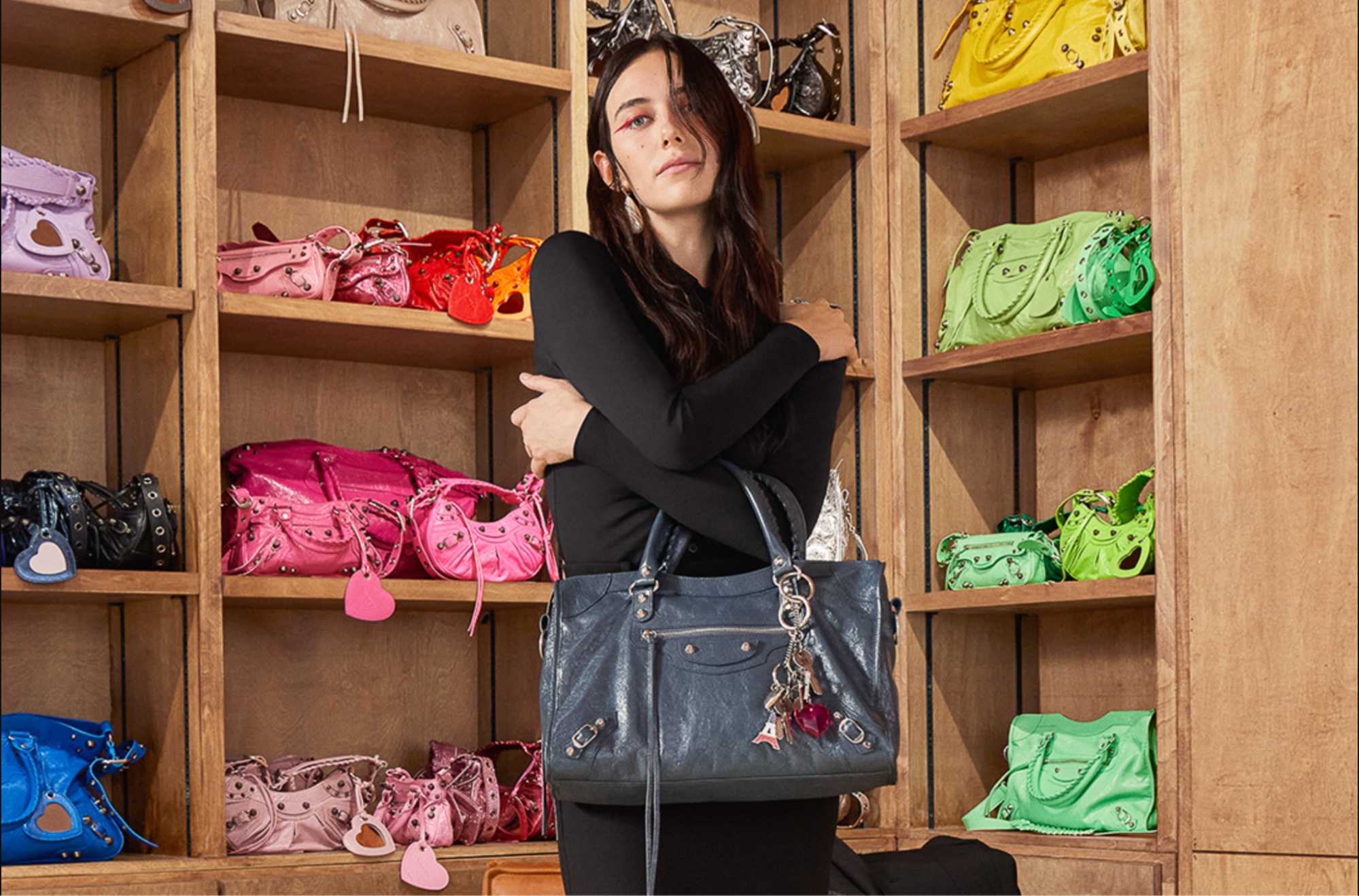
Black, grey, brown, beige and darker blue are easy choices for everyday use. But one of the best things about shopping vintage Balenciaga is the color selection.
The brand produced the City in a huge range of colors over the years, including shades that aren't available anymore. If you find a color you love in good condition, it can be a much more interesting purchase than automatically choosing black.
Complete or well-documented listings
A mirror is an iconic detail of the Motorcycle bags, and many vintage examples originally came with one. Its presence can be a nice bonus, especially if you're interested in collecting, but I wouldn't reject a bag simply because the mirror is missing if everything else about the bag works for you.
What's more important is that the seller provides enough information and photographs to judge the actual condition.
What should you avoid?
(Image credit: kewaybags)
Not every old Balenciaga is a good vintage find.
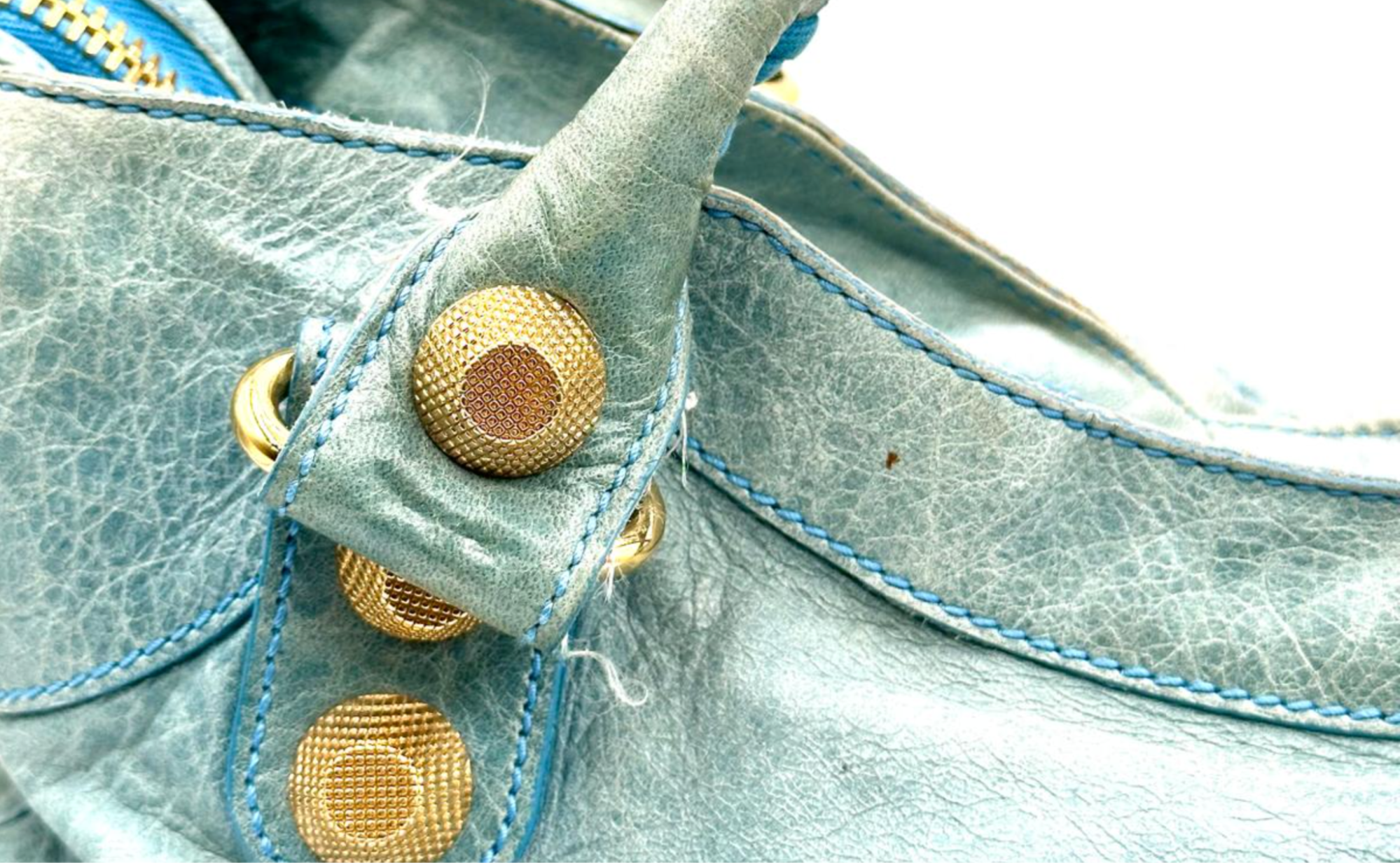
I'd be particularly careful with bags that have:
- Very dry or brittle leather
- Deep cracking around the handles
- Heavy corner wear
- Large stains or discoloration
- Strong odors
- Extensive color transfer
- Damaged zipper tracks
- Missing or heavily damaged hardware
- Repairs that aren't clearly disclosed
- Major leather restoration or recoloring without documentation
A little wear is part of the City. Structural damage is another story.
Be especially careful with handles. The braided handles are one of the most recognizable details of the bag, but they're also an area that gets a lot of use. Check where the handles attach to the body and look for stretching, cracking or separation.
What to Check Before Buying
(Image credit: purse blog)
The hardware can tell you a lot
The hardware is another major part of the City's identity.
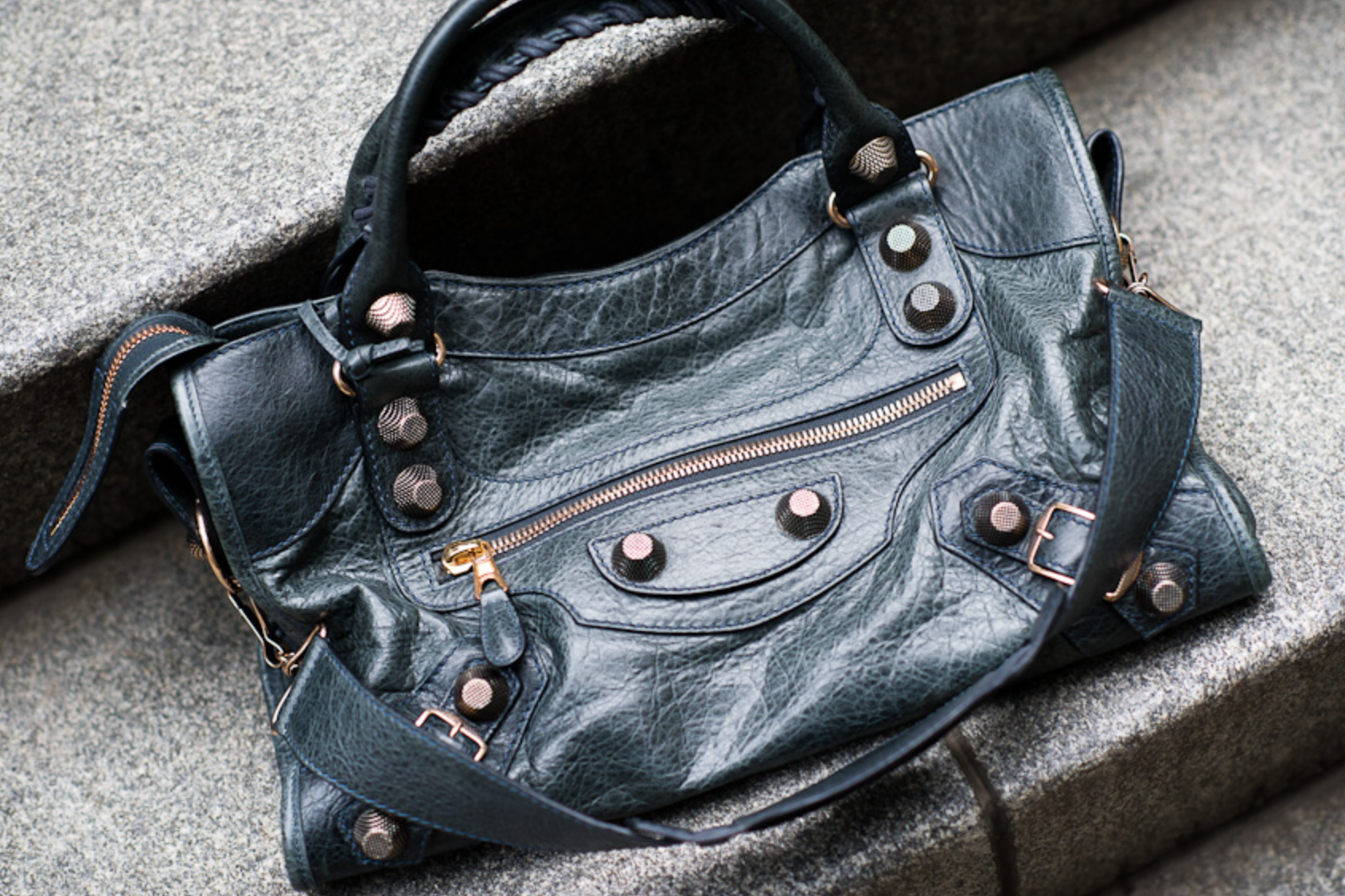
Depending on the year and version, you'll find different finishes and hardware styles. Older examples can have more traditional brass-toned hardware, while other versions feature silver, aged or oversized hardware.
You'll also see listings described as:
- Regular Hardware
- RH
- Giant Hardware
- GH
Giant Hardware has larger, more noticeable studs and gives the bag a more dramatic look. Regular Hardware is a little more understated.
Don't assume one is automatically more valuable than the other. Personal preference, color, leather condition and age can have a much bigger effect on whether a particular City is desirable.
When inspecting the hardware, look for scratches, discoloration, missing studs, damaged buckles and excessive tarnishing. Normal surface wear isn't unusual on an older bag, but damaged hardware can be expensive or difficult to replace.
Pay attention to the corners
The bottom corners are one of the first places I'd check in a second-hand City.
The bag's soft construction means the corners can rub against clothing, tables and other surfaces over time. Look for:
- Darkening
- Visible rubbing
- Exposed leather
- Fraying
- Splitting
- Previous repairs
A little rubbing doesn't necessarily make the bag a bad purchase. What matters is how far the wear has progressed.
If the listing only shows the front and back of the bag, ask for close-up photos of all four corners before buying.
Check the handles and tassels
The braided handles should be inspected closely, especially on older bags.
Look for dryness, cracks, stretched leather and separation where the handles connect to the bag.
The long leather tassels are also easy to damage or tangle. Missing or shortened tassels don't necessarily affect how useful the bag is, but they can matter if you're buying because you want the original vintage look.
The zipper pulls should move smoothly. If the leather pulls are badly cracked or the zipper itself catches, that's worth taking into account before deciding what the bag is really worth.
Lining and interior condition
The inside of the bag is easy to ignore because most listing photos focus on the exterior.
Don't skip it.
Check for stains, ink marks, makeup residue, peeling, odors and signs of moisture damage. If the bag has been stored in a humid environment, the interior can sometimes reveal problems that aren't obvious from the outside.
Japanese sellers often provide detailed photographs, so use them. If you can't see the lining clearly, don't assume it's clean.
Older vs newer City bags
This is where the Japanese second-hand market gets particularly interesting.
An older City can have the soft, lightweight leather and vintage character that collectors look for. Later examples can feel different in terms of leather, construction and overall appearance.
You don't necessarily need the oldest possible bag. The best choice depends on what you actually want.
If you're buying because you love the early-2000s aesthetic, an older Motorcycle-era City makes more sense.
If you want something that feels less vintage and more practical for everyday use, a newer example might suit you better.
And if you specifically want the current reissued design, search for Le City rather than simply "City." Balenciaga says the reintroduced Le City was developed by studying archival versions and recreating many of their defining details.
How to search for a Balenciaga City in Japan
(Image credit: purse blog)
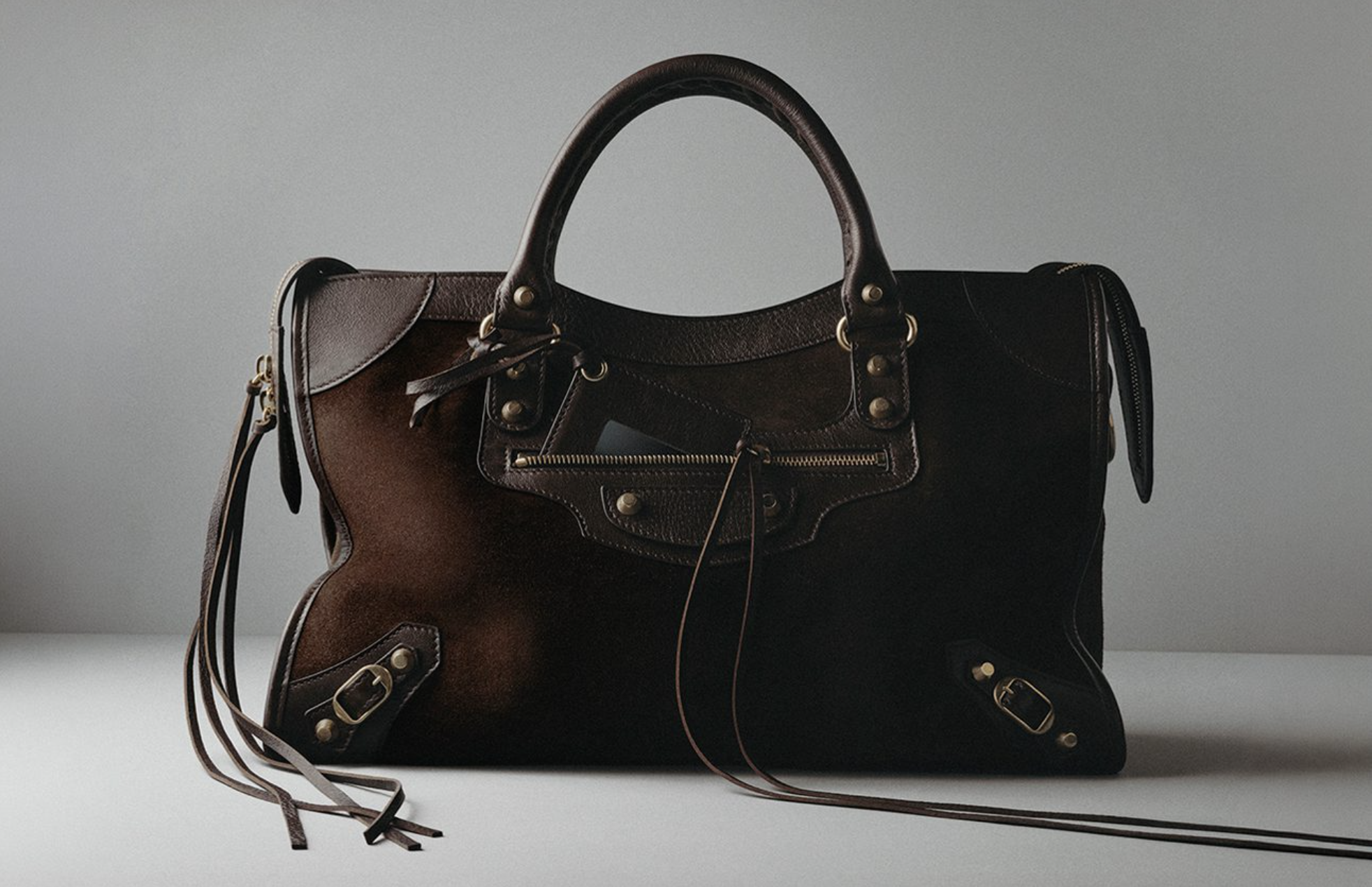
Japanese second-hand websites are where the naming differences become especially important.
If you search only for "Balenciaga City," you'll find plenty of results, but you can miss older listings that use different terminology.
Try searching for:
- バレンシアガ シティ- Balenciaga City
- バレンシアガ クラシックシティ- Balenciaga Classic City
- バレンシアガ モーターサイクル - Balenciaga Motorcycle
- バレンシアガ ザ・シティ- Balenciaga The City
- バレンシアガ ジャイアントシティ- Balenciaga Giant City
This is especially useful when searching older Japanese listings because sellers don't always use the same English naming conventions.
Japanese condition words to know
(Image credit: purse blog)
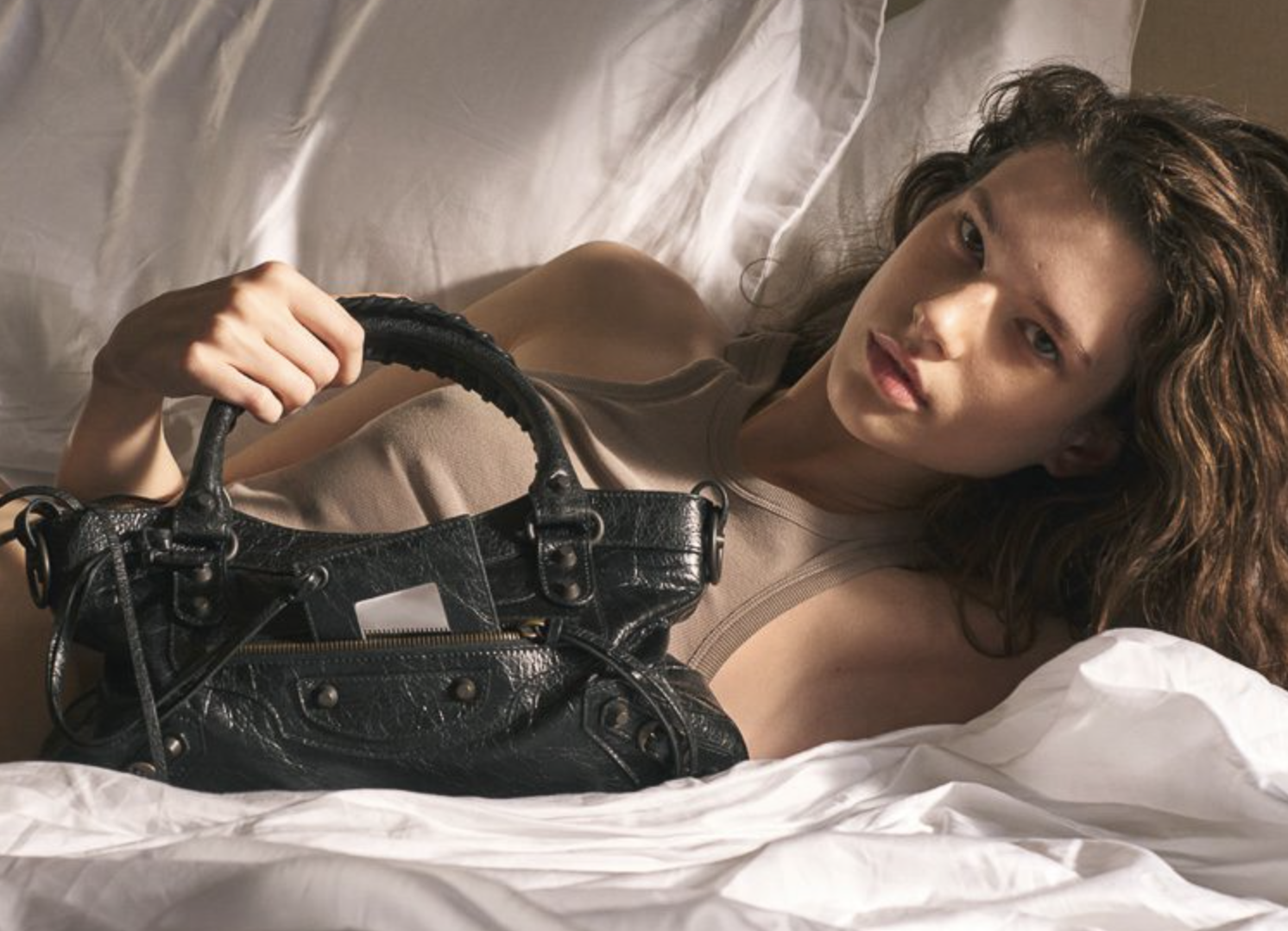
Japanese resale listings often use condition terminology that can look confusing at first.
Here are some useful words you'll see:
- 新品 = New
- 未使用 = Unused
- 美品 = Excellent condition / very good condition
- 良品 = Good condition
- 中古 = Used / pre-owned
- 使用感あり = Signs of use
- 傷 = Scratches
- 汚れ = Stains / dirt
- 擦れ = Scuffing / rubbing
- 角擦れ = Corner rubbing
- 色褪せ = Fading
- 変色 = Discoloration
- シミ = Stain
- 金具傷 = Scratches on the hardware
- 付属品 = Accessories / included items
- 保存袋 = Dust bag
- ミラー = Mirror
Don't rely on the condition grade alone. Japanese retailers can be very detailed, but condition categories aren't completely standardized across every seller.
A good condition bag from one store can show more wear than a good condition bag from another. Always read the description and look at the photographs.
Authentication: don't rely on one detail
(Image credit: purse blog)
Balenciaga authentication can be tricky because the bags have changed over the years.
You'll encounter different labels, serial information, hardware, materials and construction depending on the production period. That means there's no single detail you can use to authenticate every City.
Be careful with online authentication guides that say things like "this font proves it's fake" or "this hardware always means it's authentic." Older Balenciaga bags have enough variations that one detail isn't enough to make a reliable decision.
Instead, look at the whole bag:
- Overall construction
- Stitching
- Leather
- Hardware
- Labels
- Interior
- Zippers
- Shape
- Serial or production information where applicable
- Seller history
- Listing photographs
Buying from an established Japanese retailer with an authentication process gives you much more protection than buying from an unknown individual seller.
Is the Balenciaga City still worth buying?
(Image credit: pagesix)
Yes, especially if you actually like the bag.
The City has something that many newer designer bags don't. It has a very specific personality. It doesn't try to look perfect, and its soft leather and worn-in appearance are part of the reason people still want it more than twenty years after its debut.
It's also one of those bags where buying second-hand can make more sense than buying new. There are discontinued colors, older versions and different hardware combinations that you simply can't walk into a boutique and choose today.
The main thing I'd avoid is buying one just because it's having a Y2K moment. Trends change, but a good City should still make sense to you when the trend moves on.
If you like relaxed bags, vintage fashion and pieces that develop character with use, the City is a particularly good match.
Final Thoughts
(Image credit: purse blog)
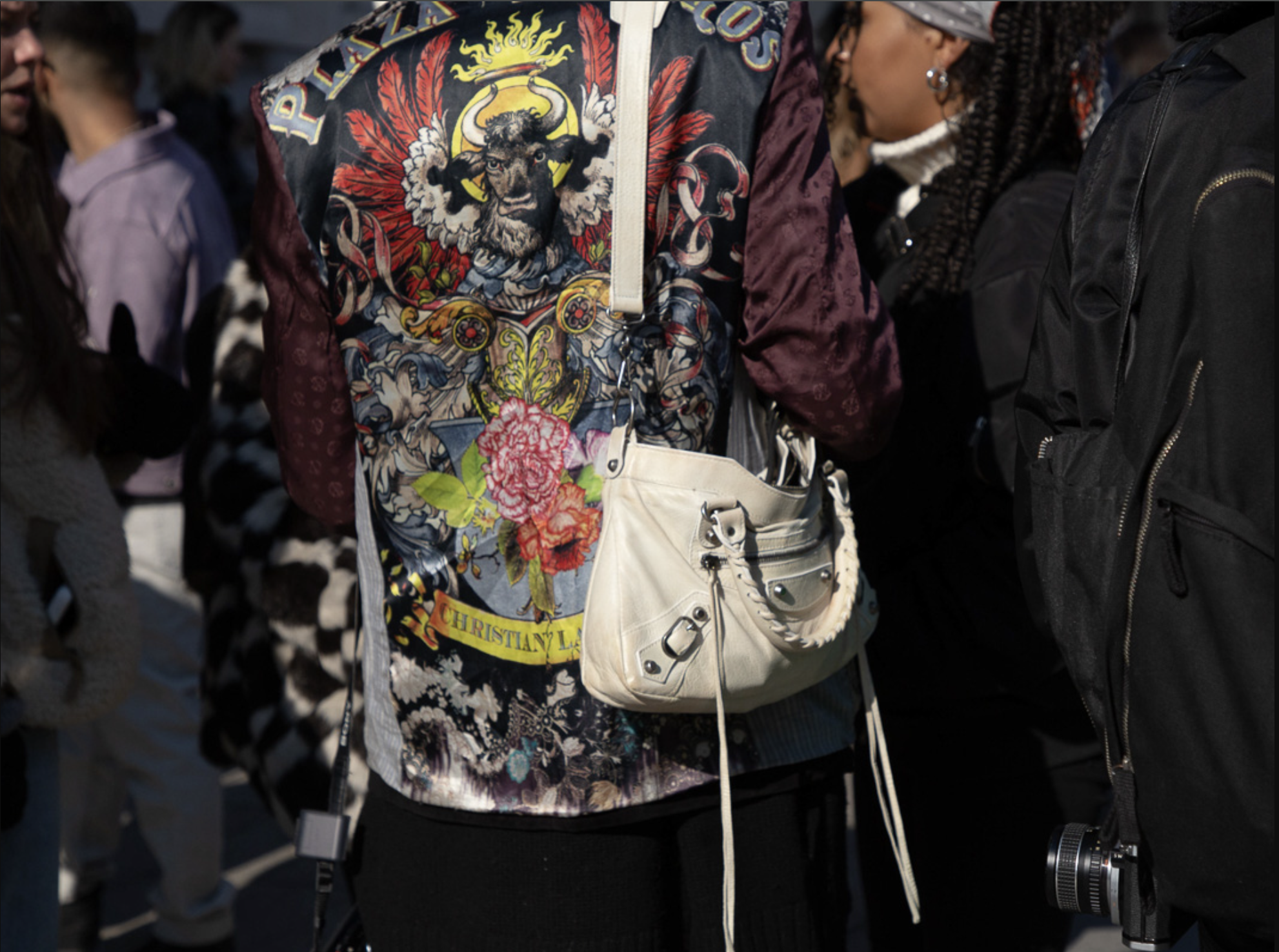
The Balenciaga City is a great example of why shopping for luxury bags second-hand can be more interesting than buying directly from a boutique. You're not just choosing between a few current colors. You can look through different years, discontinued shades, hardware variations and versions that have their own history.
Japan is particularly useful for this because the second-hand market has such a large selection of older designer bags. The only catch is that you need to know how Japanese sellers describe them.
Once you understand the different City names, sizes and condition terms, searching becomes much easier. Instead of looking at every Balenciaga bag that happens to have tassels, you can narrow your search to the exact version you want.
When you're comparing listings, don't get too caught up in finding the oldest or rarest bag. A beautifully worn City in a color you love can be a better purchase than a rare version with dry leather and damaged handles.
And that's really the appeal of Balenciaga City. It was designed to look lived in, so finding the right pre-owned example isn't about finding one that looks untouched. It's about finding one that has aged well.
Unlike shopping from a single reseller, ZenLuxe brings together inventory from multiple trusted Japanese luxury retailers. That wider selection makes it easier to compare prices, conditions, colors, and sizes before making your decision.
Once you know what to look for, the City becomes much easier to shop for. You can recognize the differences between the models, understand what the condition notes actually mean, and spot the details that make one listing more interesting than another. That's when buying a vintage Balenciaga starts feeling less like guesswork and more like knowing exactly what you're looking for.