
(Courtesy of Business Insider)
Contents
- The Secondhand Luxury Boom Is No Longer a Side Story
- When Superfakes Crash the Party
- AI, Lab Gear, and Massive Data Sets Join the Fight
- How Trust Turns Directly Into Sales
- Entrupy Turns Doubt Into Certainty in the High-Stakes Resale Market
- Final Thought: The Real Gold Standard in Luxury
- About The Writer
Can you really tell a $10,000 Hermès Birkin from a convincing $100 knock-off anymore? Today’s superfakes have become so advanced that almost nobody—even trained eyes—can reliably spot them.
Superfakes are disrupting luxury in a way the industry never saw coming; they look real, feel real, and sometimes even come from the same sources as the real pieces.
The Wall Street Journal has reported on this unsettling shift, while Statista Consumer Insights estimates that around 40% of Americans may have bought counterfeit “luxury” items at some point. Panic is spreading, authenticators are overwhelmed, and traditional methods can no longer keep up.
In the middle of this costly chaos, AI has stepped in as the new lifeline, finally giving buyers and sellers an indisputable yes-or-no verdict.
The Secondhand Luxury Boom Is No Longer a Side Story
(Courtesy of Business Insider)
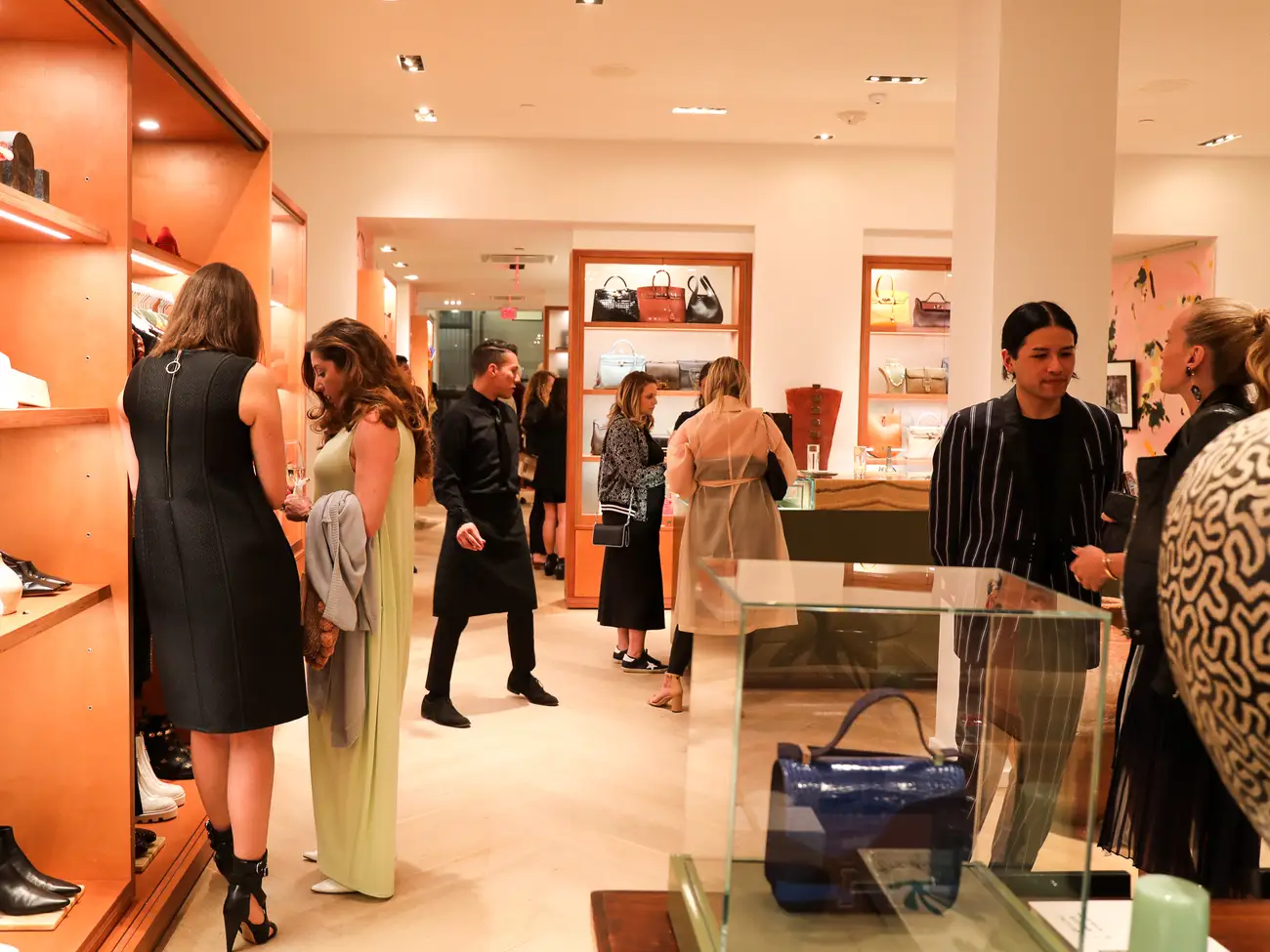
Over the last few years, resale stopped being a niche side hustle and stepped into the main stage of luxury. Recent research on fashion and luxury resale shows that the global secondhand market is growing at around 10 percent a year—roughly three times faster than the market for brand-new items. It is currently valued in the $210 to $220 billion range and is projected to reach as much as $360 billion by 2030 (per BCG).
Affordability is the top reason for buying secondhand luxury items, cited by 80% of respondents, according to BCG’s report. But the appeal goes way beyond the price tag. People love secondhand because there’s actual choice and personality in it. More than half of shoppers say the wide variety and one-of-a-kind finds keep them coming back.
(Courtesy of Business Insider)
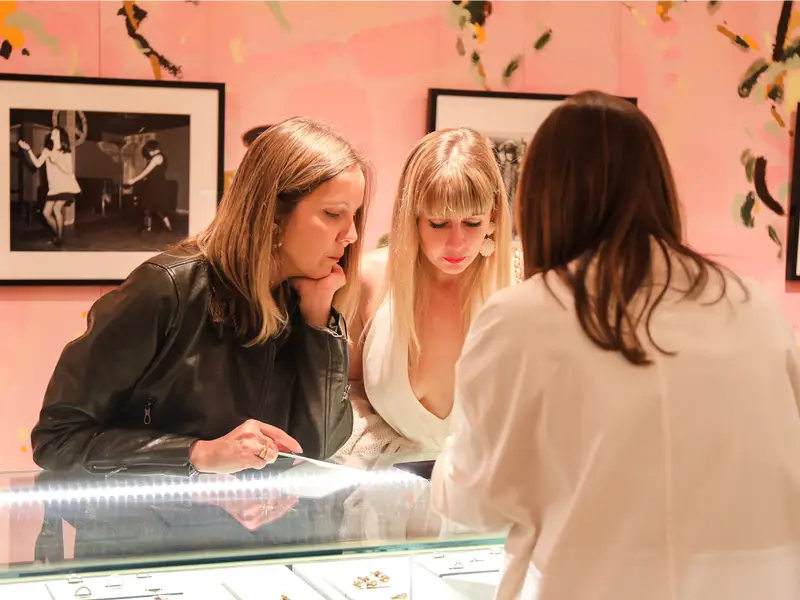
Almost the same number admit the hunt itself is fun—scrolling, comparing, chatting with sellers, it feels like a game. And for about 40%, it’s also the satisfaction of shopping in a more sustainable way, knowing their purchase is kinder to the planet.
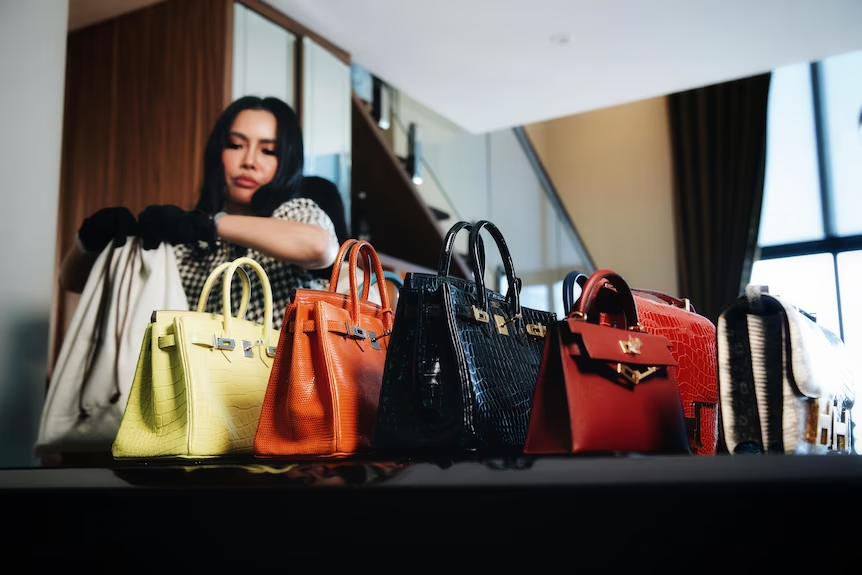
Handbags sit right at the center of the secondhand craze. On average, shoppers in one major survey said that close to %40 of their handbags were bought secondhand, even though only about %28 of their overall wardrobe was (per Business Insider).
Designer bags keep their appeal for a long time because they are not affected by trends in the same way as clothes or shoes. People are not just chasing a cute style anymore, because a luxury bag feels like an asset you can actually wear. It is high-end fashion you enjoy every day, and you still have something worth real money in the future.
When Superfakes Crash the Party
(Courtesy of Piaui)
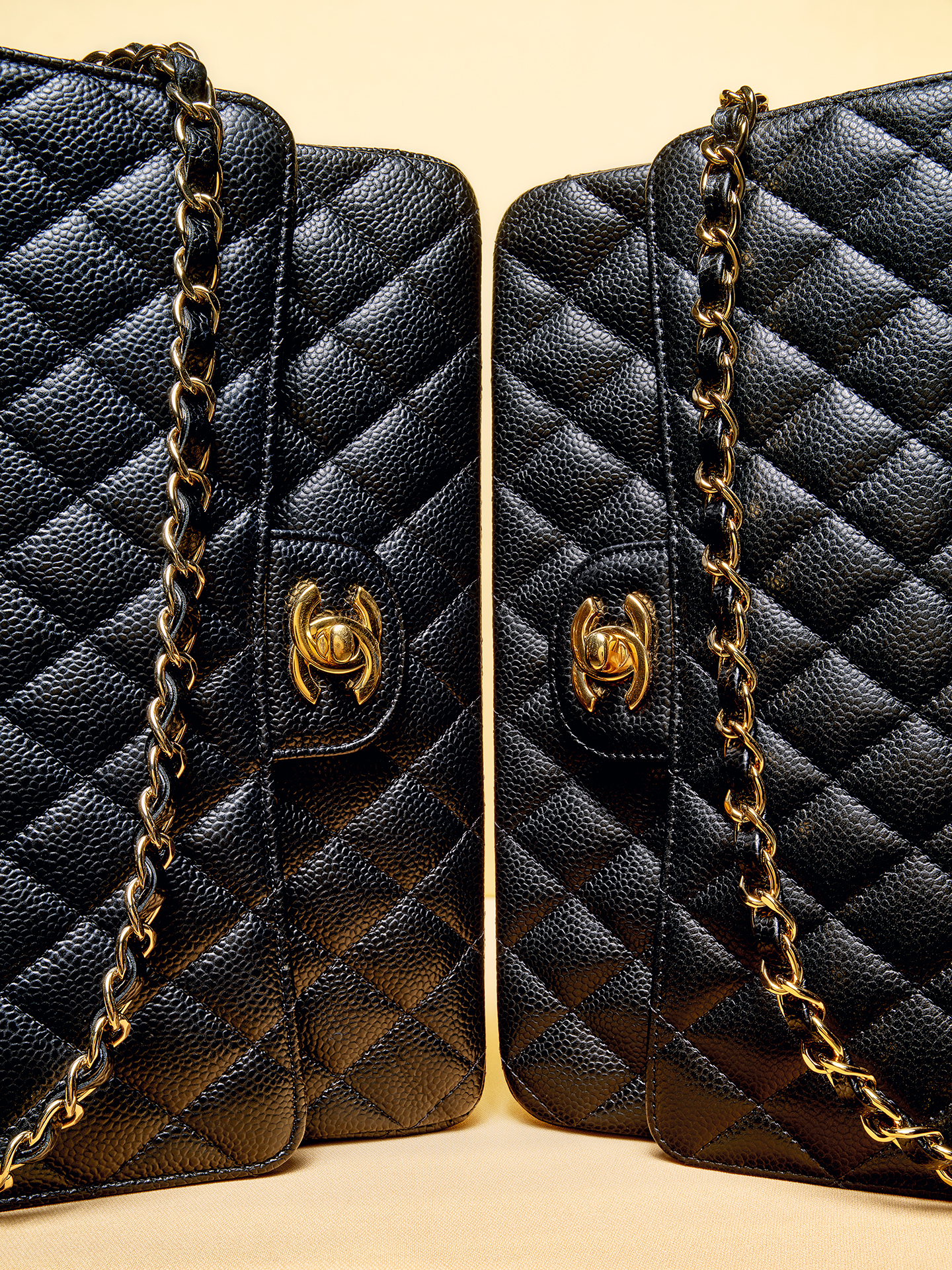
Counterfeits are not cheap market knockoffs anymore. The most advanced “superfakes” are built from similar materials, sometimes in the very same regions and factories as the originals. They mimic stitching, hardware, logos, and even packaging to a level that can fool even the trained eye.
AI authentication leader Entrupy points out that the newest superfakes often come from the same factories and materials used for real luxury pieces, which makes traditional checks almost useless. That shift changes everything:
- For buyers, the risk is obvious. Spending thousands on what is believed to be an investment-grade Hermès Birkin, Rolex watch, or Bulgari jewel—only to find out it is nothing but a convincing superfake.
- For platforms, one bad scandal can tank hard-earned trust. A single viral story about a fake bag or watch can undo years of high-budget branding.
- For brands, superfakes blur the line between legitimate resale and pure counterfeit operations. They dilute brand equity and damage perception.
The result is a strange paradox. Secondhand luxury has never been more popular, but it has also never been more dangerous. That is why authentication is no longer a “nice extra.” It is the entire foundation of the booming secondhand market.
AI, Lab Gear, and Massive Data Sets Join the Fight
(Courtesy of Fashion Network)
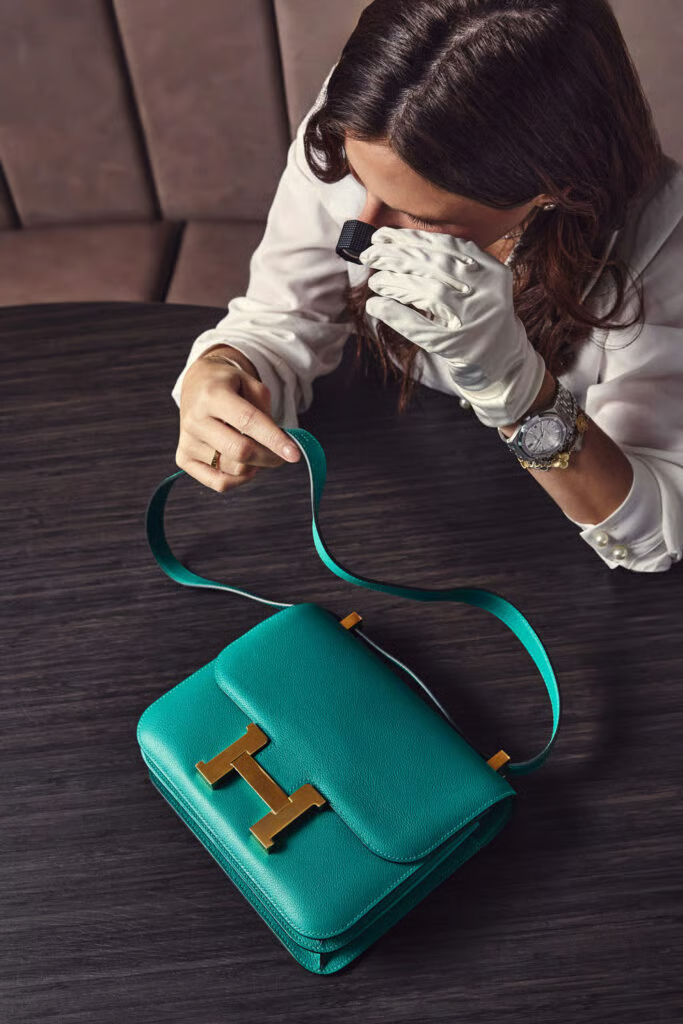
Human expertise is still at the heart of authentication, but it is now heavily supported by machines. Some platforms have built hybrid systems that combine old-school visual inspection with scientific equipment and artificial intelligence.
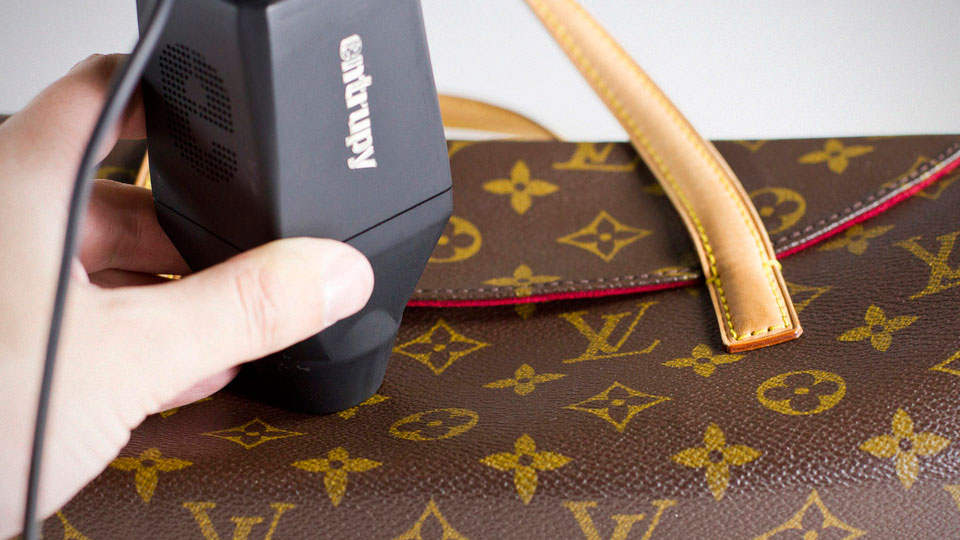
These systems might use high-resolution imaging, microscopes, and material analysis tools to capture details that the naked eye would miss. All of those images and measurements enter an internal database covering hundreds of product styles across brands, models, and years.
That database becomes the training ground for AI models that learn to recognize the subtle fingerprints of authenticity and the recurring mistakes that appear on counterfeits.
(Courtesy of Mikeshouts)
Over time, the technology learns from hundreds of thousands of examples. It gets better at flagging odd stitching patterns, slightly incorrect hardware shapes, or the wrong sheen on a particular leather color. Just as importantly, the system never stops learning; every new fake that is caught becomes a lesson that protects future buyers.
This is not about replacing human authenticators but augmenting them. The expert knows which parts of a bag are most suspicious. The machine can zoom in and compare those areas against enormous banks of data in seconds, then flag anything that falls outside the expected pattern. Together, they raise the bar far beyond the casual checks that were once common in the resale world.
How Trust Turns Directly Into Sales
(Courtesy of Rome Business School)
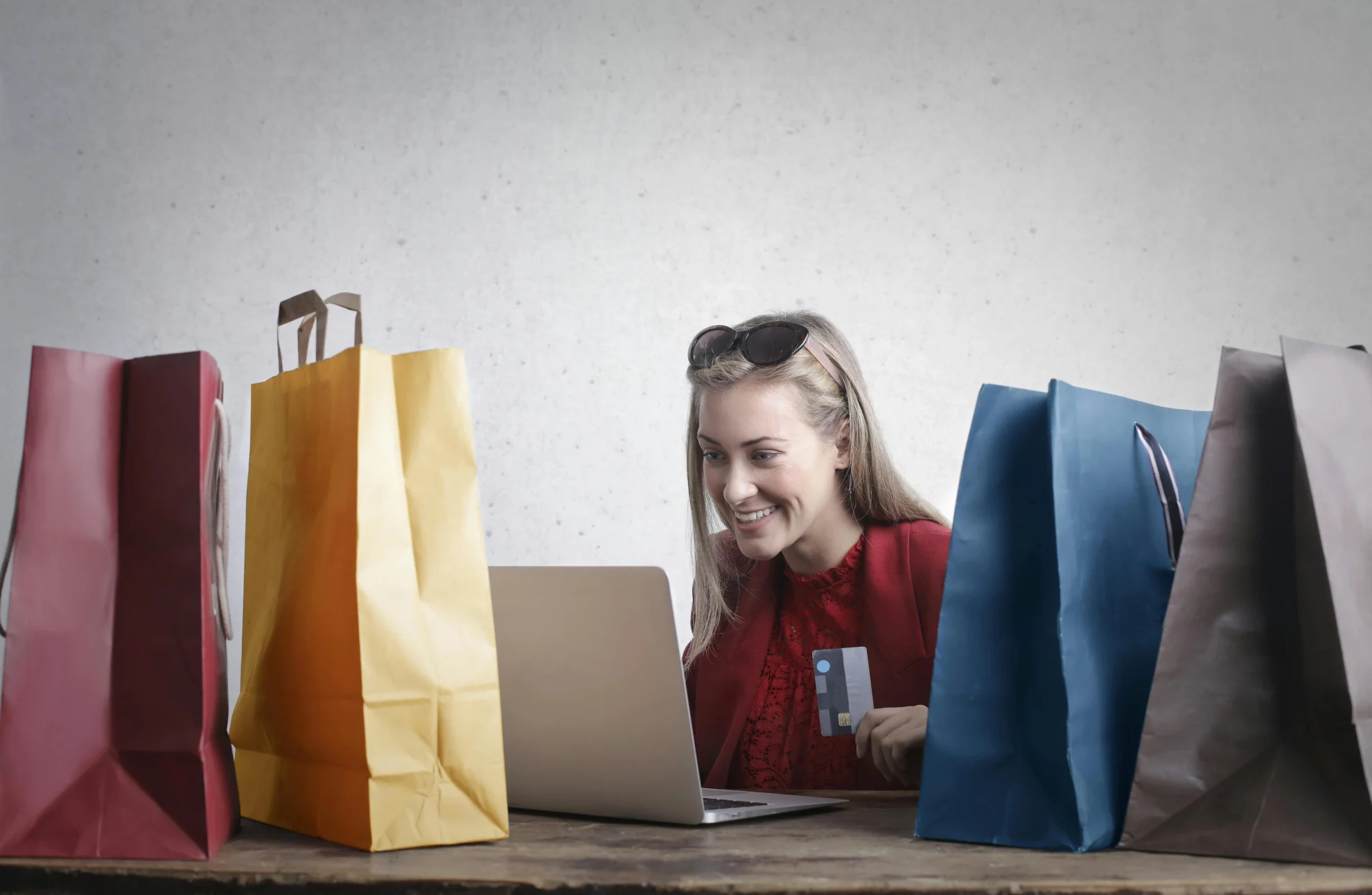
Authentication is not just a feel-good feature or a marketing slogan. It has a visible impact on business. Platforms that invested seriously in verification are seeing luxury categories become some of their strongest revenue drivers.
Verification appears to have paid off for both Carousell and Bunjang. Bunjang reports that luxury items now account for over a quarter of its annual GMV, which stands at about $1.1 billion. In the first half of 2025 alone, transactions and overall value for luxury goods rose 30 percent year over year. Carousell’s Tan didn’t pinpoint numbers but confirmed “very strong interest” in its luxury segment (per CNBC).
A similar story is unfolding in Japan, where luxury resale platform ZenLuxe has recently adopted Entrupy’s airtight AI authentication to guarantee their luxury inventory is genuinely what it claims to be.
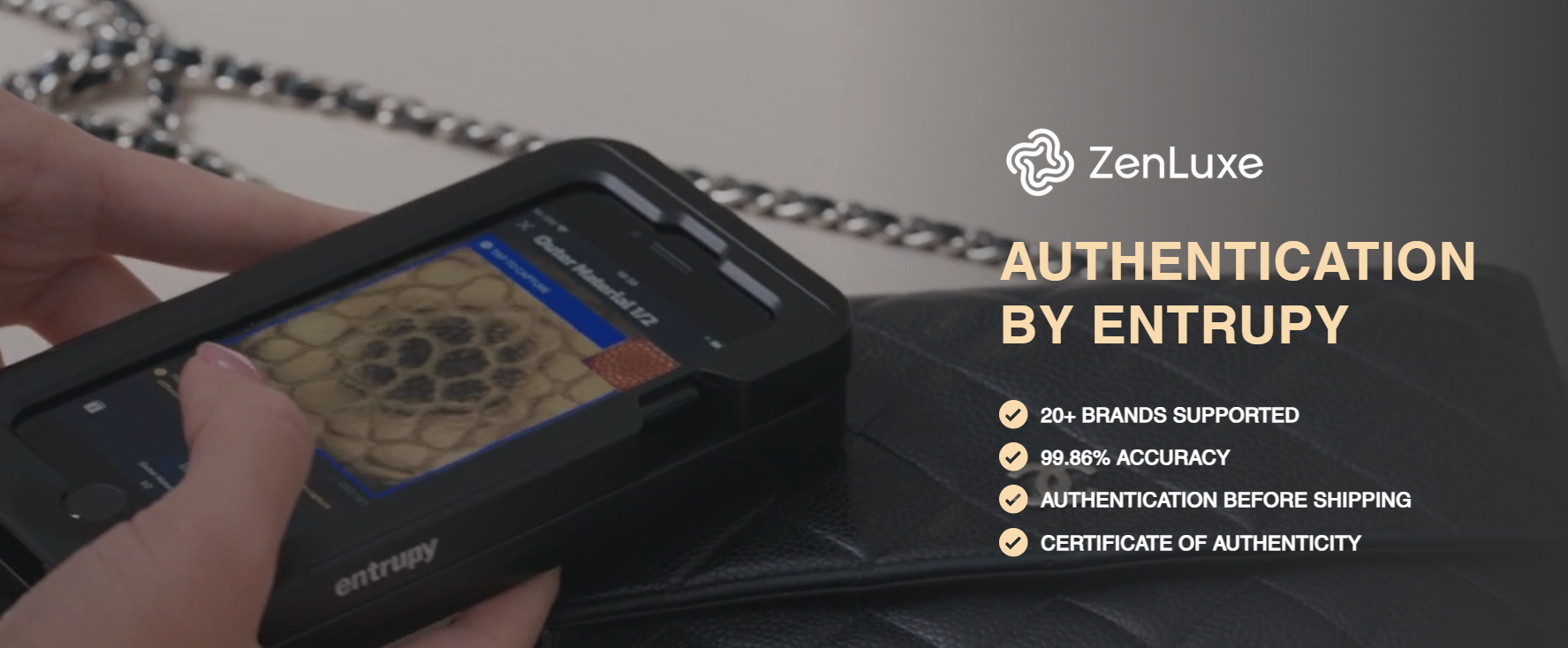
The nearly 100% accurate authentication process can be costly for both the reseller and the buyer, yet it ultimately builds deeper trust and creates a win-win experience for everyone involved.
Because of that, many platforms are comfortable admitting that their items are not always the cheapest on the internet. Yet buyers still choose them, accepting a small premium as the price of sleeping better at night.
Given the choice between saving a couple of hundred dollars and having a clear money-back guarantee on authenticity, many shoppers decide that security is worth more than a short-term bargain.
Entrupy Turns Doubt Into Certainty in the High-Stakes Resale Market
(Courtesy of Closet Genève)
In a market where a tiny mistake can cost thousands, only technology with razor-sharp accuracy can cut through the doubt with one simple verdict: real, or not real.
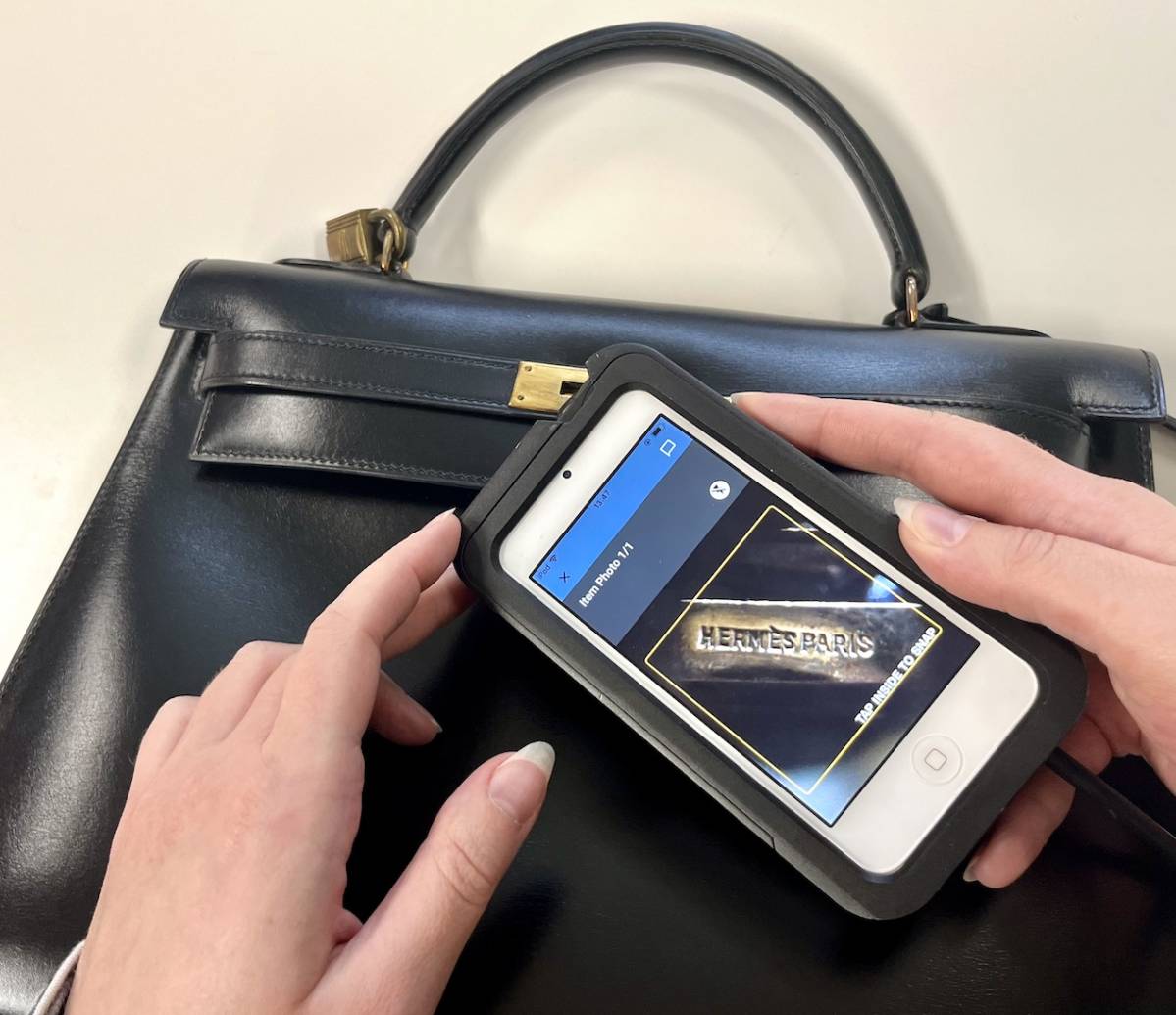
Entrupy is an AI-powered authentication system built specifically for high-value goods like luxury handbags, sneakers, and apparel. It does not “eyeball” pieces the way a human authenticator would. Instead, it uses a combination of microscopy and machine learning to study tiny details that most people will never notice.
When a reseller like ZenLuxe uses Entrupy, they scan the item with a proprietary handheld device and app, which captures a series of microscopic images from key areas—leather grain, stitching, logo prints, hardware, and other identifiers.

The magnification exposes what the eye cannot, revealing with a 99.86 percent accuracy rate whether the item is a real creation of the brand or just a convincing imitation from a regular factory.
The system compares those images against a huge database of records built from known authentic and known counterfeit items. Over years of training on millions of microscopic samples, the algorithms have “learned” the subtle visual patterns that separate the real thing from even high-grade fakes.
Sellers and resale platforms using Entrupy consistently point to its outstanding performance with handbags, where incorrect calls are almost nonexistent. Entrupy itself confidently places its technology in the near-perfect range for those pieces, clearly stating, “If our tech ever gets it wrong, we’ll give your money back.”
Entrupy supports an impressive roster of luxury legends, covering bags and small leather goods from Hermès, Chanel, Louis Vuitton, Dior, Celine, Gucci, Fendi, Bottega Veneta, Saint Laurent, Burberry, Balenciaga, Chloé, Prada, Valentino, Givenchy, MCM, Salvatore Ferragamo, Loewe, and Dolce & Gabbana, among others.
Final Thought: The Real Gold Standard in Luxury
(Courtesy of ABC News)
Shopping pre-loved is no longer a gamble—airtight AI authentication allows you to score luxurious yet affordable pieces without the “hope this is real” anxiety that used to come with it.
Platforms that take authentication seriously are the ones that will stay ahead as the resale market speeds toward that projected $360 billion mark. Japan-based platform ZenLuxe, with its massive selection of verified luxury pieces and Entrupy-powered AI authentication, is a good example of where the resale world is heading: more access, more transparency, and far fewer sleepless nights wondering whether that dream bag might secretly be a nightmare.
Instead of hunting across countless sites, ZenLuxe brings Japan’s renowned luxury ecosystem into one trusted platform. As a global shopper, you get access to a wide mix of luxury labels—Hermès, LV, Gucci, Dior, Chanel, Tiffany, Cartier, Rolex, TAG Heuer—and have your chosen pieces delivered straight to your doorstep.
In this new era where superfakes are nearly impossible to detect, scoring airtight, AI-authenticated pieces at better prices has become the real flex, the one that makes every pre-loved purchase feel genuinely worth it!
About The Writer
Meet Mariam — a fashion writer who lives and breathes all things vogue and glamour. For her, the most therapeutic aspect of fashion goes beyond simply shopping for the latest styles that appear in stores; it’s fully experiencing this glamorous world from the little details to the big moments (there's nothing quite like the thrill of flipping through a sleek fashion magazine, is there?).