
Contents
- 1. Thinking the Price at Checkout Is the Final Price
- 2. Underestimating How Strict Express Carriers Can Be
- 3. Forgetting That Watches Can Trigger Customs Delays
- 4. Assuming Shoes Are an “Easy” Purchase
- 5. Overlooking Exotic Leathers and Wildlife Trade Rules
- 6. Missing Small Yet Crucial Paperwork Details
- 7. Ignoring Counterfeit Risk and the Cost of Being Wrong
- 8. Relying on Returns Instead of Buying Right
- The Most Reliable Way to Avoid Delays
- A Reality Check on What Buyers Can (and Cannot) Control
- A Practical Pre-Purchase Checklist to Keep on Hand
- Why ZenLuxe Solves Nearly Every Buying Risk
- FAQs
Buying second-hand luxury from Japan online can feel like every shopper’s paradise: A Louis Vuitton Speedy that looks suspiciously pristine, an Hermès Birkin that feels almost untouched, a Chanel Classic Flap that still holds its crisp structure, and a Dior Saddle that seems to have escaped every scratch life could offer.
Then reality taps the screen. One FedEx email later, a Rolex shipment is waiting on paperwork, and the easy-checkout fantasy disappears. Luxury bags usually move smoothly until exotic materials enter the picture. Then even a dreamy Birkin can turn into a paperwork headache if CITES documentation is missing. That ultra-comfy Nike pair? It might not reach you as quickly as you hope.
Avoiding a regretful luxury purchase starts with knowing what can go wrong. This guide breaks down the 10 most common mistakes buyers make when shopping second-hand luxury from Japan, along with the smartest, legal ways to sidestep them completely.
Disclaimer: Customs policies can change without much notice, and restrictions often depend on factors like item type, declared value, and destination country. For the most reliable information, reaching out to official customs channels is always recommended. ZenLuxe is not responsible for any issues, delays, or costs that might occur due to changes in customs regulations or other unexpected factors.
1. Thinking the Price at Checkout Is the Final Price

The most common pain point is not a scam. It is math.
Even when an item is legitimately purchased, the delivered cost can jump because of import duties, VAT, and carrier brokerage or disbursement fees (per FedEx).
In the EU, VAT applies to imported goods and may be charged at checkout through IOSS in certain cases, or collected later by the carrier acting as the customs declarant. In the U.S., the rules have tightened, and since policy changes reported in 2025, more shipments are now subject to duties and additional formal requirements (per Reuters).
How to avoid it:
Start every purchase with landed-cost thinking, even for personal buys. That means seeing duties, taxes, and clearance fees as part of the real price, not an unlucky surprise later.
When buying through a marketplace like ZenLuxe, there is at least a structured seller system and clear platform pages that call out essentials like authentication, shipping, and returns, which signals a far more professional cross-border setup than random peer-to-peer listings.
2. Underestimating How Strict Express Carriers Can Be
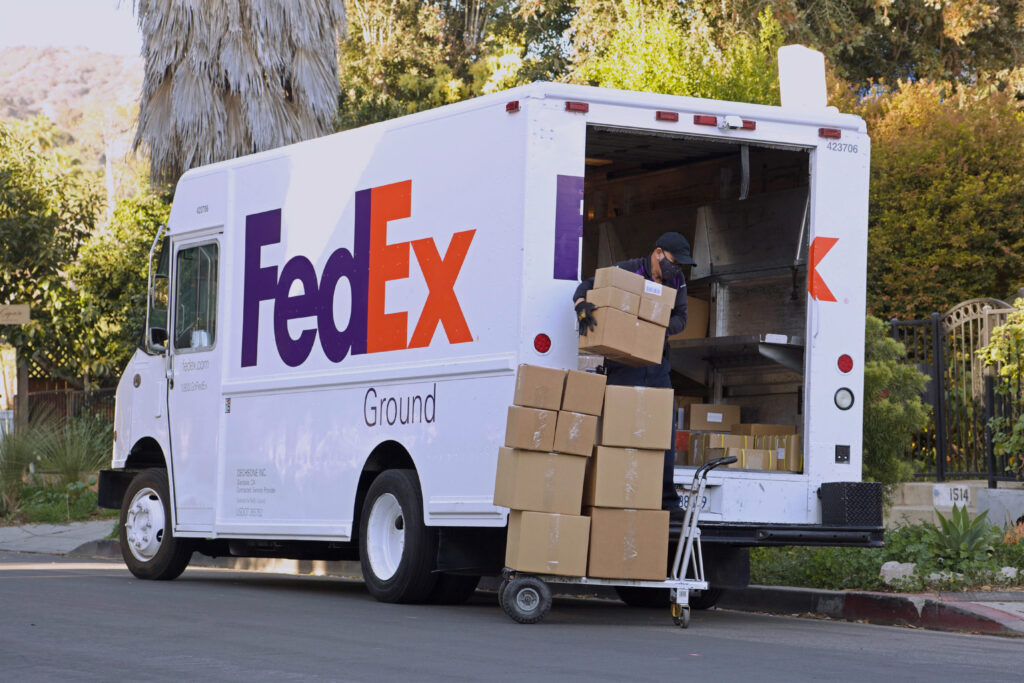
(Courtesy of ChannelX)
When FedEx or another express carrier handles a high-value shipment, it is not simply about delivery. It is customs brokerage happening in real time, and that is where strict procedures come into play.
FedEx explains that brokers must have a signed Power of Attorney to act on the importer’s behalf during customs clearance with Customs and Border Protection. The company also provides POA forms that typically request a U.S. IRS identification number, a Social Security Number, or a customs-assigned importer number.
This is usually the moment that catches first-time buyers off guard. The carrier is not overreacting or being dramatic. It is simply trying to clear the shipment legally and as efficiently as possible. Watches often trigger extra scrutiny due to their value, classification, and the detailed marking requirements that apply in the United States.
How to avoid it:
Think of “importer of record” as a role you may need to step into, even as a consumer. Keep your identification details ready for the carrier. And if a Power of Attorney is requested, take the time to read it carefully and complete it only through official channels.
It also helps to choose a purchase path that minimizes messy back-and-forth. ZenLuxe operates as a structured marketplace and clearly highlights platform-level guarantees, such as free shipping and a defined return window.
That kind of infrastructure tends to work far more smoothly with carrier processes than a random shipment from an unknown seller with unclear paperwork.
3. Forgetting That Watches Can Trigger Customs Delays
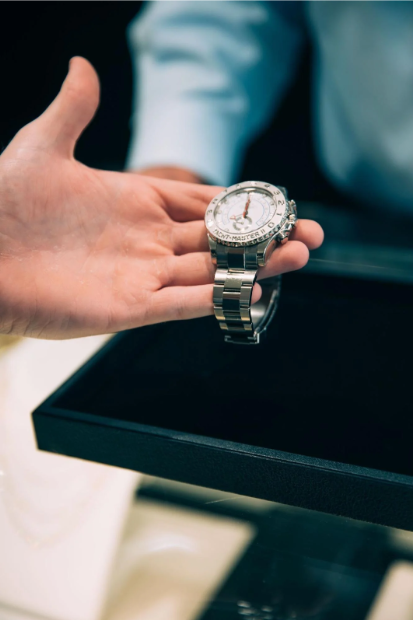
(Courtesy of The Estate Watch And Jewelry Company)
From a customs perspective, a watch is treated very differently from jewelry. It falls under a regulated tariff category with detailed marking expectations.
U.S. Customs materials explain that watch and clock classification and marking are highly specialized areas. CBP rulings also note that, to meet country-of-origin rules, a watch must clearly display the country where the movement was manufactured in a conspicuous location, along with additional marking requirements referenced under Chapter 91 Additional U.S. Note 4.
This becomes an issue when documentation points one way but the watch’s markings or construction point another, which can lead to delays. High declared values on luxury watches only add to the likelihood of more detailed scrutiny.
How to avoid it:
Before buying a watch from Japan, plan around three realities. First, higher values usually mean more questions from the carrier. Second, documentation needs to be precise and fully consistent with the watch itself. Third, it is best to avoid sellers who cannot clearly explain exactly what is being shipped.
This is where a curated marketplace becomes a real advantage. ZenLuxe places authentication and trusted sellers at the center of the shopping experience. That does not remove customs requirements, but it does reduce the risk of unclear listings, vague condition details, or uncertain item identity, which is where many clearance issues tend to start.
4. Assuming Shoes Are an “Easy” Purchase
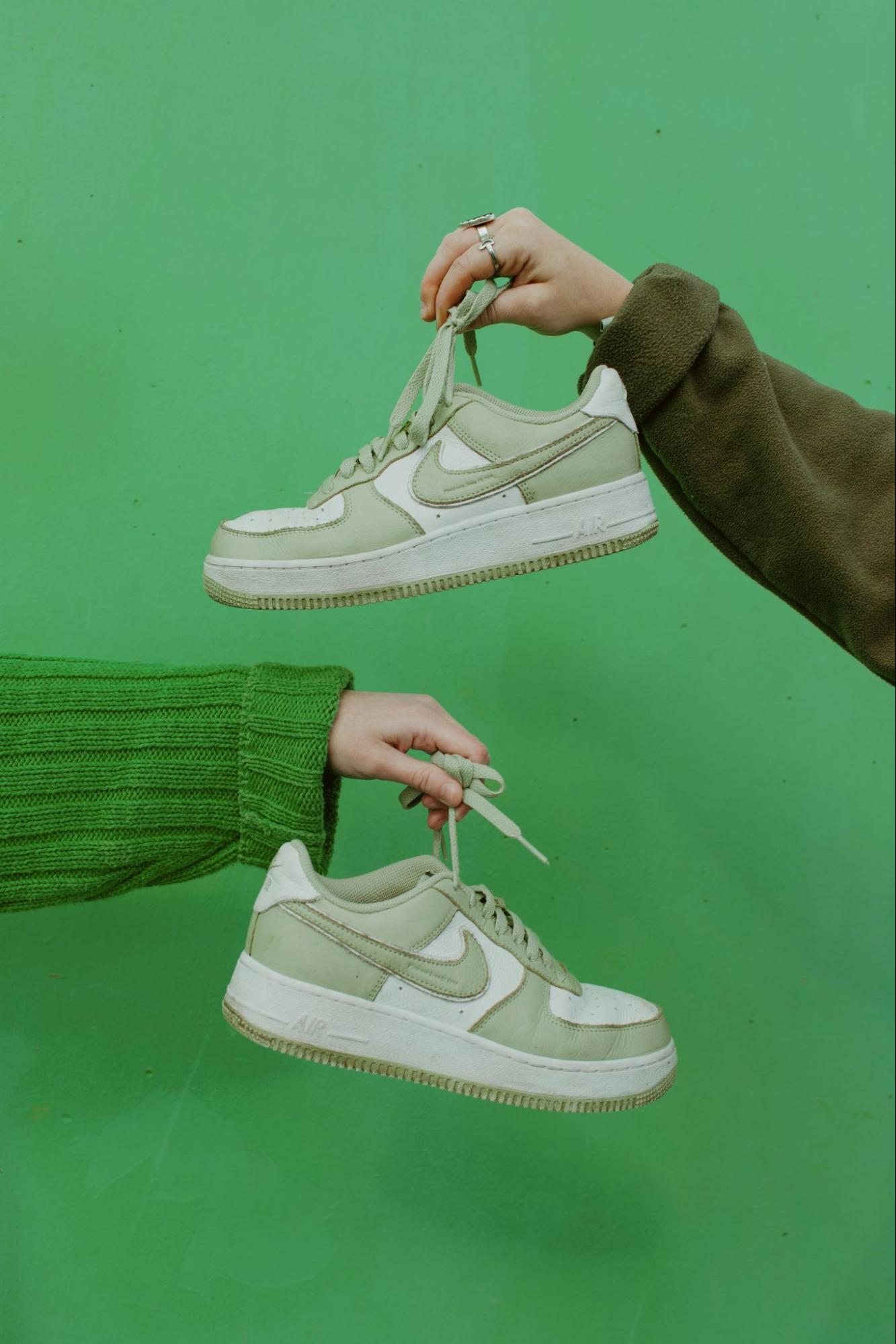
Footwear is not inherently difficult to import; issues tend to arise when materials or construction details draw unwanted attention.
Certain leather types, exotic skins, protected species, decorative elements, or composite parts can all trigger extra review. Even when nothing is technically wrong, the category often attracts classification questions because duty rates vary widely by material and shoe type.
Simply put, ordinary materials usually mean an ordinary shipment. When materials are not ordinary, the shipment often is not either.
How to avoid it:
Avoid vague listings that do not clearly state materials. If a shoe listing mentions exotic leather or wildlife-based materials, treat it like a regulated product and do not gamble.
Sticking to classic Adidas, Nike, New Balance, or Puma sneakers helps avoid unnecessary scrutiny. These are easy to find secondhand and tend to move more smoothly when purchased through a trusted Japan-based resale platform like ZenLuxe.
5. Overlooking Exotic Leathers and Wildlife Trade Rules
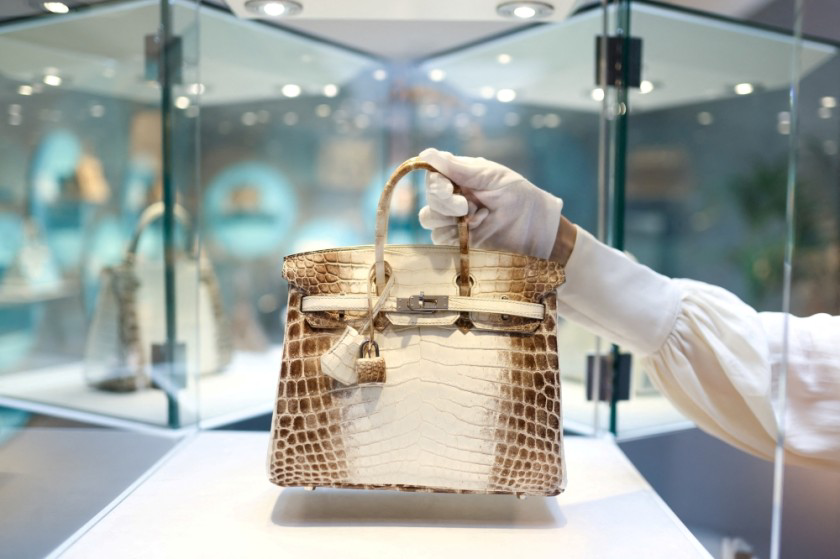
(Courtesy of Oman Observer)
This is the main risk area for luxury bags. When a bag includes crocodilian skin, certain snakes, certain lizards, or other protected species, the shipment can fall under CITES rules. Although CITES defines a personal or household effects concept, those exemptions are limited and may not apply when the shipment is commercial.
Both the EU and the U.S. advise buyers to be cautious when purchasing CITES-listed items online, as missing or incorrect documentation can make an item illegal to import. In the United States, the U.S. Fish and Wildlife Service explains that permits may be required for regulated wildlife-related imports and exports and provides formal permit pathways for compliant shipments.
This explains why exotic bags are widely seen as nearly impossible for consumers to import. The issue is not outright legality in all cases, but the fact that secondhand listings rarely come with the full permit chain needed to clear customs.
How to avoid it:
Make one rule non-negotiable. If a bag contains a likely CITES-listed species, do not buy unless there is clear documentation supporting legal export and import for your destination country.
If the seller cannot provide that paperwork, the safest move is to choose a non-exotic material instead—think durable nylon pieces like the Prada Re-Edition 2005, classic canvas styles like the Louis Vuitton Neverfull, or smooth calfskin staples such as the Chanel Classic Flap. This keeps shopping enjoyable and avoids seizures, delays, and unnecessary legal exposure.
6. Missing Small Yet Crucial Paperwork Details

Customs delays are often triggered by tiny gaps like these:
- An incomplete description, such as used bag instead of pre-owned leather handbag.
- Missing material details for shoes.
- Missing watch specifics needed for proper classification.
- Unclear or inconsistent country-of-origin statements.
- Missing recipient phone number or email required for clearance contact.
A simple rule of thumb is to avoid guesswork entirely. Guessing often leads to holds.
How to avoid it:
Choose sellers and platforms that already operate comfortably across borders. ZenLuxe is a strong example of a marketplace built for overseas buyers, with global shipping highlighted directly on category pages, which makes it clear that international fulfillment is intentional, not an afterthought.
Buyers should do their part too by matching their name to their ID, using a working phone number, and replying promptly to carrier messages.
7. Ignoring Counterfeit Risk and the Cost of Being Wrong
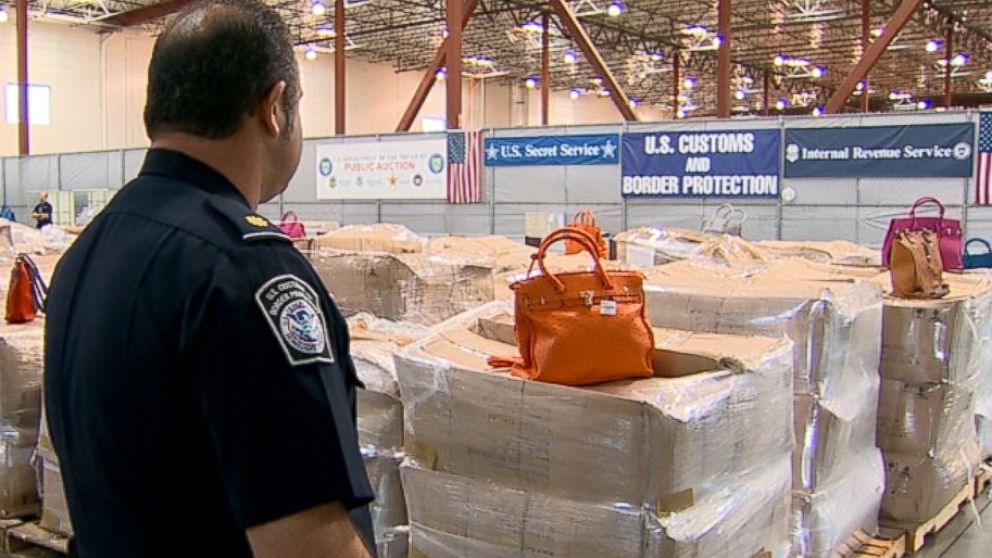
(Courtesy of ABC News)
Secondhand luxury from Japan is widely trusted, and for good reason. The country is known for strict legal regulations, a deep cultural respect for caring for personal belongings, and a highly professional, competitive resale market.
This reputation, often called the Used in Japan standard, is associated with exceptional condition and strong authenticity expectations for pre-owned items.
Still, no market is immune to counterfeits. The superfake issue is global and follows luxury wherever it goes, and the cost of a fake goes beyond the price paid. A counterfeit can be seized by customs, lead to payment disputes, and lead to brand protection issues that take real time to untangle.
How to avoid it:
Highly replicated icons like the Gucci Marmont, Louis Vuitton Alma, Hermès Kelly, and Fendi Peekaboo demand extra caution. The safest approach is sticking to platforms with rigorous authentication standards, such as ZenLuxe.
The Japan-based resale platform employs Entrupy’s advanced AI authentication system, which reports a 99.86% accuracy rate and plays a key role in preventing counterfeits from entering its marketplace.
8. Relying on Returns Instead of Buying Right

International returns rarely work like local ones. Shipping costs run higher, duties can be complicated, and some taxes are only reclaimable through formal processes.
Clear return terms matter before checkout. Trusted marketplaces like ZenLuxe display a 30-day return and refund policy on category pages, offering the kind of upfront reassurance buyers should look for when shopping across borders.
How to avoid it:
Buy only when sizing, fit, and condition are completely clear.
For shoes, that means knowing the model’s fit and the correct size conversion. For bags, it means reviewing the condition rank and checking corner wear, handle wear, and interior marks. For watches, confirm reference details and service history when available.
Always treat returns as a safety net, not the original plan.
The Most Reliable Way to Avoid Delays

The simplest way to reduce import headaches is to make the shipment boring. Boring clears quickly. That means paperwork that is clean, complete, and consistent from start to finish.
FedEx outlines several clearance accelerators that align perfectly with luxury imports, including providing full commercial documentation, using precise product descriptions, and including manufacturer details when required.
Brokers may also request a signed Power of Attorney so they can facilitate clearance with CBP on behalf of the importer, according to FedEx.
A Reality Check on What Buyers Can (and Cannot) Control

Customs may seem unpredictable, but much of it is within the buyer’s control. Clear information, quick responses to document requests, and thoughtful choices around restricted materials all make a real difference.
Buyers cannot choose whether a shipment is inspected. They cannot speed up a government review. And they cannot decide if a carrier will require a broker for a specific value or item type.
That is why the real objective is not perfection. It is removing unnecessary friction before it even starts.
A Practical Pre-Purchase Checklist to Keep on Hand

The simplest way to shop for Japanese luxury items is to keep the process structured.
Begin with a cross-border ready platform like ZenLuxe.
Check the category risk first:
- Watches often face stricter scrutiny and detailed classification rules in the US.
- Shoes are usually fine unless the materials or construction are complicated.
- Bags are smooth unless exotic skins are involved, which can trigger CITES requirements.
Confirm materials clearly in writing:
- Never guess if exotic materials may be present.
- Proper CITES paperwork can make the difference between legal entry and seizure.
Expect taxes and duties
- EU import VAT commonly applies, and carriers may collect it directly.
- US duty-free assumptions for lower values have shifted after policy updates reported in 2025.
Be ready for carrier clearance steps:
- Requests for POA or identity details are standard brokerage procedures.
Prioritize authenticated inventory:
- ZenLuxe features Entrupy authentication and authenticity assurances across brand category pages.
Why ZenLuxe Solves Nearly Every Buying Risk
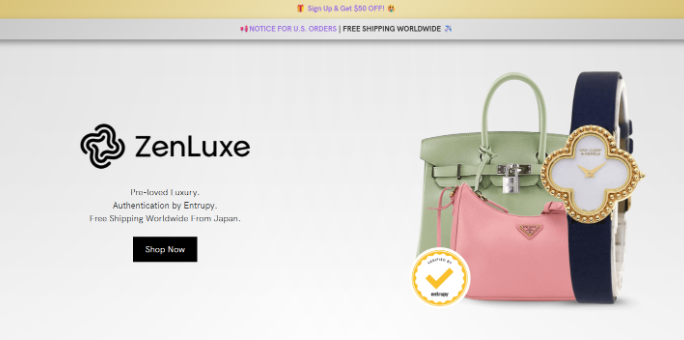
Most of the pitfalls above are not solved by luck. They are solved by structure. ZenLuxe, a Japan-based marketplace headquartered in Osaka, connects authentic secondhand luxury from Japan with international buyers.
The platform guarantees key buyer protections for cross-border shopping, from authentication and free shipping to a clear return window and trusted sellers. This gives international shoppers direct access to Japan’s renowned secondhand luxury inventory from leading sellers in the country.
ZenLuxe features Entrupy-authenticated luxury pieces from leading global brands, offered in pristine condition and at fair market prices. Once ordered, each item is carefully packaged and promptly shipped right to your doorstep.
This structure helps resolve the most common cross-border shopping concerns. It minimizes authenticity risk through a formal authentication process, removes random seller confusion by consolidating trusted sellers on one platform, and strengthens buyer confidence with clear shipping and return guidance.
FAQs
Will customs charge import tax or VAT when buying luxury goods from Japan online?
Usually yes. Purchasing luxury items from Japan usually means accounting for import taxes, VAT, or similar duties. These fees are charged once the shipment reaches your country and are the buyer’s responsibility. Local customs offices determine the exact charges, which can vary depending on the destination.
Are watches harder to import into the US than bags or clothing?
Yes. Watches are often more challenging to import since U.S. Customs classifies them as a specialized category with specific marking and classification rules, which often means carriers ask for extra paperwork during clearance.
What item description is best for customs paperwork?
Use a clear, plain-language item description that spells out the material and purpose so carriers and customs can classify it correctly. Buyers should also check destination-country customs rules in advance and expect duties and taxes depending on the category and location.
Why are shoes considered difficult to import from Japan?
Importing shoes from Japan can be tricky because customs classification and duties depend on very specific details, including the upper material and outer sole material. Carriers often need this information, along with the shoe type and quantity listed in pairs. When invoice descriptions are vague or missing these details, clearance can slow down or even be held.
Do bags made with exotic leather need CITES documents?
In many cases, yes. CITES controls the international trade of protected species through required permits. CBP further notes that goods made from certain wildlife materials may fall under CITES restrictions, meaning they could be prohibited or require formal documentation.