
Contents
- 1. Shopping Without a Clear Wishlist or Budget
- 2. Chasing Hype Instead of Personal Style
- 3. Not Researching Retail Price and Market Value
- 4. Ignoring Condition Grades and Detailed Photos
- 5. Forgetting About Size, Fit, and Practicality
- 6. Underestimating Repair and Maintenance Costs
- 7. Not Buying From Trusted, Transparent Sources
- 8. Ignoring Return, Exchange, and Customs Policies
- 9. Forgetting About Future Resale Value
- 10. Neglecting Care After the Purchase
- About The Writer
Second-hand luxury feels like the smartest hack ever—until that one bag arrives and suddenly you are staring at scratches you did not notice, a funky smell nobody mentioned, or a “designer” stamp that looks suspicious.
Before clicking “pay now,” check out these 10 costly mistakes that lead to major regret, and learn exactly how to protect your money, your mood, and your luxury goals.
1. Shopping Without a Clear Wishlist or Budget

As tempting as it is to check out fast, don’t smash that “pay now” button until you’re sure about your items and budget.
Scrolling endlessly and buying whatever looks pretty might feel fun in the moment, but it is one of the fastest ways to end up with pieces that do not fit a real lifestyle. A year later, those impulse buys often sit in the closet while you still dream about the bag or watch you actually wanted.
How to avoid this mistake:
- Make a short wishlist of priority items (for example: one everyday tote, one crossbody, one evening bag).
- Set a realistic budget for each item and stick to it.
- Ask whether the piece fits regular outfits or is just a temporary crush.
- Use your wishlist as a filter and ignore everything that does not move you closer to those goals.
2. Chasing Hype Instead of Personal Style
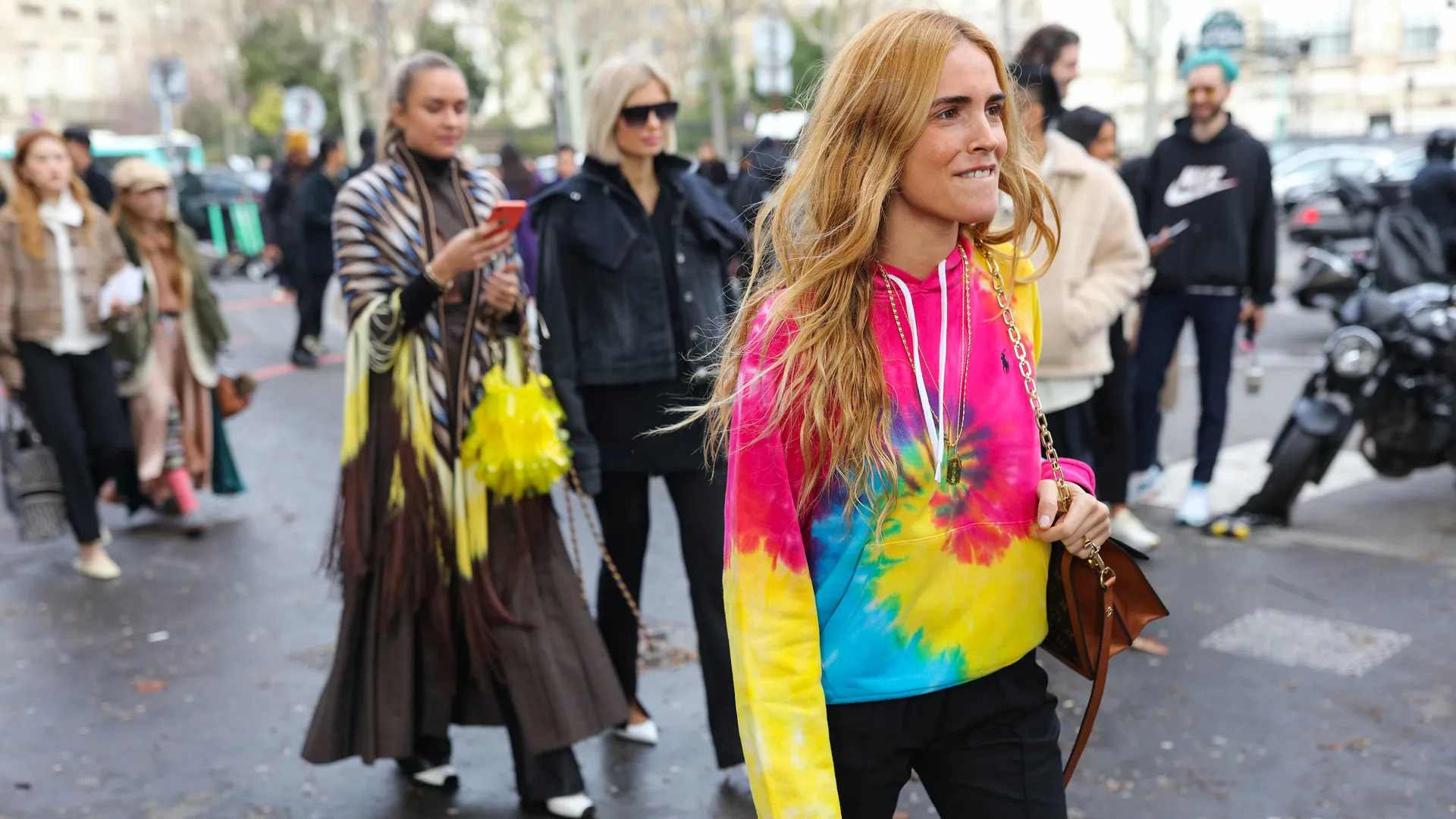
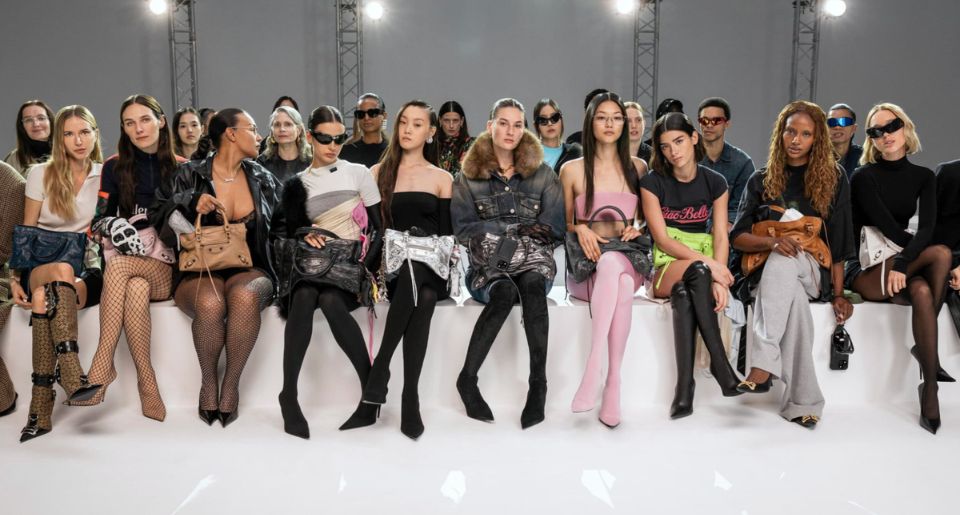
There was a moment when tie-dye ruled every closet, yet today it is more of a playful teenage throwback than a look anyone reaches for.
(Courtesy of Vogue)
Many regrets start with a trend that felt exciting at the time: a loud logo, a color that went viral for three months, or a bag shape that looked good on celebrities but not on real-life shoulders. Within a year, those pieces can feel dated or simply not you.
How to avoid this mistake:
- Look at what you reach for on a normal day: neutral, colorful, structured, soft, classic, or sporty.
- Save reference photos of outfits you genuinely love, then notice the common themes.
- Choose timeless shapes and shades that feel aligned with your personality, not just with algorithms.
- If a piece only looks good in highly styled photos but not with daily outfits, stay away.
3. Not Researching Retail Price and Market Value

Treat researching the retail price and current market value like a personal detective mission—those extra minutes can save you a lot of money later.
Another common regret comes when someone realizes they overpaid for a “deal”. Without checking the original retail price and current resale range, it is easy to pay almost new prices for heavily used items or for pieces that have poor resale demand.
How to avoid this mistake:
- Check the current or last known retail price on the brand’s official site or trusted sources before buying
- Compare at least three resale listings in similar condition to understand a realistic price range.
- Be careful with items priced too low—this can be a red flag for fakes or undisclosed issues.
- If the price does not make sense for the condition and brand, walk away.
4. Ignoring Condition Grades and Detailed Photos
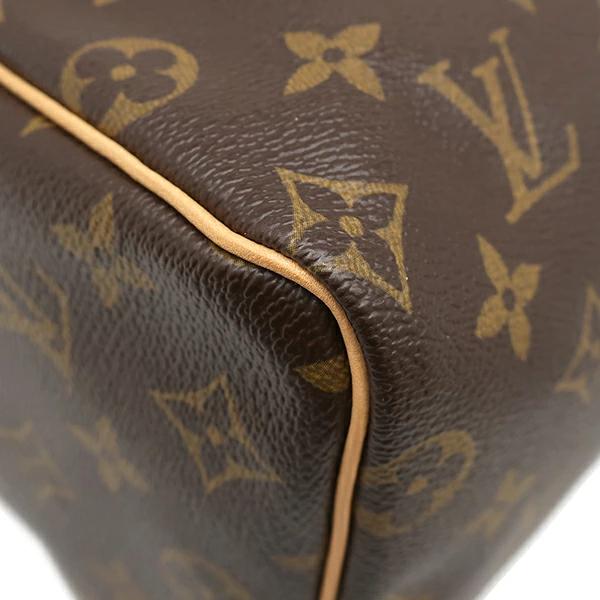
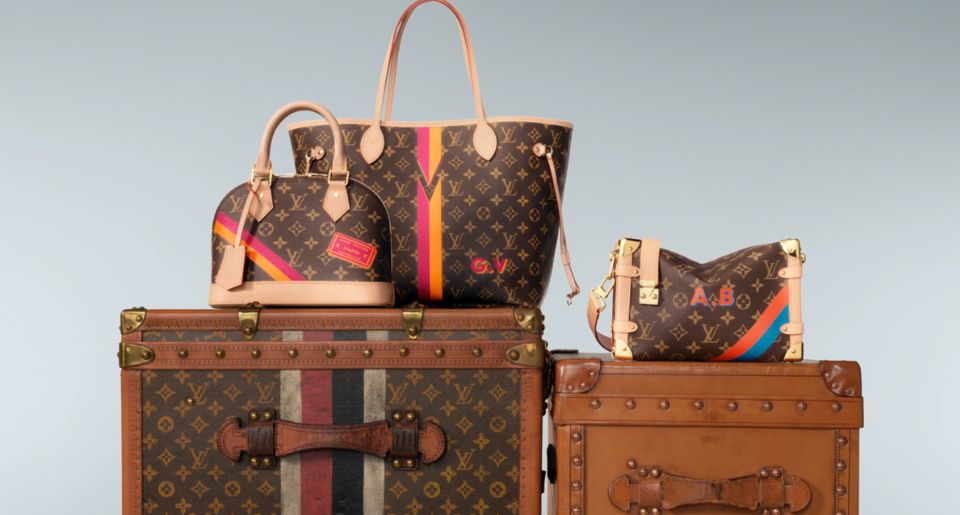
The image above is a solid example of a well-documented, pre-owned Louis Vuitton Speedy on ZenLuxe.
It’s so easy to shrug off “minor wear” in the listing, but scratched hardware, darkened handles, corner wear, and stretched leather can be hard to unsee once the item arrives.
How to avoid this mistake:
- Always read the condition description slowly and carefully, not just the headline.
- Study all photos: corners, handles, interior, hardware, zippers, and logos. Zoom in!
- Ask for extra photos or videos if anything looks unclear or underexposed.
- Treat vague descriptions without detailed images as a warning sign.
5. Forgetting About Size, Fit, and Practicality
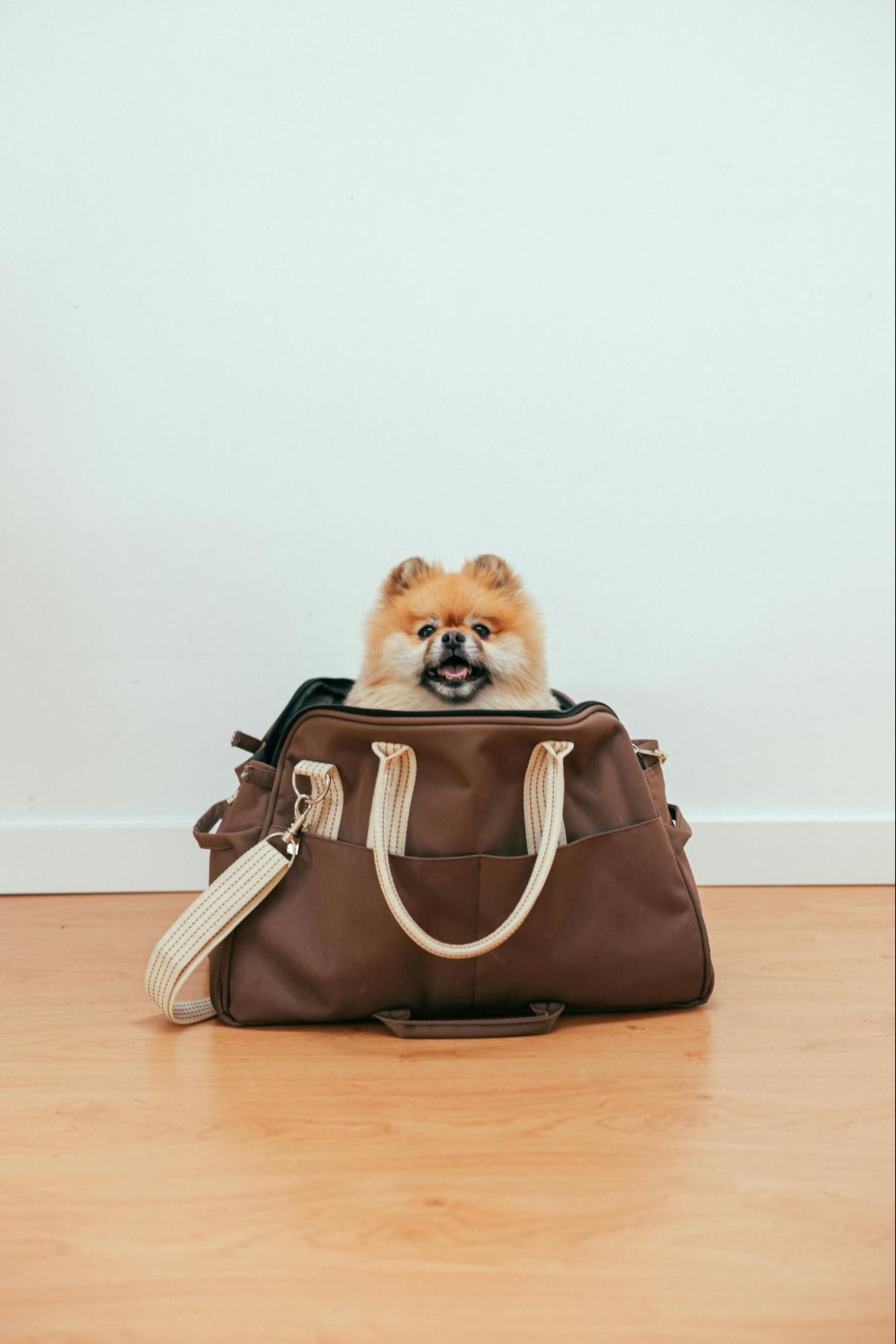
It is not a dream bag if it cannot hold your must-haves, including your furry best friend.
That adorable mini bag might look perfect on screen, but it becomes a regret when it cannot even hold a phone. The same happens with bags that feel too heavy, straps that sit awkwardly, or watches and shoes that are slightly off in size.
How to avoid this mistake:
- Check all measurements and compare them to items you already own and love.
- Test with a measuring tape at home to visualize how big or small the piece really is.
- Think about daily essentials: phone, wallet, keys, lipstick, small notebook, sunglasses. Will they fit?
- Consider lifestyle: walking, commuting, travelling, going out. The piece should work for more than one scenario.
6. Underestimating Repair and Maintenance Costs
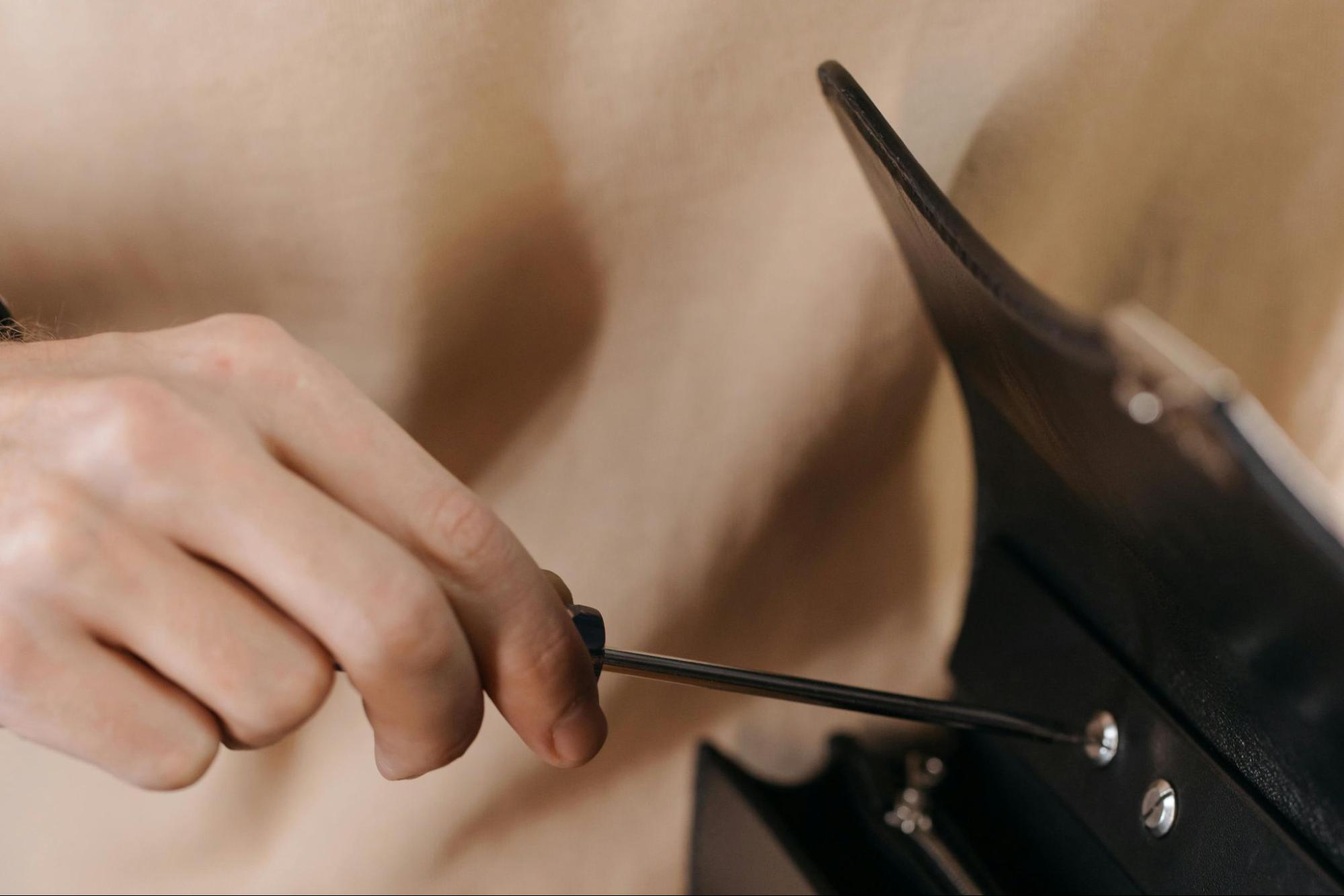
You might think a little wear is no big deal, but the bill for professional repairs can easily turn a discount into a regret.
A “bargain” bag with peeling leather, broken zips, or heavily stained lining can turn into an expensive project. After professional cleaning, repair, or replacement parts, the total cost sometimes exceeds what a better-condition piece would have cost upfront.
How to avoid this mistake:
- Before buying a damaged item, estimate how much professional repair might cost.
- Research whether the brand offers official repair and how long it typically takes.
- Avoid pieces with structural damage (cracked leather, broken handles, warped shape) unless you are prepared for serious restoration.
- Compare the final estimated cost with the price of a similar item in very good or excellent condition.
7. Not Buying From Trusted, Transparent Sources
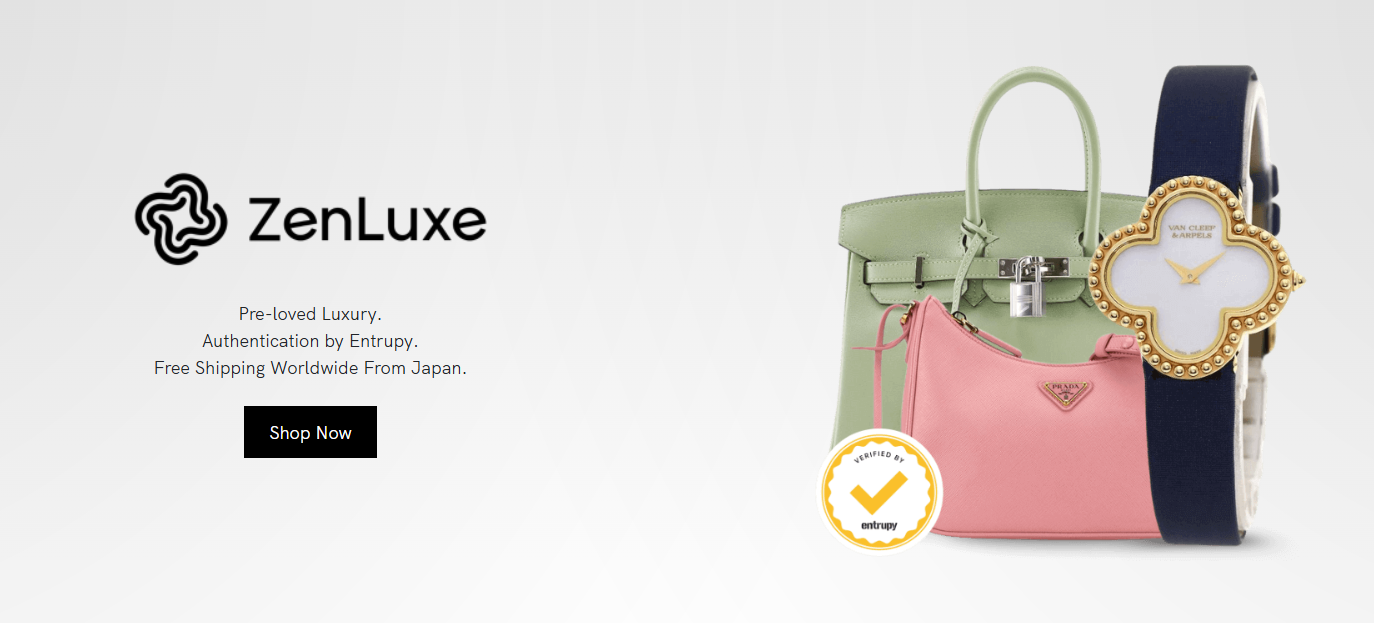
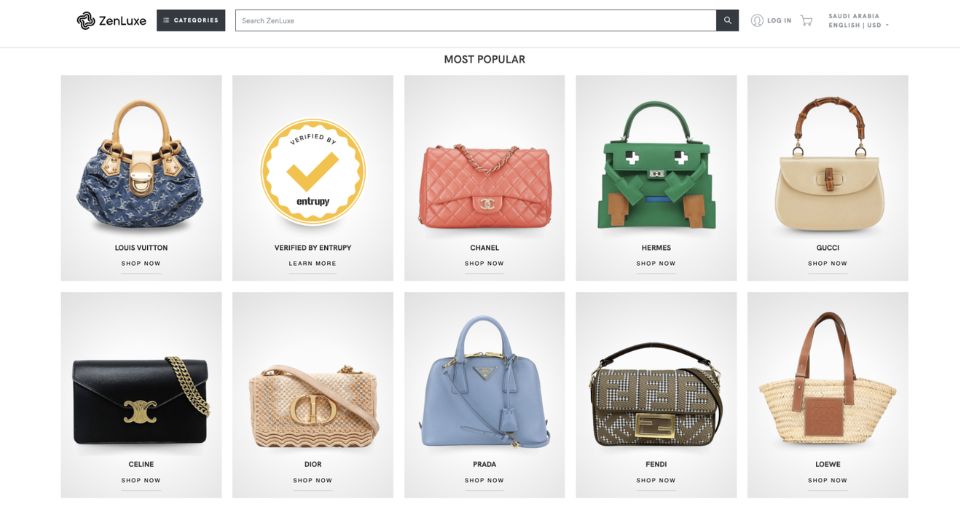
ZenLuxe is a Japan-based resale platform where you can shop a wide range of Entrupy-authenticated luxury pieces with fully transparent policies.
This is the mistake that can hurt the most: discovering that your so-called “investment piece” is actually a fake or heavily altered item. Many people regret buying from random online sellers, marketplaces with weak checks, or social media accounts with no real accountability.
How to avoid this mistake:
- Prioritize platforms that specialize in luxury and clearly explain their authentication process.
- Look for third-party, technology-backed authentication such as AI and microscopic analysis, not just a quick visual check.
- Shop authentic, Entrupy-verified luxury pieces through ZenLuxe, a Japan-based platform that sources from the country’s renowned second-hand ecosystem and verifies every item before it goes live.
- Avoid sellers who refuse to provide clear photos, proof of authenticity, or a straightforward return policy.
8. Ignoring Return, Exchange, and Customs Policies
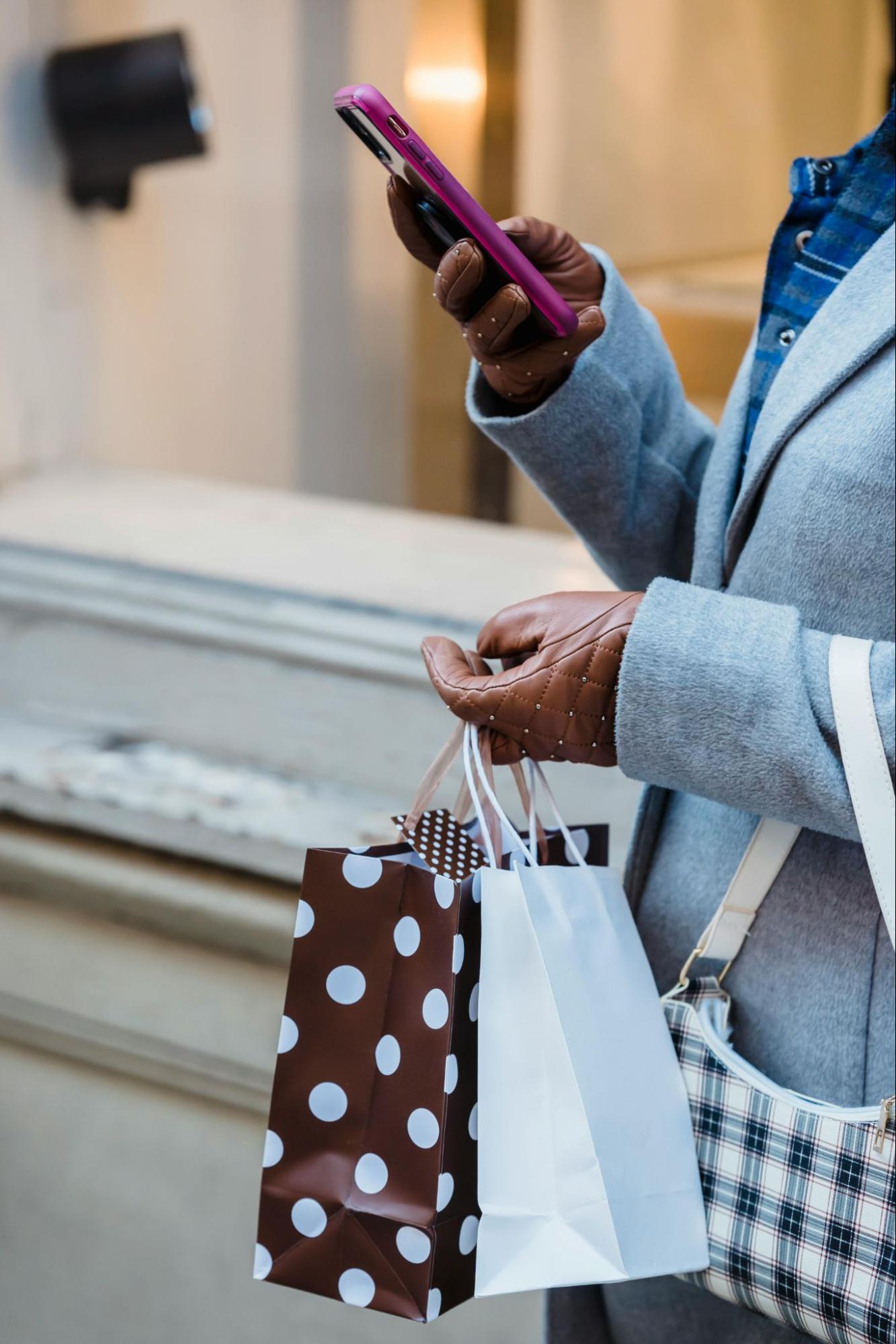
Shopping online is easy until the fine print says otherwise, so make sure the return, exchange, and customs rules align with what you expect if something goes wrong.
A piece might look perfect online, but sometimes the color, feel, or size does not work once it arrives. Regret sets in when there is no return option or when surprise customs fees make the purchase far more expensive than expected.
How to avoid this mistake:
- Read the return and exchange policy before you fall in love with the item.
- Check time limits for returns and who pays for return shipping.
- If buying internationally, confirm possible taxes, customs duties, or handling fees.
- Avoid platforms with unclear or complicated policies that put all the risk on the buyer, and choose ones like ZenLuxe that clearly state every protection upfront.
9. Forgetting About Future Resale Value
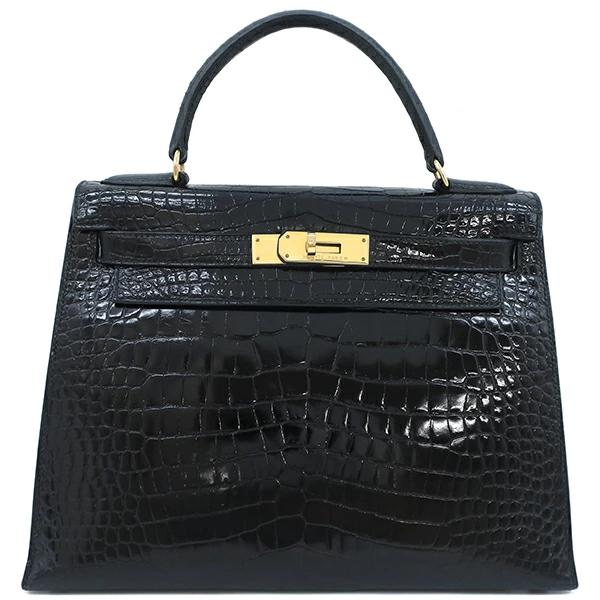
The legendary Hermès Kelly has long proven that true classics never lose their worth, making it a top pick for second-hand shoppers who want something both stunning and financially sound.
Sometimes a piece is loved for a year and then no longer fits a changing style or lifestyle. Regret increases when it becomes obvious that nobody wants to buy it back or that resale prices are extremely low.
How to avoid this mistake:
- Choose classic colors and popular models that hold interest over time (think black Chanel Classic Flap, gold hardware Hermès Kelly, or a monogram Louis Vuitton Speedy).
- Research how similar pieces have performed on the resale market in recent years.
- Be cautious with ultra-specific, niche designs that are hard to style or season-locked.
- Keep packaging, dust bags, receipts, and authenticity documents to support future resale.
10. Neglecting Care After the Purchase
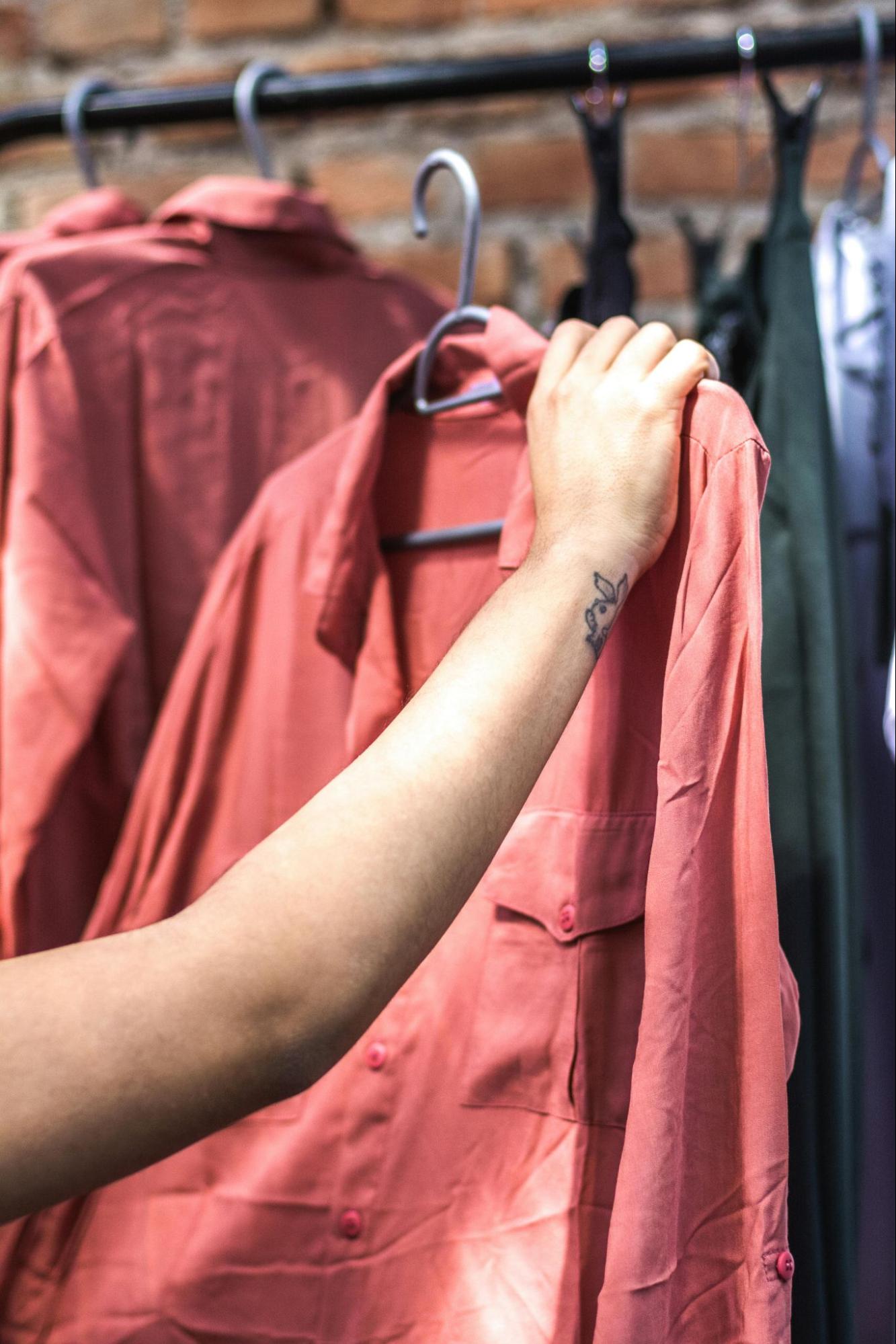
Your “old-money” aesthetic piece can start looking just plain “old” if you do not keep up with care and maintenance after purchase.
Sometimes the regret is not about the purchase itself, but about how quickly a beautiful item starts to look tired. Storing bags in direct sunlight, overstuffing them, or wearing delicate shoes in rough conditions can age pieces dramatically within a year.
How to avoid this mistake:
- Store bags upright with fillers or shapers to support their structure.
- Keep items away from direct sunlight, humidity, and extreme heat.
- Use dust bags and avoid hanging heavy bags by their straps for long periods.
- Treat leather periodically with appropriate products and wipe hardware after use to reduce tarnish.
About The Writer
Meet Mariam — a fashion writer who lives and breathes all things vogue and glamour. For her, the most therapeutic aspect of fashion goes beyond simply shopping for the latest styles that appear in stores; it’s fully experiencing this glamorous world from the little details to the big moments (there's nothing quite like the thrill of flipping through a sleek fashion magazine, is there?).