(Courtesy of SCMP)
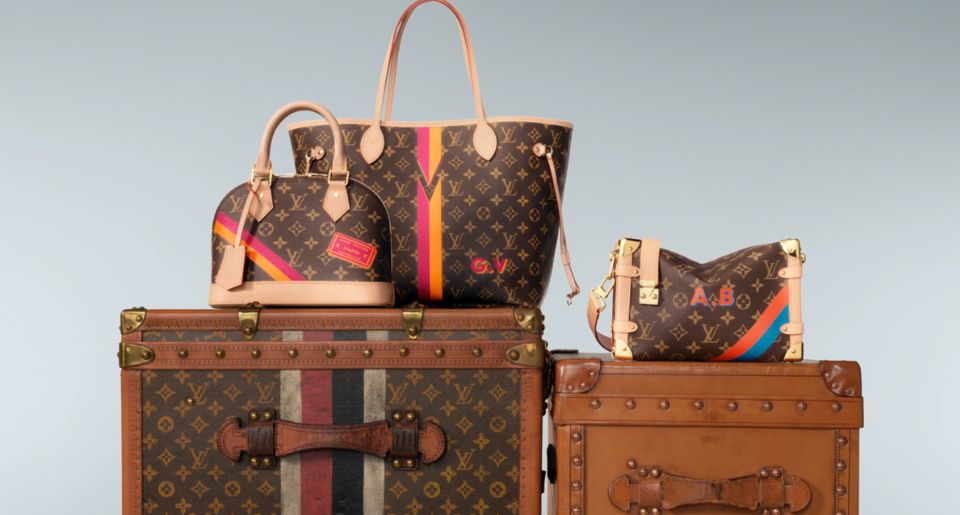
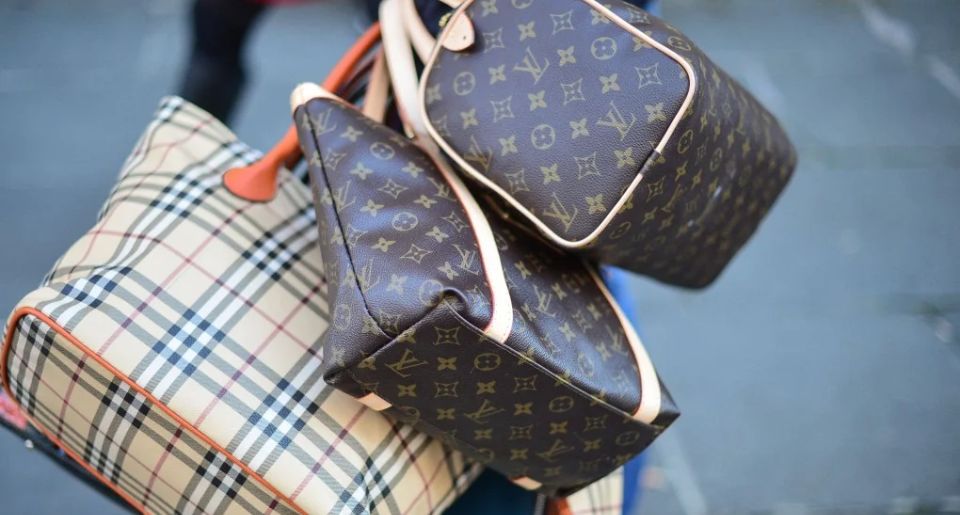
The Birkin you’re looking at may not even come from Hermès, the “Louis Vuitton” Speedy could be a very convincing replica, and that Dior Saddle might never have passed through the Maison’s workshop.
Today’s counterfeits aren’t the flimsy street-stall knockoffs people picture. The leather looks convincing, the hardware clicks with the right weight, and the embossing passes the eye test. Some even come wrapped in “official” paperwork.
A single purchase can wipe out thousands for a buyer, and one mistake can wreck a reseller’s credibility overnight. Just when the industry thought human experts had things under control, superfakes stepped up their game and started slipping past even trained eyes. At this point, AI is frankly the only tool that can offer a near-certain answer to the question every buyer cares about: is it real or not?
The Era Of “Real vs Fake” Guides Is Over—AI Is Giving A Definitive Answer
(Courtesy of Fashionista)
In the not-so-distant past, shoppers could rely on simple “real vs fake” guides online and feel somewhat confident comparing details themselves. That era is over. Modern counterfeits (aka superfakes) are near-perfect replicas that mirror authentic pieces so closely they can fool even a trained eye.
These premium-level superfakes are sourced through shadowy, yet high-budget networks and made with industrial equipment that imitates the production methods of the originals.
AI is revolutionizing authentication by delivering faster and more accurate results, boosting efficiency for resellers, building buyer confidence, and helping keep counterfeits out of circulation. At the forefront of high-tech luxury authentication is Entrupy, a scalable AI-powered solution built specifically for verifying luxury goods.
(Courtesy of Entrupy)
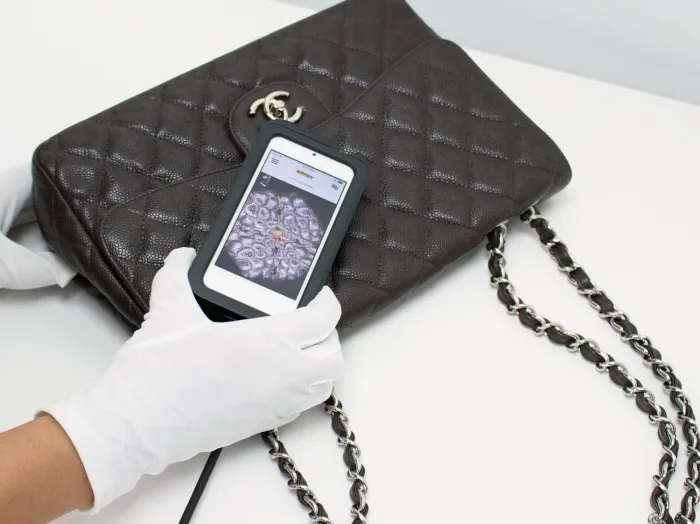
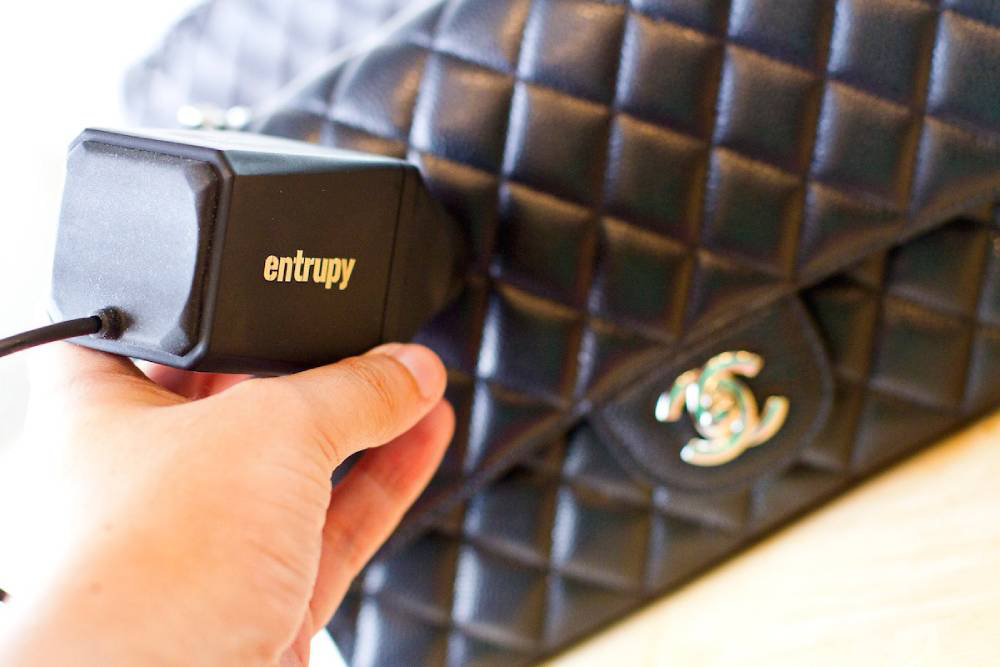
Entrupy works by pairing artificial intelligence with a powerful microscope to check whether a luxury item is genuine. The device snaps ultra-close images of the material and stitching, then compares them with a massive database of both real and fake pieces.
To build its database, Entrupy worked with highly reputable retailers and resellers to collect imagery and data from genuine products across the world. This gave the system access to a wide range of categories, seasons, brand eras, and production variations. The system can recognize even older pieces that are decades out of production.
On the other side of the spectrum, donated counterfeit items are also used to strengthen the algorithms, and collecting them helps ensure those fakes never re-enter circulation.
When the device analyzes an item, it compares those microscopic images to its library of verified, authentic, and counterfeit examples. A match means it’s verified as genuine; anything inconsistent is returned as unverified.
Every new scan helps teach the software, which means the more it’s used, the smarter and more accurate it becomes.
Why Accuracy Isn’t Optional in the Luxury Resell World
(Courtesy of @Entrupy)
Authenticity in luxury is serious business. A buyer could lose thousands if a well-made counterfeit slips through, and a reseller could see years of reputation undone by a single oversight.
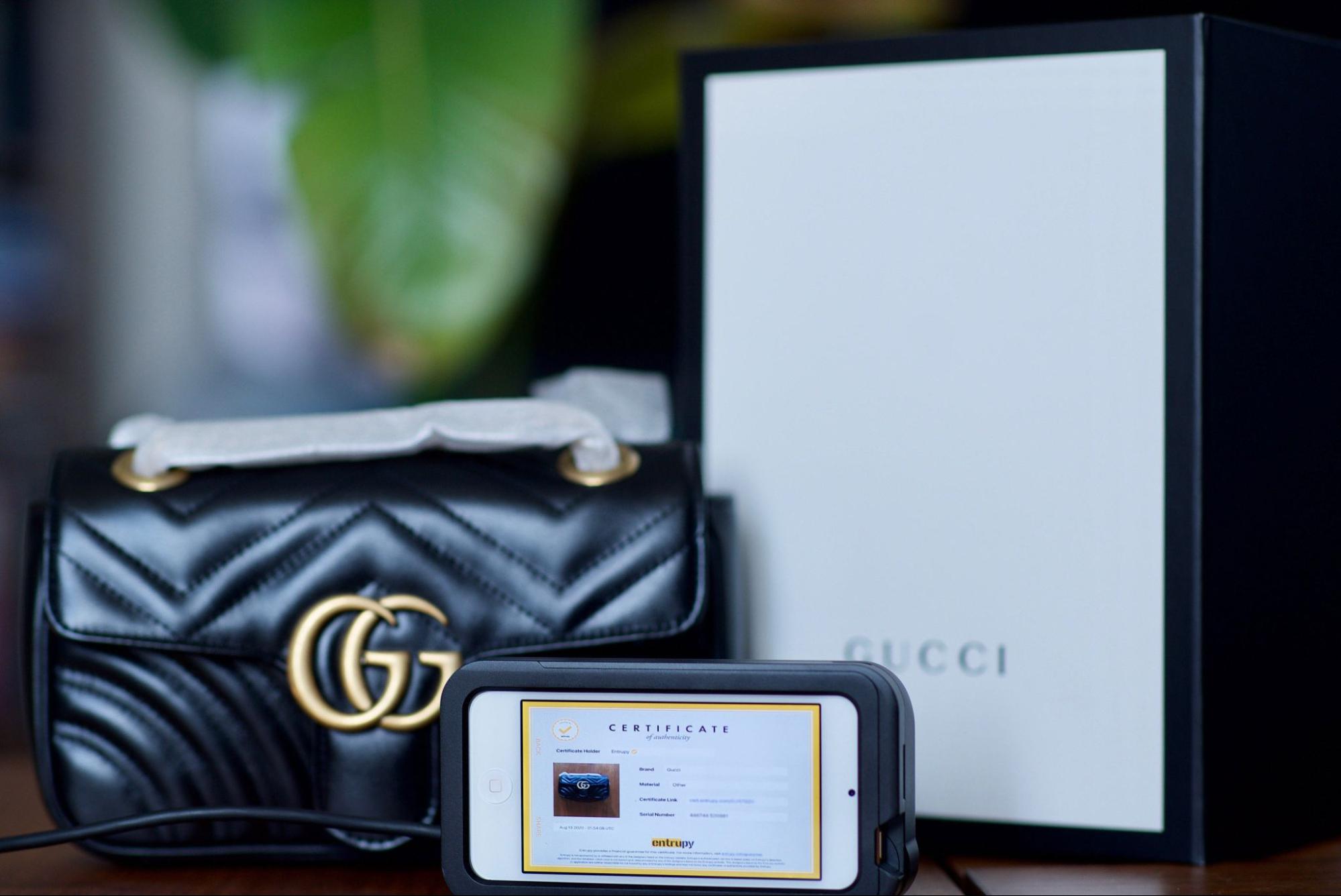
Entrupy tackles this risk head-on with a 99.86% accuracy rate, and for peace of mind, every certificate is backed by a financial guarantee. If a counterfeit ever gets mistakenly passed as authentic, Entrupy will purchase the item from the certificate holder once the dispute is finalized.
While it’s highly unlikely for a counterfeit to be misidentified as authentic, most resellers appreciate the added safety net. If anything, it only shows just how strongly Entrupy stands behind its accuracy.
Trained Eye vs Trained Algorithm—Is Experience Enough Anymore?
(Courtesy of Vogue)
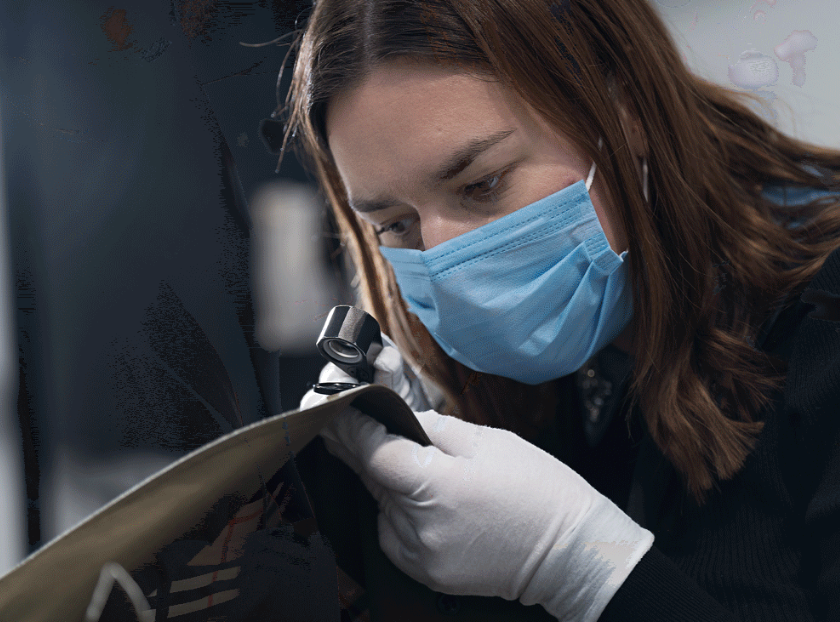
Professional authenticators rely on feel, memory, and repetition: they know the stitching, hardware, leather quality, and even the brand history by heart.
However, as counterfeits become increasingly sophisticated and realistic, even skilled experts can face limitations, which is why people often ask how AI could be more accurate than a human specialist.
Entrupy bridges that gap with pure objectivity. Developed by a world-class data science team in collaboration with New York University, the system has been trained on millions of microscopic reference images from both authentic and counterfeit items.
Unlike a person, it has no bias, no fatigue, and no margin for “gut feeling.”
Skip The Risk And Shop Authentic Luxury Pieces From Japan

Anyone shopping for pre-loved luxury today faces a tricky reality: superfakes blur the line between real and replica so convincingly that guessing is no longer an option.
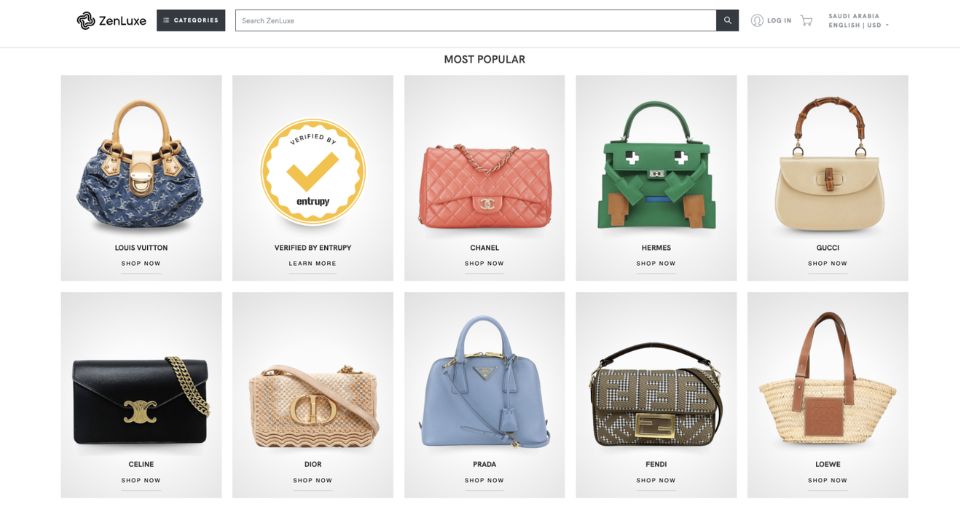
If you’d rather shop with confidence than anxiety, Japan-based platform ZenLuxe uses Entrupy’s airtight AI authentication on its luxury lineup, including gently used handbags, clothing, jewelry, watches, footwear, eyewear, and more. For added peace of mind, the ZenLuxe team also taps other trusted online authentication services like LegitApp, LegitGrails, and RealAuthentication.
An added perk of shopping through ZenLuxe is that Japan’s secondhand scene is famously pristine. Pieces are stored carefully in dust bags and boxes, receipts are kept tucked away, and any repairs are handled by skilled ateliers—which means what you’re getting is truly “pre-loved” in the best sense of the word!
About The Writer
Meet Mariam — a fashion writer who lives and breathes all things vogue and glamour. For her, the most therapeutic aspect of fashion goes beyond simply shopping for the latest styles that appear in stores; it’s fully experiencing this glamorous world from the little details to the big moments (there's nothing quite like the thrill of flipping through a sleek fashion magazine, is there?).