(Image credit: pinterest, pinterest)
Contents
- Gold Hardware: Warmth, Shine and a More Classic Mood
- Silver Hardware: Cooler, Cleaner and Sometimes More Casual
- Palladium Hardware: The Subtle Luxury of a Pale Finish
- Ruthenium, Gunmetal and Dark Hardware: A Different Kind of Drama
- The Hardware Can Change the Whole Design
- Matching Hardware to Leather and Color
- Hardware and Personal Style
- What I Look for in Pre-Owned Bag Hardware
- Does Hardware Affect a Bag’s Second-Hand Appeal?
- The Small Detail That Makes It Feel Like Your Bag
When we talk about designer bags, the conversation usually starts with the shape, the leather, the brand or the color. We talk about the bag’s history, whether it’s a classic, and if it’s still relevant today.
But there’s one detail that can completely change how a bag looks and feels, even when the design itself stays exactly the same: the hardware.
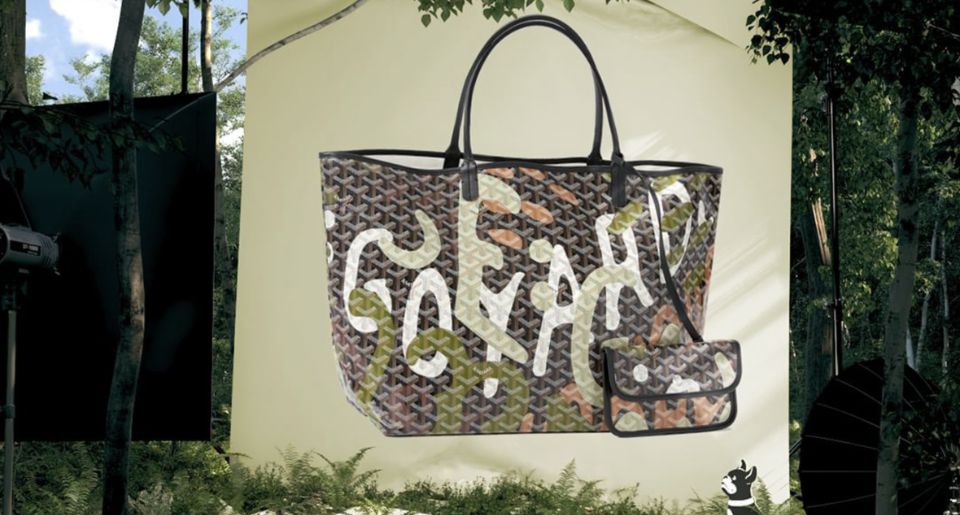
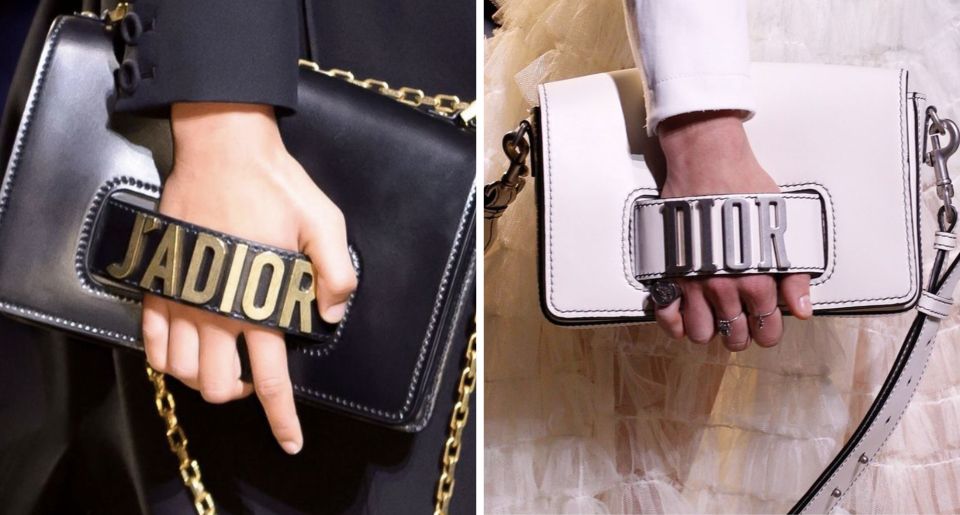
The clasp, zipper, chain, lock, buckle, feet and little metal details might seem like finishing touches. For me, they’re part of what gives a bag its personality. A gold clasp can make a simple black bag feel dressy. Silver hardware can give the same design a cooler, more casual look. A darkened metal finish can make a bag feel almost gothic, while a polished, pale finish can make it look clean and modern.
I’ve always paid attention to these details, especially when looking at pre-owned luxury. Two bags can have the same model name, leather and shape, but the hardware can make them feel like completely different pieces. Sometimes I prefer one version simply because the metal works better with the rest of the design.
Hardware also tells us something about how a bag has been used. Metal can scratch, fade, tarnish, lose its coating or develop marks from years of handling. These changes don’t always ruin a bag, but they can affect its appearance and condition. When I’m assessing a second-hand piece, I don’t treat the hardware as an afterthought.
So, what actually changes when a designer chooses gold, silver, palladium or another metal finish? And why can the same bag feel so different depending on that choice?
Gold Hardware: Warmth, Shine and a More Classic Mood
(Image credit: pinterest)
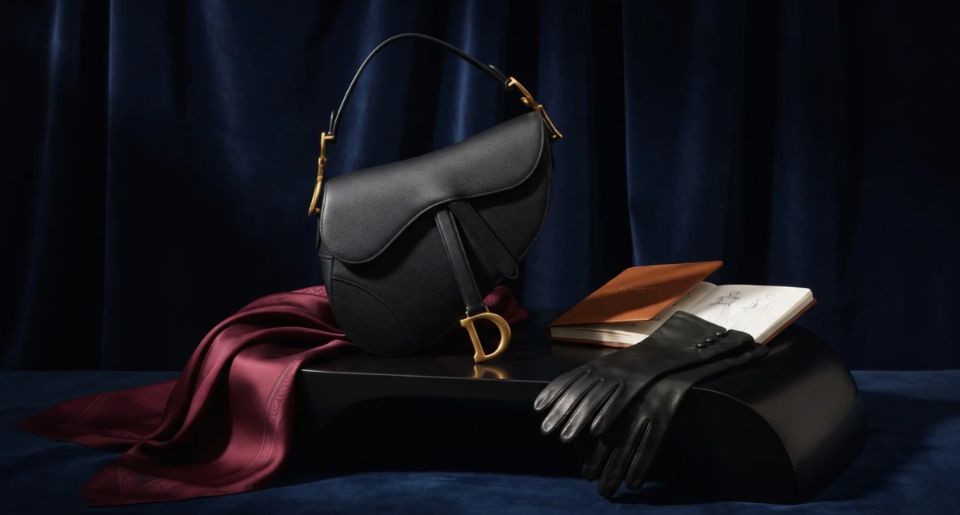
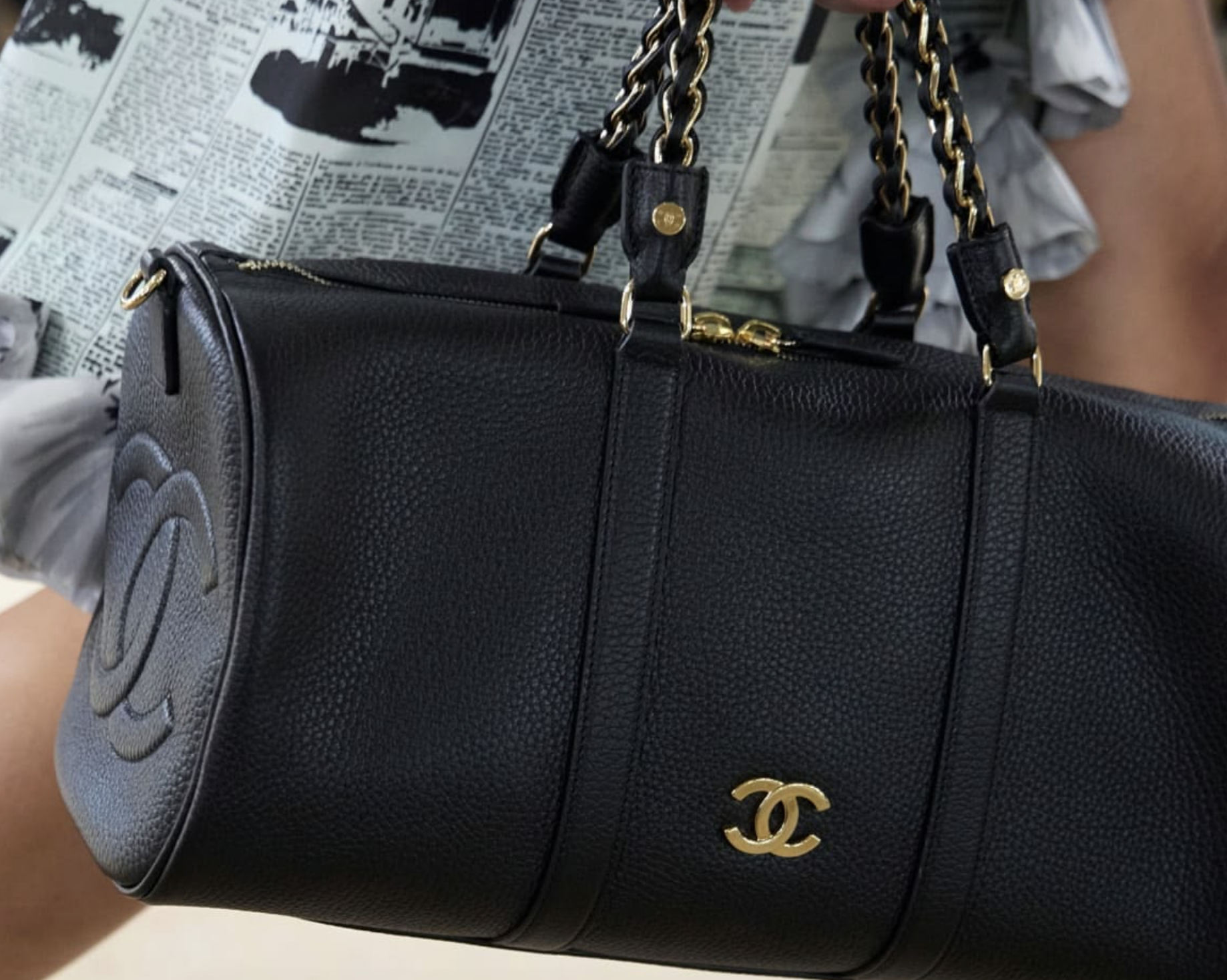
Gold hardware has a particular place in luxury handbag design. It’s warm, reflective and often associated with a more traditional idea of luxury. On a black leather bag, gold can create a strong contrast. On brown, beige or tan leather, it can feel more harmonious, as if the metal belongs with the color.
Personally, I think gold hardware can make a bag look more dressed up, even when the shape is casual. A simple shoulder bag with a gold clasp can feel elegant without needing extra decoration. On a structured handbag, gold can emphasize the shape and make the bag look more formal.
But not all gold hardware looks the same.
Some finishes are bright and yellow, while others are softer, more muted or closer to champagne. The difference matters. A strong yellow-gold finish can make a bag feel bold and vintage-inspired. A softer gold can look more subtle and understated.
The size of the hardware matters, too. A large gold chain or oversized clasp becomes a major part of the design. Smaller gold details can give a bag just enough shine without taking over.
I also think gold hardware can change how we perceive the leather. On a dark bag, it draws attention to the surface and creates a clear contrast. On a lighter bag, it can make the whole design feel warmer. It’s one reason I like comparing different hardware versions of the same model. The bag may be familiar, but the mood changes.
Gold Doesn’t Always Mean Formal
It’s easy to associate gold with evening bags or polished, classic styles, but I don’t think it has to be that way.
Gold hardware can look great on a relaxed everyday bag, especially when the leather is soft or the shape is oversized. It can also work with distressed or textured leather. The contrast between a worn-in surface and shiny metal can give a bag a little attitude.
What I’d consider is the balance. If the bag already has a lot going on, very shiny gold hardware might make it feel busy. If the design is simple, gold can become the detail that gives it character.
Silver Hardware: Cooler, Cleaner and Sometimes More Casual
(Image credit: pinterest)
Silver hardware has a different effect. It often feels cooler and sharper than gold, and I think it can make a bag look more modern.
On black leather, silver gives the design a crisp contrast. On grey, white or cool-toned colors, it can feel almost seamless. It also works beautifully with certain shades of blue and green, especially when the rest of the bag has a clean, minimal look.
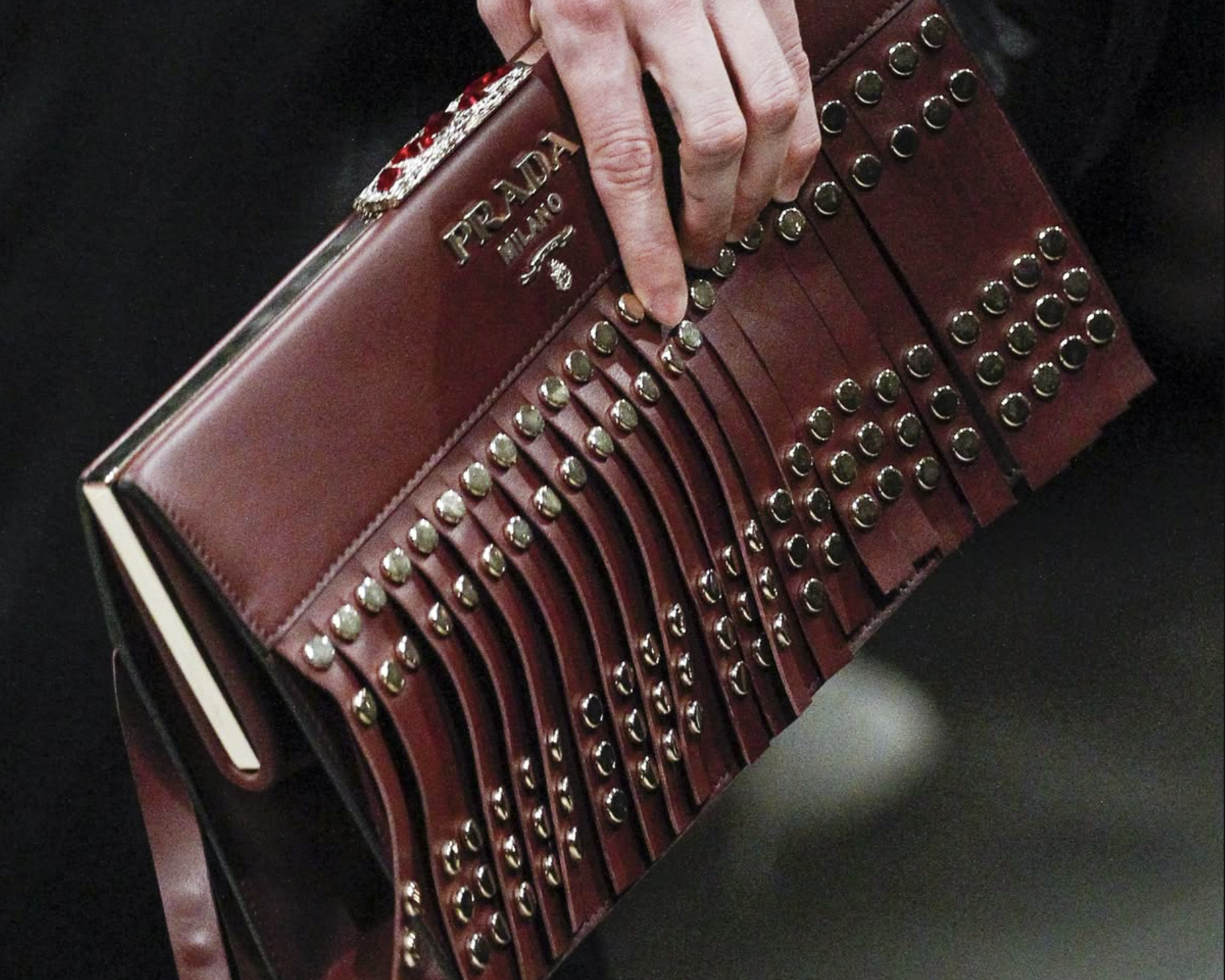
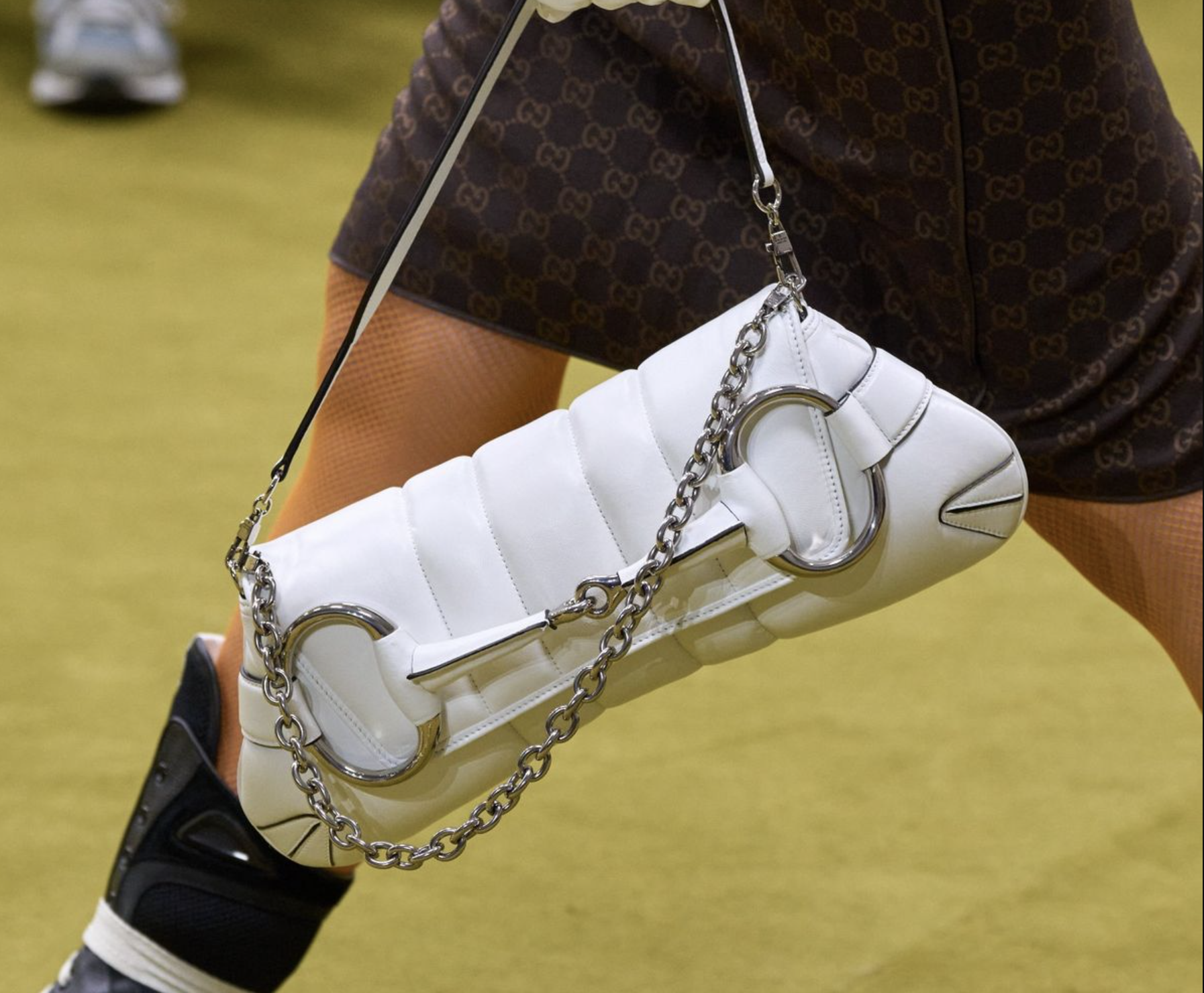
I tend to associate silver hardware with a slightly more relaxed or edgy mood, although that depends on the design. A polished silver clasp on a structured bag can still look very elegant. A heavy silver chain on a soft black bag can feel more rebellious.
This is where the shape and scale of the hardware become important. A small silver logo or clasp might barely change the overall impression. A chunky chain or large buckle can make the metal the first thing you notice.
Silver hardware can also make a familiar bag feel less traditional. If a design is known for its gold details, seeing it in silver can change its whole character. It may feel less formal, more understated or simply more suited to someone who usually wears silver jewelry.
For me, that’s one of the most interesting things about hardware variations. They give us a different way to wear a bag we already know.
Palladium Hardware: The Subtle Luxury of a Pale Finish
(Image credit: pinterest)
Palladium is a precious metal in the platinum group, but when we talk about luxury bag hardware, the term often refers to a palladium finish or palladium-plated components. The exact construction can vary, so it’s worth checking the details of a particular bag rather than assuming every piece described as palladium hardware is made entirely from the metal.
Visually, palladium hardware is usually associated with a pale, cool, silvery appearance. It can resemble silver, but the finish may look different depending on the lighting, polish and surrounding materials.
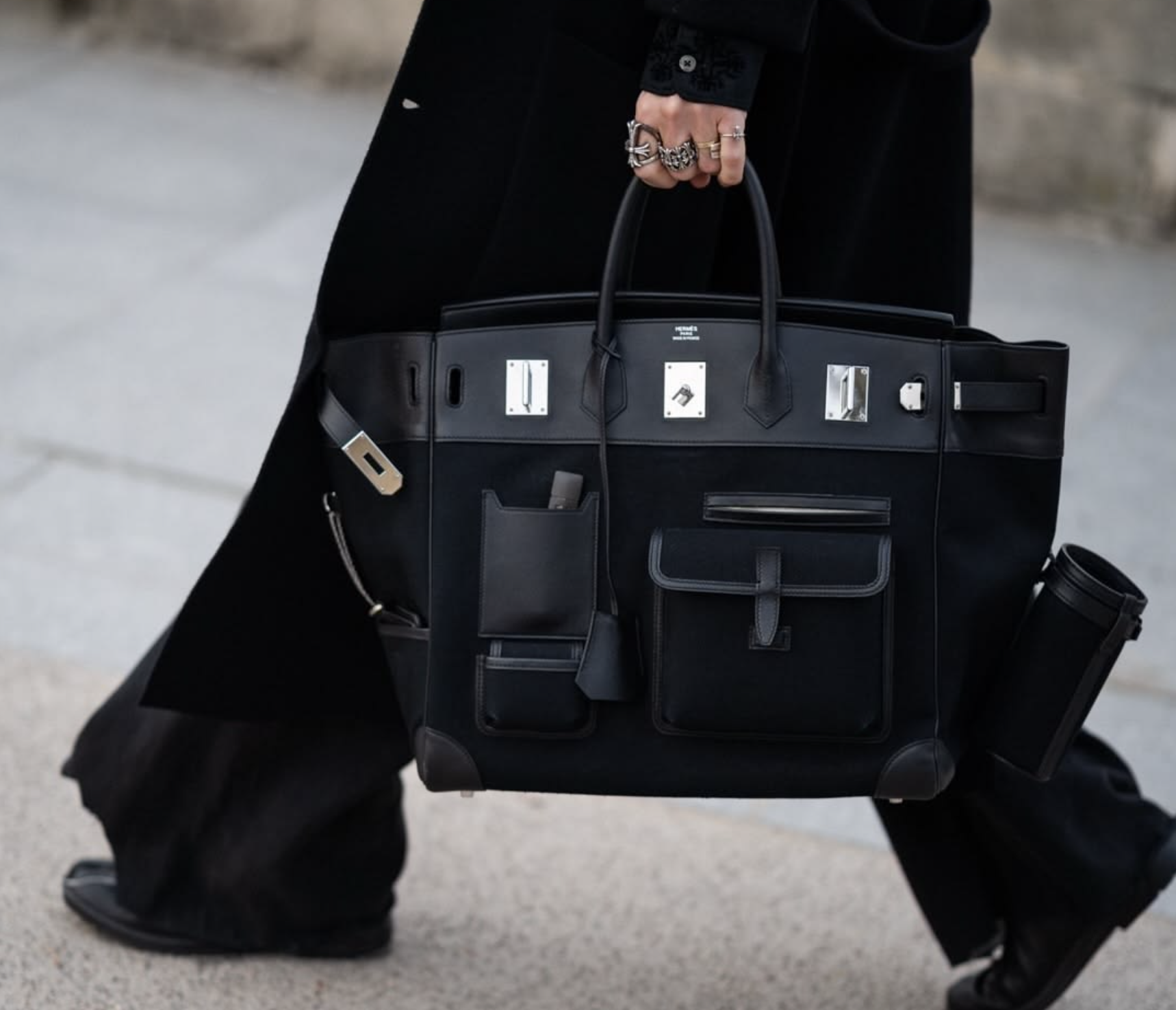
I like the effect because it can feel refined without being too flashy. On a bag with a strong silhouette, pale hardware lets the shape and leather stay in focus. It adds a metallic detail, but it doesn’t always demand attention.
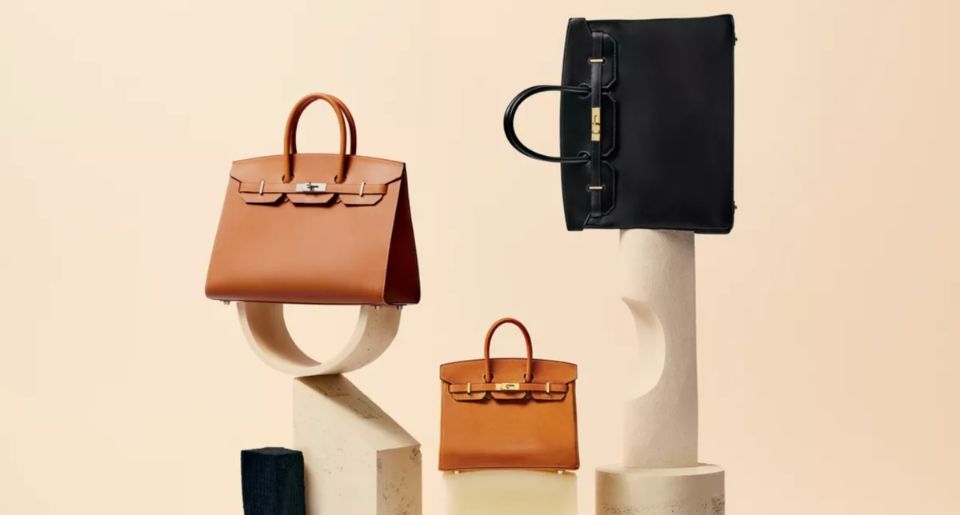
Hermès is a well-known example of a house that offers bags with different hardware options, including gold and palladium finishes. Seeing the same style in both can make the difference surprisingly clear. Gold brings warmth and contrast. Palladium gives it a cooler, quieter look.
That doesn’t mean palladium is automatically more understated or more luxurious. It depends on the design. A large palladium lock can still be a statement, and a small gold clasp can be very subtle.
I think palladium appeals to people who want the finish of metal without the strong yellow tone of gold. It can work especially well with black, grey, white and cooler leather colors, but I wouldn’t limit it to those combinations.
Ruthenium, Gunmetal and Dark Hardware: A Different Kind of Drama
(Image credit: purse blog)
Not every bag needs bright metal.
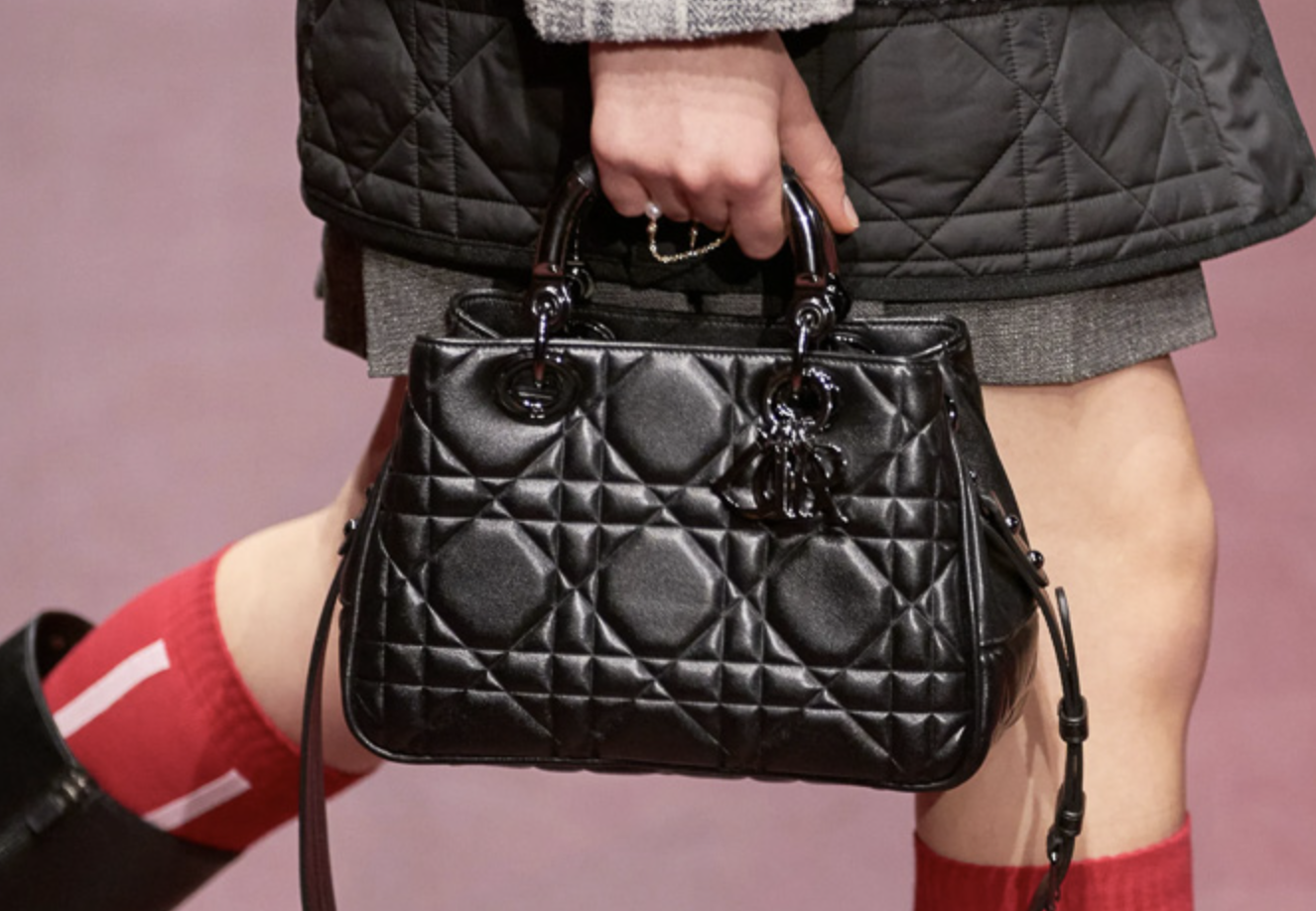
Dark hardware, often described as gunmetal or ruthenium-toned, can give a bag a more subdued or dramatic look. Instead of creating a bright contrast, it blends into the design or adds a shadowy detail.
I particularly like dark hardware on black leather. The effect can be tonal, with the metal visible through its shape and reflection rather than through a different color. It can make a bag feel sleek, industrial or gothic, depending on the style.
On a bag with chains, studs or prominent buckles, dark hardware can also soften the visual impact. The design still has its details, but they don’t shine as brightly as polished gold or silver.
This kind of finish can be a good choice for someone who likes statement hardware but doesn’t want the bag to look too flashy. It can also give a familiar design a completely different personality.
Of course, dark finishes can show wear in their own way. Scratches may reveal a lighter layer beneath the coating, and areas that rub against one another can lose some of their original appearance. That’s something I pay attention to when looking at pre-owned bags with dark metal details.
The Hardware Can Change the Whole Design
(Image credit: pinterest)
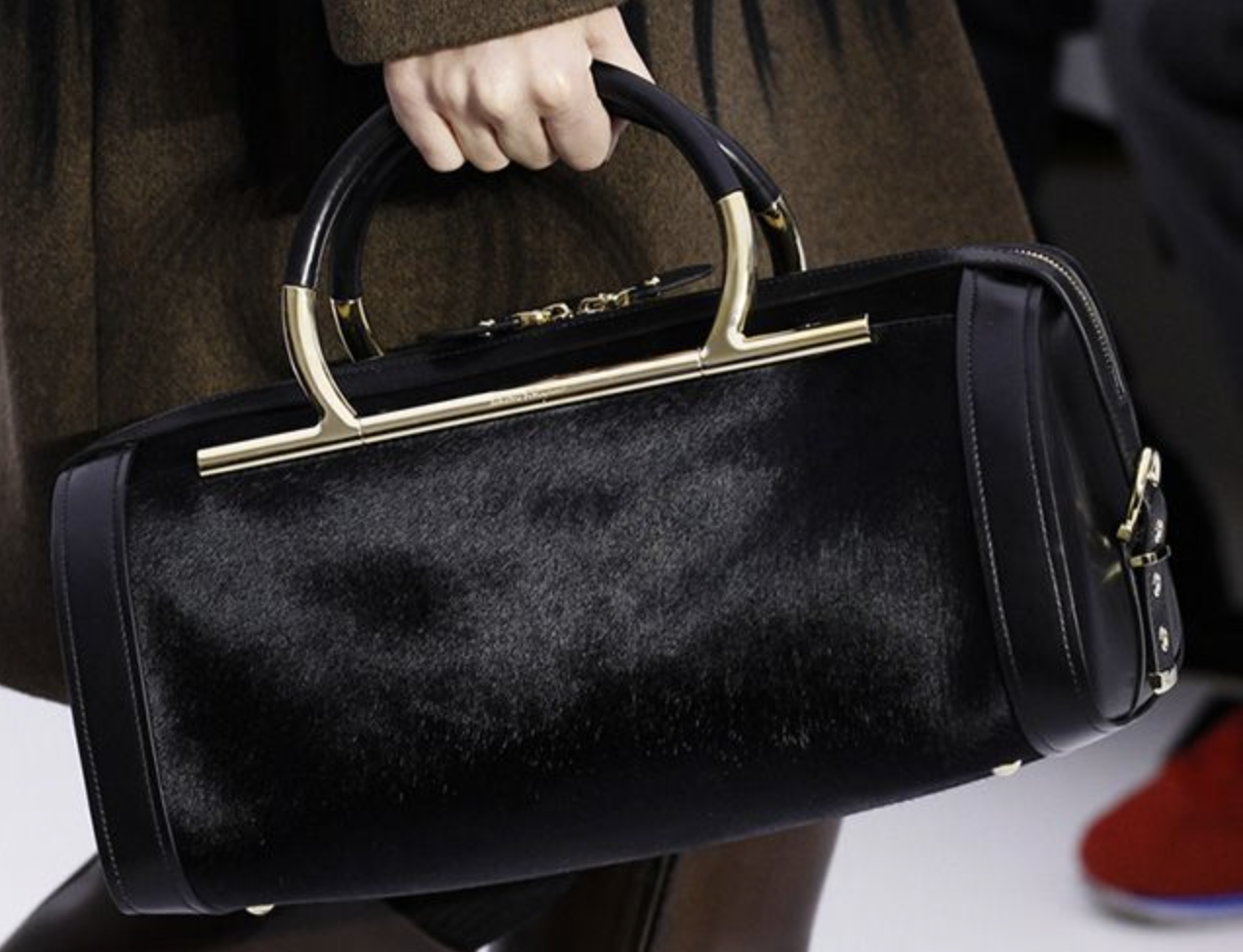
Sometimes the metal finish is only one part of the story. The shape, weight and placement of the hardware can be just as important.
A chain strap, for example, changes more than the way a bag looks. It affects how the bag sits on the shoulder, how heavy it feels and how it moves when you carry it. A leather strap with small metal attachments gives a different impression from a full metal chain.
A clasp can also become the central feature of a bag. Think about how a large turn-lock, padlock or decorative buckle can define a design. Even if the bag’s body is simple, that one detail can make it recognizable.
Then there are zippers. A visible zipper with a substantial pull can make a bag feel more casual or utilitarian. A concealed zipper creates a cleaner look. The difference might be small, but it changes the overall finish.
I also notice the hardware around handles. Metal rings, connectors and handle attachments can be purely functional, but designers often make them part of the visual identity. They can frame the handle, add contrast or create a signature detail.
This is why I don’t think hardware should be judged separately from the bag. The metal works with the shape, the leather and the construction. A finish that looks beautiful on one design might feel completely wrong on another.
Matching Hardware to Leather and Color
(Image credit: pinterest)
One of the easiest ways to understand hardware is to look at how it interacts with the leather.
Black leather is probably the clearest example because it works with almost every finish. Gold creates warmth and contrast. Silver feels crisp. Palladium can look cool and refined. Dark hardware creates a more tonal effect.
Brown leather can be more interesting because the shade matters. A warm cognac or tan often looks natural with gold, while a cooler brown might work beautifully with silver or palladium. But these aren’t rules. Sometimes the contrast is exactly what makes a combination appealing.
With white or cream leather, gold can add warmth, while silver or palladium can make the design feel cleaner. On red leather, gold can create a classic, rich combination, while silver can make the color feel sharper.
Then there are unusual colors. A pale blue bag with gold hardware might feel softer and more decorative. The same bag with silver could look cooler and more contemporary. A deep green bag can feel traditional with gold, but dark hardware might give it a more dramatic mood.
I wouldn’t choose a bag based only on whether the hardware “matches” the leather. I’d look at the whole design and ask what kind of feeling the combination creates.
Hardware and Personal Style
(Image credit: purse blog)
I think hardware can also say something about the person carrying the bag.
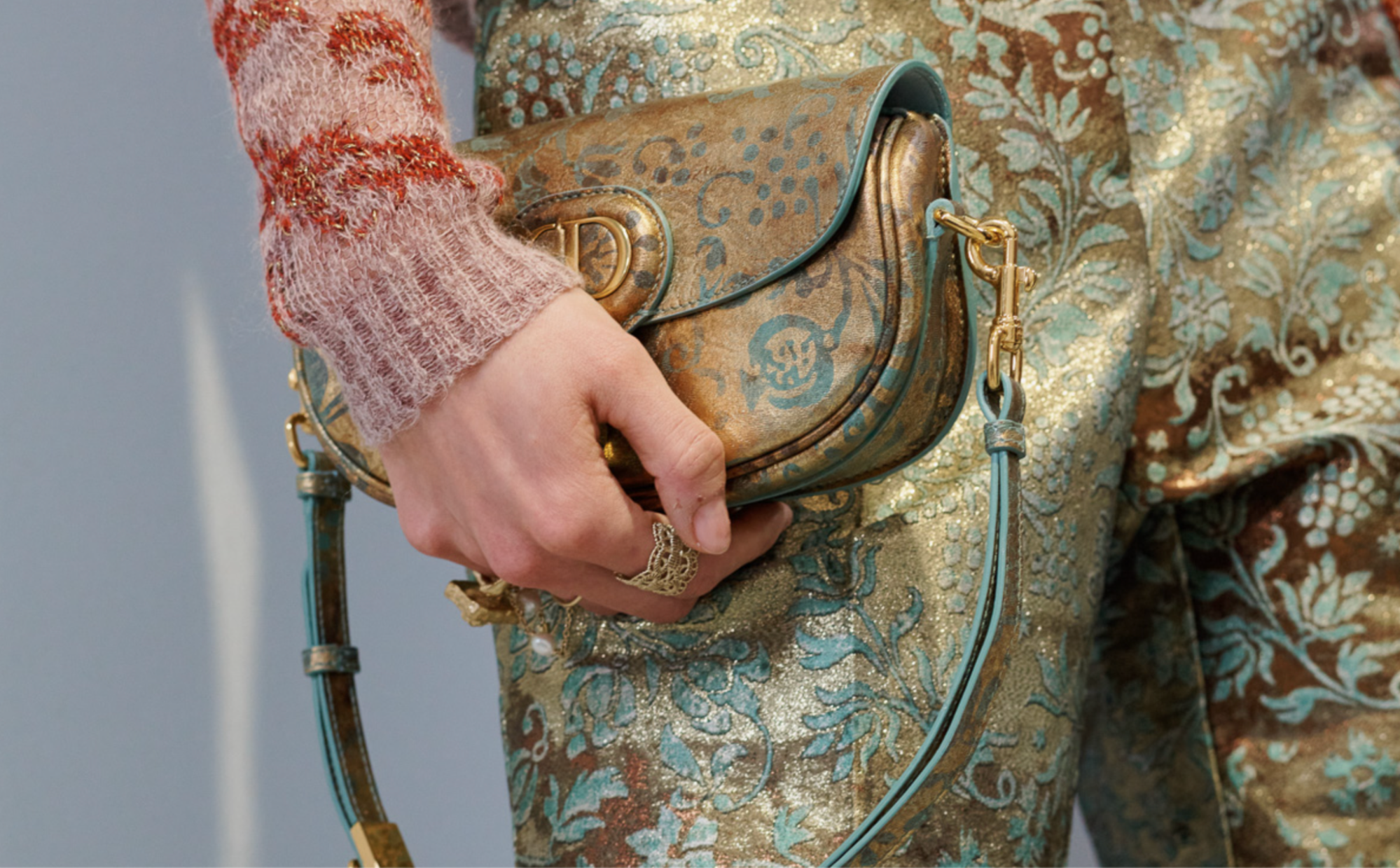
If you usually wear gold jewelry, a bag with gold hardware might feel like a natural extension of your wardrobe. If you wear silver rings, watches or necklaces, silver or palladium hardware may feel easier to style.
But I don’t think you have to match everything. Mixing metals can look great, and a bag can be the one detail that breaks up an otherwise coordinated outfit.
For me, the bigger question is whether the hardware suits how I want to wear the bag. A shiny gold chain might make a simple outfit feel more dressed up. A dark buckle might work better with an all-black look. Silver can add a little edge without changing the rest of the outfit.
Hardware can also affect how versatile a bag feels. A very distinctive finish might be exactly what makes it special, but it could also make the bag harder to pair with certain outfits. That’s not necessarily a reason to avoid it. Sometimes a bag is worth choosing because it has a strong personality.
What I Look for in Pre-Owned Bag Hardware
(Image credit: pinterest)
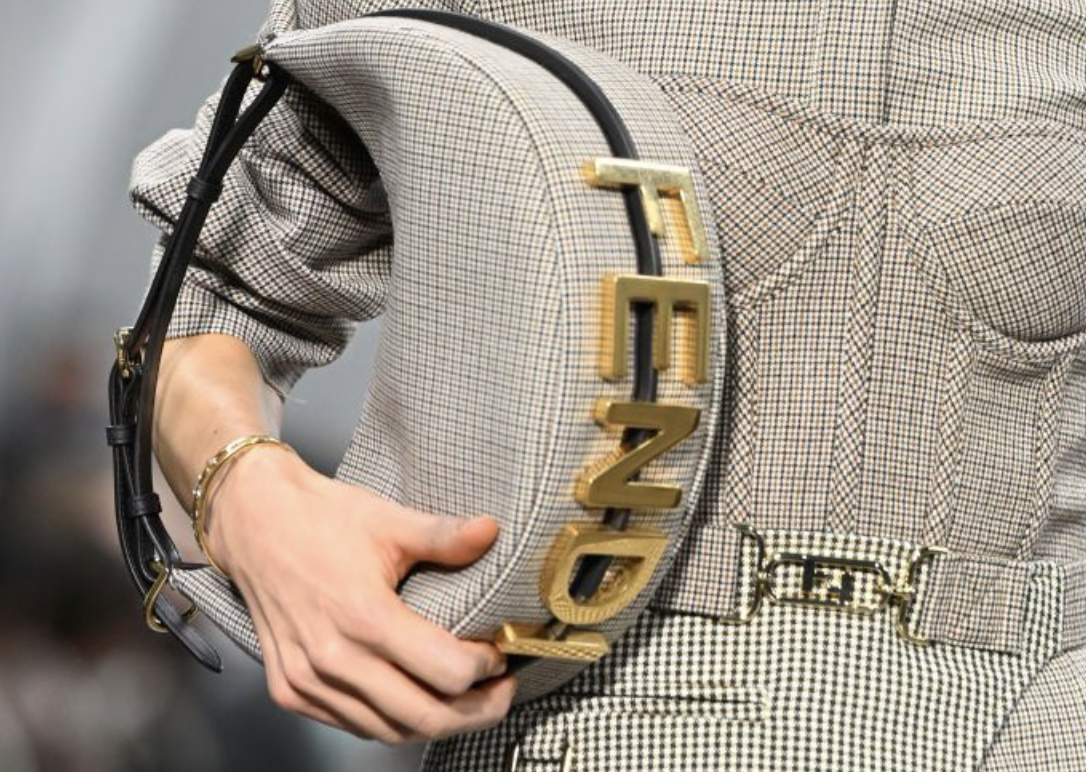
When I’m looking at a second-hand luxury bag, hardware is one of the details I check carefully. It can tell me a lot about the bag’s condition, and it’s often where signs of use become visible.
Scratches and Surface Wear
Metal gets scratched through normal use. A clasp may have marks from opening and closing, while a chain can develop tiny scratches where its links touch.
Some wear is expected, especially on older bags. I don’t automatically see every scratch as a problem. What matters is whether the wear is consistent with the bag’s age and use, and whether it affects the appearance or function.
I pay more attention to deep scratches, uneven discoloration or areas where the finish appears to have worn away. Those marks can be more difficult to repair discreetly.
Tarnishing and Discoloration
Depending on the metal and finish, hardware can tarnish or change color over time. It may become dull, darker or uneven.
Not every change is the same. Solid metal, plated metal and coated hardware can age differently. A description such as “gold hardware” usually tells you how the component looks, not necessarily what it’s made from.
That’s why I wouldn’t assume a dull finish can simply be polished back to its original appearance. Cleaning methods need to suit the material, and aggressive polishing can remove plating or alter the surface.
Loose or Damaged Components
I also check whether clasps close properly, zippers move smoothly, locks work and chain links feel secure.
A small metal detail might look fine in a photo but become a problem when you actually use the bag. A loose handle attachment or a stiff zipper can affect the bag’s function, not just its appearance.
If the hardware includes a lock and key, I’d check whether they’re present and whether the lock works. Missing accessories don’t always make a bag unusable, but they can matter to someone who wants the original set.
Replacement Hardware
Replacement parts deserve attention, too. A repaired clasp or replaced zipper pull may be perfectly functional, but the finish might not match the rest of the bag exactly.
I’d want to know whether the repair was done professionally and whether it changed the original design. On some bags, the hardware is such a recognizable feature that a mismatched replacement can be quite noticeable.
When assessing pre-owned luxury, I think it’s important to look at the bag as a whole. The hardware, leather, stitching, shape and signs of repair all contribute to the condition story.
Does Hardware Affect a Bag’s Second-Hand Appeal?
(Image credit: pinterest)
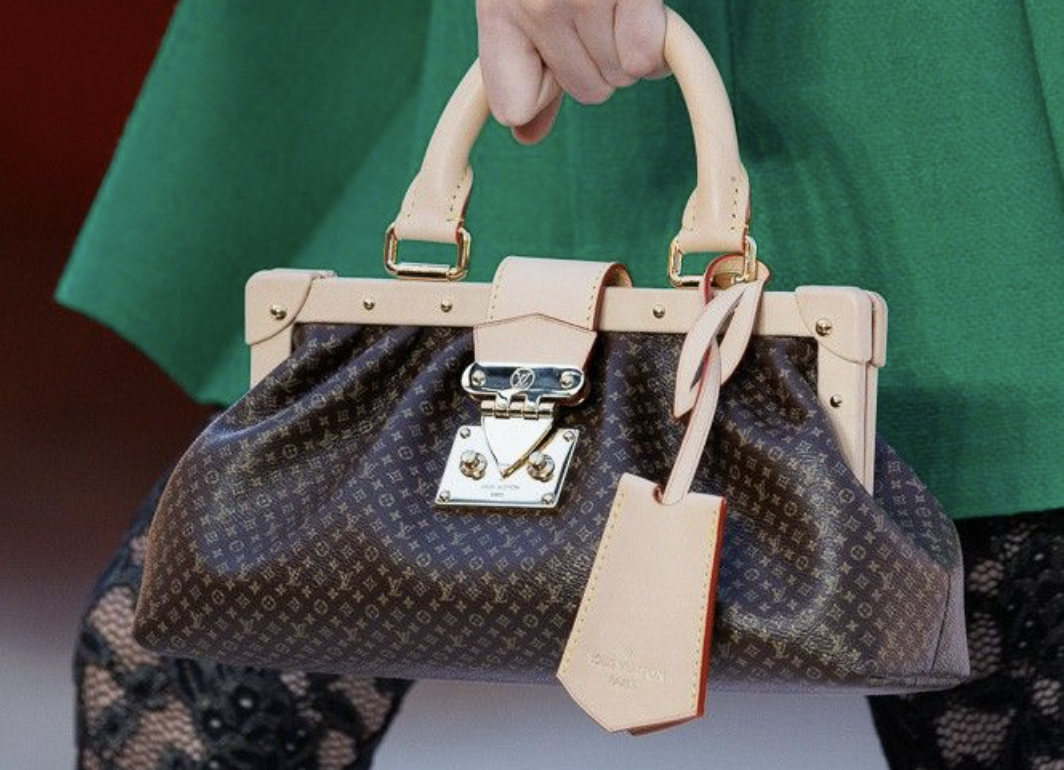
It can, but I wouldn’t reduce it to a simple rule that one finish is always more desirable.
Some buyers have a clear preference for gold, while others specifically look for silver or palladium. A certain hardware option might be harder to find in a particular model or color, which can make it appealing to someone searching for that exact combination.
But rarity alone doesn’t mean a bag will be more desirable. The finish has to work with the design, and the condition still matters.
A bag with beautiful gold hardware that has heavily worn plating may not look as appealing as a well-kept silver version. On the other hand, someone who loves the warmth of gold might prefer an older piece with some wear over a different finish in better condition.
I think the best approach is to choose the combination you genuinely like, rather than assuming one option is automatically the better purchase.
The Small Detail That Makes It Feel Like Your Bag
(Image credit: pinterest)
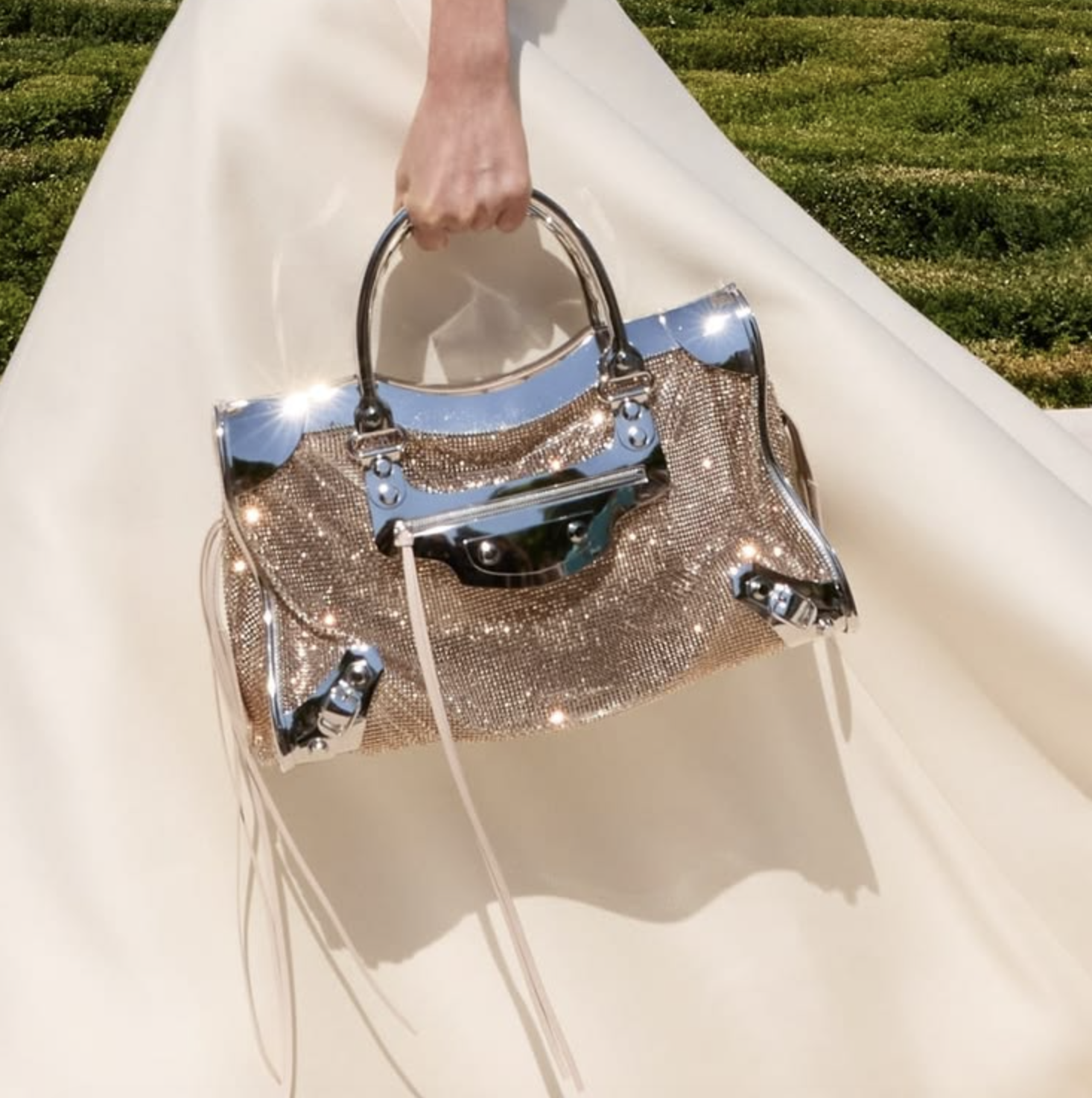
When I look at luxury bags, I don’t think the hardware is just there to finish the design. It helps create the mood, changes how the bag interacts with its leather and can make one version feel much more personal than another.
Gold can bring warmth. Silver can sharpen the look. Palladium can feel quietly refined. Dark hardware can make a bag more dramatic. And the shape of the clasp, chain or buckle can be just as important as its color.
That’s why I like comparing different hardware versions of the same bag. It reminds me that a familiar design can still feel new when one small detail changes.
For me, the best hardware is the kind that feels right for the bag. It doesn’t have to be the brightest, the rarest or the most expensive finish. It just needs to work with the design and make me want to carry it.
Sometimes the detail that catches my eye isn’t the logo or the silhouette.
It’s the little piece of metal that brings the whole bag together.