(Image credit: v magazine)
Contents
- Burberry Check: Probably the First Designer Winter Scarf I Think Of
- Hermès: When a Winter Scarf Still Feels Like Hermès
- Louis Vuitton: Monogram Works Surprisingly Well in Winter
- Dior Oblique: For When You Want the Logo to Be the Pattern
- Loewe: The Anagram for People Who Don't Want a Traditional Winter Scarf
- Cashmere Isn't Automatically Better Just Because It's Cashmere
- The Best Winter Scarf Is the One You Don't Have to Think About
- The Coat Test
- I'd Rather Own One Great Winter Scarf Than Five I Don't Love
- Buying Designer Winter Scarves Second-Hand
- Be Careful With the Very Recognizable Ones
- What I'd Actually Choose From Each House
- The Ones Worth Bringing Back Every Winter
There are some designer pieces I love but know I probably wouldn't wear forever. A very specific print. A seasonal color. Something that looked amazing for one year and then suddenly started reminding everyone exactly when it came out.
Winter scarves are different. Every year, the weather gets cold and the same question comes back. Where's my scarf? And if you bought a good one ten years ago, there's a very good chance you can still pull it out today without thinking twice about it.
That's what I like about winter accessories. They don't really need to chase fashion in the same way.
A great cashmere scarf can be incredibly simple. Sometimes all it needs is the right material, a recognizable pattern and colors you'll actually want to wear again. Of course, luxury houses have figured this out too. Burberry has its check. Louis Vuitton has Monogram and Damier. Dior has Oblique. Loewe has the Anagram. Hermès can bring its entire silk and equestrian world into cashmere.
Each one approaches the winter scarf differently, but the best versions have something in common. You remember them. And more importantly, you actually want to wear them when winter comes back.
Burberry Check: Probably the First Designer Winter Scarf I Think Of
(Image credit: burberry)
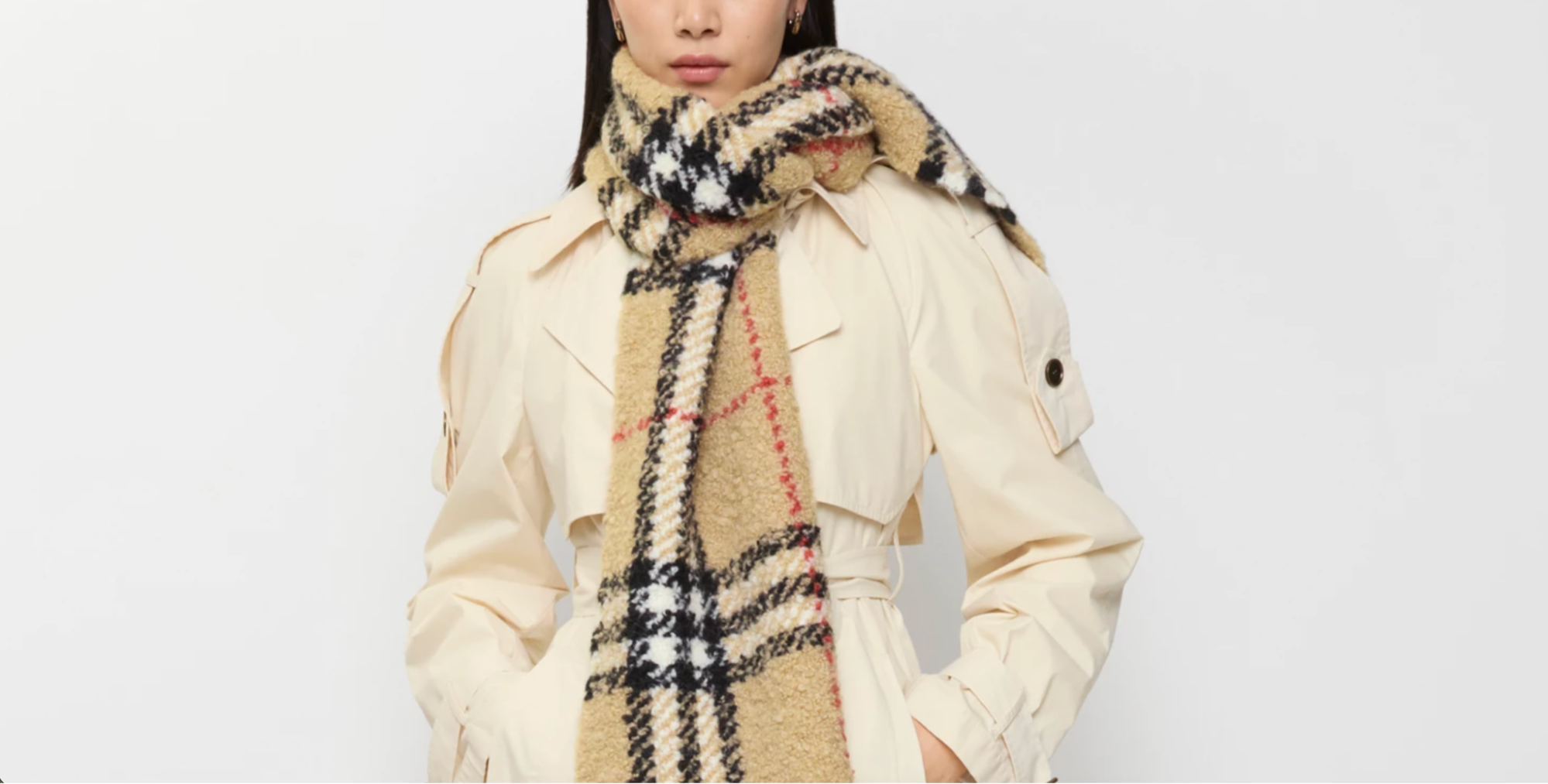
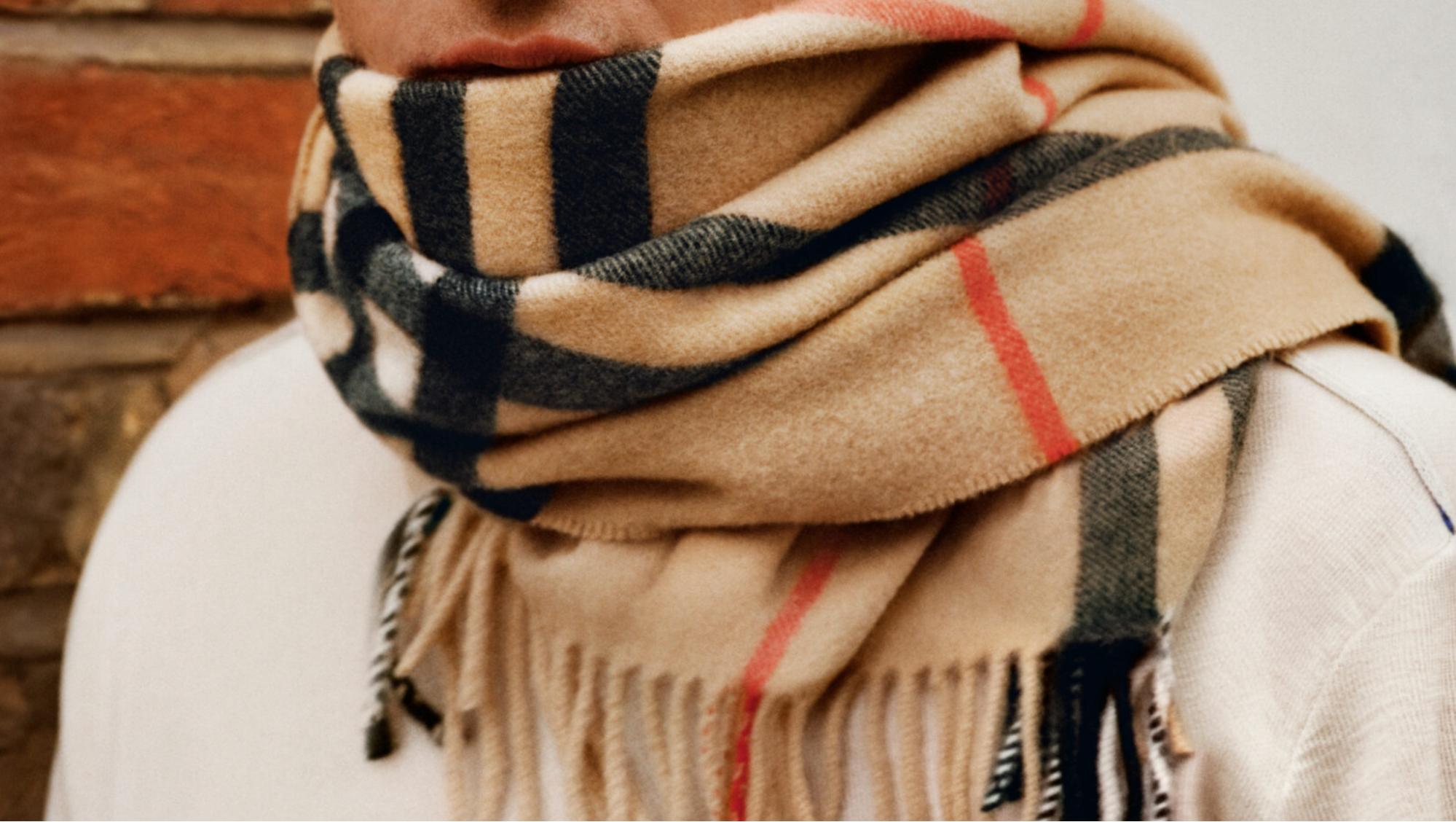
If someone says "designer winter scarf," Burberry is probably the first brand that comes to my mind. Not because it's the only luxury house making beautiful cashmere scarves. Far from it. It's because the Burberry Check and winter feel almost inseparable at this point.
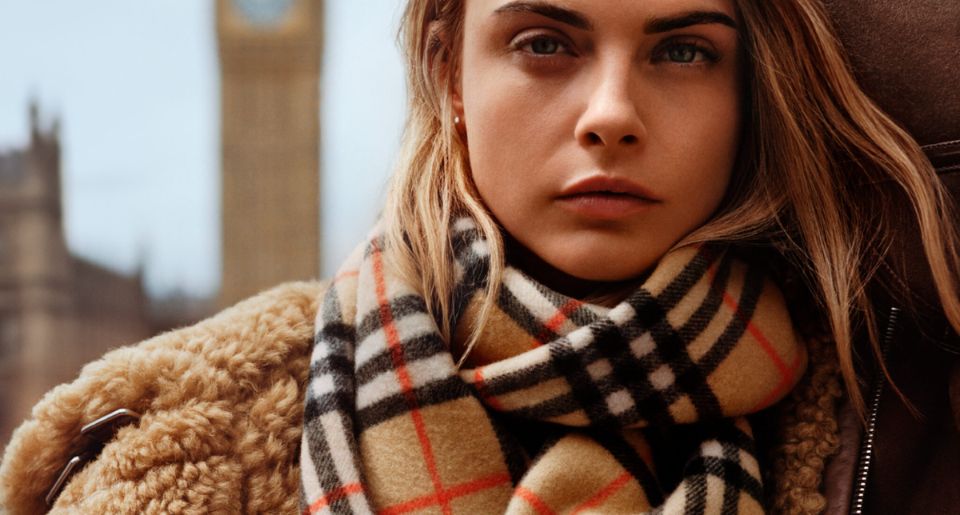
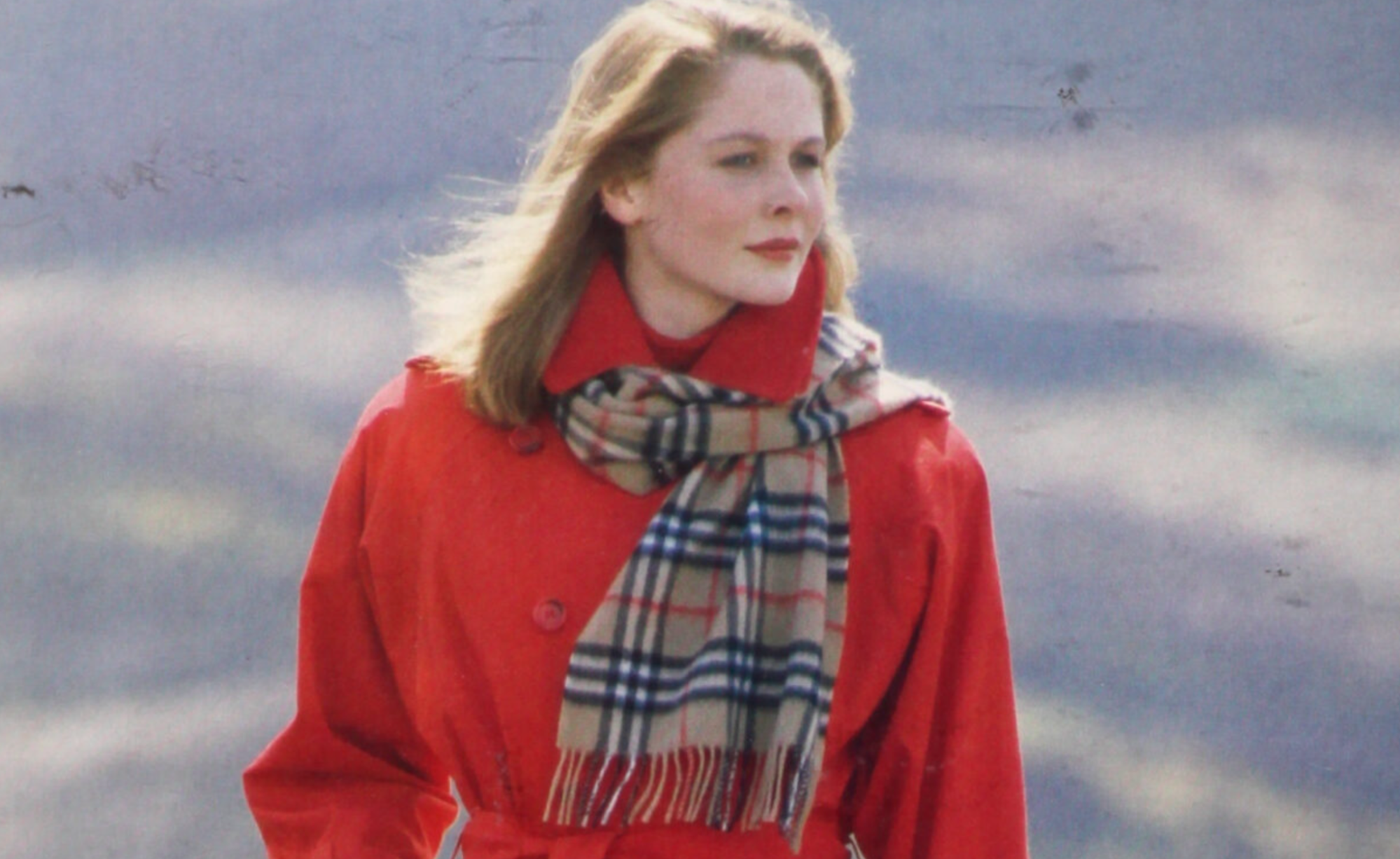
Archive beige. Black, white and red lines. Fringed edges. Cashmere. You don't need a visible BURBERRY logo across the middle to know what it is. And I think that's one of the reasons the scarf has lasted. The design doesn't depend on a logo being fashionable. The check itself became the identity.
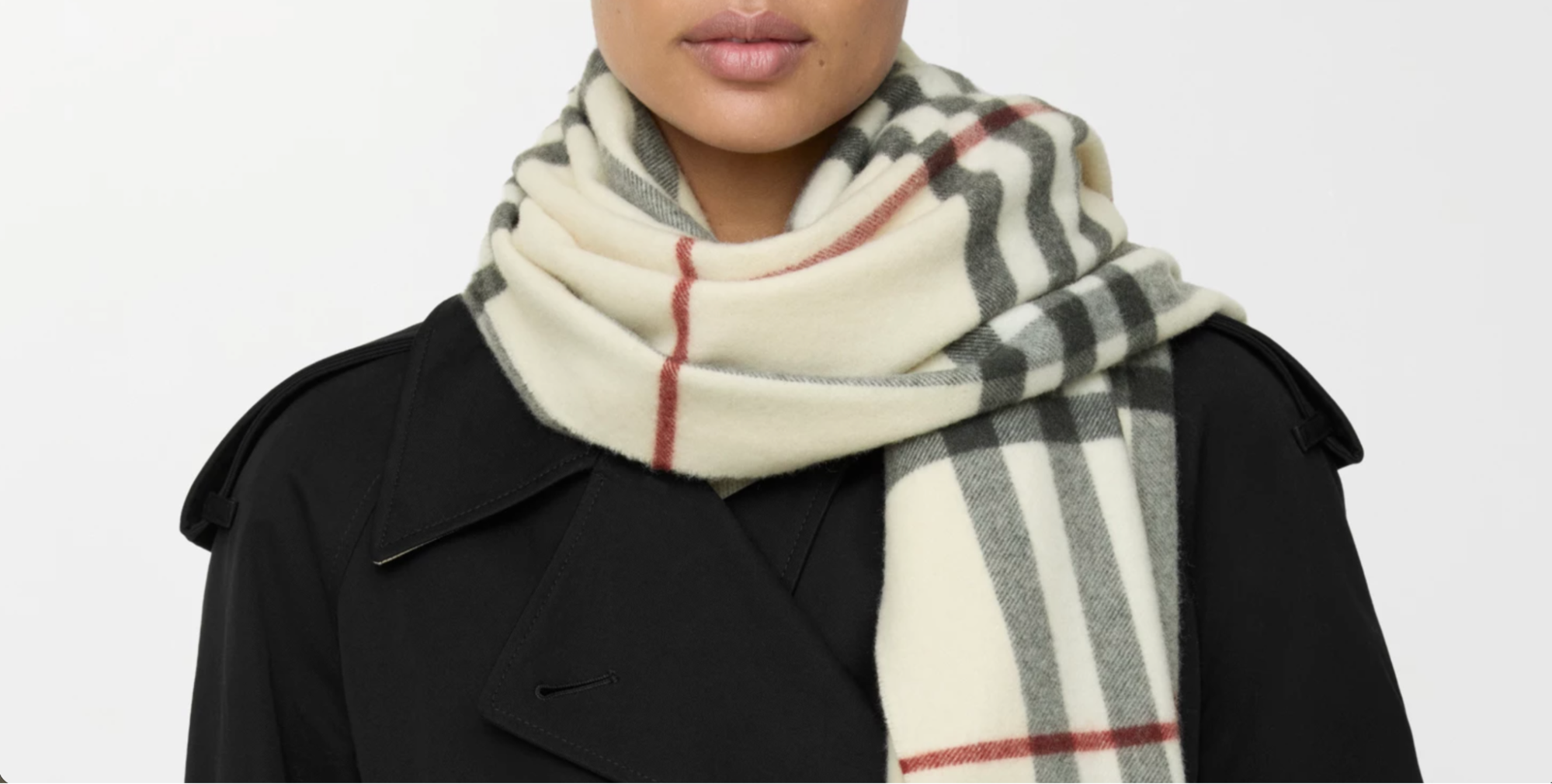
The Scarf Came From the Trench
(Image credit: burberry)
What I particularly like about the Burberry scarf is that the check wasn't originally invented specifically to sell scarves. It already belonged to the house.
According to Burberry, the scarf came about when a buyer at the brand's Paris store had the idea of taking the check used inside the trench coat and turning it into accessories. That makes the scarf feel connected to something much bigger.
You're essentially taking one of the most recognizable parts of the Burberry trench and wearing it by itself. And because both pieces belong to cold-weather dressing, the connection makes complete sense.
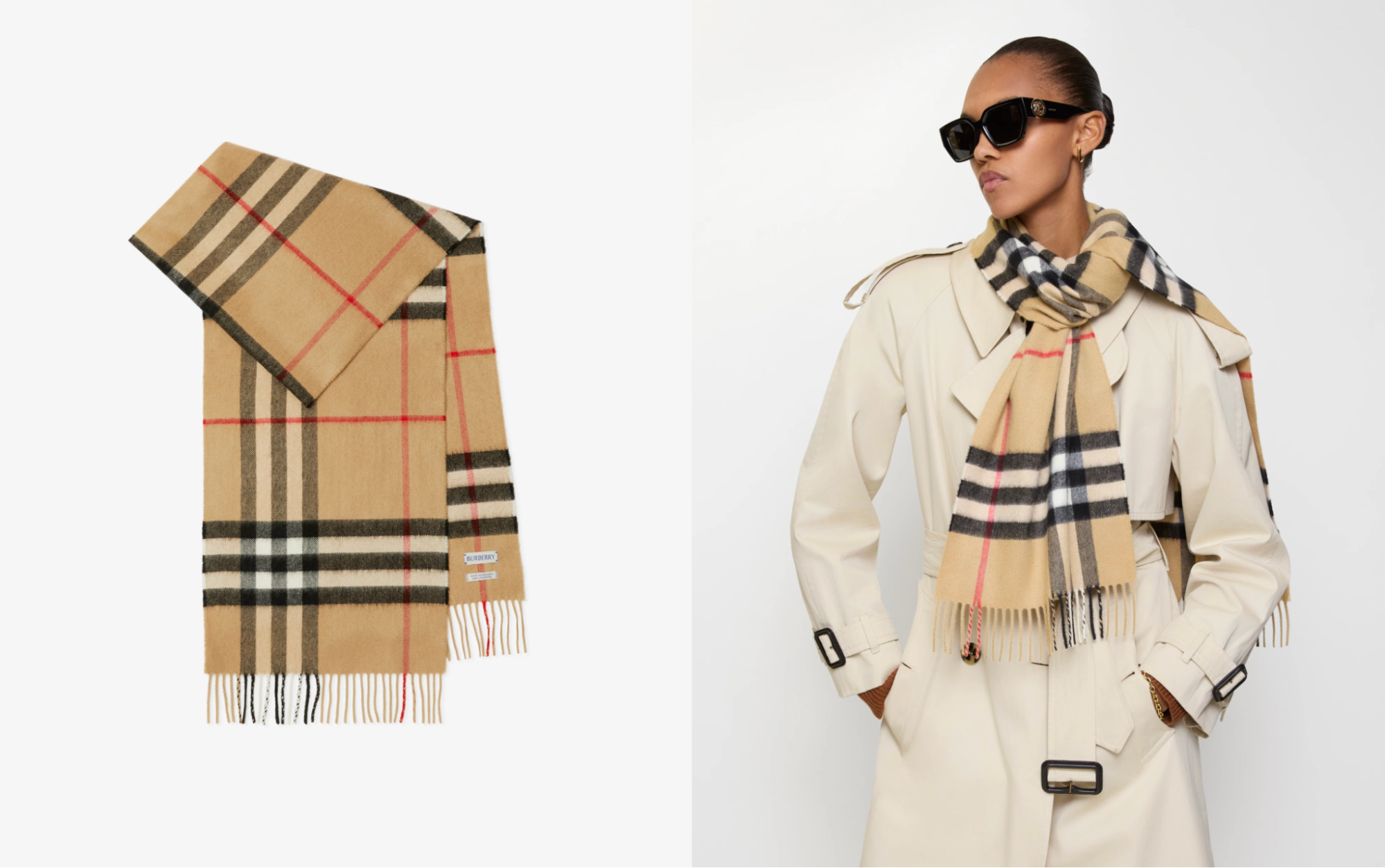
Archive Beige Still Wins for Me
(Image credit: burberry)
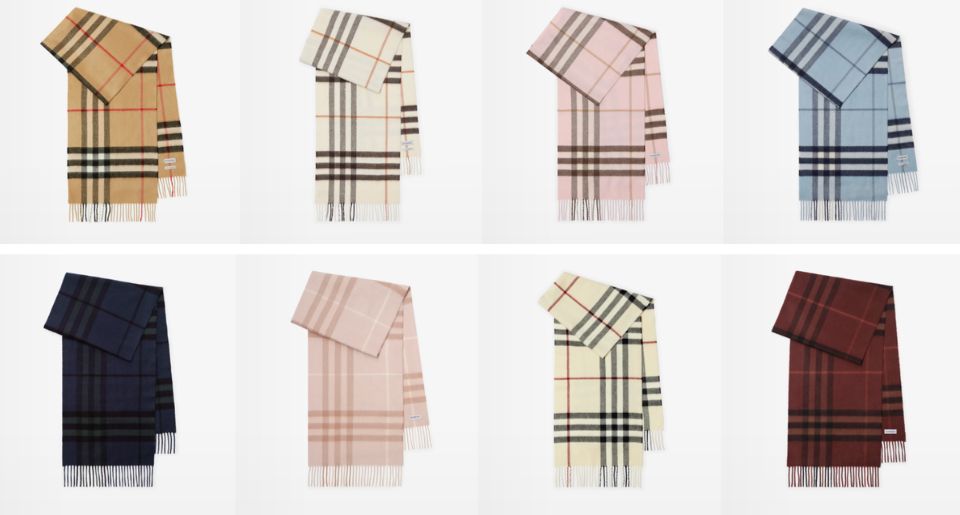
Burberry makes the scarf in many colors now. The current classic cashmere version comes in dozens of colorways. Some are subtle. Some are bright. Some change the check enough that it feels almost completely different.
But personally, if I were buying my first Burberry scarf, I'd probably still choose Archive beige. It's the obvious choice. And sometimes the obvious choice is obvious for a reason. If I'm buying something because I love its connection to the history of the brand, I want the version that immediately gives me that feeling.
A seasonal pink might be beautiful. But the classic beige check is the one I imagine pulling out of my wardrobe ten winters from now.
The Cashmere Is Part of Why It Lasts
(Image credit: burberry)
The classic scarf is made from 100 percent cashmere in Scotland.
Burberry says the production involves more than 30 steps. The cashmere is woven on traditional looms, washed in local spring water and brushed with teasels to raise the surface of the fabric and create its soft finish. I like knowing that because with a scarf this simple, material really matters. There isn't a complicated construction distracting you. It's a rectangle of cashmere.
So it needs to feel good.
That's also why I'd be careful when buying one second-hand. Heavy pilling, moth damage, stains and thinning can completely change a scarf that originally depended on softness. A little wear wouldn't bother me. A tired piece of cashmere would.
Hermès: When a Winter Scarf Still Feels Like Hermès
(Image credit: hermes)
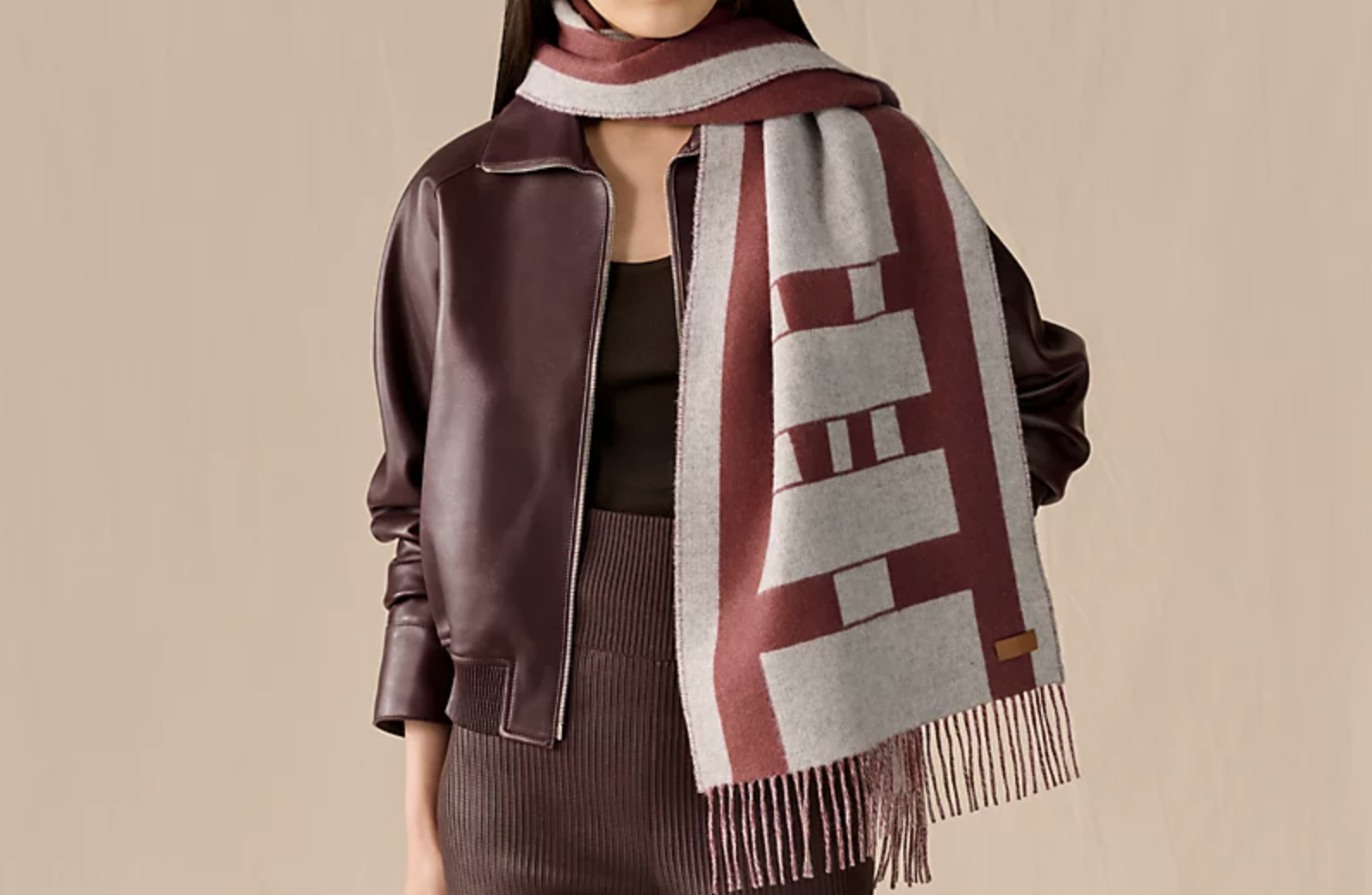
I already think of Hermès as one of the most interesting houses for scarves, but winter gives the category a completely different personality.
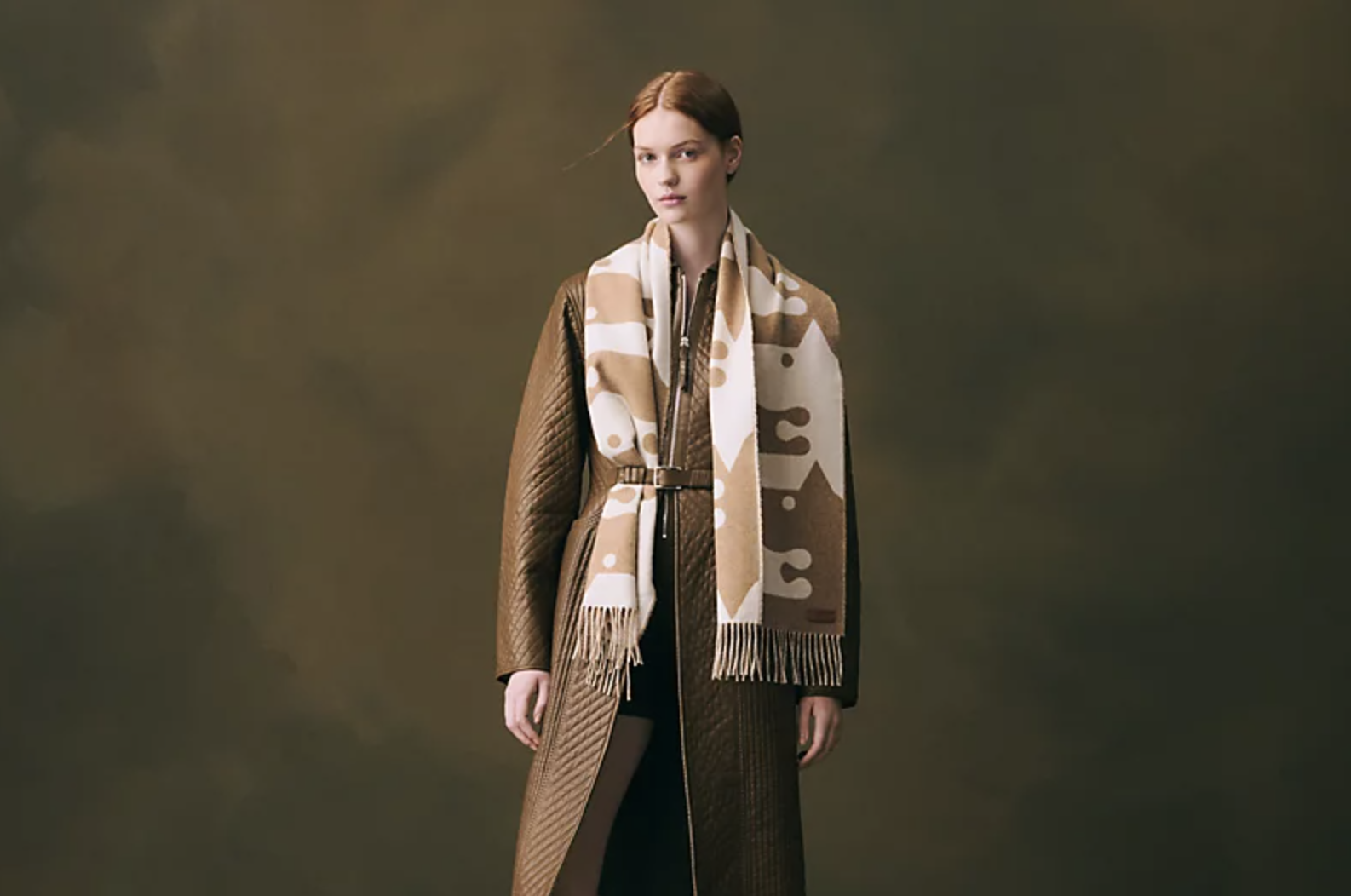
The famous silk carré is about color, illustration and storytelling. The winter scarves can be much more tactile. Cashmere. Knits. Texture. Larger proportions. And I like that Hermès doesn't simply take the carré and make it thicker.
There are winter pieces that still reference the same world of equestrian design and house history, but they actually look like they belong in cold weather.
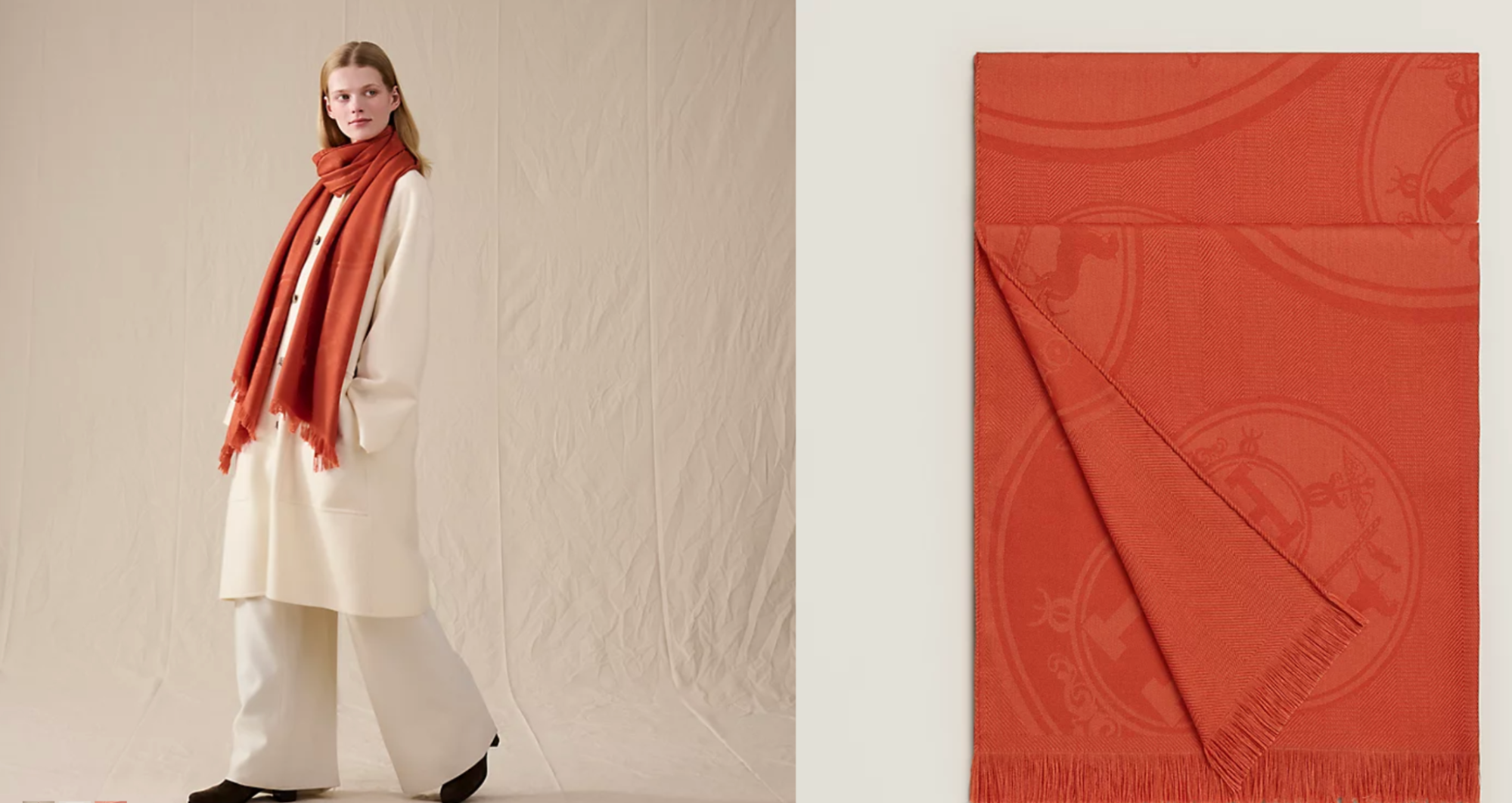
Cashmere and Silk Is a Very Hermès Combination
(Image credit: hermes)
One of the materials Hermès repeatedly uses is a 70 percent cashmere and 30 percent silk blend. You see it across different formats and designs, including pieces such as the current Symétrie Équestre scarf.
I like this combination because it sits somewhere between the two sides of Hermès scarf-making. You get the softness and warmth associated with cashmere, but silk keeps it from feeling like a generic winter knit. It still has that connection to the house's scarf world.
And when Hermès prints one of its detailed designs onto cashmere and silk, the result can feel almost like a winter version of collecting a carré.
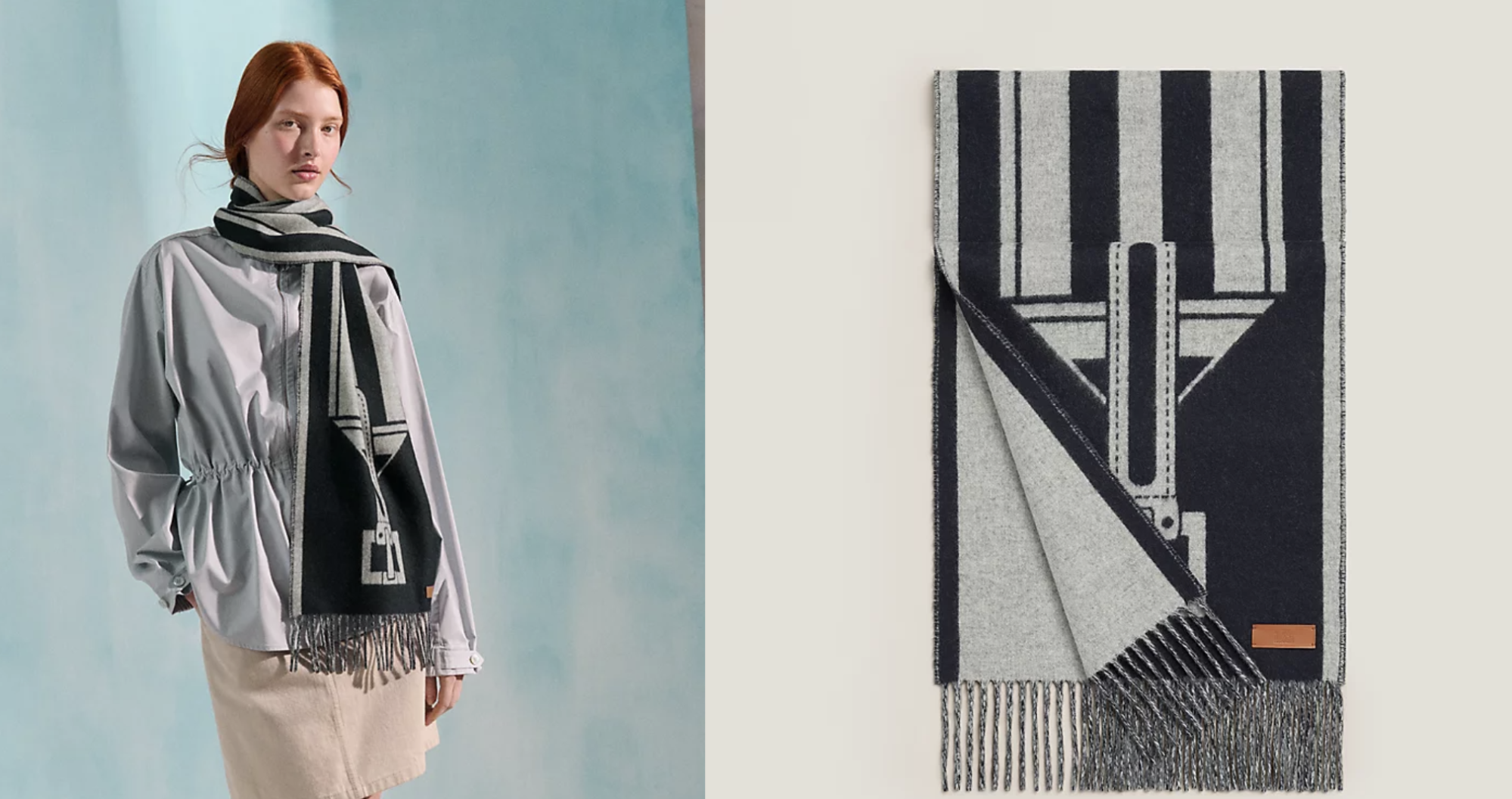
Les Sangles Is Exactly the Kind I'd Look For
(Image credit: hermes)
Personally, I'd want an Hermès winter scarf with a design connected to the house.
Les Sangles is a perfect example.
The design came from a late nineteenth-century catalog of stable-care and equestrian equipment preserved in the Émile Hermès collection. Joachim Metz arranged the straps into a graphic composition, and Hermès continues to reinterpret the design in winter materials. One current version uses 95 percent cashmere and 5 percent silk.
That's the kind of luxury scarf I find more interesting. From far away, it can simply look like a beautiful patterned scarf. Then you learn what you're actually looking at and suddenly it connects back to the origins of Hermès as a harness maker.
It's the same reason I love researching vintage Hermès silk scarves. The pattern isn't just filling space. There's usually something behind it.
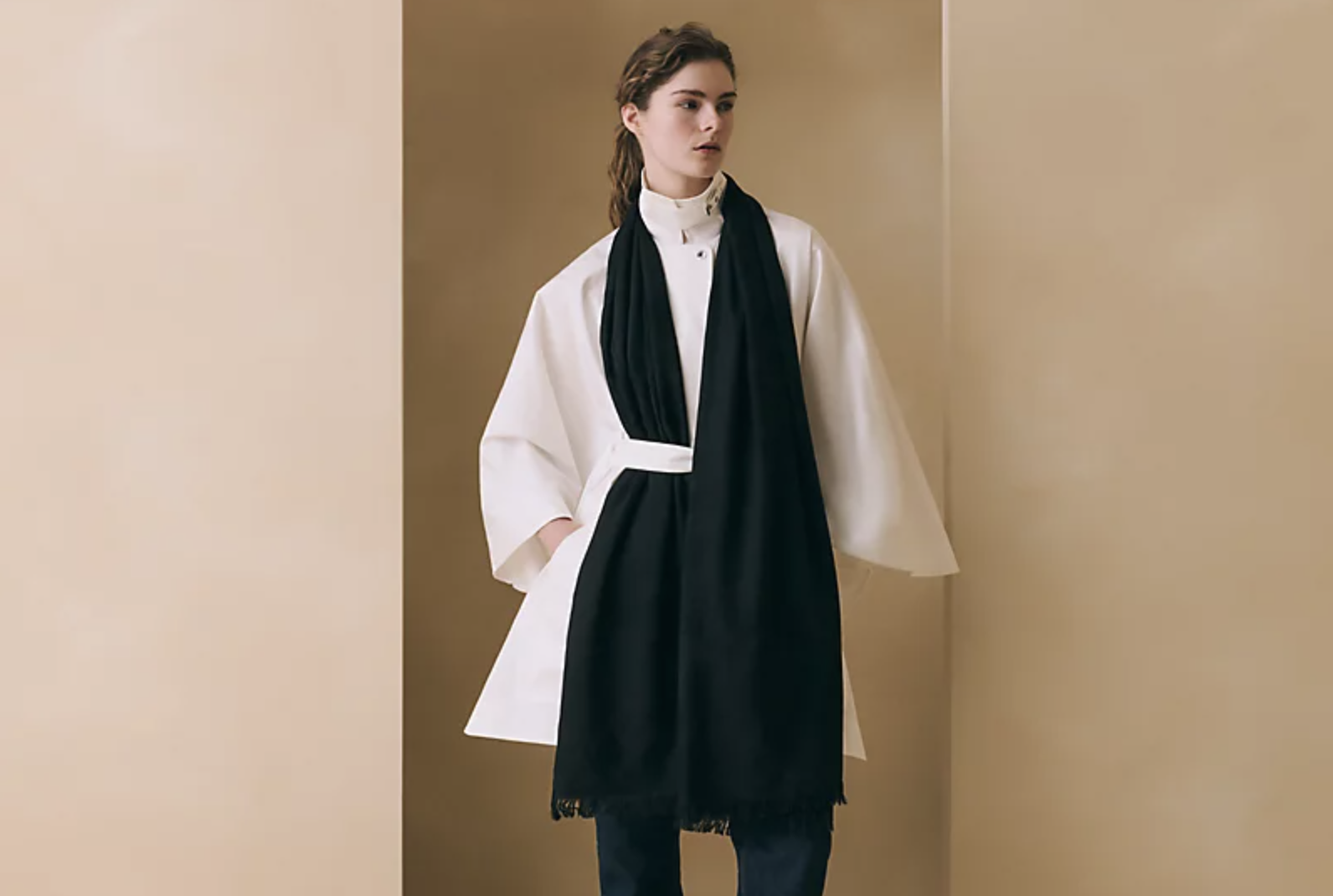
Sometimes I Want the Huge Cashmere Version
(Image credit: hermes)
On the other hand, winter is also one of the few times I think bigger really can be better. Hermès makes oversized cashmere pieces that are less about intricate printed storytelling and more about wrapping yourself in something soft.
The current Maillons d'Hiver, for example, is made from 100 percent cashmere and uses cable-knit textures, chain-like forms and graphic lines. That's a completely different mood from a carré. And I like that.
Not every Hermès scarf needs to look like an illustration. Sometimes I just want something enormous around my neck when it's freezing.
Louis Vuitton: Monogram Works Surprisingly Well in Winter
(Image credit: louis vuitton)
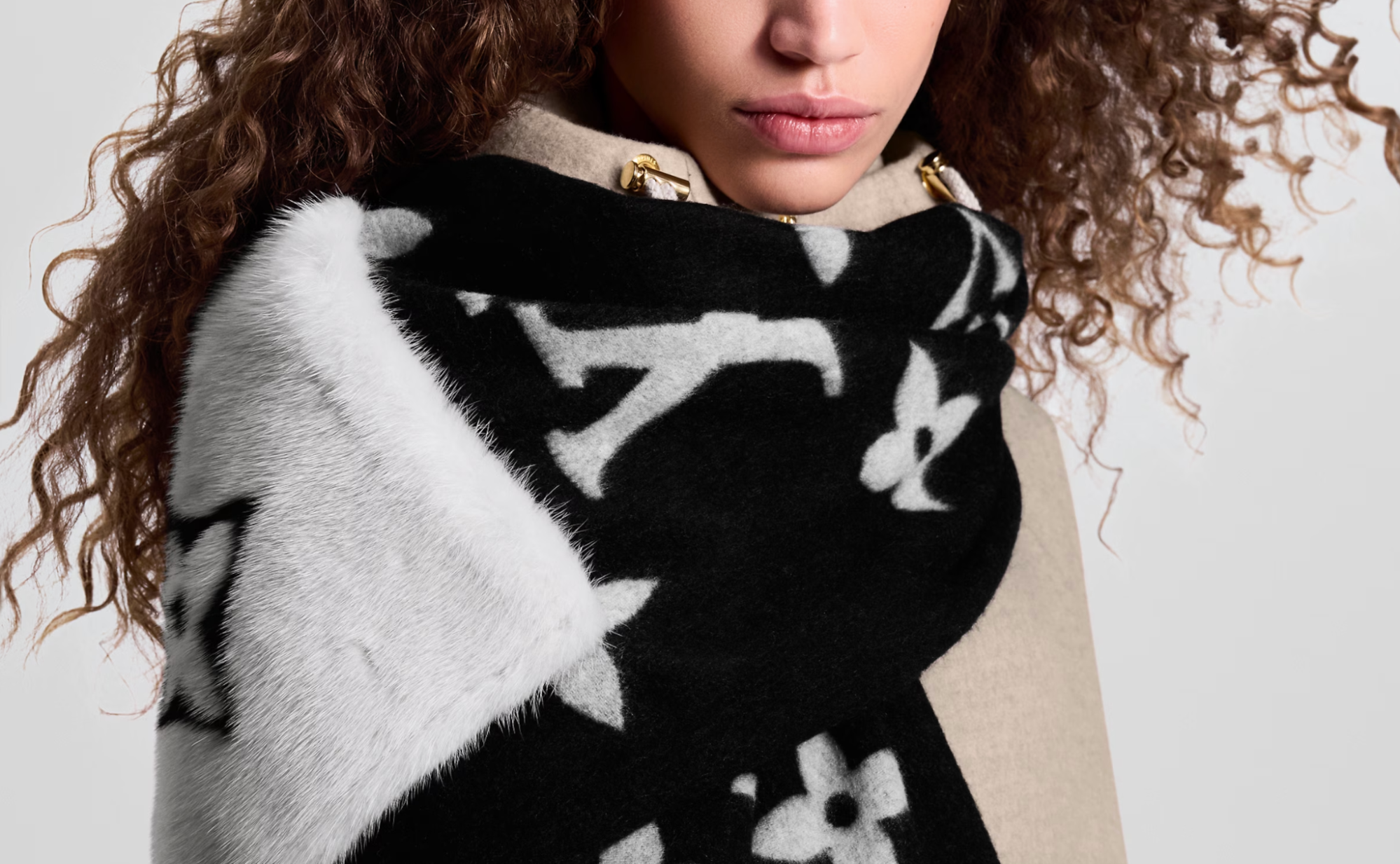
Louis Vuitton has an advantage with scarves because its visual language already works at almost every scale.
We've seen Monogram on trunks. Handbags. Wallets. Shoes. Jewelry. Card cases. So of course it works on scarves too.
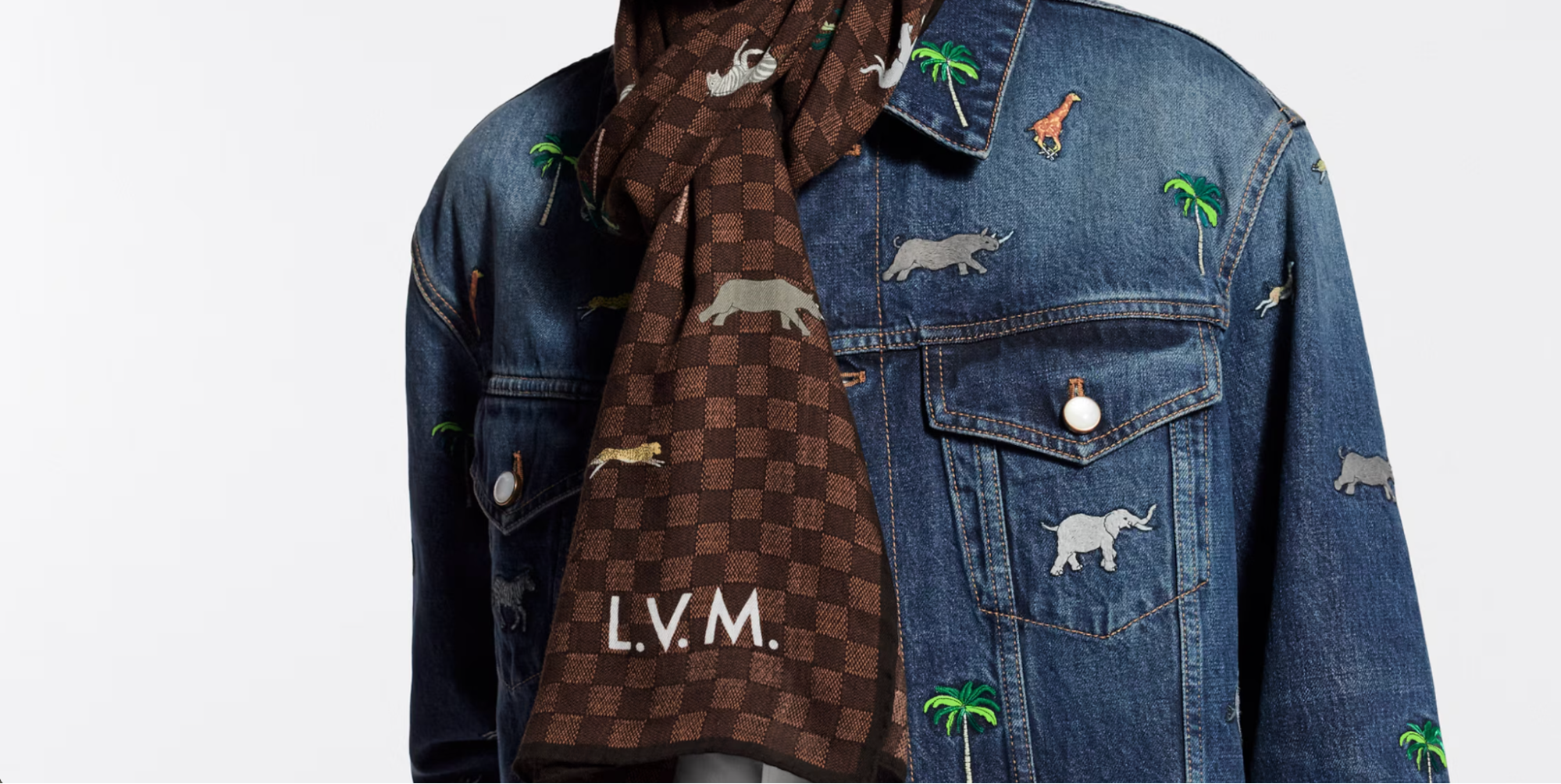
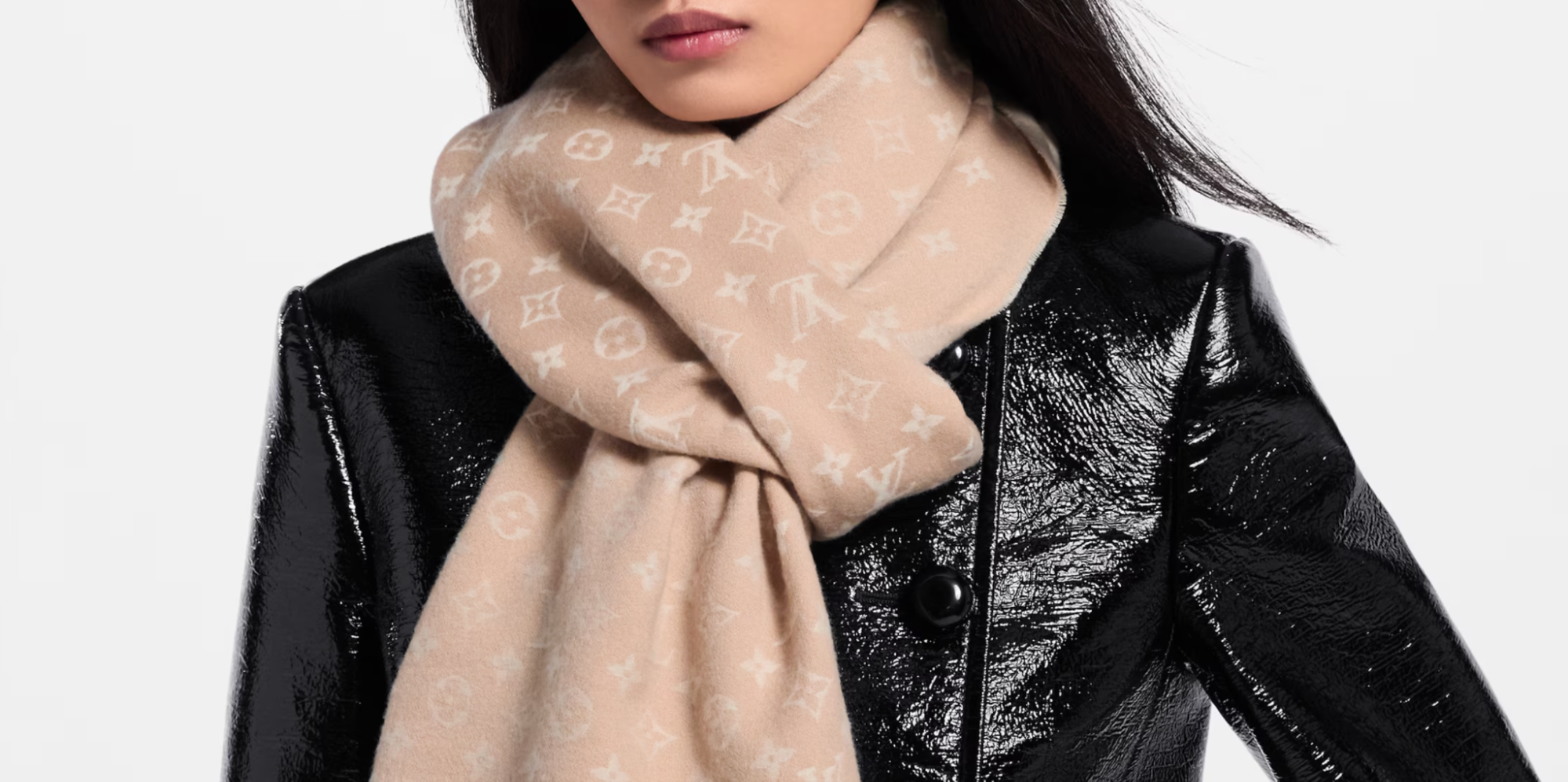
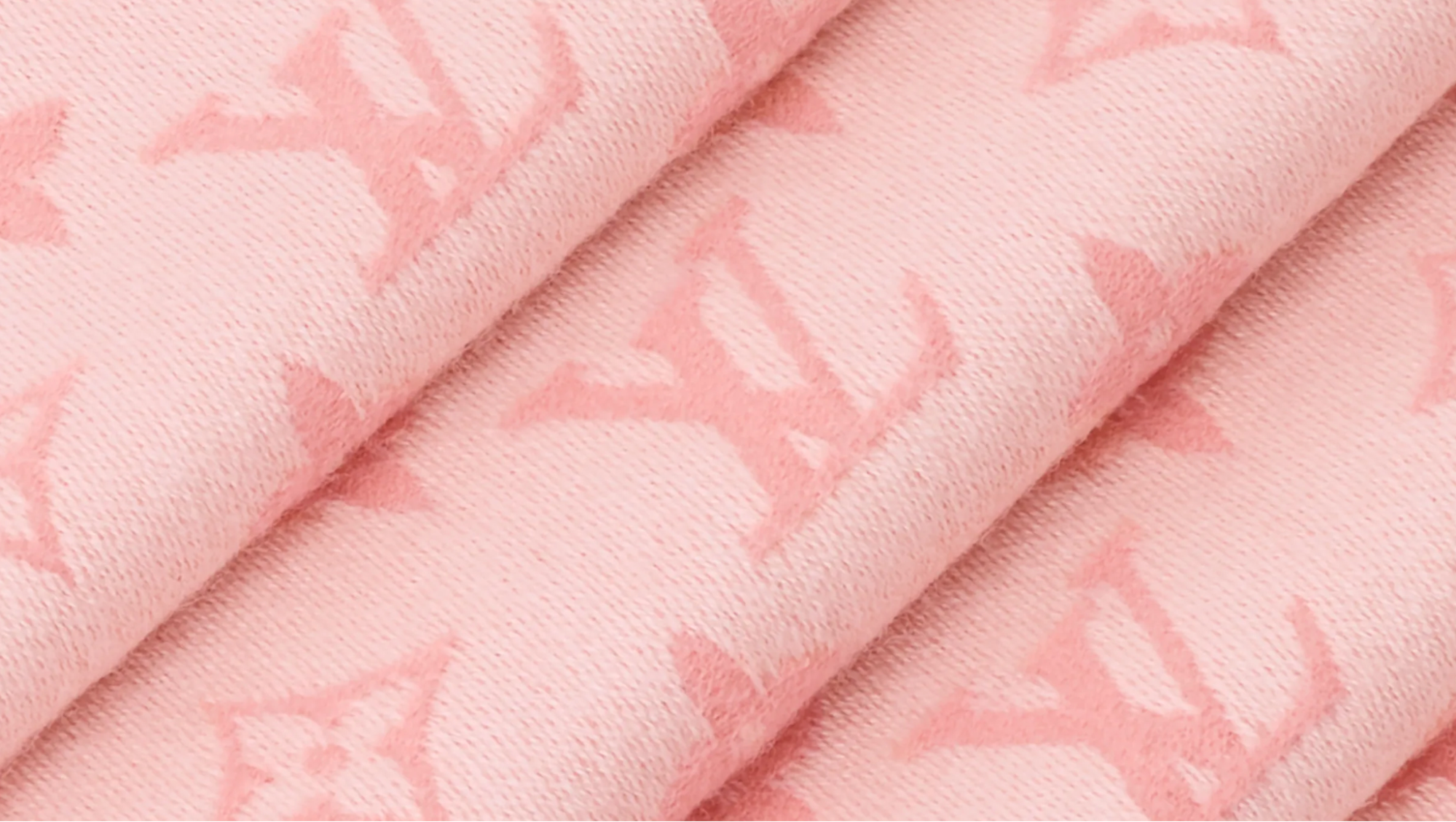
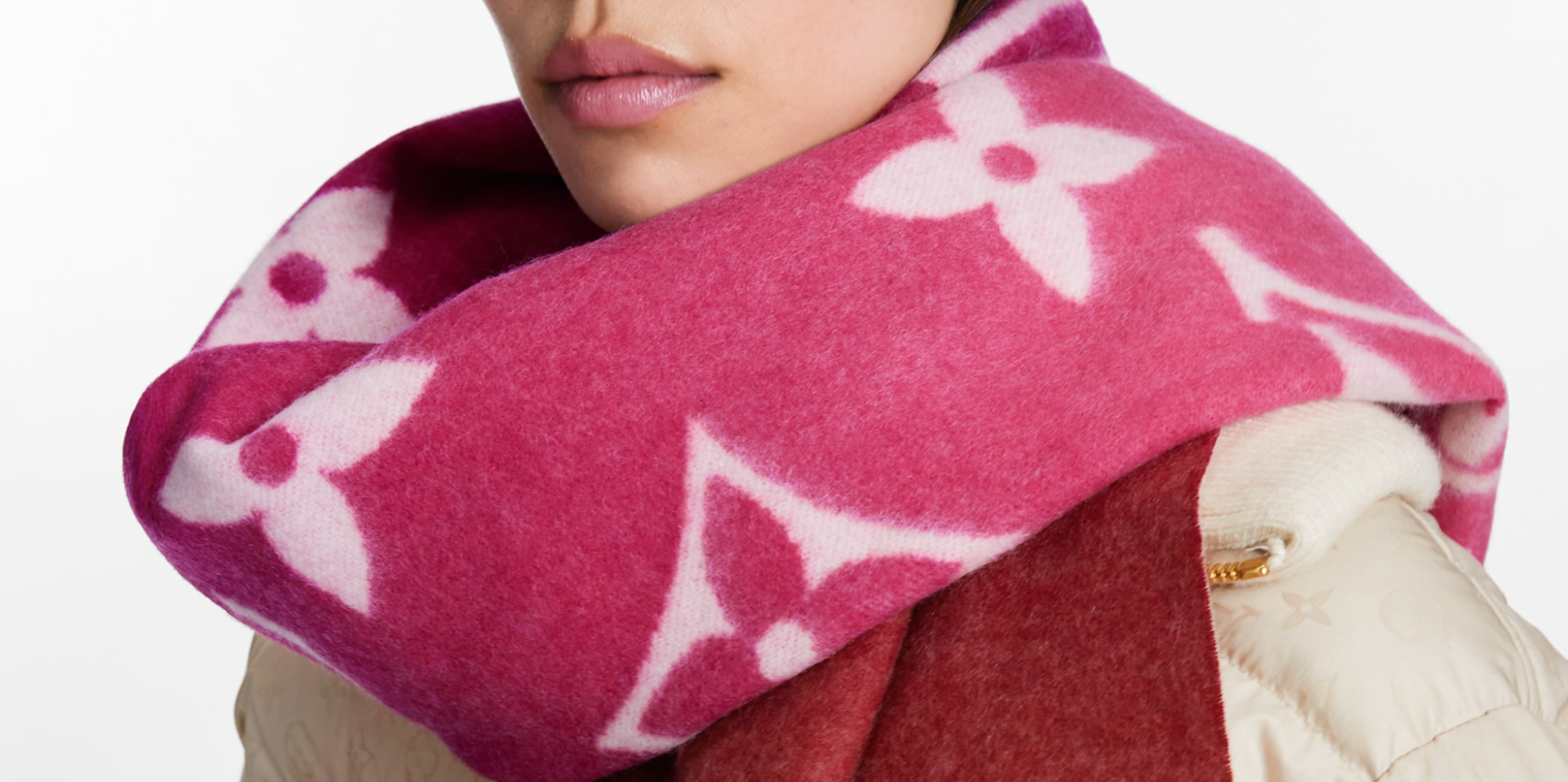
But winter scarves are where I think Louis Vuitton's patterns can feel particularly natural. A large woven Monogram doesn't necessarily look like someone simply printed a handbag pattern onto fabric. When it's done tonally, it can almost become texture.
Monogram or Damier?
(Image credit: louis vuitton)
Personally, I think Louis Vuitton winter scarves look best when the branding is worked into the weave rather than added as one huge logo.
The current Monogram Check scarf is a good example of how the house can mix its codes. It's made from 100 percent cashmere and combines Monogram with Damier Heritage, with the design reversing across the scarf.
That's more interesting to me than simply writing LOUIS VUITTON across the entire thing. You get two patterns that already belong to the house. And because both have existed in different forms for so long, they don't rely completely on one season.
I Prefer the Quieter Colors
(Image credit: louis vuitton)
This is where my taste becomes very specific. If I'm buying a Louis Vuitton bag, I don't mind something loud. Give me Multicolore. Graffiti. A strange limited edition. A collaboration.
A winter scarf is different.
I'd probably choose navy, brown, grey, black or another color I know I'll wear with several coats. The scarf already has Monogram. It doesn't need to do everything at once.
I think that's especially important if you're spending luxury prices on something you want to bring out every year. You want to remember why you loved it. Not wonder what you were thinking.
Dior Oblique: For When You Want the Logo to Be the Pattern
(Image credit: dior)
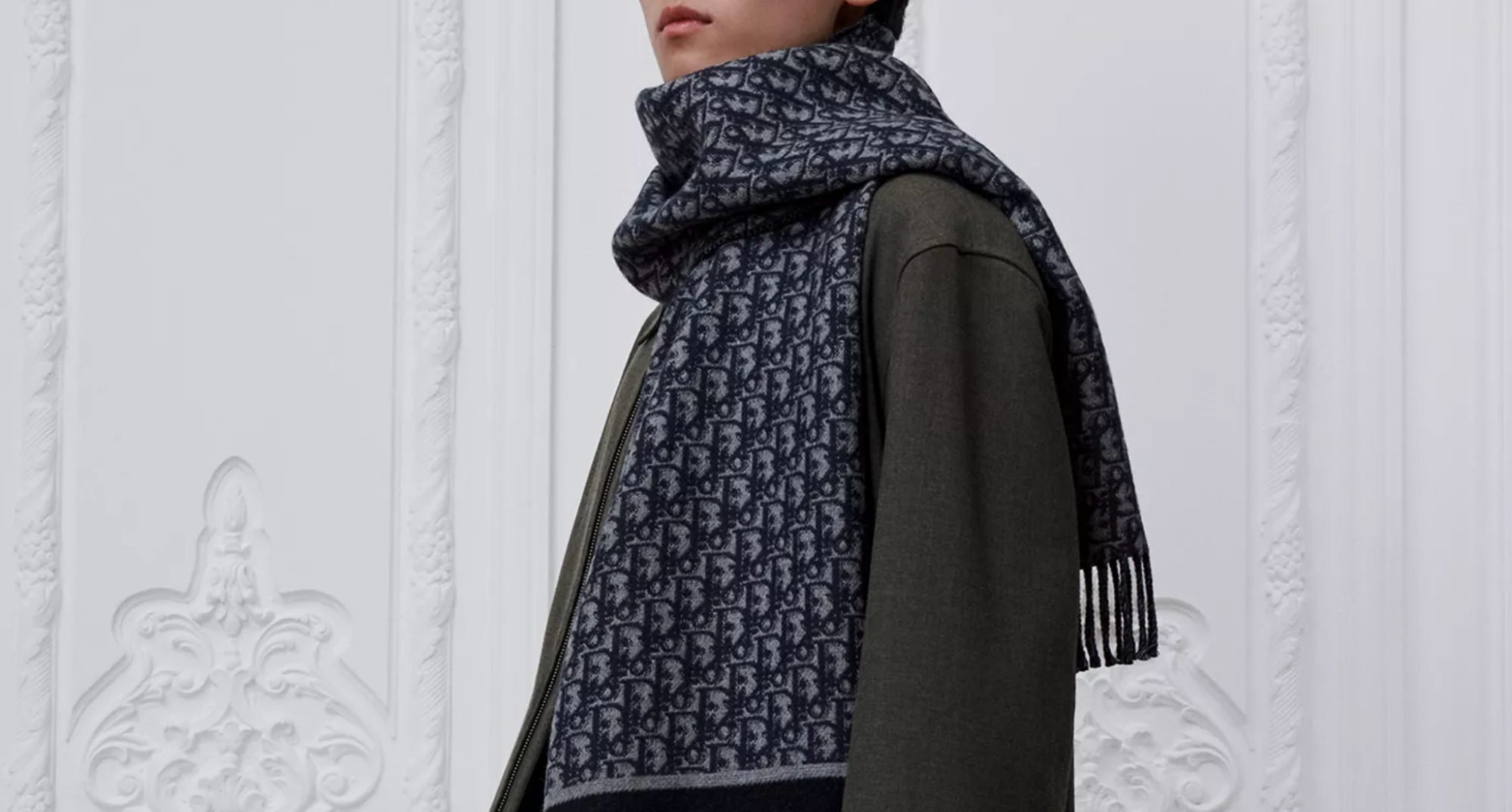
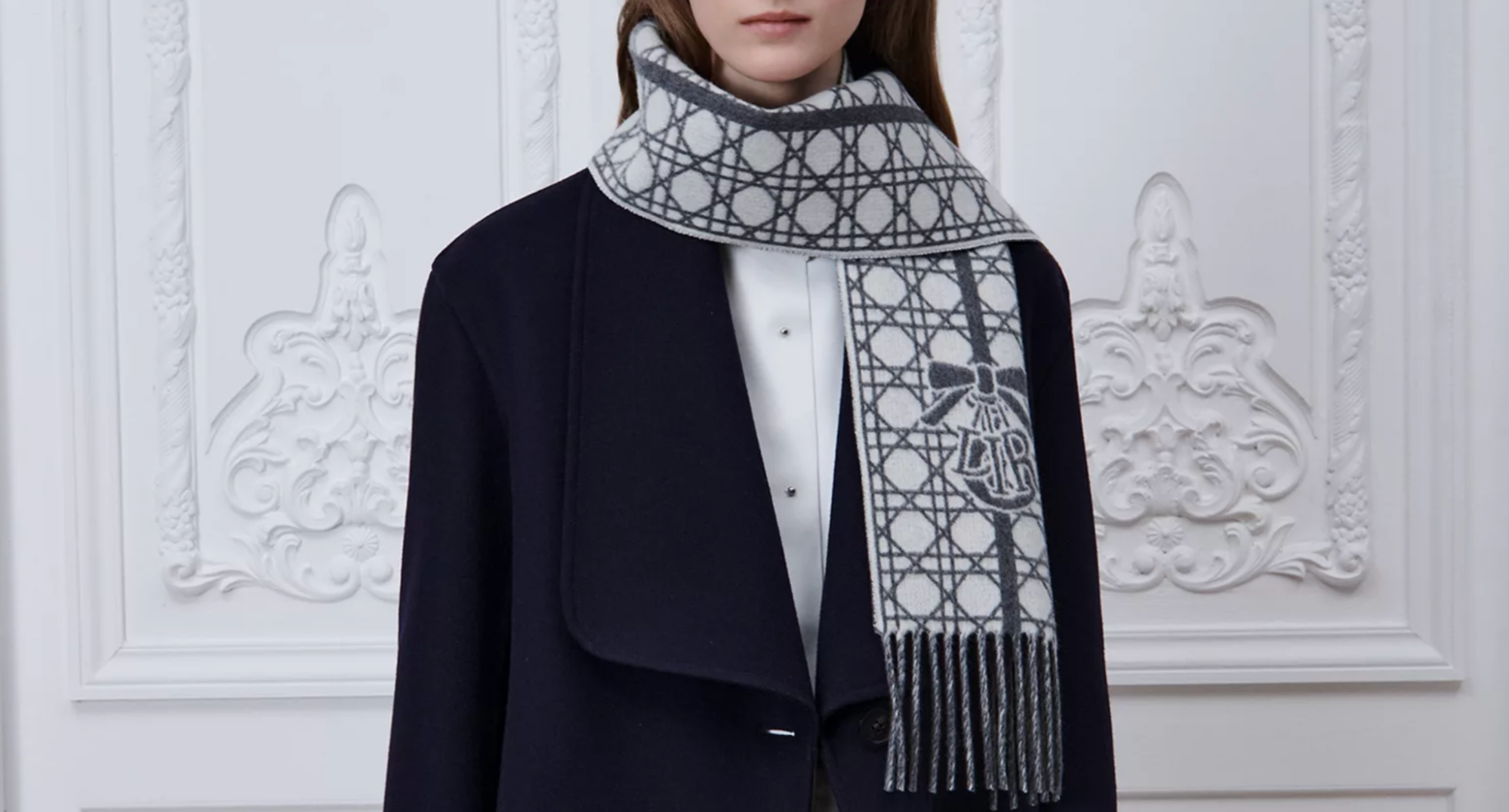
Dior Oblique is another pattern that makes perfect sense on a scarf. It has been part of the house since 1969, and Dior still uses it across current cashmere designs. Unlike the Burberry Check, nobody is pretending Oblique isn't branding.
That's the point.
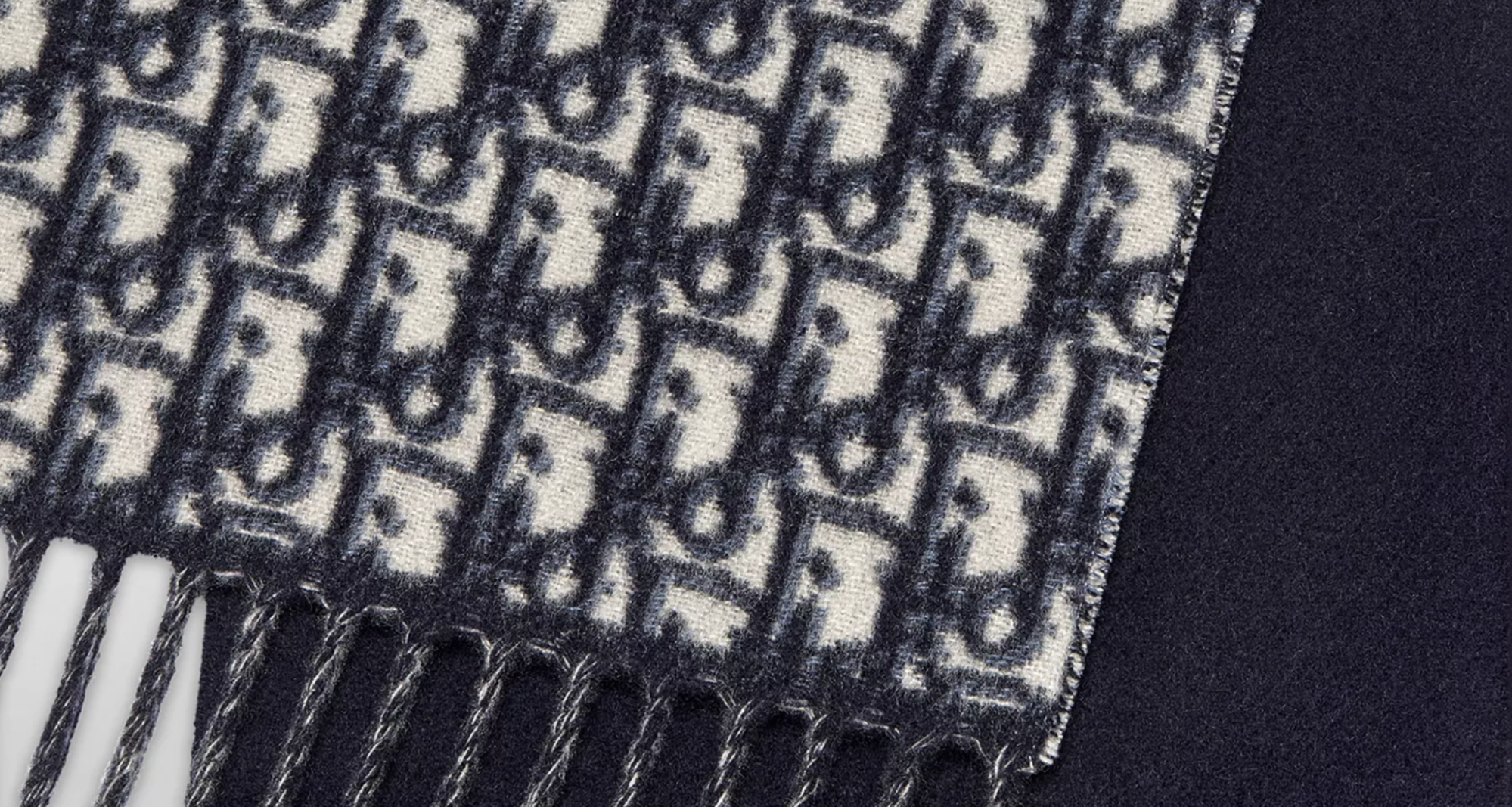
DIOR is right there. Repeated. Again and again. And somehow, when it's woven across a large scarf, the repetition becomes a pattern rather than just a logo.
Double-Sided Makes More Sense Than It Sounds
(Image credit: dior)
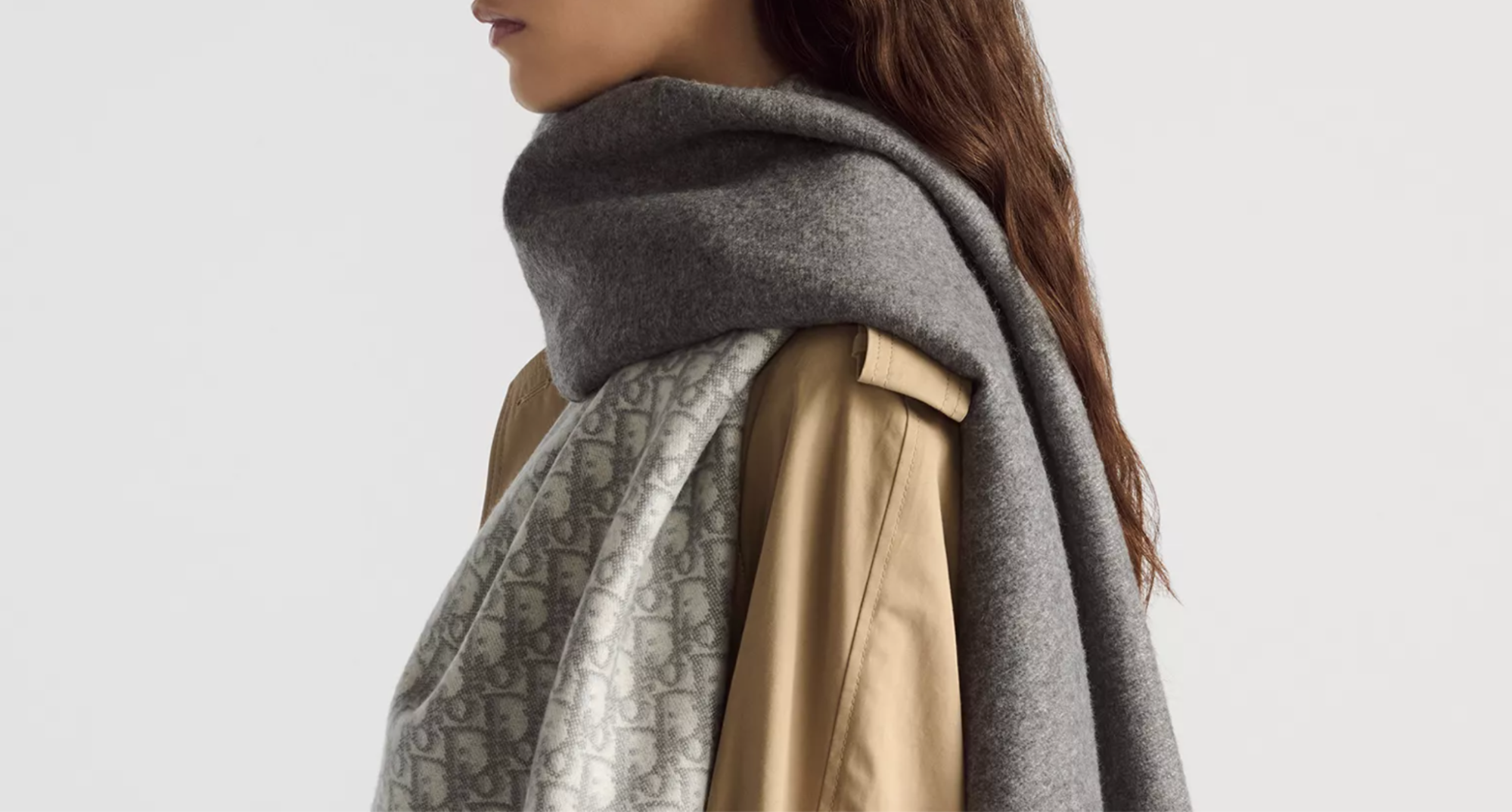
I particularly like Dior's double-sided scarves. Some current versions have Oblique on one side and a solid color on the other. That seems like a small detail, but it makes a huge difference when you actually wear a scarf.
Scarves twist. They move. You don't control which side is visible every second. So having two sides that intentionally look different can make the scarf much more interesting. You get flashes of the pattern rather than one flat surface.
And if the Oblique starts feeling too much with a particular outfit, you can let more of the solid side show. That's practical design, not just decoration.
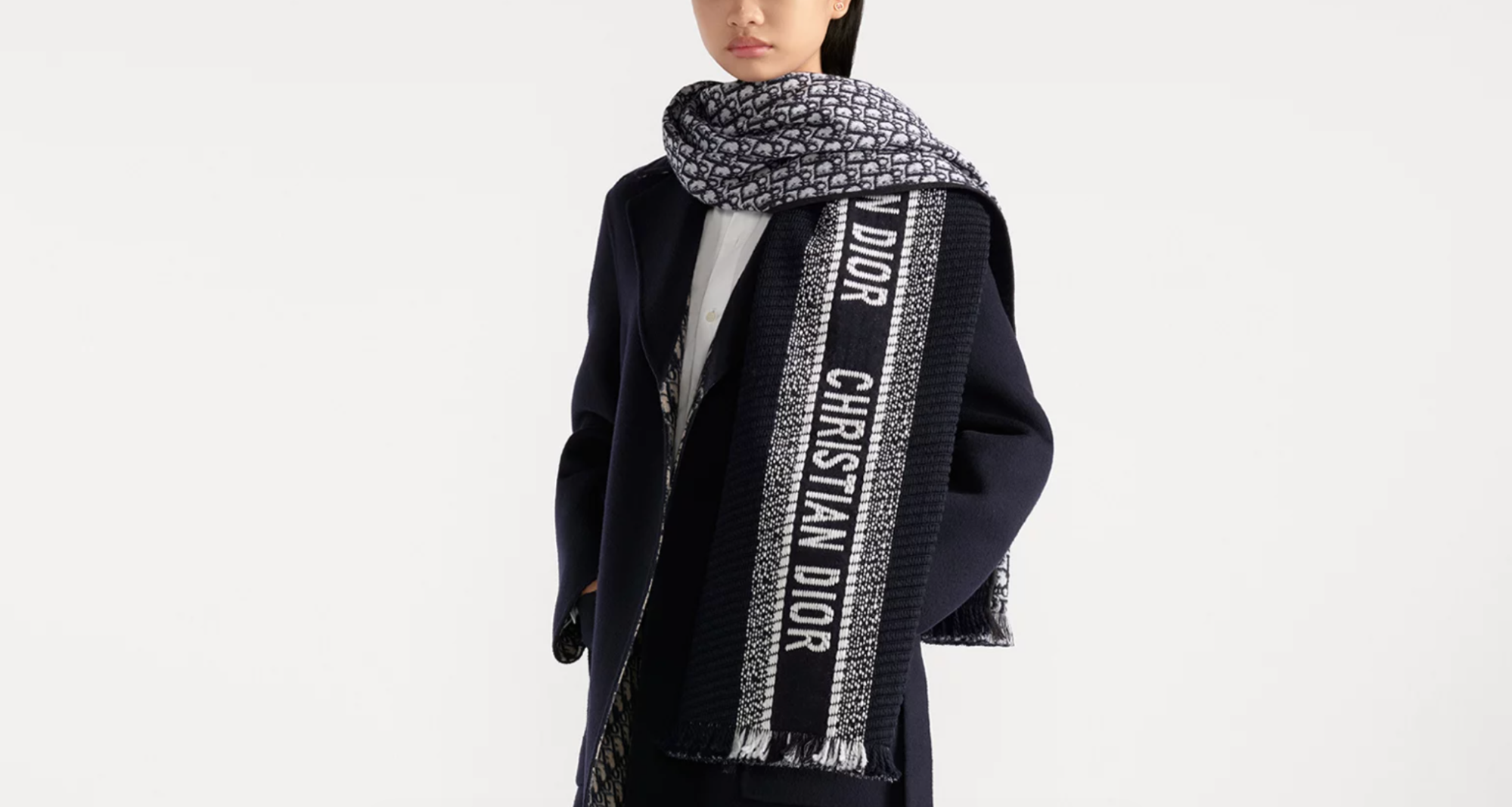
Ecru and Navy Would Be My Choice
(Image credit: dior)
If I had to choose one, I'd probably go with ecru and navy. It's very Dior. The contrast lets the Oblique show clearly without becoming too loud.
Dior currently makes a 100 percent cashmere version in that combination, finished with jacquard signature bands and hand-tied fringe.
I can imagine wearing that with a navy coat, camel coat, grey knit or even something much more casual. That's important to me. If a scarf only works with one carefully planned outfit, I'm probably not going to keep reaching for it.
Loewe: The Anagram for People Who Don't Want a Traditional Winter Scarf
(Image credit: loewe)
Loewe brings something slightly different to this list. When I think of a traditional luxury winter scarf, I imagine Burberry.
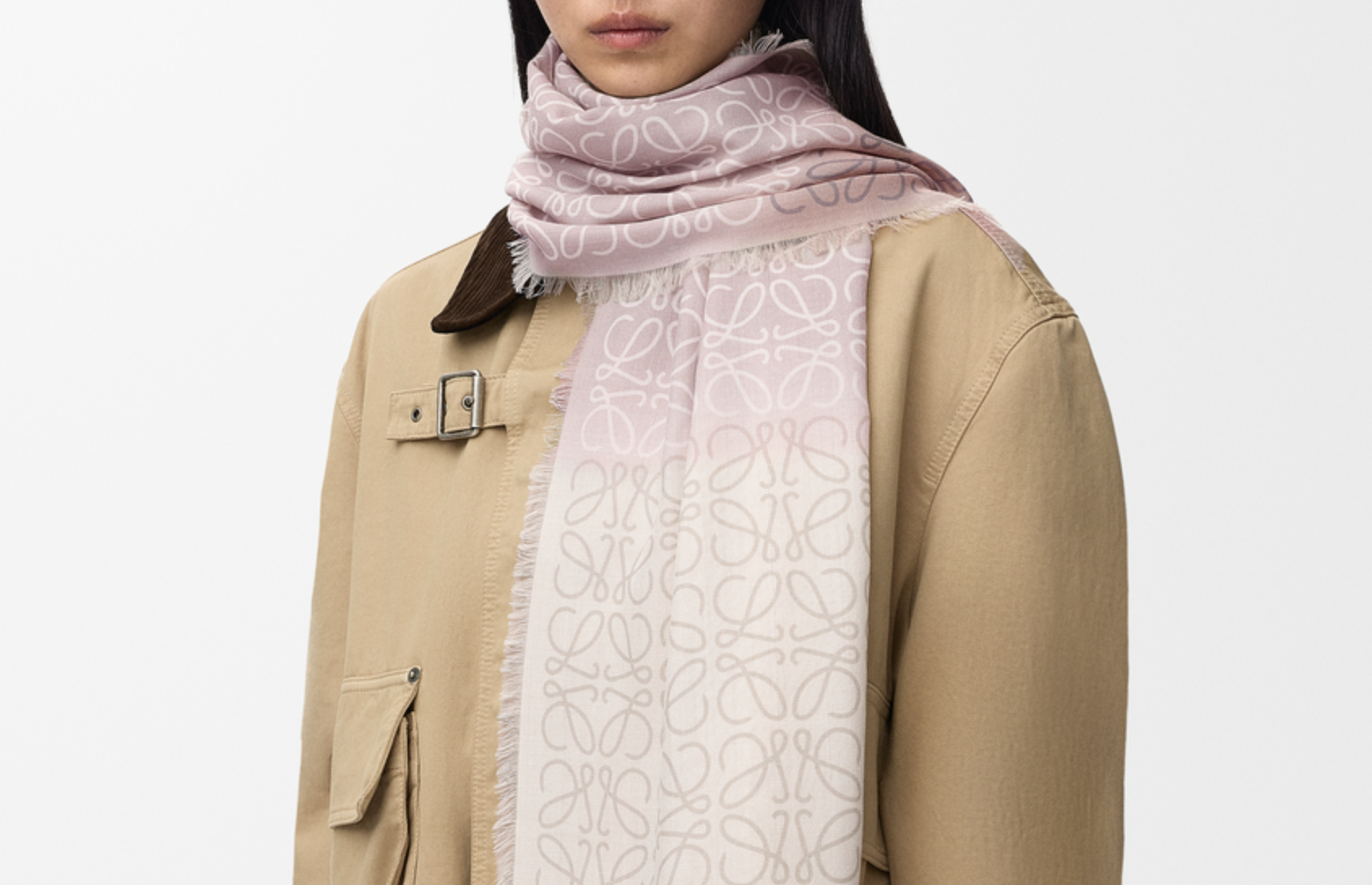
Loewe feels more relaxed. Softer. A little less formal. And I think the Anagram works particularly well on winter accessories because it's recognizable without looking as rigid as a traditional monogram.
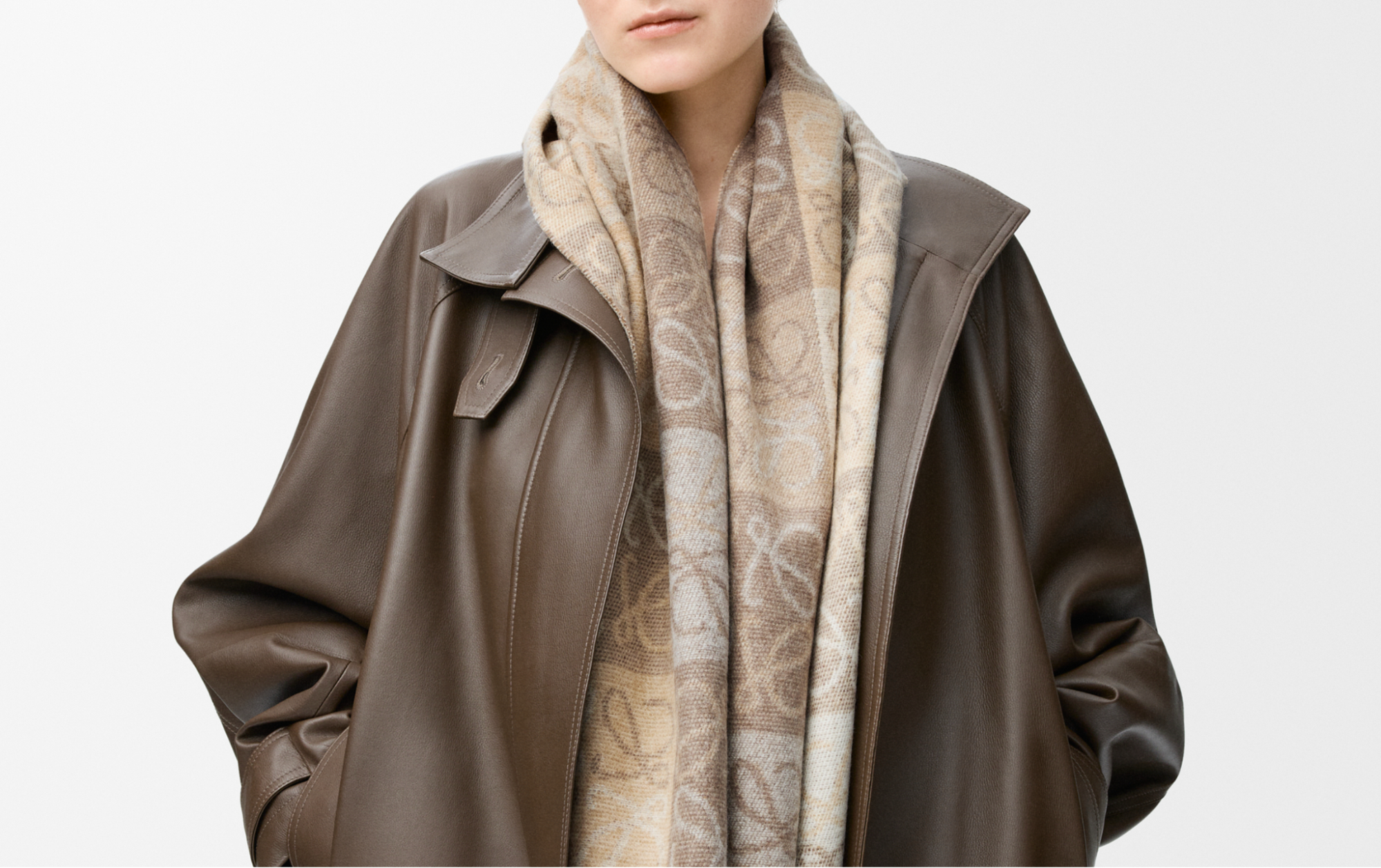
The current Anagram scarf uses a double-faced wool and cashmere jacquard with the house's symbol repeated across it. It's branded. But it doesn't feel like a billboard.
The Anagram Looks Better Bigger
(Image credit: net a porte)
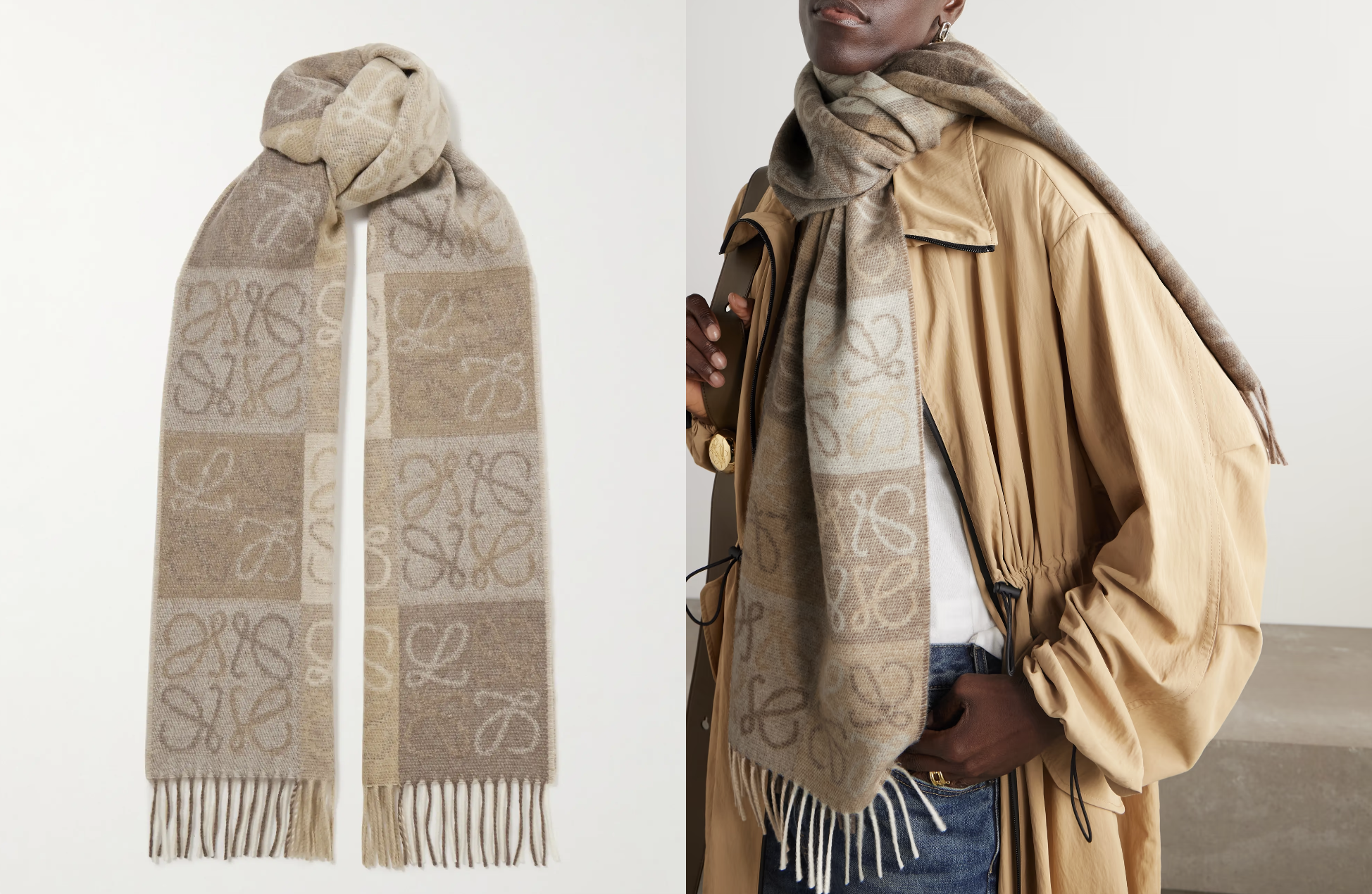
There are logos I think work best when they're tiny. The Loewe Anagram isn't one of them. I actually like it enlarged.
Its looping shape almost becomes decorative rather than reading immediately as four Ls. That's why it works so well across fabric. You can know it's Loewe. Someone else might simply see a graphic pattern. I like that balance. It's recognizable without needing the brand name written underneath.
This Is Where I'd Choose Color
(Image credit: loewe)
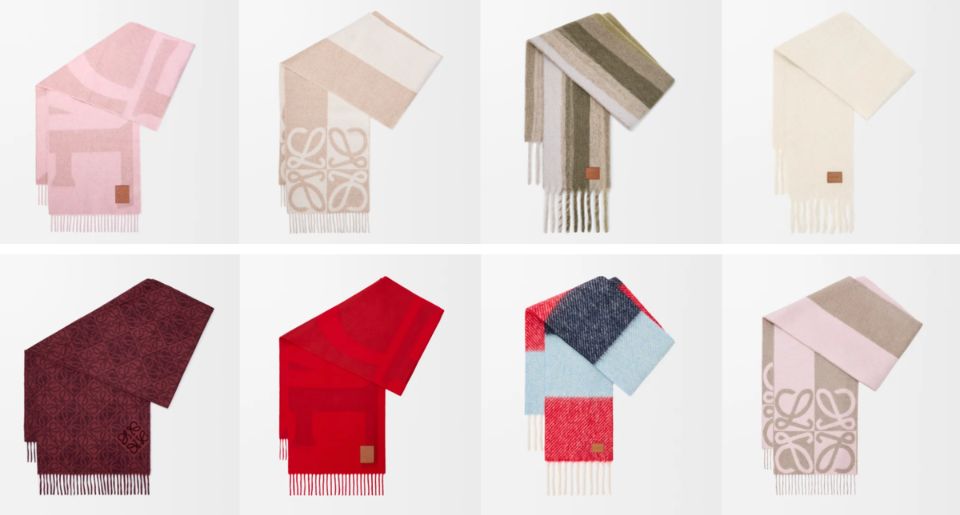
Unlike Louis Vuitton, where I'd probably stay neutral, Loewe is where I'd be tempted by color. The Anagram scarf has appeared in neutrals as well as shades such as burgundy, pink and other seasonal colors. A bright scarf with a dark winter coat can be enough. You don't need a complicated outfit.
Black coat. Jeans. Simple knit. Bright Loewe scarf. Finished.
Sometimes winter dressing needs exactly that.
Cashmere Isn't Automatically Better Just Because It's Cashmere
(Image credit: v magazine)
This is something I think is worth saying when we're talking about expensive scarves. "CASHMERE" on a label doesn't automatically mean I think something is worth luxury pricing. There are huge differences in how cashmere feels, how it's woven, how dense it is, how it wears and how it looks after repeated use. And blends aren't automatically inferior either.
Hermès uses cashmere and silk together. Dior produces scarves in pure cashmere as well as cashmere and wool blends. What matters is what the material is doing.
Do I want a huge soft scarf that feels almost like a blanket? Do I want something thinner that drapes easily? Do I want a crisp woven pattern? Do I want a fluffy texture? Those are different scarves. The fiber percentage alone doesn't answer the question.
The Best Winter Scarf Is the One You Don't Have to Think About
(Image credit: dior)
This might sound strange in an article about designer scarves, but I don't think a winter scarf should require too much effort.
A handbag can be the entire point of an outfit. A scarf, for me, should be easier. You're leaving the house. It's cold. You grab it. Wrap it. Done.
That's why I think the classic versions survive.
Archive Burberry Check. A neutral Louis Vuitton Monogram. Navy Dior Oblique. A beautiful Hermès cashmere design. A Loewe Anagram in a color you actually wear.
They don't need a particular runway season to make sense. They work because they already belong to the visual language of the house.
The Coat Test
(Image credit: loewe)
If I were buying a luxury winter scarf, I'd do what I mentally call the coat test. How many of my coats can I wear this with?
One? That's dangerous.
Two? Maybe.
Three or more? Now we're talking.
Because the scarf can be beautiful by itself and still be a terrible purchase for your actual wardrobe. I think this matters even more with recognizable designer patterns.
A patterned coat plus a heavily patterned scarf can become a lot very quickly. If most of your outerwear is neutral, you have much more freedom. If your coats already have strong colors or prints, I'd probably choose a quieter scarf. The goal isn't to buy the most interesting scarf on the table. It's to buy the one you'll actually keep taking off the shelf.
I'd Rather Own One Great Winter Scarf Than Five I Don't Love
(Image credit: louis vuitton)
This is one category where I really understand buying fewer pieces. You don't need ten beige cashmere scarves. At least I don't. I'd rather have one Burberry Check that I know works every year, then maybe something completely different from Hermès or Loewe. Each one should have a reason to exist.
One classic. One colorful. One oversized. Maybe one unusual vintage piece. That's enough to give you different options without filling an entire drawer with expensive rectangles.
And because scarves don't have the same sizing problem as clothing, they're also pieces you can realistically keep for a very long time. Your body changes. Fashion changes. A scarf doesn't care.
Buying Designer Winter Scarves Second-Hand
(Image credit: hermes)
This is actually a category where I think the second-hand market can be really interesting. Scarves don't have complicated hardware. There aren't handles that lose their shape. You don't have bag corners hitting every doorway. But the condition still matters.
With cashmere and wool, the first thing I'd look for is moth damage. Tiny holes can be easy to miss in online photos, especially on patterned scarves. Then I'd check pilling. Some pilling is normal. Heavy matting is different. I'd also look at the fringe. Is it still even? Is anything missing? Has the scarf stretched? Are there stains around the areas that would sit close to the neck or face? Perfume and makeup can be an issue too.
Older Doesn't Necessarily Mean Worse
(Image credit: v magazine)
I wouldn't automatically reject an older scarf.
Actually, vintage and older seasonal designs can be much more interesting if you're tired of seeing the current version everywhere. A discontinued colorway might suit you better. An older logo treatment might feel less obvious.
A past Hermès design might have a story you prefer to anything in the current collection. And sometimes the fact that a scarf isn't instantly identifiable as this season's piece is exactly what makes it easier to wear for years. Condition matters more to me than age.
Be Careful With the Very Recognizable Ones
(Image credit: louis vuitton)
The downside of iconic scarves is obvious. People copy them. Burberry Check is instantly recognizable. Louis Vuitton Monogram is instantly recognizable. Dior Oblique is instantly recognizable.
That means I'd treat authentication seriously even though we're talking about a scarf rather than a handbag. I'd look at the weave. Labels. Typography. Pattern. Fringe. Material. Construction. And I'd compare the exact model rather than assuming every authentic scarf from a brand should look the same.
Brands change labels and construction over time. Seasonal designs can also be very different. A scarf is simpler than a handbag, but simple doesn't mean impossible to fake.
What I'd Actually Choose From Each House
(Image credit: dior)
If I were building a winter scarf collection from these brands, I wouldn't choose five versions that do the same job.
From Burberry, I'd take the classic Archive beige cashmere Check. That's the heritage piece.
From Hermès, I'd choose something with a real design behind it, preferably a cashmere and silk piece connected to the house's equestrian history. That's the one I'd want to look at closely.
From Louis Vuitton, I'd choose a darker Monogram or Monogram-and-Damier scarf that I could wear constantly without planning around it. That's the easy one.
From Dior, I'd take navy and ecru Oblique. That's the graphic one.
And from Loewe, I'd allow myself some color. Burgundy, pink or something unexpected. That's the fun one.
They wouldn't compete because each would have a different role.
The Ones Worth Bringing Back Every Winter
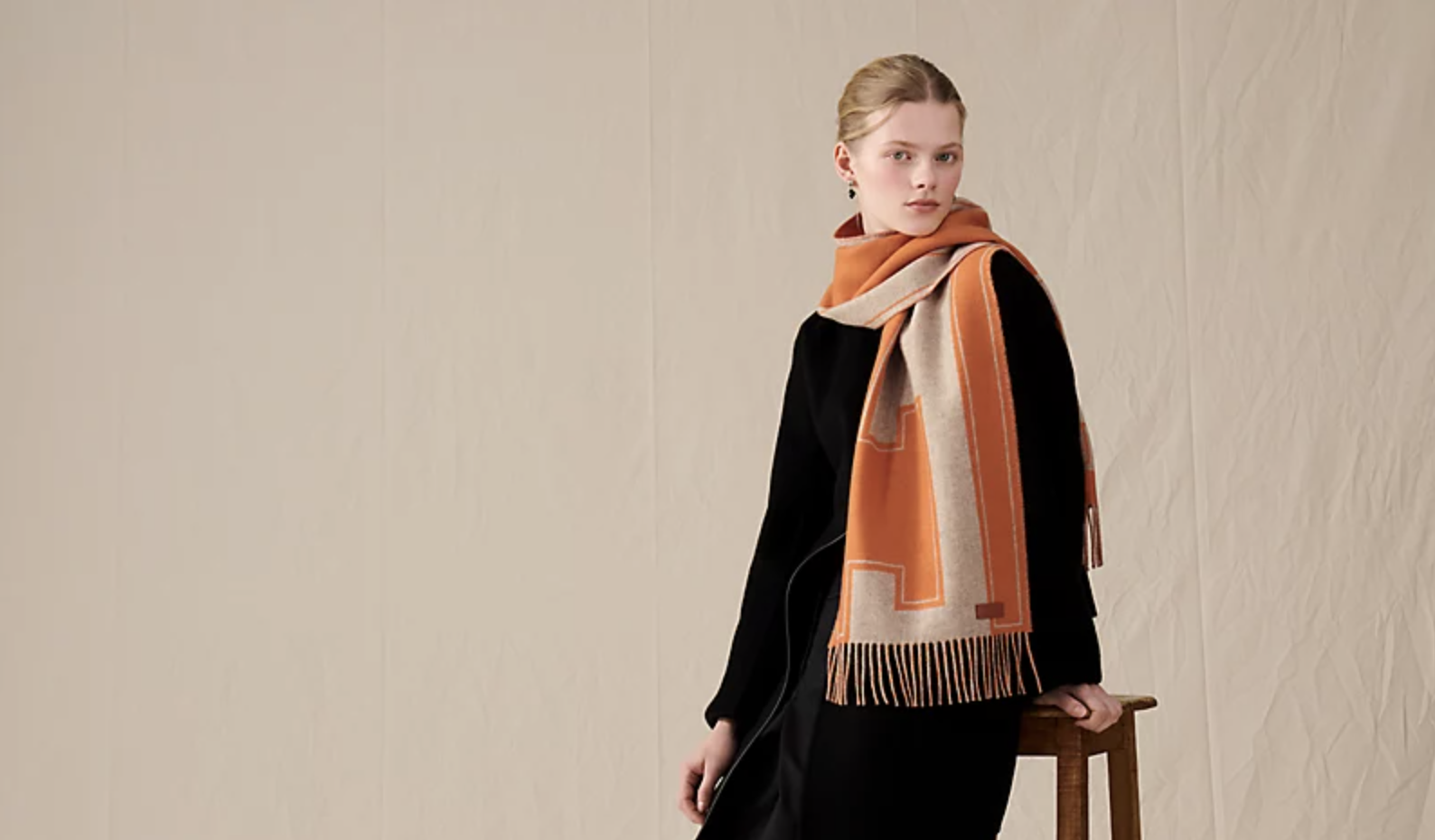
(Image credit: hermes)
I think the best designer winter scarves sit in a strange place. They're practical, but obviously nobody needs a luxury version to stay warm. They're recognizable, but the best ones don't need a giant logo screaming across them. They're seasonal, but they shouldn't feel disposable after one season.
That's the balance I'd look for.
Burberry has probably mastered it better than anyone because its Check scarf already feels like part of winter itself. Hermès gives you craftsmanship and a design story. Louis Vuitton turns familiar house codes into something easy to wear. Dior makes branding graphic. Loewe makes it feel a little more relaxed and playful.
And that's really what I'd want from a luxury winter scarf. Not something I get excited about for three months. Something I forget about when spring arrives, find again when the temperature drops, and immediately want to wear. Year after year.
That's when I think the price starts making a little more sense. Not because a scarf is an "investment." I don't think every luxury purchase needs to be turned into one. But because you actually use it. Winter comes back. And so does the scarf.