(Image credit: pinterest)
Contents
- Hermès Rodeo: The Little Horse That Became Almost as Recognizable as the Bag
- Then Came Pégase
- Why Collectors Want Them
- Fendi Bag Bugs: When Bag Charms Got Loud
- Then Karlito Happened
- Why Fendi's Charm Era Still Matters
- Louis Vuitton Vivienne: When the Charm Became a Mascot
- Which Vivienne Would I Choose?
- Loewe: When Leather Craftsmanship Became Cute
- Loewe Doesn't Take Luxury Too Seriously
- Why Bag Charms Became So Collectible
- Social Media Made Them Even Better
- One Charm or Ten?
- What I'd Look for When Buying Bag Charms Second-Hand
- The Charm Can Become More Personal Than the Bag
- From Accessory to Icon
There was a time when adding something to an expensive designer bag almost felt wrong. You bought the bag, carried it exactly as the designer intended, and that was pretty much it. Now, sometimes the charm hanging from the bag gets almost as much attention as the bag itself. I'm personally a fan of that.
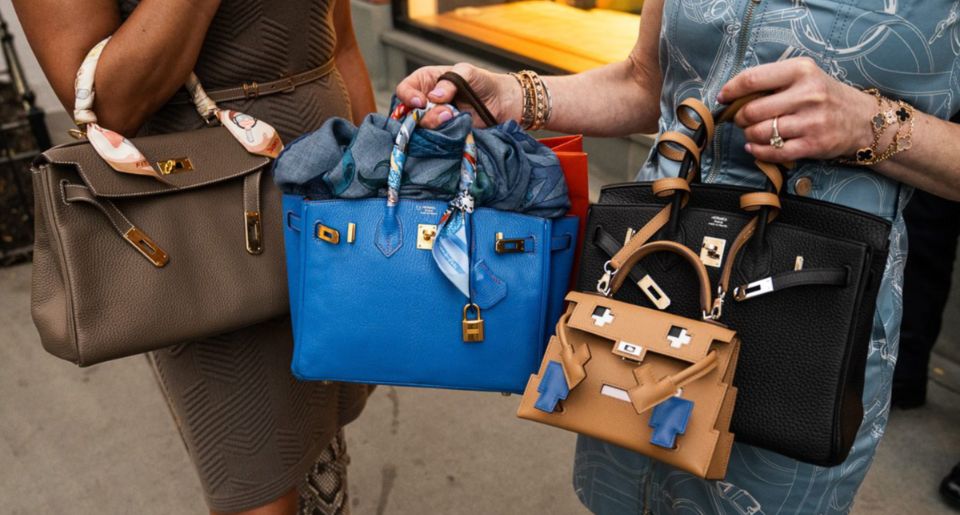
Luxury bags can be very serious, especially when we're talking about pieces that cost thousands. A charm takes some of that seriousness away. You can have a very classic bag and add something completely ridiculous to it. A horse. A furry monster. A little Louis Vuitton character. A leather elephant.
Suddenly, the bag feels more personal.
And while bag charms are having another huge moment right now, the idea definitely isn't new. Long before people started covering their bags in collectible toys, luxury houses were already turning charms into objects people actively searched for.
Some became so recognizable that they developed their own collector following.
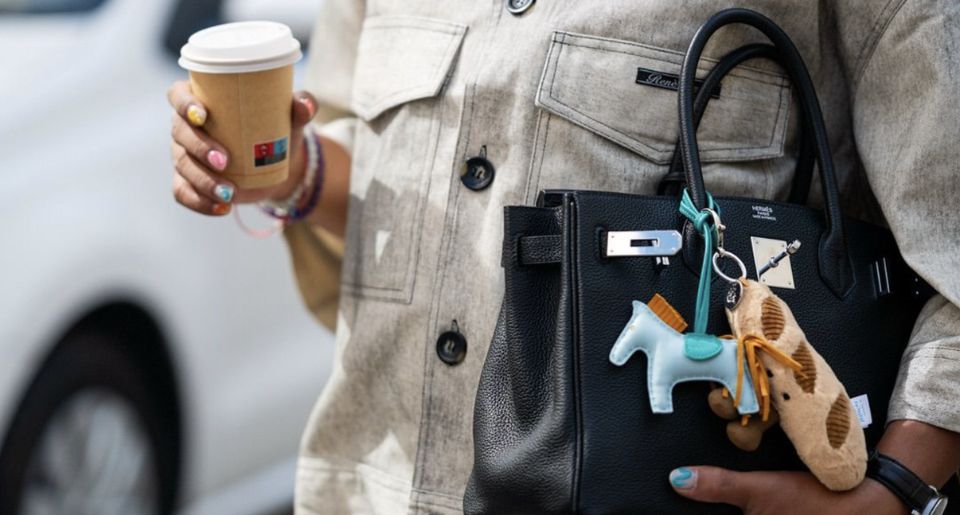
The Hermès Rodeo is probably the perfect example. You don't really need to see the Birkin or Kelly underneath it to know what that little leather horse is.
Fendi went in a completely different direction with its Bag Bugs and Karlito, turning oversized furry creatures into some of the most memorable accessories of the 2010s.
Louis Vuitton created Vivienne and kept reinventing the character until she became a collectible world of her own.
Then you have Loewe, a house that has made strange little leather animals and objects feel completely natural hanging from some of its most beautiful bags.
At some point, the charm stopped being an afterthought. It became part of the bag. And sometimes, it became the thing collectors wanted most.
Hermès Rodeo: The Little Horse That Became Almost as Recognizable as the Bag
(Image credit: christies)
If I had to choose the bag charm that best represents the whole category, I'd probably start with the Hermès Rodeo. It's simple.
A little leather horse. No giant H. No Hermès written across the front. Nothing particularly complicated. Yet anyone who spends enough time looking at Hermès bags will probably recognize one immediately.
And of course it had to be a horse.
Hermès began as a harness-making workshop in Paris in 1837, so equestrian references aren't something the house added later because horses happened to look cute on accessories. They're part of Hermès history.
The Rodeo takes that history and turns it into something much less serious.
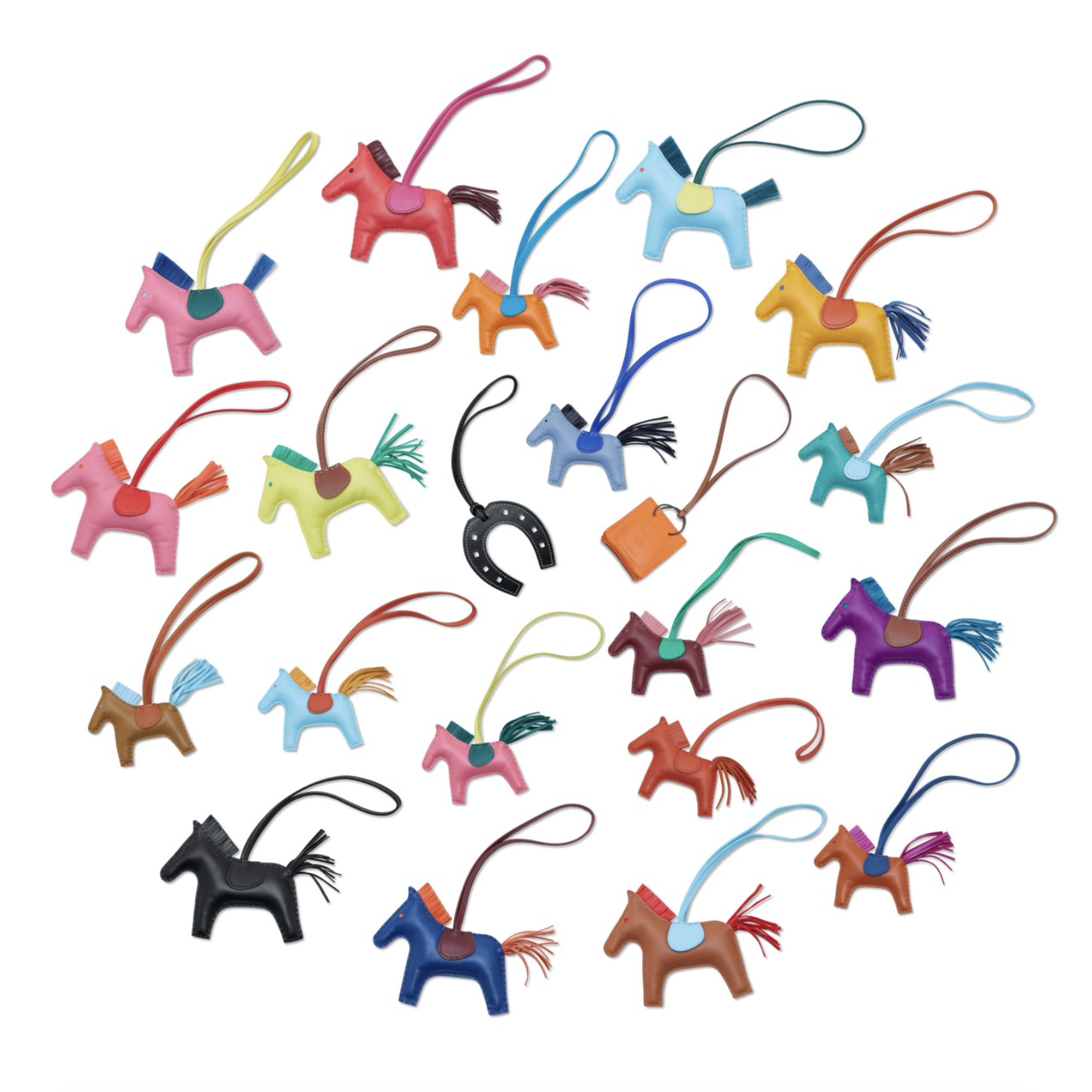
Hermès describes the charm as an equestrian-inspired accessory made using the house's glovemaking expertise, with versions crafted in soft Milo lambskin and contrasting leather details. But what made the Rodeo special wasn't simply the craftsmanship. It was how much personality such a small object could add to a bag.
Why the Rodeo Works So Well
(Image credit: jane finds)
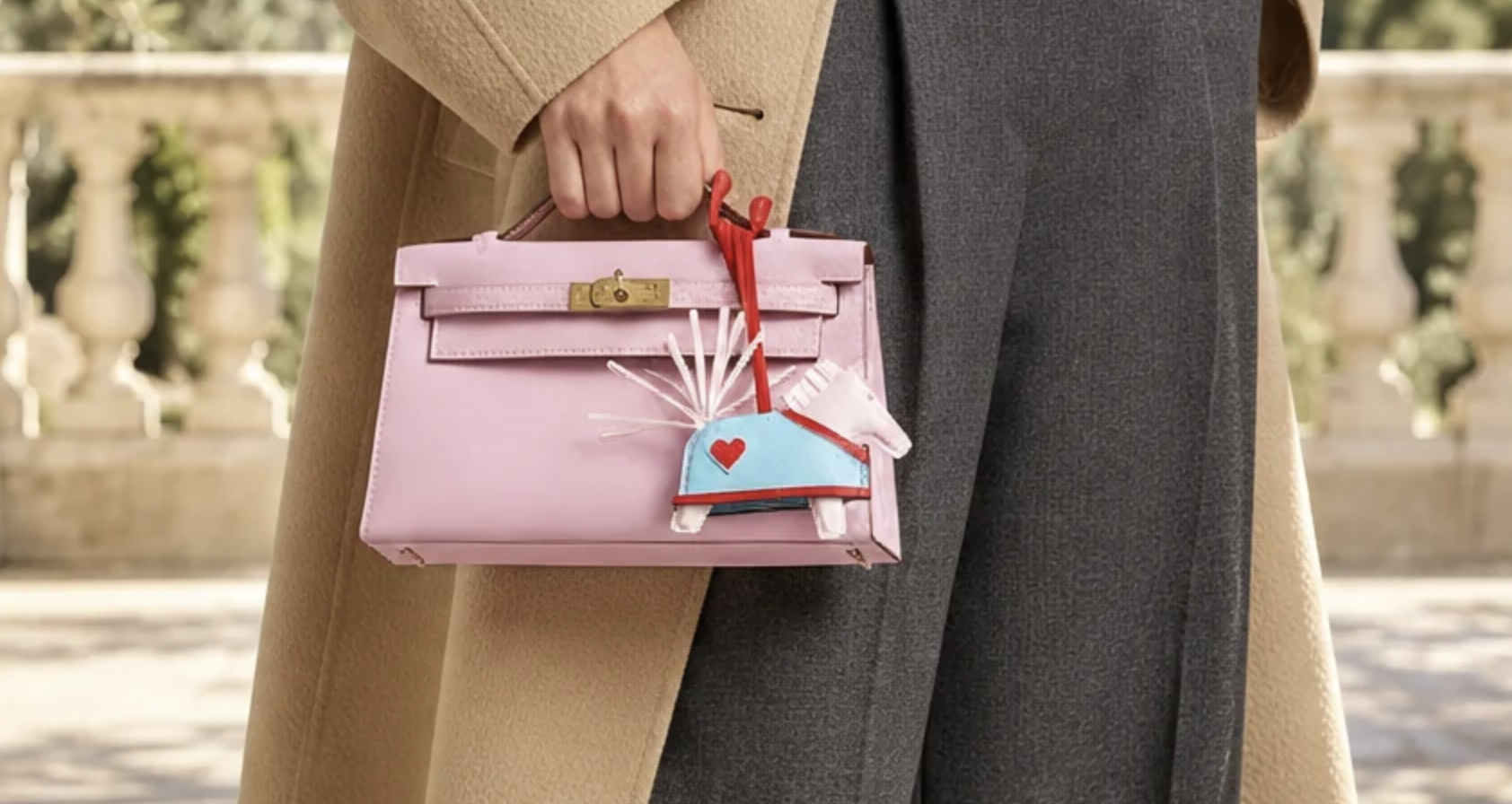
A Birkin can feel formal. A Kelly can feel even more formal. Add a little colorful horse and the entire mood changes. That's what I like most about the Rodeo. It doesn't compete with the bag. It softens it.
Imagine a structured neutral Kelly with a bright Rodeo tied around the handle. The bag hasn't changed, but somehow it feels less serious.
And because Hermès produces the Rodeo in different color combinations, choosing the charm becomes part of styling the bag. You can match it. Contrast it. Pick something completely unexpected. A neutral bag can suddenly have a bright little accent without committing to an entire bag in that color.
For someone who loves Hermès colors, that's especially fun.
The Leather Matters
(Image credit: bagaholic boy)
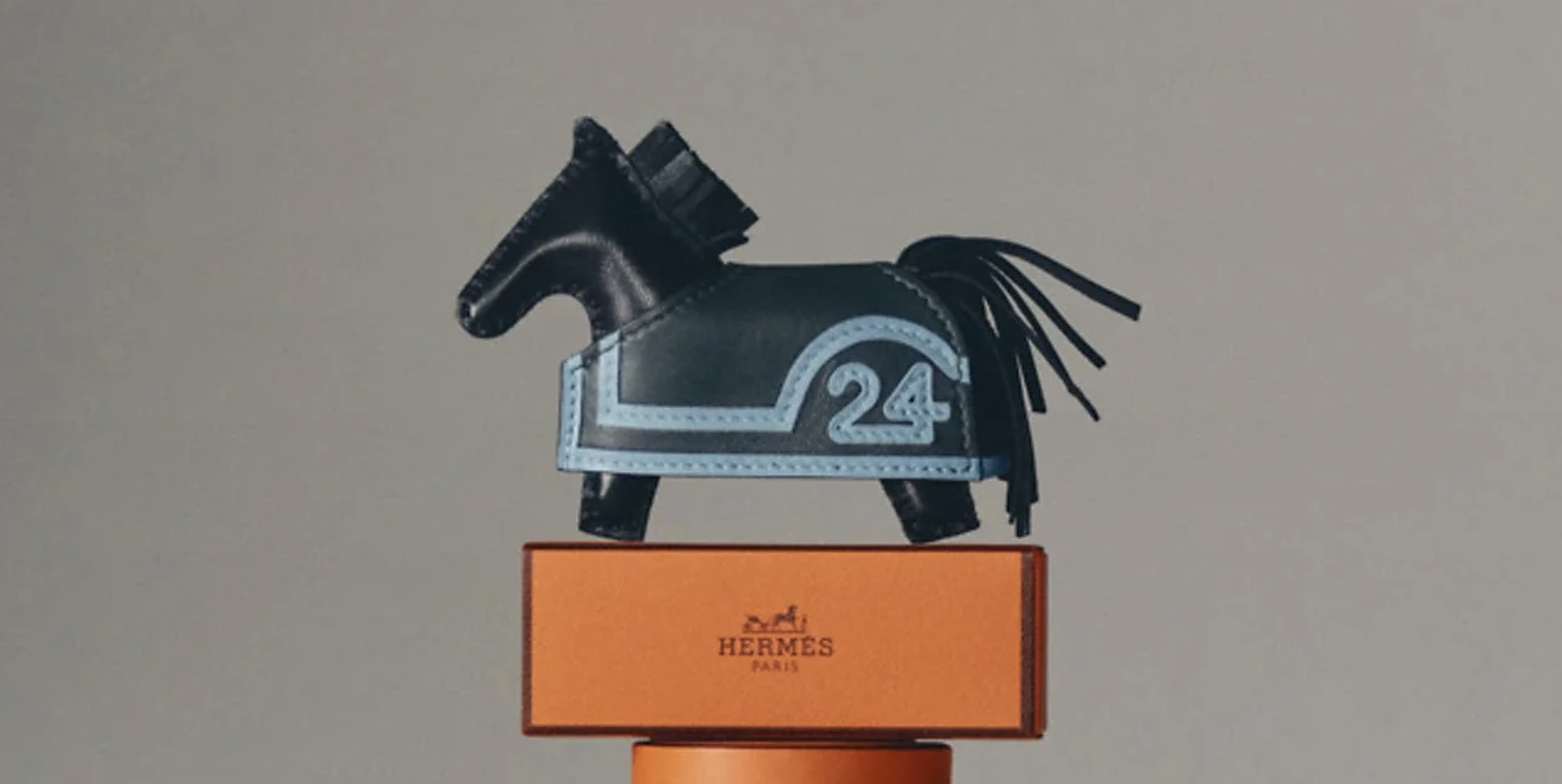
The Rodeo also feels very Hermès because even something this playful still comes back to leather.
The classic versions use Milo lambskin, a very soft leather originally associated with glove making. Hermès describes it as smooth, supple and increasingly soft with use. That softness gives the horse its slightly puffy shape. It isn't a rigid leather cutout. It looks almost like a tiny leather toy. And I think that's part of the charm, literally.
Hermès could have made a heavy metal horse and called it a day. Instead, the Rodeo feels connected to the same leather knowledge that makes people interested in the bags themselves. It's playful, but it still feels like Hermès.
Then Came Pégase
(Image credit: pinterest)
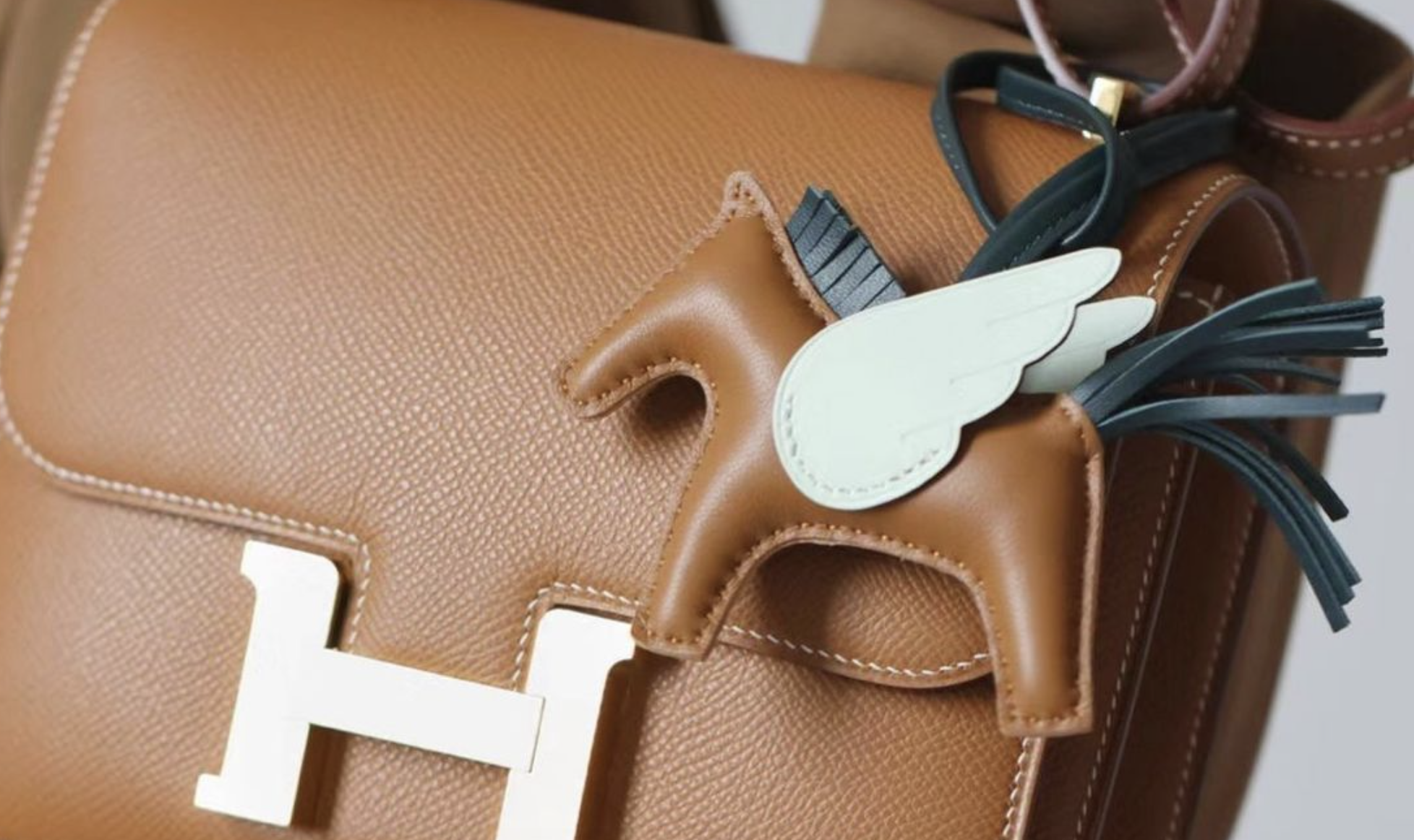
Eventually, the Rodeo got wings.
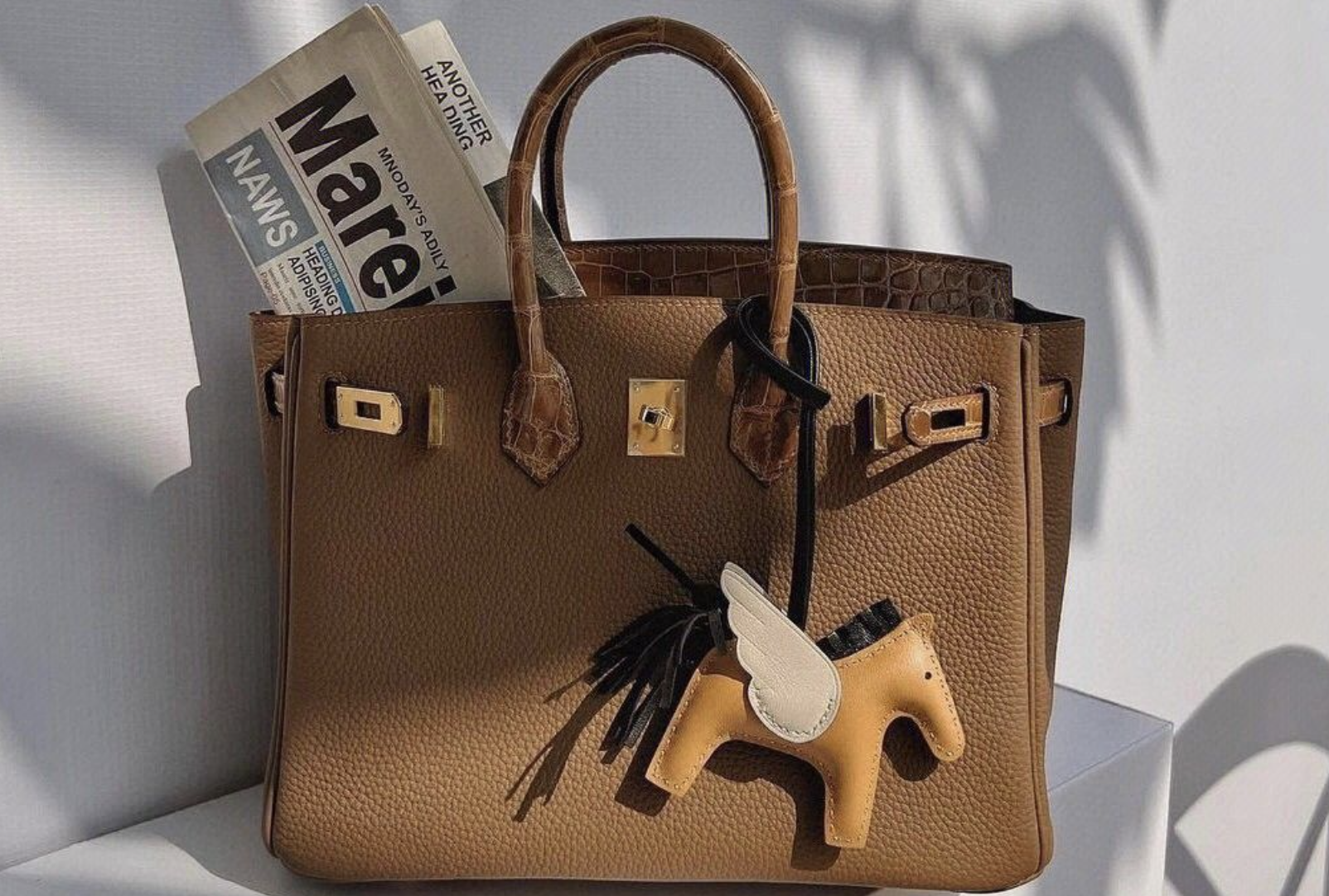
The Rodeo Pégase takes the familiar horse shape and turns it into Pegasus. It's a small change, but it created another entire category for collectors. Some people prefer the original Rodeo because it's cleaner. Others love Pégase because the wings make an already cute charm even more playful.
I'm probably somewhere in the middle.
On a very classic bag, I like the simplicity of the original Rodeo. But if I'm already choosing a charm, I understand the temptation to go all the way and choose the winged horse.
Hermès itself now describes the accessory family around both the colorful horse and winged Pegasus, showing how the original idea expanded rather than disappearing.
The Color Combination Can Be the Whole Point
(Image credit: lecrin)
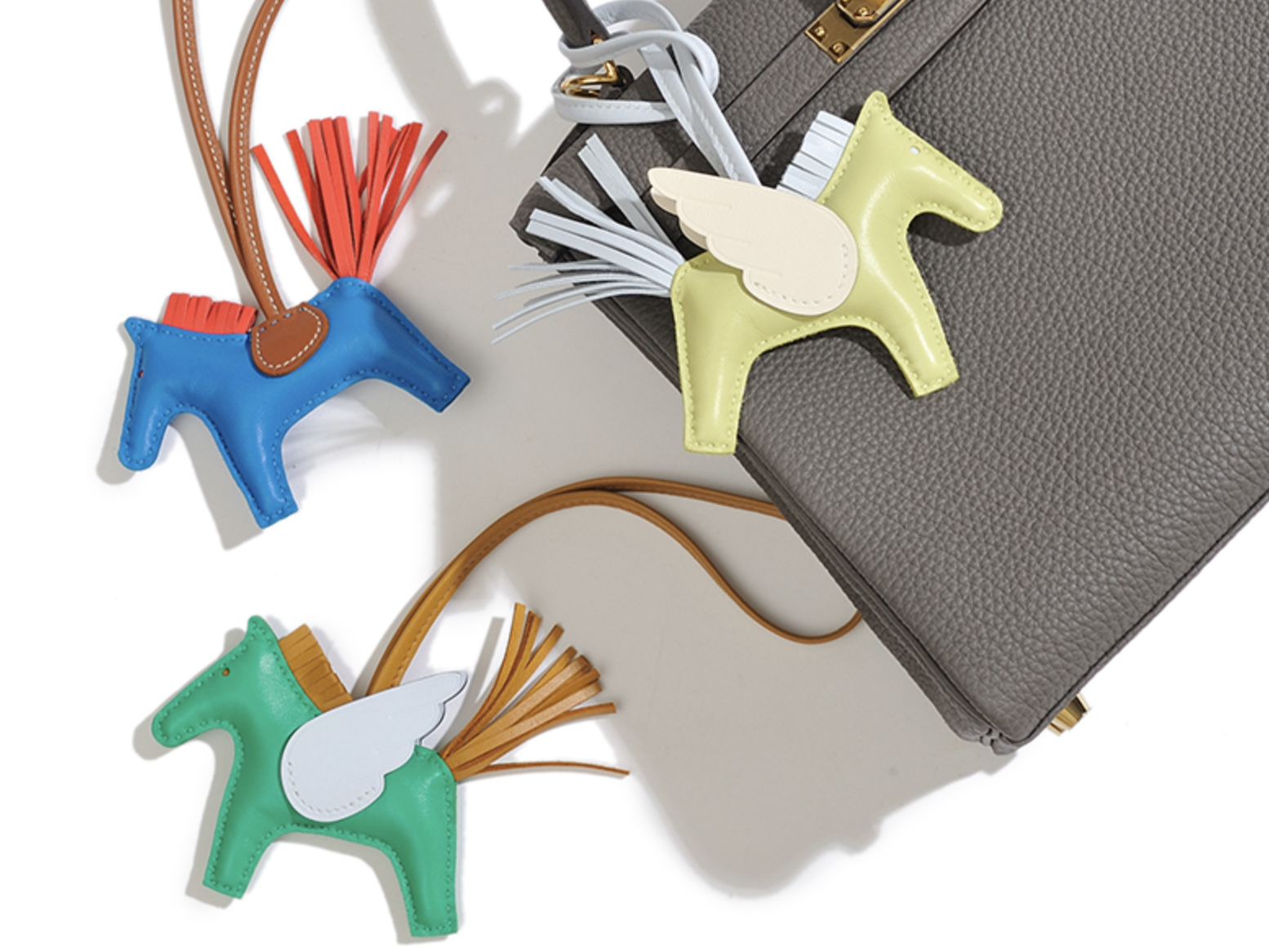
This is where Rodeo collecting can become surprisingly specific. It's not only about owning a Rodeo. It's about which Rodeo.
The size. The leather. The colors. Whether it's tonal or multicolored. Whether it's the original horse or Pégase. Whether the color combination works with the bag you already own.
And because Hermès has such an enormous color vocabulary, the combinations can become part of the fun. Personally, I think the best Rodeos are the ones that don't match the bag too perfectly.
If I had a neutral Birkin or Kelly, I'd probably want the charm to add something the bag doesn't already have. Otherwise, what's the point?
Why Collectors Want Them
(Image credit: pinterest)
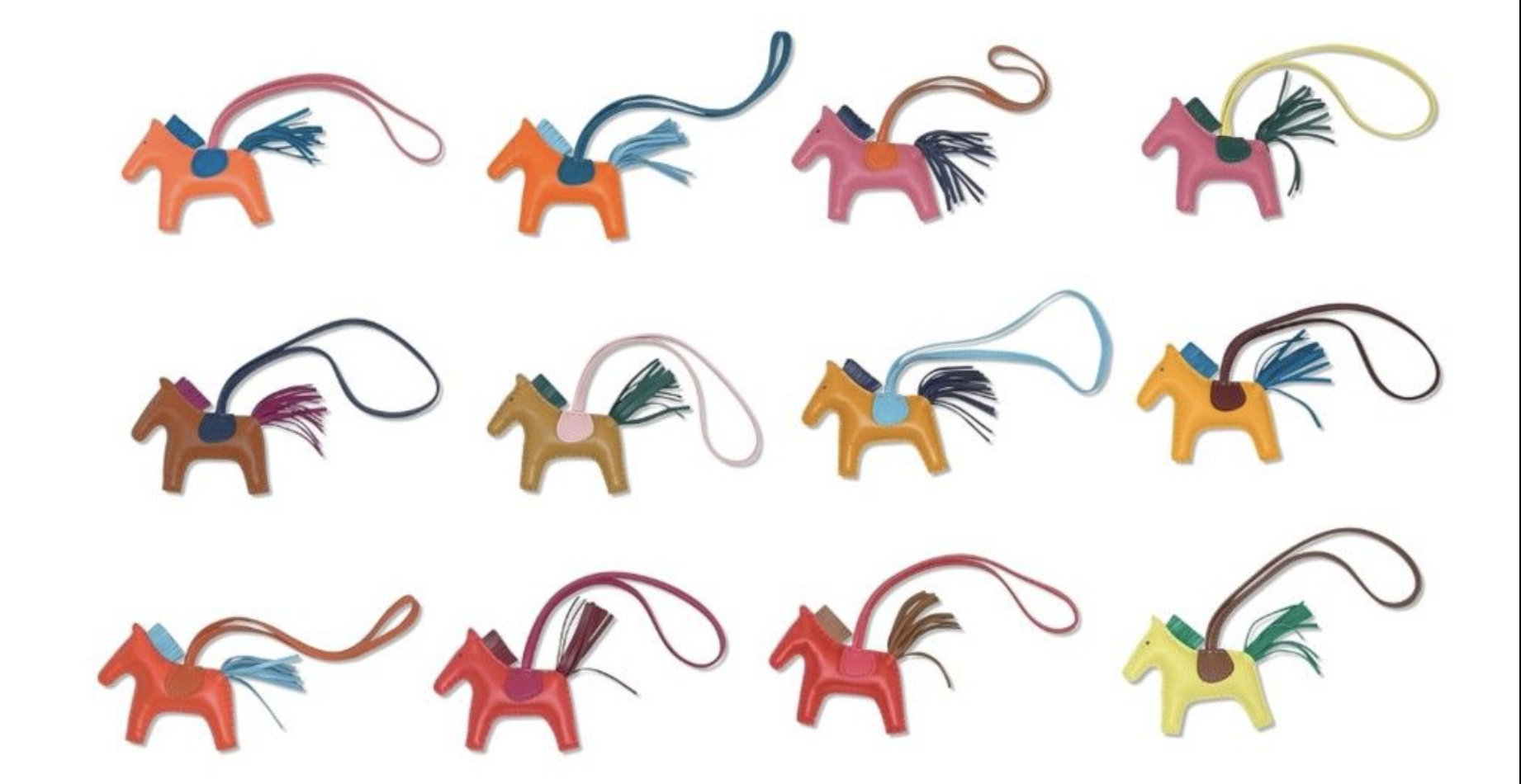
The Rodeo is a good example of how something doesn't need to be a handbag to become collectible.
It's still an Hermès leather object. It still comes in different colors and versions. Certain combinations can be harder to find. And it has a recognizable identity independent of whichever bag it's attached to. That's the important part.
Take the Rodeo off the Birkin and it's still a Rodeo. It has its own name. Its own variations. Its own collector interest. At that point, we're not really talking about decoration anymore. We're talking about a miniature Hermès collectible.
Fendi Bag Bugs: When Bag Charms Got Loud
(Image credit: pinterest)
If the Hermès Rodeo represents the elegant side of bag charms, Fendi represents the moment they got completely out of control.
In the best possible way.
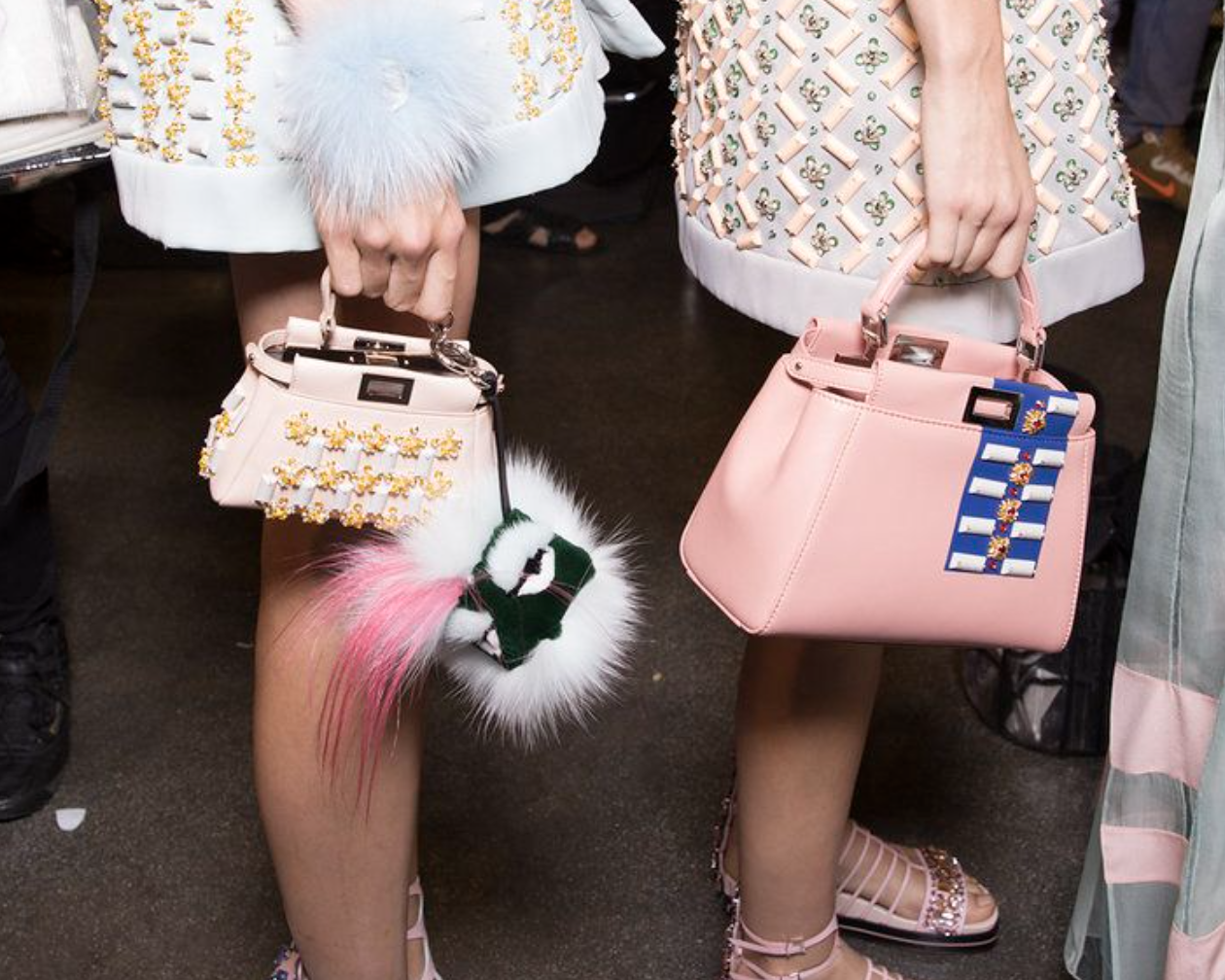
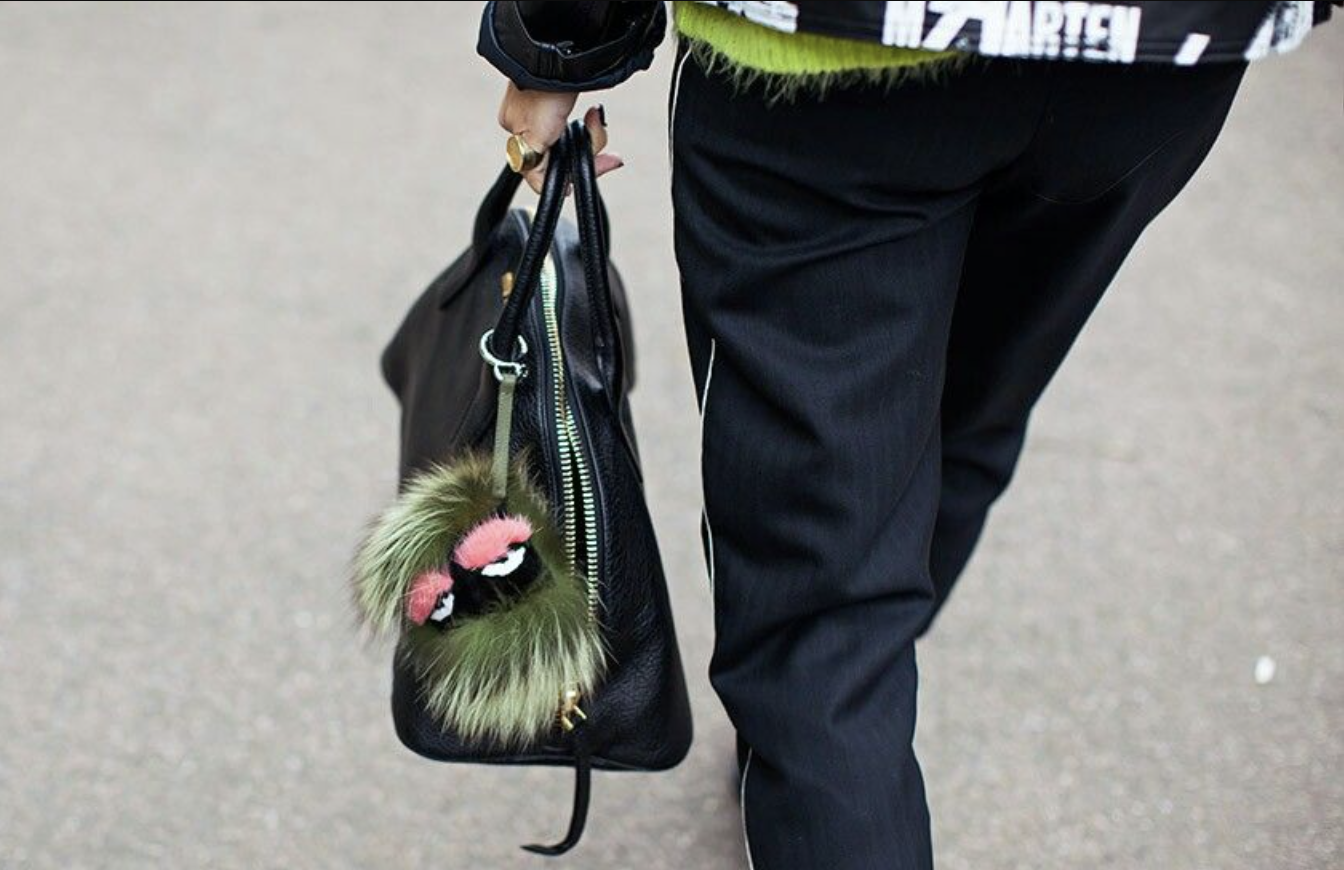
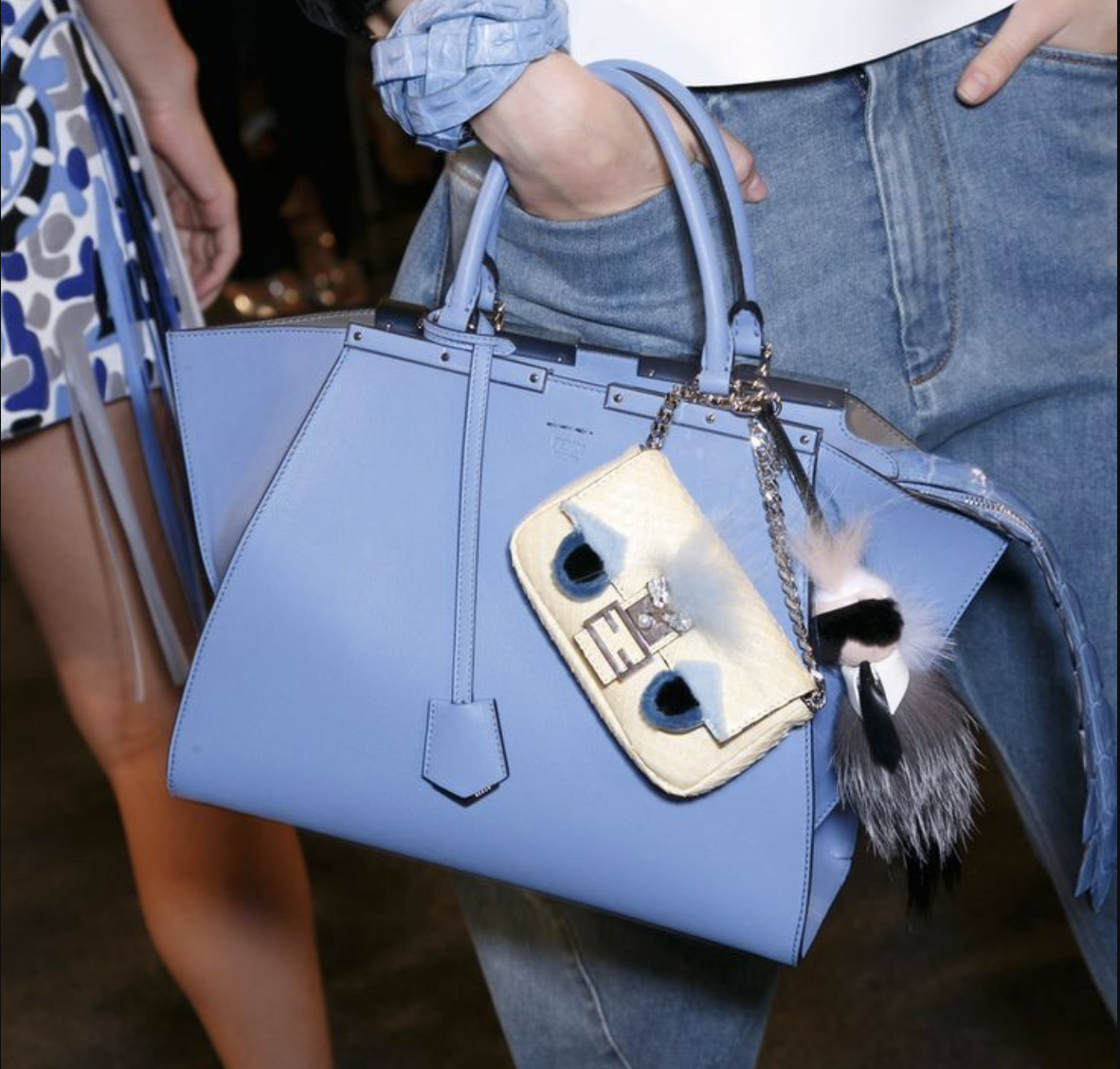
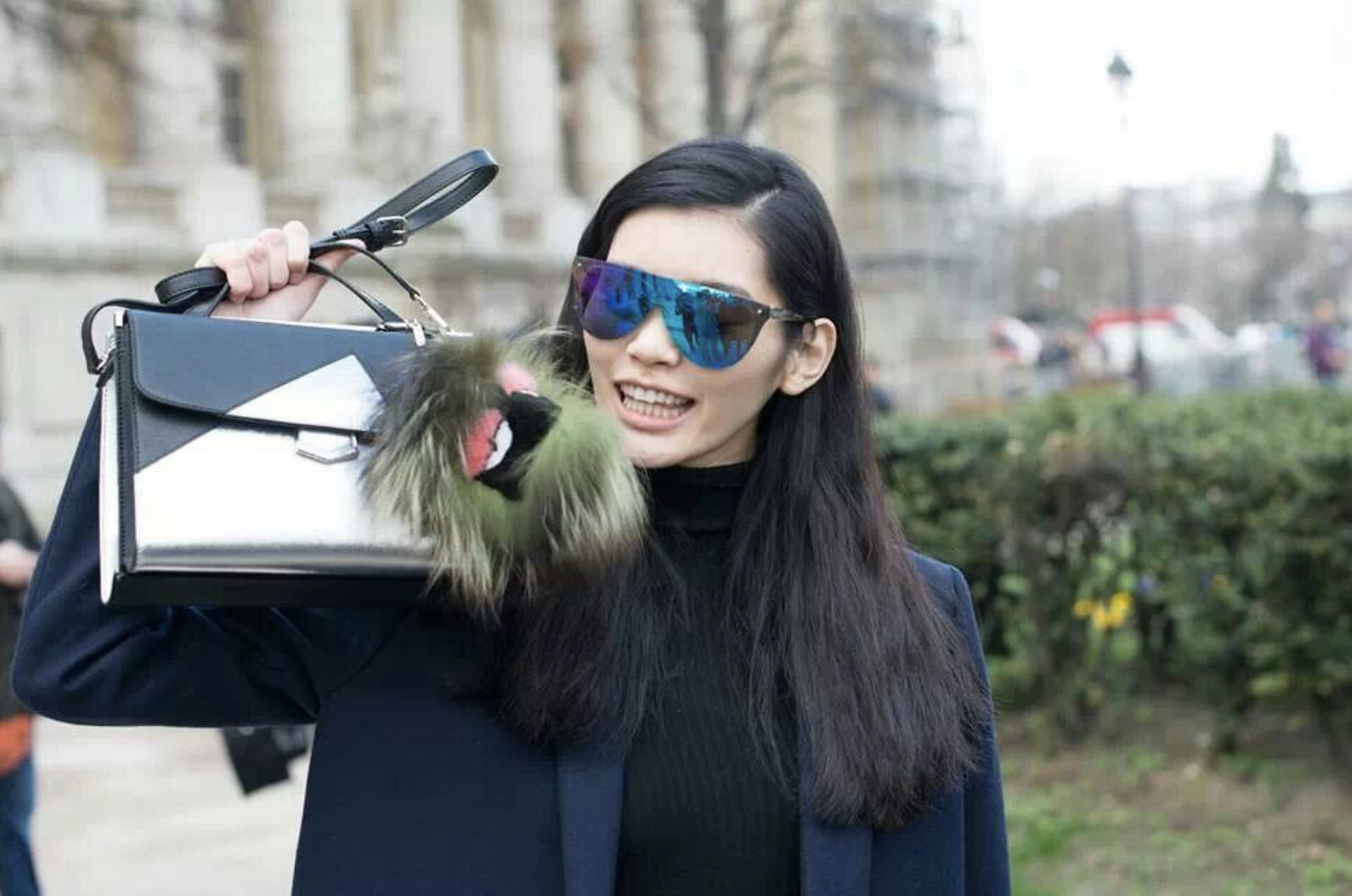
Fendi's Bag Bugs appeared in the early 2010s as furry little creatures with eyes, personalities and different designs. The original group included multiple characters rather than one standard charm, which made them feel more like a family of collectibles. Contemporary coverage dates their appearance to Fendi's Fall 2013 collection.
They were colorful. Furry. Large enough to be impossible to ignore. And sometimes they looked slightly angry. I loved that.
Because if you're going to hang a furry monster from an expensive handbag, I don't think subtlety is really the goal.
The Bag Bug Changed the Proportion of the Charm
(Image credit: pinterest)
One reason the Fendi charms felt so different was their size.
A traditional charm might be a small metal accessory hanging near the handle. Bag Bugs could become part of the silhouette of the bag. You saw the fur before you saw the details. On a Peekaboo or 2Jours, the charm created this funny contrast between a serious luxury handbag and what looked like a little monster hanging from it.
And Fendi fully committed to the idea.
The Bag Bugs had different appearances and names, which made them feel more like characters than accessories. That's a very different strategy from Hermès. The Rodeo works because it feels like a miniature expression of the house's equestrian heritage. Bag Bugs worked because they felt like creatures that had invaded the bags.
Then Karlito Happened
(Image credit: pinterest)
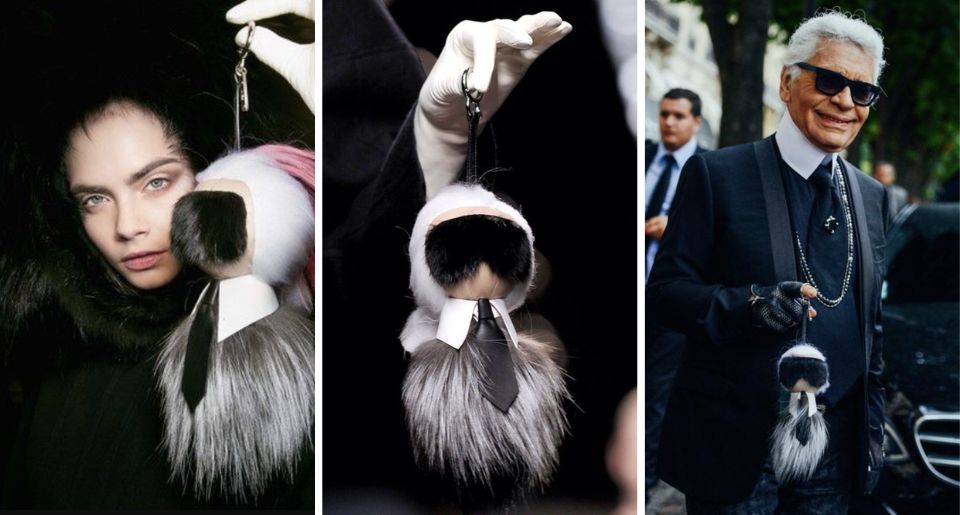
And then Fendi turned Karl Lagerfeld into a bag charm.
Karlito became one of the most memorable luxury bag charms of the decade. The design transformed Karl Lagerfeld's instantly recognizable appearance into a furry character, complete with his signature dark sunglasses and black-and-white styling.
It was funny. Slightly absurd. And incredibly fashion.
Karlito appeared during Fendi's Fall/Winter 2014 show, famously carried by Cara Delevingne, and quickly developed serious demand. Contemporary accounts describe long waitlists once it became available. Fendi itself now calls Karlito a "cult charm" and describes the character as a whimsical representation of the house's former artistic director.
I think "cult" is actually the perfect word for it.
Karl Lagerfeld as a Collectible Character
(Image credit: pinterest)
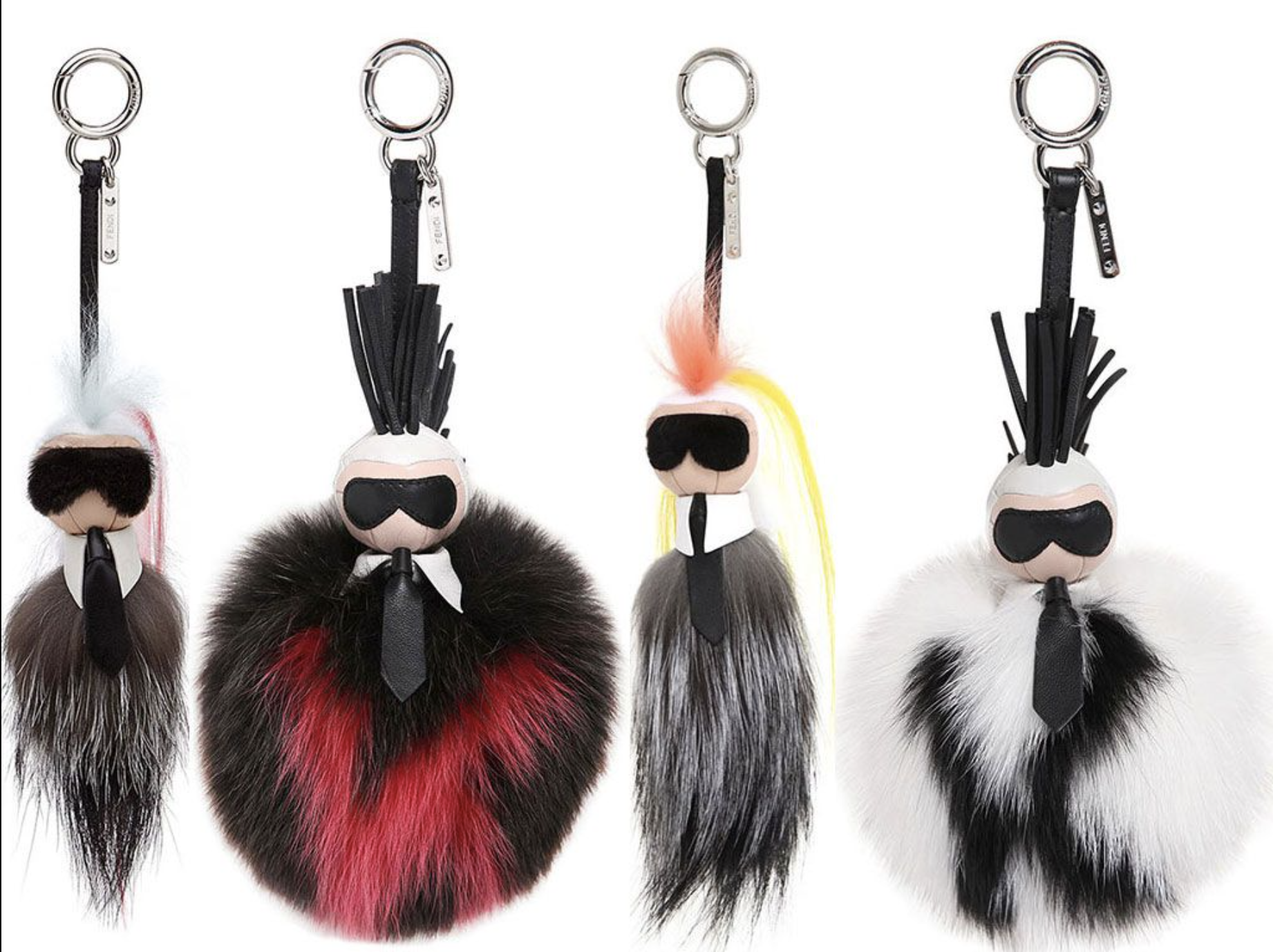
What makes Karlito particularly interesting is that Karl Lagerfeld already looked almost like a fashion character.
The white hair. Dark glasses. High collar. Black suit. Gloves. You could reduce him to a few visual details and people still knew exactly who it was. Karlito took advantage of that. Instead of putting Lagerfeld's name on a charm, Fendi turned the designer himself into the object.
There's something wonderfully unserious about that.
Luxury fashion can spend so much time presenting designers as serious creative geniuses, and then Fendi says, basically, here's Karl as a fluffy creature for your handbag. I think Lagerfeld would have understood the joke perfectly.
Why Fendi's Charm Era Still Matters
(Image credit: pinterest)
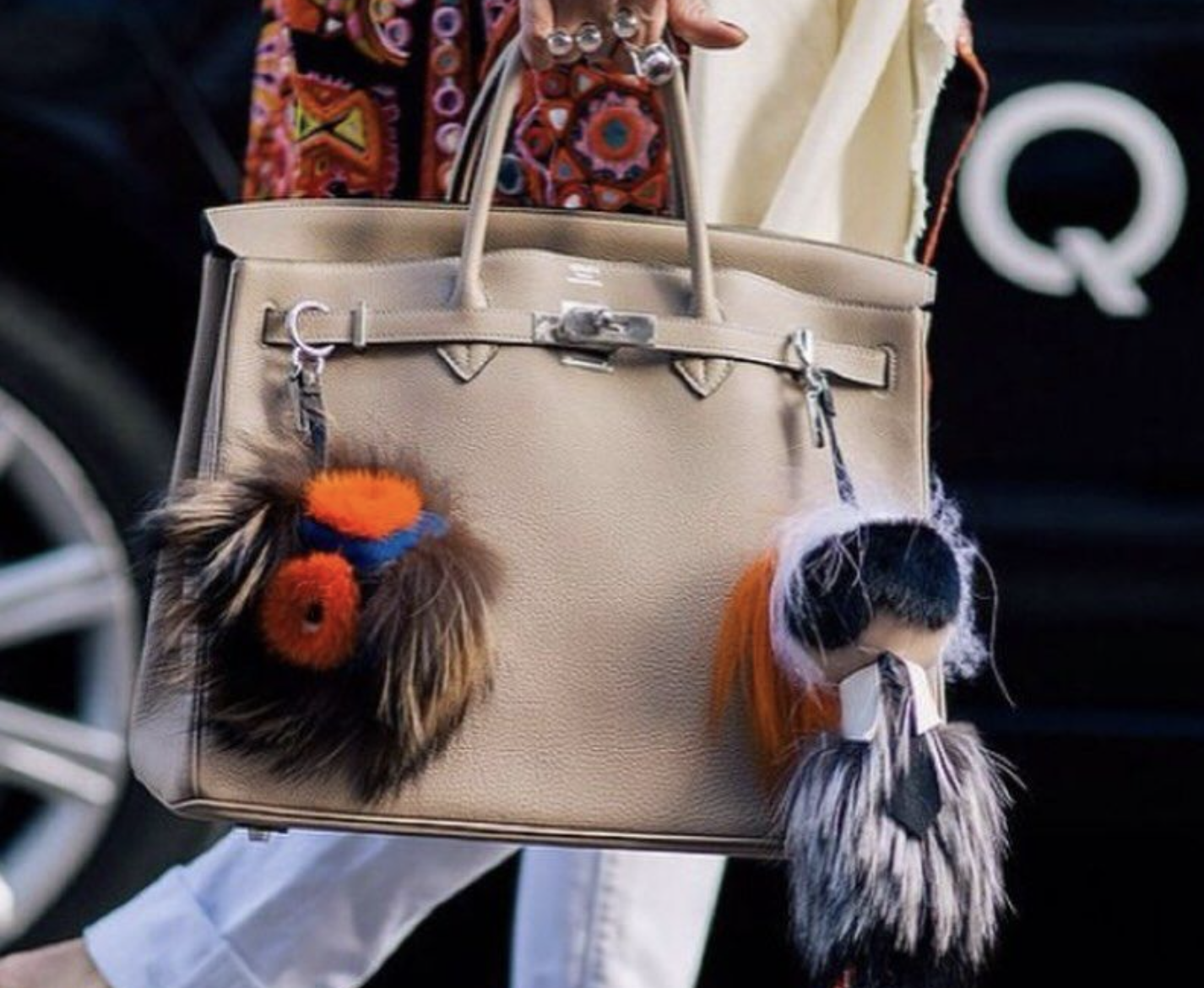
Fendi helped prove that a luxury bag charm didn't have to be discreet. It could be expensive, oversized, funny and intentionally unnecessary. That's what made it fun.
You didn't buy Karlito because your Peekaboo desperately needed a furry Karl Lagerfeld attached to it. Nobody needs that. You bought it because it changed the personality of the bag.
And because people started wanting the charms themselves. That's the moment I think bag charms really become interesting from a collector's perspective. The accessory stops serving the handbag. The handbag starts becoming somewhere to display the accessory.
Louis Vuitton Vivienne: When the Charm Became a Mascot
(Image credit: purse blog)
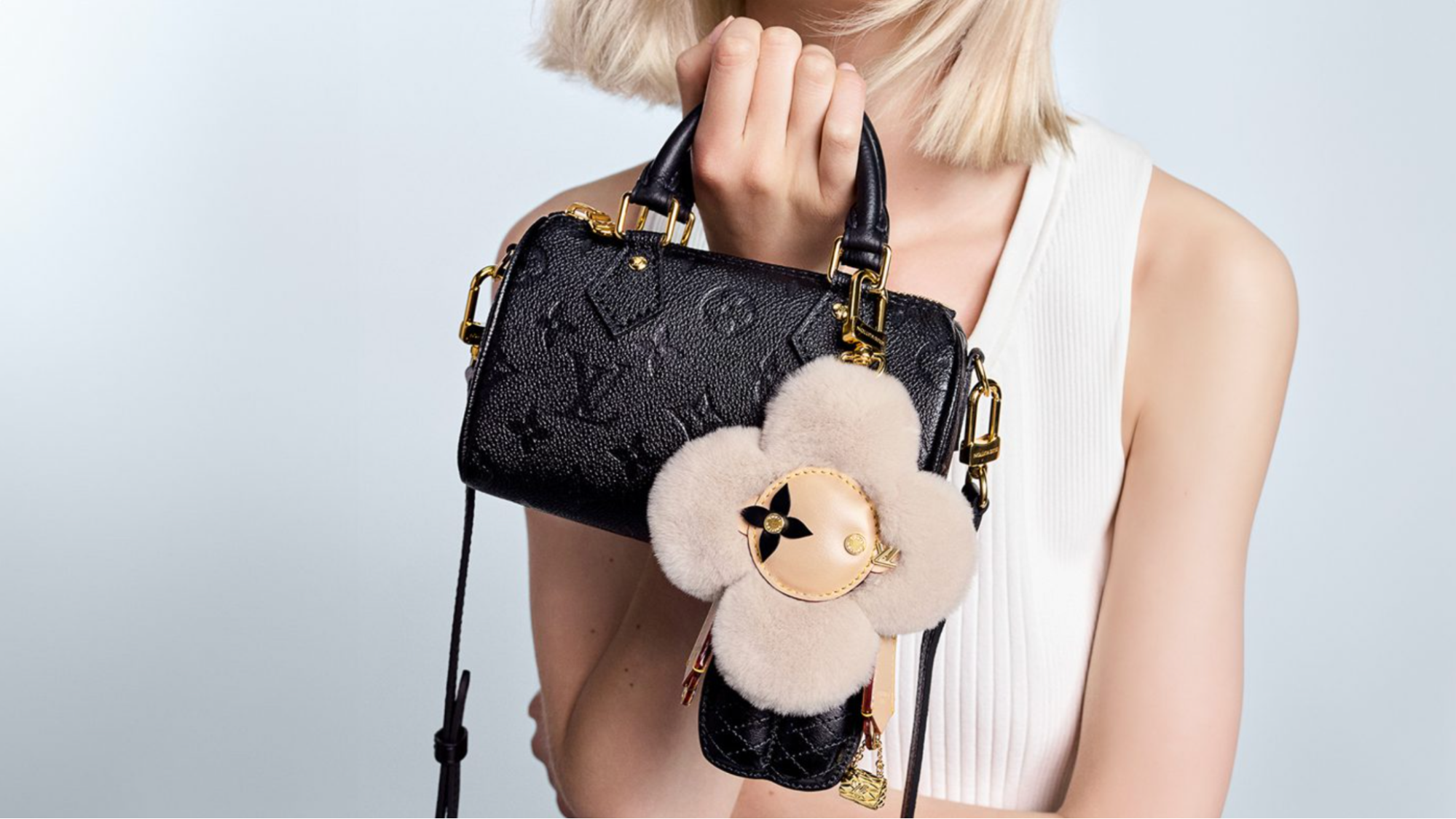
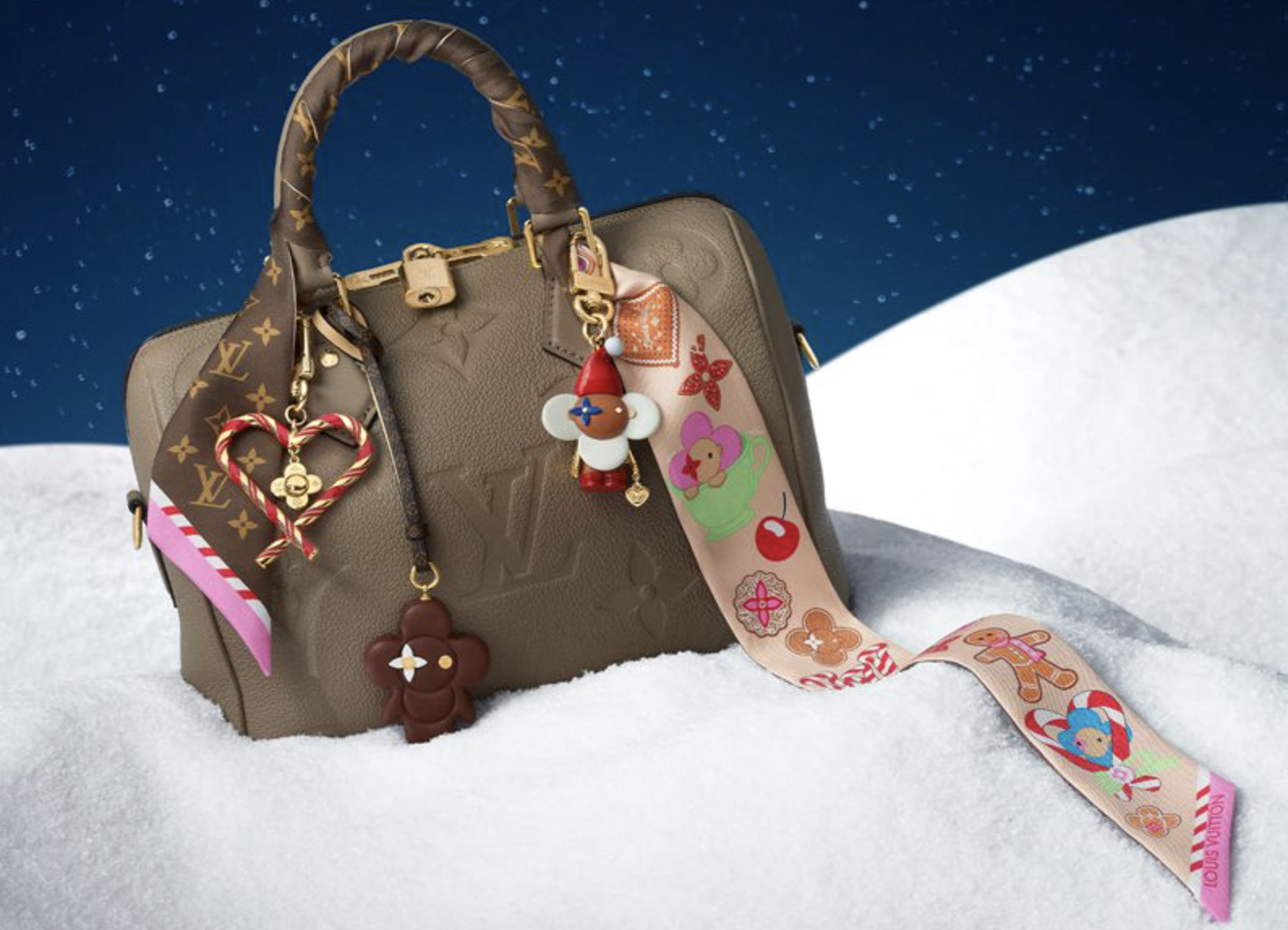
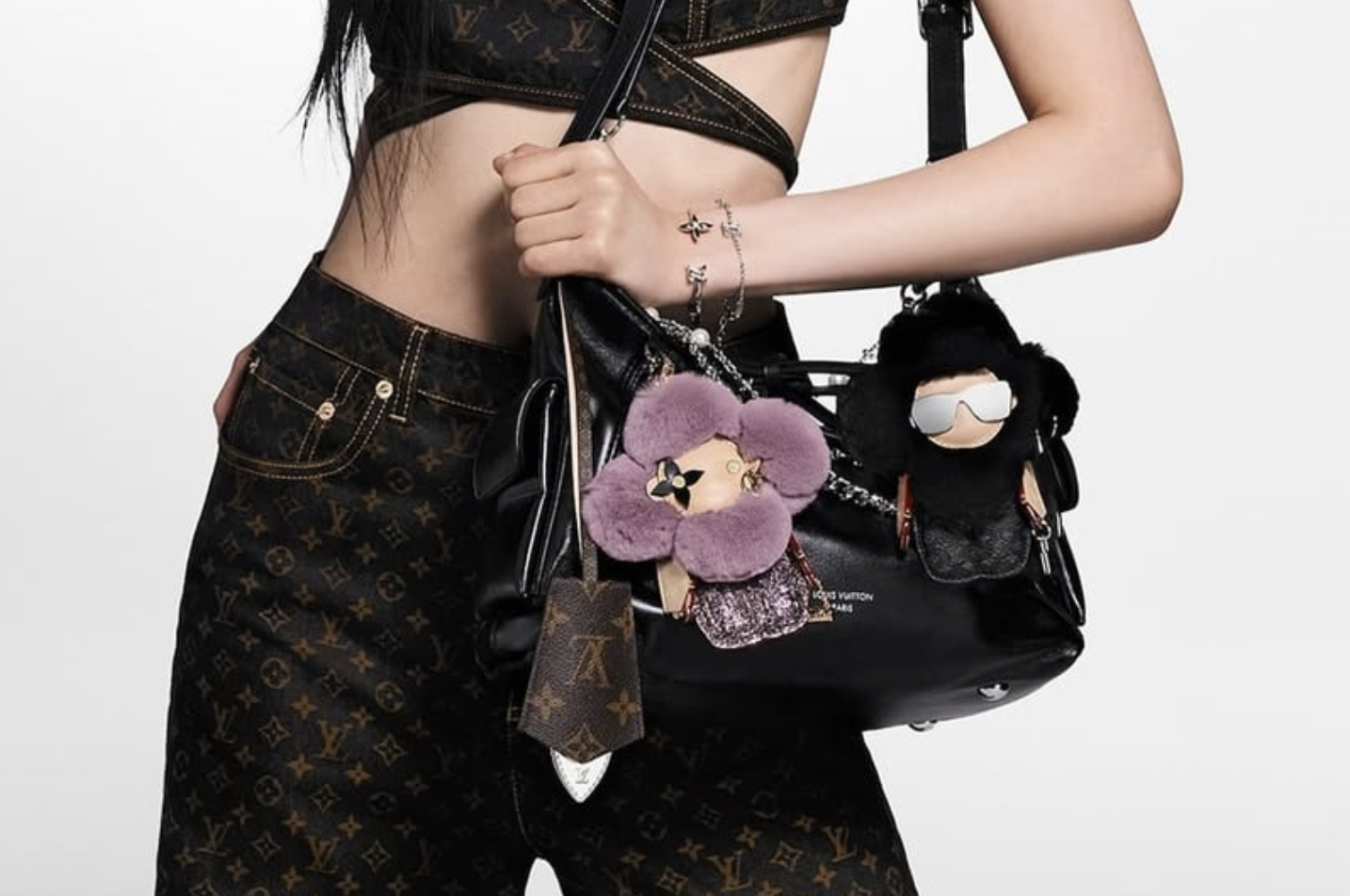
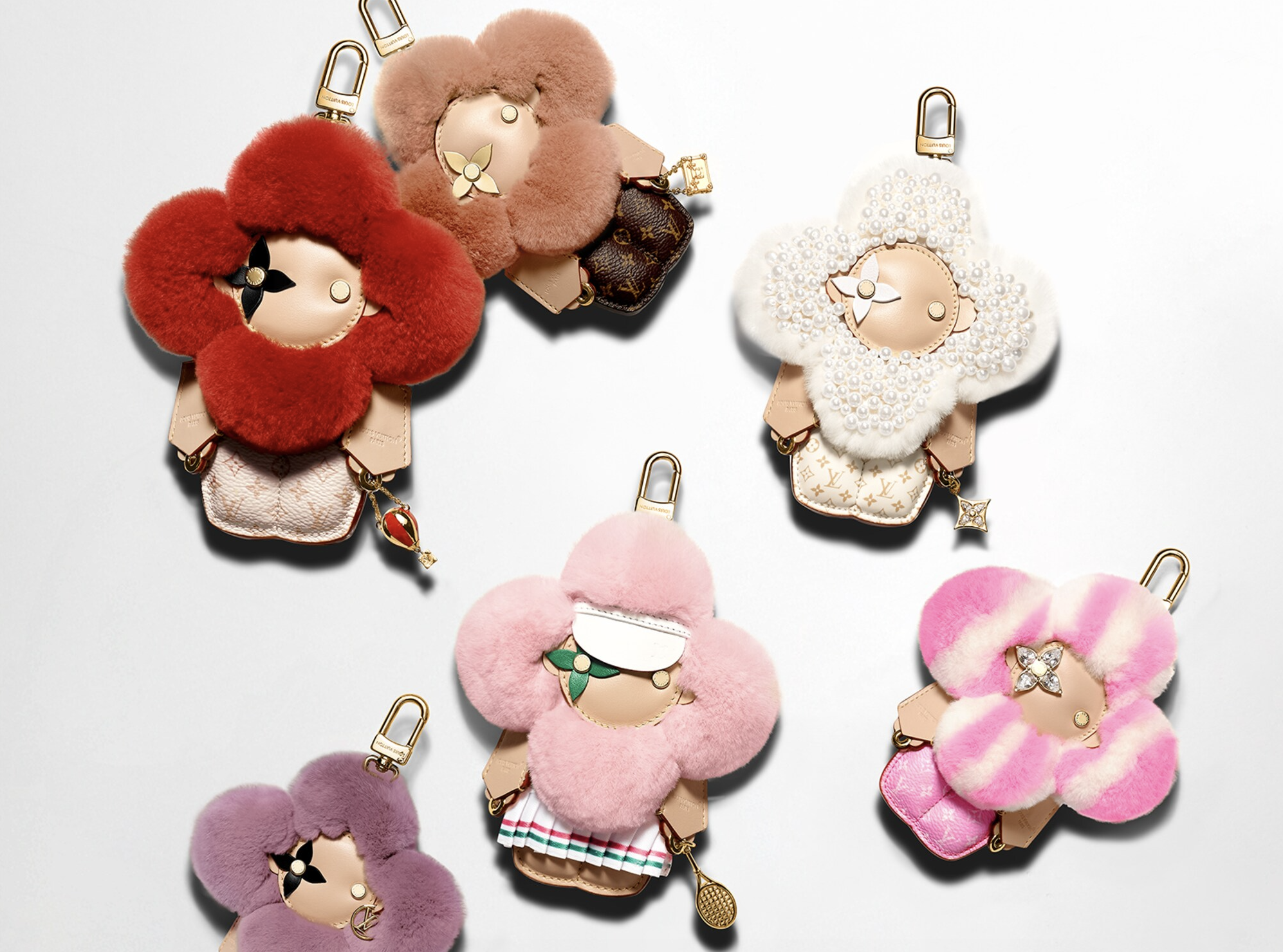
Louis Vuitton took another approach. Instead of creating one famous bag charm, it created a character that could keep changing.
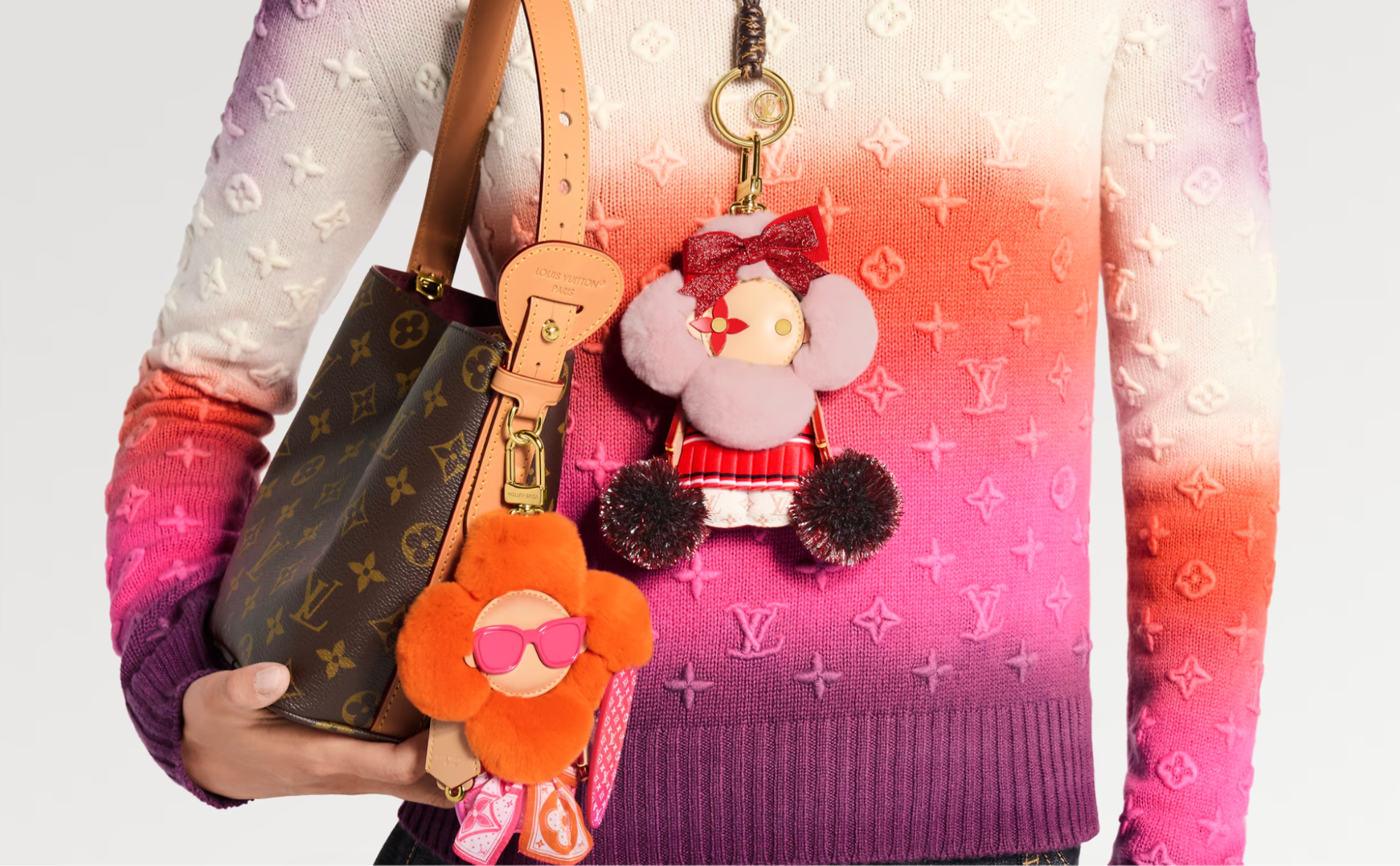
Vivienne is now one of Louis Vuitton's recognizable house mascots, and the basic design is clever because it's unmistakably connected to the brand without simply being shaped like an LV logo. Her face uses the Monogram Flower. Once you see it, the connection makes sense immediately.
But what made Vivienne really interesting was everything Louis Vuitton did with her afterward. Vivienne didn't stay one character in one outfit. She became almost like a little Louis Vuitton doll.
Vivienne Can Be Anyone
(Image credit: pinterest)
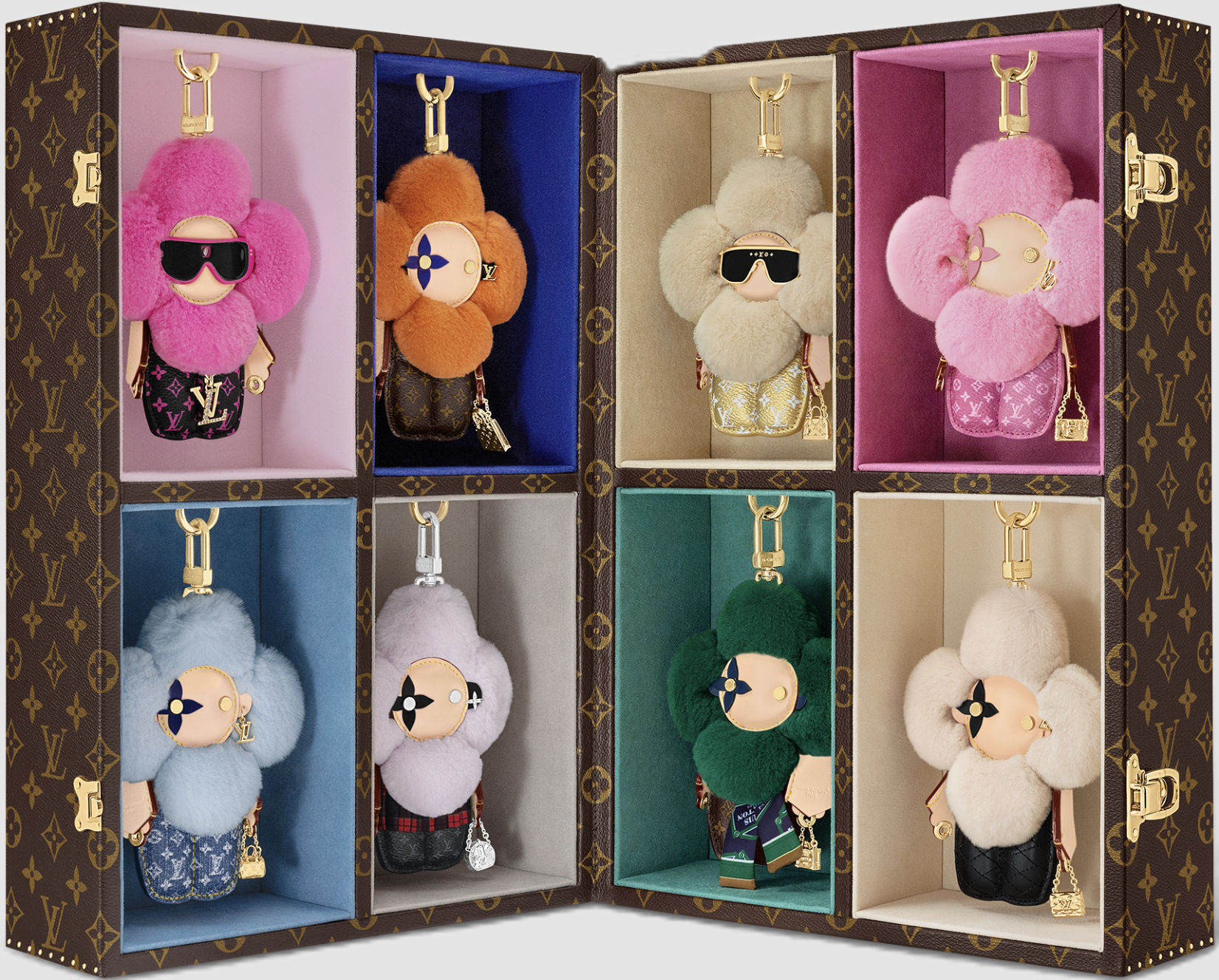
This is probably my favorite thing about her. Louis Vuitton can dress Vivienne for different seasons, cities, collections and themes. She can become a fashionista. A traveler. A holiday character. A sporty version. A glamorous version. A regional exclusive.
Louis Vuitton currently offers Vivienne charms in different costumes, materials and formats, and describes the mascot as appearing in seasonal costumes and colorways. That's exactly what turns her into a collectible.
If Vivienne always looked the same, you'd probably buy one. Once she keeps changing, you can start choosing versions that mean something to you. Maybe it's a city. A collaboration. A favorite collection. A color. Or simply the one with the funniest outfit.
The City Editions Are Especially Fun
(Image credit: pinterest)
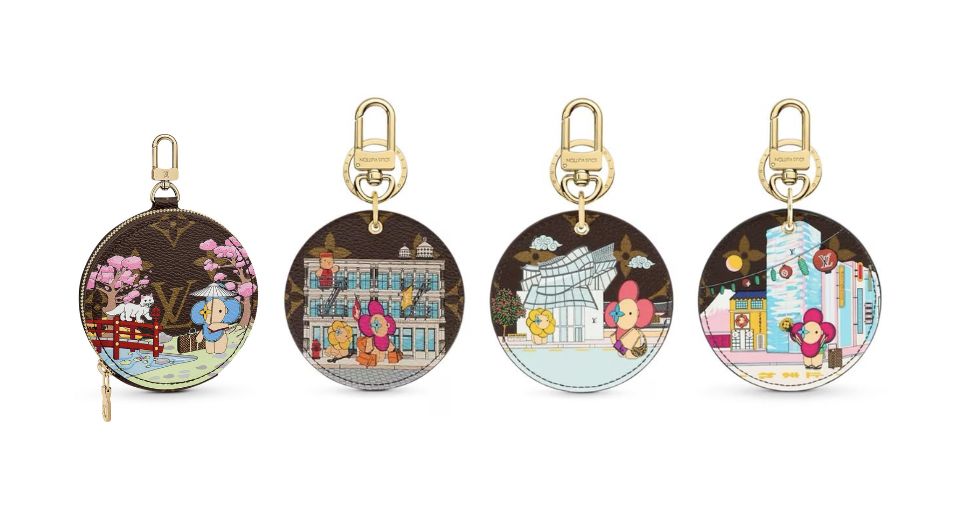
I particularly like the idea of Vivienne as a travel souvenir. Louis Vuitton's history is so closely tied to travel that having the mascot change according to place feels very natural.
The house has produced location-specific Vivienne designs, including an exclusive New York version with an apple motif and "I LV YOU" detailing. That makes the charm more personal. Instead of buying a normal souvenir, you could have a Louis Vuitton character connected to a place you visited.
And because Vivienne is already a recognizable character, each city becomes another version of something collectors know.
Vivienne Can Join the Collaborations Too
(Image credit: pinterest)
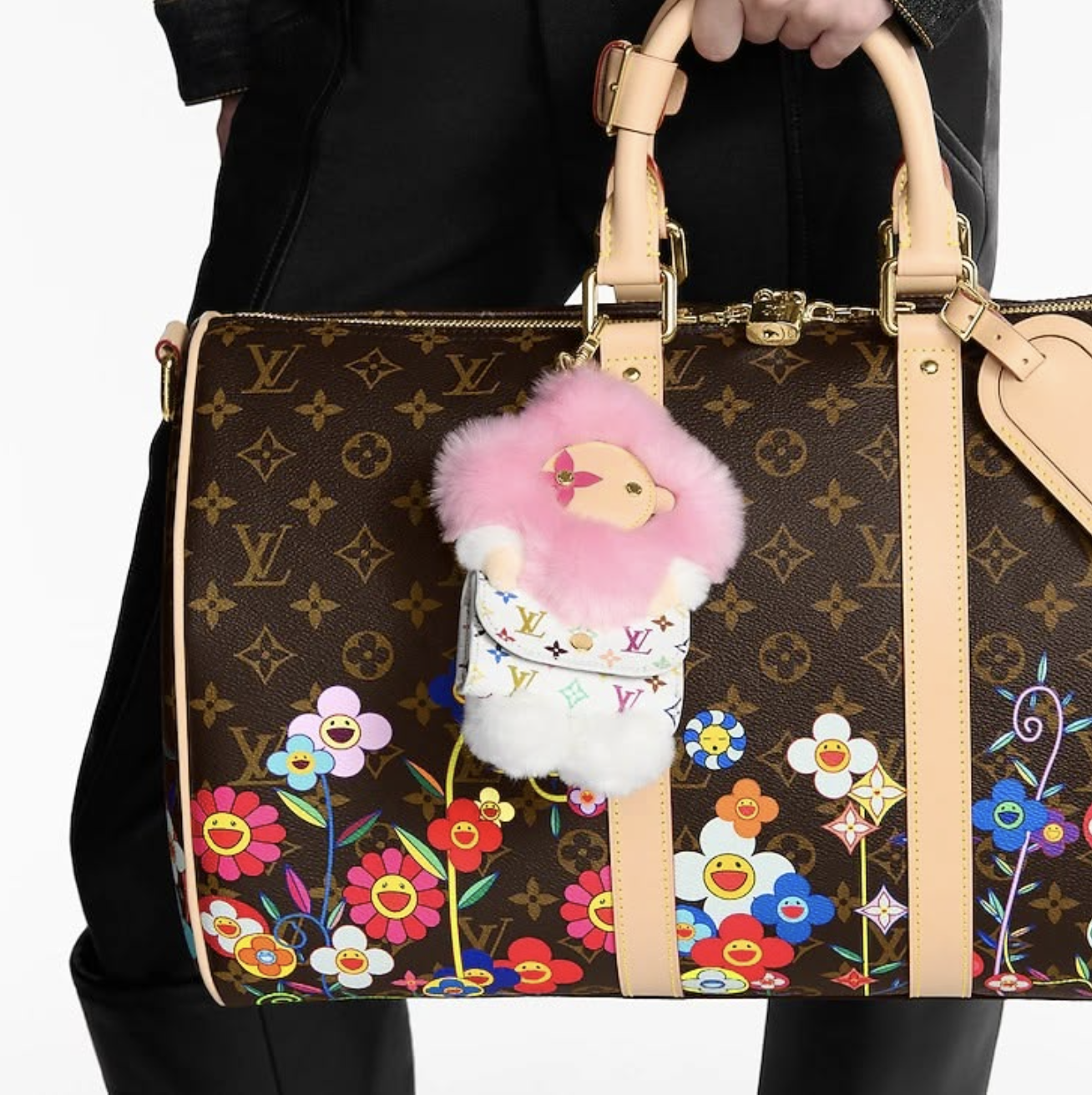
This is where Louis Vuitton can have a lot of fun with its own history. Vivienne doesn't have to exist separately from the house's collaborations. She can become part of them.
A perfect example is the LV x TM Vivienne Head charm connected to Takashi Murakami. Louis Vuitton dressed the character with Murakami's Monogram Multicolore around the collar while keeping Vivienne's Monogram Flower identity.
I really like that because it's almost two Louis Vuitton collectible worlds meeting. You have Vivienne. Then you have Murakami. Put them together and the charm becomes something that can appeal to both types of collectors. That's much more interesting than simply making another key ring with Multicolore canvas.
Materials Keep Changing Too
(Image credit: purse blog)
Vivienne also isn't tied to one material. Louis Vuitton has produced versions using leather, canvas, textiles, fur-like materials, resin and other treatments. There are even translucent Gummy Vivienne charms that make the character look like candy. Other versions become much more elaborate. Some Fashionista Viviennes are dressed in miniature Louis Vuitton-inspired outfits and accessories.
At that point, I don't really see them as ordinary key holders. They're tiny fashion objects. And Louis Vuitton seems to understand that collectors are part of the audience. The house itself describes certain Vivienne designs as collectibles.
Which Vivienne Would I Choose?
(Image credit: pinterest)
Definitely one with a story.
I wouldn't necessarily choose the plainest Vivienne just because it's easier to wear. If I'm spending that much on a tiny character hanging from my bag, I want some personality.
I'd look for a collaboration edition, a city-exclusive version or a design connected to a particular collection. The Murakami one is exactly the type I'd be drawn to. It connects to a much bigger Louis Vuitton story. And if you're already collecting Louis Vuitton limited editions, that's where Vivienne starts making a lot of sense. She's almost a miniature way of collecting the house.
Loewe: When Leather Craftsmanship Became Cute
(Image credit: pinterest)
Loewe doesn't have one single charm that dominates the conversation in the same way as the Rodeo or Vivienne. I actually think that's part of its appeal.
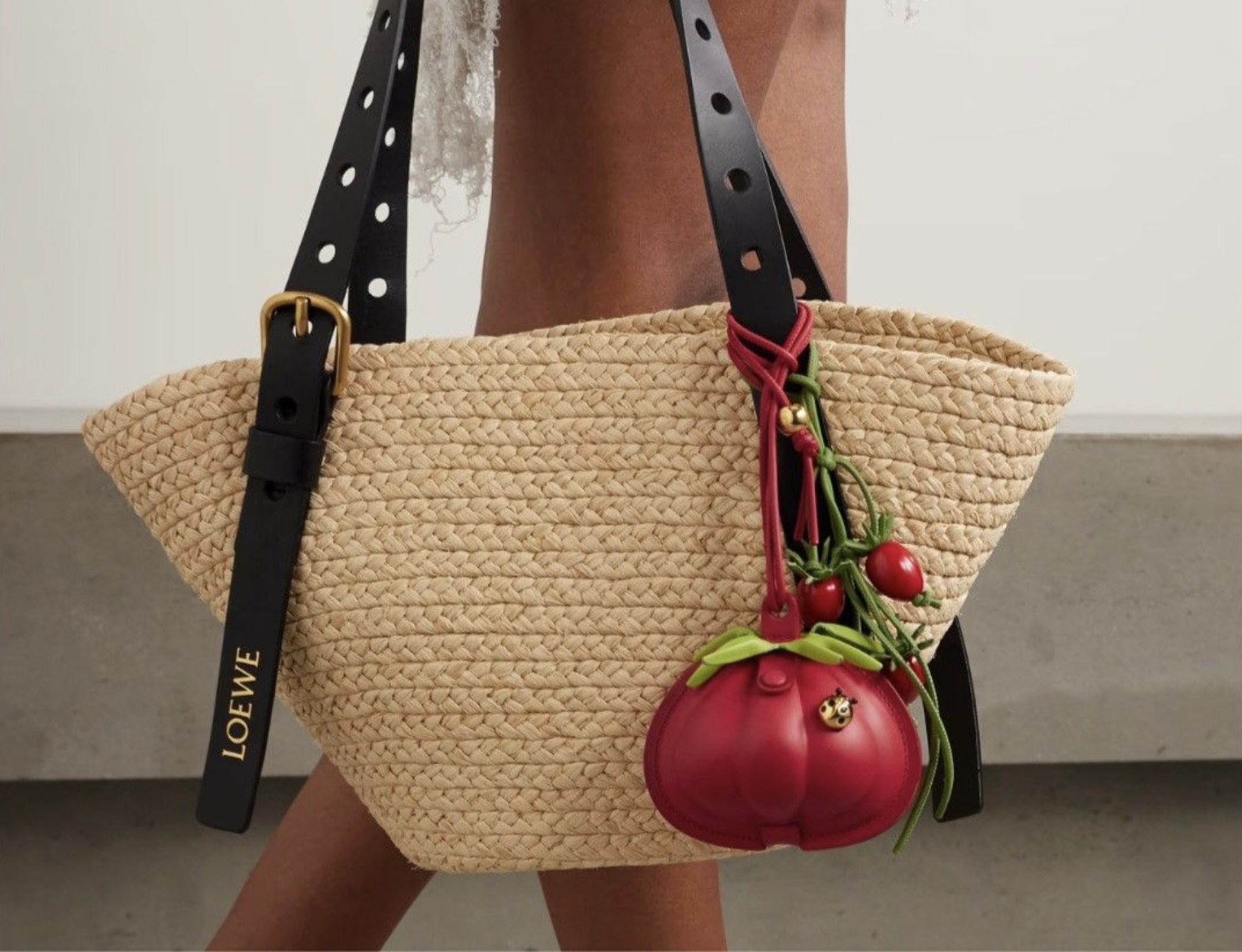
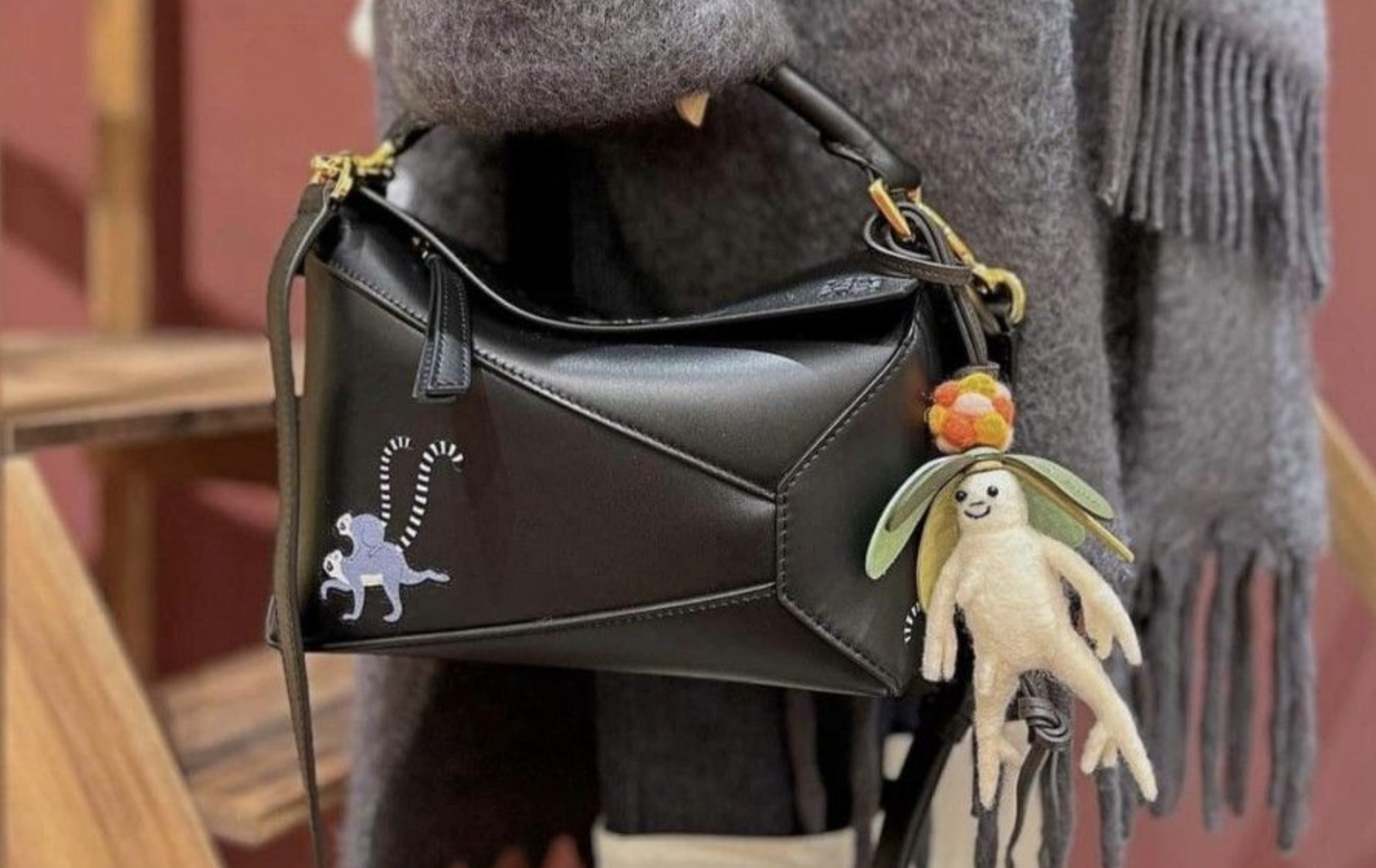
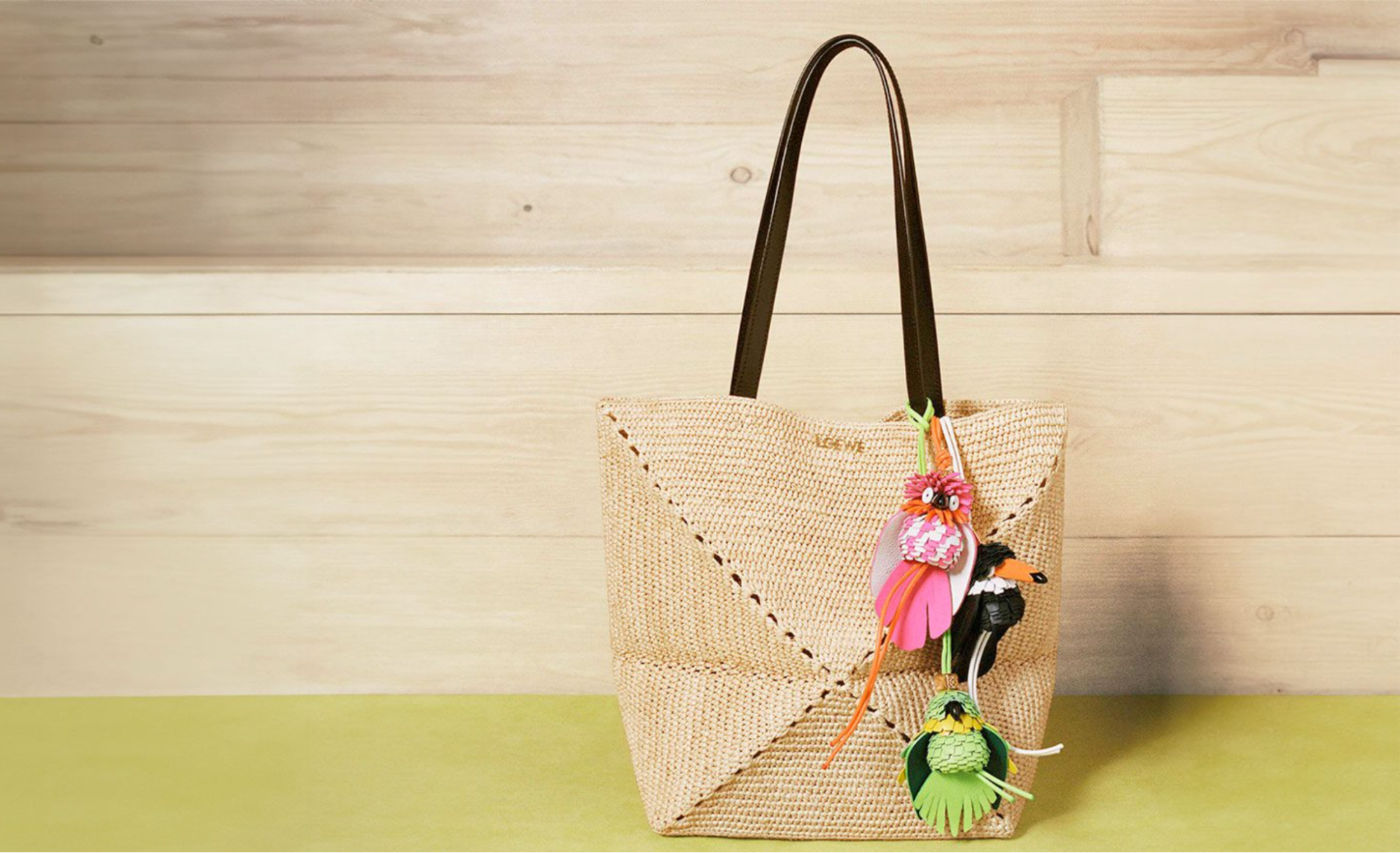
The house has created an entire world of playful charms. Animals. Fruit. Dice. Flowers. Strange little objects. Some are adorable. Some are slightly weird. Some are both.
Loewe's current charm collection continues that approach with animal designs, fruit, sculptural objects and its classic Anagram, while the house specifically describes charms as a way to personalize its bags.
And because this is Loewe, the craftsmanship is a huge part of why they work.
The Leather Animals Make Perfect Sense
(Image credit: pinterest)
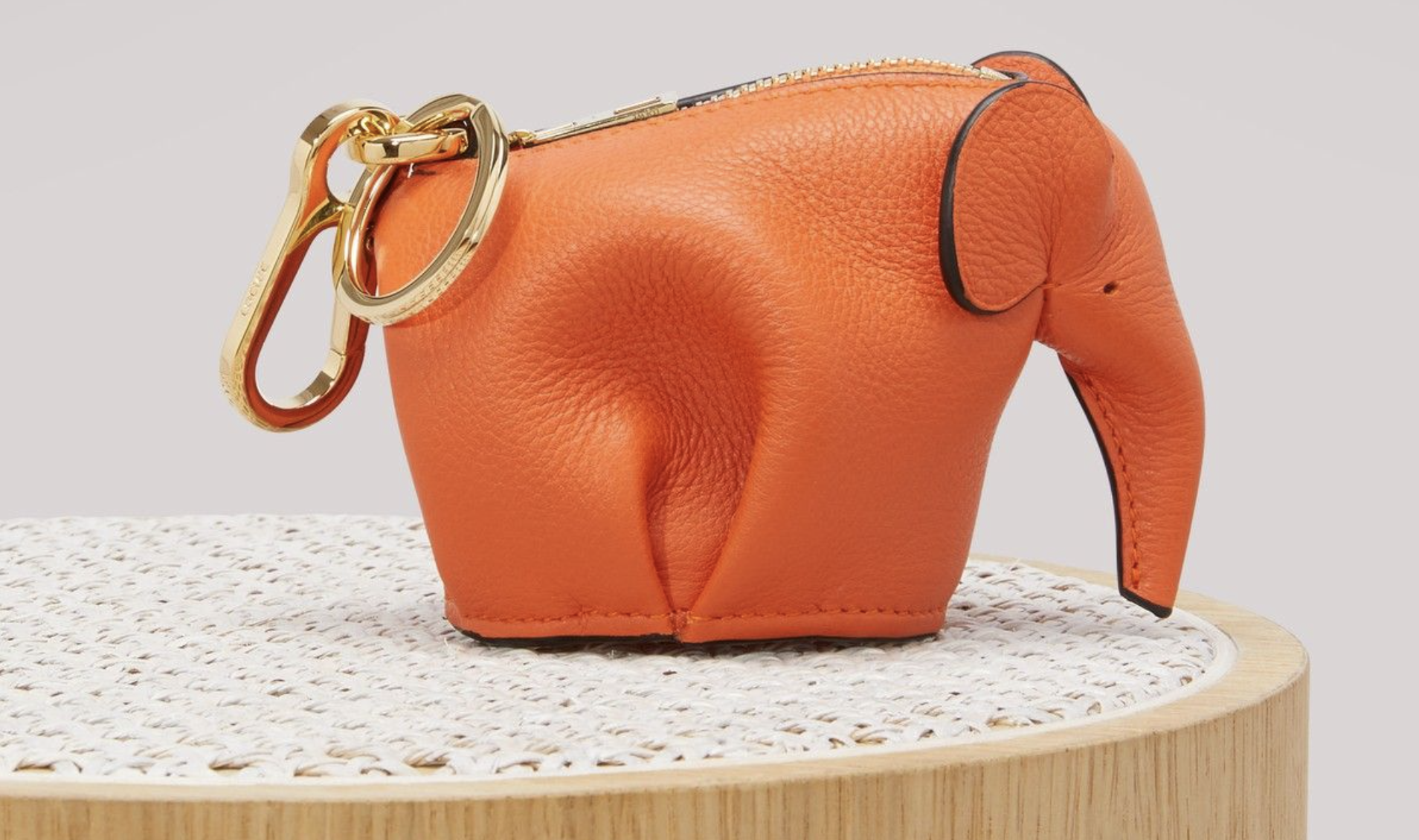
Loewe has such a strong leather identity that turning leather into small animals feels almost inevitable. The charm becomes a tiny demonstration of what the material can do. Fold it. Cut it. Shape it. Layer it. Suddenly a flat piece of leather becomes an elephant or another little creature.
I like these much more than a standard logo key ring. A logo charm tells you which brand made it. A leather animal can show you something about how the brand works. That's more interesting to me.
Loewe Doesn't Take Luxury Too Seriously
(Image credit: carousell)
This playful side has become an important part of Loewe's personality.
The bags can be beautifully constructed and quite minimal, then you have some completely unexpected little object hanging from them. That contrast works. Especially on something like a Puzzle.
The bag itself has such a strong geometric design that adding an animal or strange charm gives it another layer without needing to change the actual bag. And this is really the whole appeal of charms.
You can own the same bag as someone else and make yours feel completely different.
Why Bag Charms Became So Collectible
(Image credit: louis vuitton)
I don't think bag charms became popular simply because people wanted more things hanging from their handbags. They solve a very modern luxury problem.
Designer bags have become incredibly recognizable. You can walk into a restaurant and see several people carrying the same model. The same Birkin. The same Neverfull. The same Puzzle. A charm gives you an easy way to make yours feel slightly different without changing the bag itself.
And because charms cost less than buying another handbag, they also offer another way into the world of a luxury house. I'm saying "less" very carefully here because some luxury bag charms are still extremely expensive for what they are. But compared with buying another Birkin, a Rodeo suddenly starts looking almost reasonable. Almost.
Social Media Made Them Even Better
(Image credit: pinterest)
Bag charms also photograph incredibly well.
They're colorful. Small. Recognizable. Easy to change. And people can style the same bag several ways. That naturally works on social media.
But I don't think social media created the charm obsession.
Fendi's Bag Bugs and Karlito were already major fashion objects in the 2010s. Hermès Rodeos had their own following. Fashion has been decorating bags for much longer than the current trend suggests.
What's happening now feels more like another cycle. And this time, people are even less interested in keeping the bag pristine and serious. Personally, I like that shift.
One Charm or Ten?
(Image credit: purseblog)
This is where everyone has a different opinion.
Some people like one charm placed carefully on the handle. Others want the entire bag covered. Chains. Characters. Scarves. Key rings. Toys. Initials. Whatever fits. I'm somewhere in between.
On a very structured or visually complicated bag, I'd probably choose one. A Rodeo on a Kelly is enough. A Karlito was definitely enough. That thing didn't need friends. But on a simpler tote, I understand why people layer several charms. It can completely change a basic bag.
The only thing I'd think about is weight. Some metal charms and chains can be surprisingly heavy, and I wouldn't want to damage the hardware or put unnecessary pressure on a handle just for decoration.
What I'd Look for When Buying Bag Charms Second-Hand
(Image credit: louis vuitton)
Bag charms are small, but I wouldn't treat them casually when buying second-hand. Especially the collectible ones.
I'd check the attachment first. Clasps, leather loops and rings take a lot of wear because that's where the charm constantly moves against the bag.
For leather charms like the Rodeo, I'd look at rubbing, staining and whether the leather has become misshapen.
For older furry Fendi pieces, condition becomes even more important because the material itself is such a big part of the design.
For Vivienne, I'd check whichever details make that particular edition special. If it's a collaboration or seasonal version, missing decorative elements can completely change it.
And I'd always authenticate.
Small accessories can sometimes get less attention than handbags, but popular charms are copied too. The fact that something is "just a charm" doesn't mean you should lower your standards.
The Charm Can Become More Personal Than the Bag
(Image credit: pinterest)
This might be what I like most about them. The handbag usually tells you which brand someone likes. The charm can tell you something about the person.
Maybe they love horses. Maybe they collect Vivienne. Maybe they bought a city-exclusive charm while traveling. Maybe they love Karl Lagerfeld. Maybe they chose a ridiculous Loewe animal simply because it made them laugh.
That's much more personal than choosing between black and brown leather. And I think luxury fashion needs some of that. Not everything has to be serious. Not everything needs to be an investment. Sometimes you want a tiny leather horse hanging from a bag that costs more than a car.
From Accessory to Icon
(Image credit: pinterest)
The most successful bag charms eventually stop feeling like accessories to someone else's design. They develop identities of their own.
The Hermès Rodeo did it through simplicity, craftsmanship and the house's equestrian history. Fendi's Bag Bugs and Karlito did it by going in the opposite direction and becoming impossible to ignore. Louis Vuitton turned Vivienne into an evolving character that can move through seasons, cities and collaborations. Loewe made the category another place to show off its leather craftsmanship and sense of humor. None of them became memorable for exactly the same reason. And I think that's important.
A great bag charm doesn't need to be famous simply because the brand behind it is famous. It needs its own personality. Something that makes you recognize it even when you aren't looking at the handbag. That's when it becomes more than decoration. And for me, that's when a bag charm becomes collectible.