(Image credit: marie claire)
Contents
- First, Why Is It Called the Peekaboo?
- The Second-Hand Market Isn't Just One Generation of Peekaboo
- The Classic Peekaboo
- Then Came the Mini
- Peekaboo Selleria Is Worth Knowing Separately
- Peekaboo Essentially and Essential
- Peekaboo X-Lite Is Another Different Bag
- Understanding the Newer Peekaboo ISeeU
- Size Names Can Be Misleading
- The Version I Would Personally Look For
- What Can Make One Peekaboo Cost More Than Another?
- The Damage I Care About Most
- When a Cheap Peekaboo Isn't Actually a Good Deal
- Japanese Condition Words That Matter for the Peekaboo
- Don't Skip the Model Number
- What About Authentication?
- Why Japan Is Particularly Good for the Peekaboo
- Final Thoughts
Some bags are easy to understand on the second-hand market. You choose the size, pick a color, check the condition and you're almost done.
The Fendi Peekaboo isn't one of them.
Once you start looking through Japanese second-hand listings, you'll find Peekaboo, Peekaboo Mini, Regular, Large, Selleria, Essential, Essentially, X-Lite, ISeeU, Petite and several other names. Some are older versions that Fendi no longer makes, while others belong to newer generations of the same family.
Two bags can both be called "Peekaboo" and look similar at first, but their proportions, construction, leather, age and resale prices can be completely different.
That's why I think buying a Peekaboo second-hand is less about finding the cheapest one and more about understanding exactly what you're looking at. Once you know the different generations, the Japanese market becomes much easier to shop.
First, Why Is It Called the Peekaboo?
(Image credit: lofficiel baltic)
Silvia Venturini Fendi designed the Peekaboo, which was presented in 2008 and introduced for Spring/Summer 2009.
The name comes from the children's game peek-a-boo, and the idea behind the bag makes much more sense once you see how it's meant to be carried.
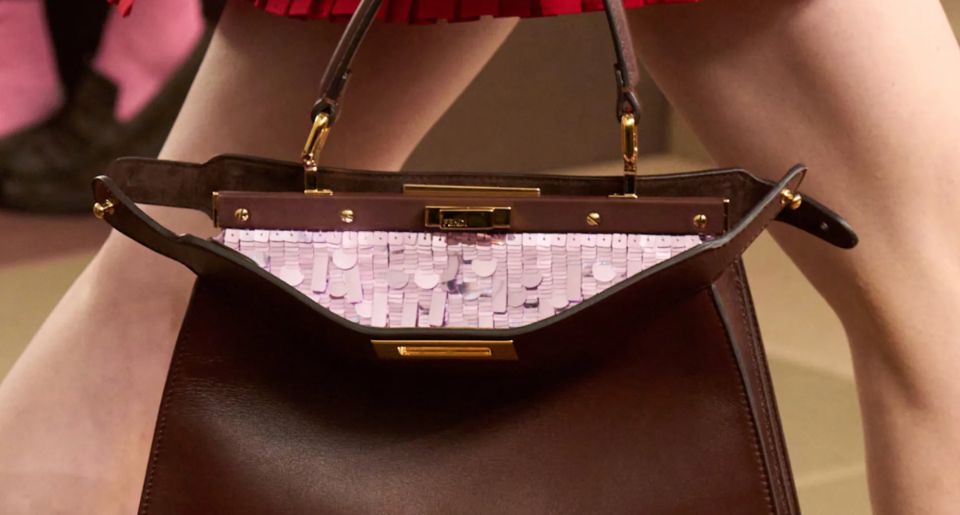
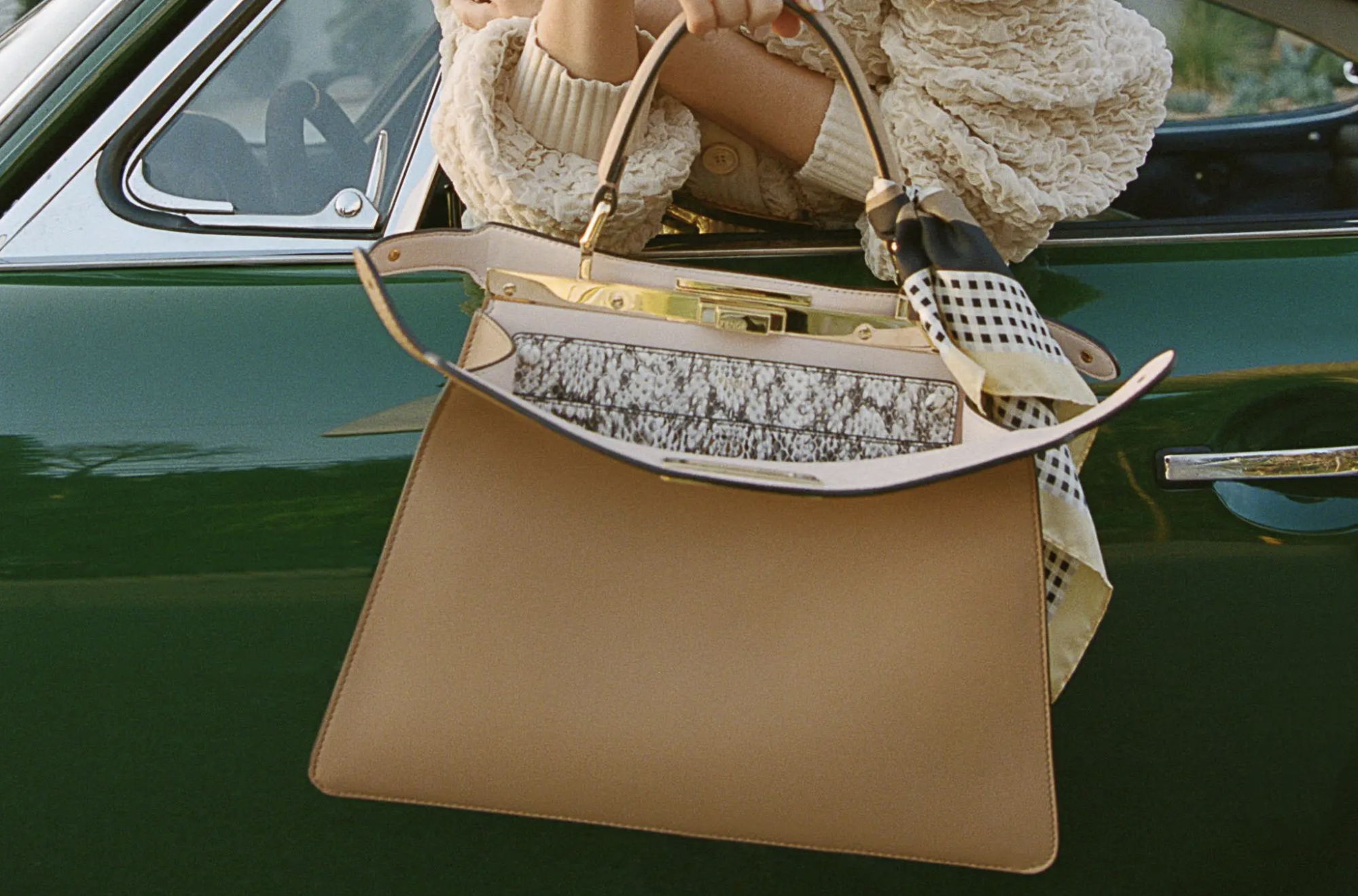
From the outside, the Peekaboo looks like a fairly traditional top-handle bag. But one side can be left open, allowing the interior to "peek" out.
That's where Fendi could have more fun.
Some Peekaboos have contrasting interiors. Others use different leather, embroidery, exotic materials, Selleria stitching or decorative panels inside.
I think that's one reason the design has lasted so long. The basic shape is quite classic, but Fendi has been able to change what's happening inside without completely redesigning the bag.
The construction also gives you two main compartments separated through the center, with the signature twist-lock closures on the sides. It's a bag that can look very formal when completely closed and much more relaxed when one side is left open.
The Second-Hand Market Isn't Just One Generation of Peekaboo
(Image credit: purse blog)
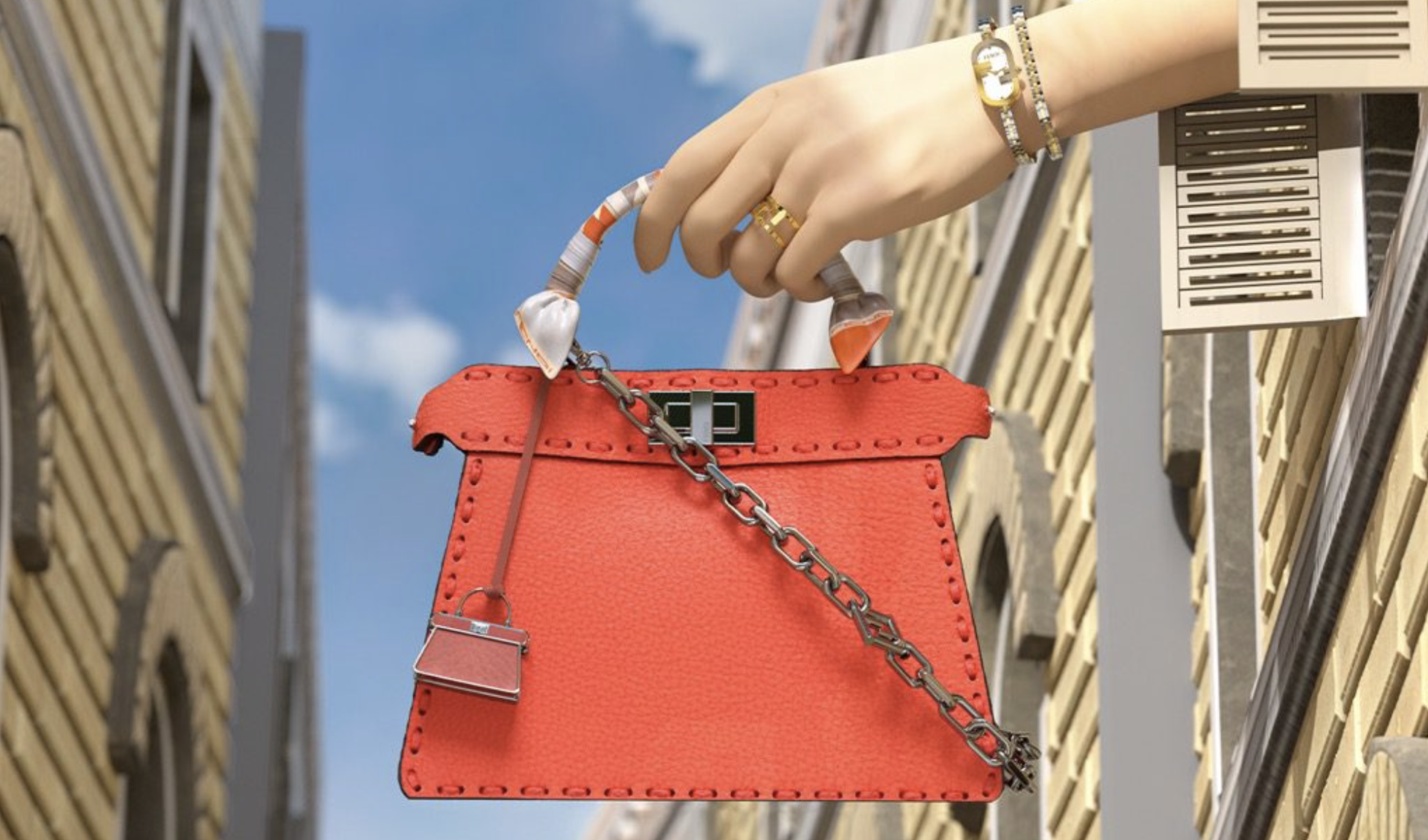
This is probably the most important part of this guide.
If you walk into Fendi today, the current Peekaboo selection doesn't represent everything you'll see second-hand.
Japan has years of older inventory circulating through resale stores.
You'll find early Peekaboos from the late 2000s and 2010s next to newer ISeeU bags. You'll also see discontinued versions that someone shopping only through Fendi today may never have heard of.
That makes the Japanese market really interesting, but it also means you shouldn't use the current Fendi website as your only size guide.
An older "Regular" Peekaboo and a current ISeeU Medium aren't necessarily the same bag just because both look like medium-sized Peekaboos.
The Classic Peekaboo
(Image credit: fendi)
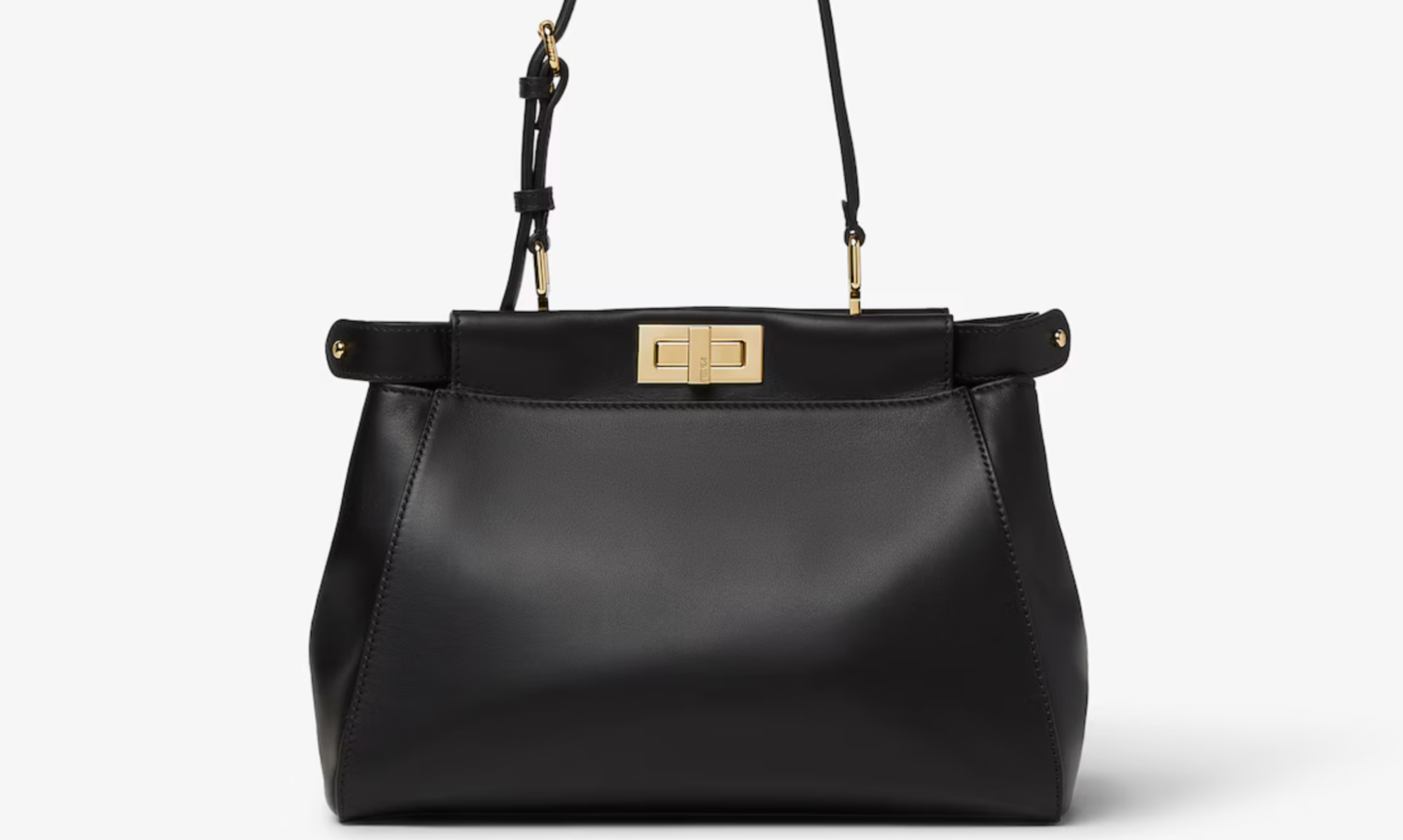
Older classic Peekaboos are some of the easiest versions to find in Japan.
You may see listings simply titled:
フェンディ ピーカブー - Fendi Peekaboo
ピーカブー レギュラー - Peekaboo Regular
ピーカブー ラージ - Peekaboo Large
ピーカブー ミニ - Peekaboo Mini
Japanese sellers may also identify the bag mainly through its model number rather than a specific generation name.
For example, you'll see older references from the 8BN family, including models such as 8BN210, which appears on larger early Peekaboos.
This is why I always look at measurements.
If a Japanese listing only says "Peekaboo," don't guess the size from the photographs. Find the width, height and depth and compare them with other examples from the same period.
The older large versions can be surprisingly big and heavy compared with the Peekaboo most people picture today.
Then Came the Mini
(Image credit: fendi)
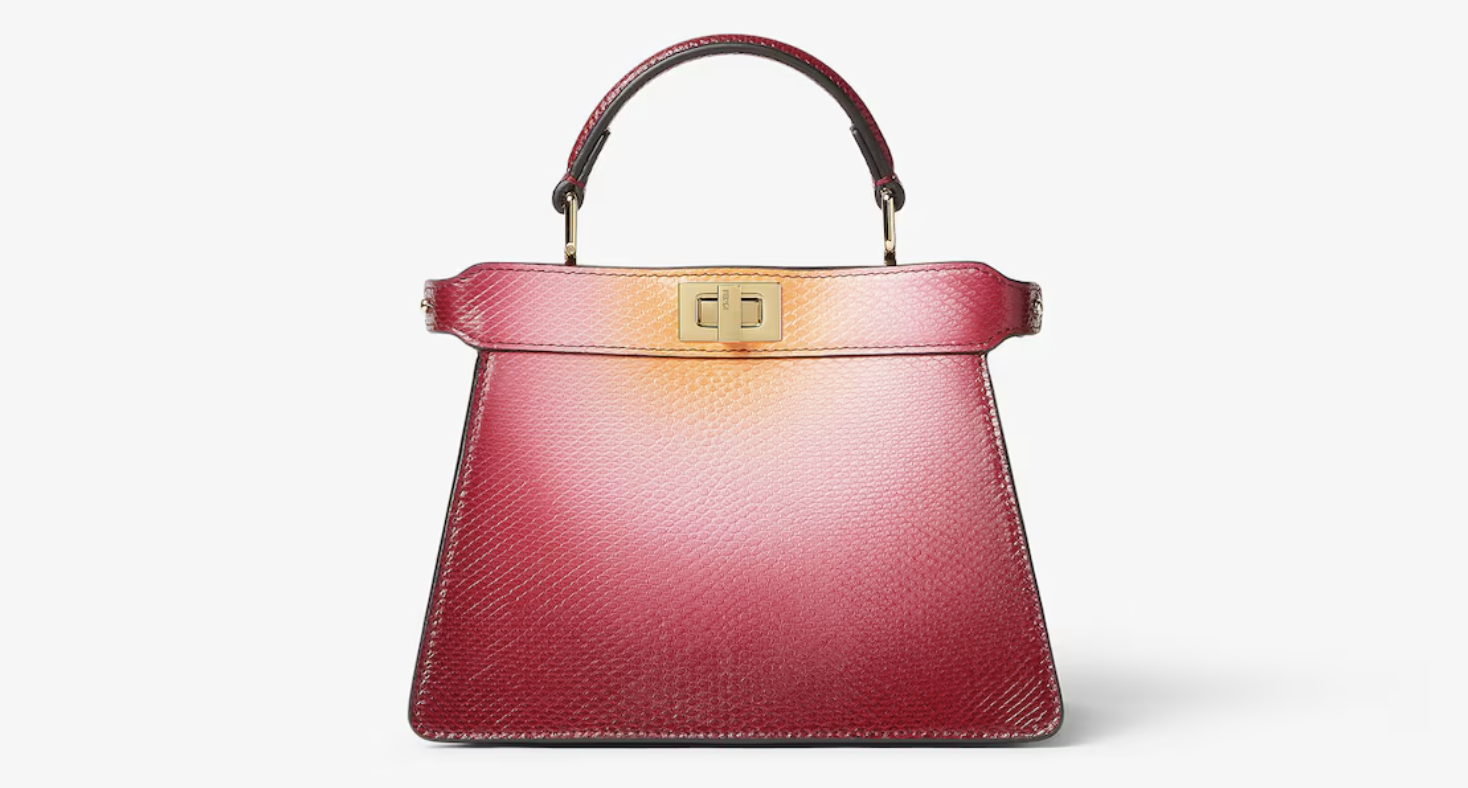
The Mini changed the personality of the Peekaboo quite a bit.
Instead of feeling like a serious work bag, the smaller proportions made the design easier to use casually.
Mini Peekaboos are also very common on the Japanese second-hand market, and there have been many versions over the years.
Search:
フェンディ ピーカブー ミニ - Fendi Peekaboo Mini
ピーカブー ミニ 2WAY - Peekaboo Mini 2-Way
The term 2WAY is particularly useful in Japan.
Japanese sellers frequently use it for bags that can be carried in two ways, usually by the top handle and with the detachable shoulder strap.
A listing may not have the exact international product name you expect, but searching "Peekaboo 2WAY" can bring up a lot of relevant results.
Peekaboo Selleria Is Worth Knowing Separately
(Image credit: fendi)
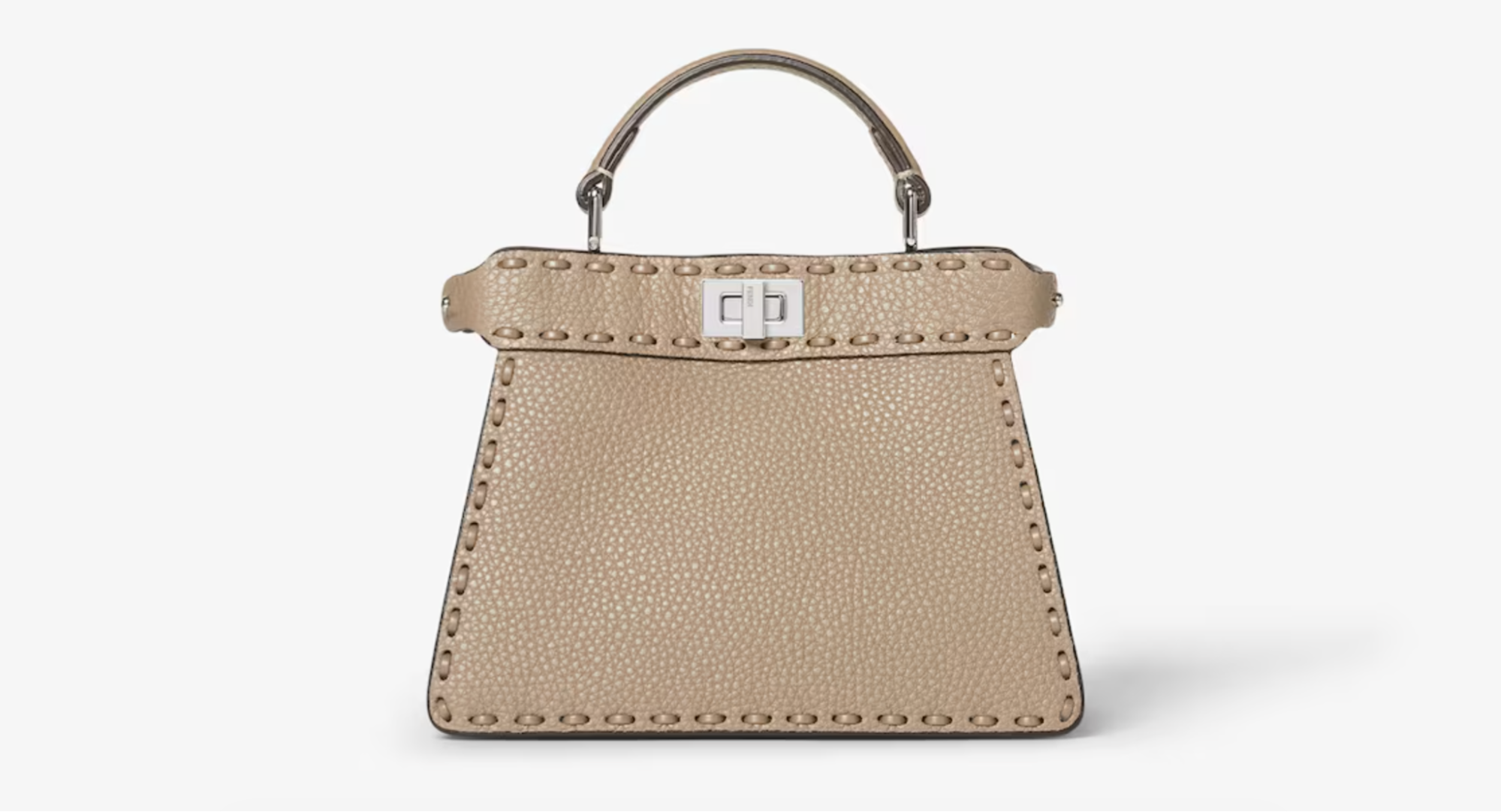
If I were specifically searching for an older Peekaboo, Selleria would be one of the names I'd pay attention to.
Search:
ピーカブー セレリア - Peekaboo Selleria
Selleria is connected to Fendi's leather craftsmanship and is particularly recognizable for its hand-finished construction and visible stitching. On a Peekaboo, that stitching can give the bag a completely different look from a smoother, more minimal version.
Selleria bags can also use beautifully grained leather that tends to suit the Peekaboo's structure very well. I wouldn't compare a Selleria Peekaboo directly with a standard smooth-leather version just because they're the same approximate size.
Material and craftsmanship can affect the original price, desirability and second-hand value. When looking at a used Selleria, inspect the stitching carefully. Since it's part of the design, damaged or heavily dirty stitching is much more noticeable than it would be on a bag where the seams blend into the leather.
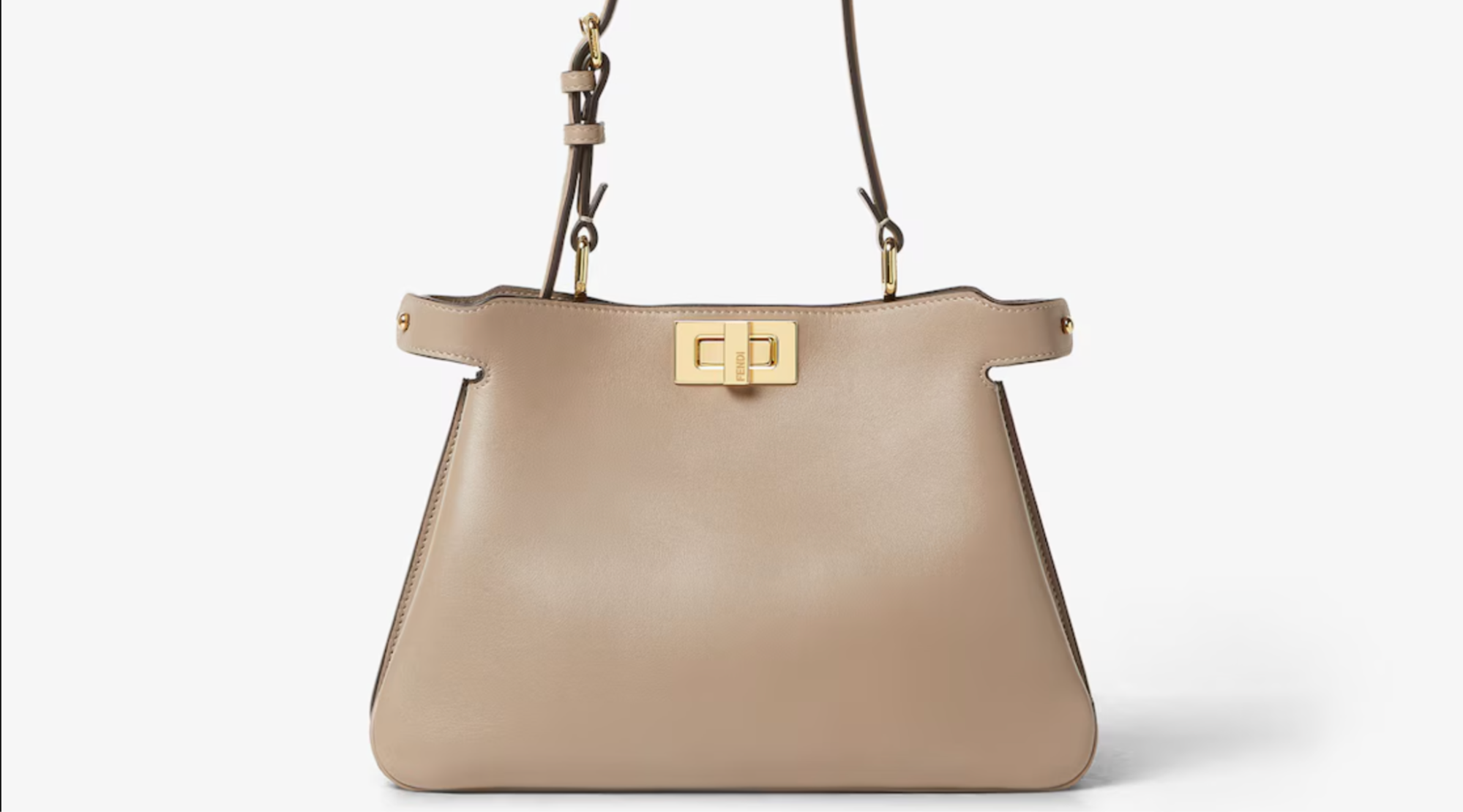
Peekaboo Essentially and Essential
(Image credit: fendi)
Here's where names start becoming more confusing.
You may come across:
ピーカブー エッセンシャリー - Peekaboo Essentially
and sometimes listings using:
ピーカブー エッセンシャル - Peekaboo Essential
These belong to another period of the Peekaboo's evolution and shouldn't automatically be grouped with the original Regular or newer ISeeU models.
The Essentially has a cleaner, more streamlined feeling while keeping the recognizable Peekaboo idea. If you see one priced differently from a classic Peekaboo, check the exact model before deciding whether it's expensive or cheap.
With this bag family, the generation matters.
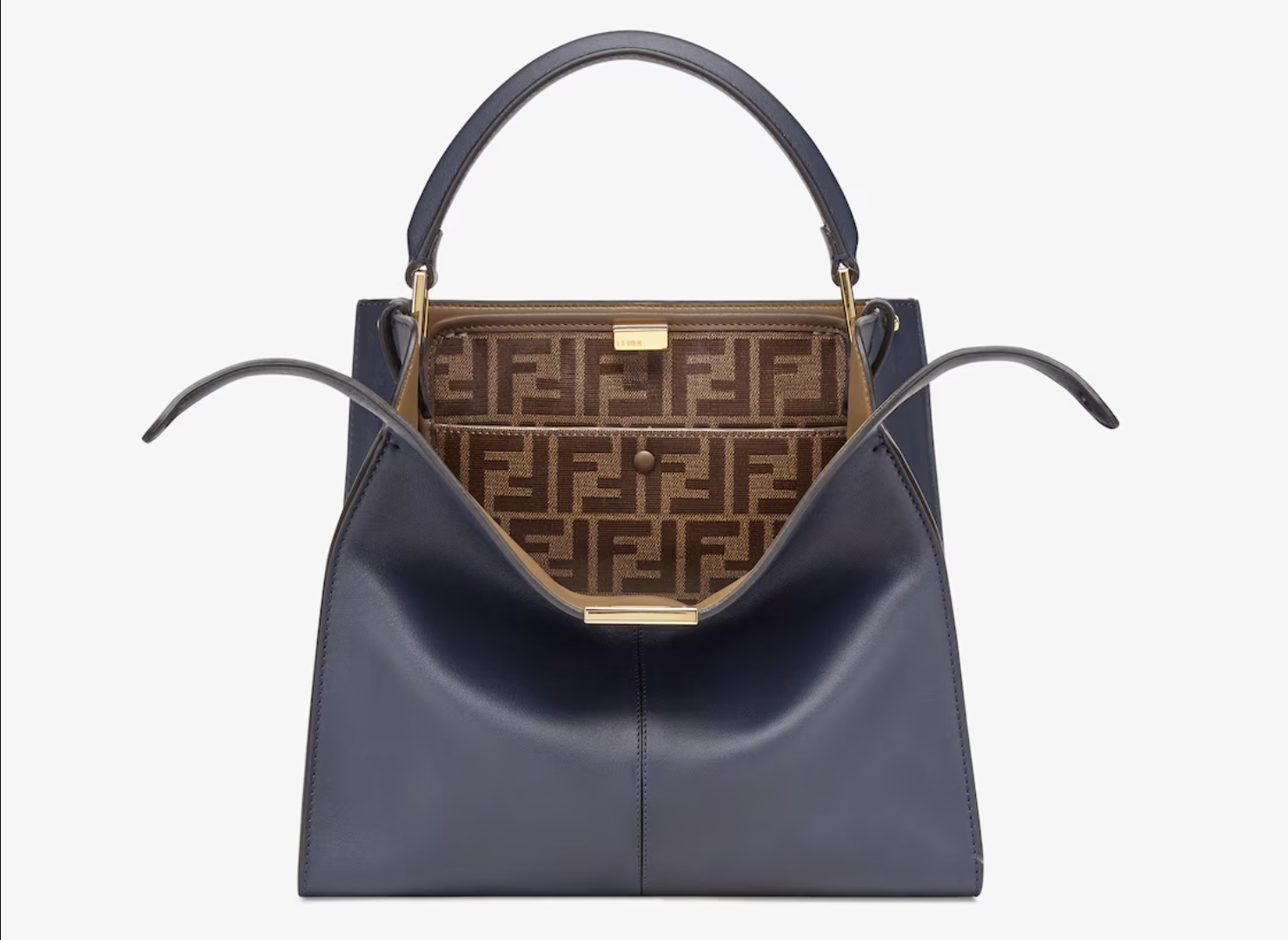
Peekaboo X-Lite Is Another Different Bag
(Image credit: fendi)
The Peekaboo X-Lite is one of the versions I think buyers should recognize before browsing Japanese listings.
Search:
ピーカブー Xライト - Peekaboo X-Lite
As the name suggests, Fendi reworked the Peekaboo into a lighter construction. It still clearly belongs to the Peekaboo family, but it doesn't feel exactly like the traditional double-sided structure.
You'll sometimes find X-Lite bags at attractive prices second-hand. That doesn't necessarily mean you've found an unusually cheap classic Peekaboo. You're looking at a different variation.
Again, model numbers help.
Japanese listings may include something like 8BN304 for an X-Lite, which makes searching much easier when the written product name is inconsistent.
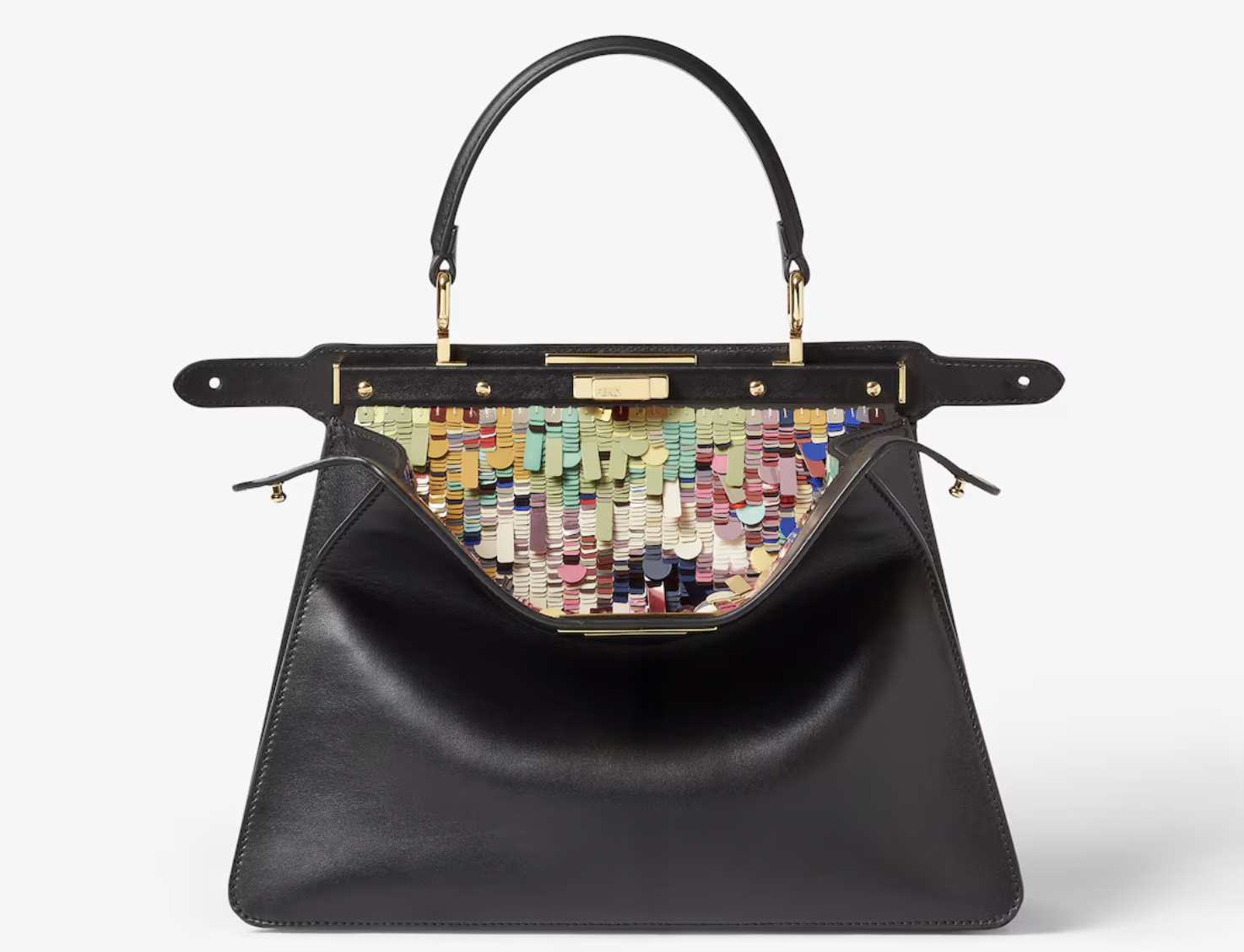
Understanding the Newer Peekaboo ISeeU
(Image credit: fendi)
The ISeeU is one of the most important newer generations to know.
Search:
ピーカブー アイシーユー - Peekaboo ISeeU
The ISeeU keeps the basic Peekaboo idea but gives it a cleaner and more structured appearance.
It has two compartments divided by a stiff partition, and Fendi has produced it in everything from relatively simple calfskin to elaborate embroidered and decorated versions.
This is why I wouldn't search for "Peekaboo Small" and assume every result represents the same generation. A classic Small and an ISeeU Small can have different proportions and construction.
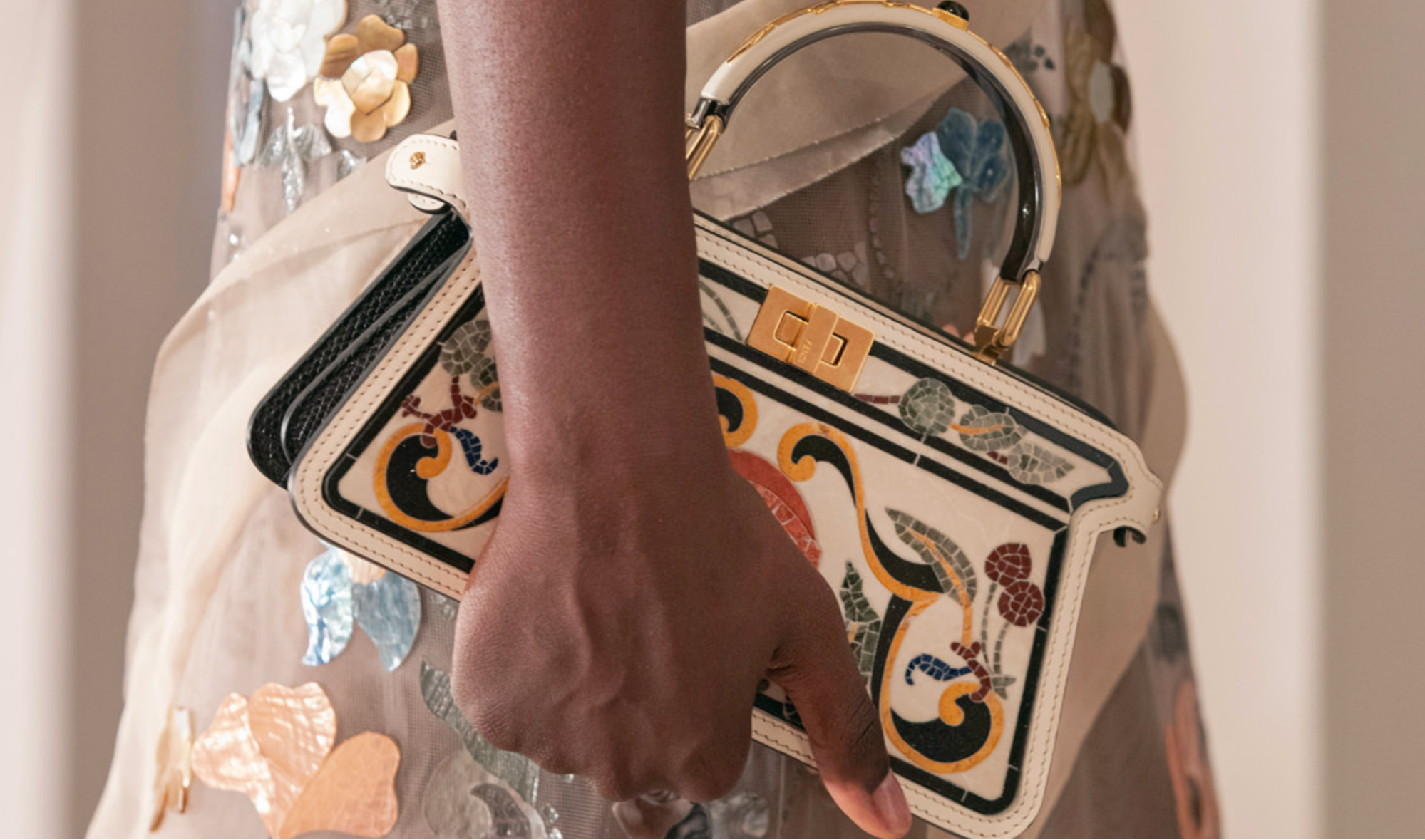
Size Names Can Be Misleading
(Image credit: purse blog)
The Peekaboo has existed for so long that I don't think size names alone are enough.
Mini, Petite, Small, Regular and Medium have all appeared around the Peekaboo family, but they don't form one simple size ladder covering every generation.
That's why my order when checking a listing would be:
Model name → model number → measurements → photographs
For example, a current ISeeU Small measures around 27 cm wide, while an ISeeU Medium is around 33.5 cm wide.
Older Peekaboo models can have completely different measurements. If you're buying second-hand, the actual centimeters tell you much more than words like Small or Regular.
The Version I Would Personally Look For
(Image credit: purse blog)
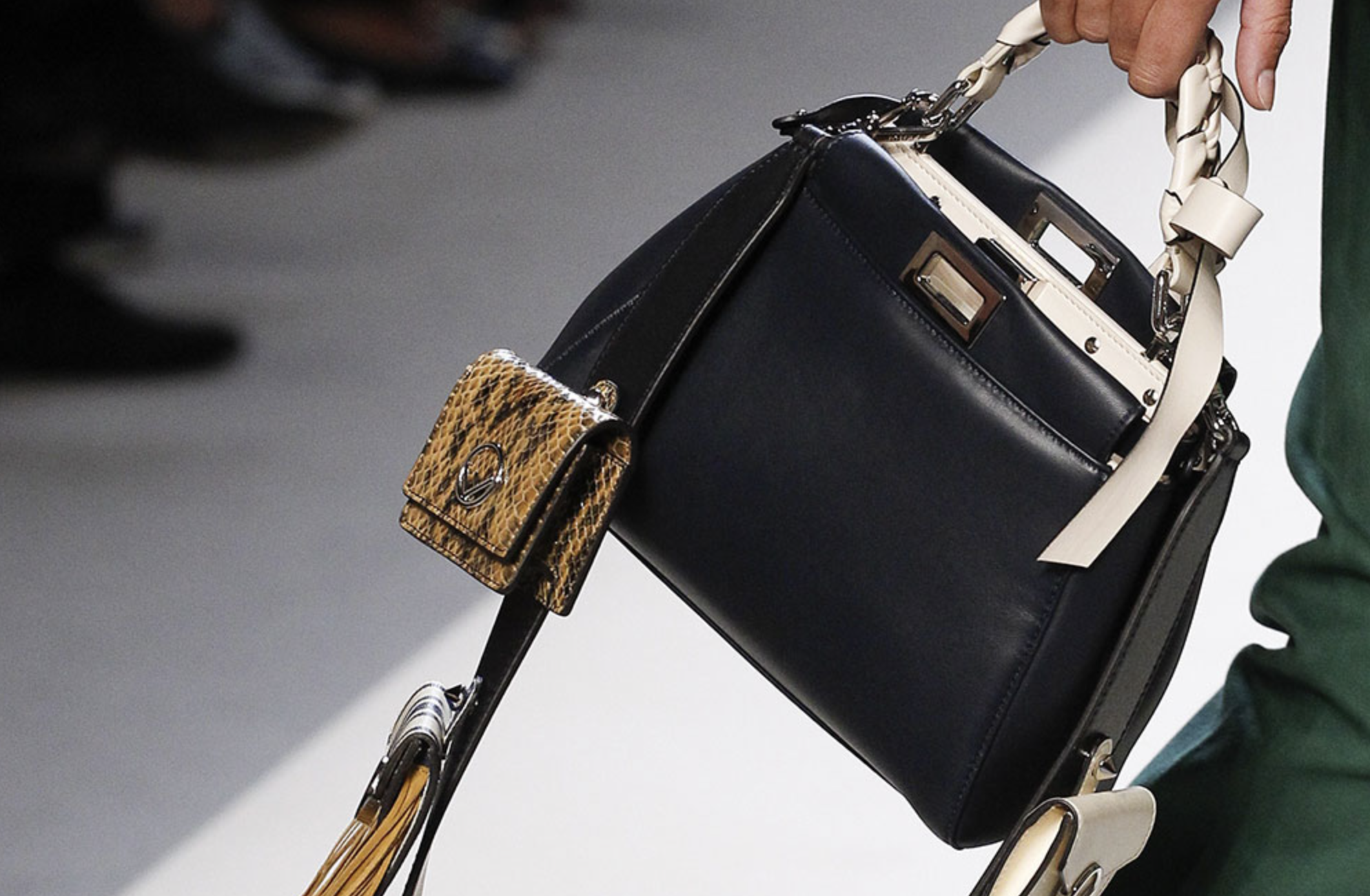
If I wanted a Peekaboo as an everyday bag, I'd probably look for a Mini or a smaller ISeeU.
The larger classic Peekaboos are beautiful, especially if you want something that feels more like a work bag, but once you add your belongings, the weight can become noticeable.
For a first Peekaboo, I would prioritize a bag with:
- A size I'll actually carry
- Healthy structure
- Clean corners
- A strong top handle
- Working twist locks
- A clean center partition
- Original shoulder strap, if the model originally included one
- Leather that hasn't become excessively dry or cracked
I'd rather buy a simpler Peekaboo in excellent condition than a more unusual version with major structural wear.
What Can Make One Peekaboo Cost More Than Another?
(Image credit: purse blog)
This is where things get interesting.
Size matters, but it's only one part of the price.
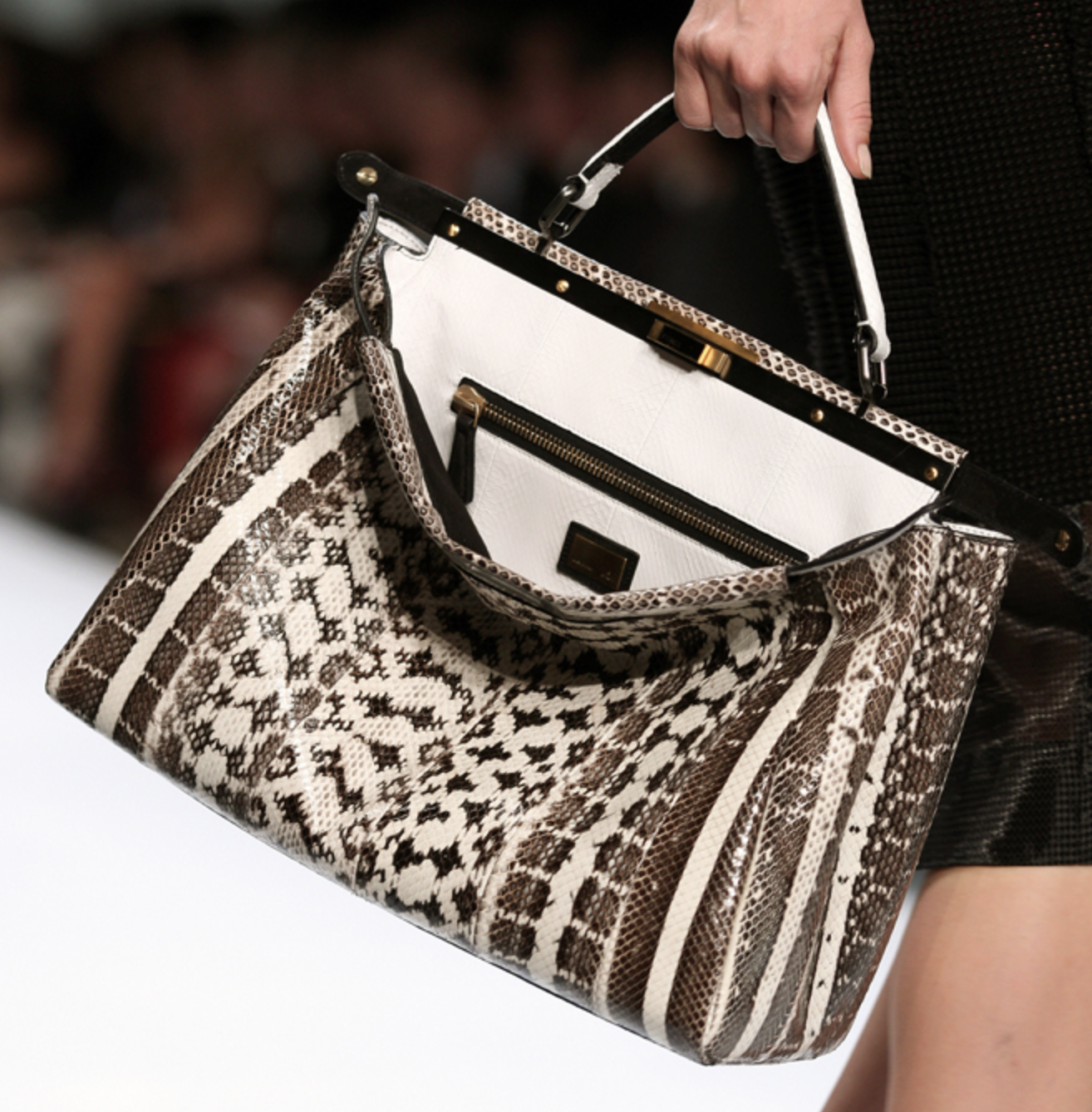
Leather can make a difference. Selleria versions, smooth calfskin, grained leather, exotic materials and special treatments shouldn't all be compared as if they're identical.
Age and generation matter too. An older classic Peekaboo and a newer ISeeU belong to different periods.
Interior design can affect desirability because the interior is such an important part of the Peekaboo concept.
Then you have special editions.
Fendi has made Peekaboos with embroidery, crystals, contrasting panels, unusual stitching, exotic materials and other elaborate details.
Some buyers specifically want these. Others prefer the simplest possible Peekaboo.
That's why I don't think there's one "correct" second-hand Peekaboo price based purely on size.
The Damage I Care About Most
(Image credit: purse blog)
The Peekaboo has a few condition problems that matter much more to me than tiny surface scratches.
The Center Structure
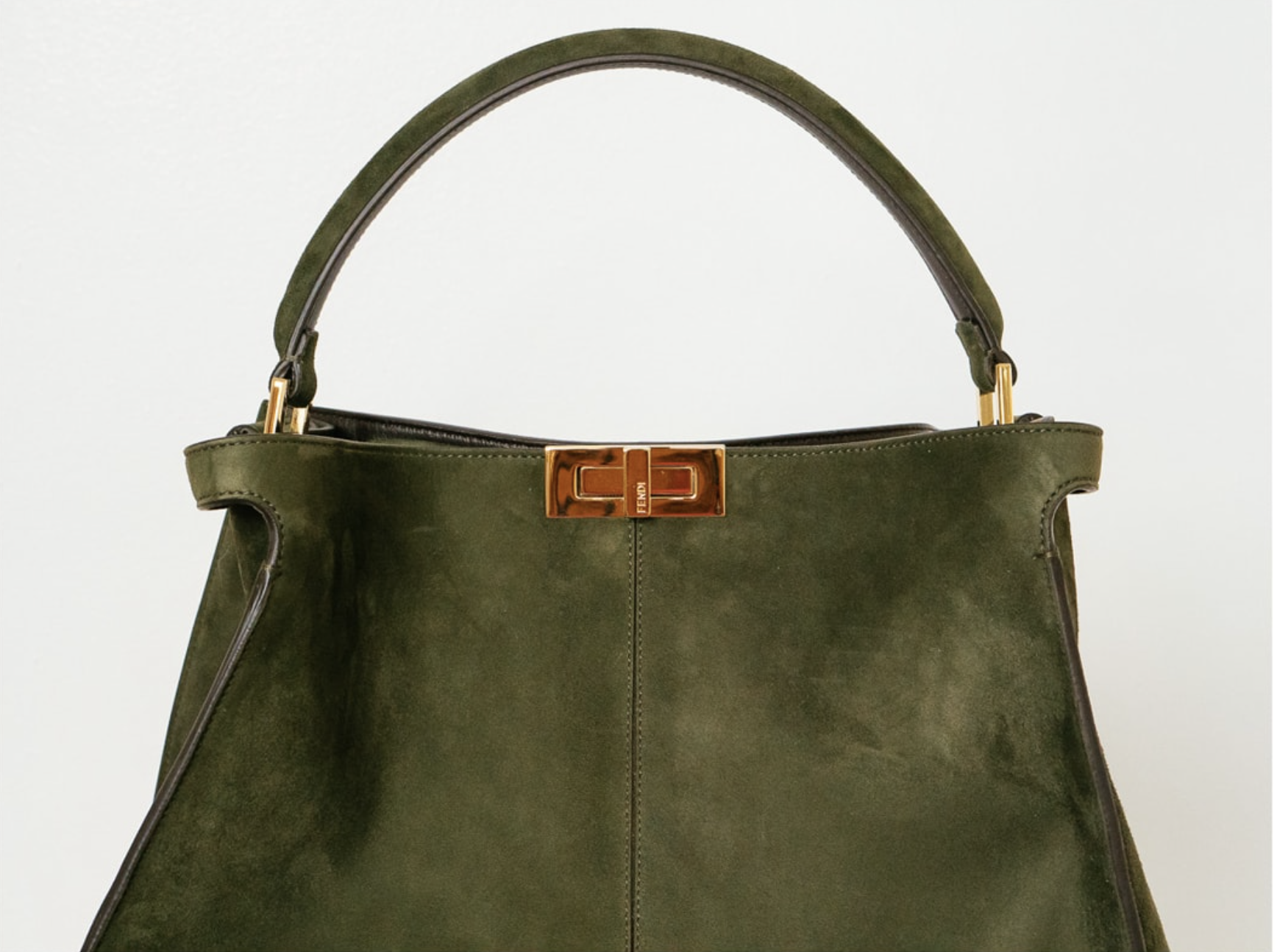
This would be one of my first checks. The interior is divided through the center, and that structure helps give the Peekaboo its recognizable shape.
Look at the bag from both sides. If the center is badly warped, leaning or collapsing, the entire bag can look tired even when the leather itself isn't heavily scratched. Some softening is expected on an older bag. Major structural distortion is different.
The Top Handle
The handle takes a lot of weight, especially on larger Peekaboos. Check where it attaches to the bag, not only the center where your hand holds it. Look for stretching, cracking, darkening and distortion.
A slightly darkened handle is cosmetic. Cracking around an attachment point would concern me much more.
The Twist Locks
The Peekaboo's turn-lock closures are a signature part of the design. Check that they turn correctly and sit properly.
Surface scratches are extremely common on used hardware and wouldn't bother me much. I'd care more about looseness, damage or a closure that doesn't function correctly.
Plating loss can make an older bag look much more worn, especially around prominent hardware.
Corners and Edge Paint
Peekaboos have structured edges that can take a lot of contact. A little corner rubbing can be completely reasonable on an older bag. Deep wear that exposes the underlying leather is different.
The Interior Is Not Just an Interior
This is especially important with the Peekaboo. On many bags, I can forgive more interior wear because nobody sees it while you're carrying the bag.
The Peekaboo was literally designed to reveal its interior.
That changes things.
Stains, scratches, pen marks and discoloration inside can affect the appearance of the bag much more than they would on a completely closed tote. Pay particular attention to contrasting interiors because damage will sometimes stand out even more.
The Shoulder Strap
If the model originally came with a detachable strap, I prefer buying one with it included. Look at the strap itself for cracking and stretching, then inspect the clasps.
I would factor that into the price. For a 2WAY Peekaboo, the strap isn't just a random accessory. It changes how you can actually use the bag.
When a Cheap Peekaboo Isn't Actually a Good Deal
(Image credit: purse blog)
Japan has some surprisingly affordable older Peekaboos. That can be tempting.
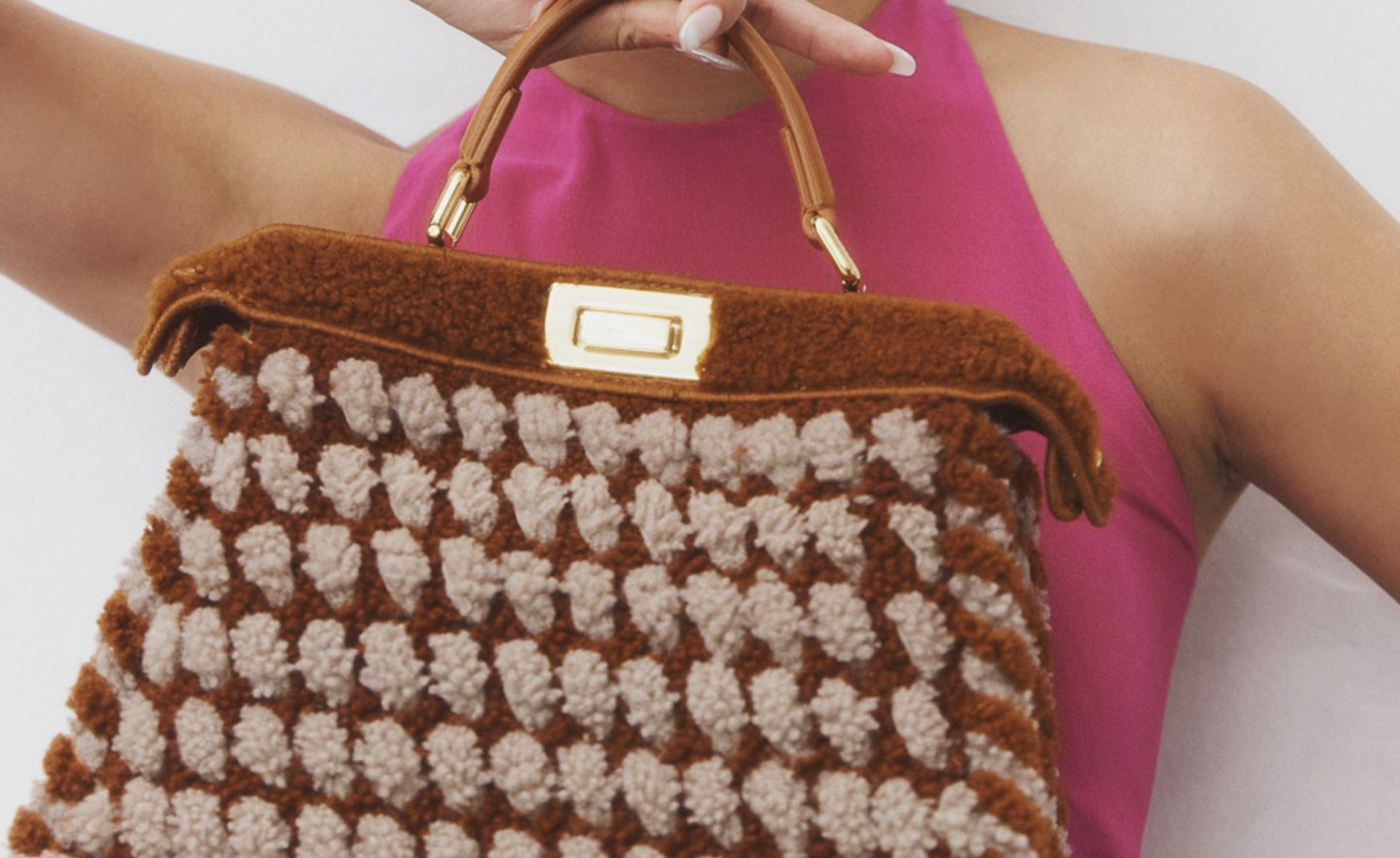
But this is one bag where I'd be careful about buying purely based on the lowest price. A heavily collapsed Peekaboo can lose a lot of its elegance. A missing shoulder strap makes some versions less practical. Badly worn hardware is difficult to ignore because the closures sit right on the front. Heavy interior damage matters because the interior is meant to be visible. And on a large Peekaboo, damaged handles or weakened attachment points aren't something I'd take lightly.
I'd happily consider normal corner rubbing, small hardware scratches or gentle leather creasing if the price reflects them. I would be much more hesitant about structural damage.
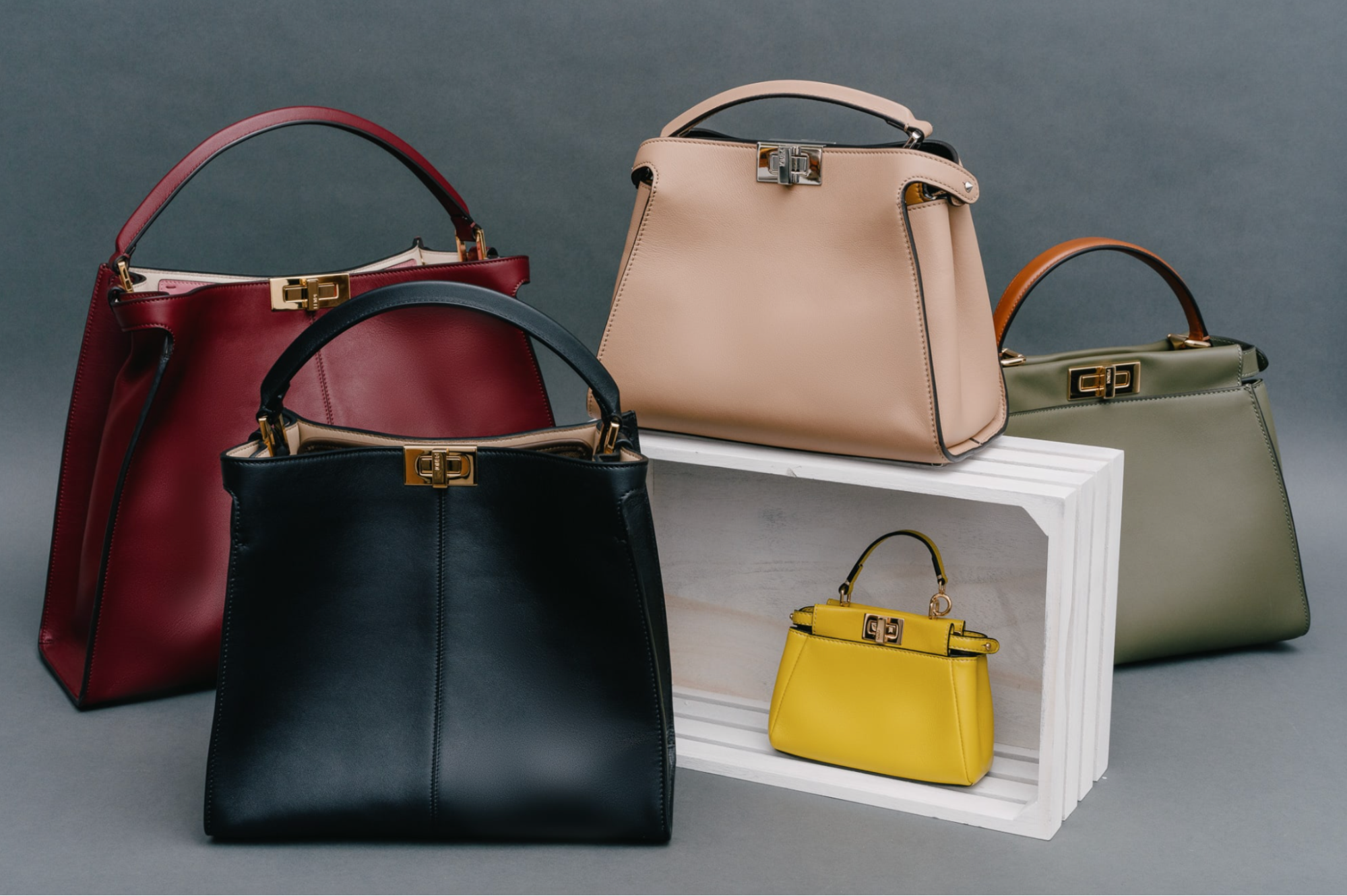
Japanese Condition Words That Matter for the Peekaboo
(Image credit: purse blog)
Instead of memorizing every possible Japanese condition term, I'd focus on the ones that tell you something important about this particular bag.
型崩れ
Loss of shape or deformation
角スレ / 角擦れ
Corner wear
傷 / キズ
Scratches
汚れ
Dirt or staining
黒ずみ
Darkening
コバスレ
Edge coating wear
コバ割れ
Cracked edge coating
金具傷
Hardware scratches
金具くすみ
Hardware dullness
メッキ剥がれ
Hardware plating loss
内側汚れ
Interior staining or dirt
使用感
Signs of use
付属品
Accessories
保存袋
Dust bag
ショルダーストラップ
Shoulder strap
If I saw 型崩れ in a Peekaboo listing, I'd immediately go back through every photograph and look at the structure.
Don't Skip the Model Number
For the Peekaboo, I think model numbers are more useful than they are for some other bags. You'll often see references beginning with 8BN.
If I found a Peekaboo I liked, I'd copy the full model number and search it separately. That can help you find other examples of the same bag, compare measurements and see whether another Japanese seller has identified the model more precisely.
It can also stop you from comparing two completely different Peekaboo generations just because their product titles happen to look similar.
What About Authentication?
(Image credit: purse blog)
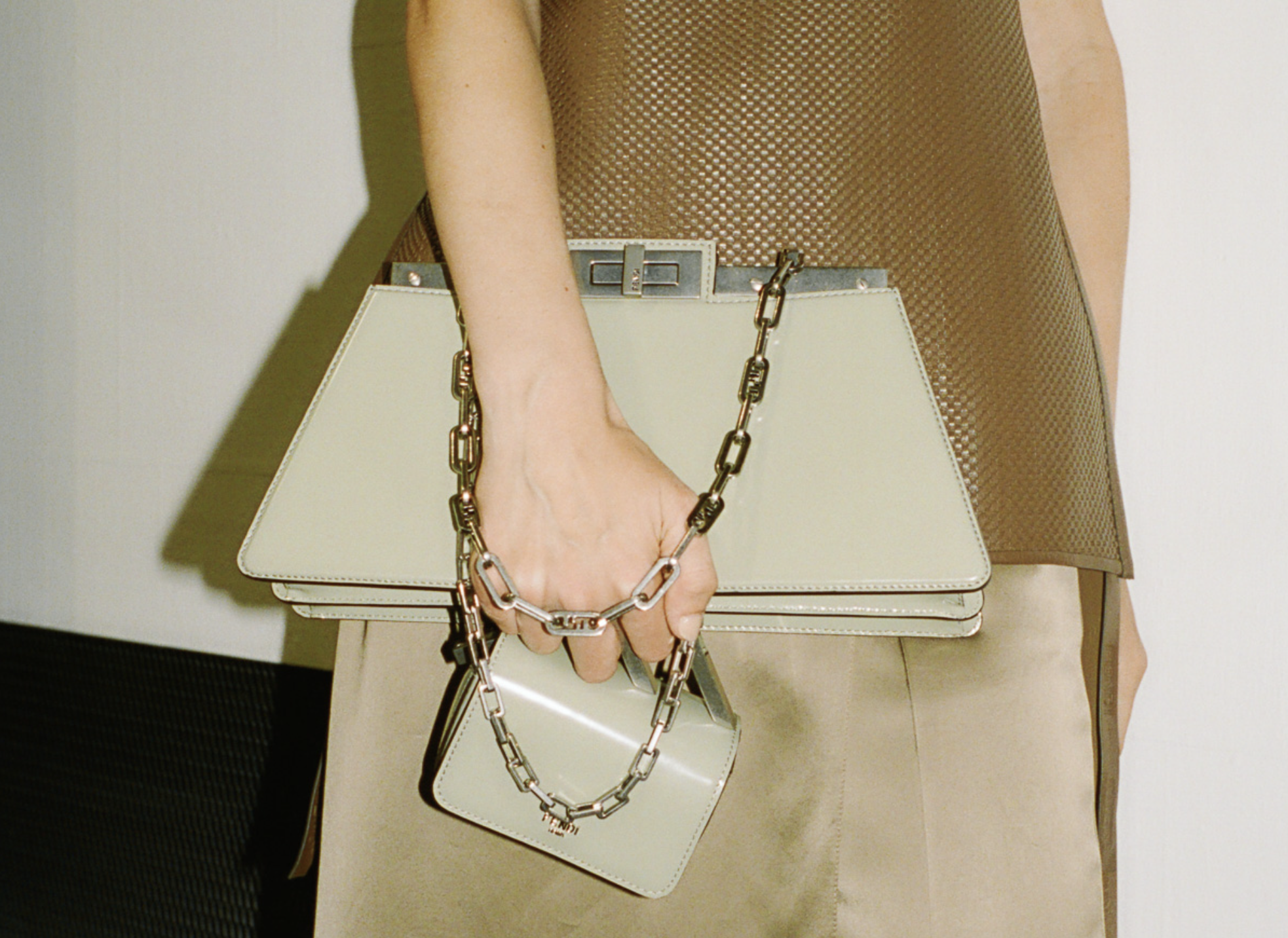
I wouldn't authenticate a Peekaboo based on one stamp, serial tag or piece of hardware.
Look at the entire bag.
The proportions should make sense for the model. The leather quality should be consistent with the version you're buying.
Check the stitching, handle construction, center partition, twist locks, interior finishing, Fendi markings and serial information.
For Selleria versions, pay particular attention to the characteristic stitching and construction.
For special editions, compare the materials and decorative work carefully because those details are part of what you're paying for.
I also prefer buying through established Japanese luxury sellers that already inspect their inventory rather than taking a risk on an unknown listing because it's slightly cheaper.
Why Japan Is Particularly Good for the Peekaboo
(Image credit: purse blog)
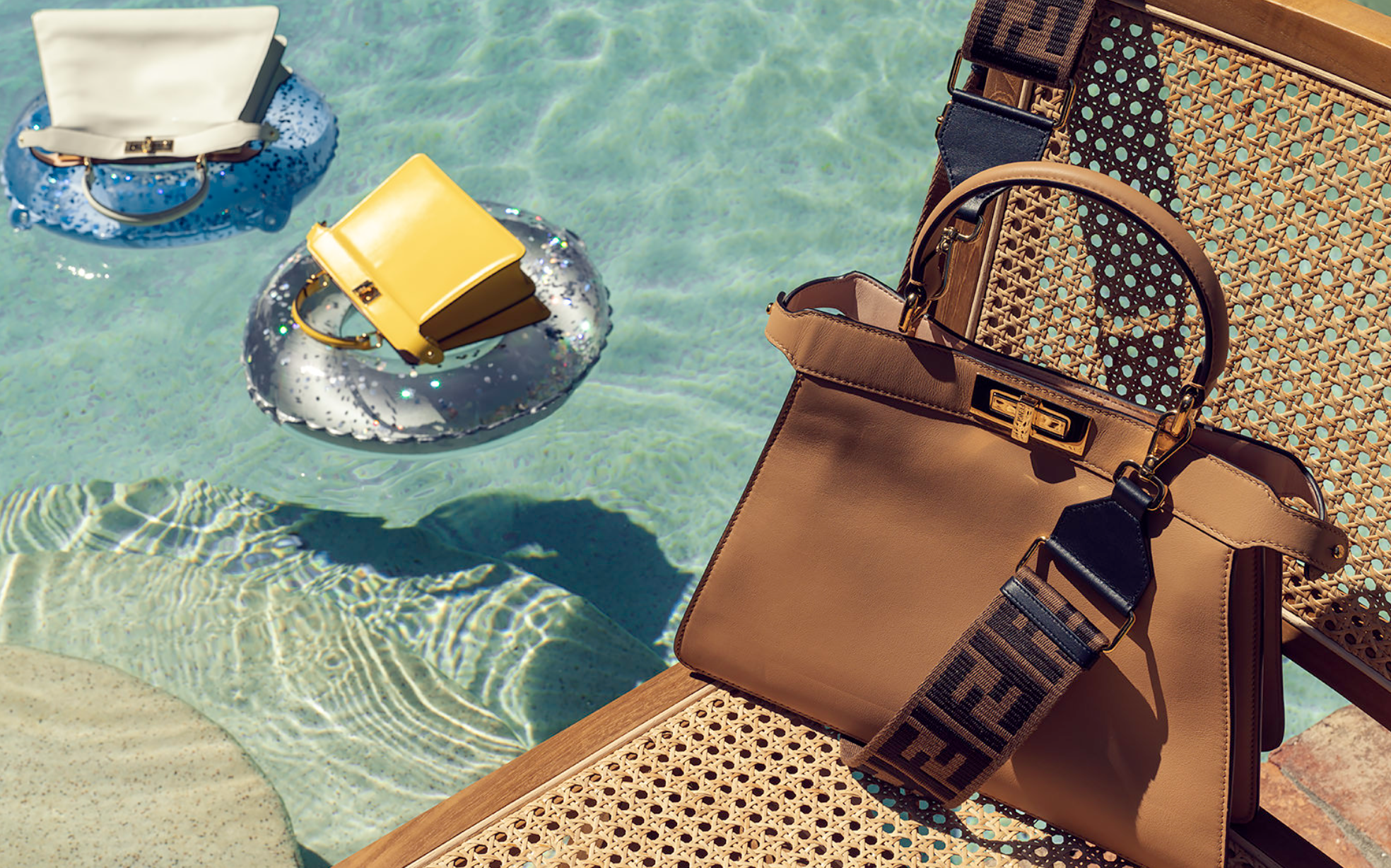
The thing I like most about shopping for a Peekaboo in Japan isn't necessarily finding the newest version. It's finding the older ones. The bag has been around long enough that the Japanese second-hand market now contains a real history of the Peekaboo.
You can find large early models that feel like proper business bags, tiny Minis, Selleria versions with beautiful stitching, discontinued Essentially bags, X-Lite models, newer ISeeU bags and unusual seasonal combinations.
Unlike shopping from a single reseller, ZenLuxe brings together inventory from multiple trusted Japanese luxury retailers. That wider selection makes it easier to compare prices, conditions, colors, sizes and different generations before making your decision.
For a bag with this many versions, that comparison matters.
Final Thoughts
(Image credit: purse blog)
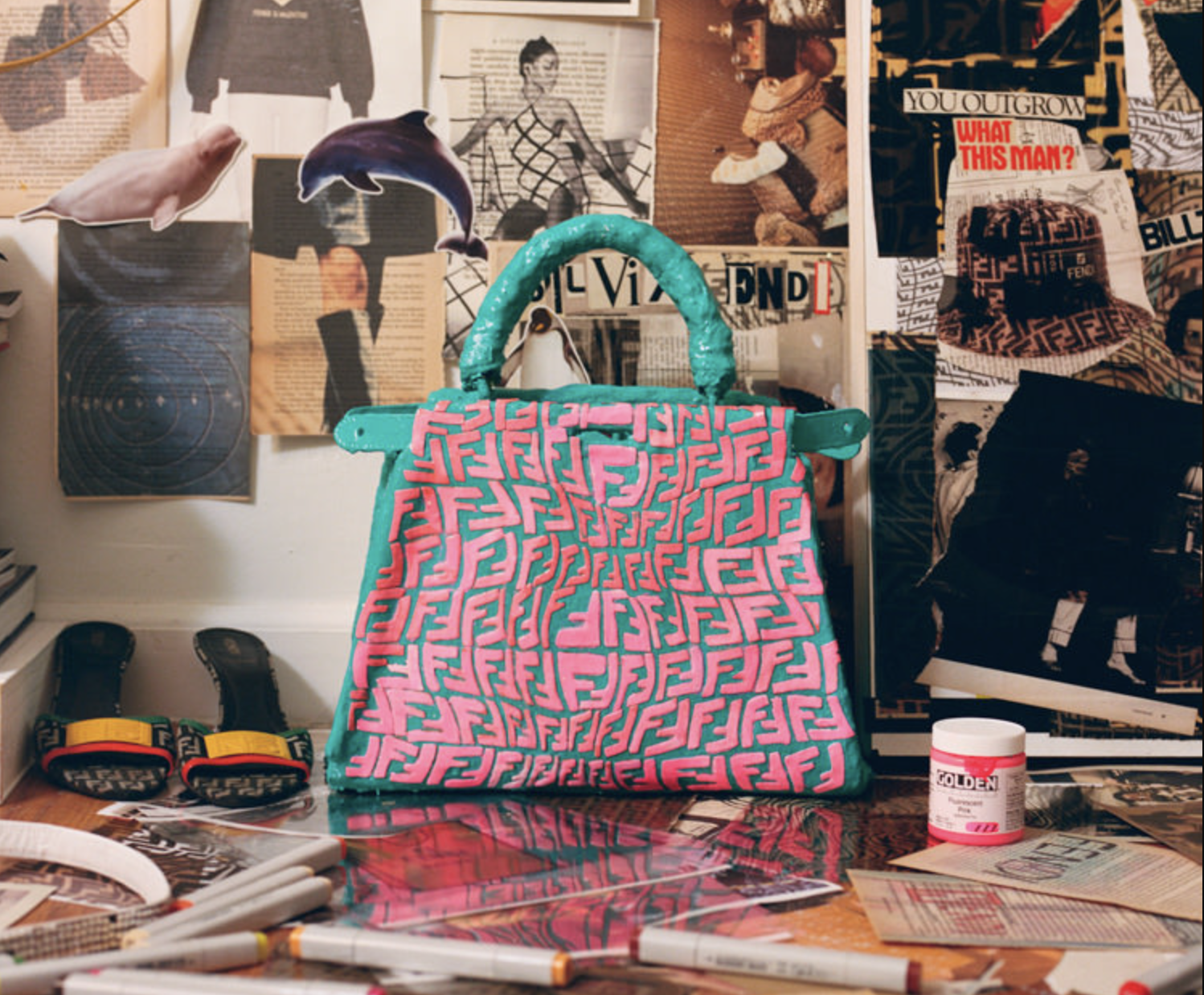
I think the biggest mistake you can make when buying a Fendi Peekaboo second-hand is treating every Peekaboo as the same bag in a different size.
It's not.
The design has changed over the years, and the Japanese resale market makes those changes very visible because older and newer generations often appear together.
Before looking at price, figure out which generation you're looking at. Check the model name, model number and actual measurements. Then look at the areas that matter specifically on a Peekaboo, especially the center structure, top handle, twist locks, corners, edge paint and interior.
Personally, I'd rather buy an older Peekaboo with a few honest surface scratches but a beautiful shape than a newer one that's cheaper because the structure has collapsed.
That's where knowing the bag makes a difference.
Once you understand names like Selleria, Essentially, X-Lite and ISeeU, Japanese listings stop looking like dozens of slightly different versions of the same bag. You start seeing what each one actually is, which generation suits you, and whether the condition justifies the price.
And for the Peekaboo, I think that's much more useful than simply searching for the cheapest one.