(Image credit: whowhatwear)
Luxury has never felt more crowded than it does today.
Everything is “premium,” everything is “heritage,” everything is “exclusive” on paper. But once you strip that away, not every brand actually feels the same in real life. Some still carry weight the moment you see them. Others rely more on visibility, marketing, or constant product drops to stay relevant.
What makes this more interesting is that luxury isn’t just about price anymore. Two brands can sit at similar price points and still feel completely different when you wear them, see them in-store, or even think about owning them. One feels controlled and intentional. The other feels fast, loud, and driven by trends that shift every season.
There’s also a clear change in how people look at luxury now. It’s no longer just about ownership or status. It’s about how long something holds value, how often it stays relevant without trying too hard, and whether it still feels special after the first purchase moment fades.
Some houses have built their identity over decades and still protect it carefully. Others move faster, trying to stay in the conversation at all times. Neither approach is wrong, but they don’t create the same feeling.
That difference is what this ranking is based on. Not just hype or price tags, but how these brands actually feel today—through consistency, presence, and how they sit in the wider luxury landscape.
This is just one way of looking at it, but it reflects how luxury feels right now more than how it looks on paper. This is just how I see it right now—based on how these brands actually feel in real life.
The top layer — where luxury still feels untouchable
S Tier – Supreme Luxury
Hermès
Origin: France
Founder: Thierry Hermès
Founded: 1837
Hermès still sits in a space very few brands can reach.
It doesn’t behave like a fashion house in the modern sense. Everything moves slowly and deliberately. Nothing feels rushed, and nothing feels overproduced. That control is exactly what keeps it at the top.
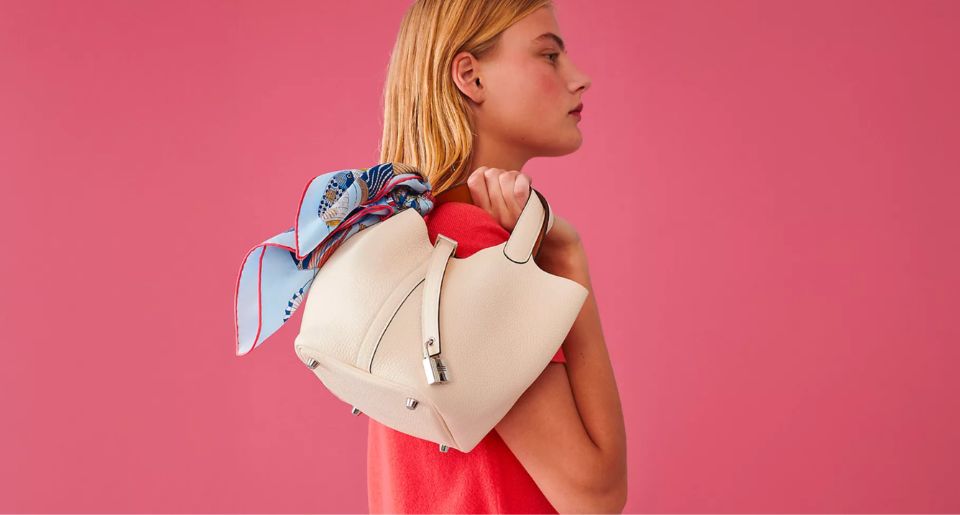
The Birkin and Kelly aren’t just handbags. They feel like access. You don’t just walk in and buy one, and that barrier adds to the entire perception of value. It’s not just luxury, it feels like a system you either get into or you don’t.
Chanel
Origin: France
Founder: Gabrielle “Coco” Chanel
Founded: 1910
Chanel carries a different kind of weight.
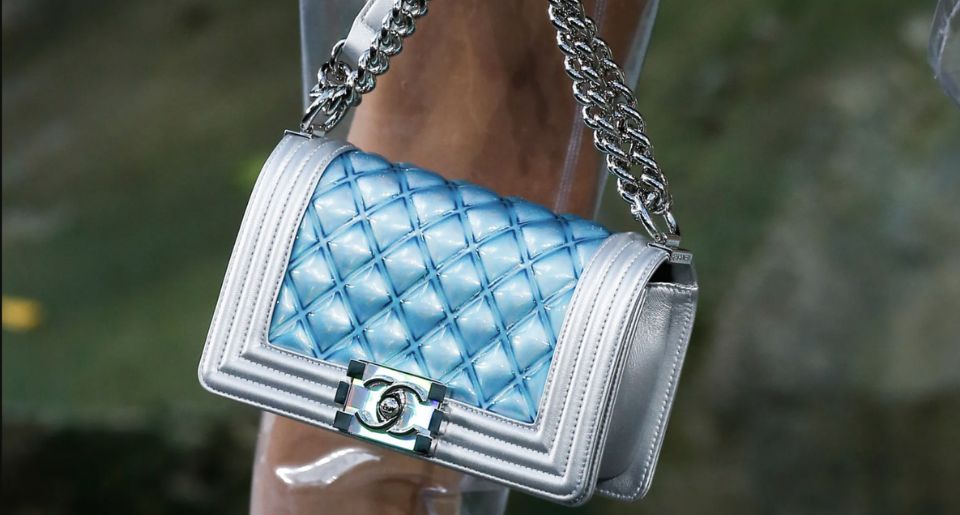
It’s more visible than Hermès, more worn, more photographed, but still deeply rooted in luxury culture. The Classic Flap has become more than a bag—it’s part of fashion language at this point.
Prices keep rising and people complain about quality sometimes, but demand doesn’t really move. It still holds emotional value in a way most brands struggle to maintain.
Rolex
Origin: Switzerland
Founder: Hans Wilsdorf
Founded: 1905
Rolex doesn’t try to reinvent itself.
It stays consistent, and that consistency is the entire point. You see it and you immediately understand it. There’s no confusion, no interpretation needed.
It’s not emotional luxury, it’s stable luxury. It works in almost every setting without losing relevance.
Patek Philippe

Origin: Switzerland
Founder: Antoni Patek & Adrien Philippe
Founded: 1839
Patek Philippe sits in a quieter space.
It’s not about visibility. It’s about understanding. Most people don’t buy it for attention—they buy it because they already know what it represents.
It feels more like a long-term object than a trend-driven product.
Goyard
Origin: France
Founder: François Goyard
Founded: 1853
Goyard doesn’t try to be everywhere.
There’s no aggressive marketing or constant campaigns. It stays controlled and slightly out of reach, and that restraint is exactly what keeps it desirable.
It feels private in a way most modern luxury brands don’t even attempt anymore.
The brands everyone sees, but experience differently
A Tier – Ultra Luxury
Louis Vuitton
Origin: France
Founder: Louis Vuitton
Founded: 1854
Louis Vuitton is everywhere, and somehow still desired.
The monogram is one of the most recognizable visuals in fashion. That level of reach is powerful, but it also comes with a downside—it doesn’t always feel rare anymore.
Still, when LV focuses on craftsmanship instead of volume, it reminds you why it leads the entire industry.
Dior
Origin: France
Founder: Christian Dior
Founded: 1946
Dior feels structured and controlled.
Everything is polished. Campaigns, products, stores—it all feels intentional. That consistency is strong, but it doesn’t always bring surprise.
It’s reliable luxury. Always present, always refined, just not always unexpected.
Prada
Origin: Italy
Founder: Mario Prada
Founded: 1913
Prada doesn’t try to appeal to everyone.
It feels minimal and slightly intellectual. Some pieces feel extremely simple, but that simplicity is exactly what defines it.
It’s not loud luxury. It’s more about restraint and design thinking.
Gucci
Origin: Italy
Founder: Guccio Gucci
Founded: 1921
Gucci had one of the strongest modern fashion peaks in recent years.
Right now it feels like it’s in a rebuilding phase. It still has massive recognition, but the creative direction feels like it’s shifting and searching for its next identity.
Saint Laurent
Origin: France
Founder: Yves Saint Laurent
Founded: 1961
Saint Laurent is extremely consistent.
It always looks sharp, always wearable, always clean. That’s its strength. But over time, that same consistency can start to feel repetitive.
It works, but you’ve seen the formula.
Fendi

Origin: Italy
Founder: Adele & Edoardo Fendi
Founded: 1925
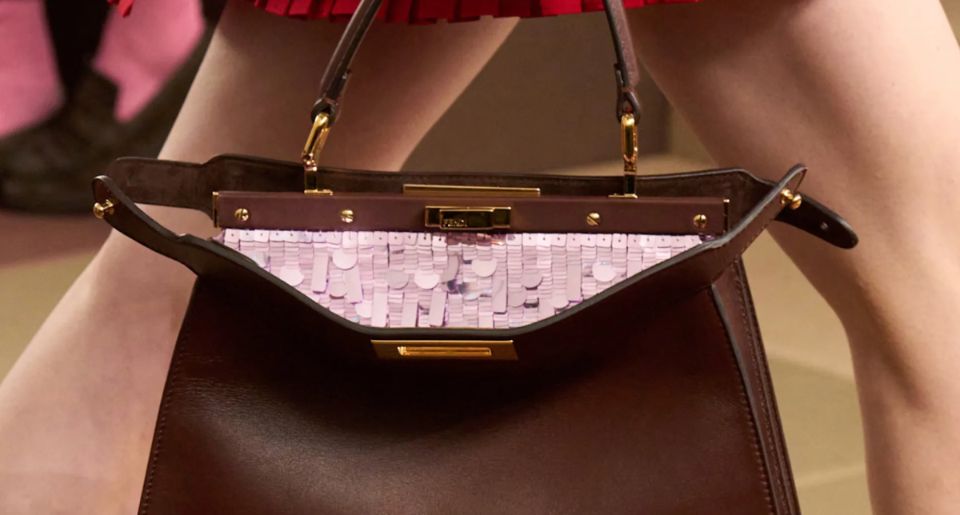
Fendi still has strong cultural pieces like the Baguette and Peekaboo.
Those icons carry weight, but not every collection lands in the same way. Some seasons feel strong, others feel forgettable.
Where luxury becomes more identity-driven
B Tier – High Luxury
Cartier
Origin: France
Founder: Louis-François Cartier
Founded: 1847
Cartier feels extremely stable in jewelry.
The Love bracelet and Juste un Clou have moved beyond trends. They’re now part of everyday luxury culture.
It doesn’t chase attention. It just stays relevant.
Bottega Veneta
Origin: Italy
Founder: Michele Taddei & Renzo Zengiaro
Founded: 1966
Bottega Veneta built its identity on silence.
No logos, no loud branding. Just craft, material, and design. It feels confident without trying to prove anything.
Loewe
Origin: Spain
Founder: Enrique Loewe Roessberg
Founded: 1846
Loewe feels like one of the most interesting brands right now.
It’s creative, modern, and very design-focused. It still feels like it’s building its long-term luxury position, but the direction is strong.
Celine

Origin: France
Founder: Céline Vipiana
Founded: 1945
Celine is minimal and controlled.
It doesn’t try to create emotional attachment. It feels more like taste than fashion.
You respect it more than you feel connected to it.
Miu Miu
Origin: Italy
Founder: Miuccia Prada
Founded: 1993
Miu Miu moves fast.
It understands current culture better than most brands. That speed is powerful, but also risky because trends shift quickly.
Burberry
Origin: United Kingdom
Founder: Thomas Burberry
Founded: 1856
Burberry still leans heavily on its heritage.
Outerwear is still its strongest point, but the modern identity feels like it’s still being refined.
Ferragamo
Origin: Italy
Founder: Salvatore Ferragamo
Founded: 1927
Ferragamo stays traditional.
It’s strong in craftsmanship, especially footwear, but it doesn’t show up as often in modern luxury conversations.
Chrome Hearts

Origin: United States
Founder: Richard Stark
Founded: 1988
Chrome Hearts sits outside normal luxury structure.
It feels more like culture than fashion. Heavy, bold, and extremely identity-driven. Not for everyone, and that’s exactly the point.
Where luxury starts to feel more reachable
C Tier – Accessible Luxury
Balenciaga

Origin: Spain
Founder: Cristóbal Balenciaga
Founded: 1919
Balenciaga thrives on attention.
Sometimes it feels smart and intentional, sometimes it feels like shock value. It stays relevant, but not always refined.
Versace
Origin: Italy
Founder: Gianni Versace
Founded: 1978
Versace is visually strong and instantly recognizable.
It leans more into glamour than restraint, which makes it bold but less subtle.
Dolce & Gabbana
Origin: Italy
Founder: Domenico Dolce & Stefano Gabbana
Founded: 1985
Strong identity and craftsmanship, but it feels less aligned with modern luxury direction.
Valentino
Origin: Italy
Founder: Valentino Garavani
Founded: 1960
Valentino is strongest in couture and occasion wear. It feels elegant, but less present in everyday luxury culture.
Givenchy

Origin: France
Founder: Hubert de Givenchy
Founded: 1952
Givenchy has heritage, but its modern identity still feels inconsistent.
Chloé
Origin: France
Founder: Gaby Aghion
Founded: 1952
Chloé sits in a softer space within luxury.
It leans into ease and femininity, with pieces that feel light, wearable, and uncomplicated. It doesn’t try to dominate attention or push loud statements, and that restraint is part of its identity.
It stays consistent, but it doesn’t always feel directional.
Tiffany & Co.
Origin: United States
Founder: Charles Lewis Tiffany
Founded: 1837
Tiffany is iconic in jewelry.
The blue box carries strong recognition, but it sits closer to accessible luxury than ultra-exclusive positioning today.
MCM

Origin: Germany
Founder: Michael Cromer
Founded: 1976
MCM is bold and highly recognizable. It works well in travel and street-luxury spaces, but it doesn’t aim for top-tier exclusivity.
The starting point of luxury aspiration
D Tier – Entry-Level Luxury
Coach
Origin: United States
Founder: Miles & Lillian Cahn
Founded: 1941
Coach is one of the strongest entry points into luxury.
It’s accessible, widely available, and consistent. It works more as an introduction than a status symbol.
Marc Jacobs
Origin: United States
Founder: Marc Jacobs
Founded: 1984
Marc Jacobs is creative and playful. It focuses more on design expression than long-term luxury positioning.
Tory Burch

Origin: United States
Founder: Tory Burch
Founded: 2004
Tory Burch sits in lifestyle luxury. Clean, wearable, and very retail-driven.
Longchamp

Origin: France
Founder: Jean Cassegrain
Founded: 1948
Longchamp is practical and globally recognized.
The Le Pliage works because it’s simple, functional, and easy to use—not because it’s exclusive.
What luxury feels like right now
Luxury today isn’t just about price or branding anymore.
It’s about control, consistency, and how long a brand can hold its meaning without losing it.
But there’s something else happening underneath that. Luxury now feels more divided than it used to. On one side, you have brands built on visibility—everywhere, instantly recognizable, always part of the conversation. On the other side, you have brands that stay quiet, harder to access, and less dependent on constant attention. Both exist in the same space, but they don’t create the same feeling anymore.
What’s interesting is how perception has become part of value. People don’t just look at what something is—they look at how it behaves over time. Does it stay desirable after the first wave of hype? Does it still feel special when it’s no longer new? That’s where a lot of brands separate from each other now.
There’s also a shift in patience. Luxury used to feel like something you grow into over time. Now it often moves fast, shaped by trends, drops, and constant visibility. Some brands adapt to that speed and win attention. Others slow everything down and rely on restraint. Neither approach is perfect, but they shape completely different outcomes.
And even as everything becomes more global, more digital, and more visible, the idea of rarity hasn’t disappeared. It’s just changed shape. Sometimes it’s physical scarcity. Sometimes it’s emotional distance. Sometimes it’s simply the feeling that not everyone can access it, even if they can afford it.
That’s really what luxury feels like right now—it’s less about what you buy, and more about how it sits in culture once you have it.
And that’s what makes this space so unstable, but also so interesting in 2026.