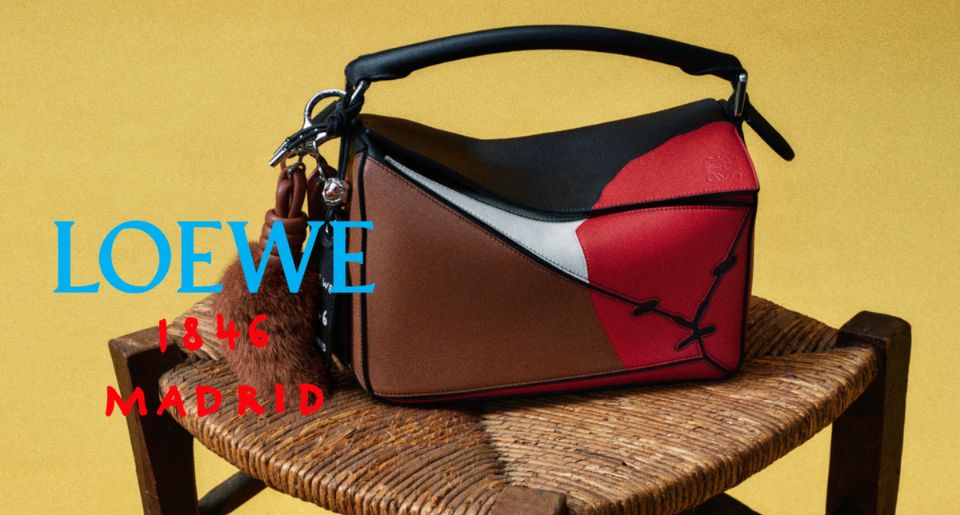
(Image credit: flaunt)
Not every luxury bag changes the way a brand is perceived. The Loewe Puzzle is one of the few that did.
When it launched in 2014 under Jonathan Anderson, the Puzzle quickly became one of Loewe's most recognizable designs. It wasn't covered in logos, it wasn't built around a famous monogram, and it didn't rely on celebrity hype to succeed. Instead, it stood out because of its construction.
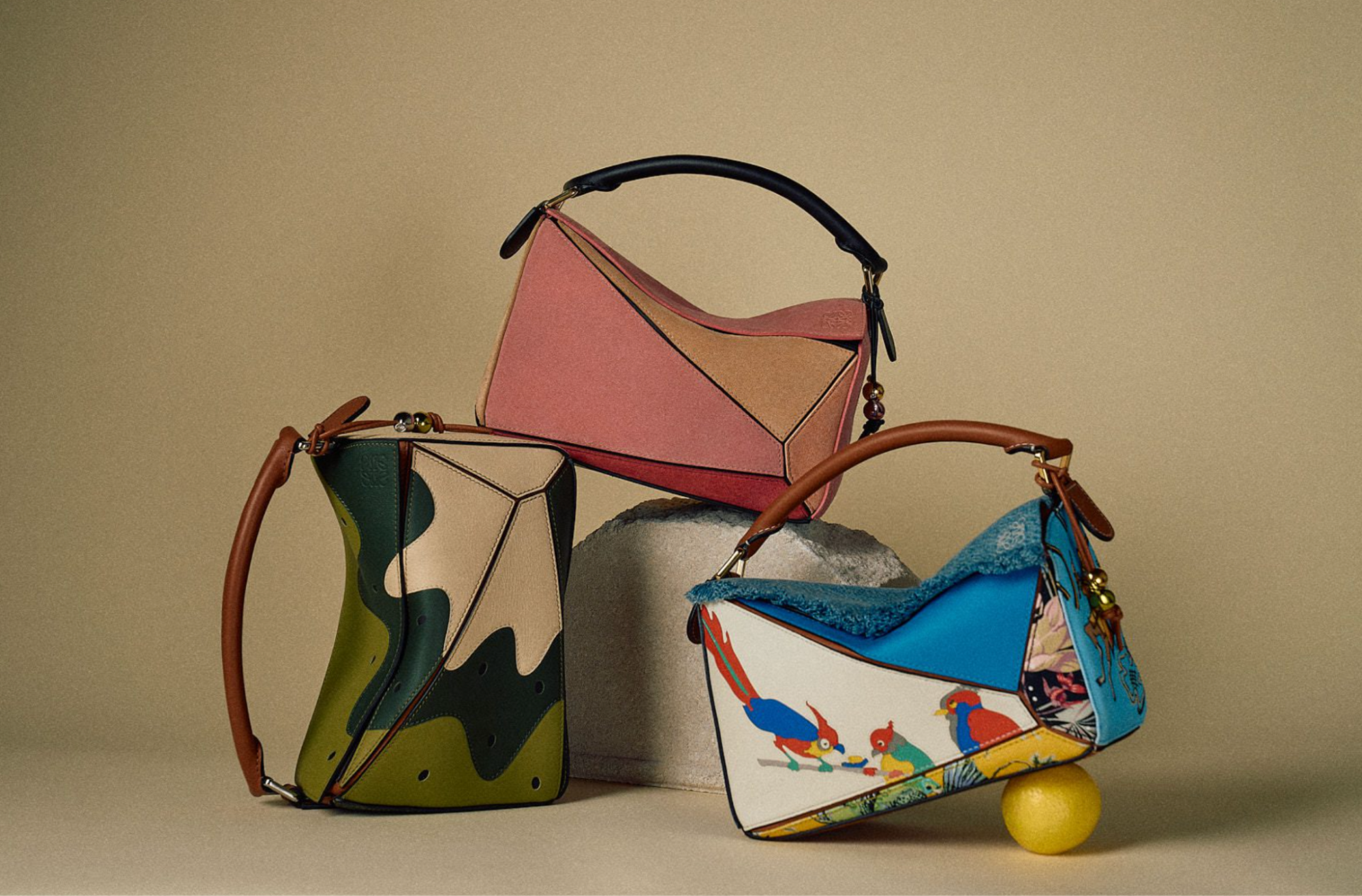
At first glance, the Puzzle almost looks like several pieces of leather folded together. That's exactly the point. Its geometric panel design gives the bag a distinctive appearance while allowing it to fold flat, something that was unusual for a luxury handbag at the time.
Today, the Puzzle is one of the most sought-after bags on the Japanese second-hand market. However, not all Puzzle Bags are equal. Materials, generations, sizes, and condition can create significant differences in value and usability.
If you're considering buying one, here's what you should know before making a decision.
A Quick History of the Puzzle Bag
(Image credit: purseblog)
The Puzzle was the first handbag designed by Jonathan Anderson after becoming Creative Director of Loewe.
At the time, Loewe was already respected for its leather craftsmanship, but it wasn't generating the same level of excitement as some competing luxury brands. The Puzzle helped change that.
The bag introduced a modern, architectural look that felt completely different from traditional luxury handbags. Rather than relying on logos, it focused on shape and construction.
The design quickly became a success and remains one of Loewe's best-known products more than a decade later.
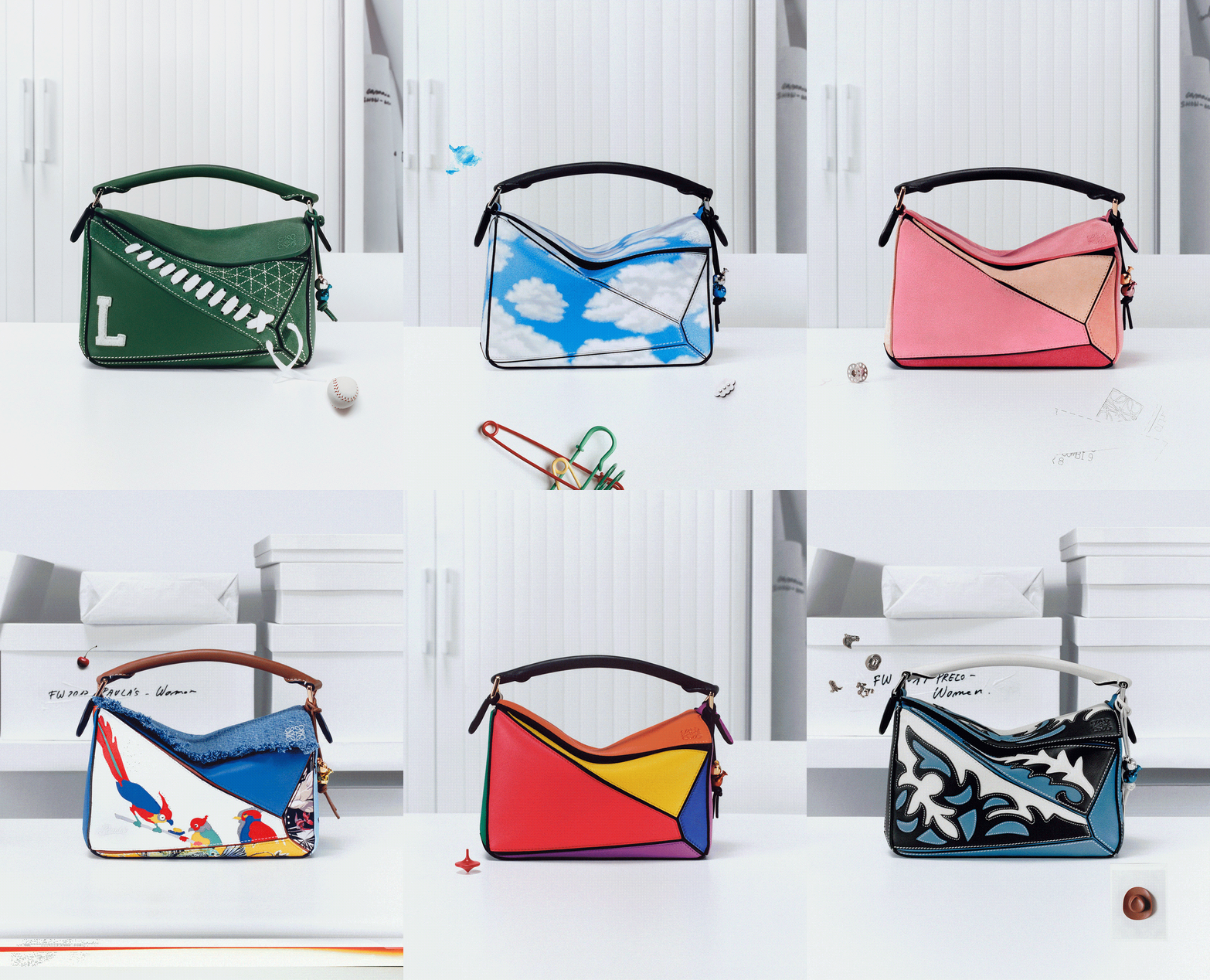
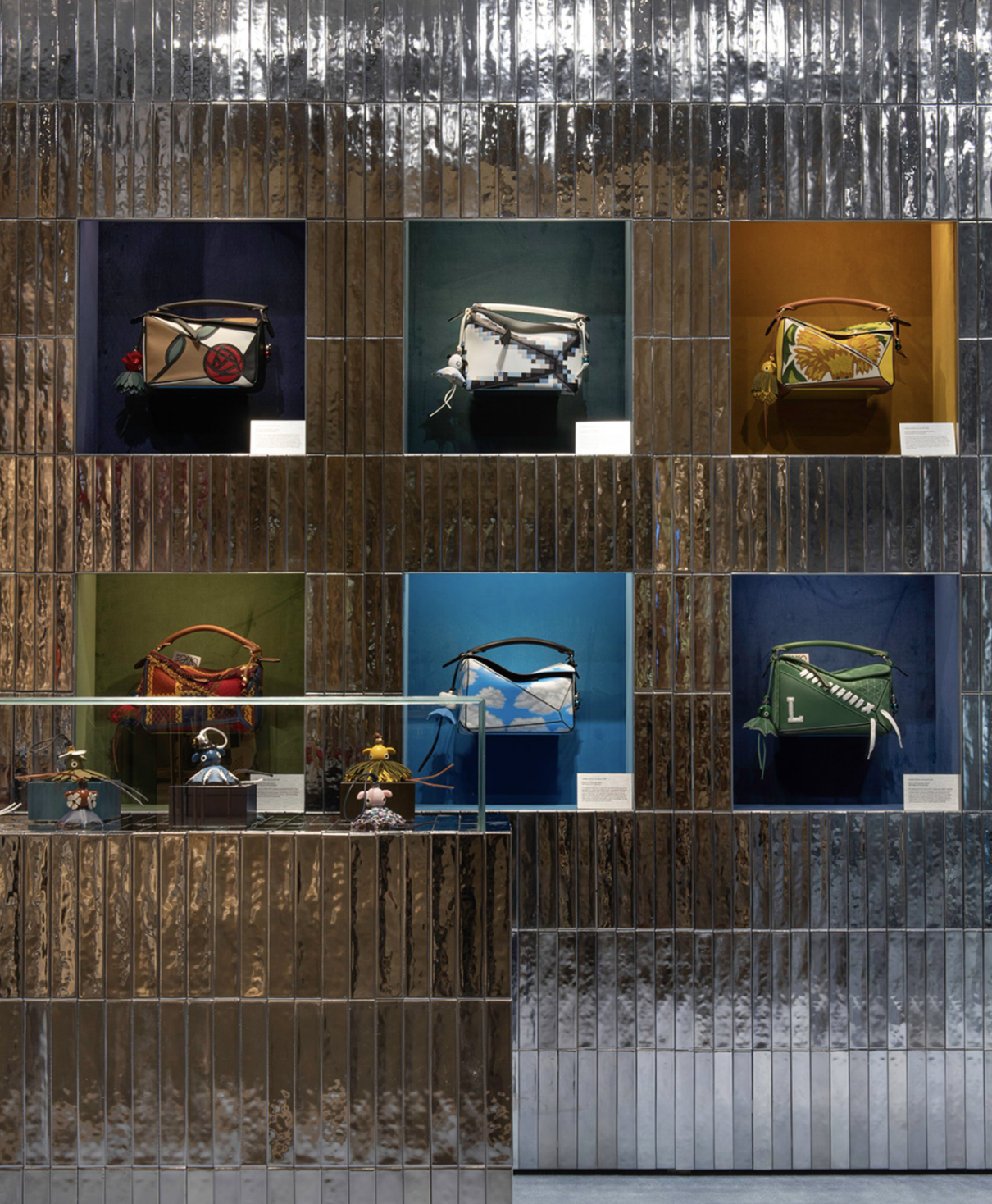
Over the years, Loewe has released the Puzzle in countless colors, materials, and limited editions. More recently, the brand introduced the Puzzle Edge, which slightly altered the construction by exposing the panel edges rather than folding them inward.
As a result, second-hand buyers now have multiple generations and variations to choose from.
What to Buy
(Image credit: purseblog)
For most buyers, classic leather Puzzle Bags are the safest option.
The smooth calfskin versions tend to represent the original vision of the bag and remain consistently desirable in the resale market. Neutral colors such as black, tan, navy, and grey usually attract the broadest range of buyers.
If resale value matters to you, these colors tend to be easier to sell later than seasonal shades.
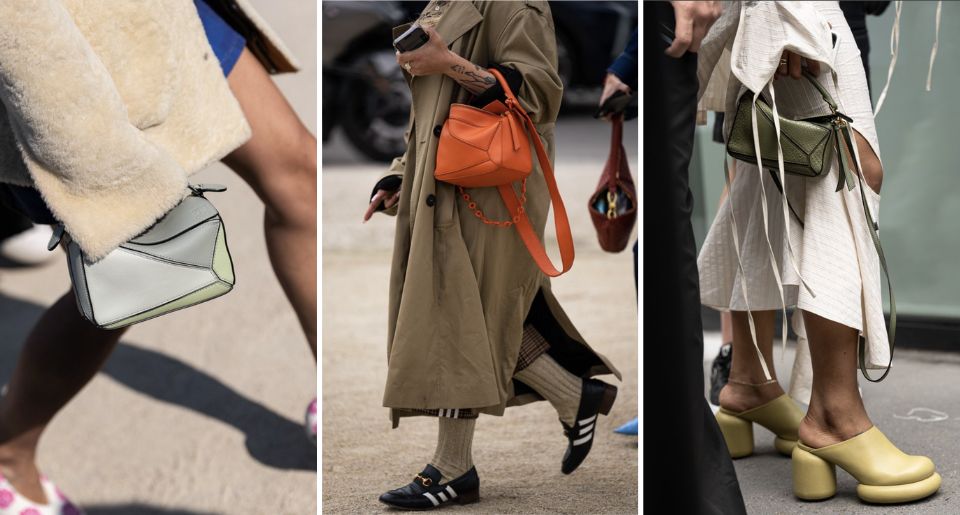
Small and Medium Puzzle Bags are often the most practical choices. They balance storage space with everyday usability and generally see the strongest demand on second-hand platforms.
Older first-generation Puzzle Bags can also be attractive purchases. Many buyers specifically seek them out because they prefer the original construction before the introduction of the Puzzle Edge.
If you find an early example in excellent condition, it can represent strong value.
What Not to Buy
(Image credit: luxbags)
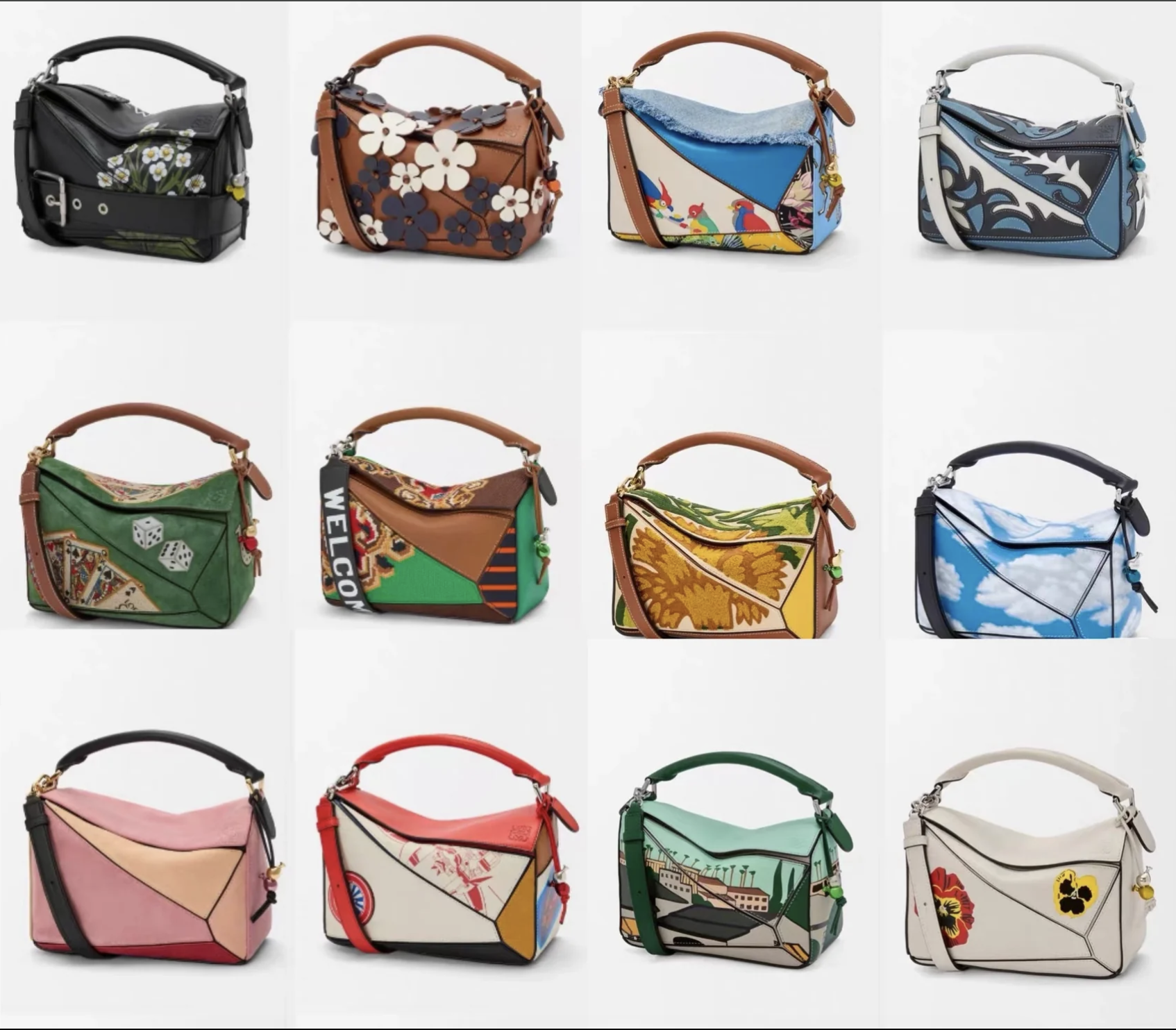
One of the biggest mistakes buyers make is choosing a Puzzle Bag based entirely on color.
Some seasonal colors look fantastic when they launch but can become difficult to resell later. Unless you genuinely love the color, it's usually safer to stick with shades that have broader appeal.
It's also worth being cautious with heavily used light-colored Puzzle Bags.
Cream, white, and pastel shades can show wear more easily than darker colors. Dirt, color transfer, and corner wear are often much more visible.
Another area to be careful with is heavily repaired bags.
Because the Puzzle relies on precise panel alignment, poor repairs can become noticeable. Uneven stitching, mismatched edge paint, or replacement panels can affect both appearance and value.
Puzzle vs Puzzle Edge
(Image credit: preview)
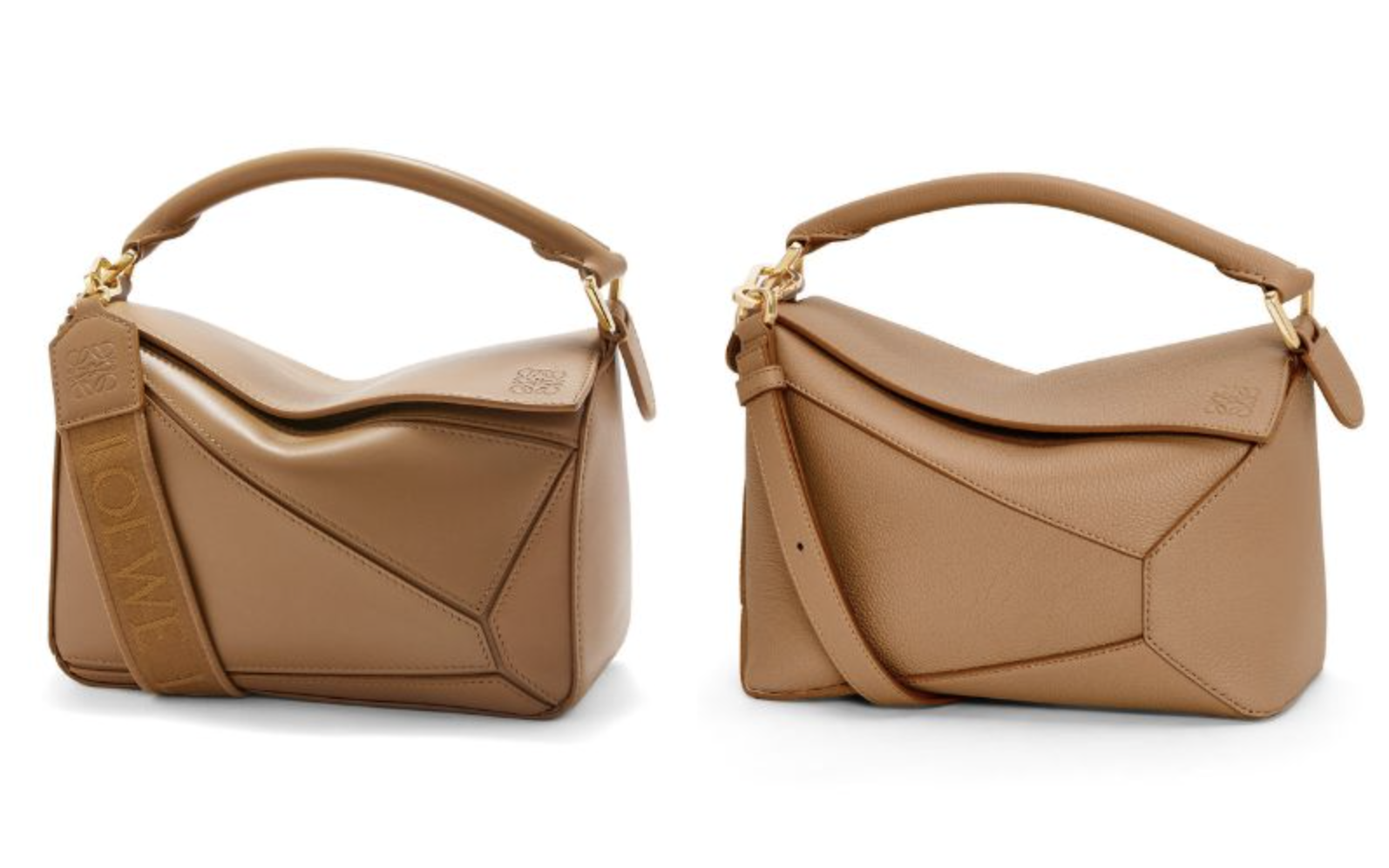
One of the biggest questions buyers face today is whether to choose the original Puzzle or the newer Puzzle Edge.
The original Puzzle uses folded leather edges that create a softer appearance. This is the version most people think of when discussing the classic Puzzle design.
The Puzzle Edge introduced exposed panel construction, creating a sharper and more angular look.
Neither version is necessarily better.
Some buyers prefer the cleaner appearance of the original design, while others like the more modern look of the Edge.
Because the original version is no longer produced in exactly the same way, we've seen growing interest in older examples on the second-hand market.
Which Size Should You Buy?
(Image credit: fashionphile)
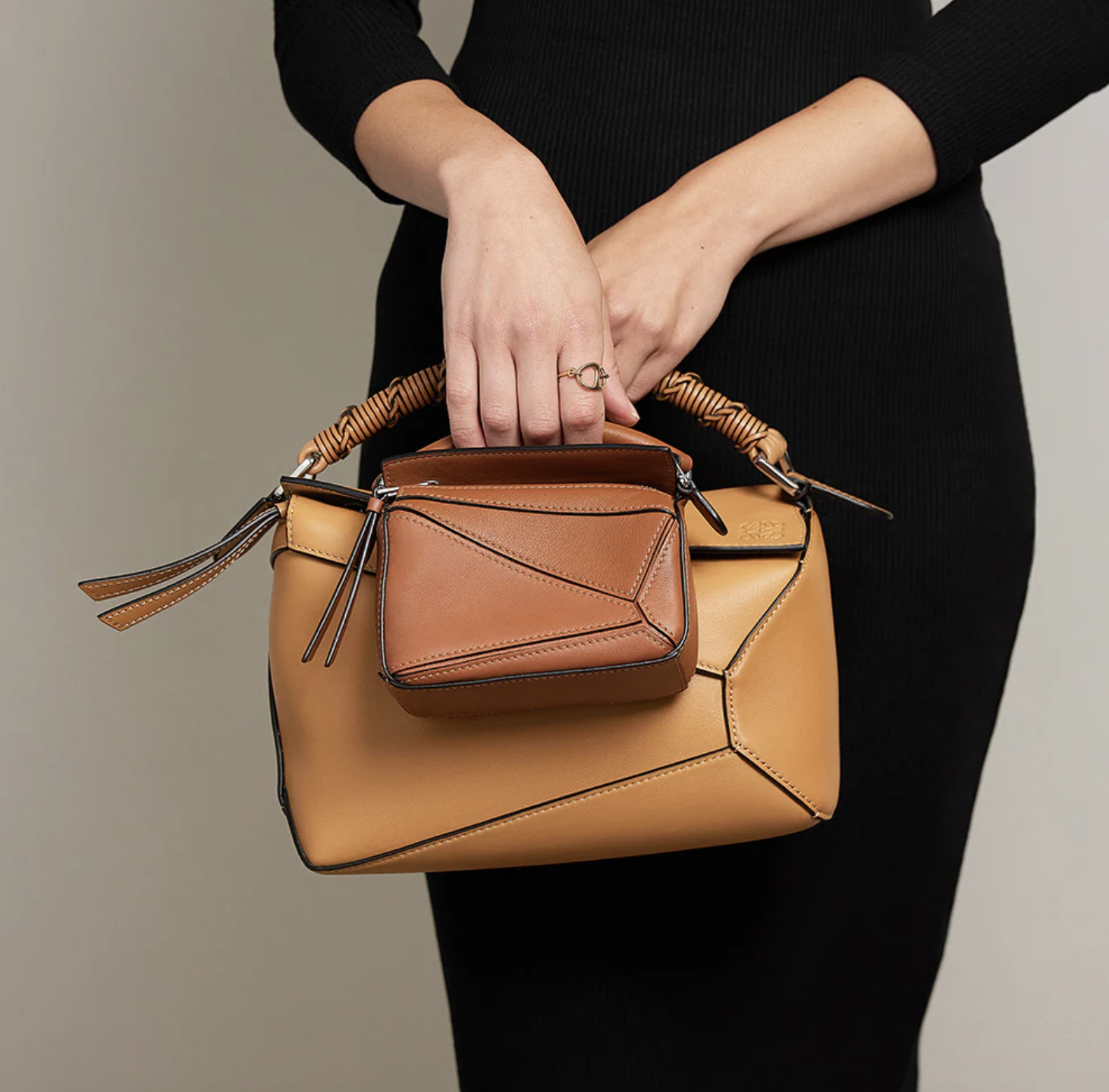
The Mini Puzzle has become increasingly popular thanks to the trend toward smaller bags. It's lightweight and stylish but doesn't hold much beyond daily essentials.
The Small Puzzle is often considered the sweet spot. It offers enough room for everyday use without becoming bulky.
For many buyers, it's the easiest size to recommend.
The Medium Puzzle provides additional storage and works well for work or travel. However, demand isn't quite as strong as the Small size in today's market.
Larger versions exist but appeal to a narrower audience and can be harder to resell.
What Affects Price?
(Image credit: harrods)
Condition is one of the biggest factors.
Because of the Puzzle's panel construction, even small scratches can stand out, particularly on smooth leather versions.
Color can also influence pricing. Neutral colors generally maintain stronger demand than seasonal releases.
Limited editions can sometimes command higher prices, but not all special editions become collectible. Some remain niche even years after release.
Age is another factor. Early production Puzzle Bags in excellent condition often attract buyers looking for the original design.
Finally, size matters. Small and Mini models frequently attract the highest level of interest, while larger versions can take longer to sell.
Common Damage to Look For
(Image credit: legitry)
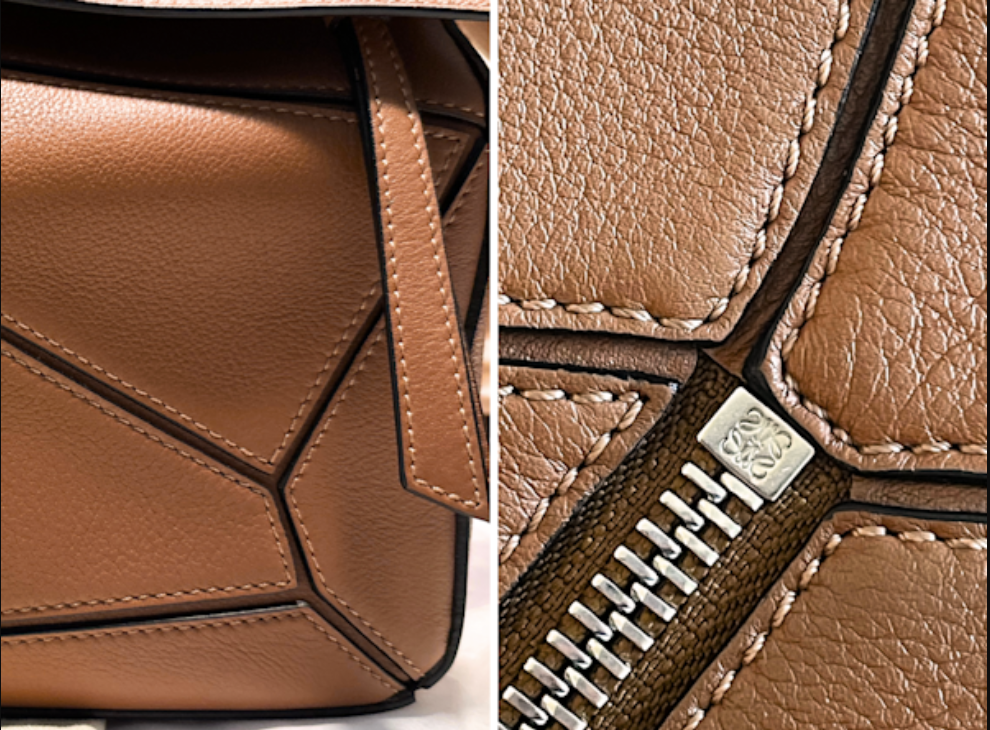
The Puzzle's unique construction creates a few wear patterns that appear regularly in second-hand listings.
Corner wear is one of the most common issues. The bag's shape means certain corners absorb repeated friction during everyday use.
Pay close attention to close-up photos of these areas.
The folded leather panels should also be inspected carefully. Look for peeling edge paint, lifting edges, or signs of previous repairs.
Handle wear is another area worth checking, particularly on older bags.
The shoulder strap should be examined for stretching, cracking, and wear around adjustment holes.
Inside the bag, check for stains, odors, makeup marks, and pen marks. Interior condition often reveals how heavily the bag was used.
Hardware is usually durable, but scratches on zippers and metal components can affect overall presentation.
Searching for the Puzzle in Japan
(Image credit: harrods)
One advantage of buying from Japan is selection. Japanese resale platforms often carry a large range of Puzzle Bags across different generations, colors, and sizes.
Using Japanese search terms can help uncover listings that don't appear in English searches.
Common keywords include:
- ロエベ パズルバッグ - Loewe Puzzle Bag
- ロエベ パズル - Loewe Puzzle
- パズル ミニ - Puzzle Mini
- パズル エッジ - Puzzle Edge
You'll also see condition descriptions such as:
- 美品 – Excellent condition
- 使用感あり – Signs of use
- 傷 – Scratches
- 汚れ – Stains
- 角スレ – Corner wear
Combining Japanese and English keywords often produces the best results.
Is the Puzzle Still Worth Buying?
(Image credit: purseblog)
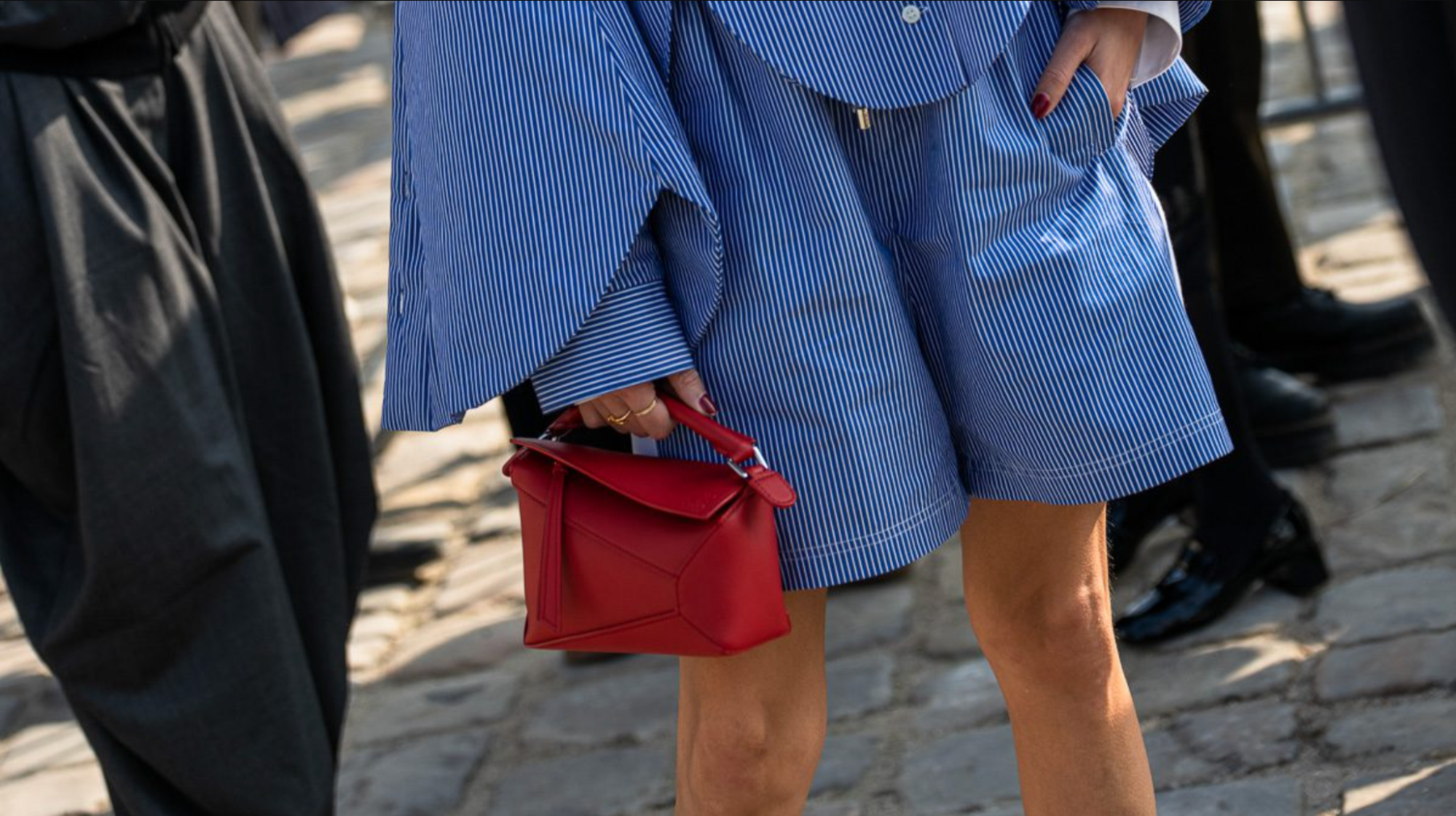
Many luxury bags become popular because of trends. The Puzzle succeeded because of design.
More than ten years after its launch, it still feels modern, practical, and distinctive. That's not something many bags can claim.
If you're shopping the Japanese second-hand market, a Small Puzzle in a neutral color remains one of the safest choices. It offers the best balance of usability, demand, and long-term appeal.
The key is to focus on condition and construction. A well-maintained Puzzle with clean corners, healthy leather, and strong structure will usually be a better purchase than a rarer version with significant wear.
That's especially true for a bag whose entire identity is built around craftsmanship.