(Image credit: lofficiel baltic)
Contents
- When Luxury Met the World's Biggest Sporting Event
- The Trophy Trunk That Started It All
- The 2018 FIFA World Cup Collection
- The Monogram Gets a Football Makeover
- Why the Keepall Became the Standout Piece
- The Campaign and Global Exposure
- Before Luxury and Sports Became the Industry Standard
- How the Collection Performs in the Resale Market Today
- Why the 2026 World Cup Is Bringing Attention Back
- Why Some Collaborations Last and Others Fade
- Final Thoughts
When Luxury Met the World's Biggest Sporting Event
(Image credit: business of fashion)
Football has always had a relationship with luxury, even if it wasn't always official.
Players carried designer luggage, wore luxury watches, and sat front row at fashion shows long before brands openly embraced sports culture. By 2018, however, that relationship was becoming much more visible.
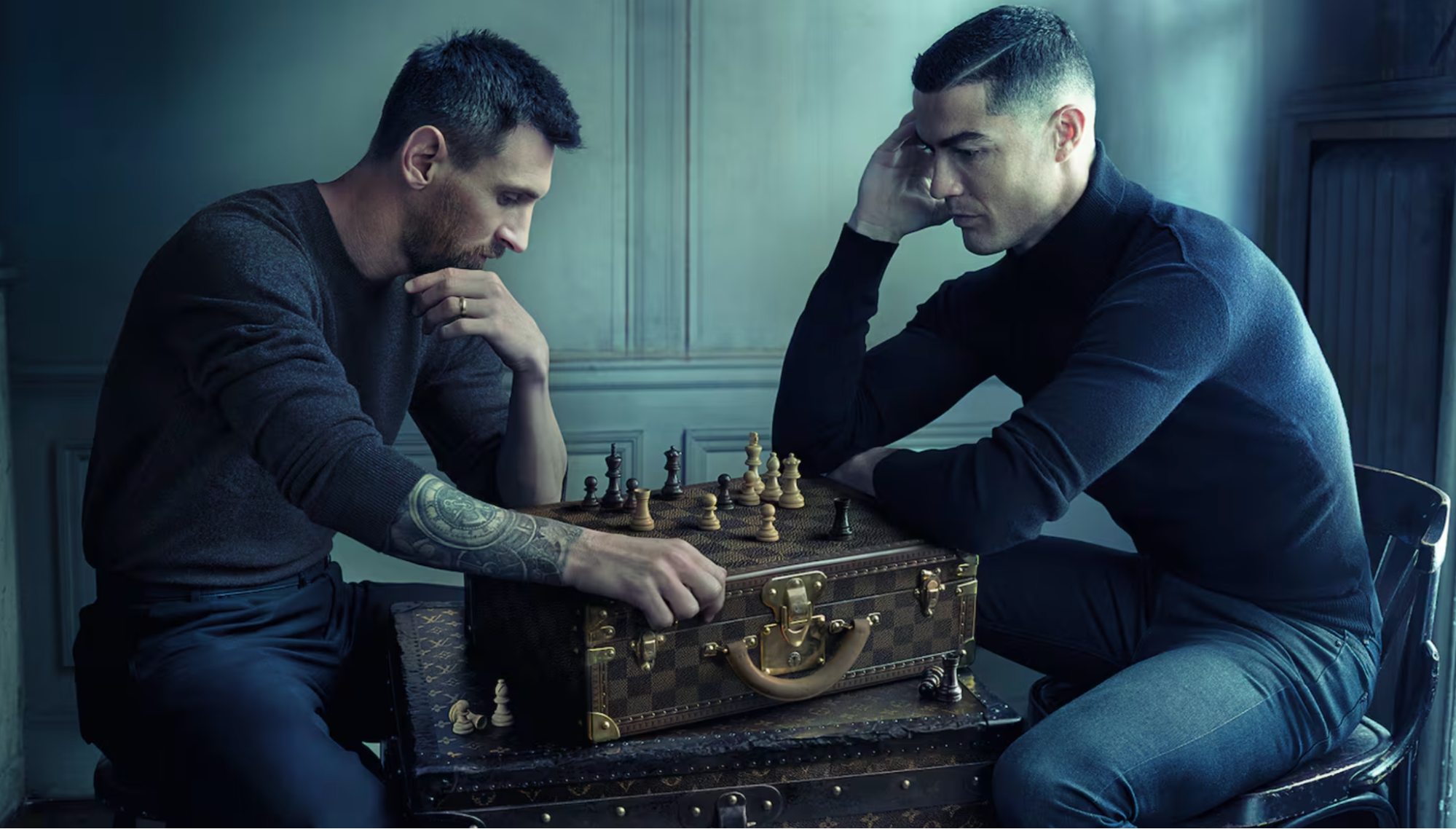
Louis Vuitton's partnership with FIFA wasn't its first connection to the World Cup. The house had already been creating custom trophy trunks for FIFA since 2010. By the time Russia hosted the 2018 tournament, the relationship had evolved into something larger.
Instead of simply producing a presentation trunk for the trophy, Louis Vuitton launched a dedicated capsule collection inspired by the event itself.
At the time, it felt unexpected. Today, it feels like something that arrived years before the rest of the luxury industry caught up.
The Trophy Trunk That Started It All
(Image credit: versus uk)
Before discussing the collection itself, it's impossible to ignore the object that became the face of the partnership.
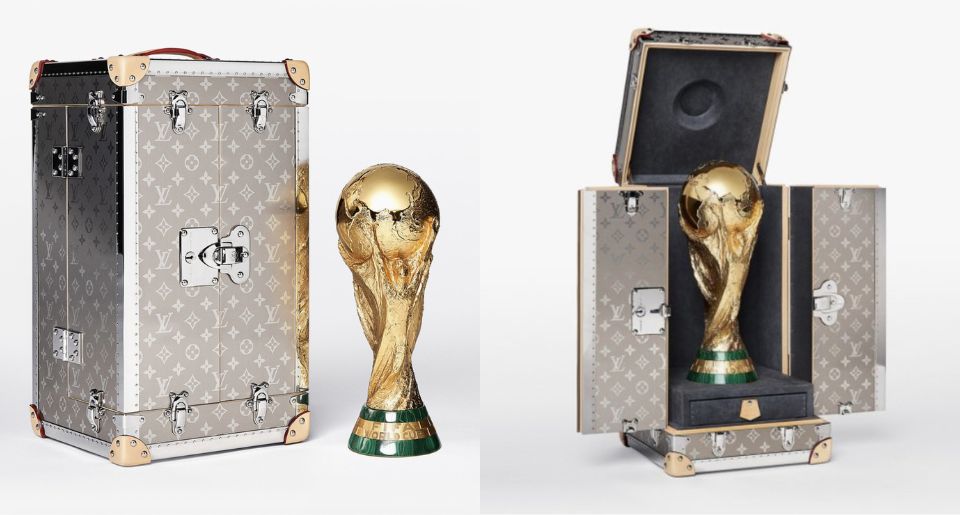
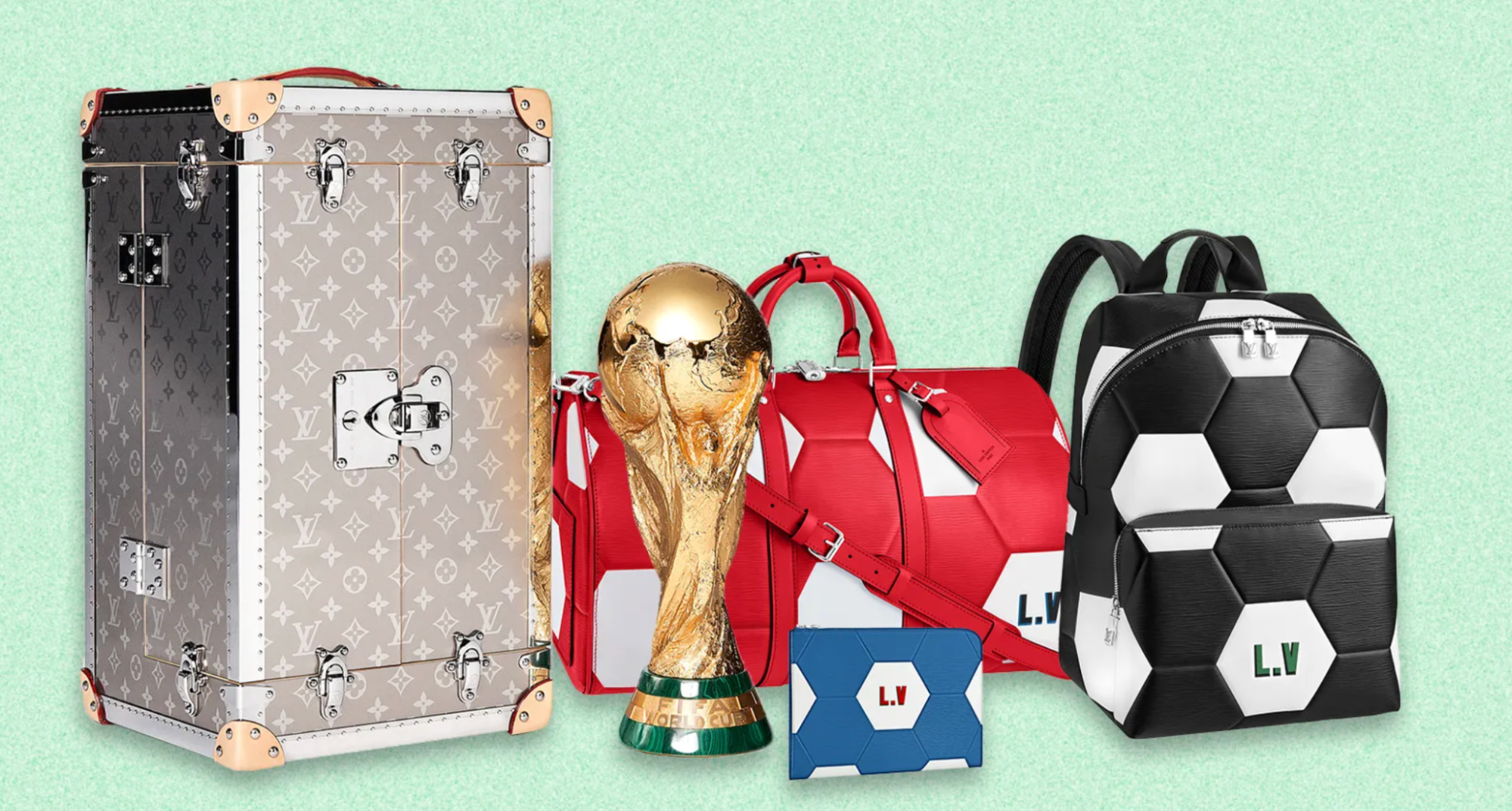
The FIFA World Cup Trophy Travel Case followed a tradition that dates back to Louis Vuitton's origins as a trunk maker in nineteenth-century France.
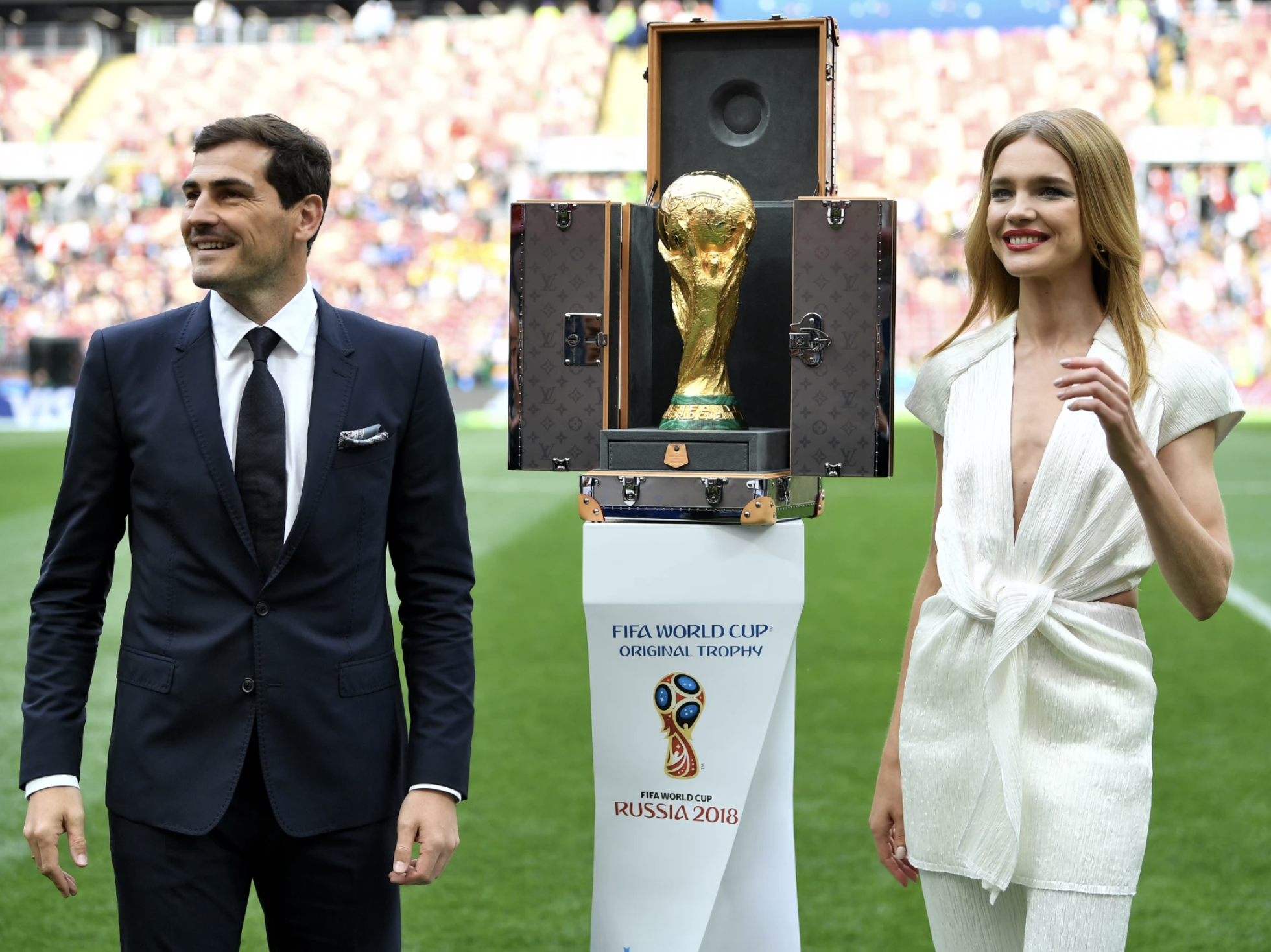
Crafted in the house's iconic Monogram canvas, the case featured brass hardware, leather detailing, and specially engineered interior supports designed to secure one of the most recognizable trophies in sport.
The trunk appeared throughout the tournament. It was photographed during official ceremonies, player celebrations, and ultimately during France's victory in Moscow.
For many viewers, this was their first exposure to Louis Vuitton's history beyond handbags and luggage.
The trunk wasn't available for public purchase, which only increased its status. It became part of World Cup imagery itself.
The 2018 FIFA World Cup Collection
(Image credit: robb report)
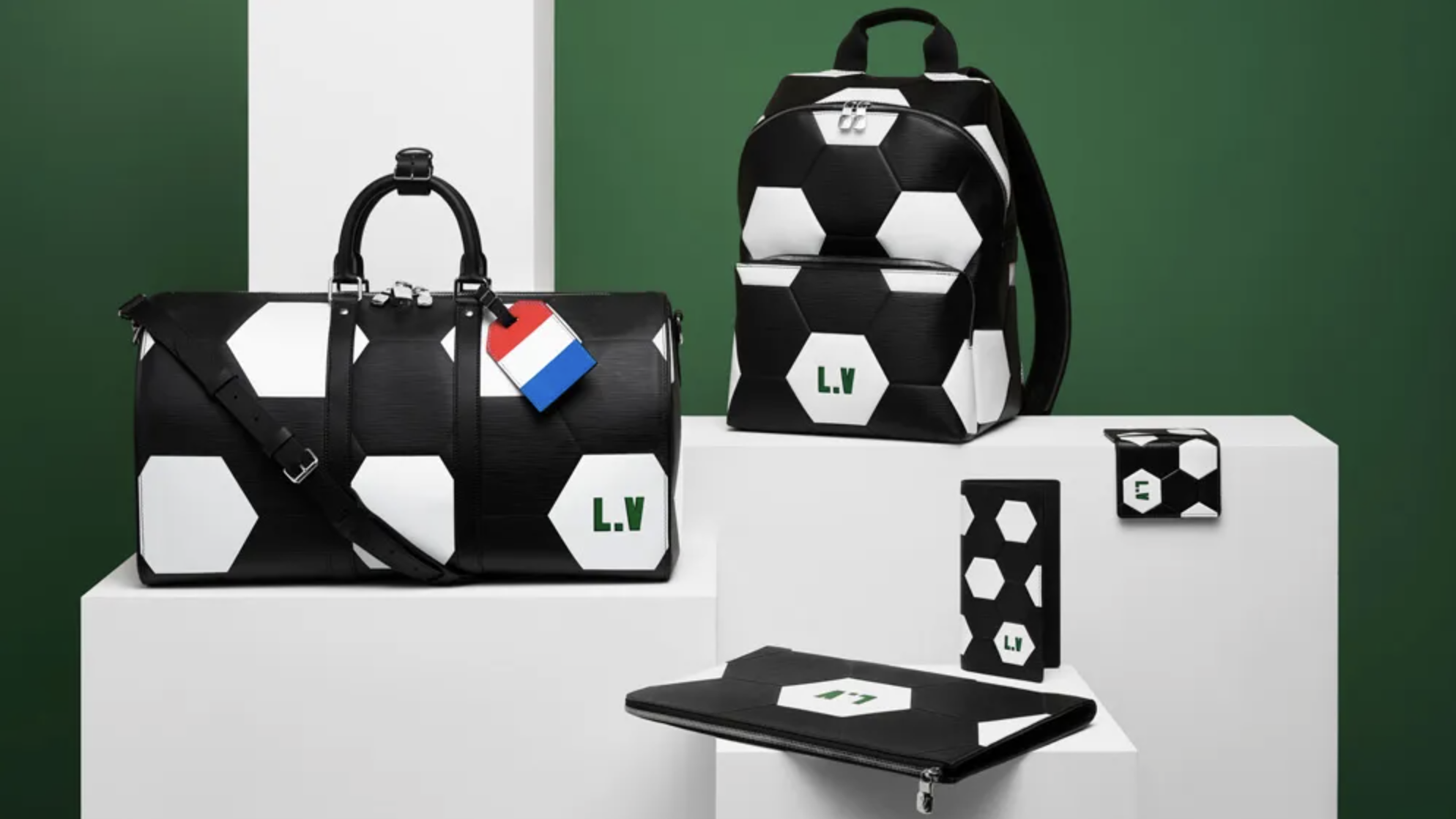
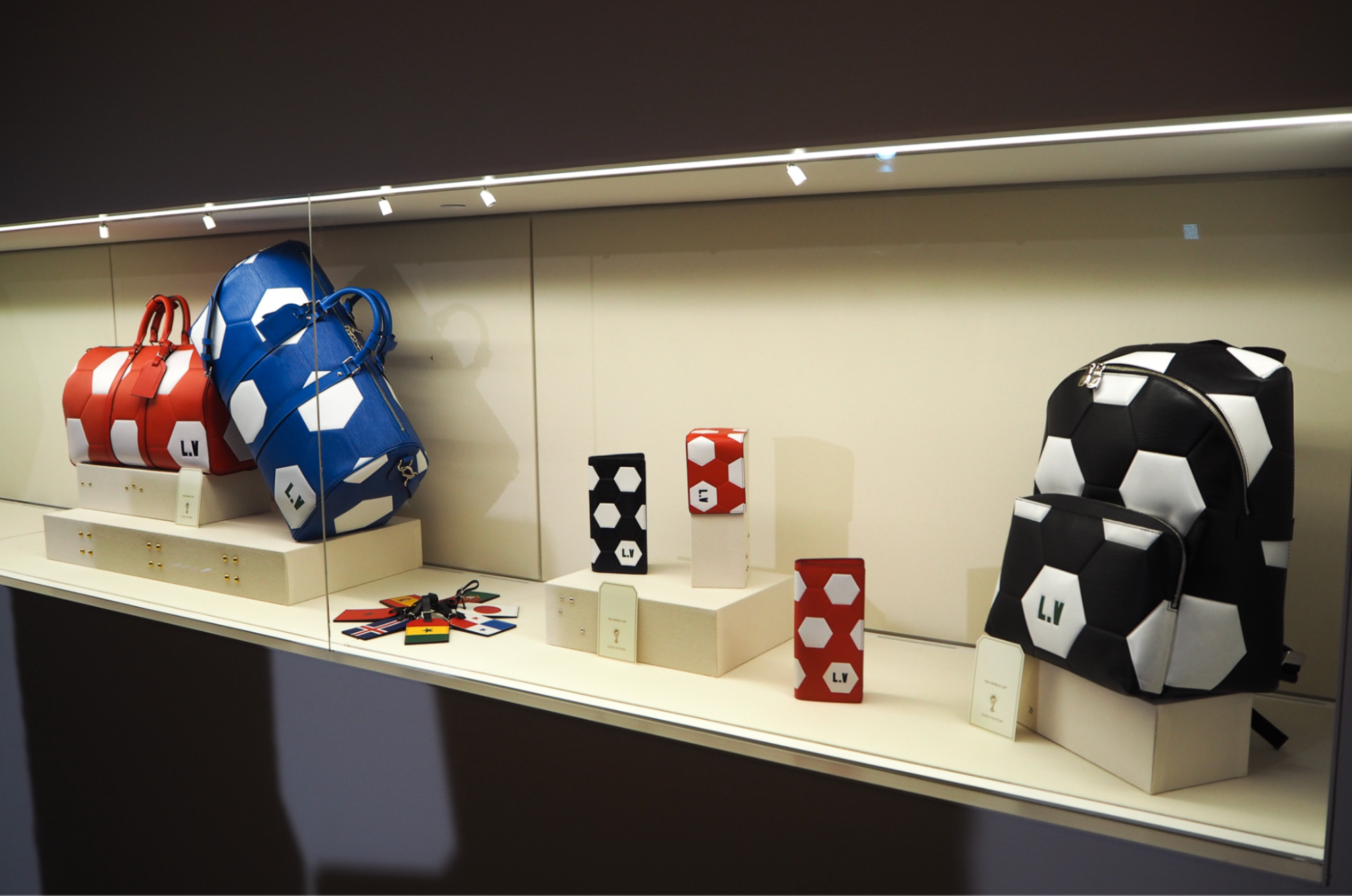
What many people forget is that Louis Vuitton didn't stop at the trophy trunk. The house released an entire collection dedicated to the tournament. Unlike many sports collaborations that focus on logos and merchandise, Louis Vuitton approached the project through its own design language.
The collection included:
- Keepall travel bags
- Apollo backpacks
- Danube messenger bags
- Wallets
- Organizers
- Pocket accessories
- Scarves
- Small leather goods
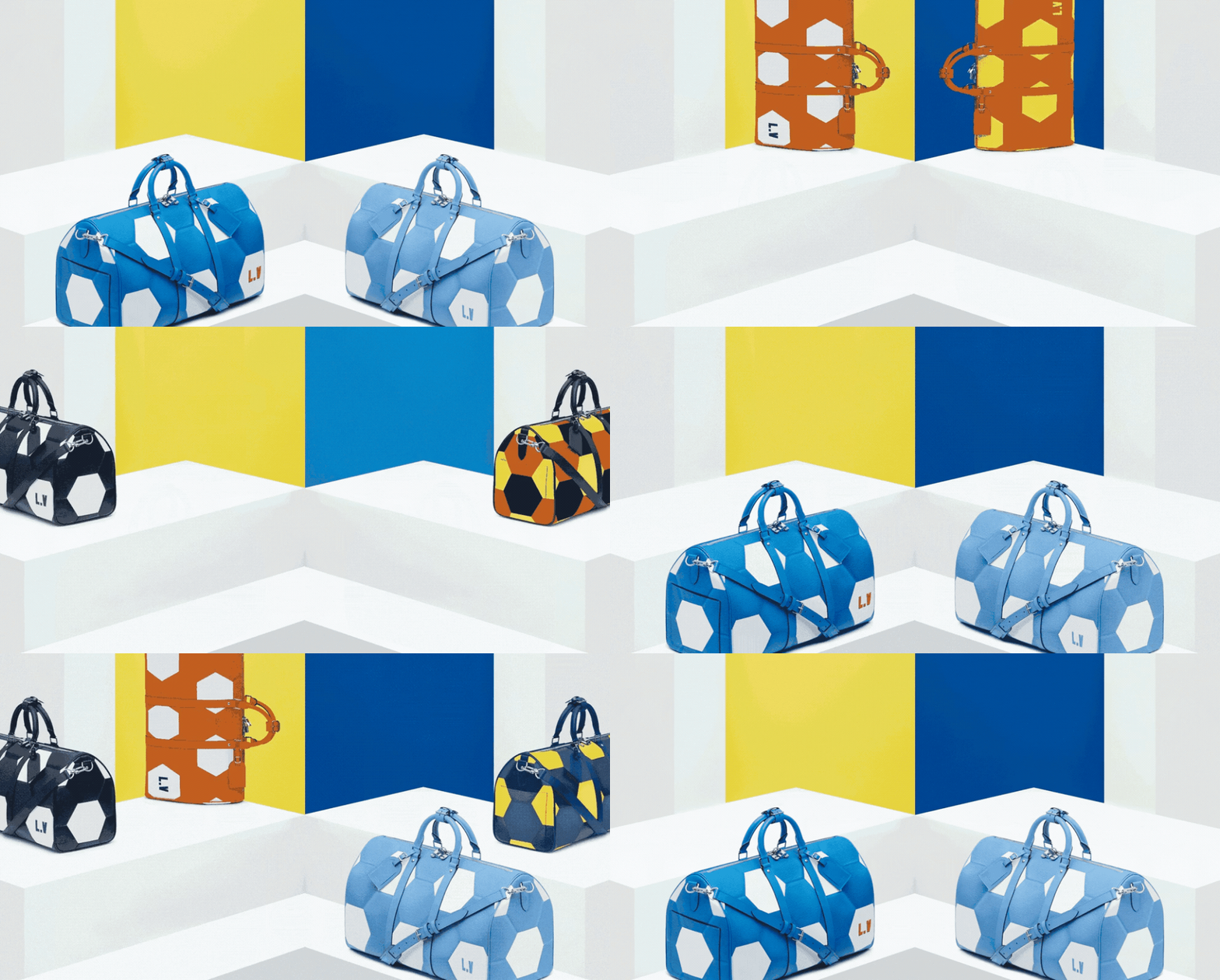
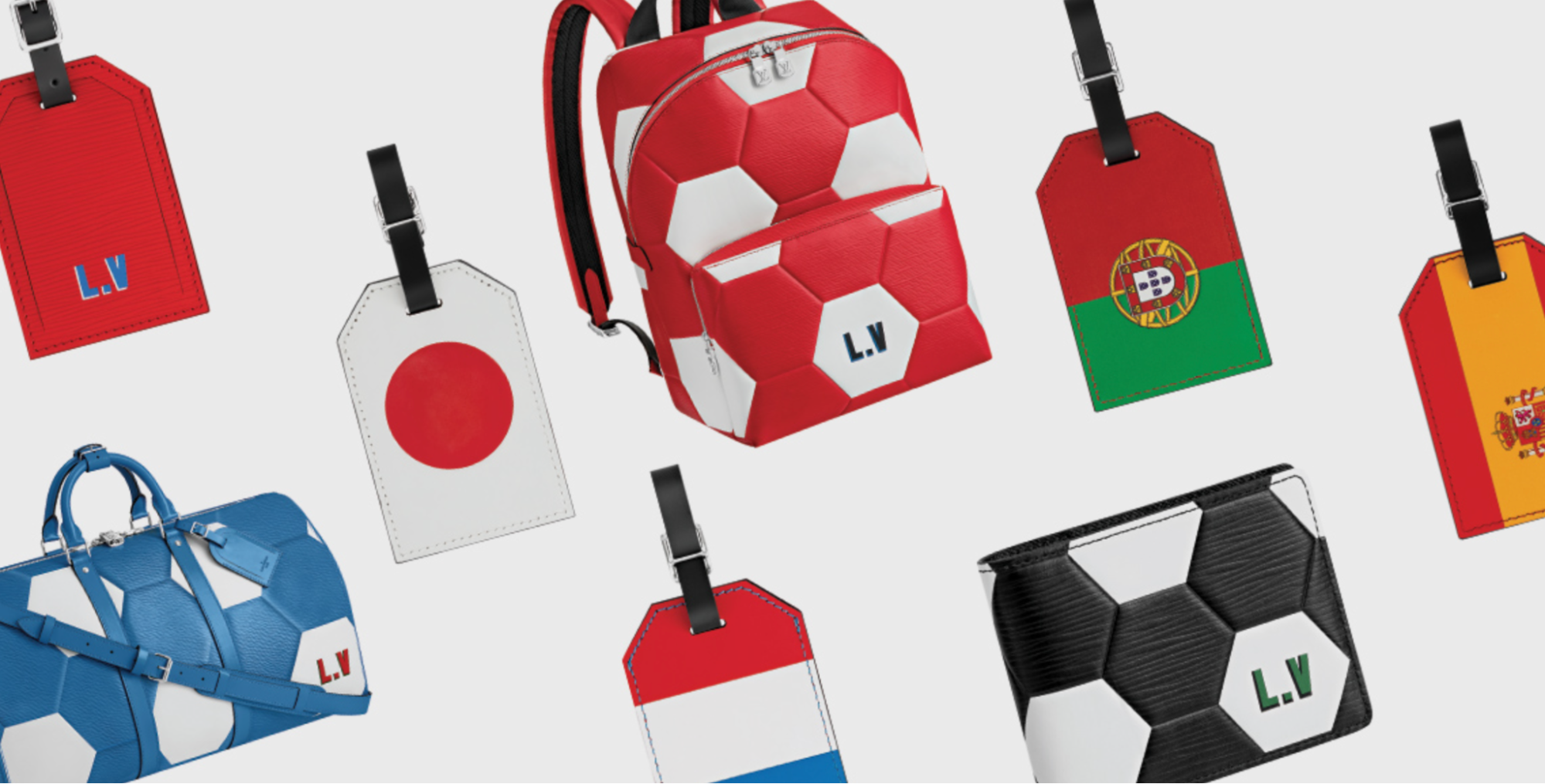
Each piece featured a specially developed version of the iconic Monogram pattern. Instead of the traditional floral motifs, football-inspired graphics were integrated into the design. This approach allowed the collection to feel connected to FIFA without looking like standard sports merchandise. That distinction mattered.
Luxury buyers weren't looking for fan gear. They were looking for collectible Louis Vuitton pieces that happened to celebrate football.
The Monogram Gets a Football Makeover
(Image credit: the editors-club)
One of the strongest elements of the collection was how subtle it felt. Many collaborations become dated because they rely heavily on logos. The FIFA collection avoided that trap. Instead of covering pieces in tournament branding, Louis Vuitton incorporated football imagery into its own visual identity.
From a distance, the bags still looked unmistakably Louis Vuitton. Up close, football-inspired details emerged throughout the pattern. That restraint is one reason the collection has aged surprisingly well.
Looking at the pieces today, they feel much closer to a luxury capsule collection than event merchandise.
Why the Keepall Became the Standout Piece
(Image credit: robb report)
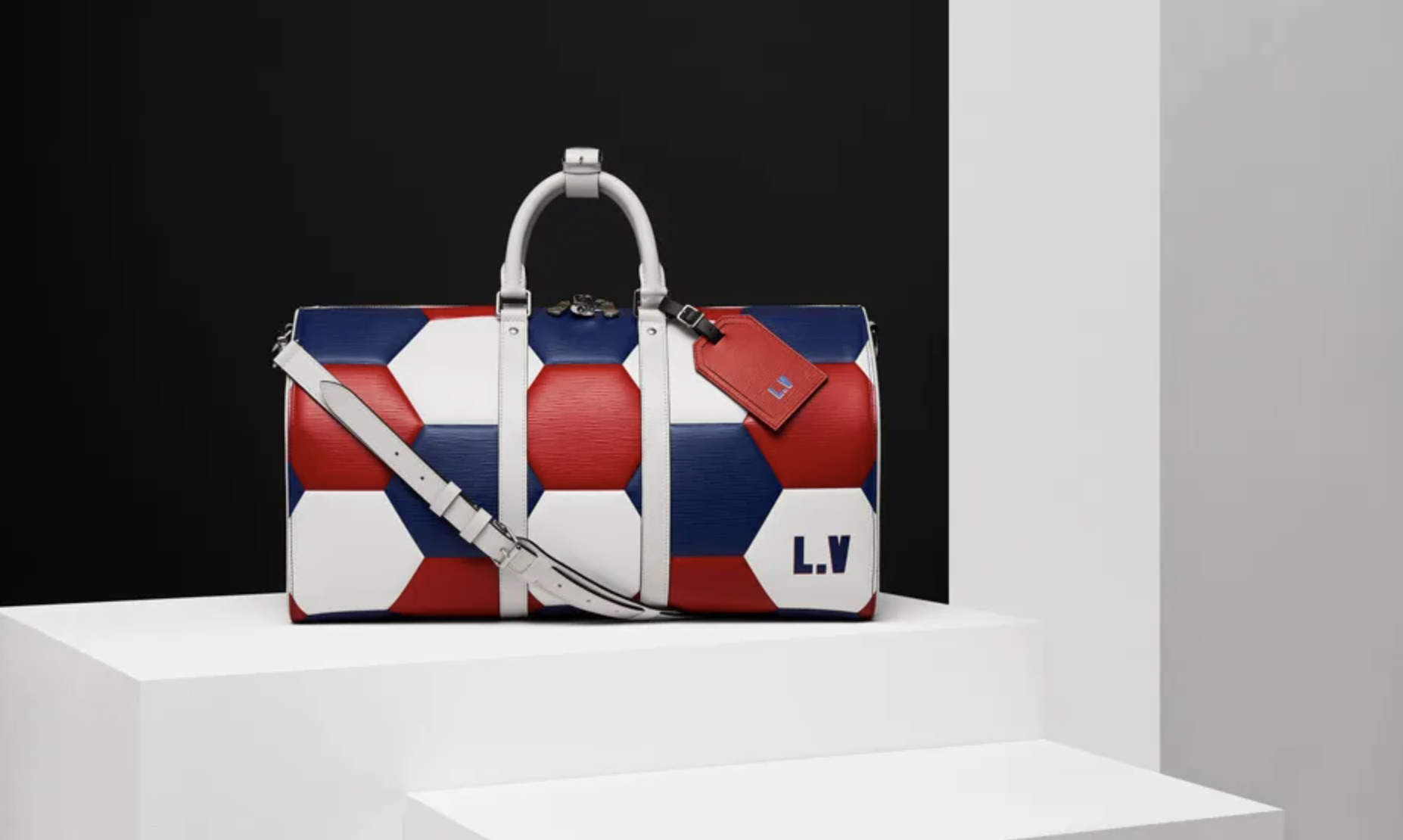
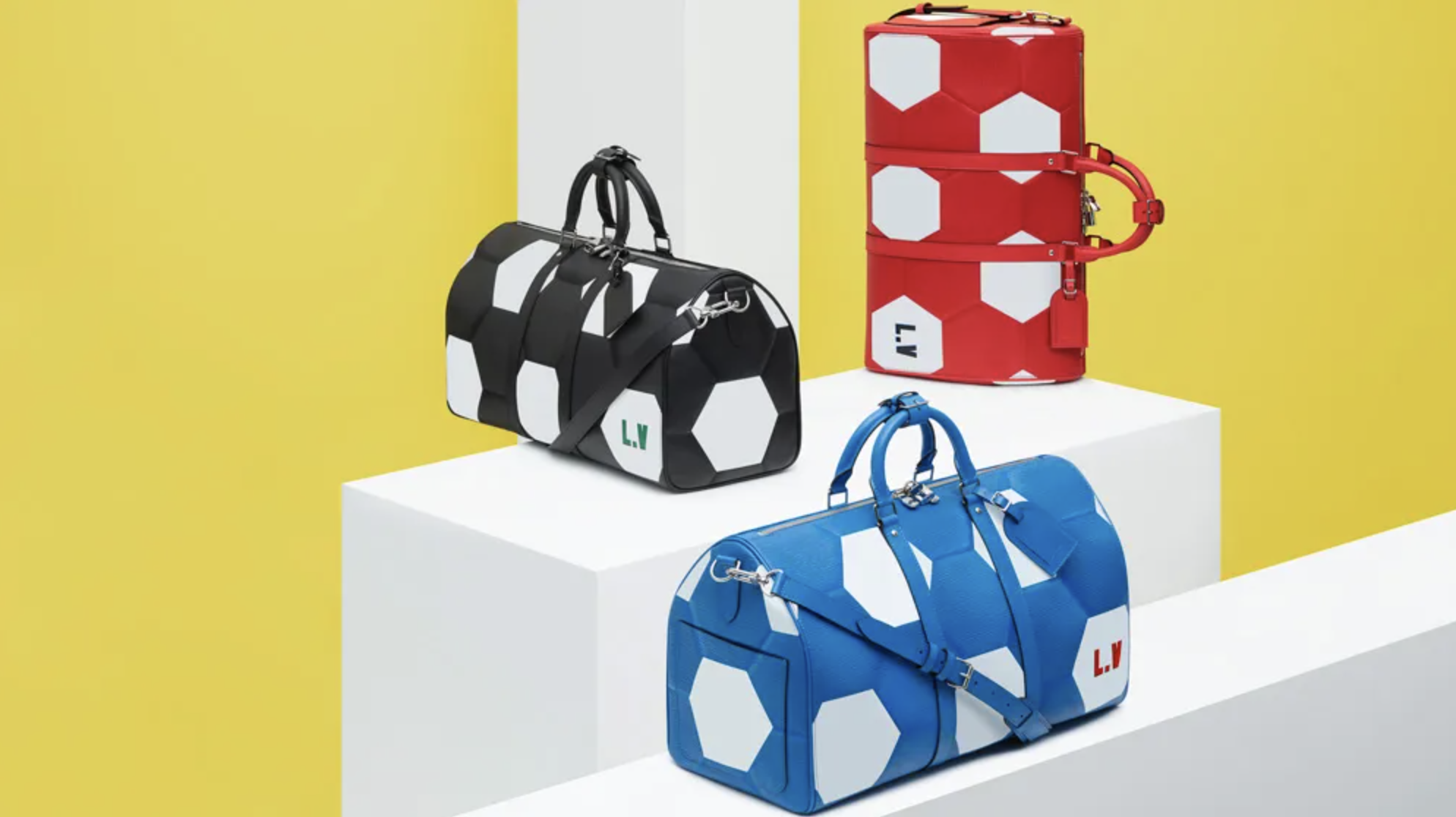
Among all the items released, the Keepall quickly became the hero product. That isn't surprising.
The Keepall already represents one of Louis Vuitton's strongest travel silhouettes. Adding World Cup-inspired details to a bag rooted in travel made sense conceptually. Football itself is global. Teams travel. Supporters travel. Tournaments bring millions of people across borders. The Keepall became a natural symbol of that movement.
Today, it's also one of the most sought-after pieces from the collection on the secondary market. Collectors who missed the release often search for these bags years later because they combine two things people care about: Louis Vuitton heritage and World Cup history.
The Campaign and Global Exposure
(Image credit: tpr)
One of the reasons the collection remains memorable is the sheer scale of the event. Most luxury launches compete for attention. The World Cup already had the world's attention.
Every ceremony, press event, and trophy presentation became an indirect advertisement for the collaboration. Millions of viewers who would never read a fashion magazine were suddenly seeing Louis Vuitton associated with one of sport's most prestigious moments.
That's difficult to replicate through traditional marketing.
Before Luxury and Sports Became the Industry Standard
(Image credit: robb report)
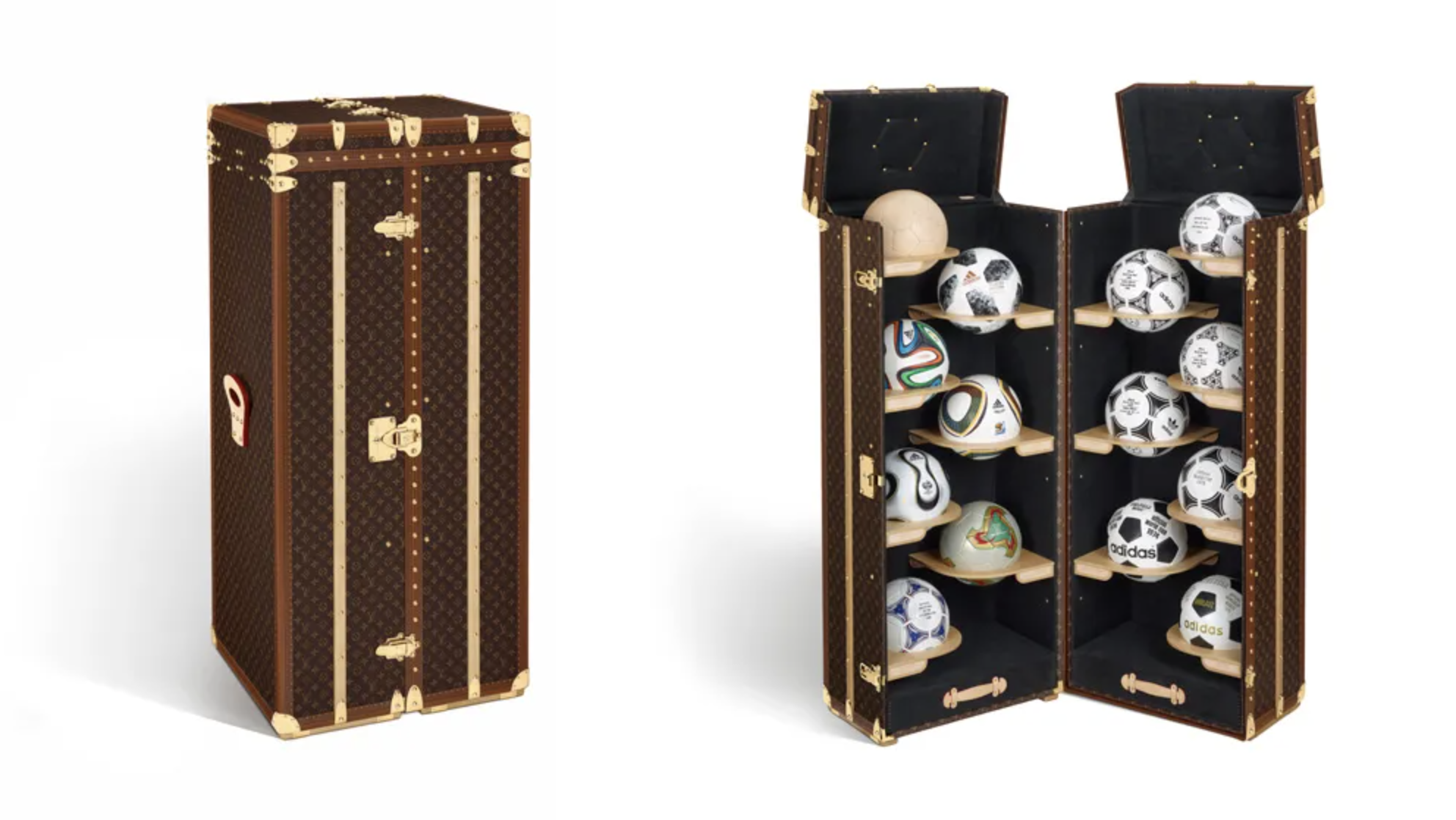
Looking back from 2026, it's easy to forget how different things felt in 2018. Today we regularly see luxury brands collaborating with sports organizations, athletes, and leagues. At the time, however, it wasn't nearly as common.
The FIFA partnership arrived before many of luxury's biggest sports-related projects. That timing makes the collection feel more significant today. It wasn't following a trend. It was helping establish one.
How the Collection Performs in the Resale Market Today
(Image credit: le joursans pub)
For resale buyers, the collection occupies an interesting space. It's not vintage. It's not a standard seasonal release. It's also not a collaboration that gets reissued every year. That combination creates scarcity.
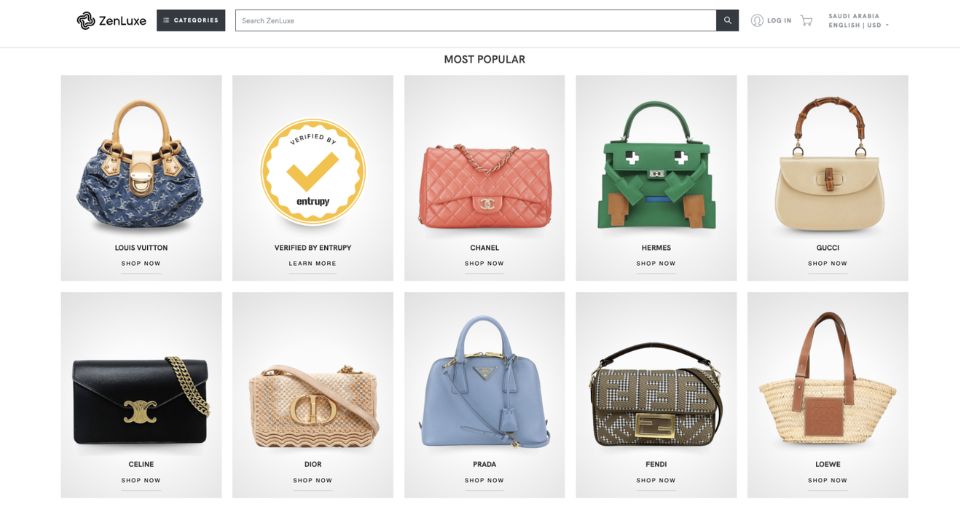
At ZenLuxe, we've seen growing interest in luxury pieces connected to major cultural moments rather than traditional fashion seasons. The 2018 FIFA collection falls directly into that category.
Buyers aren't simply purchasing a Louis Vuitton bag. They're purchasing a piece connected to a specific World Cup, a specific era in football, and a specific moment in luxury history.
That storytelling element often matters just as much as the design itself.
Why the 2026 World Cup Is Bringing Attention Back
(Image credit: special arabia)
Every World Cup creates nostalgia for previous tournaments.
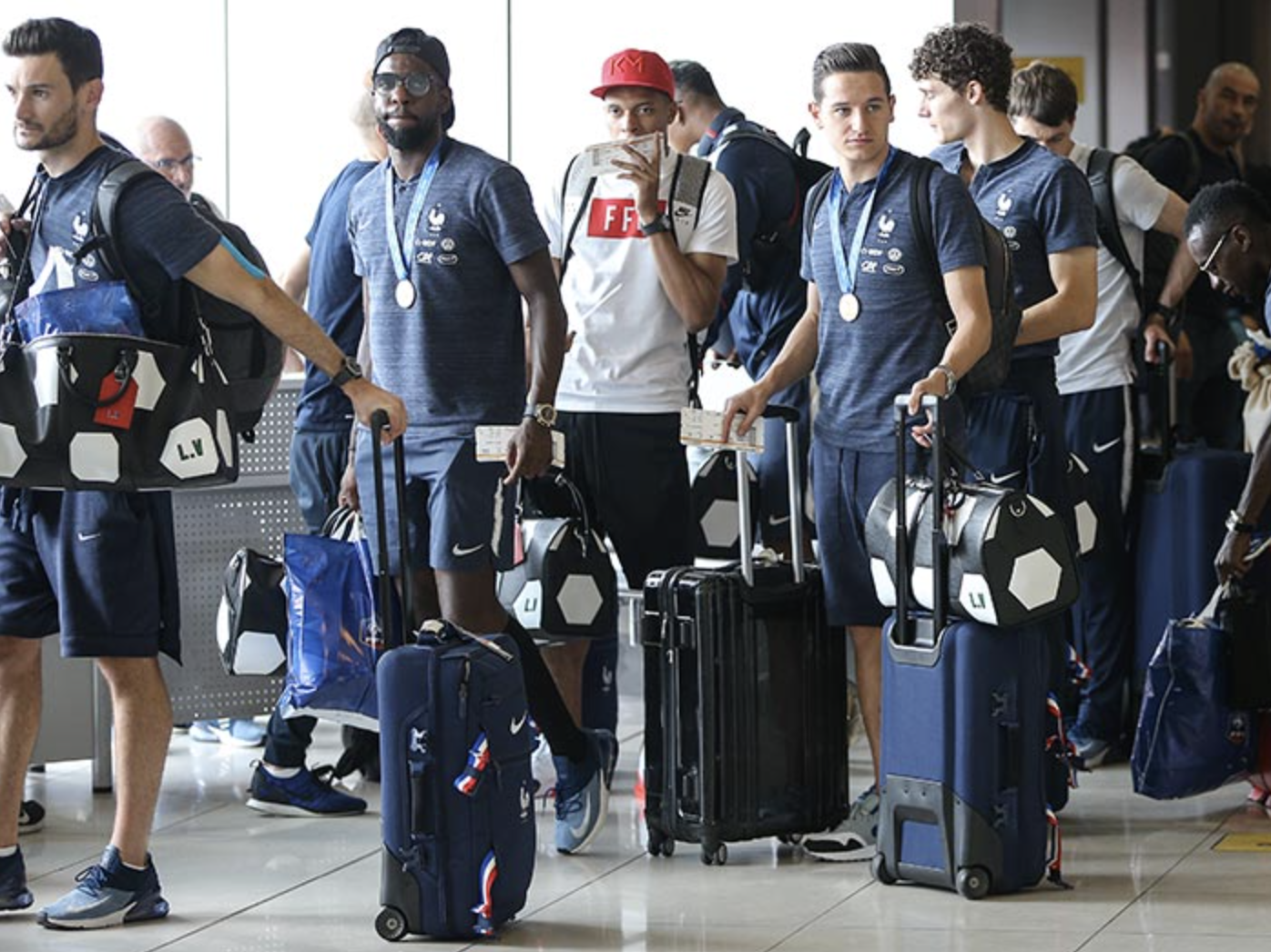
As conversations around football return, so does interest in memorabilia, collectibles, and collaborations tied to earlier editions. The 2018 tournament remains especially memorable for many fans. France's victory, the atmosphere in Russia, and the visibility of the Louis Vuitton partnership all became part of that story. As a result, collectors have started revisiting pieces from the collection with fresh interest.
The timing feels particularly relevant because luxury buyers today place greater value on cultural significance than they did a decade ago.
Why Some Collaborations Last and Others Fade
(Image credit: robb report)
Most collaborations disappear after a season. The products sell, the campaign ends, and buyers move on.
The FIFA collection avoided that outcome because it wasn't built around hype alone. It connected naturally to Louis Vuitton's history of travel and craftsmanship. The house wasn't trying to become a football brand. It simply found a way to participate in football's biggest event while staying true to its own identity.
That's why the collection still feels relevant years later.
Final Thoughts
(Image credit: GQ)
The Louis Vuitton x FIFA 2018 World Cup collection arrived at a moment when luxury and sport were beginning to move closer together. Looking back from 2026, it's clear that the partnership helped shape a trend that has since become a major part of the industry.
While the trophy trunk remains the most recognizable symbol of the collaboration, the collection itself deserves just as much attention. From the football-inspired Monogram pieces to the travel-focused Keepalls and accessories, it captured a unique moment when one of the world's most famous luxury houses connected with one of the world's biggest sporting events.
Eight years later, the collection still feels surprisingly current. And as another World Cup begins, it's a reminder that some collaborations become more interesting with time, not less.