(Image credit: the impression)
Contents
- The History of the Gucci Jackie
- Why the Jackie Is Different From Other Gucci Bags
- Vintage Jackie vs Jackie 1961
- Which Jackie Models Are Worth Buying?
- Which Models Should You Think Twice About?
- What Affects Jackie Pricing?
- Common Damage to Watch For
- Shopping for a Jackie in Japan
- Is the Gucci Jackie 1961 Worth Buying?
Some bags become popular because they're trendy. Others stay relevant because they have a strong identity. The Gucci Jackie 1961 falls into the second category.
Unlike many designer bags that go through dramatic redesigns every few years, the Jackie has remained surprisingly consistent. Its curved shape, piston closure, and understated appearance have allowed it to move between generations without feeling dated. That's also why it's become one of the most interesting bags to buy on the Japanese second-hand market.
Whether you're looking at a vintage Jackie from decades ago or a modern Jackie 1961 reissue, there are a few important things worth knowing before you buy.
The History of the Gucci Jackie
(Image credit: leam)
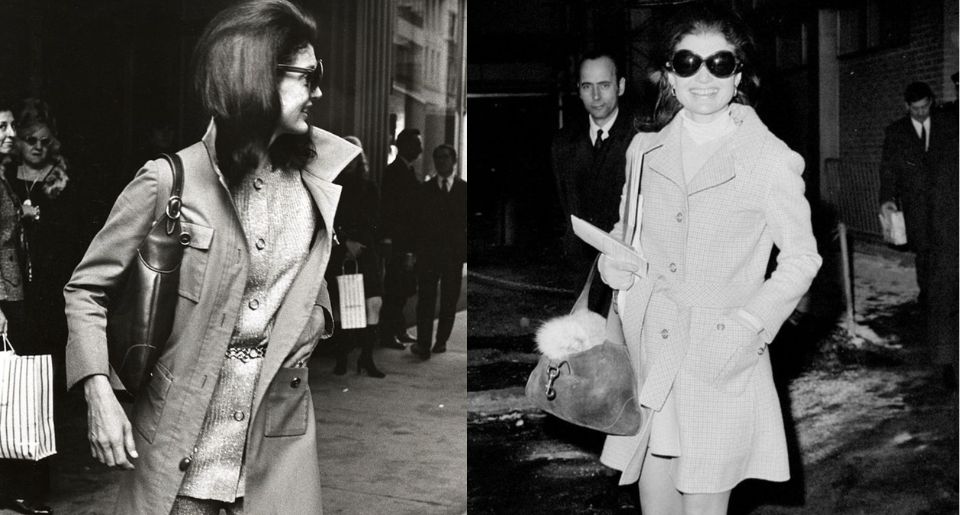
The Gucci Jackie has a much longer history than many people realize. The design first appeared in the 1950s, long before it became one of Gucci's most recognizable bags. Back then, it wasn't even called the Jackie.
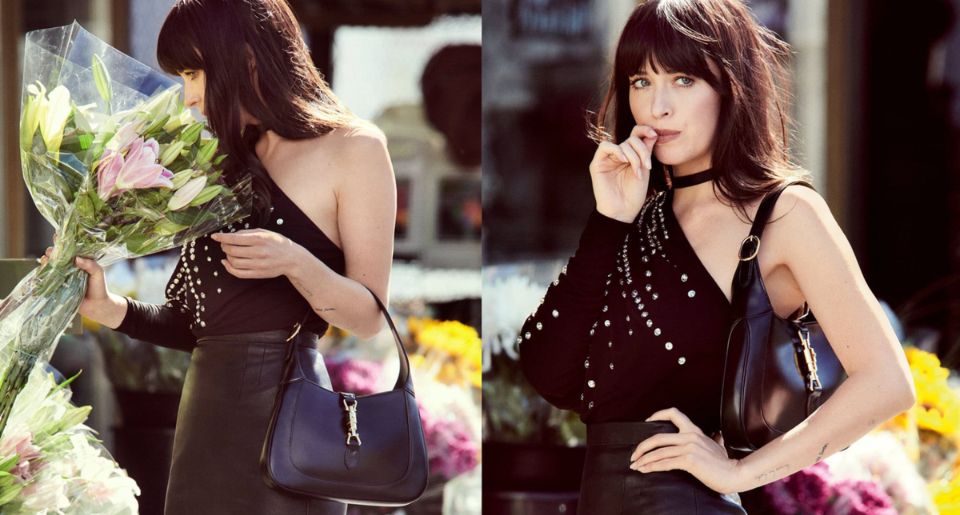
The bag gained its famous name thanks to Jacqueline Kennedy Onassis. She was frequently photographed carrying the style during the 1960s, and her influence was so strong that people began referring to it as the "Jackie Bag." Eventually, Gucci embraced the nickname and officially adopted it.
What made the Jackie stand out was its shape. While many handbags of the time were structured and formal, the Jackie had a softer silhouette that felt more relaxed. The curved hobo-style design and distinctive piston closure gave it a look that was elegant without feeling overly formal.
Over the years, Gucci released the Jackie in countless variations. Leather, GG canvas, suede, exotic skins, and seasonal colors have all appeared at different points in the bag's history. Some versions remained close to the original design, while others reflected changing fashion trends.
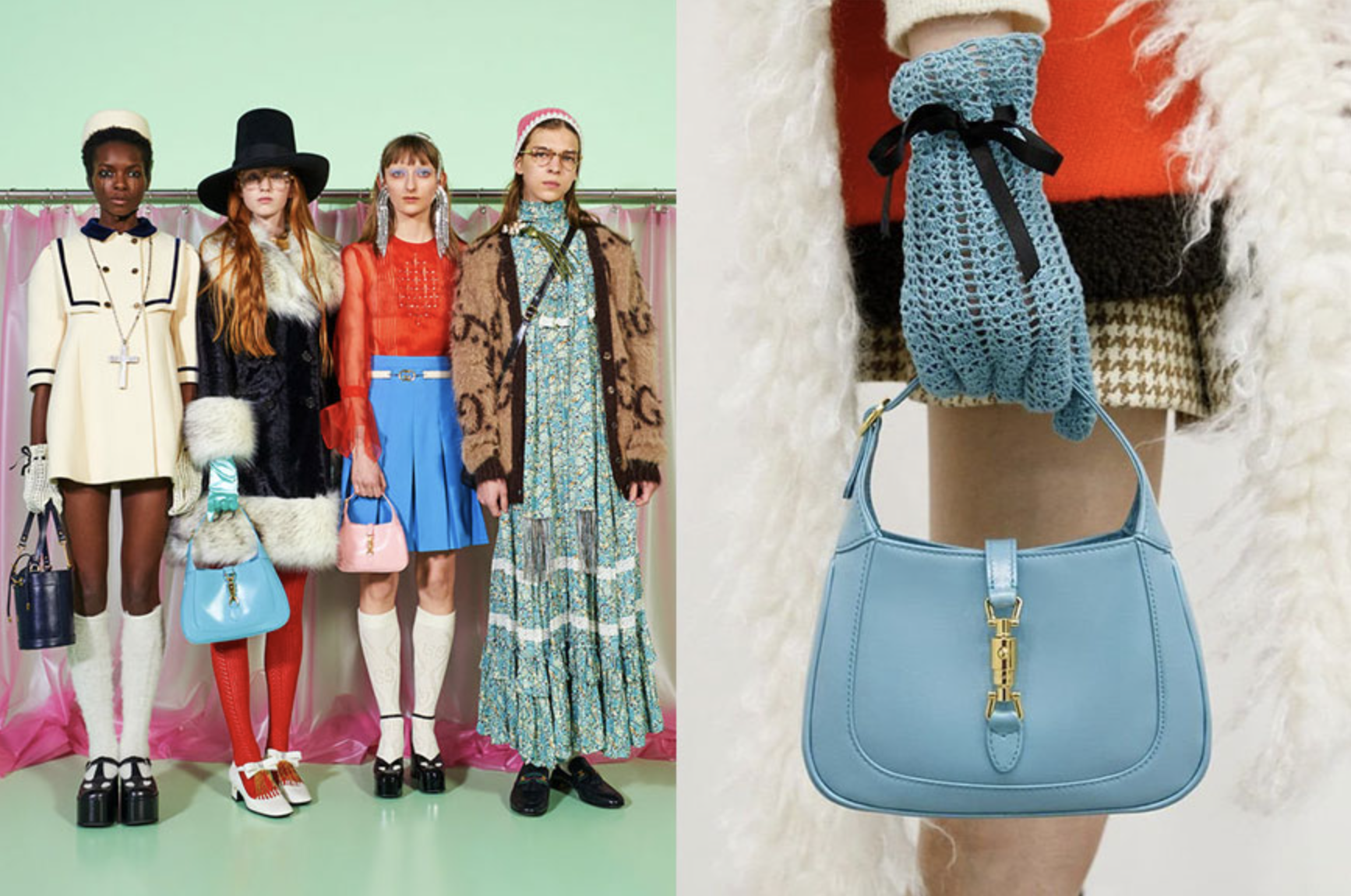
The Jackie experienced another major moment in 2020 when Alessandro Michele introduced the Gucci Jackie 1961 collection. Rather than completely redesigning the bag, he updated it while keeping the features that made it recognizable. The new version introduced removable straps, updated proportions, and modern styling while staying true to the original silhouette.
Today, buyers can find both vintage Jackie bags and modern Jackie 1961 models on the Japanese second-hand market. That's part of what makes shopping for a Jackie interesting. You're not just choosing a bag—you're choosing between different eras of one of Gucci's longest-running designs.
Vintage pieces often appeal to collectors who appreciate the original character of the bag, while newer Jackie 1961 models attract buyers looking for a more practical everyday option. Neither is necessarily better; it simply depends on what you're looking for.
More than seventy years after its debut, the Jackie remains one of the few luxury bags that feels just as relevant today as it did decades ago. That's a big reason why it continues to attract attention from both collectors and first-time buyers.
Why the Jackie Is Different From Other Gucci Bags
(Image credit: ztylez)
When most people think of Gucci, they picture large logos, GG canvas, or statement pieces. The Jackie takes a different approach.
It's quieter.
The design relies on shape and construction rather than branding. Even when GG canvas is used, the silhouette remains the focus.
That makes the Jackie appealing to buyers who want a luxury bag without obvious logos. It's also one of the reasons resale demand has remained strong, especially since Gucci reintroduced the Jackie 1961 collection.
In Japan, the Jackie often attracts buyers who appreciate classic designs and long-term wearability rather than seasonal trends.
Vintage Jackie vs Jackie 1961
(Image credit: ztylez)
One of the first things you'll notice while shopping is that there are two main categories.
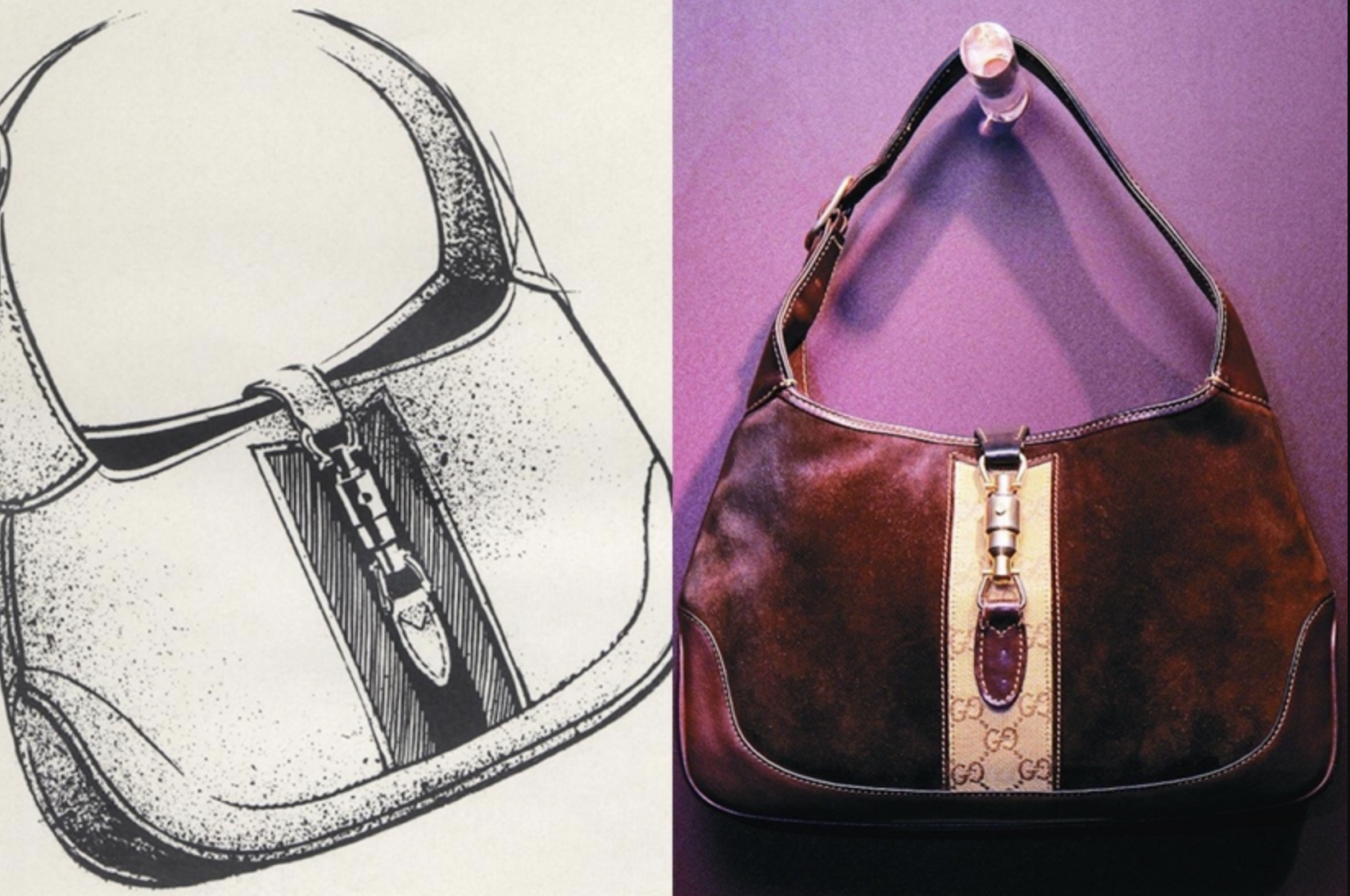
The first is vintage Jackie bags produced before the modern revival. These can often be found at attractive prices, particularly on Japanese resale sites.
The second is the modern Jackie 1961 collection.
At first glance they may look similar, but there are several differences.
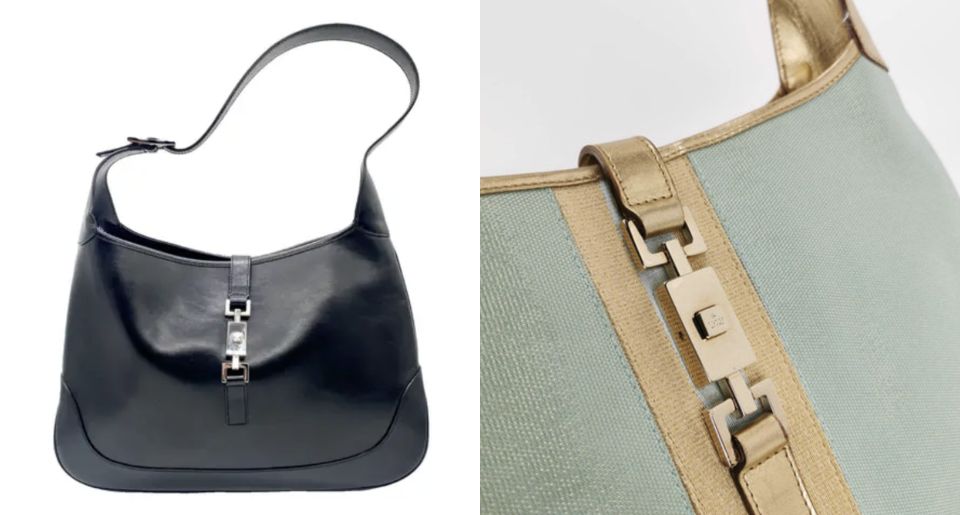
Modern Jackie 1961 bags typically feature updated construction, improved leather quality, removable straps, and more consistent sizing. They tend to command significantly higher prices than older versions.
Vintage models, meanwhile, offer more variety. You'll find different hardware styles, canvas patterns, and construction methods depending on the production year.
Neither option is automatically better. It really depends on whether you're looking for collectability, everyday practicality, or value.
Which Jackie Models Are Worth Buying?
(Image credit: metro-society)
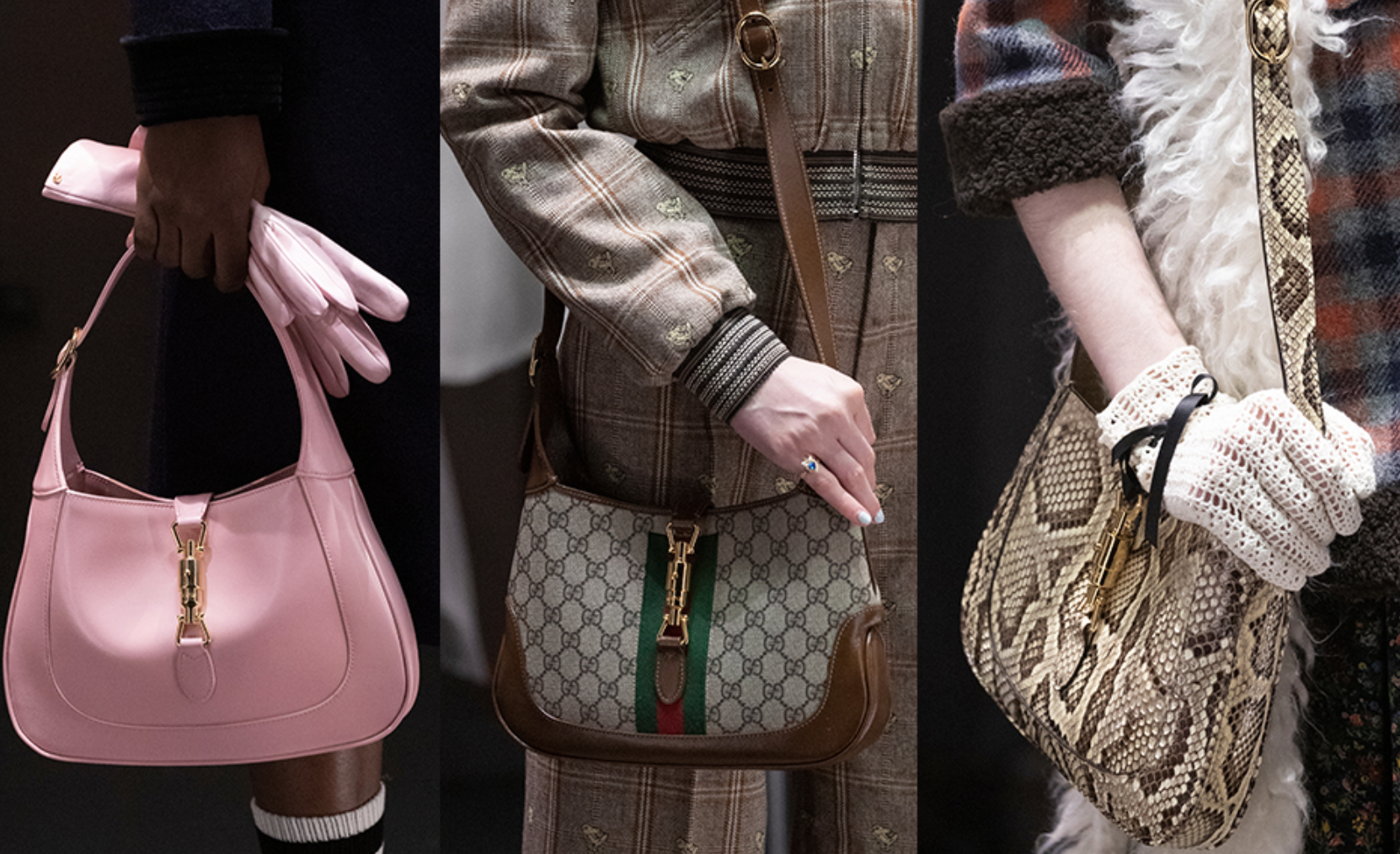
If you're looking for the safest purchase, leather Jackie 1961 models are usually the easiest recommendation.
They age well, feel timeless, and tend to remain attractive even after years of use.
Black leather remains one of the strongest choices because it works with almost everything and tends to attract the broadest range of buyers if you decide to sell later.
Neutral shades such as brown, beige, and cream also perform well in the resale market.
If you're interested in vintage Gucci, GG canvas Jackie bags can offer excellent value. Japan is one of the best places to find well-preserved examples, often with less wear than comparable bags found elsewhere.
These older canvas models often provide the most affordable entry point into the Jackie family.
Which Models Should You Think Twice About?

(Image credit: ztylez)
Certain versions require extra attention.
Light-colored leather can look beautiful, but it's often more vulnerable to staining, color transfer, and visible scratches.
Highly seasonal colors can also be difficult from a resale perspective. While a bright color may feel exciting today, neutral shades generally attract more consistent demand over time.
Vintage bags with significant structural issues should also be approached carefully. The Jackie relies heavily on its curved shape, and once that shape becomes distorted, the bag can lose much of its appeal.
Restoration is possible, but it isn't always cost-effective.
What Affects Jackie Pricing?
(Image credit: metro-society)
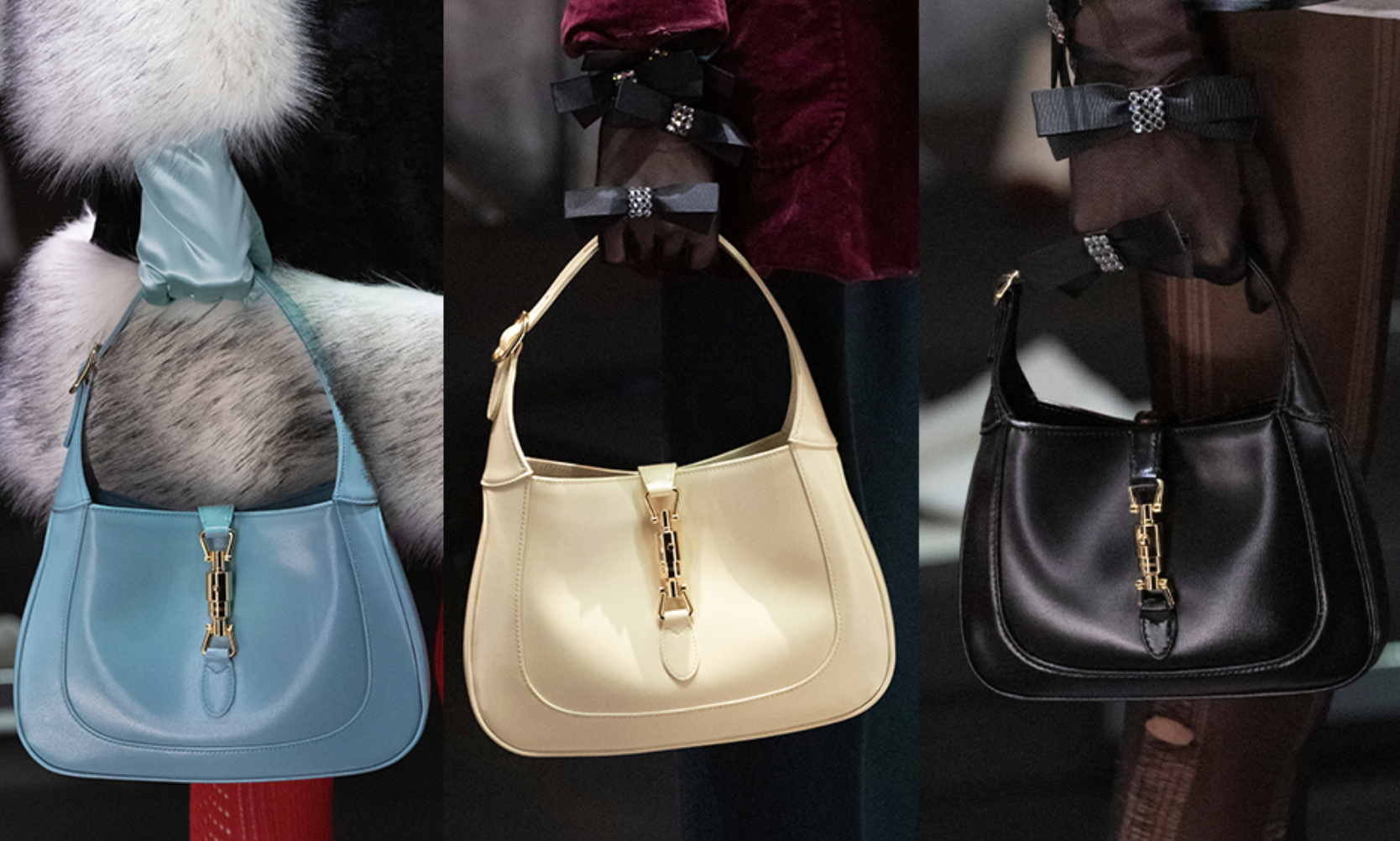
One thing that surprises many buyers is how much pricing can vary between seemingly similar Jackie bags.
Material is one of the biggest factors.
Leather models generally command higher prices than canvas versions, especially within the Jackie 1961 collection.
Condition also plays a major role. Because the Jackie has relatively clean lines, wear tends to be noticeable. Scratches, creases, and corner wear can affect value more than they might on heavily textured bags.
Size matters too.
The Small Jackie 1961 has become particularly popular in recent years. It offers enough space for daily essentials while maintaining the compact proportions many buyers prefer today.
Medium sizes remain practical and versatile, while larger vintage examples tend to appeal to a smaller audience.
Hardware can also impact pricing. Bags with significant hardware wear often sell for noticeably less than comparable examples in stronger condition.
Common Damage to Watch For
(Image credit: lux bags)
The Jackie has a few recurring problem areas that show up repeatedly on second-hand listings.
The first area to inspect is the piston closure.
This is one of the bag's signature features, and it should operate smoothly. Loose, damaged, or heavily scratched hardware can affect both appearance and functionality.
Next, check the leather around the closure area. Because this section experiences regular movement, creasing and wear often appear here first.
Corner wear is another common issue. Although the Jackie isn't a particularly structured bag, repeated use can gradually wear down the bottom corners.
The shoulder strap deserves close attention as well. Look for cracking, stretching, or edge paint wear, especially near adjustment holes and attachment points.
For vintage canvas models, inspect the coated canvas carefully. Cracks, fading, and discoloration can develop over time, particularly if the bag wasn't stored properly.
Inside the bag, check for stains, odors, peeling, and excessive wear. Interior condition often tells a more accurate story than exterior photos alone.
Shopping for a Jackie in Japan
(Image credit: salla.sa)
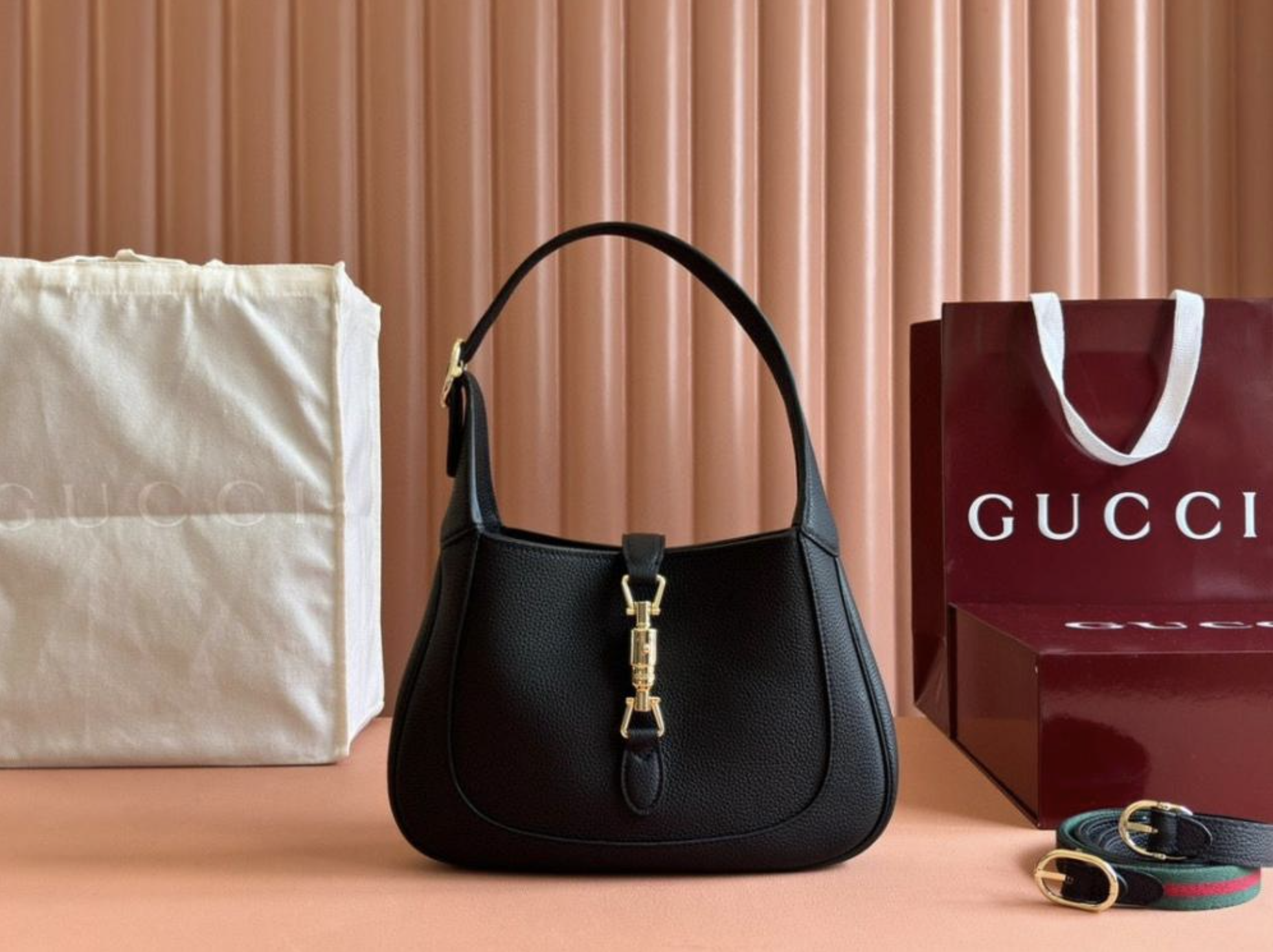
Japan remains one of the best places to buy pre-owned Gucci.
The country has a strong luxury resale culture, and sellers typically provide detailed condition descriptions and extensive photographs.
One advantage of Japanese marketplaces is the variety available. It's common to find multiple generations of Jackie bags listed at the same time, making comparisons much easier.
However, using the right search terms can make a big difference.
Many buyers search only for "Gucci Jackie," which can limit results.
Try searching for:
- グッチ ジャッキー - Gucci Jackie
- グッチ ジャッキー1961 - Gucci Jackie 1961
- ジャッキー バッグ - Jackie Bag
Using both Japanese and English keywords often uncovers additional listings.
You may also see common condition terms such as:
- 美品 – Excellent condition
- 使用感あり – Signs of use
- 傷 – Scratches
- 汚れ – Stains
- 角スレ – Corner wear
Learning these basic phrases can help you assess listings more quickly.
Is the Gucci Jackie 1961 Worth Buying?
(Image credit: vogue uk)
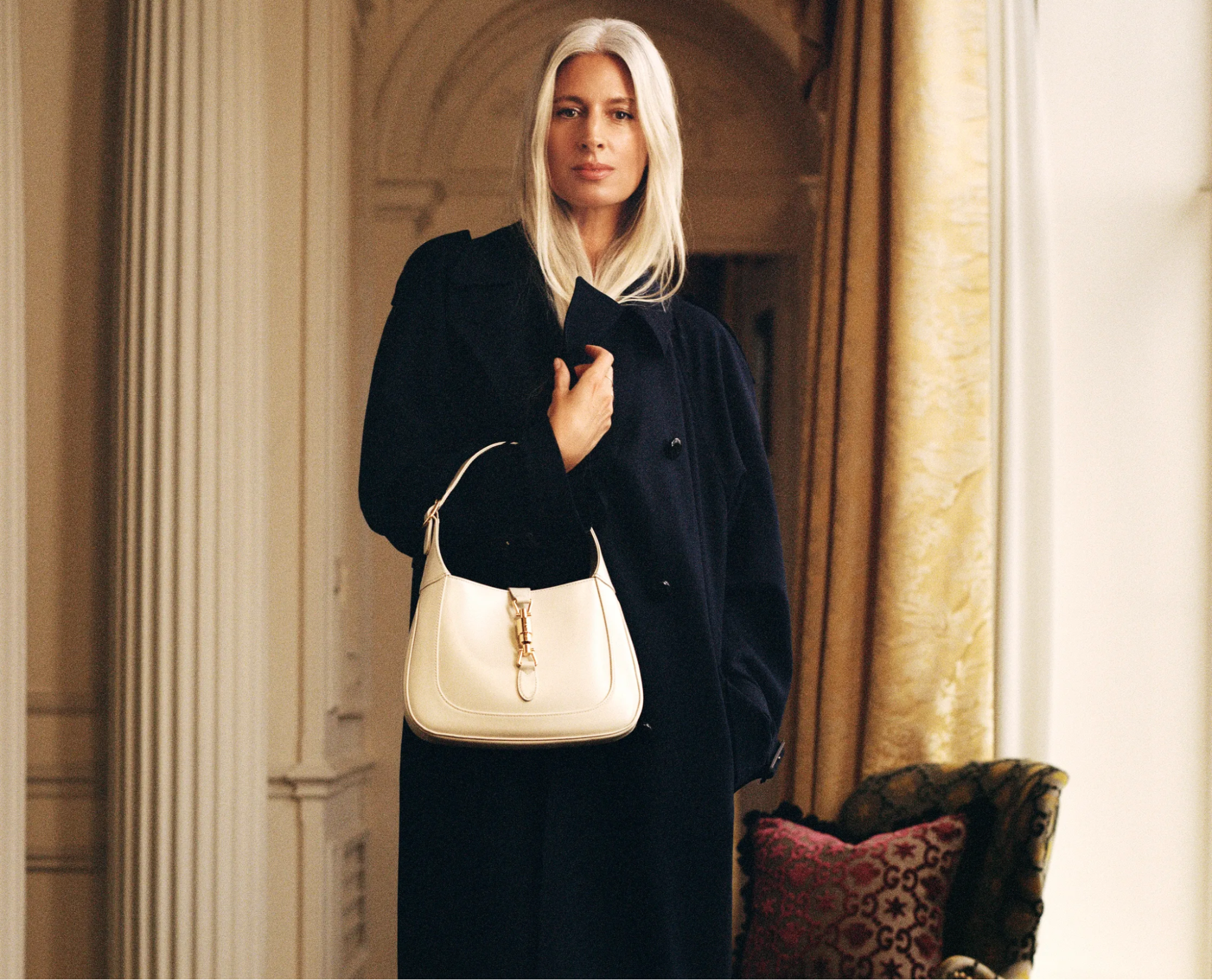
The Jackie occupies a unique place in the luxury market.
It's recognizable without being loud. It feels classic without looking old-fashioned. Most importantly, it avoids the trend cycle that affects so many designer bags.
For buyers who want a piece they'll still enjoy years from now, that's a significant advantage.
If you're shopping in the Japanese second-hand market, leather Jackie 1961 models in neutral colors are generally the safest choice. Buyers looking for value may find vintage canvas versions particularly appealing, especially when condition is strong.
The best Jackie isn't necessarily the rarest one or the most expensive one. It's the one that still has good structure, healthy leather, functional hardware, and a style you'll genuinely want to carry.
That's what separates a smart purchase from an impulse buy, and it's usually what makes a bag enjoyable long after the excitement of buying it has passed.