(Image credit: purse blog)
Contents
- When Bamboo Became the Solution
- How a Practical Choice Became Gucci
- The Handmade Detail Is the Whole Point
- The Bamboo Has Never Really Needed to Follow Trends
- Vintage Gucci Bamboo Has Its Own Personality
- Not Every Bamboo Looks the Same
- Why the Bamboo Handle Still Looks Modern
- The Bamboo and Celebrity Style
- The Bamboo Doesn’t Need to Be Loud
- How the Bamboo Changed Through the Generations
- Why I Think Bamboo Has Better Longevity Than People Give It Credit For
- Why Bamboo Works So Well With Today's Vintage Obsession
- Would I Buy a Vintage Bamboo?
- The Design Detail That Became the Identity
- Why Gucci Bamboo Still Matters
Some handbags become famous because of a logo. Others become famous because a celebrity carries them. Then there are bags that become recognizable because of one tiny detail.
For Gucci Bamboo, that detail is impossible to miss.
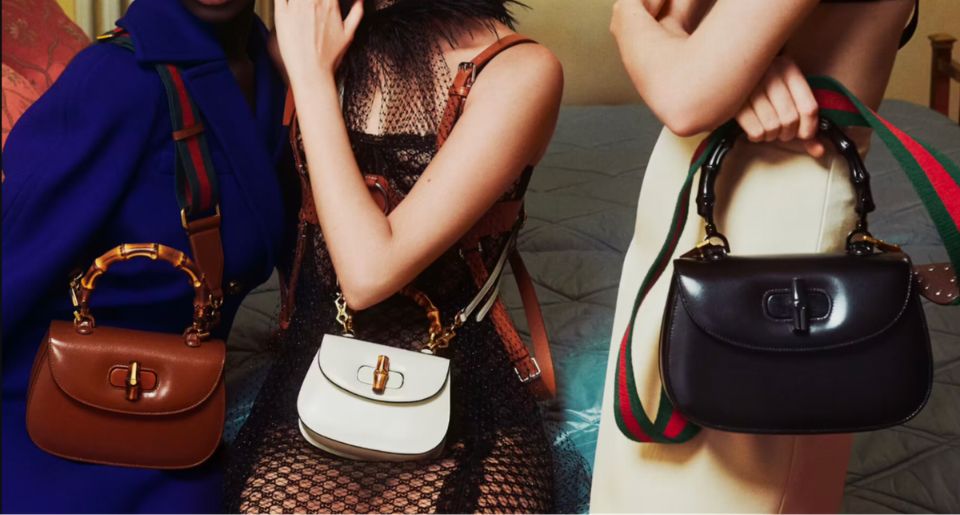
The curved bamboo handle has become one of the most recognizable elements in Gucci’s handbag history. It looks elegant, slightly unusual, and somehow very simple. But what makes the Bamboo interesting to me isn’t just how recognizable it became. It’s the fact that the design came from a period when Gucci had to work with what was available.
What started as a practical response to material shortages eventually became one of the house’s signatures.
I think that’s one of the best stories in handbag history because it shows that great design doesn’t always begin with a grand plan. Sometimes it starts with a problem.
When Bamboo Became the Solution
(Image credit: purse blog)
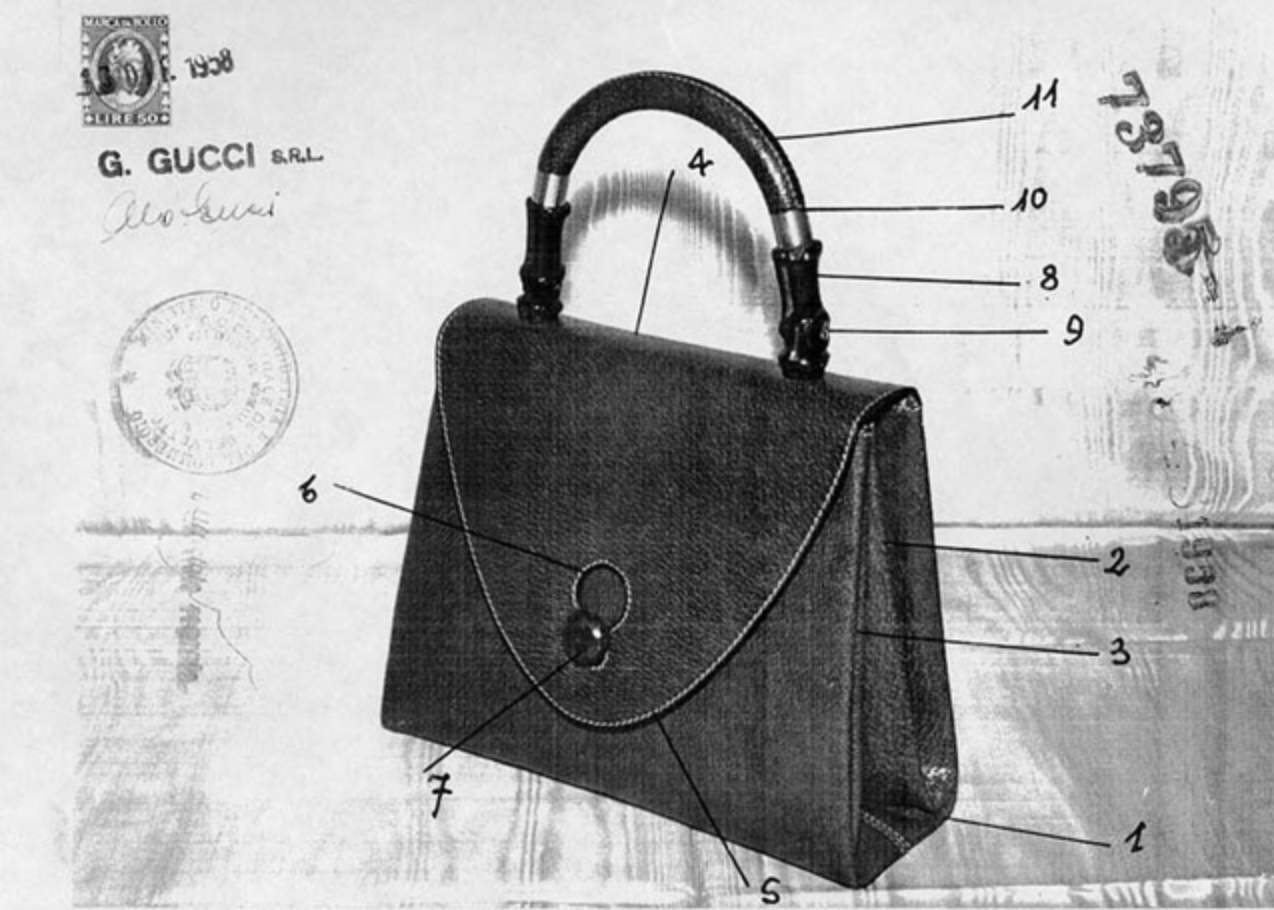
The Gucci Bamboo dates back to the postwar period, when luxury manufacturers in Italy were dealing with shortages of traditional materials. Leather was harder to source, and fashion houses had to become more creative about the materials they used.
Gucci began experimenting with bamboo for handbag handles.
At first, it wasn’t necessarily about creating a future icon. Bamboo was a practical material, but it also had qualities that made it surprisingly well suited to handbags. It was lightweight, strong, and could be shaped into a curved handle.
The important part was figuring out how to make it work.
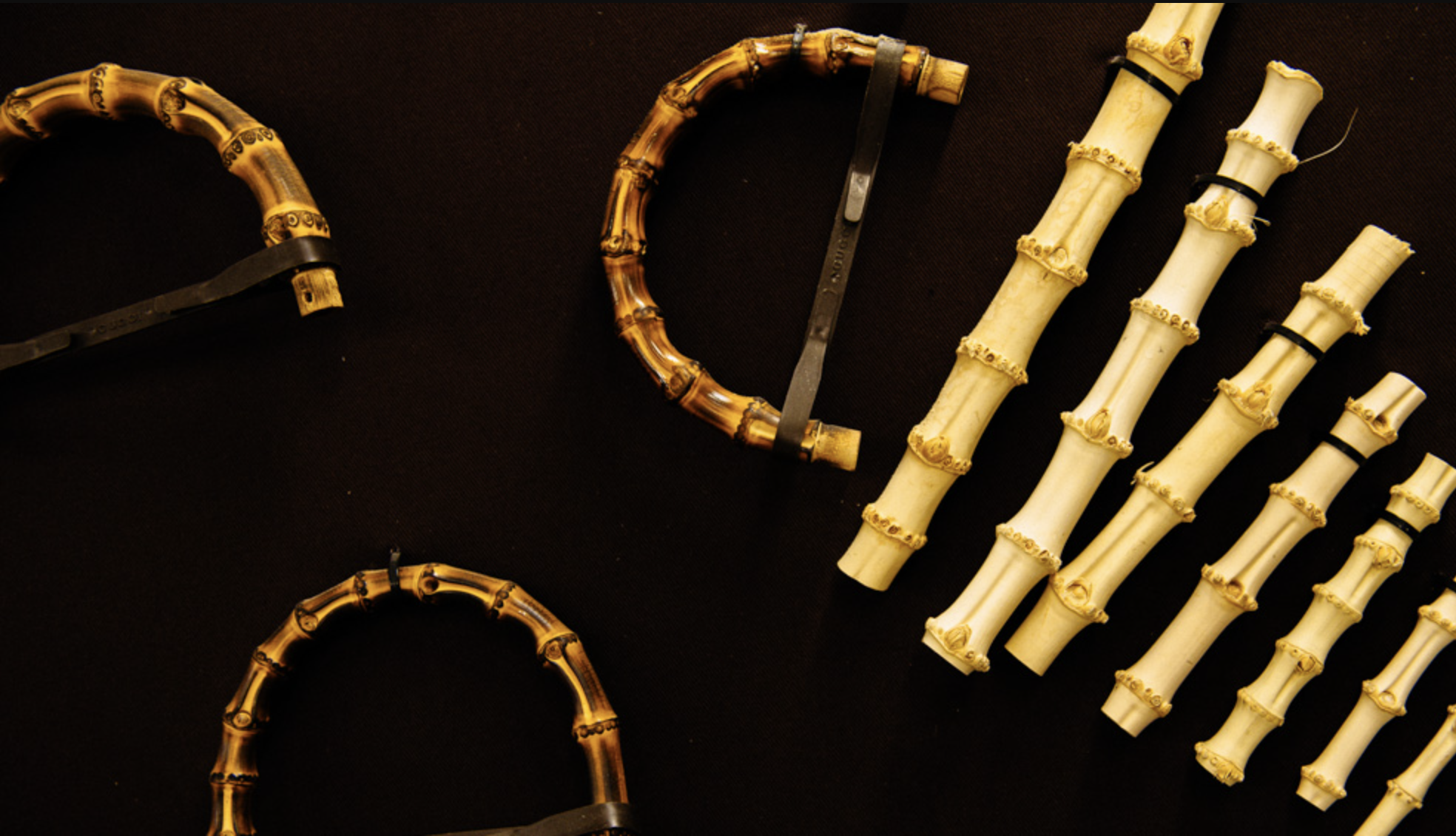
Gucci developed a process that involved heating the bamboo and bending it into its distinctive curved shape. Each piece could then be finished and treated by hand.
And this is where the Bamboo started to become something more than a substitute material.
The natural character of bamboo meant that no two handles looked completely identical. There could be differences in the grain, tone, and texture. Instead of trying to hide those variations, Gucci made them part of the design.
That’s something I really like about the Bamboo.
Today, we’re used to luxury handbags being extremely consistent. We expect the leather, stitching, hardware, and finishes to look almost exactly the same from one bag to another. With bamboo, the material itself brings a little individuality.
It makes the bag feel less manufactured.
How a Practical Choice Became Gucci
(Image credit: purse blog)
The funny thing about fashion is that a detail can become iconic long after the original reason for using it has disappeared.
Nobody needs bamboo handles today because leather is impossible to find. Yet Gucci kept using them. That’s when you know a design has become important.
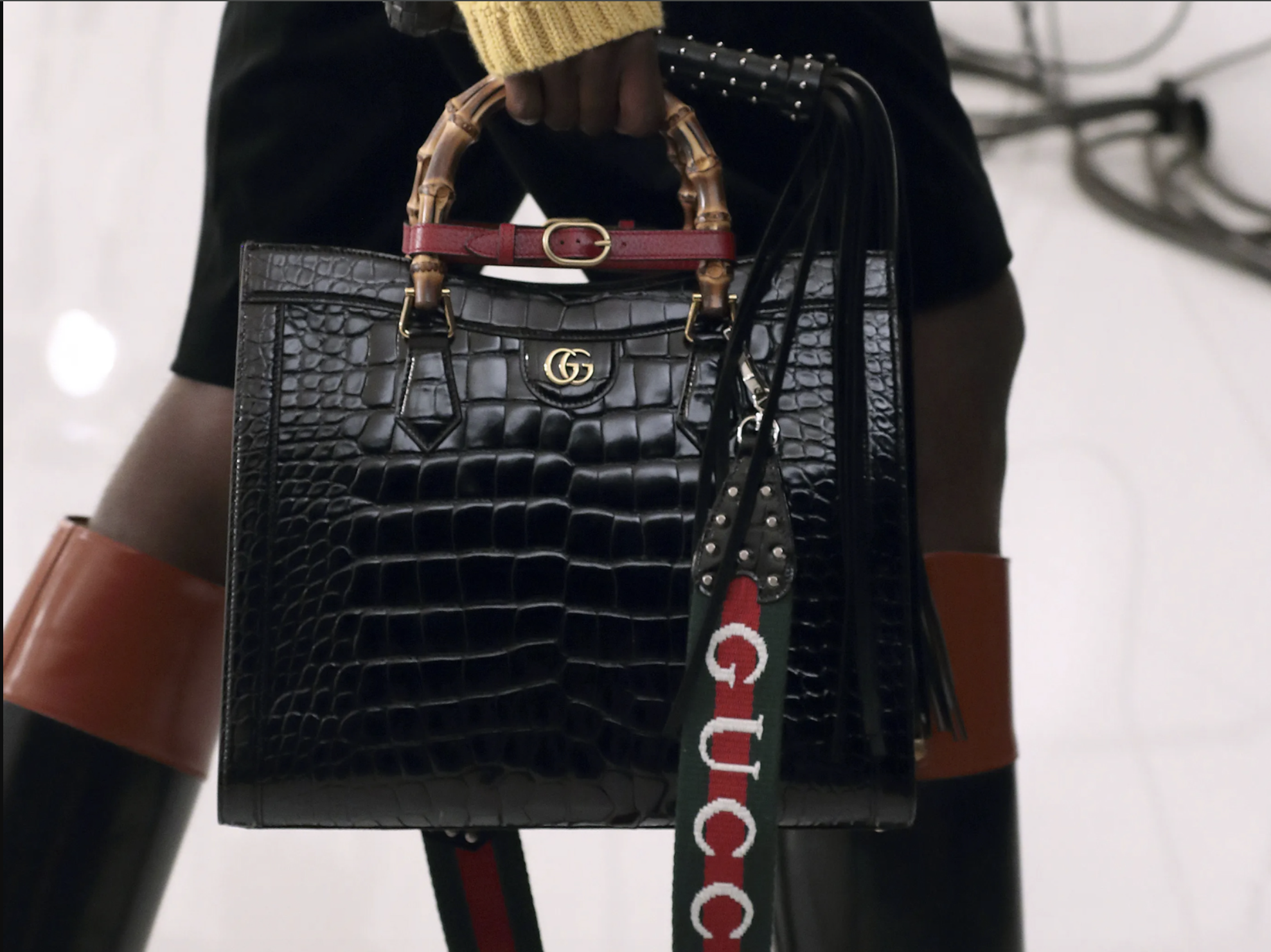
The Bamboo gradually became associated with Gucci itself. The handle wasn’t simply something attached to the bag. It became part of the identity of the bag.
You could remove the Gucci logo and still recognize the Bamboo.
For me, that’s always a sign of a strong design.
The silhouette doesn’t need to shout. It doesn’t rely entirely on monograms or oversized branding. The handle does most of the work.
There’s something almost architectural about it too. The structured shape of the bag combined with the curved handle gives the Bamboo a very distinctive profile. It has a softness because of the curve, but the body of the bag can still feel quite structured.
That balance is probably one of the reasons it has survived for so long.
The Handmade Detail Is the Whole Point
(Image credit: purse blog)
One of the things that makes Bamboo different from many other luxury handbags is how much attention goes into the handle.
Bamboo isn’t simply cut, attached, and forgotten.
The material needs to be selected, shaped, heated, bent, treated, and finished. The process gives the handle its particular curve, while the natural material keeps some of its own character.
I think this handmade quality is especially interesting today because so much of luxury fashion has become associated with recognizable logos and instantly identifiable prints.
Bamboo offers something different. You can look at the handle and think about the person who made it.
That might sound overly romantic, but I think it matters. A handbag can be expensive without feeling special. The Bamboo has a physical detail that reminds you why craftsmanship can make a difference.
You can actually see it.
And because bamboo is a natural material, the handle can develop its own character over time. Small variations don’t necessarily make the bag look imperfect. They can make it feel more personal.
The Bamboo Has Never Really Needed to Follow Trends
(Image credit: purse blog)
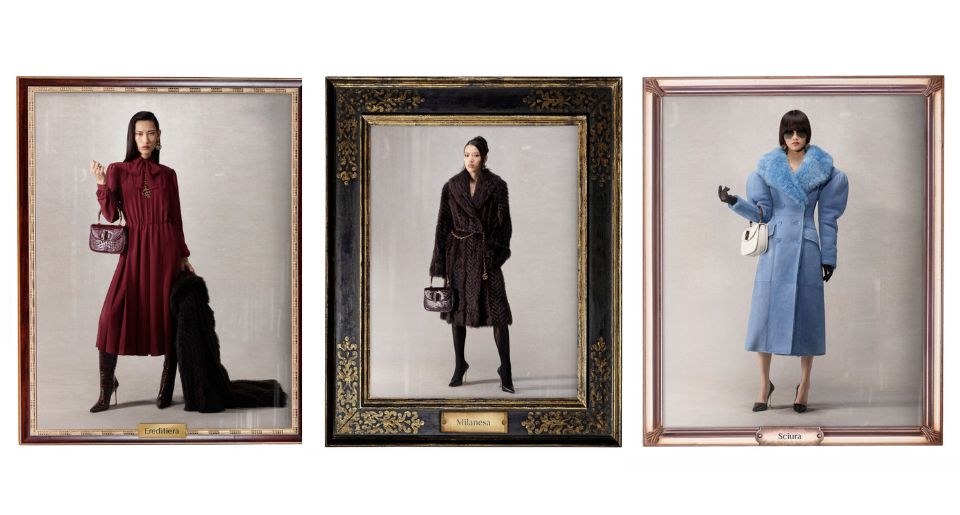
This is probably the biggest reason I think the Bamboo deserves more attention. It has changed over the decades, but the basic idea has stayed recognizable.
Gucci has produced Bamboo handbags in different shapes, sizes, materials, colors, and constructions. Some versions feel very traditional and ladylike. Others look much more modern. There are structured top-handle bags, smaller versions, shoulder styles, and contemporary interpretations that play with the original idea.
The important thing is that the bamboo handle still makes sense. It doesn’t look like a detail that only belonged to one particular decade.
That’s difficult to achieve.
Look at some handbags that were huge in the 1990s or early 2000s. You can immediately identify the period they came from. That can be part of their charm, especially when vintage fashion comes back around, but it can also make them feel tied to a specific moment.
The Bamboo feels different.
A vintage Bamboo can look vintage without looking outdated.
That distinction is important.
Vintage Gucci Bamboo Has Its Own Personality
(Image credit: purse blog)
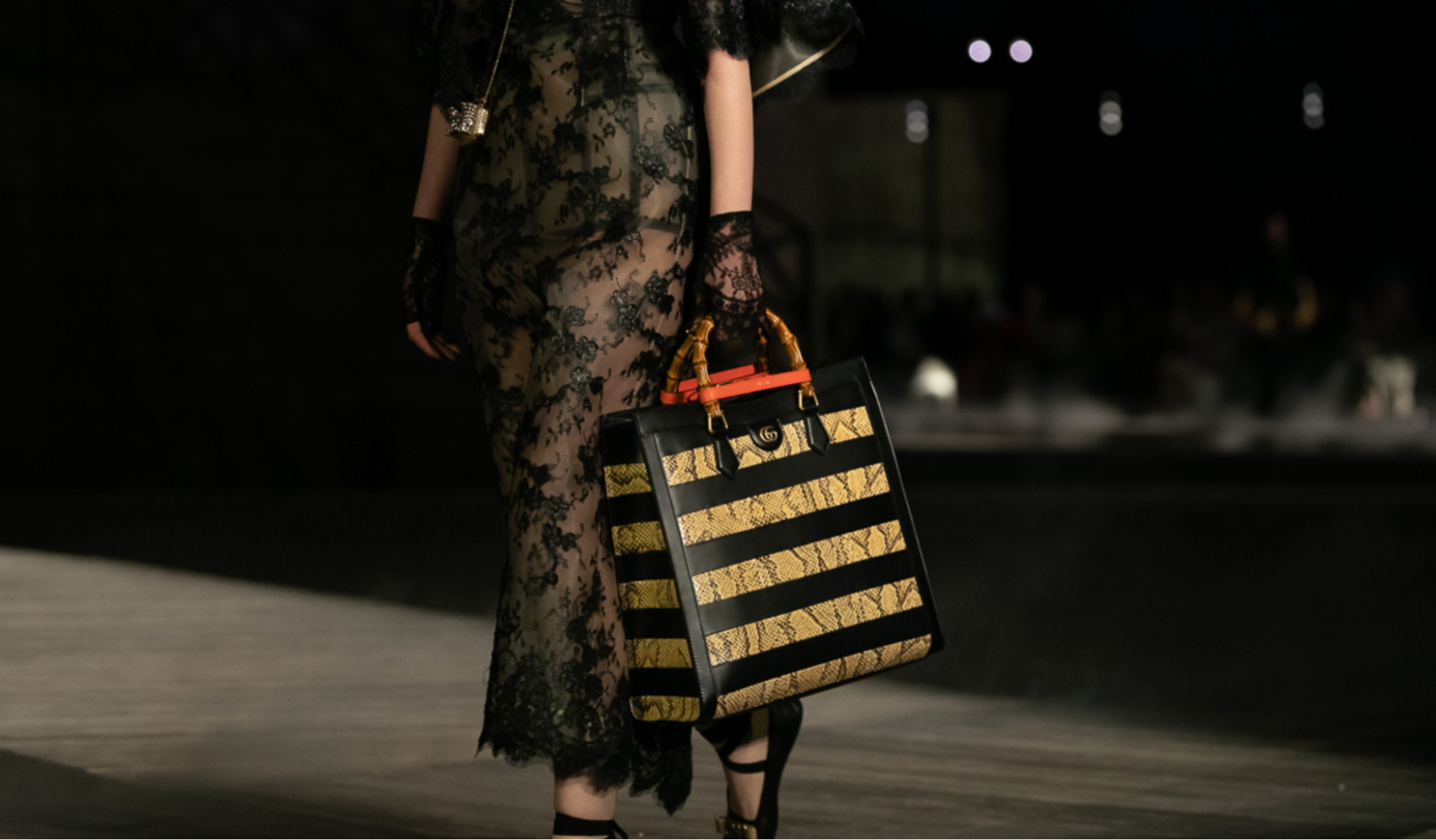
If you’re shopping for a Gucci Bamboo today, I think vintage examples are especially worth looking at.
Older Bamboo bags can have a completely different feeling from newer versions. The leather might have softened with age, the bamboo may have developed a deeper color, and the hardware can show signs of wear.
Of course, condition matters. A damaged handle or serious structural problem can make a vintage Bamboo much less practical. But when you find one that has aged well, the result can be beautiful.
This is one of those bags where I actually like seeing some evidence that it has been used.
A little softness in the leather can make the structured shape feel less formal. A naturally aged bamboo handle can also give the bag more character.
That’s one of the reasons I think vintage shopping works so well with Gucci Bamboo.
You aren’t just buying the newest version of an established design. You can find a bag from a completely different period of Gucci’s history.
And the Japanese second-hand market makes this especially interesting.
Japan has such a strong culture around taking care of luxury goods, so vintage Gucci bags can often turn up in surprisingly good condition. You can also find older styles that aren’t as easy to come across in current Gucci collections.
For someone who likes bags with a story, that makes the search much more fun.
Not Every Bamboo Looks the Same
(Image credit: purse blog)
One mistake I think people can make with the Bamboo is assuming there’s only one version of it.
There isn’t.
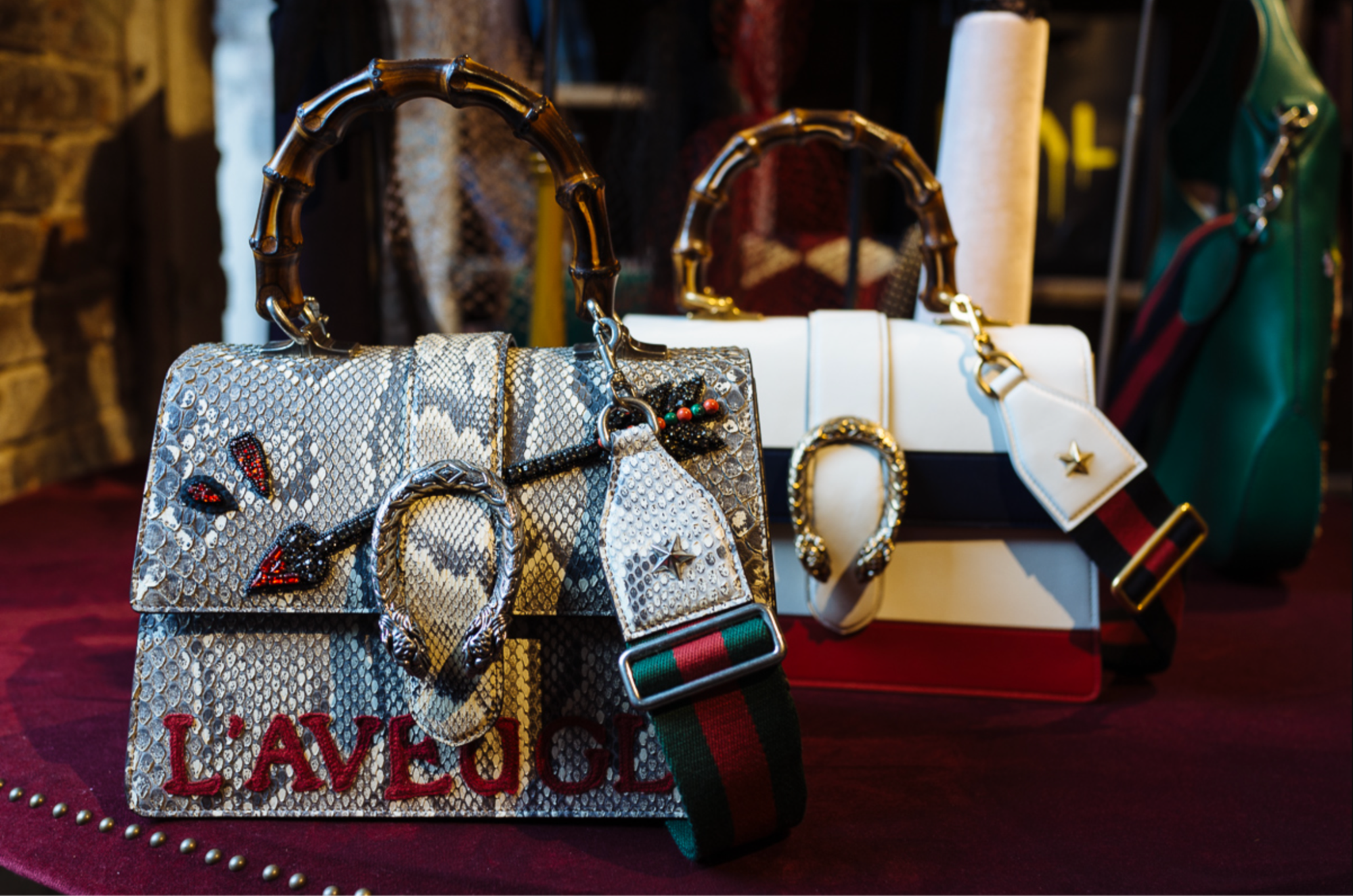
The Bamboo has gone through plenty of changes over the years, and those changes can completely alter the personality of the bag.
Some versions have a very traditional shape that feels almost like a classic ladylike handbag. Others are more relaxed and practical. Some use smooth leather, while others have more textured finishes. There are also versions where the bamboo becomes the main visual focus, while in others it feels more subtle.
That’s what makes collecting them interesting.
You can look at two Gucci Bamboo bags and immediately understand that they belong to the same family, but they might appeal to completely different people.
Personally, I tend to prefer the versions where the bamboo feels like the main design feature rather than something competing with a lot of other details.
I think the bag works best when you let that handle speak for itself.
Why the Bamboo Handle Still Looks Modern
(Image credit: purse blog)
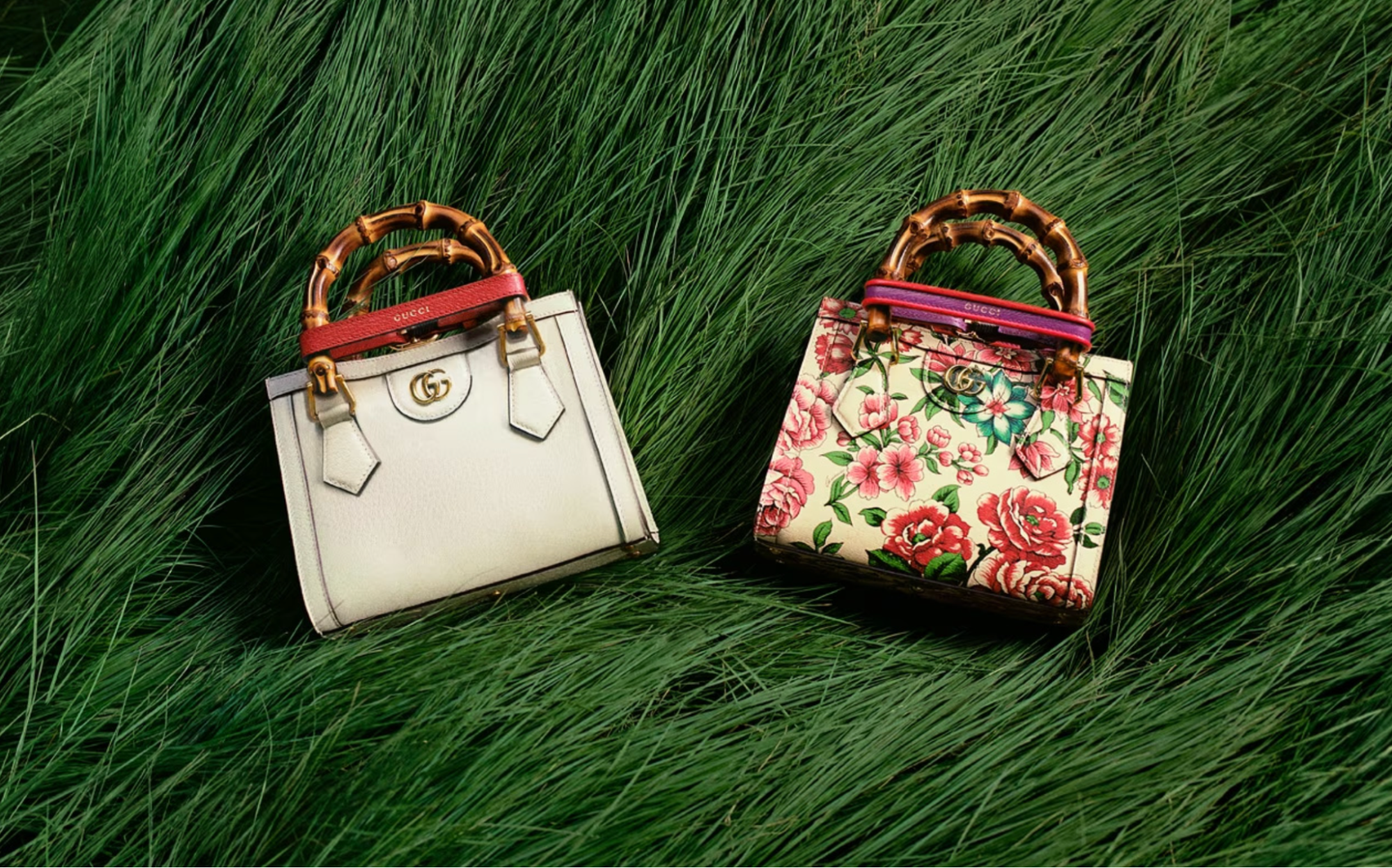
There’s something surprisingly contemporary about the Bamboo handle.
Part of that comes from its shape.
The curved handle creates a strong visual line, especially when the bag has a structured body. It gives the handbag a sculptural quality without making it feel overly complicated.
And because bamboo is so visually different from leather, it creates contrast.
That contrast is important.
Imagine the same structured handbag with a completely ordinary leather handle. It could still be beautiful, but it wouldn’t have the same identity.
Replace that handle with bamboo and suddenly you know exactly what you’re looking at.
That’s clever design.
It also explains why Gucci can keep returning to the Bamboo without needing to completely reinvent it every time. The foundation is already strong.
The Bamboo and Celebrity Style

(Image credit: purse blog)
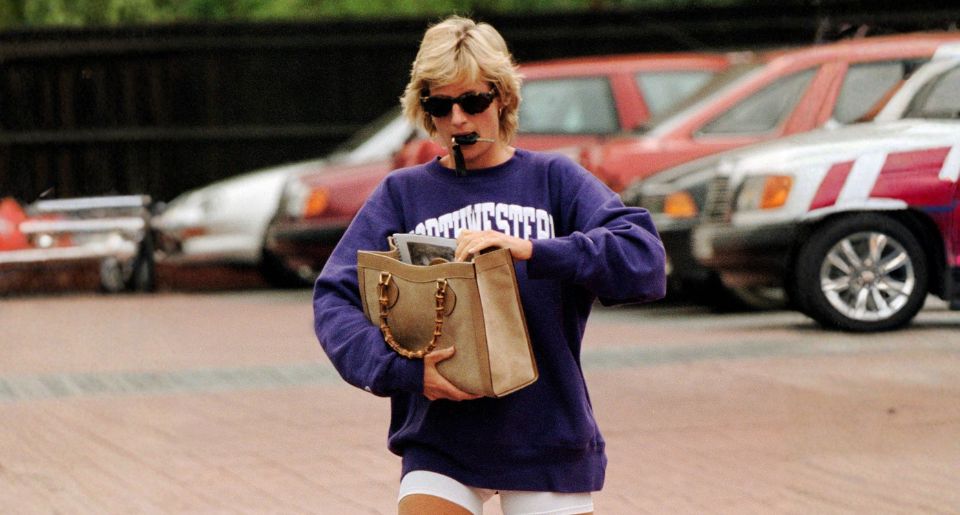
Like most major luxury handbags, the Bamboo has had plenty of famous wearers over the years. But I don’t think celebrity exposure is the main reason the bag has lasted. If anything, the Bamboo has benefited from being a little less obvious.
There’s a difference between carrying a bag because everyone immediately recognizes the logo and carrying one because you like the shape. The Bamboo belongs more to the second category.
It has appeared across different generations of fashion and has worked with very different styles. It can look polished with tailoring, relaxed with denim, or surprisingly cool with something much more casual.
That flexibility matters.
A handbag needs to fit into real life if it’s going to survive beyond one fashion moment.
The Bamboo Doesn’t Need to Be Loud
(Image credit: purse blog)
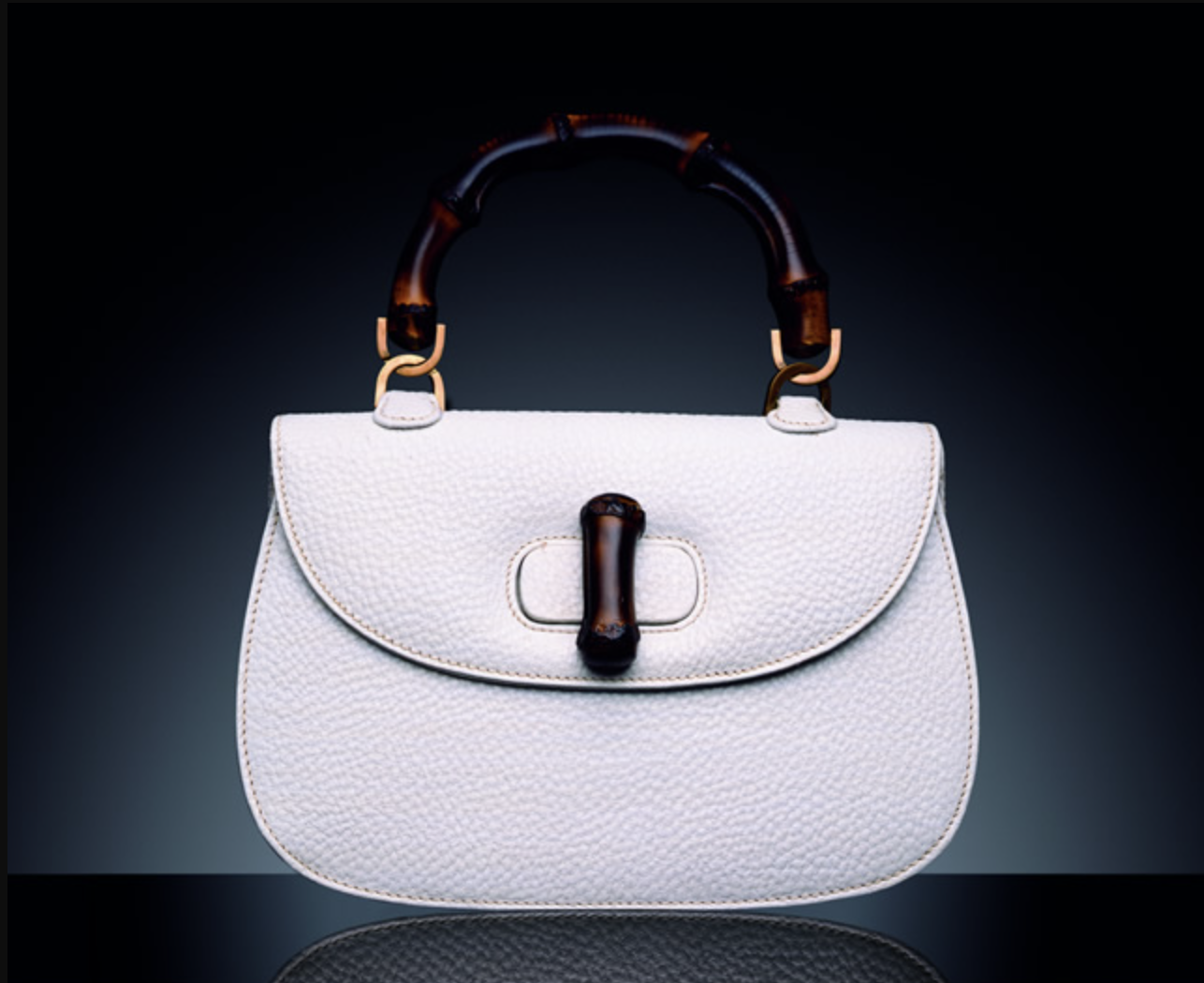
I think this is one of the reasons I personally find it appealing.
Gucci has produced some incredibly recognizable logo-heavy bags, and I love some of them. But the Bamboo offers a completely different kind of Gucci. You can recognize it without seeing a giant GG pattern.
There’s something more understated about that.
The bag says Gucci because of its design language rather than because the brand name is written across the front. That kind of recognition can feel more interesting to me. It rewards people who pay attention to details.
How the Bamboo Changed Through the Generations
(Image credit: purse blog)
One of the most interesting things about a long-running handbag is seeing how designers interpret the same idea over and over again.
The Bamboo has gone through exactly that process.
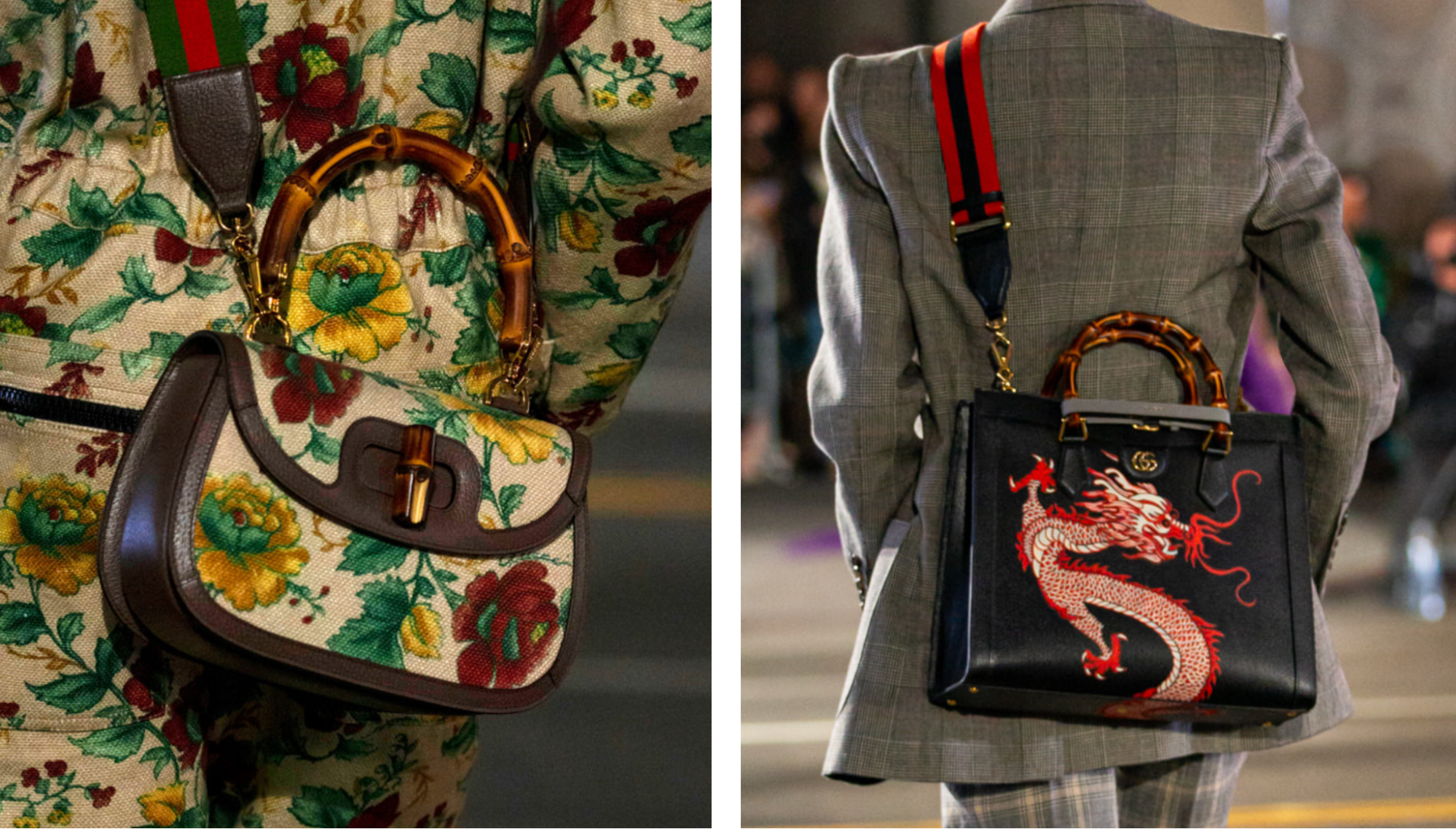
The original concept was relatively simple: a structured handbag with a curved bamboo handle. Over time, Gucci experimented with proportions, construction, colors, materials, and different ways of carrying the bag.
Some versions feel almost like direct descendants of the early designs. Others look completely contemporary. Yet the bamboo handle creates a connection between them.
That’s why I think the Bamboo works so well as a collectible. You can build a collection around the design without buying essentially the same handbag several times.
A vintage top-handle version can give you one side of the story, while a more modern interpretation can show how Gucci has updated the idea.
The differences become part of the fun.
Why I Think Bamboo Has Better Longevity Than People Give It Credit For
(Image credit: purse blog)
Fashion constantly talks about comebacks.
Every few years, another handbag from the past suddenly becomes the next big vintage obsession. That can be exciting, but it also makes me wonder how many of these bags will still look good when the trend moves on.
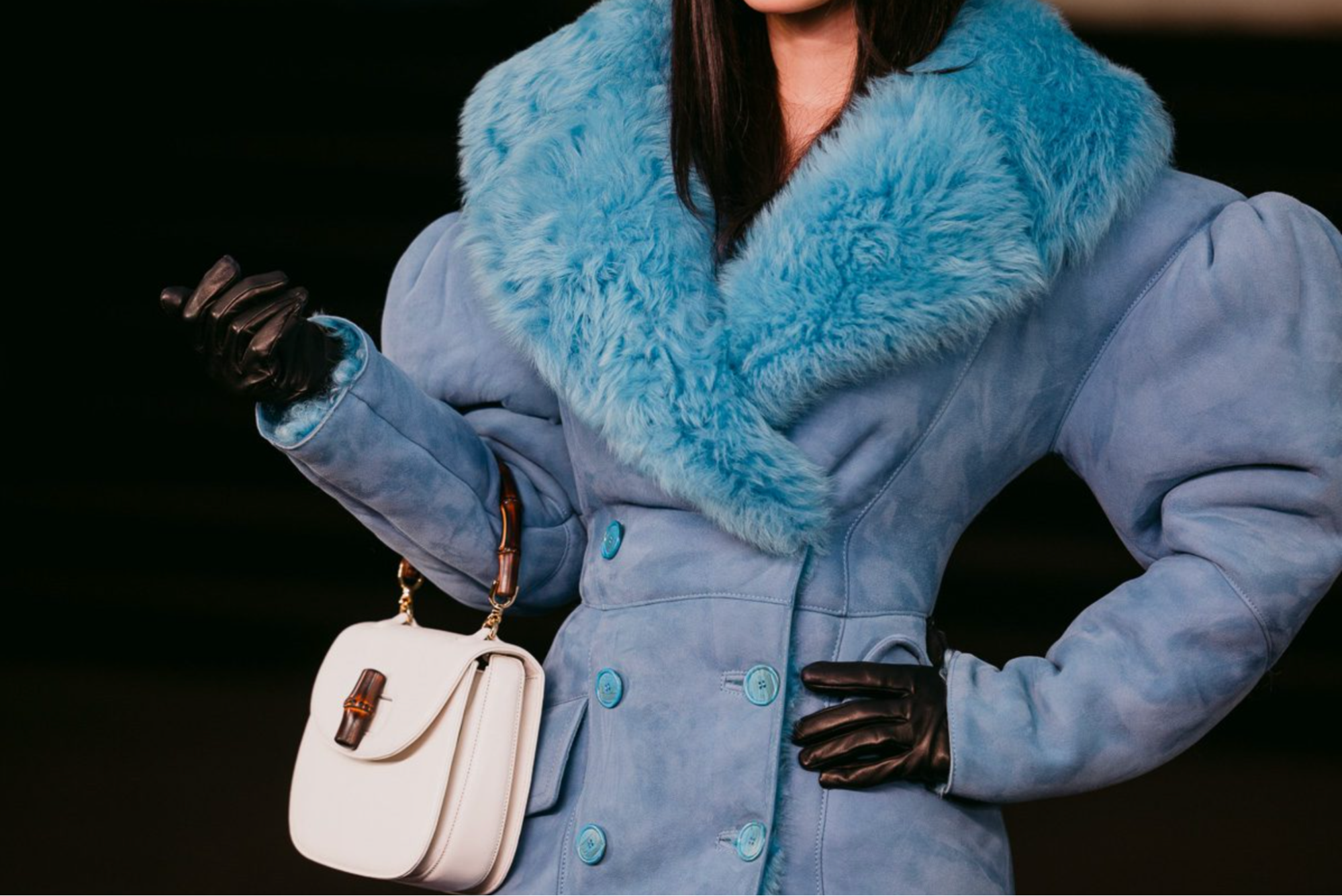
The Bamboo feels safer to me. It has already survived multiple fashion cycles. That matters more than a sudden spike in popularity.
The bag was important decades ago. It has been reinterpreted several times. It has appeared in different versions and collections. And it still makes sense today.
That’s longevity.
It doesn’t need to become fashionable again because it never completely disappeared.
Why Bamboo Works So Well With Today's Vintage Obsession
(Image credit: purse blog)
The current interest in vintage fashion has made people much more interested in the history behind handbags.
We’re not only looking at whether a bag is trendy right now. We’re asking where it came from, who carried it, how it was made, and whether the design still feels relevant.
The Bamboo has all of those things going for it.
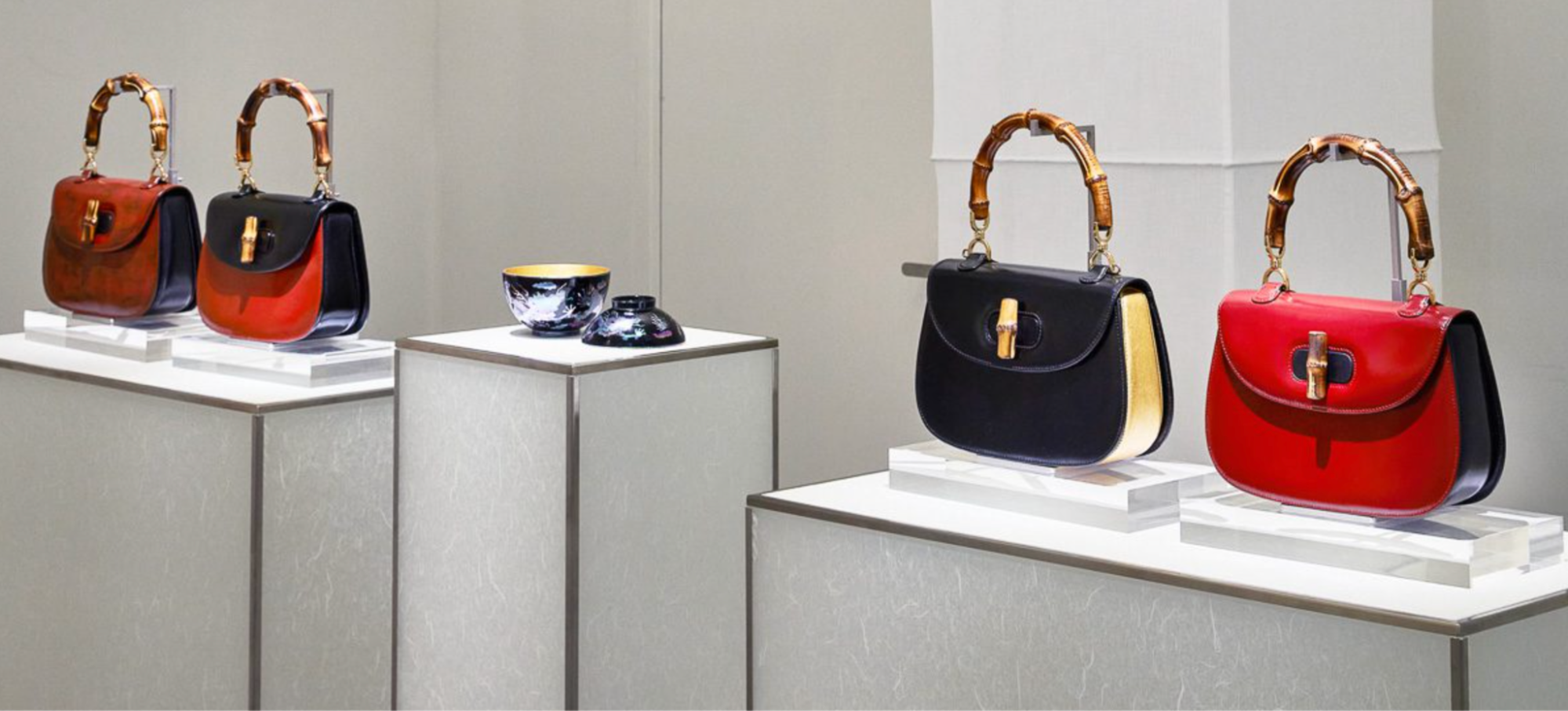
It has an unusual origin story. It has recognizable craftsmanship. It has decades of history. It has different generations to collect. And most importantly, it still looks good.
That last part is easy to overlook.
A fascinating history can’t save an ugly handbag. The Bamboo doesn’t have that problem.
Would I Buy a Vintage Bamboo?
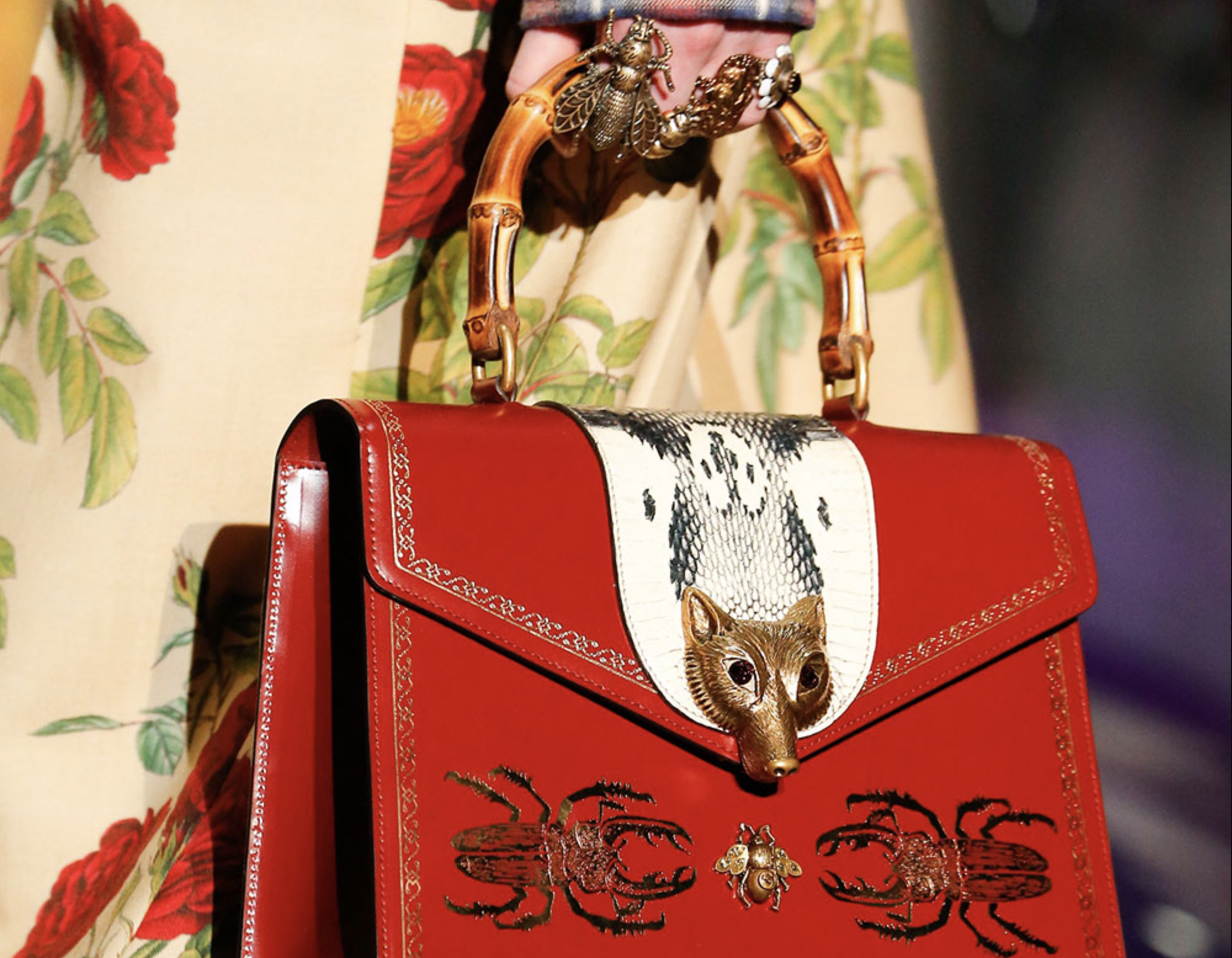
(Image credit: purse blog)
Yes.
And I think I’d actually be more interested in an older Bamboo than a completely new one.
There’s something about finding a version from another era and seeing how it has aged.
I’d look closely at the bamboo handle first because that’s the heart of the design. I’d want to make sure there aren’t serious cracks, structural damage, or repairs that could affect its use. I’d also check the corners, interior, hardware, lining, and overall shape.
But I wouldn’t automatically reject a bag because it has some signs of age. For me, that’s part of the appeal of buying vintage. A handbag doesn’t have to look like it left the boutique yesterday to be beautiful.
Sometimes the opposite is true.
The Design Detail That Became the Identity
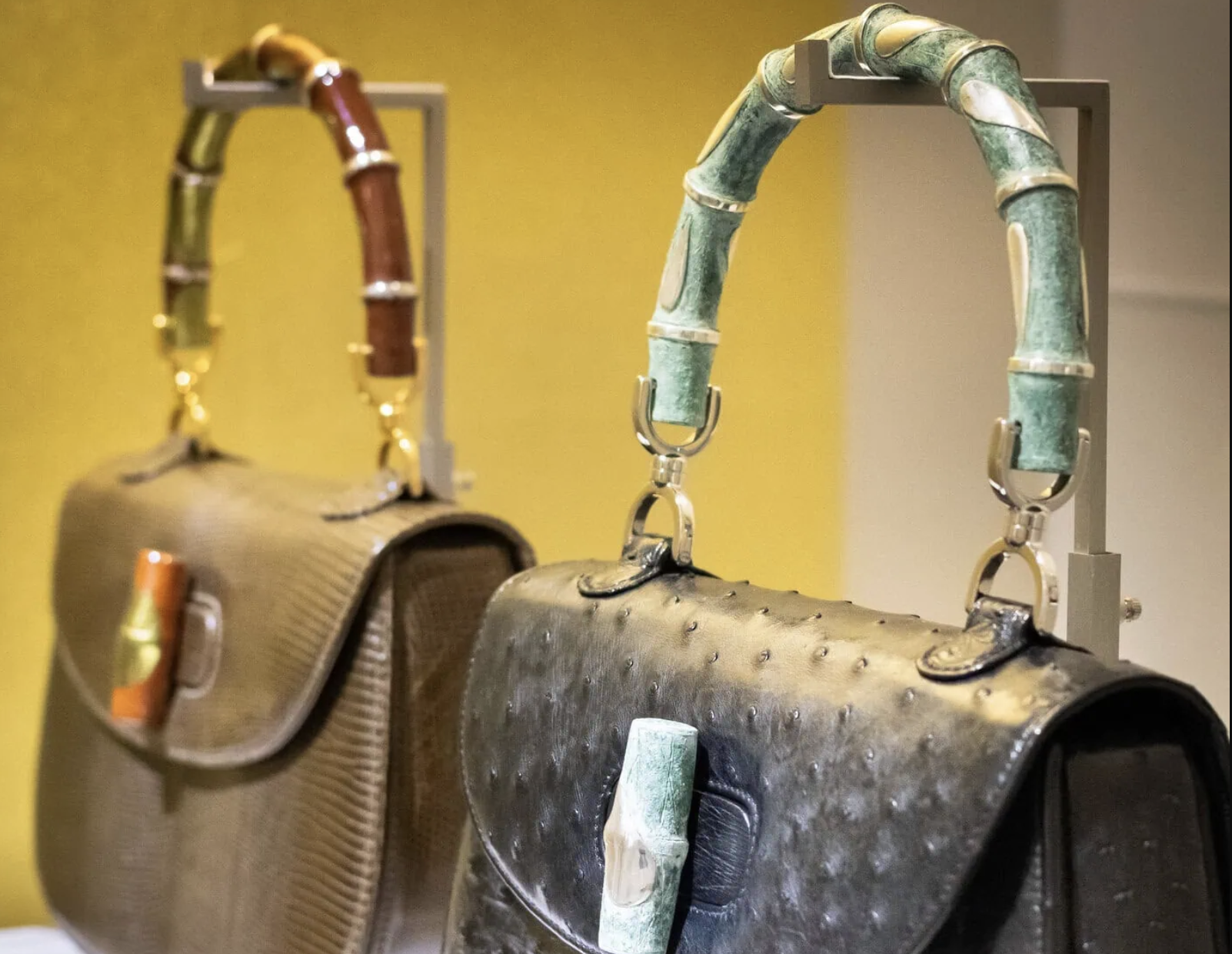
(Image credit: adf web magazine)
What I find most fascinating about Gucci Bamboo is how unlikely its story is.
A material chosen during a difficult period became one of Gucci’s most recognizable signatures.
The bamboo handle could have disappeared once traditional materials became easier to source. Instead, Gucci kept it.
Eventually, people stopped seeing bamboo as a solution to a problem and started seeing it as Gucci.
That’s when a design detail becomes a design language. And I think that’s the real reason Bamboo has lasted. It isn’t famous simply because it’s old. It isn’t interesting simply because it’s vintage.
It has survived because the original idea was strong enough to keep working.
The proportions can change. The leather can change. The colors can change. The way we wear handbags can change.
The bamboo handle still makes sense.
That’s a pretty impressive achievement for a piece of material that started as a practical answer to a shortage.
Why Gucci Bamboo Still Matters
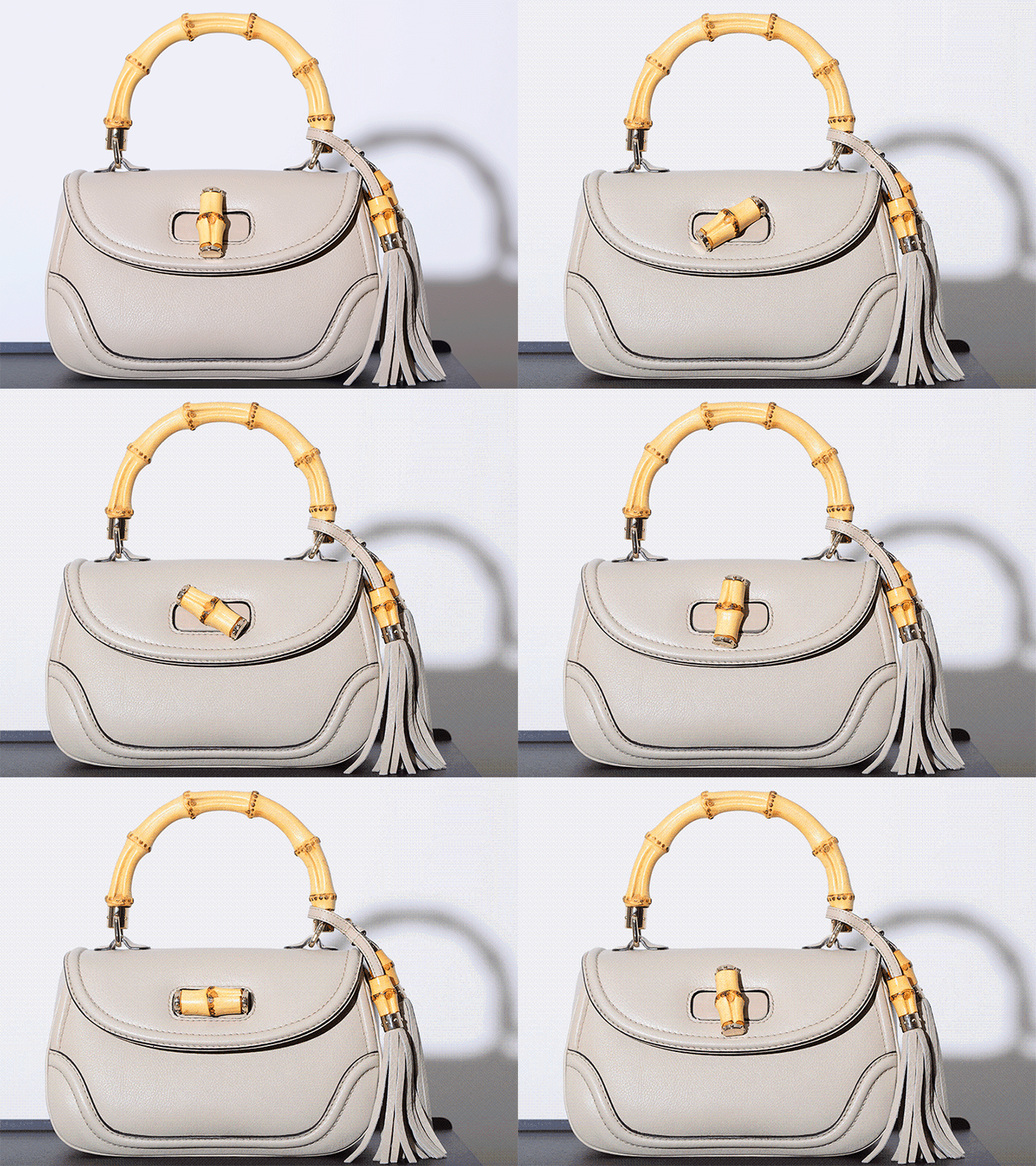
(Image credit: purse blog)
There are plenty of handbags with much louder histories.
There are bags associated with royalty, movie stars, musicians, supermodels, and major fashion moments. There are bags covered in logos and bags that became famous almost overnight.
The Bamboo story feels quieter.
And maybe that’s why I like it.
It shows how fashion can turn necessity into something beautiful. It shows how craftsmanship can become branding without needing a logo. And it shows why some designs survive while others disappear.
For me, the best handbags are the ones that give you something to look at beyond the name on the front.
Gucci Bamboo does exactly that.
The curved handle is practical, decorative, recognizable, and completely tied to the history of the house. It gives the bag a personality before you even look at the Gucci name.
After all these years, that’s still what makes it special. And if you’re building a vintage handbag collection, I think the Bamboo deserves a place in it.
Not because it’s having a moment.
Because it has already had several, and it’s still here.