(Image credit: instyle)
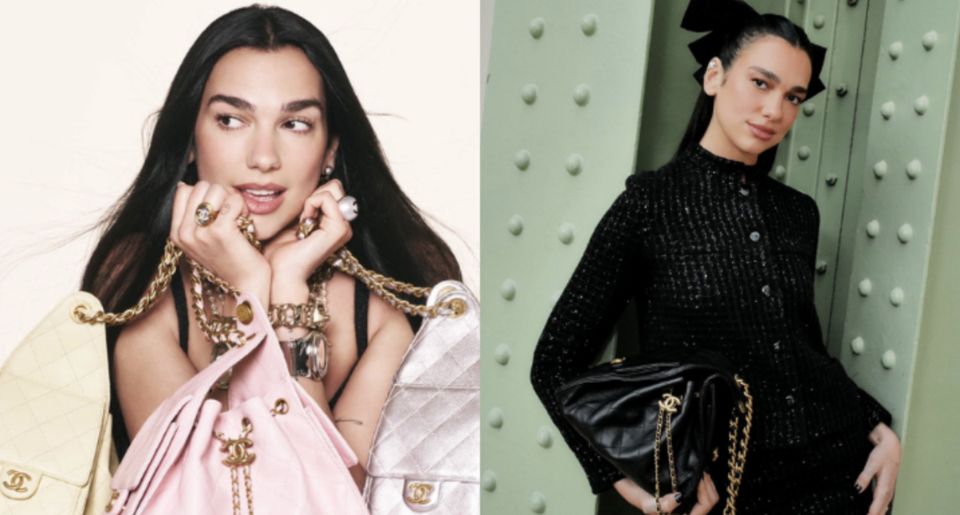
Gen Z buyers are reshaping luxury by mixing current icons with vintage and archive pieces sourced through resale.
Luxury used to feel distant. It was structured, predictable, and tied to long-term ownership. You worked toward a purchase, made a decision carefully, and once you had the item, it stayed with you for years.
That dynamic doesn’t hold in the same way anymore.
Gen Z approaches luxury with a different mindset. It’s more flexible, more personal, and less tied to permanence. A bag isn’t just something to own — it’s something to wear, restyle, and sometimes move on from.
This shift is most visible in the resale market.
For Gen Z, resale isn’t an alternative. It’s often the starting point. It’s where they find pieces that feel less obvious, more individual, and better aligned with how they actually dress.
As a result, the resale market isn’t just expanding. It’s changing shape, driven by a generation that values access over ownership, styling over status, and movement over permanence.
Access Over Ownership
(Image credit: marieclaire)
Luxury is becoming more fluid, with pieces moving in and out of wardrobes rather than staying long-term.
Gen Z doesn’t see luxury as something fixed.
They’re comfortable with the idea that a bag might stay in their wardrobe for a few months, then move on. That doesn’t reduce its value. If anything, it reframes it.
Luxury becomes something you interact with, not something you lock away.
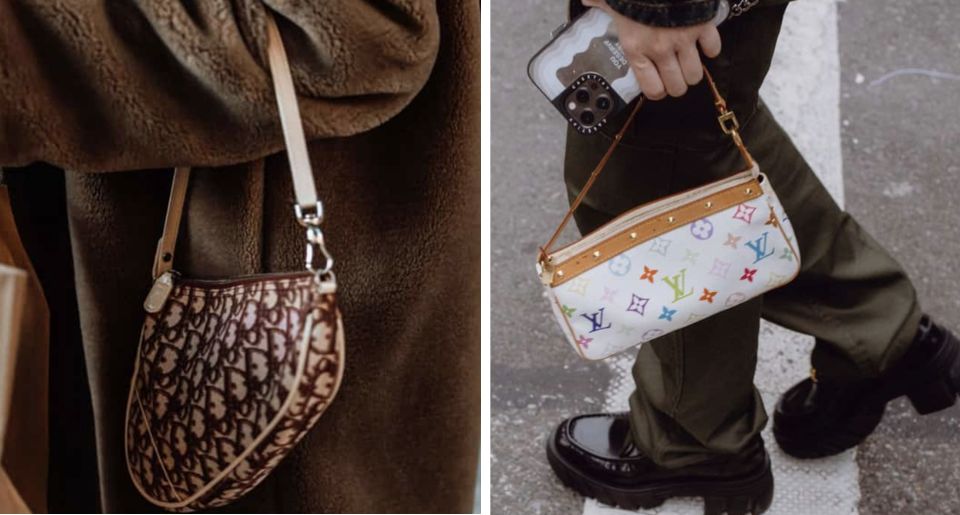
The Louis Vuitton Multi Pochette Accessoires reflects this shift clearly. Its modular design makes it adaptable. It can be styled in multiple ways, worn casually or dressed up, and easily resold when tastes change.
That flexibility matters.
Instead of committing to one piece long-term, buyers feel free to experiment. They can try something new without feeling like they’re making a permanent decision.
Resale platforms support that behavior naturally. They create a cycle where buying and selling feel connected rather than separate.
A purchase isn’t the end of the journey. It’s part of a loop.
Style Over Status
(Image credit: etoile-luxuryvintage)
Gen Z builds identity through styling, not just brand recognition.
Luxury used to communicate status in a clear, almost uniform way. Certain bags carried the same meaning wherever they appeared.
Gen Z doesn’t approach it like that.
They’re less focused on what a piece represents to others and more focused on how it fits into their own style. It’s a quieter, more individual approach.
That’s one of the reasons older designs are gaining traction again.
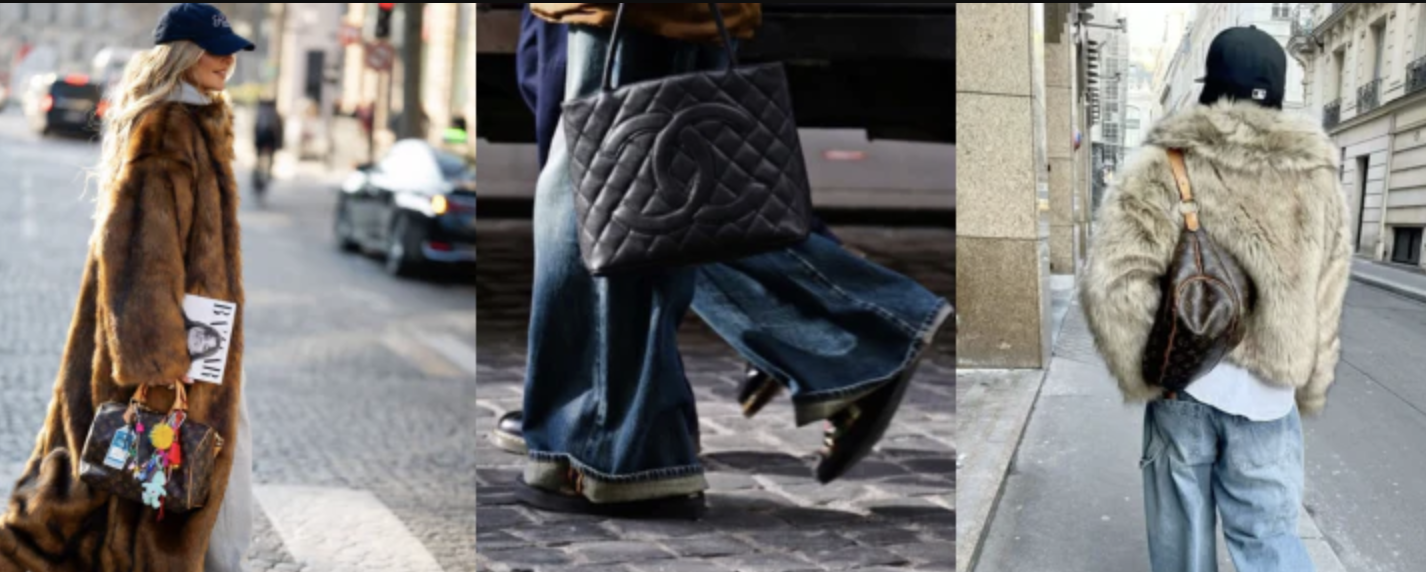
The Dior Saddle Bag, for example, doesn’t feel like a standard luxury purchase. Its shape stands out. It carries a sense of familiarity, but it doesn’t blend into everything else.
The Chanel Classic Flap Bag works differently. It’s widely recognized, but Gen Z often styles it in ways that feel less traditional — paired with casual outfits, vintage denim, or oversized tailoring.
What matters is how the piece is worn, not just what it is.
Resale platforms support this shift by offering access to a wider range of designs across different eras. Buyers aren’t limited to current collections. They can build a wardrobe that feels layered and personal.
The Rise of Archive and Nostalgia
(Image credit: vogue)
Archive pieces from the early 2000s are returning through resale, driven by nostalgia and individuality.
Gen Z didn’t experience early 2000s fashion in real time, but they’re engaging with it now in a different way.
Archive pieces feel new to them.
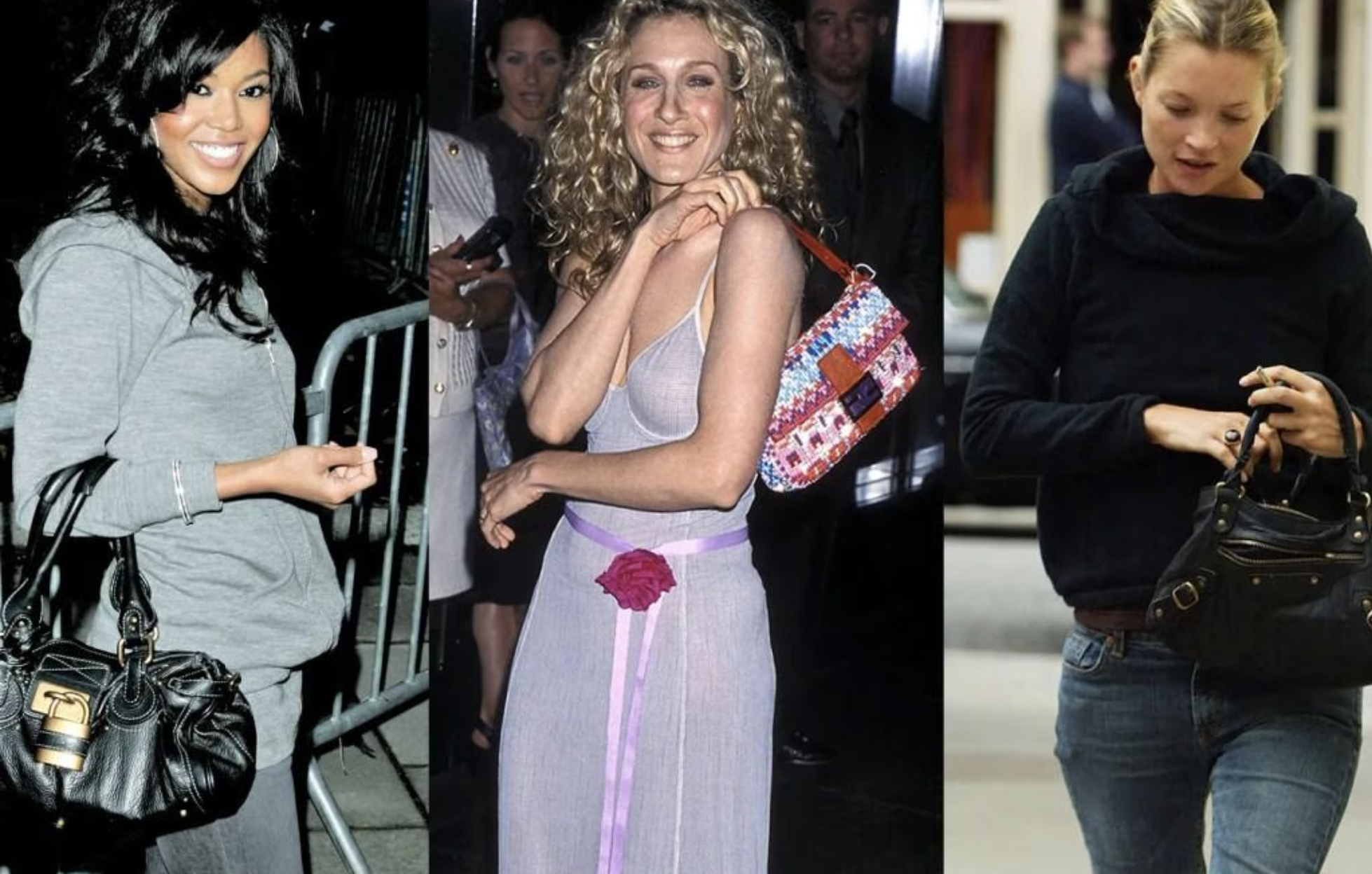
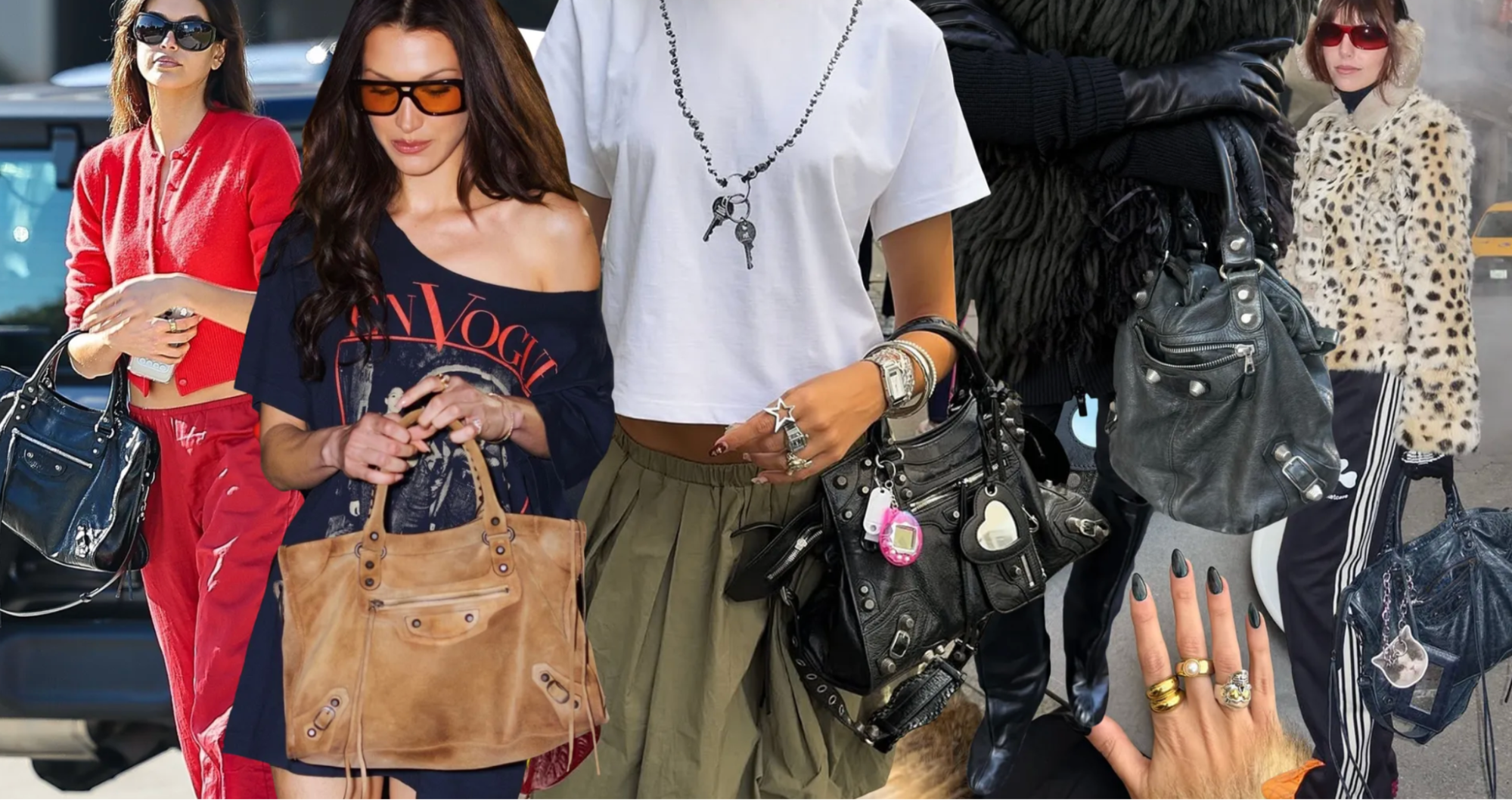
The Balenciaga City Bag, once a defining bag of its era, has come back through resale. Its relaxed structure and worn-in look fit naturally into current styling.
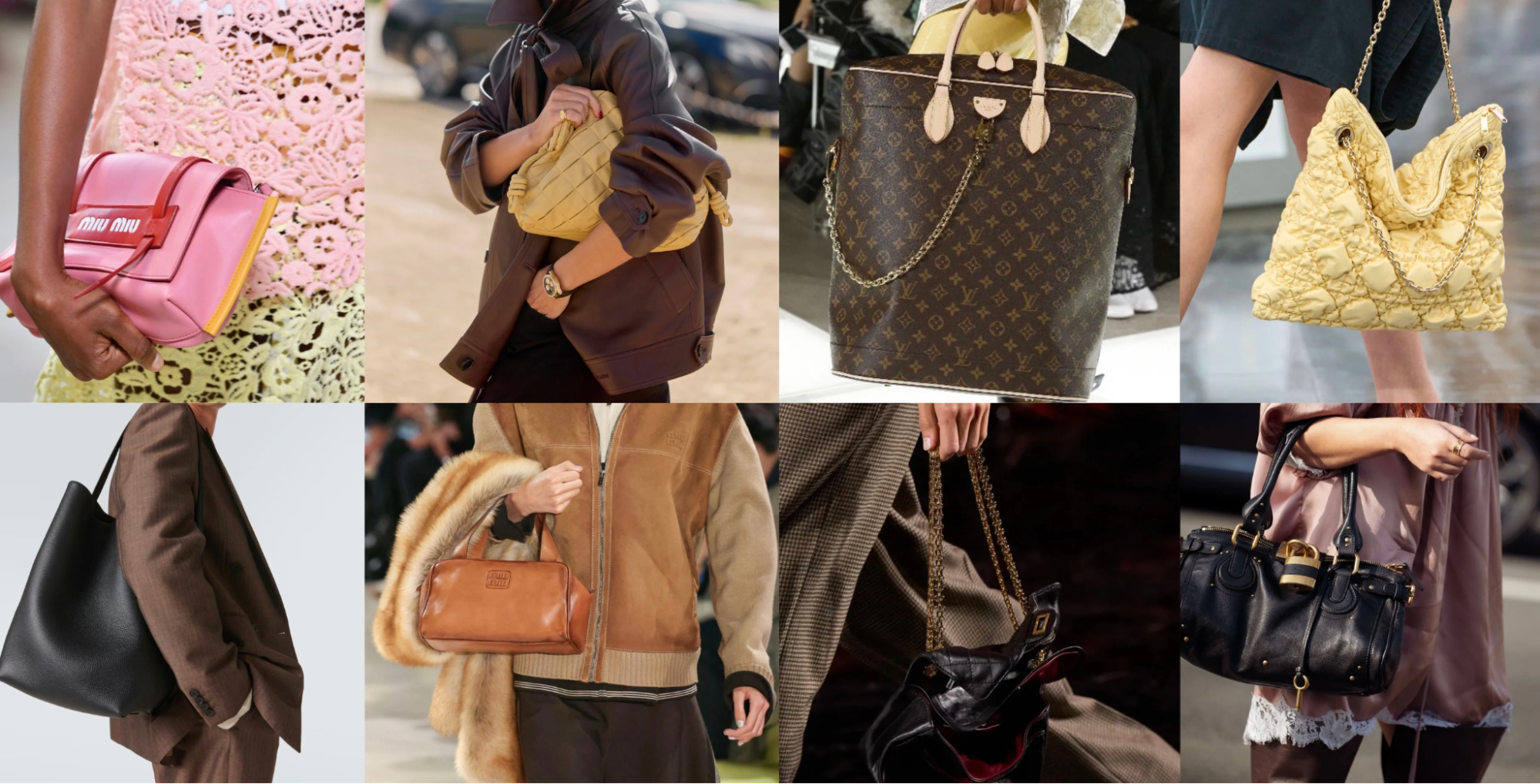
The Chloé Paddington Bag carries a different kind of appeal. It’s heavier, more distinctive, and tied to a very specific moment in fashion. That’s exactly what makes it interesting again.
The Fendi Spy Bag follows the same pattern. It doesn’t look like anything currently in stores, which gives it a sense of individuality.
Resale platforms act as the bridge between past and present. They allow these pieces to re-enter circulation without needing to be reissued by brands.
For Gen Z, that access creates a sense of discovery — not through new collections, but through what already exists.
The Influence of Digital Culture
(Image credit: whowhatwear)
Trends now move through digital platforms, often driving demand for resale pieces overnight.
Platforms like TikTok and Instagram have changed how demand forms.
A bag doesn’t need a runway moment to gain attention. It can resurface through styling videos, outfit posts, or resale hauls.
That’s exactly how the Balenciaga City Bag returned to relevance. It wasn’t driven by new production. It was driven by visibility.
Resale platforms respond quickly to that kind of demand. When a piece starts trending, buyers don’t wait for brands to reintroduce it. They go directly to the secondary market.
This creates a faster, more reactive system where value shifts based on cultural momentum rather than traditional release cycles.
Value Looks Different Now
(Image credit: purseblog)
Condition, rarity, and cultural relevance now define value more than retail price alone.
Gen Z evaluates luxury differently.
Price still matters, but it’s not the only factor. Condition, rarity, and how a piece fits into current styling all play a role.
The Bottega Veneta Pouch is a good example. It had a strong moment, but its value now depends on how it’s styled and how well it’s been maintained.
The Bottega Veneta Cassette Bag continues to hold attention because it still feels relevant visually, even as trends shift.
Resale platforms make it easier to navigate that kind of value. Buyers can compare condition, pricing, and availability across multiple listings.
That transparency changes how decisions are made.
Sustainability, But in a Real Way
(Image credit: bam luxury store)
Resale aligns naturally with more conscious consumption habits.
Sustainability is part of the conversation, but Gen Z approaches it in a practical way.
They’re aware of environmental impact, but they’re not necessarily making decisions based on messaging alone. What matters is whether the behavior feels natural.
Buying pre-owned luxury fits into their lifestyle without requiring a major shift. It allows them to participate in fashion while extending the life cycle of existing products.
It’s not about making a statement every time they purchase something. It’s about choosing options that make sense — financially, stylistically, and ethically.
That’s one of the reasons resale has become so integrated into how they shop.
Trust, Transparency, and Expectation
(Image credit: zenluxe)
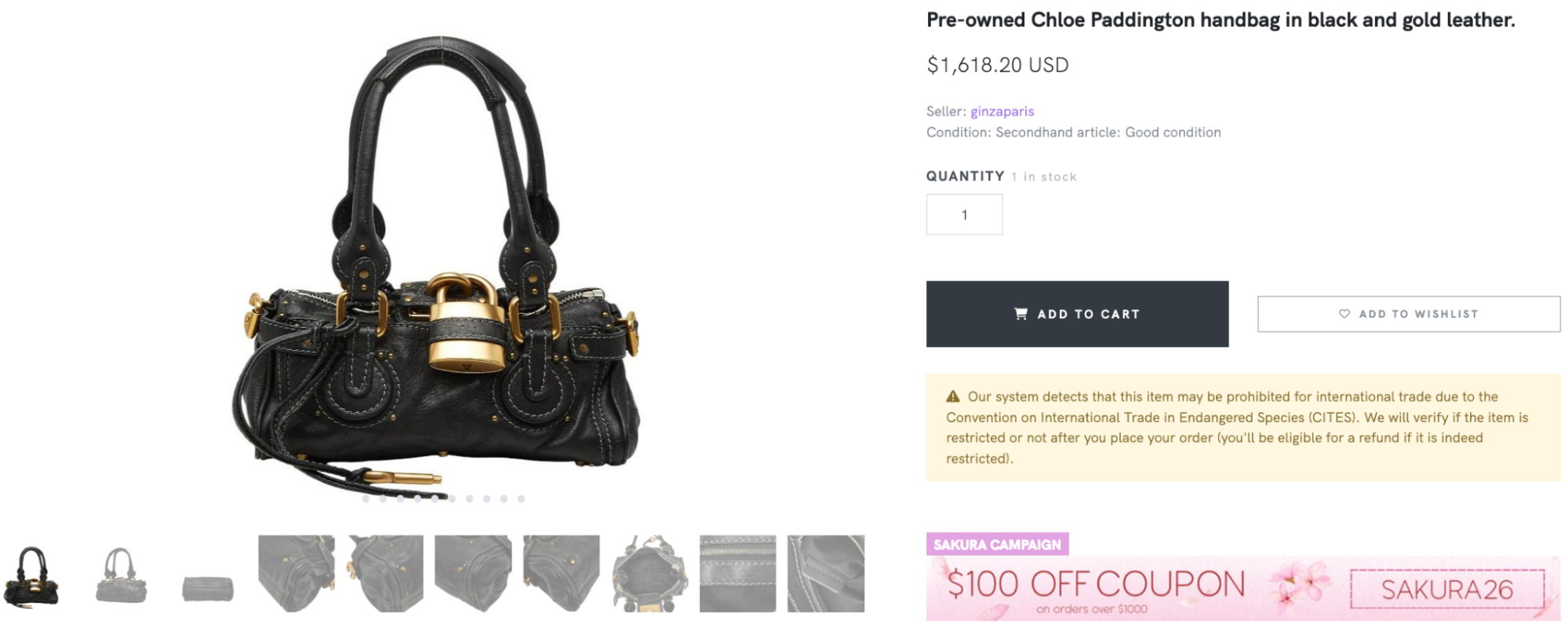
Clear imagery and consistent condition grading are essential for building trust.
Gen Z expects transparency as a baseline.
They’re used to having access to information, and they carry that expectation into resale. If a listing feels vague or overly polished, it can create hesitation.
Clear photos, detailed descriptions, and consistent grading systems help build confidence. Buyers want to know exactly what they’re getting, especially when they’re purchasing online.
This is where resale platforms can stand out.
Those that invest in accuracy — showing wear, explaining condition, and maintaining consistency — tend to earn repeat customers. It’s not just about selling a product once. It’s about creating a reliable experience.
Platforms that prioritize accuracy tend to stand out here. On ZenLuxe, for example, listings are built around detailed condition grading and clear imagery, which aligns with what Gen Z expects when buying resale. It’s less about selling quickly and more about building confidence in each purchase.
Circular Luxury Is the New Normal
One of the biggest changes Gen Z brings to the market is the idea that luxury doesn’t have to be permanent.
A bag can move from one owner to another without losing its value. In some cases, it gains value over time.
That perspective turns resale into part of the luxury lifecycle, not something separate from it.
Instead of thinking in terms of buying and keeping, Gen Z often thinks in terms of buying, using, and reintroducing a piece back into the market.
This keeps products in circulation longer and creates more opportunities for buyers to access items they might not have considered at retail.
A Different Kind of Luxury Buyer
The idea of a luxury buyer has changed.
It’s no longer defined by age, income, or traditional habits. It’s defined by mindset.
Gen Z approaches luxury with curiosity and practicality at the same time. They’re willing to invest, but they want flexibility. They appreciate quality, but they don’t rely on brand recognition alone.
Resale fits naturally into that way of thinking.
It offers access, variety, and the ability to participate in luxury without following the same rules that existed before.
That’s why the resale market isn’t just expanding. It’s being reshaped — piece by piece — by a generation that sees luxury differently.