
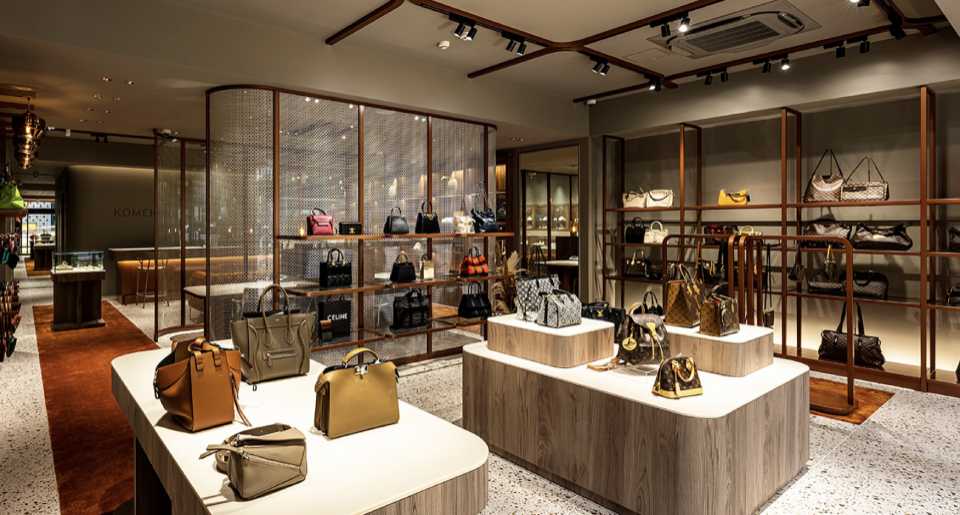
(Courtesy of Komehyo)
In the global luxury resale market, certain phrases carry an immediate sense of credibility. Among collectors and buyers, one of the most powerful is “Made in Japan” or “sourced from Japan.”
When browsing vintage handbags, archival designer pieces, or rare accessories, many buyers feel a greater level of confidence when the item originates from a Japanese seller. Listings often appear meticulous, condition descriptions unusually detailed, and the products themselves frequently arrive in better shape than expected.
This reputation is not accidental. It reflects a combination of cultural values, consumer behavior, and a resale industry that has developed rigorous standards over time. From conservative condition grading to careful ownership habits, Japan’s luxury resale ecosystem has created an environment where transparency and trust are central.
Understanding why buyers trust Japanese luxury listings requires looking beyond commerce into the psychology and cultural context that shaped this market.
Cultural Standards: Precision, Responsibility, and Reputation
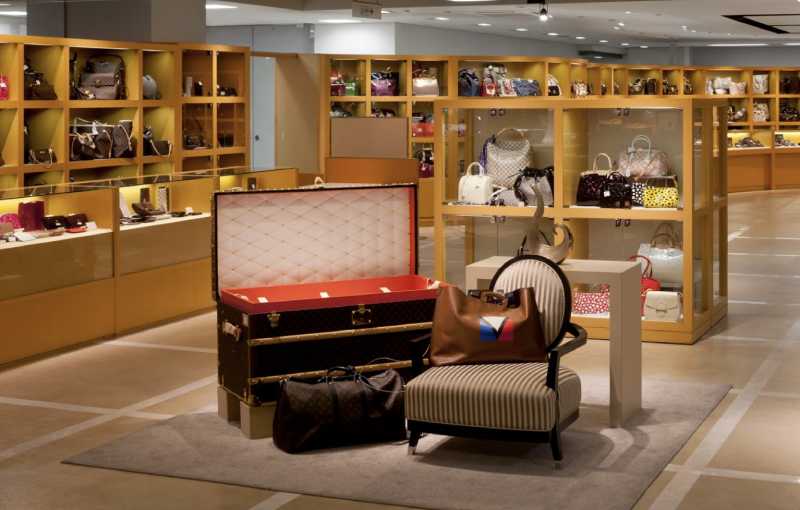
Japanese resale boutiques frequently display designer handbags with meticulous organization and retail-level presentation, reinforcing consumer confidence and transparency in the market. (Image credit: mindtrip)
Japan has long been associated with precision and reliability across industries, from manufacturing to hospitality. These values strongly influence the country’s retail culture, including the luxury resale market.
In Japan, businesses often view transparency as an essential responsibility toward customers. Sellers understand that a company’s reputation is closely tied to the accuracy of its product descriptions and the quality of the items it offers. As a result, honesty and attention to detail are not merely business strategies but reflections of broader cultural expectations.
Luxury resale shops frequently inspect items carefully before listing them for sale. Even minor signs of wear—small scratches on hardware, faint creasing on leather, or light discoloration inside a bag—may be documented and photographed. For buyers unfamiliar with Japanese listings, these descriptions can initially appear overly cautious.
However, this cautious approach plays a crucial role in building trust. When sellers consistently disclose every visible flaw, buyers quickly learn that the product they receive will likely meet or exceed expectations. Over time, this transparency strengthens confidence in the entire market.
Consumer Behavior: Japan vs. the US and Europe
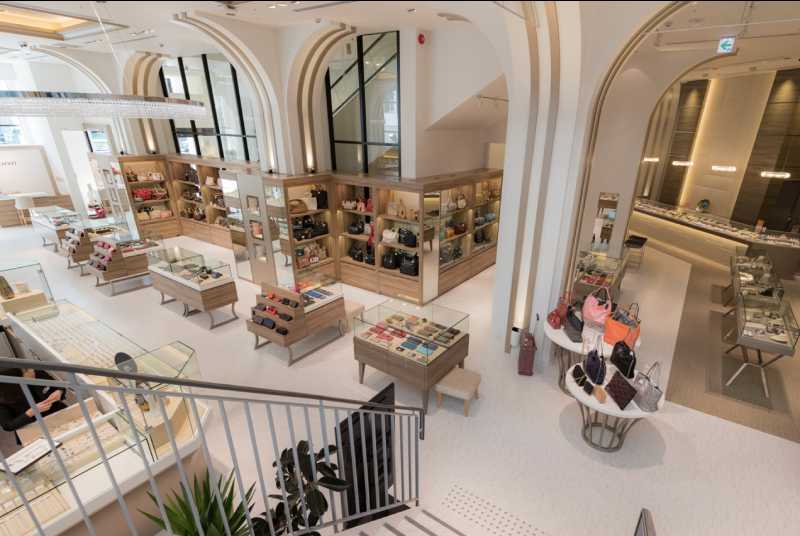
Luxury consumption patterns in Japan historically emphasize careful ownership and product preservation. (Image credit: mindtrip)
Another factor influencing the reputation of Japanese resale items is the way luxury goods are used and maintained by consumers.
In many Western markets, luxury items are often treated as everyday accessories. Designer bags, shoes, and wallets may rotate through daily use and accumulate signs of wear over time. While this reflects a practical approach to fashion, it can also affect the condition of items entering the resale market.
Japanese consumers historically approach luxury ownership somewhat differently. Many buyers treat high-end accessories with a heightened level of care, storing bags in dust covers, keeping original packaging, and avoiding situations that might damage materials.
This preservation mindset means that items entering the resale market often remain in excellent condition, even years after purchase. When international buyers notice how well-maintained these pieces appear, it reinforces the perception that Japanese luxury items offer superior quality in the secondhand market.
Over time, these experiences shape buyer expectations. Shoppers begin to associate Japanese resale listings with well-preserved items, creating a psychological link between geographic origin and product condition.
The Evolution of Condition Grading Culture
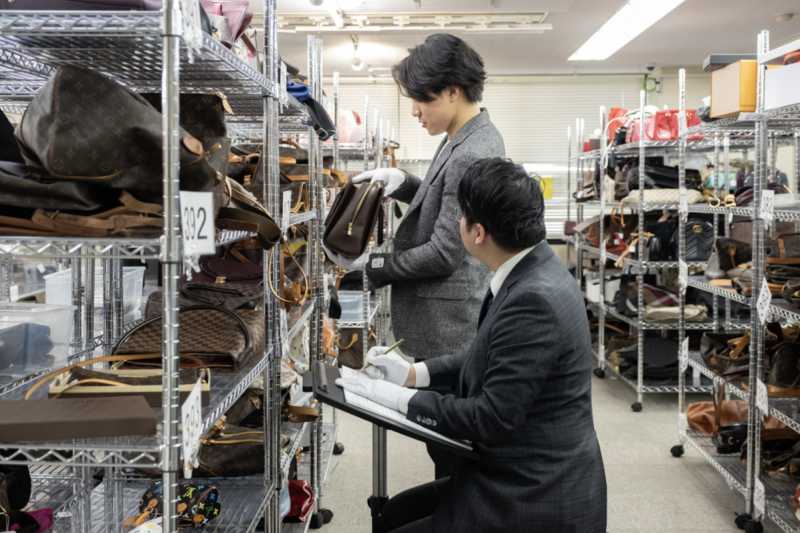
Detailed inspection and grading systems are a cornerstone of Japan’s luxury resale industry. (Image credit: Komehyo)
One of the most important structural features of Japan’s resale industry is its well-developed condition grading system.
Unlike many resale markets where condition descriptions can be subjective, Japanese sellers often rely on standardized grading scales. Items may be categorized as unused, like new, excellent, very good, or fair condition, depending on the level of wear observed during inspection.
These classifications are not assigned casually. Sellers typically examine multiple aspects of the product, including exterior leather, interior lining, hardware, stitching, and structural integrity. Even subtle signs of wear may affect the final grade.
The emergence of these grading systems was partly driven by the growth of Japan’s secondhand market during the late twentieth century. As resale stores expanded and handled increasing volumes of luxury goods, standardized evaluation methods became necessary to maintain consistency and customer trust.
For buyers, these systems provide a sense of predictability. When a Japanese seller labels an item as “excellent,” customers often assume the evaluation was conducted according to strict criteria rather than optimistic marketing.
Today, many international resale platforms have adopted similar grading approaches, reflecting the influence of Japanese resale practices on the global industry.
Why Japanese Descriptions Are Often More Conservative
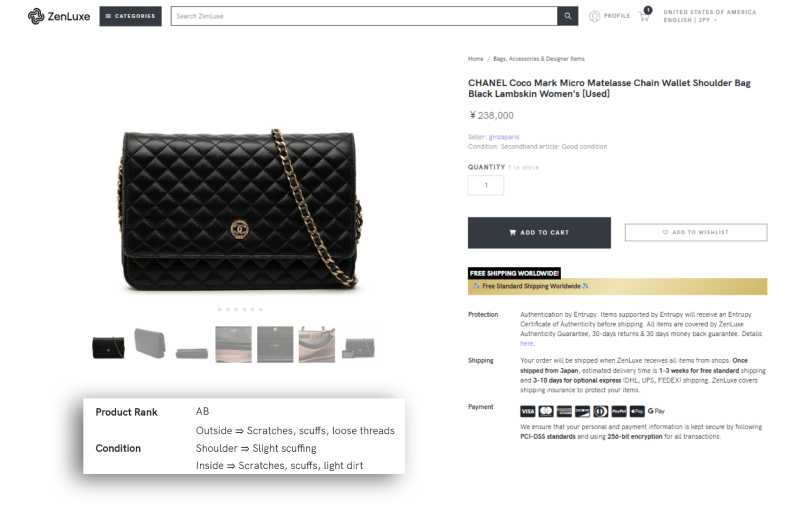
Japanese resale listings often highlight even the smallest signs of wear to ensure transparent buyer expectations.
One of the most distinctive characteristics of Japanese resale listings is their conservative tone. Product descriptions often highlight even the smallest signs of wear.
Phrases such as “minor hardware scratches,” “light corner wear,” or “slight interior marks” are common. To buyers accustomed to shorter product descriptions, this level of detail can seem surprising.
However, this conservative approach reflects a deliberate psychological strategy. Sellers prefer to understate condition rather than risk overstating it. By setting cautious expectations, they increase the likelihood that customers will feel satisfied—or even pleasantly surprised—when the item arrives.
This strategy helps reduce disputes, returns, and disappointment. More importantly, it strengthens the long-term relationship between buyers and sellers.
For many international customers, the experience becomes familiar: a listing describes minor imperfections, yet the product arrives looking better than expected. After several transactions like this, buyers develop strong confidence in the reliability of Japanese sellers.
Trust as a Market Advantage
In the online resale environment, buyers cannot inspect items in person before purchasing them. As a result, trust becomes the most valuable asset a marketplace can offer.
Japan’s resale industry has built that trust through a combination of cultural values, consumer behavior, and professional practices. Careful ownership habits ensure that items remain well preserved, while detailed grading systems provide clarity about condition.
At the same time, conservative descriptions protect buyers from unrealistic expectations. Together, these elements create a marketplace where transparency and reliability are prioritized.
For collectors searching for vintage or rare luxury pieces, this reliability significantly reduces the perceived risk of purchasing expensive items online. As a result, many international buyers actively seek out Japanese sellers when sourcing pre-owned luxury goods.
Why the “Made in Japan” Effect Matters Today
The global reputation of Japan’s resale market illustrates how trust can shape consumer psychology. Buyers are not simply purchasing luxury items—they are purchasing confidence in the transaction itself.
When a listing indicates that an item comes from a Japanese seller, many buyers instinctively assume the product will be carefully inspected, honestly described, and responsibly handled.
This perception has developed gradually over decades of consistent business practices. Transparent descriptions, rigorous grading systems, and careful ownership habits have all contributed to building a resale environment where credibility is deeply ingrained.
In the world of luxury resale, where authenticity and condition determine value, that credibility becomes a powerful competitive advantage.
Ultimately, the phrase “Sourced in Japan” resonates not because it guarantees perfection, but because it signals something equally important: a culture of honesty and precision that buyers have learned to trust. Platforms like ZenLuxe are built on exactly this foundation, bringing Japan’s trusted luxury resale standards to international buyers through a seamless, transparent shopping experience.