
(Courtesy of Vogue)
For the first time in its history, Hermès is pulling back the curtain on its leather goods studio, offering a rare glimpse into how its legendary bags come to life.
In this installment of Vogue’s A Day in the Life, Priscila Alexandre Spring, creative director of leather goods, invites us inside the Hermès atelier in Pantin, just outside Paris, where legendary bags are made to be loved at first sight and treasured for a lifetime.
A Rare Behind-the-Scenes Look Inside the Hermès Atelier

(Courtesy of Vogue)
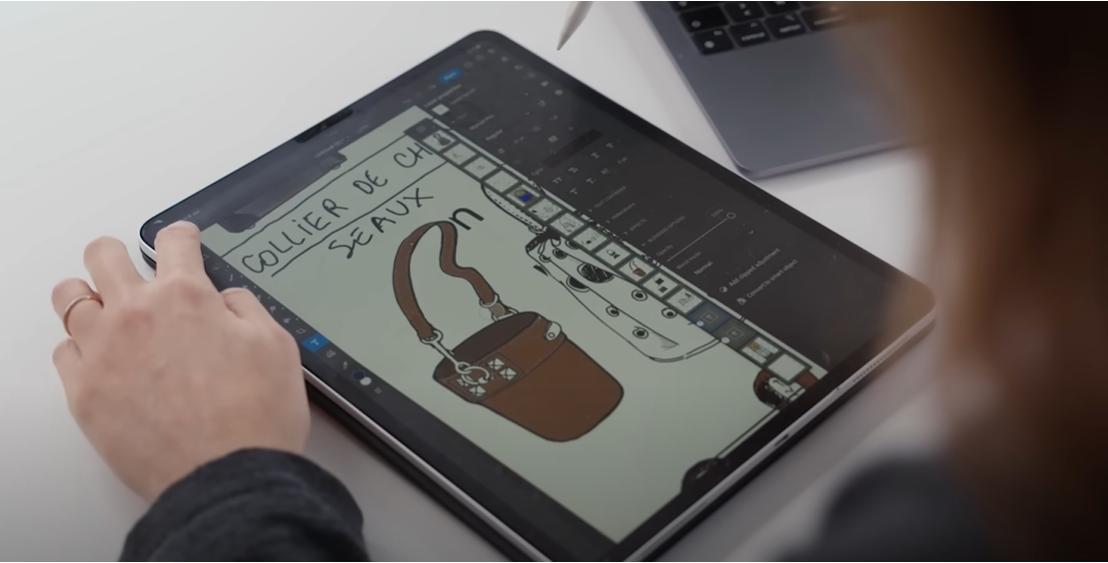
Priscila Alexandre Spring grew up in a world where creating with your hands was second nature. “I grew up in this environment, with my family always working with their hands,” she recalled, seated at her desk.
As a child, she could lose herself in sketching, spending hours on end with pencil and paper.
(Courtesy of Vogue)
Her grandmother, an embroiderer, taught her that beauty should be just as true on the inside as it is on the outside.
Her father, a self-taught painter and sculptor, added to that foundation of creativity. Today, those early lessons live on in her process: beginning with sketches, moving into 3D models, and only then into leather, where imagination meets reality.
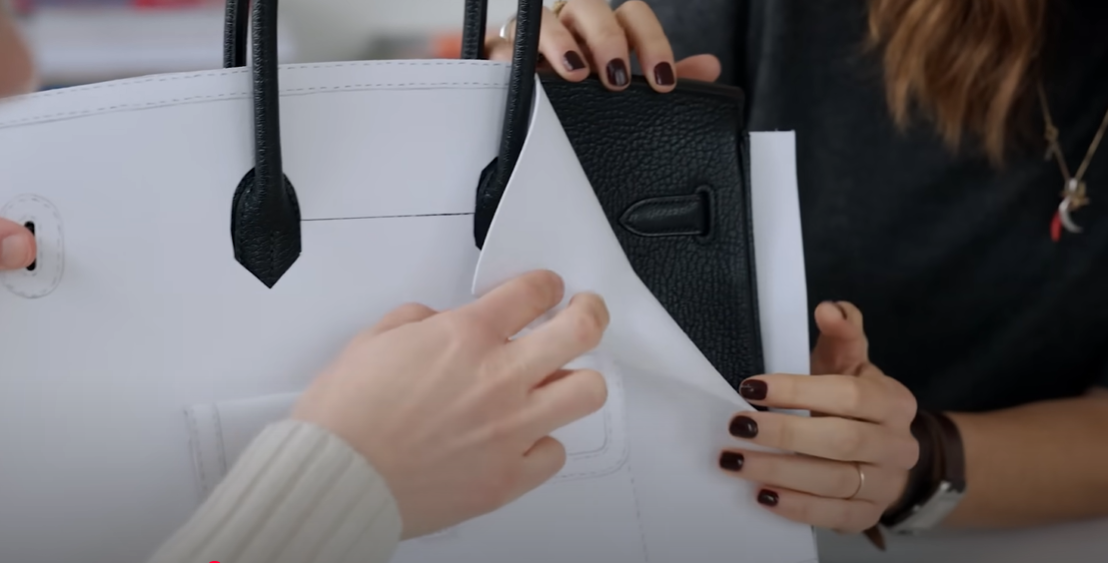
Ms. Alexandre Spring introduces us to Hermès’ salpa, a fabric-like material that mimics the qualities of leather.
(Courtesy of Vogue)
It behaves almost identically, allowing the team to build multiple mockups and experiment freely before touching the real thing. This process helps them clearly visualize how a design will take shape in the end.
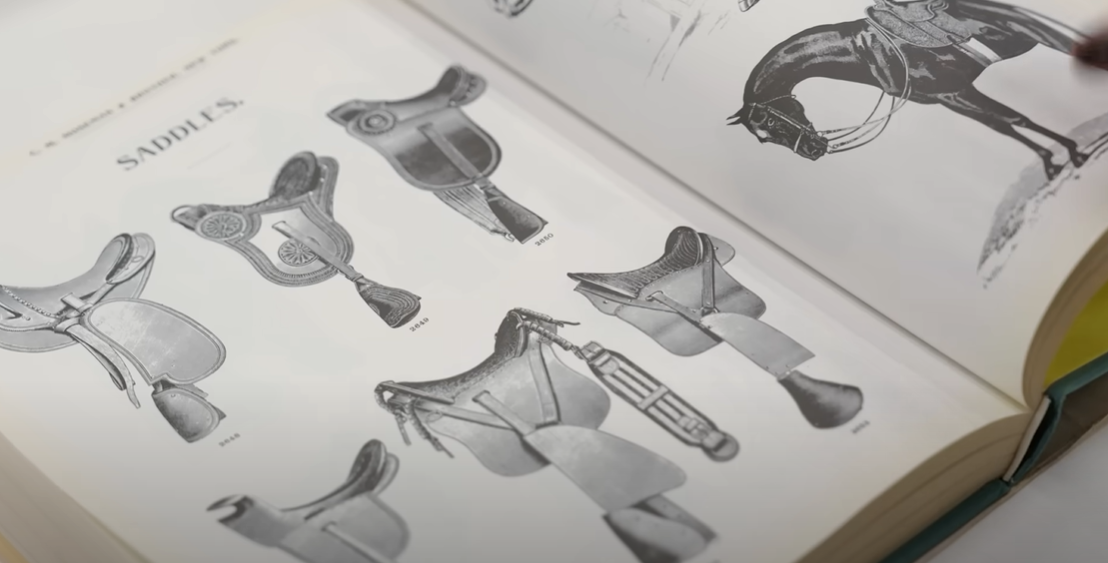
She notes that creativity here is about both past and present. The house draws on its rich heritage and inspiring history, yet new ideas always emerge from its timeless icons—the Kelly, the Birkin, and beyond.
Pointing to stacks of equestrian catalogs, Spring explains how even the smallest detail—a strap, a curve, a silhouette—can spark what she calls “endless” possibilities for design.
(Courtesy of Vogue)
And then there is Christine, the woman at the center of it all. She leads the artisans, heads development, and personally validates every bag. With many years of experience in luxury bagmaking, her knowledge is encyclopedic, and within the atelier, she is lovingly known as the “queen.”
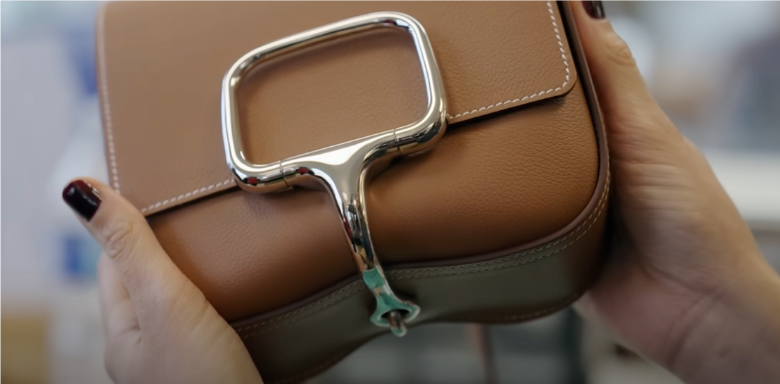
Next comes a fresh creation—a bag with a closure that appears to hang in place.
But in reality, the piece is secured through tiny, precise holes that are painstakingly stitched by hand.
(Courtesy of Vogue)
The above design took three months to take shape in the studio, and will need another six to nine months before it reaches completion.
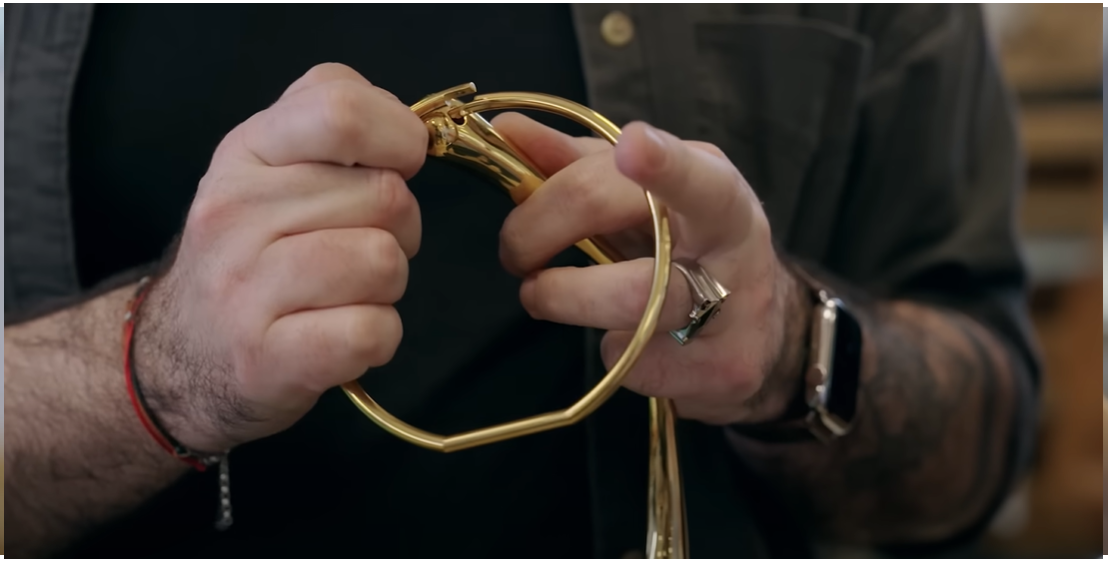
The journey continues in the hardware workshop, where the challenge is to marry metal with leather—an alchemy that gives Hermès bags their distinctive character.
Hermès takes its devotion to detail to unexpected places. Brass hardware is polished entirely by hand, and the sound it makes—a clasp closing, metal brushing—becomes part of the design.
(Courtesy of Vogue)
The team listens carefully, because even the smallest noise should carry elegance. “We love noise at Hermès,” she adds.
The Kelly reveals just how much thought goes into every detail. The closure is set at the front so the interior stays flawless to the touch. To reach this level of perfection, Hermès artisans undergo four years of training before they can even begin to construct one.

(Courtesy of Vogue)
“We make a little hole where we will put this little closure,” Spring explains. “You need to be very skilled because if you miss one single second to the side, you have to redo everything again.”
A Kelly takes about thirteen hours to complete, though the time varies depending on the materials. Spring calls it an archetype, first created in the 1930s but forever changed when Grace Kelly used it to shield her pregnancy from paparazzi. The rest, as she says, is history.

(Courtesy of Alene Potter via Pinterest)
Each bag is built inside out, then carefully reversed—a step so complex it’s reserved for only the most skilled hands.
The Birkin Picnic offers yet another glimpse into Hermès' artistry, where leather and wicker are joined through meticulous hand-lacing.

(Courtesy of Vogue)
It takes nearly eight hours just to complete the intricate lacing around the bag, and a total of nineteen hours to bring the entire bag to life.
Hermès keeps an extraordinary stock of materials: about two hundred colors and fifty types of leather, always on hand for mock-ups.

(Courtesy of Vogue)
But beyond variety, the maison has always been defined by exceptional craftsmanship—the patient work of women and men whose artistry has been passed down for generations.
The way Hermès stitches, assembles, and even imagines its bags is rooted in longevity from the very beginning. Every design considers not only how it will be used today, but how it might be repaired decades from now.

(Courtesy of Vogue)
This forward-thinking approach gives sustainability a new dimension, where the goal is to create bags that last a lifetime. That enduring quality makes Hermès an outstanding option to shop secondhand, since the house’s creations retain their beauty and prestige no matter how often they’re carried.
Japan-based platform ZenLuxe brings together an exclusive selection of authentic pre-loved Hermès pieces, offered at discounted prices without compromising on French savoir-faire.
About The Writer
Meet Mariam — a fashion writer who lives and breathes all things vogue and glamour. For her, the most therapeutic aspect of fashion goes beyond simply shopping for the latest styles that appear in stores; it’s fully experiencing this glamorous world from the little details to the big moments (there's nothing quite like the thrill of flipping through a sleek fashion magazine, is there?).