
(Courtesy of TTOP THREADS)
Contents
- 1984: Nylon Enters Prada as a Radical Luxury Material
- 1990s and 2000s: Nylon Becomes Inseparable From Prada’s Identity
- 2019: Prada Launches Re-Nylon as a Focused Capsule
- Why Prada Nylon Keeps Coming Back (and Still Feels Right)
- What Miuccia Prada Saw in Nylon Before Anyone Else Did
- Why Prada Nylon Was Never the “Cheaper” Option
- About The Writer
Prada nylon has one of the most unlikely origin stories in modern luxury. It did not arrive as a “soft” trend or a seasonal fabric experiment; it was a point of view.
When Miuccia Prada introduced a nylon backpack in the mid-1980s, it pushed directly against what luxury was supposed to look like at the time—heritage leather, visible opulence, and shallow status. Prada went the opposite direction, embracing something utilitarian, understated, and quietly confrontational.
That choice went on to influence decades of accessory design, and it explains why Prada nylon does not fade away—it cycles back with intention. That said, here is the full story behind the history of Prada nylon and why it continues to stand the test of time as a modern luxury staple.
1984: Nylon Enters Prada as a Radical Luxury Material
(Courtesy of Prada Group)
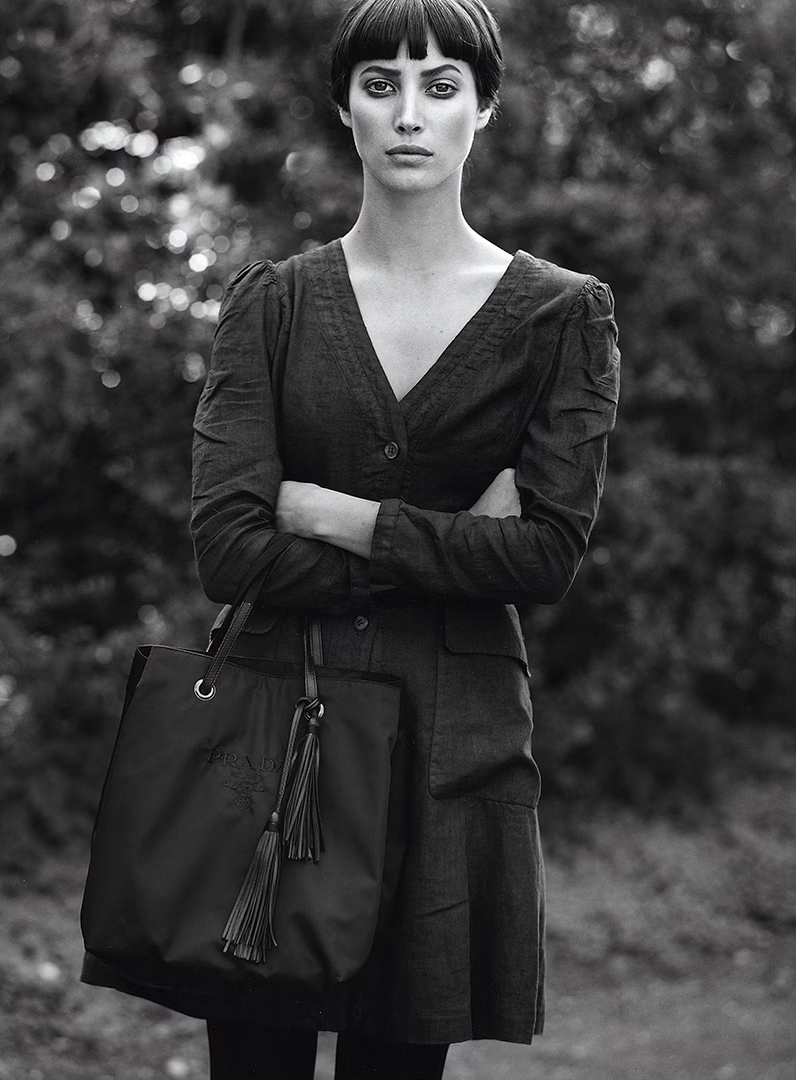
The story starts in Milan in 1913, when Mario Prada, Miuccia Prada’s grandfather, opened a leather goods shop inside the elegant Galleria Vittorio Emanuele II. He specialized in refined trunks, bags, and travel pieces—items so impeccably made that the brand was eventually named Official Supplier to the Italian Royal Household. That early prestige still echoes today in every Prada bag, right down to the metal triangle stamped with Milano da 1913.
Before fashion ever took center stage, Miuccia Prada took a very different path. She trained as a mime, completed a PhD in political science, and aligned herself with the Italian Communist Party—hardly the résumé of someone destined to redefine luxury handbags.
That mix of performance, intellect, and politics shaped a design philosophy that felt fearless and original. In 1984, it all materialized in the Prada Vela backpack. With its flat silhouette, drawstring opening, D-ring closure, and that sly little triangle, it turned an everyday object into a cult classic.
1990s and 2000s: Nylon Becomes Inseparable From Prada’s Identity
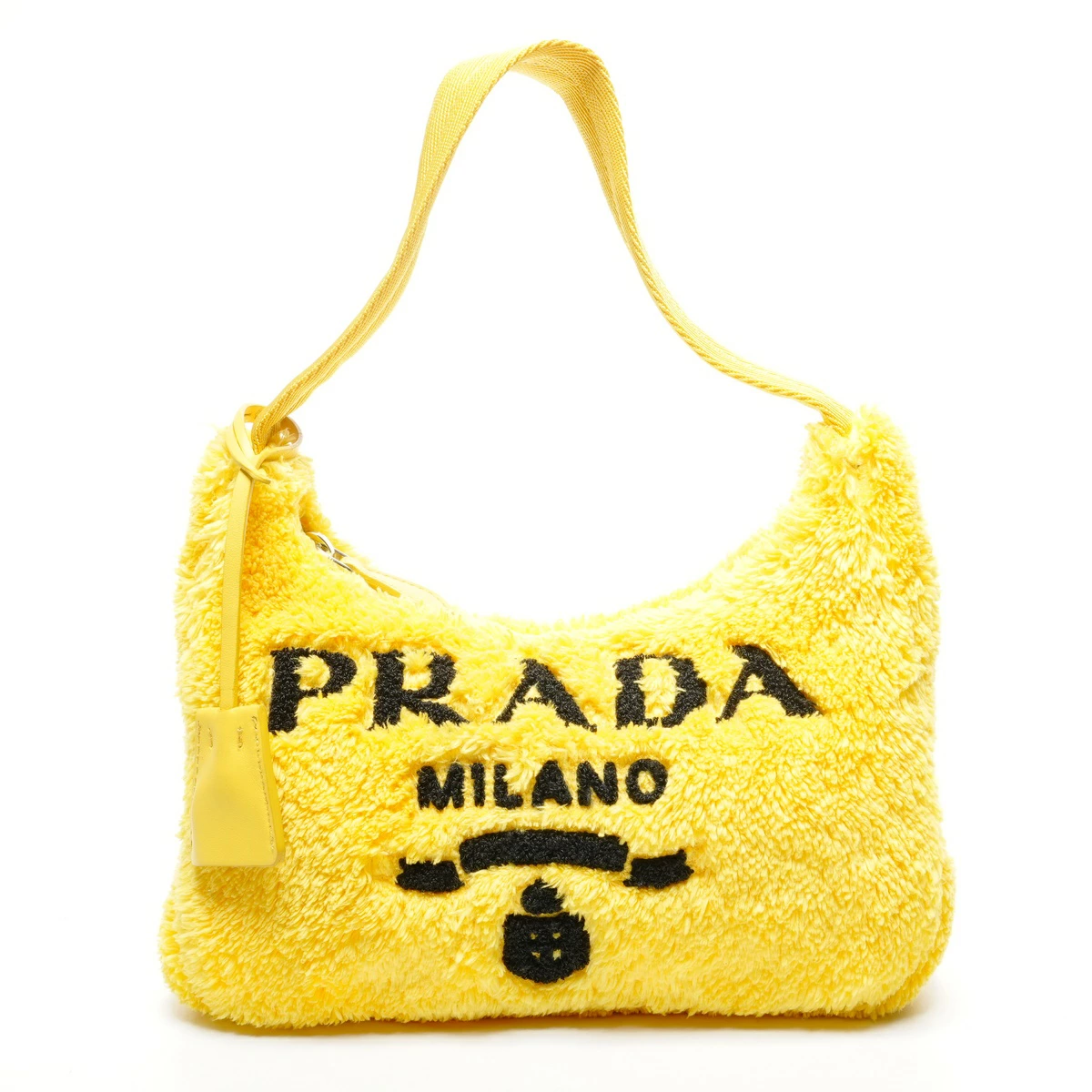
Once nylon entered Prada’s vocabulary, it became a repeatable system rather than a one-off statement. The material proved endlessly workable—able to hold sharp silhouettes, take real wear, clean up easily, and still look composed. Just as importantly, it photographed beautifully. Matte, minimal, and instantly recognizable, nylon delivered impact without relying on loud prints or decorative excess, which made it feel naturally aligned with modern life.
That balance between practicality and presence explains why Prada nylon aged so well across the 1990s and 2000s. It functioned as a true daily uniform—durable enough for constant wear, yet distinctive enough to register as intentional fashion rather than utility.
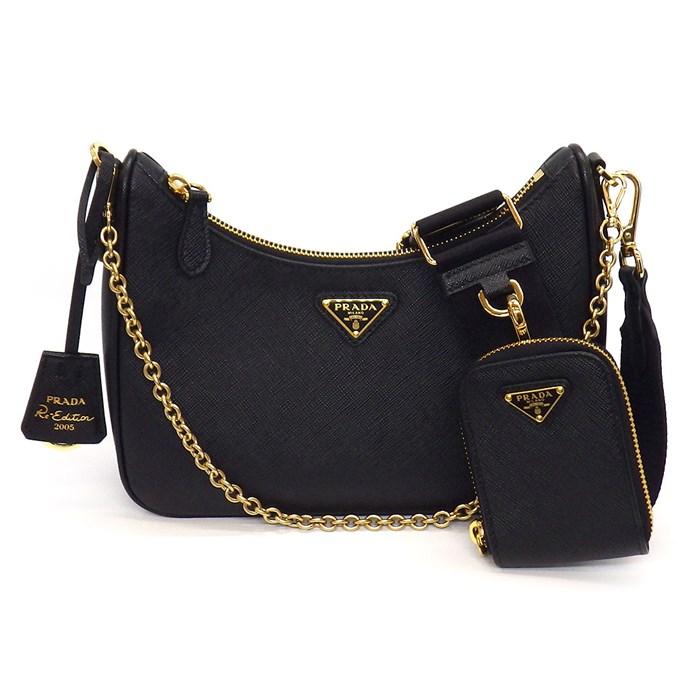
As the years passed, nylon became so embedded in the brand’s identity that earlier silhouettes could be revisited as archives instead of trend-driven throwbacks. The Re-Edition line makes that point explicit, drawing directly from 2000 and 2005 designs and reintroducing them with faithful details and modernized fabrication.
2019: Prada Launches Re-Nylon as a Focused Capsule
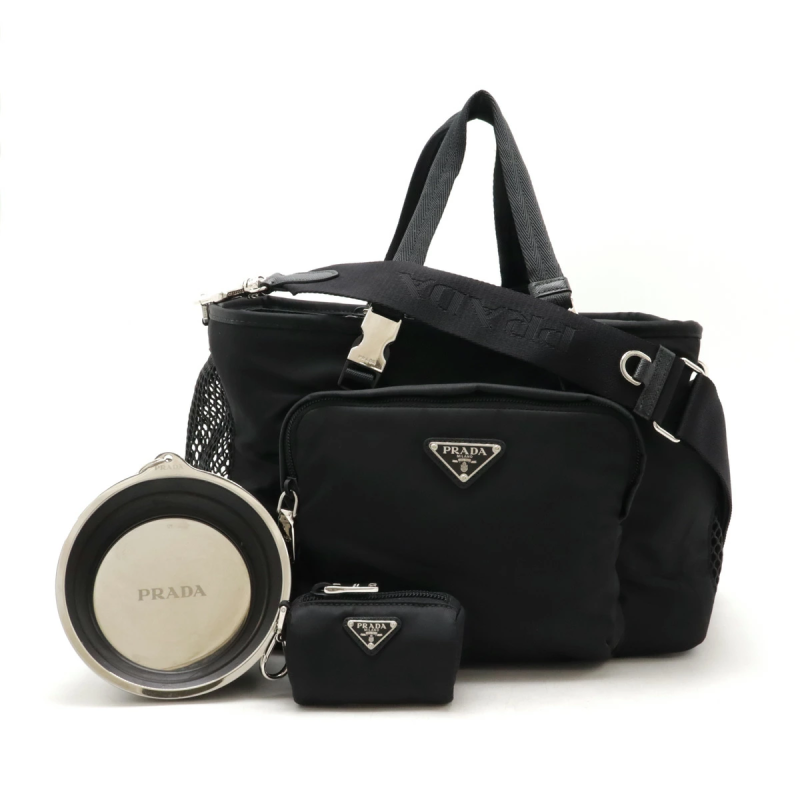
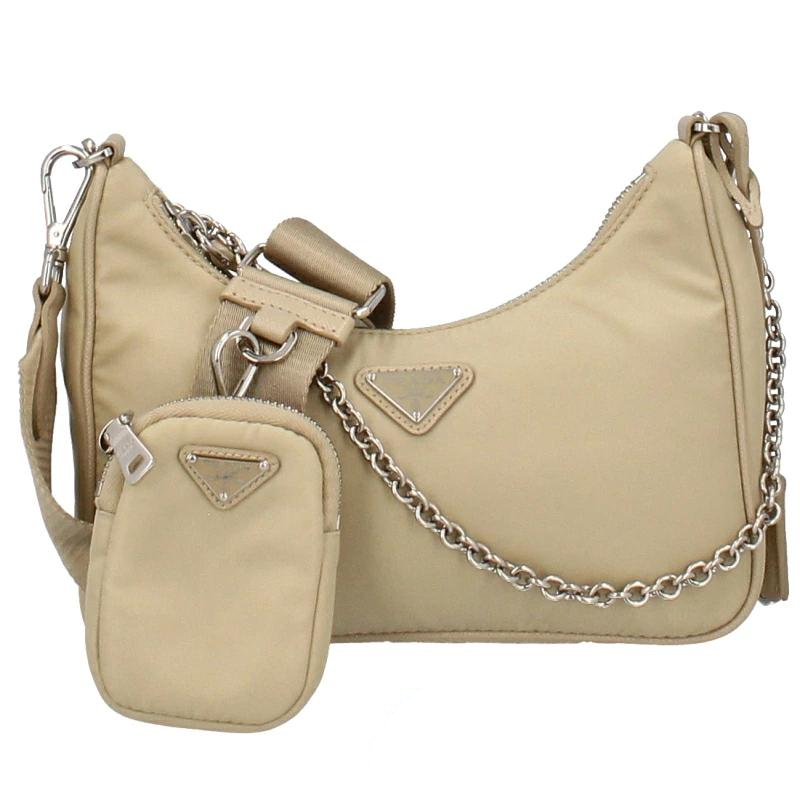
Prada Re-Nylon represents the most defining modern chapter in the story of Prada nylon. Introduced in 2019 as a focused capsule of bags for men and women, it quickly proved to be more than a limited experiment.
By 2020, the concept expanded across ready-to-wear, accessories, and footwear, turning nylon into a central design language once again.
Re-Nylon builds on everything Prada has stood for—modern luxury, functional beauty, and a distinctly contemporary way of dressing life—while pushing the material firmly into the present.
The groundbreaking line marked a major leap forward in both fabric innovation and sustainable luxury. It is a material that can be regenerated again and again without any loss of quality—true circular luxury in practice.
Re-Nylon is made entirely from regenerated nylon derived from plastic waste collected across oceans, fishing nets, landfills, and textile fiber refuse around the world. The process involves breaking the material down through de-polymerization, purifying it, and rebuilding it into new polymers and threads, ready to become nylon fabric once more.
Prada nylon comes back in the Re-Nylon era for two reasons at once: heritage and strategy. The house is able to revive its most recognizable nylon shapes while anchoring them to a forward-looking materials story—one that is clearly aligned with Prada’s own sustainability narrative.
Why Prada Nylon Keeps Coming Back (and Still Feels Right)
(Courtesy of Prada)
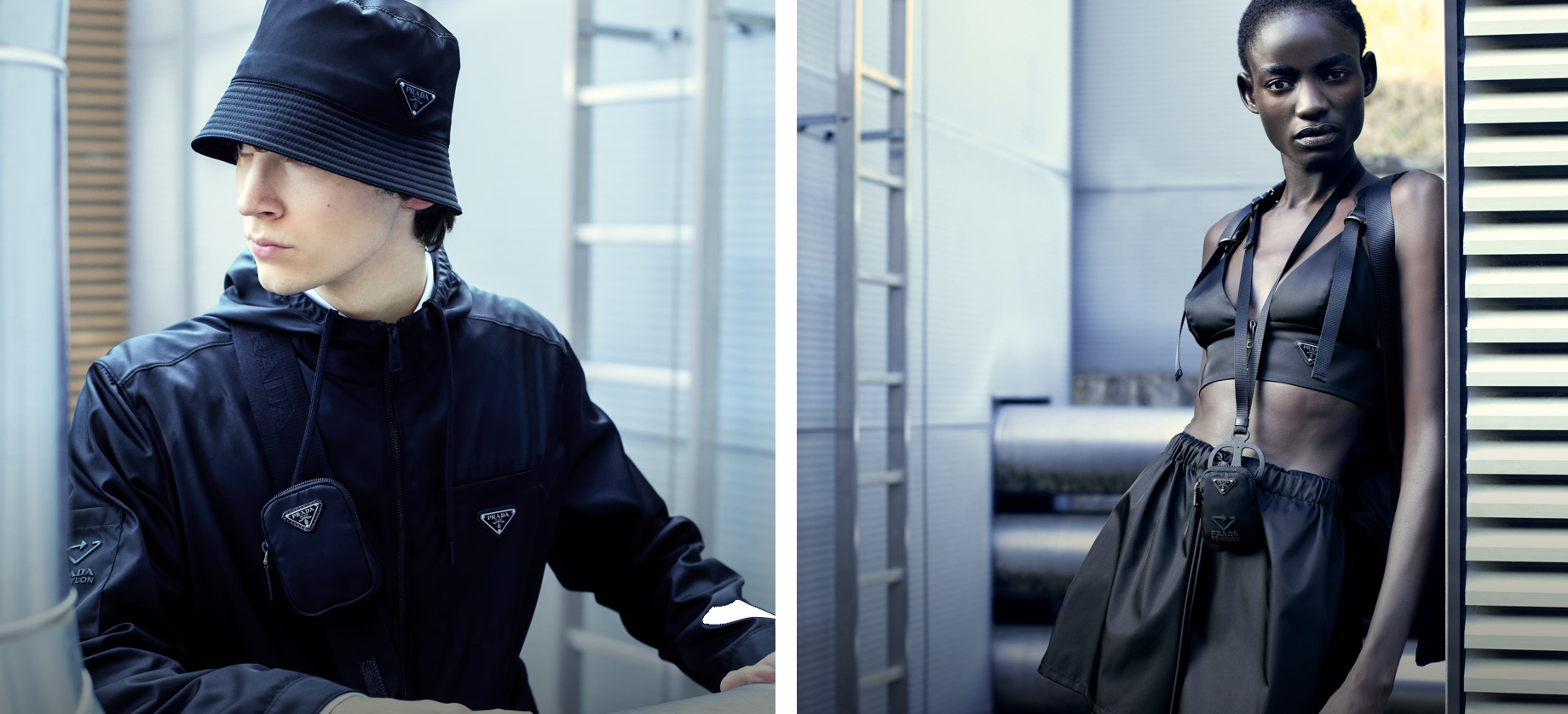
Prada nylon returns so reliably because it solves multiple fashion problems at the same time.
- It delivers real function. Lightweight, durable, and relaxed without ever feeling careless, nylon earns its place in wardrobes built for movement—through cities, airports, and long days—rather than pieces that live untouched on a shelf.
- It reads as Prada immediately without relying on loud logos. The house signals identity through proportion, texture, and its now-familiar nylon language, which is why even the simplest nylon bag still registers as luxury.
- It has a built-in cultural memory loop. When Prada calls back to specific years like 2000 and 2005 through the Re-Edition line, it is tapping into a recognizable timeline rather than inventing a fake archive moment.
In other words, Prada nylon is one of the few luxury materials that can be practical, iconic, and timely all at once.
What Miuccia Prada Saw in Nylon Before Anyone Else Did

(Courtesy of Vogue)
Nylon entered Prada’s world not as a trend but as an act of refusal. The Milanese house did not stumble into nylon because it was cheap or trendy; it approached the material with intention, treating it as something capable of carrying real conceptual and design weight.
Miuccia Prada once explained, “Back then, I didn’t really like anything I saw. It all just looked so old and bourgeois and boring. I just wanted to search for the absolute opposite of what was already out there,” Vogue reports.
That instinct led her to elevate nylon—long dismissed as purely functional—into something intellectually charged and fashion-worthy.
“Suddenly, nylon started to look more intriguing to me than couture fabrics. I decided to introduce it to the catwalk, and it challenged, even changed, the traditional and conservative idea of luxury. I am still obsessed with it,” she expressed.
Why Prada Nylon Was Never the “Cheaper” Option
(Courtesy of Harper's BAZAAR)
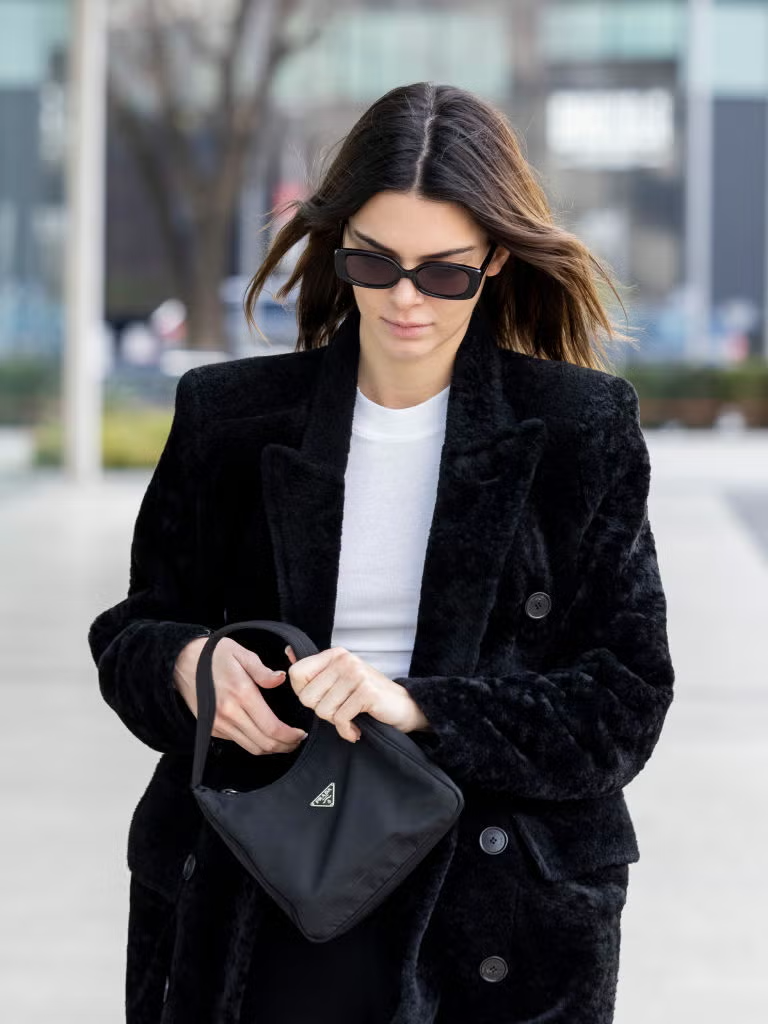
Calling Prada’s nylon bags rebellious was fair. Calling them inexpensive was not.
When questioned about pricing, Miuccia Prada made it clear that nylon demanded more—not less—investment than leather. Years were spent learning how to manipulate the fabric properly, refining techniques from scratch, and sourcing an unusually fine nylon yarn that was both rare and costly. The result was a material that looked utilitarian but behaved like a luxury textile, quietly justifying every cent.
The plot twist? Luxury Prada nylon can be far less expensive than most people expect.
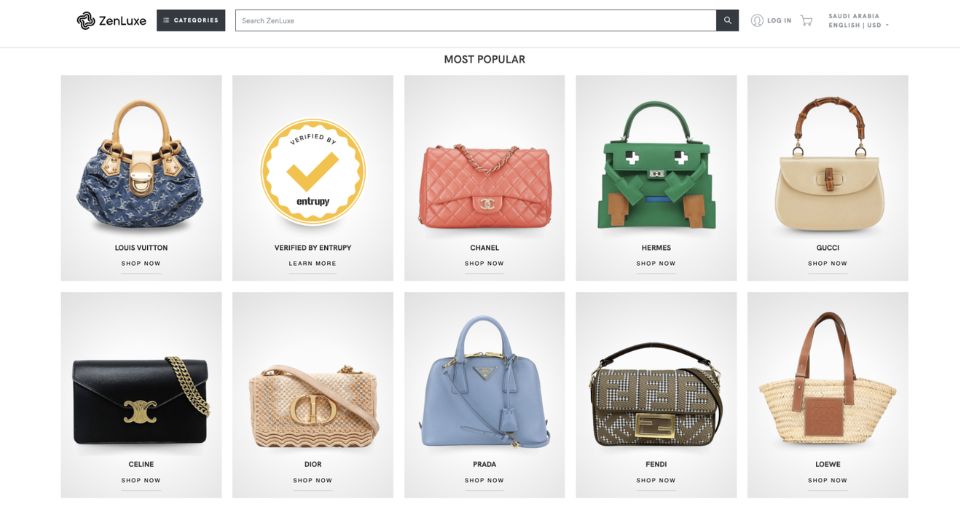
Japan-based ZenLuxe makes shopping secondhand Prada nylon refreshingly easy, with a wide selection of authentic bags sourced directly from Japan’s trusted resale ecosystem—where pristine condition is practically the baseline.
For extra peace of mind when shopping online, ZenLuxe keeps things extremely transparent: clear photos from every angle, detailed condition descriptions, airtight Entrupy authentication, a straightforward return policy, and easy delivery straight to your doorstep.
About The Writer
Meet Mariam — a fashion writer who lives and breathes all things vogue and glamour. For her, the most therapeutic aspect of fashion goes beyond simply shopping for the latest styles that appear in stores; it’s fully experiencing this glamorous world from the little details to the big moments (there's nothing quite like the thrill of flipping through a sleek fashion magazine, is there?).